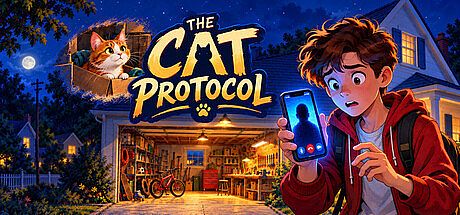




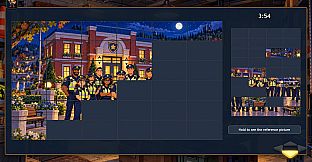
The Cat Protocol is an indie casual adventure game for PC in which players follow Tom as he searches a quiet town for his missing cat Titi. A mysterious phone call interrupts his plans for the holidays and sets him on a path of following instructions that lead through familiar streets and hidden corners. The story unfolds at night once the town settles, turning everyday locations into spaces filled with clues and unexpected passages.
Gameplay
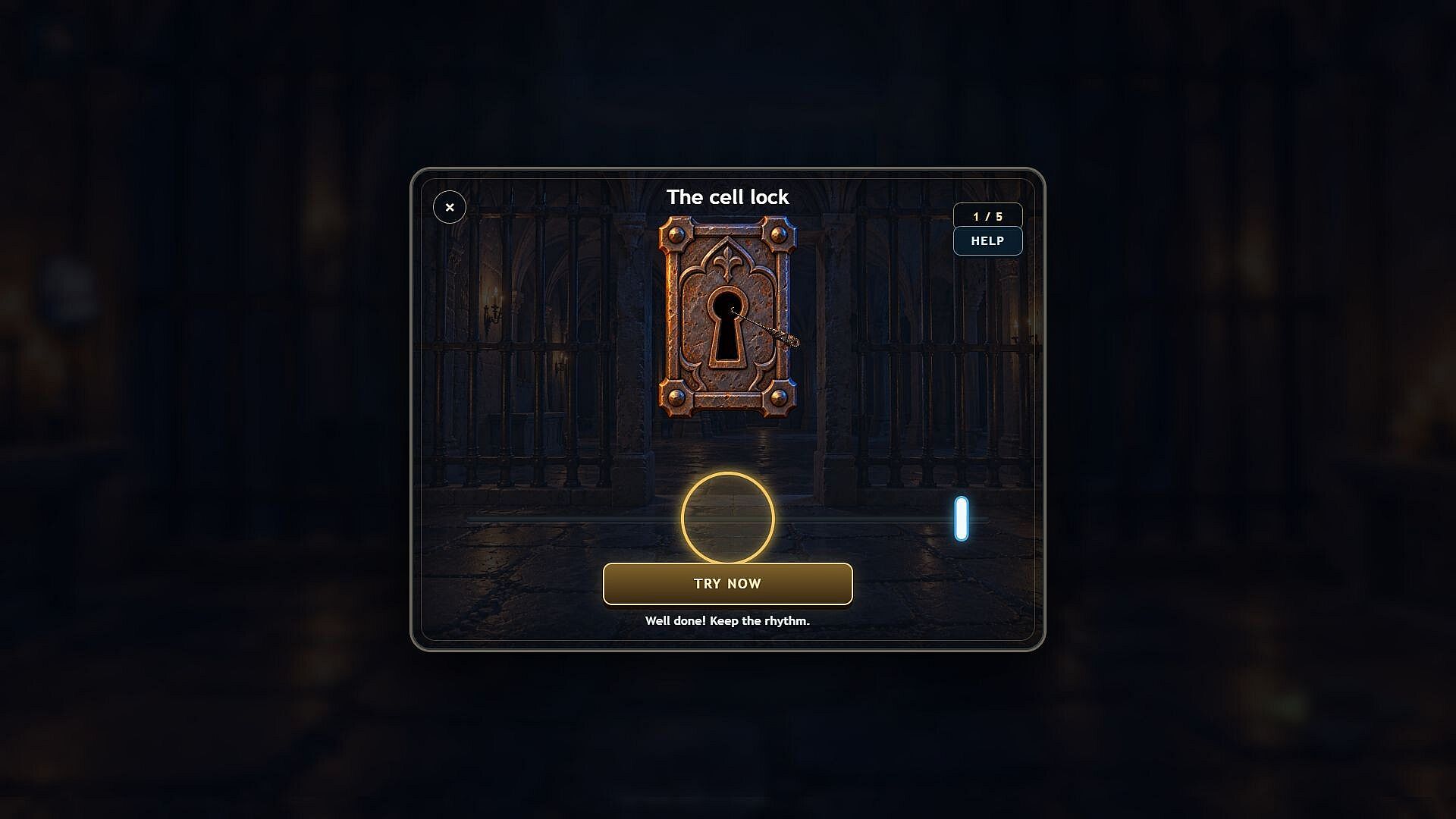
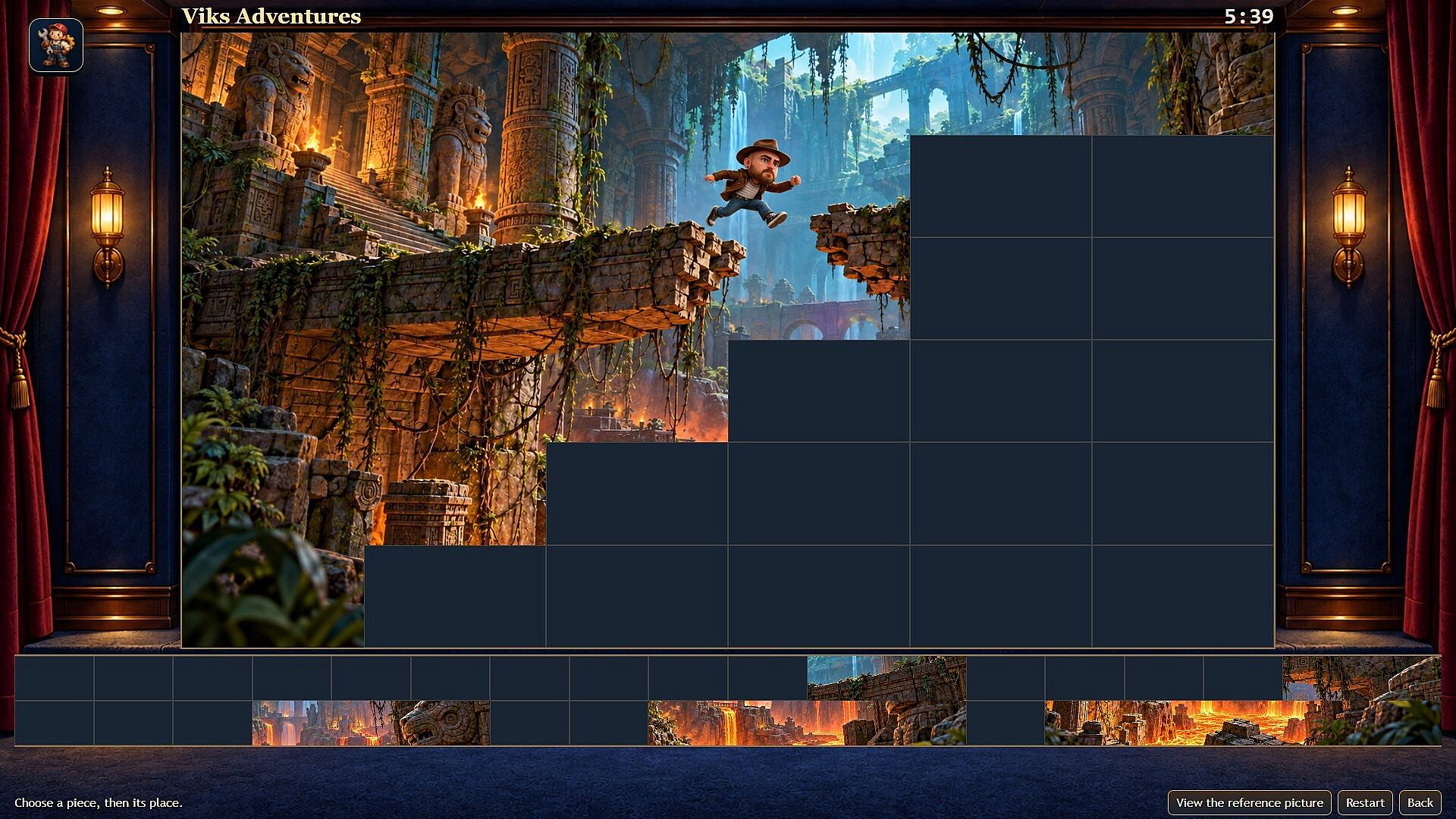
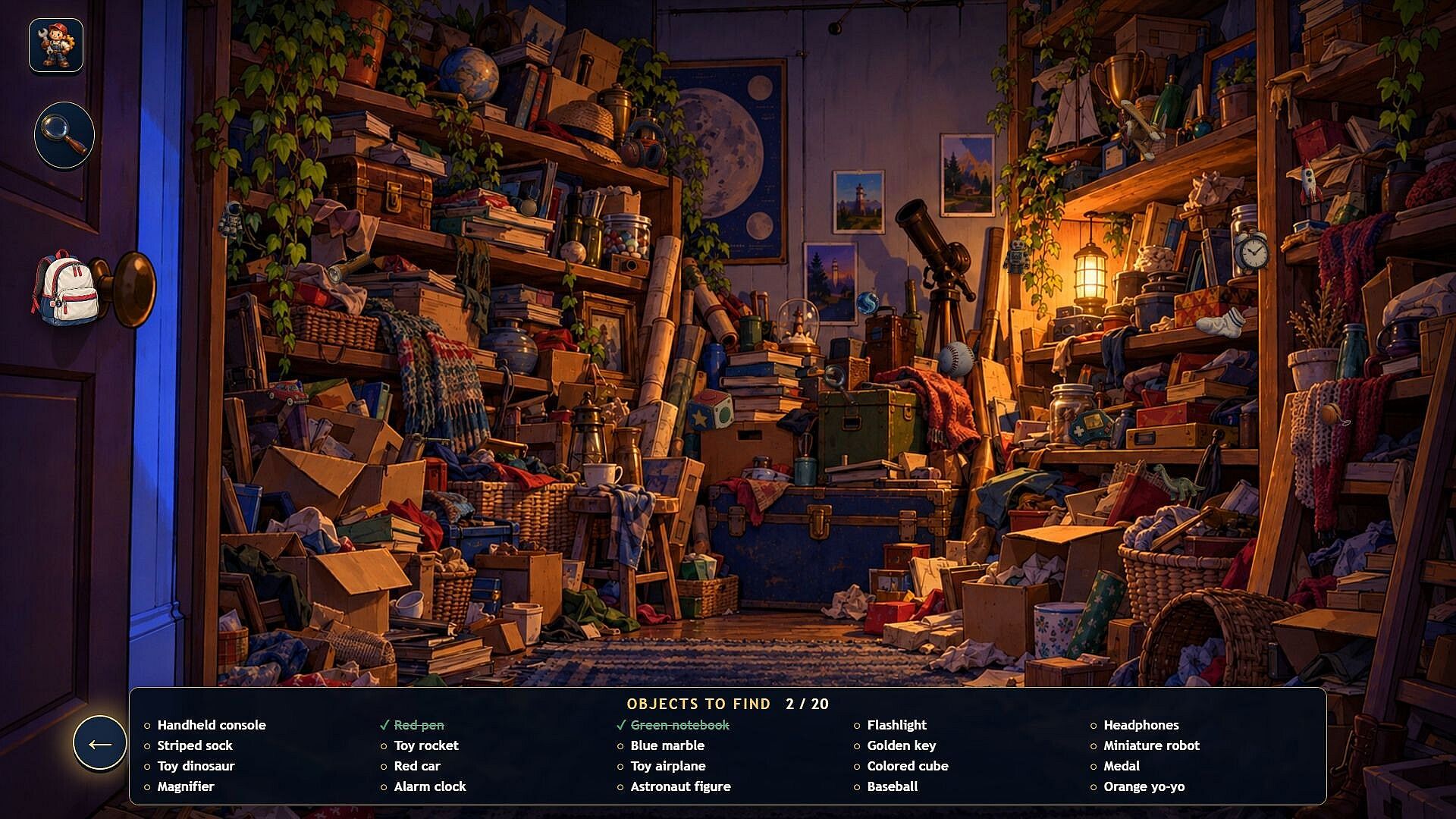
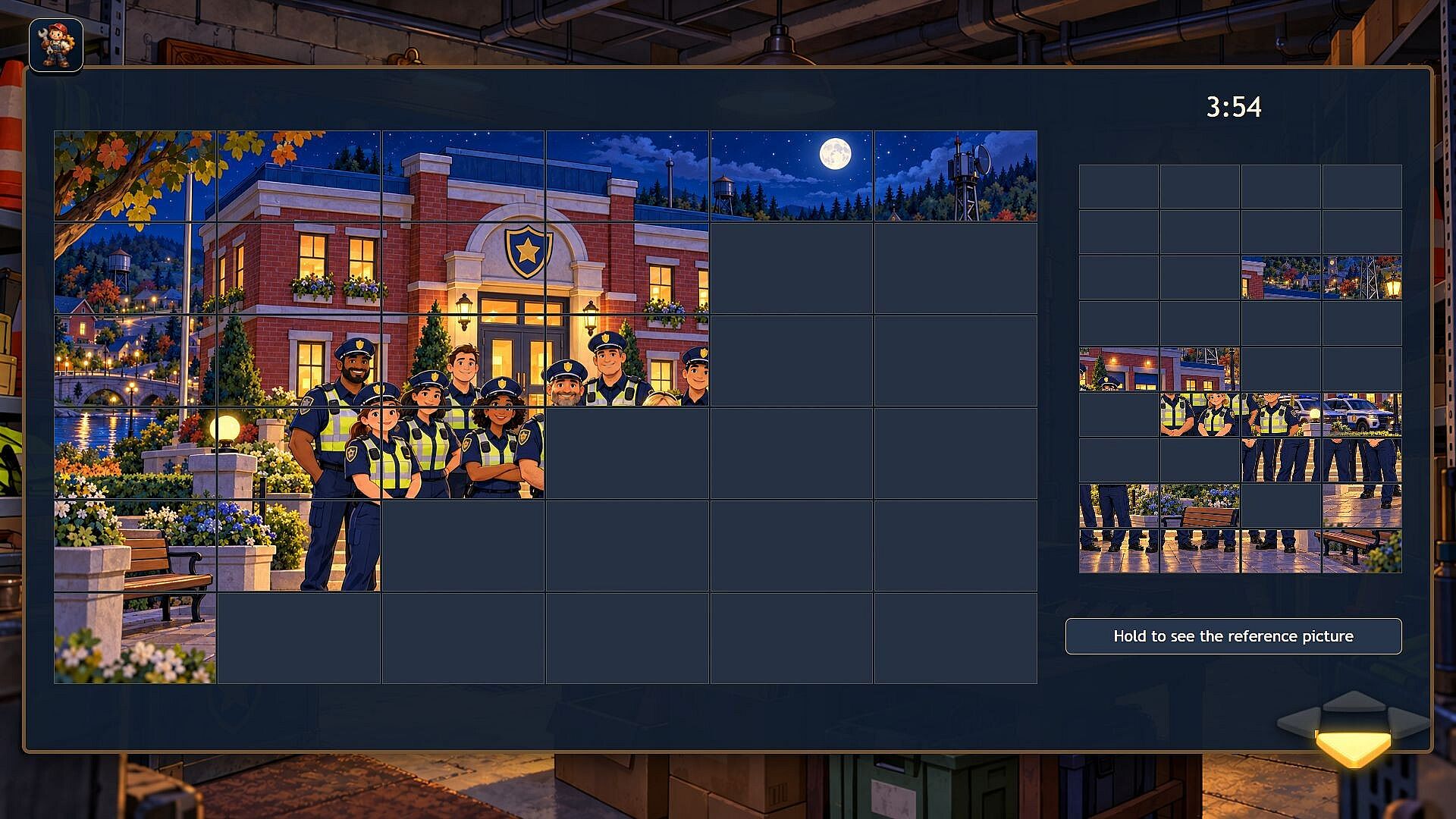
Core play centers on careful observation and interaction with the environment. Tom moves through atmospheric settings, examining objects and details that might otherwise go unnoticed. Finding hidden items forms a steady loop, with players scanning scenes for anything out of place or connected to the current task. Some discoveries require piecing images or fragments back together, while others involve experimenting with items or following subtle visual hints to unlock new areas.
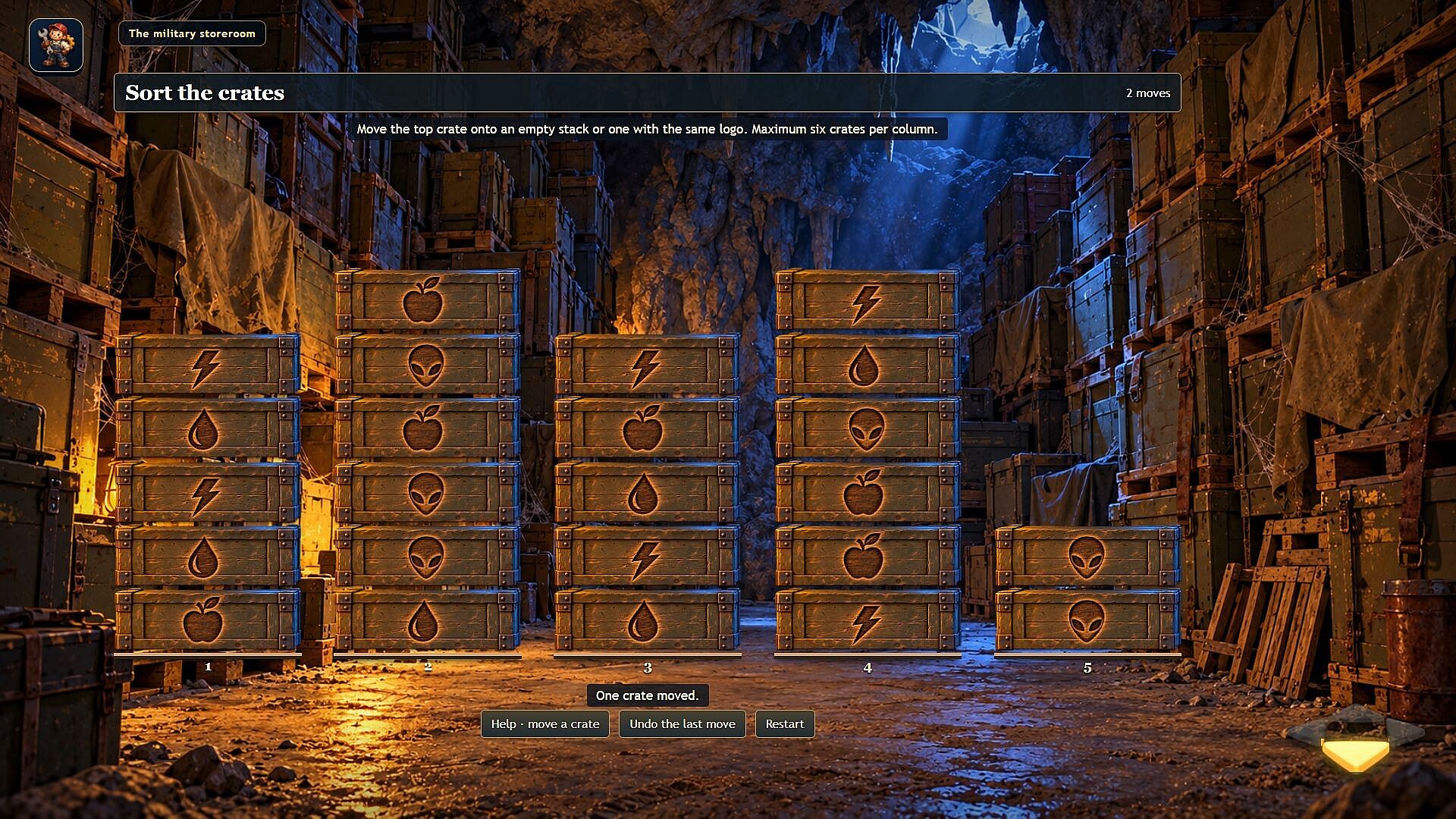
Puzzles vary by location and often tie directly into the surroundings rather than relying on abstract mechanics. Progress comes from gathering clues that advance the stranger's missions, gradually revealing more of the town and its quiet secrets. The pace rewards patience, as small observations can open larger paths or shift how certain places feel once their stories surface.
Collectibles and optional challenges appear naturally during exploration. These elements encourage replay without forcing it, offering reasons to return to earlier spots once new tools or perspectives become available. The overall loop mixes narrative forward movement with moments of quiet discovery and light problem solving.
Game Modes
The Cat Protocol offers a single continuous adventure experience without separate named modes. Players follow the main sequence of missions and exploration at their own speed, deciding how thoroughly to search each location. There are no competitive, cooperative, or alternate rule sets described; the focus remains on one narrative journey through the town.
Within that structure, different approaches emerge naturally. Some players may prioritize completing objectives quickly, while others linger to uncover every collectible or hidden detail. The game supports both styles through its design, with optional challenges and unlockable activities that appear as progress continues. No distinct difficulty settings or variant campaigns are indicated.
Exploration and Discovery
The town itself acts as the main draw, with each area presenting its own atmosphere and set of details to examine. Nighttime settings create a consistent mood that encourages close attention to shadows, objects, and minor changes in the scenery. Passages and clues often hide in plain sight, rewarding players who take time to look beyond the obvious path.
Encounters and findings build outward from the central story. What begins as a straightforward search expands as discoveries reshape understanding of the location and its residents. The design keeps the focus on steady forward movement while leaving room for side observations that enrich the experience without derailing it.
Progression and Rewards
Advancement opens new possibilities gradually. Completing missions grants access to additional areas and activities, including collectibles and small games that can be unlocked along the way. These extras provide variety without becoming mandatory, allowing players to tailor how much they engage with optional content.
The structure supports multiple playthrough styles. Those who enjoy thorough exploration will find plenty of reasons to revisit locations, while players focused on the main thread can move steadily toward the conclusion. Surprises remain even after the primary story wraps, suggesting that reaching the end does not exhaust everything the town has to offer.
Is It Worth Playing?
The Cat Protocol suits players who enjoy casual adventure games built around exploration, hidden object searches, and light puzzle solving. Its single-player focus and emphasis on atmosphere and detail make it a good fit for those who like taking time with environments rather than fast action or complex systems. The narrative-driven structure delivers a contained story with room for personal discovery.
Anyone drawn to indie titles that blend mystery with everyday settings will likely appreciate the steady pace and the way small findings connect into larger revelations. The game provides clear reasons to explore thoroughly while remaining accessible for shorter sessions. Its lack of separate modes or ongoing updates keeps the experience focused on the core adventure described in the source material.