




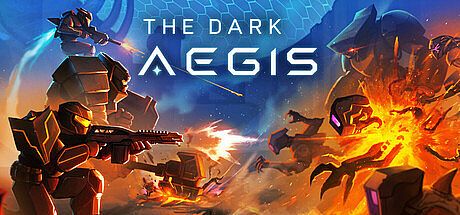


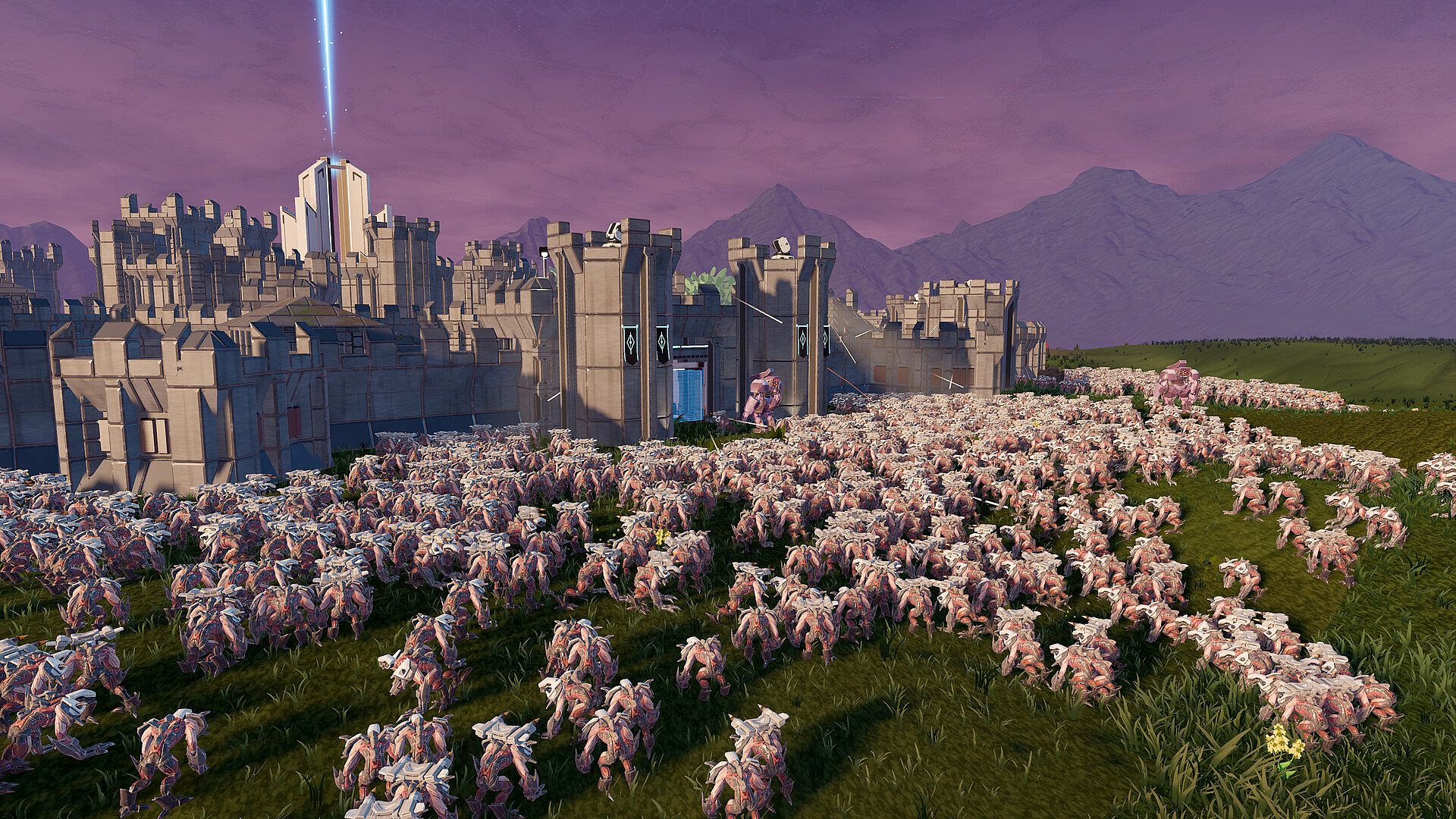
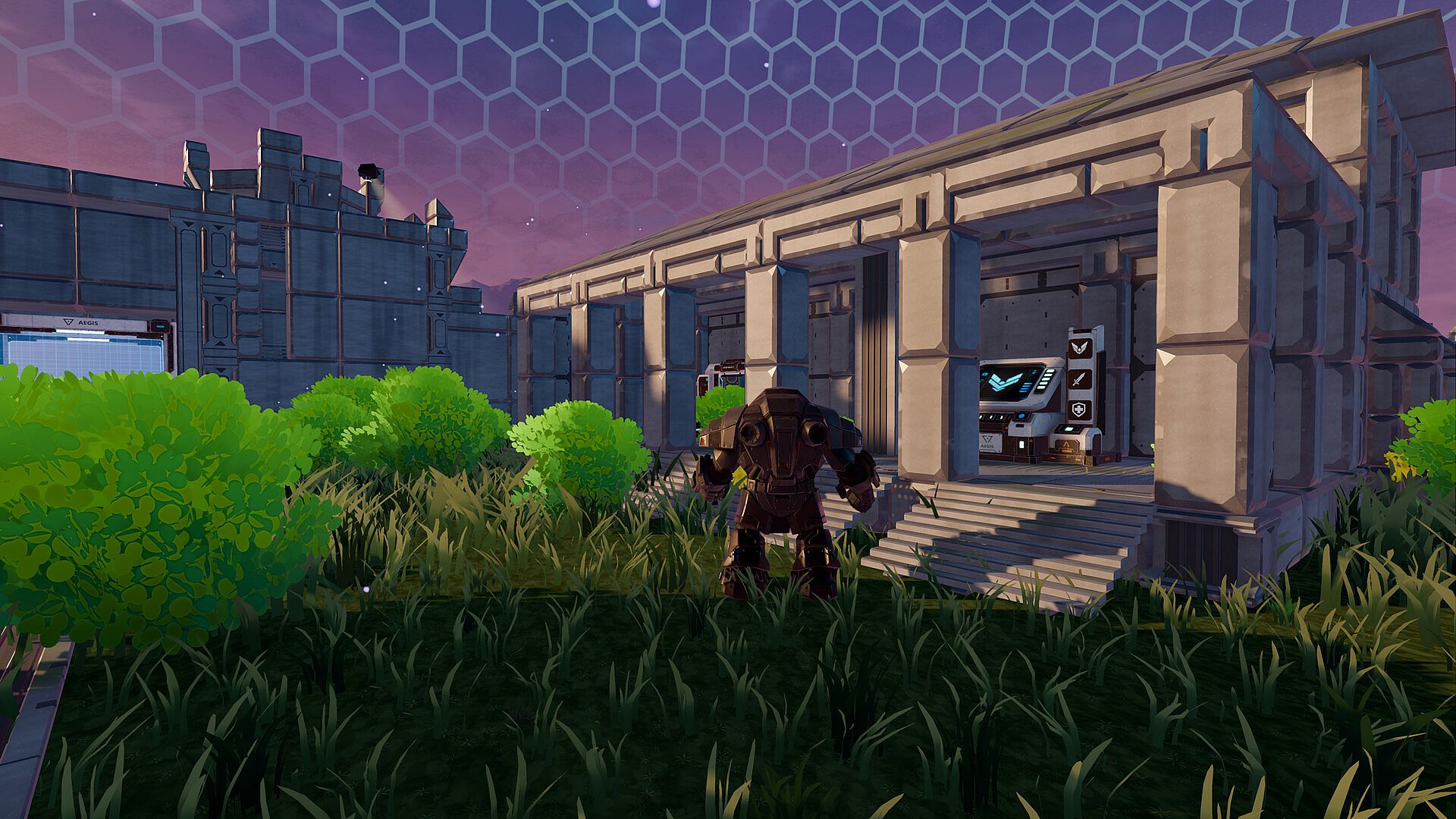
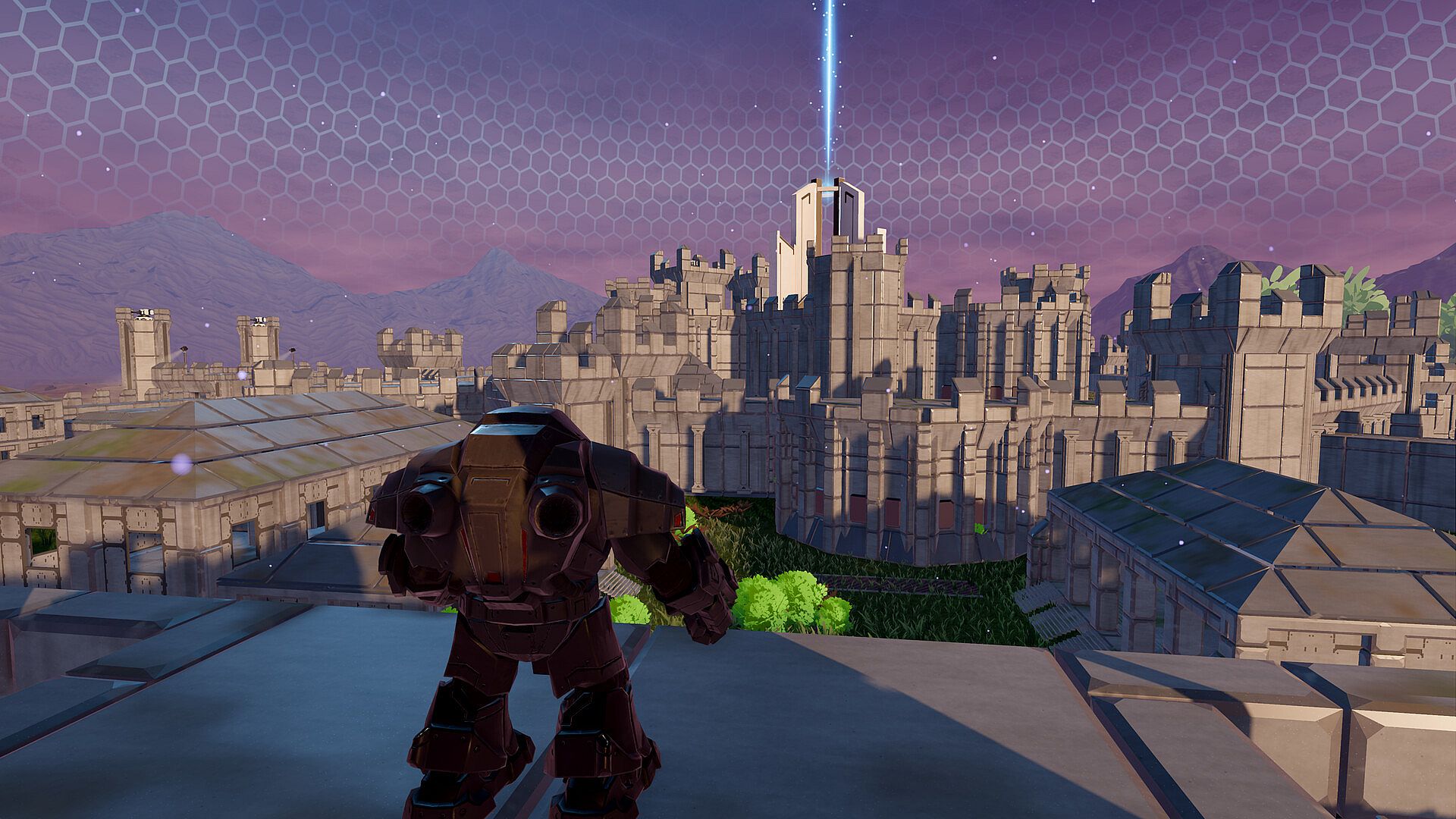
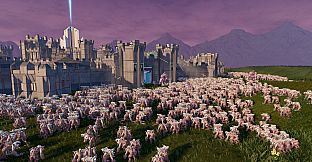
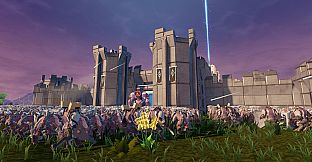
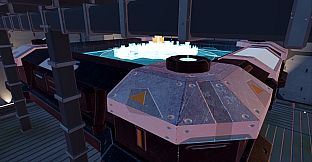
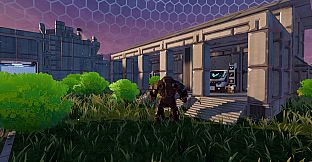
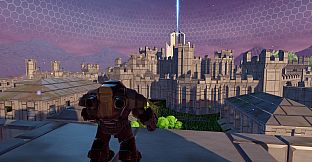
The Dark Aegis is an action strategy game that combines third-person combat with base building on PC. Players construct and defend a fortress around a central AEGIS shield while facing waves of alien enemies, either alone or with up to three others in online co-op.
Gameplay
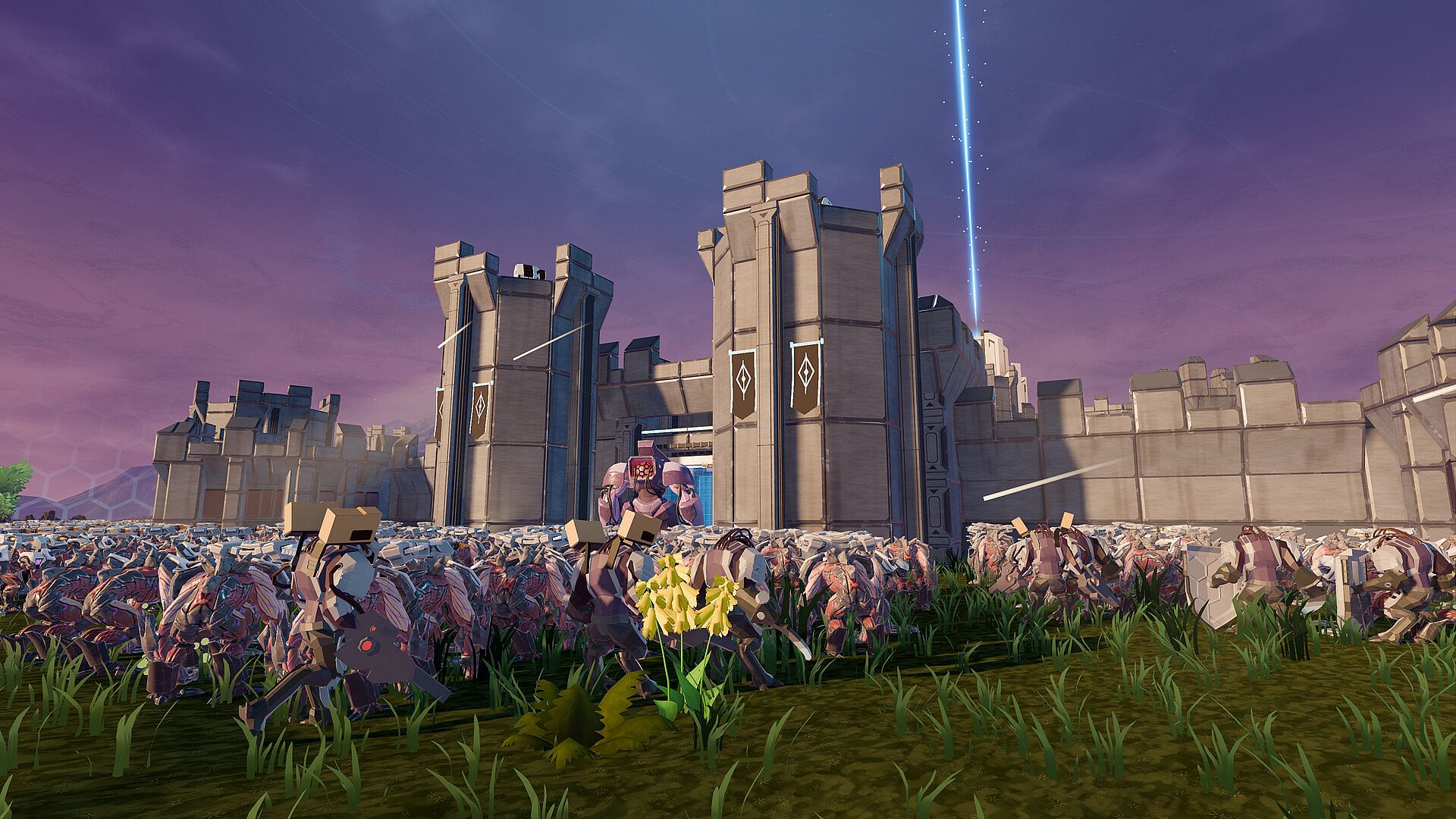
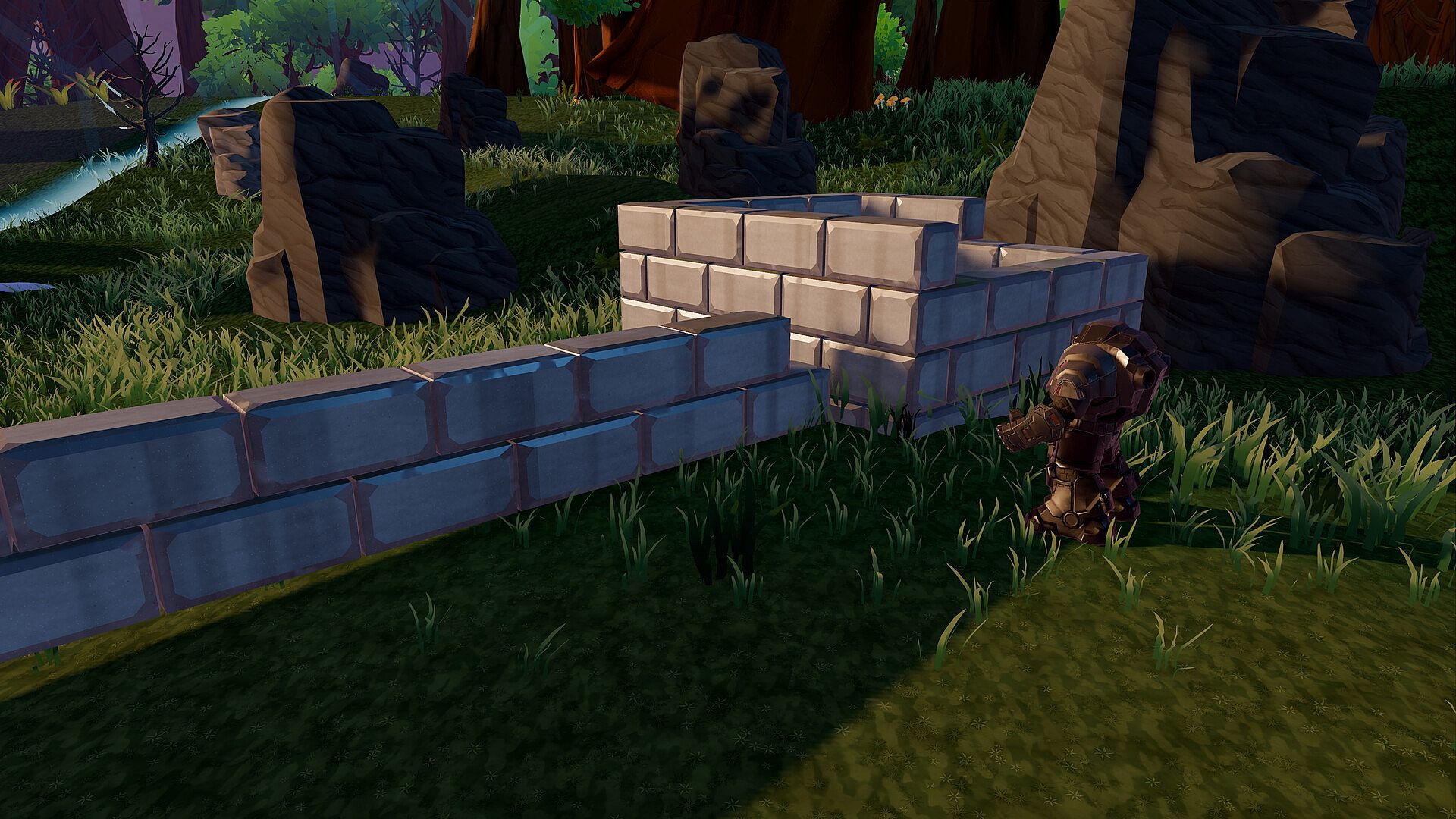
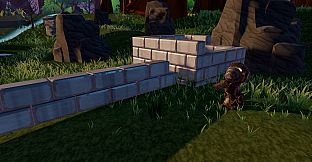
Core play revolves around two intertwined phases that repeat across sessions. Between assaults, participants gather resources and construct defensive structures brick by brick. Walls, towers, gates, and battlements form the perimeter, but each element needs physical support through beams and pillars to remain stable under pressure. Poor placement leaves gaps that enemies can exploit.
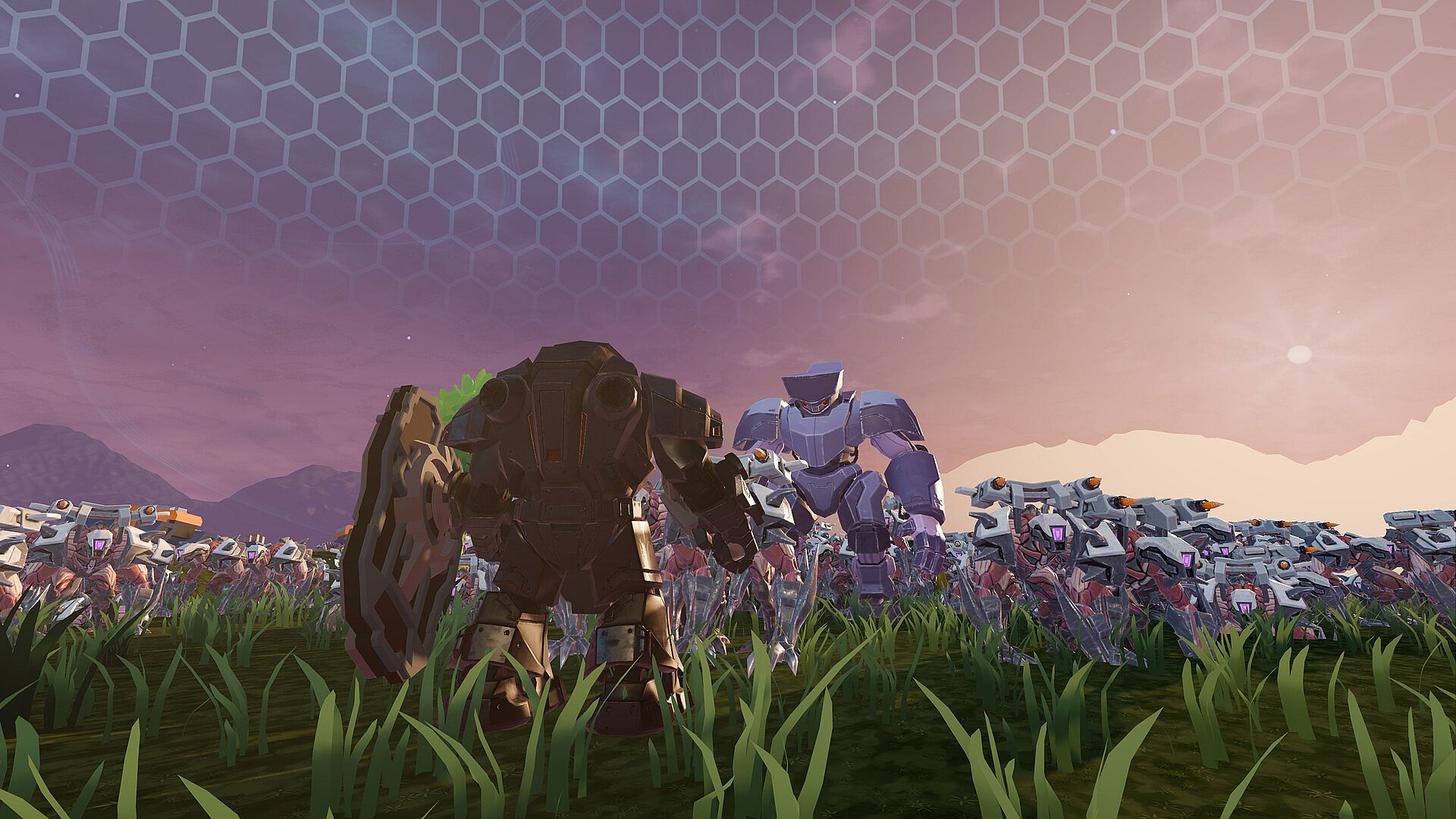
Combat shifts to third-person action once the horde arrives. Three distinct classes shape how squads approach threats. The Bulwark focuses on holding defensive lines at close range. The Vanguard manages positioning and crowd control across the battlefield. The Helion operates from elevated or aerial positions to strike key targets. Success depends on coordinating these roles to funnel incoming swarms into prepared kill zones.
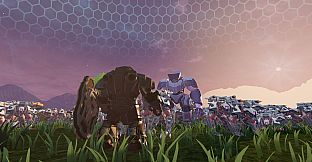
Environmental hazards add tension. Siege titans appear among regular enemies and can dismantle even reinforced structures quickly, forcing players to prioritize threats or reposition defenses on the fly. The building system encourages experimentation with layouts that create chokepoints while maintaining sight lines for ranged attacks.
Game Modes
The game centers on repeatable co-op sessions for one to four players that blend construction and survival. Each cycle begins with an expansion phase where the AEGIS shield opens access to surrounding alien wilds. Teams venture out to complete objectives that yield upgrades and materials, then race back before the shield retracts and triggers the main defense wave.
Defense phases emphasize preparation and adaptation. Players reinforce existing structures from prior rounds while reacting to enemy compositions that include both standard hordes and larger siege units. The loop rewards careful planning of entry points and layered defenses that can withstand prolonged pressure.
Single-player runs follow the same structure but require managing all classes and building tasks independently. The permanent nature of upgrades means early choices compound over multiple sessions, turning initial simple walls into components of larger fortifications.
Progression and Customization
Every completed round contributes to lasting advancement. Unlocked defenses, strengthened wall variants, and new loadout options carry forward, allowing players to expand their citadel gradually. Crafting focuses on tailoring weapons and abilities to class strengths, creating loadouts suited to different enemy types or preferred playstyles.
The system supports both short sessions and extended campaigns. A squad can focus on incremental improvements to a single fortress layout or experiment with new configurations each time the shield expands. This permanence encourages repeated play as early defensive rings eventually become inner strongholds within a much larger complex.
Is It Worth Playing?
The Dark Aegis targets players who enjoy methodical base construction paired with direct third-person combat in a co-op setting. The class variety and building support mechanics provide clear roles for groups, while the expansion and retraction cycle creates natural pacing between exploration and defense.
Permanent progression gives long-term motivation without resetting efforts between sessions. Those who prefer pure action or lack interest in defensive planning may find the building requirements slow the pace. The game remains in development with a planned 2027 release, so interested players can follow updates through official channels as more details emerge.











