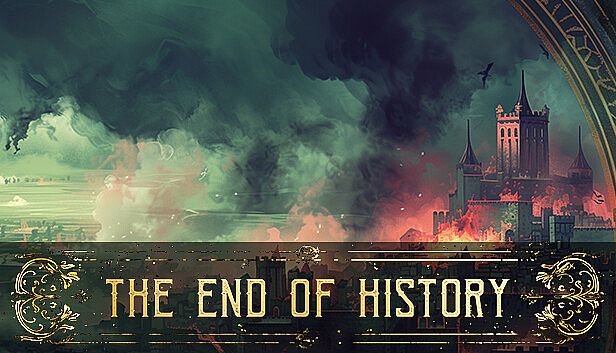






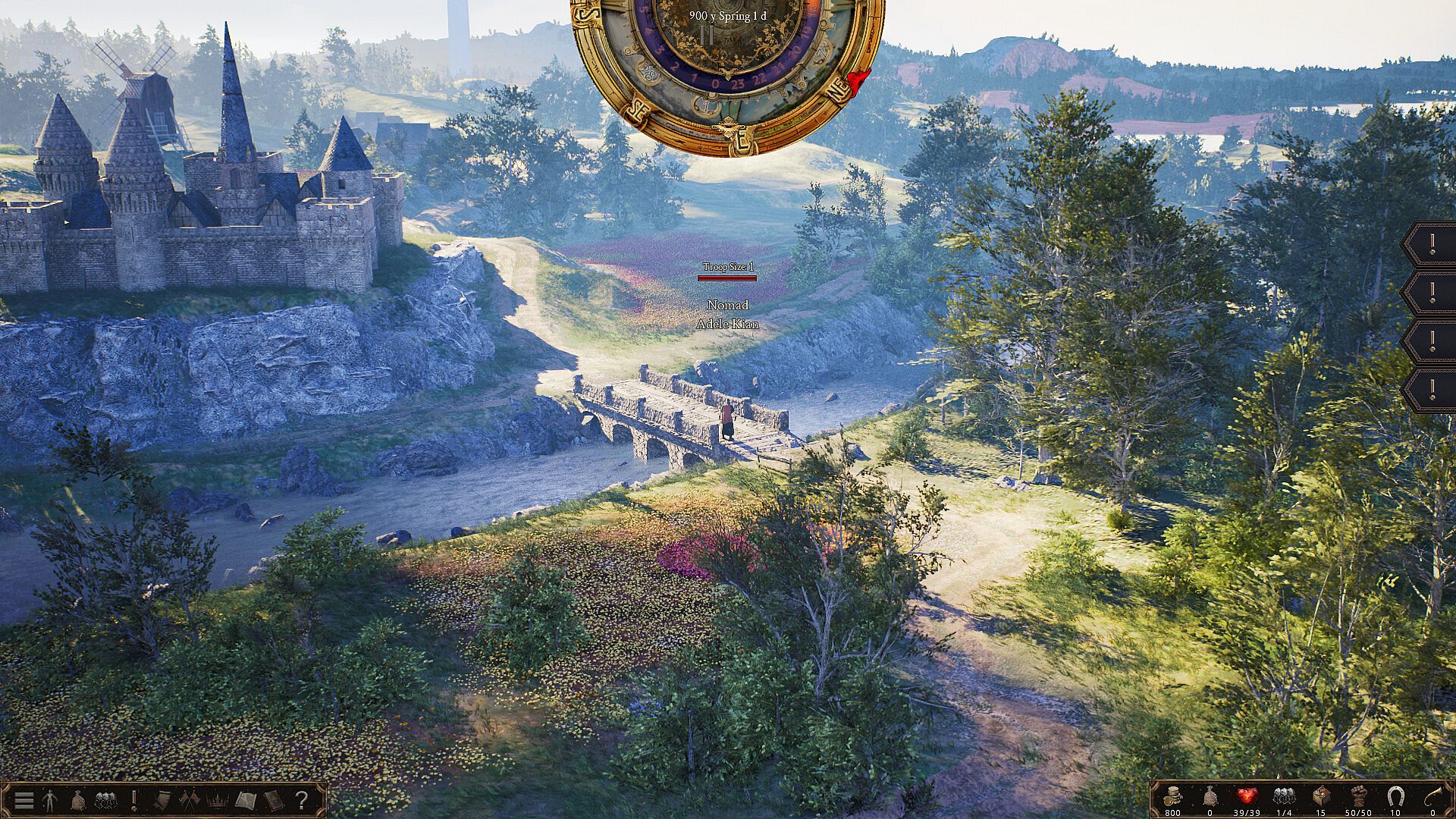
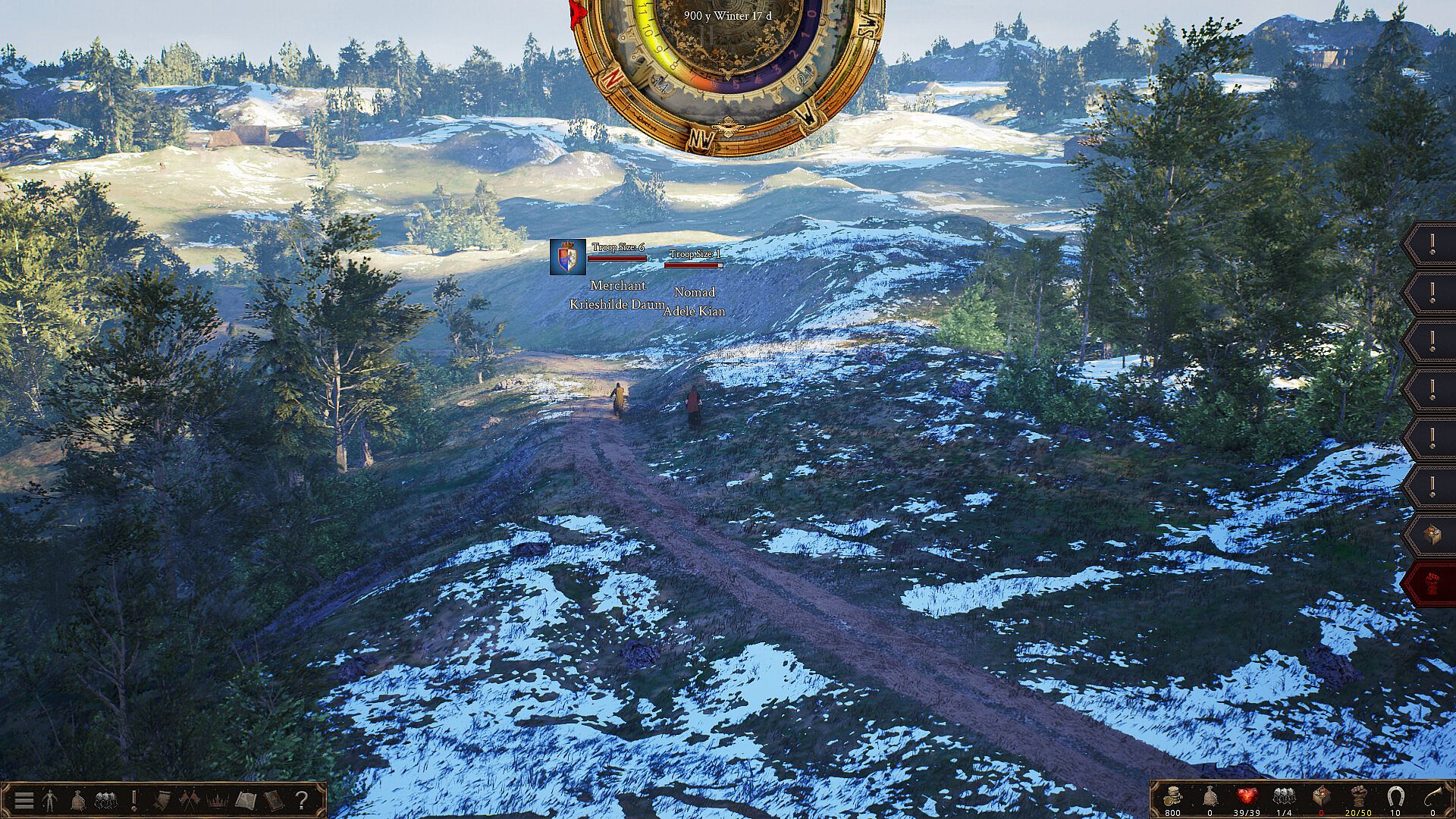
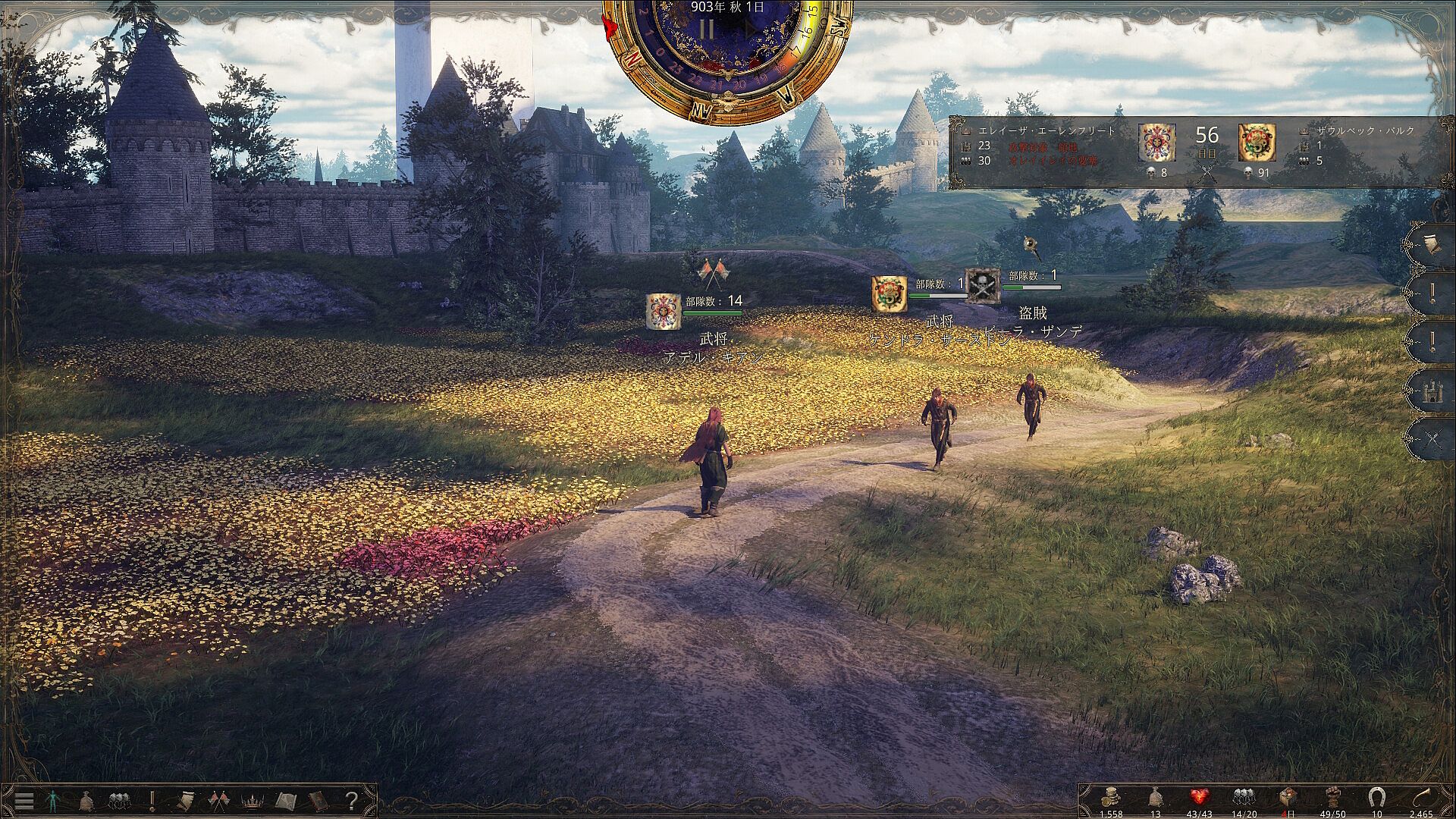
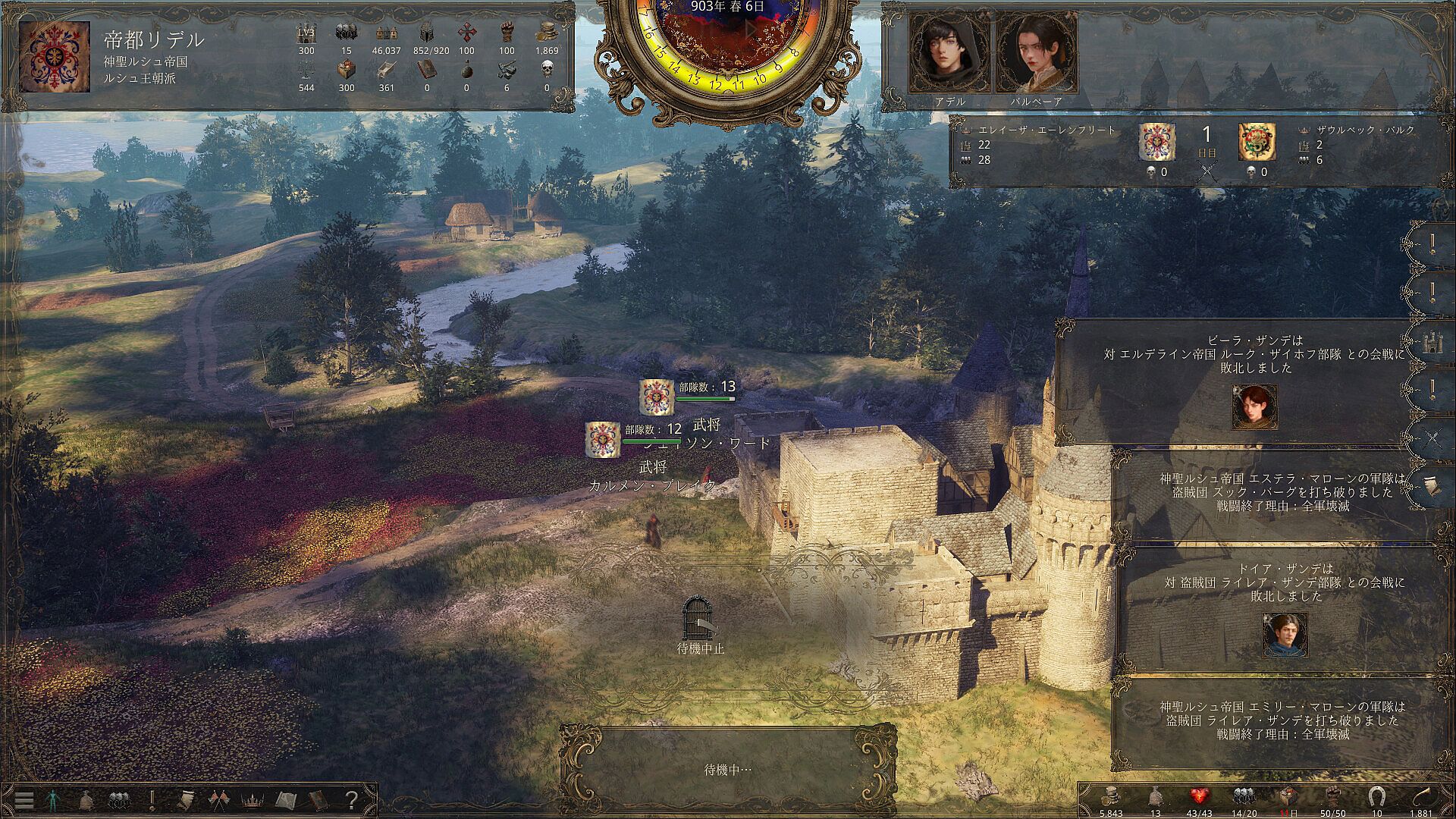
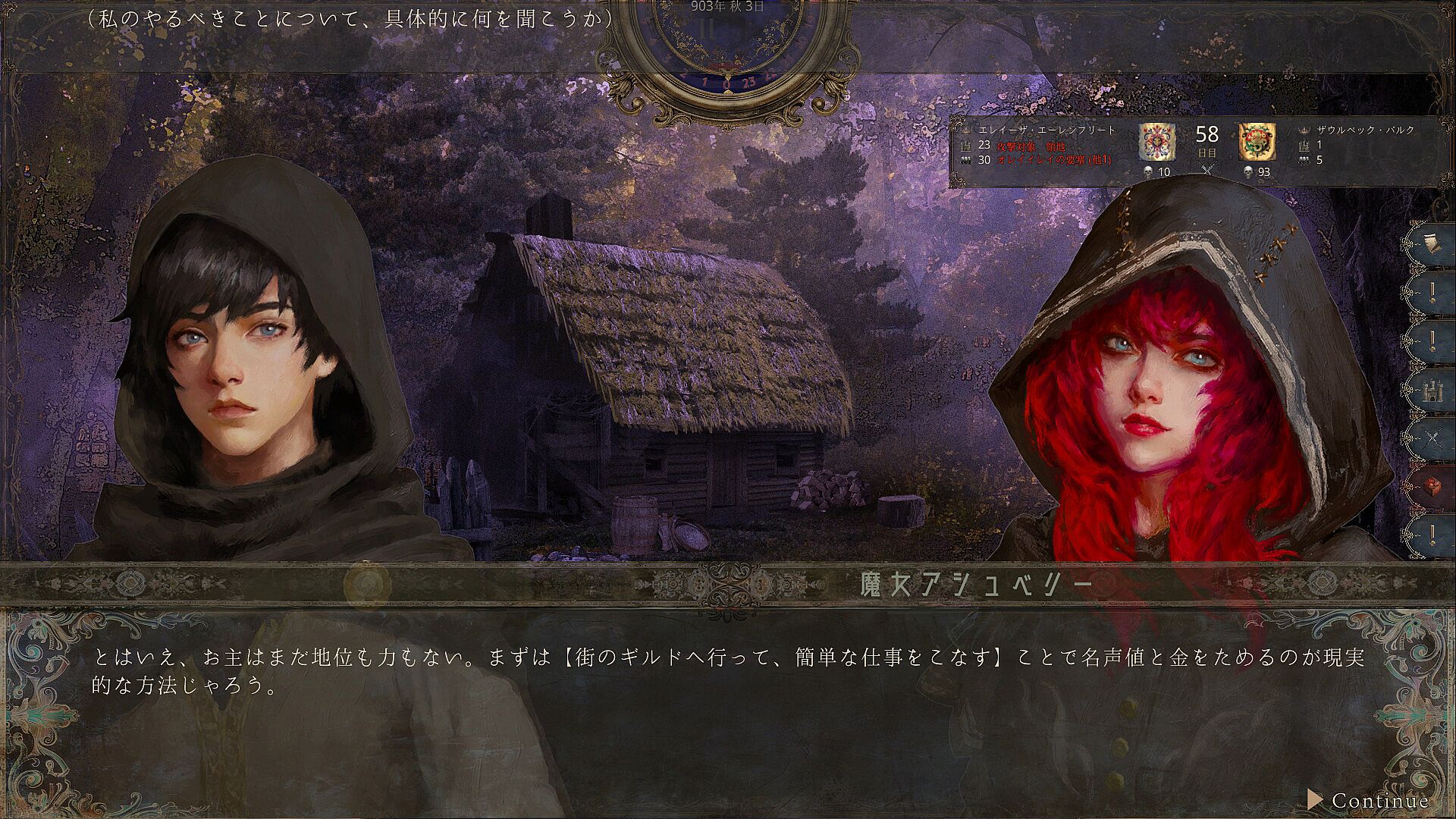
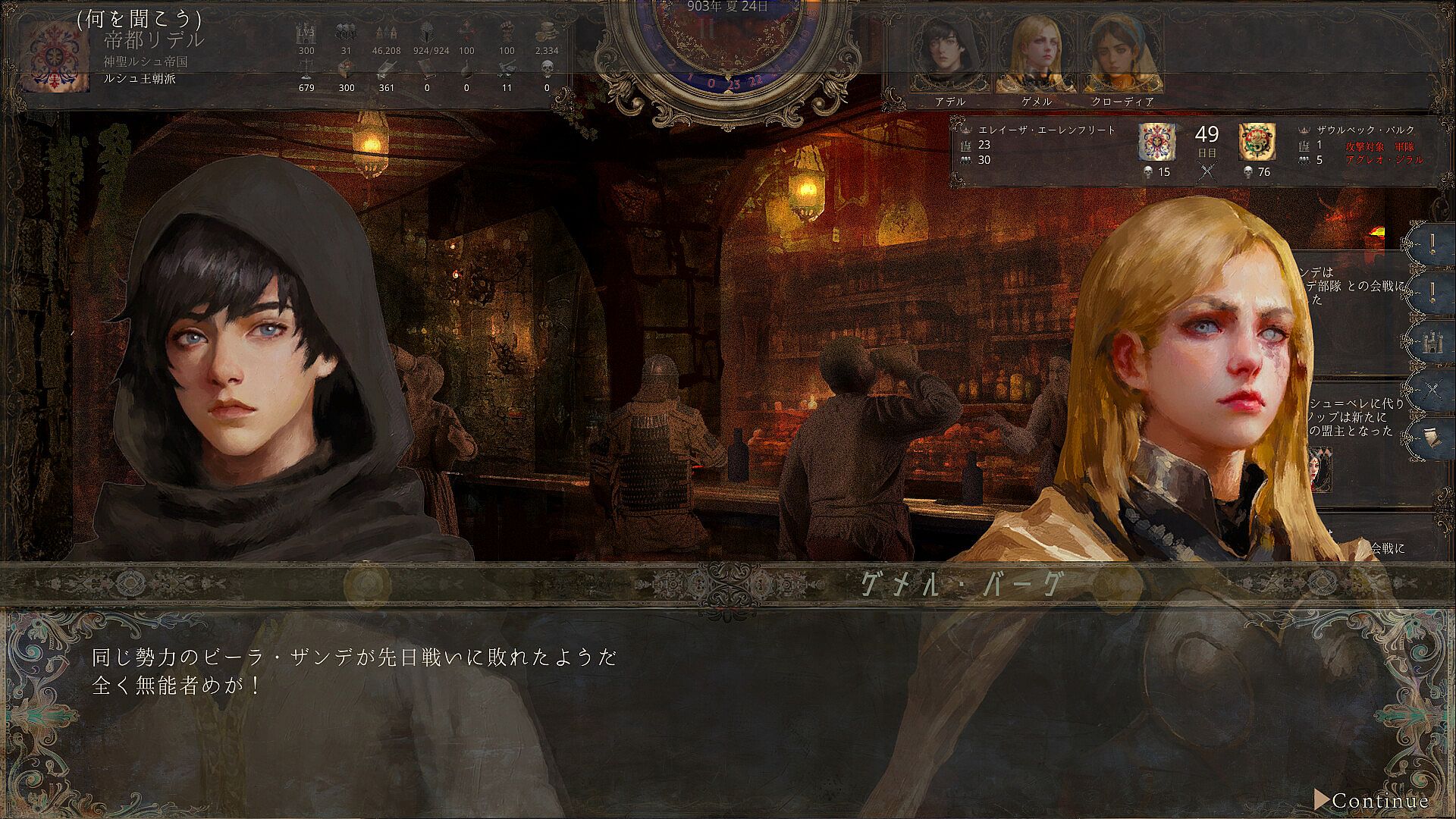
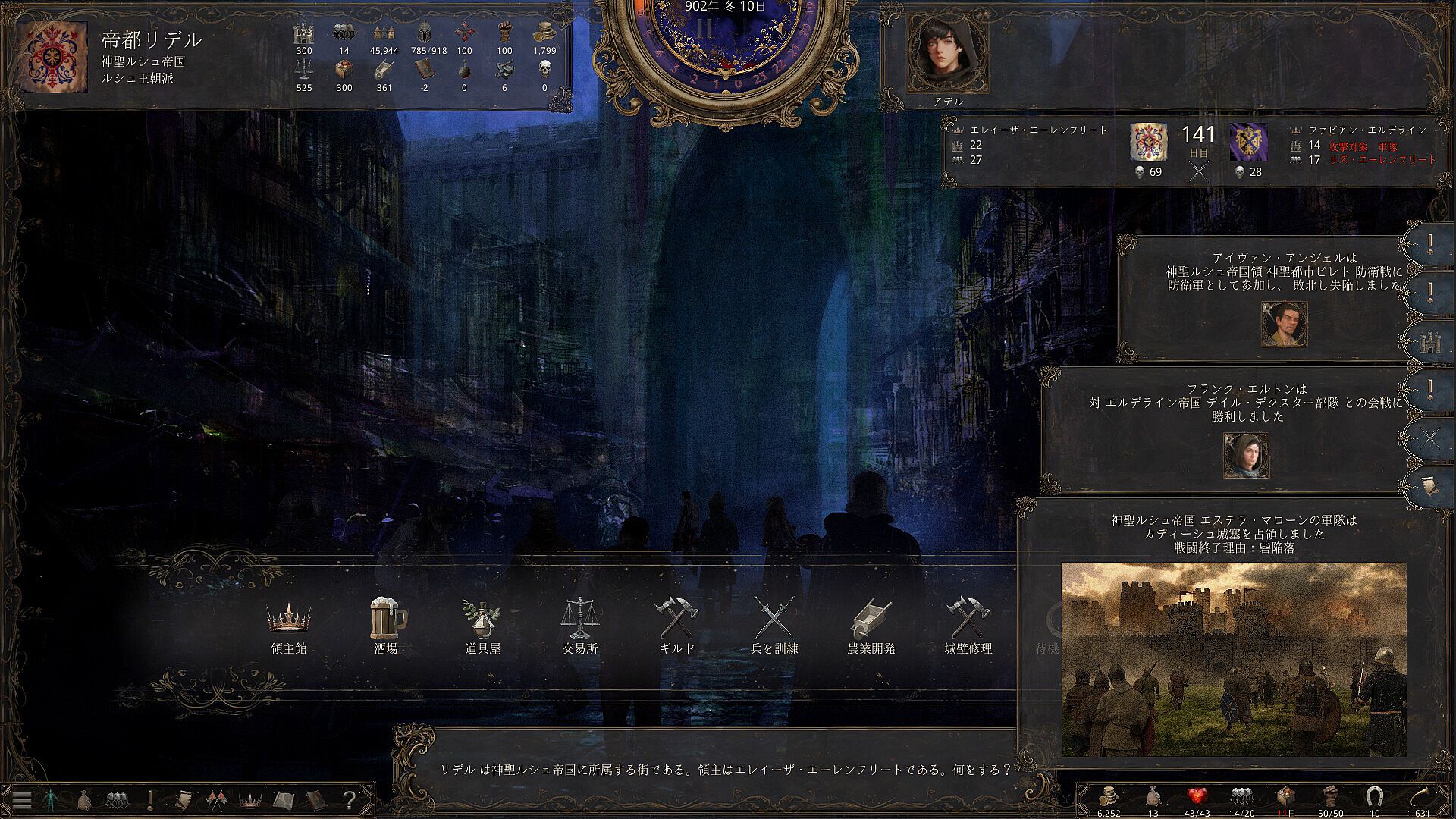
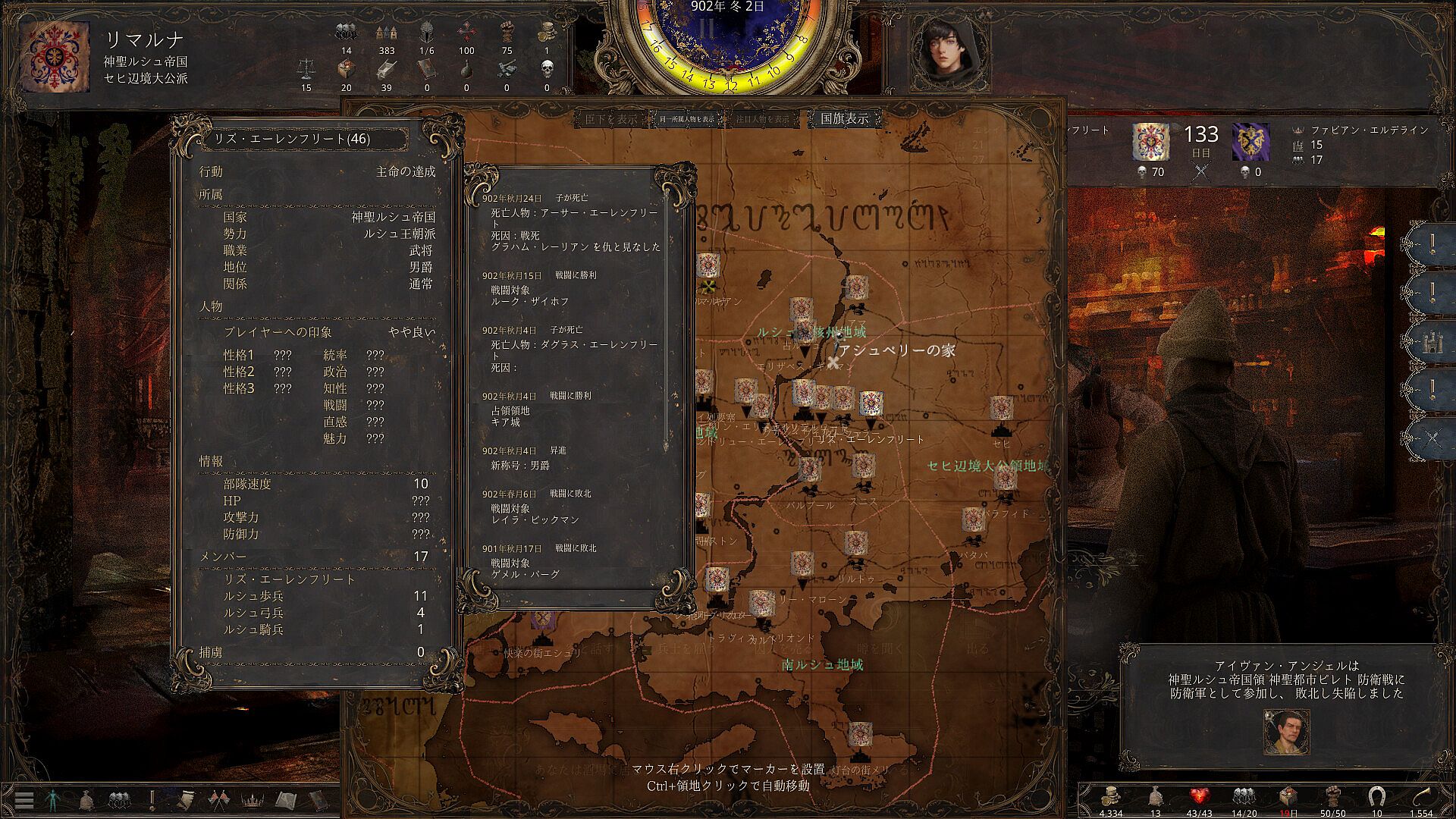
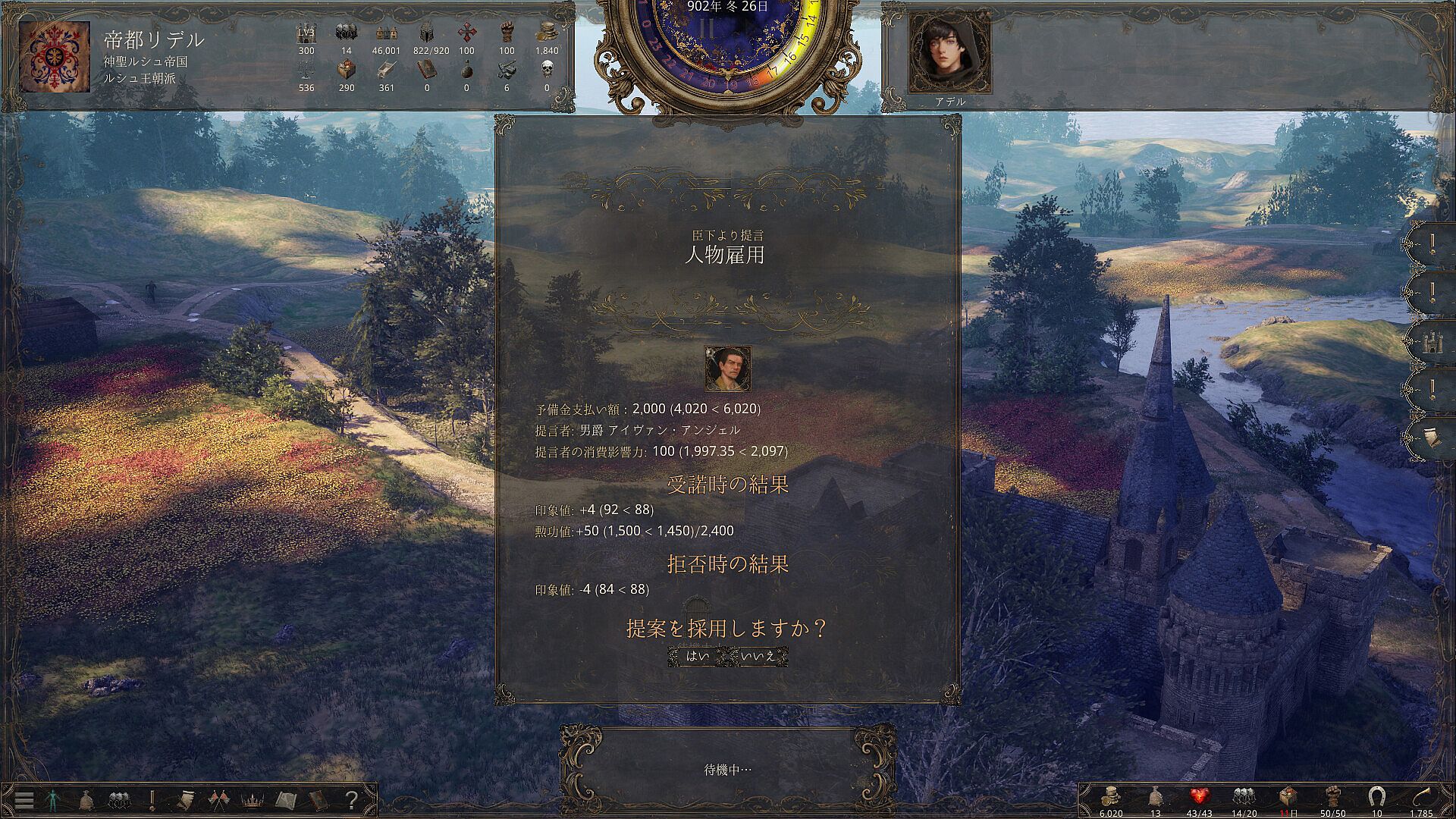
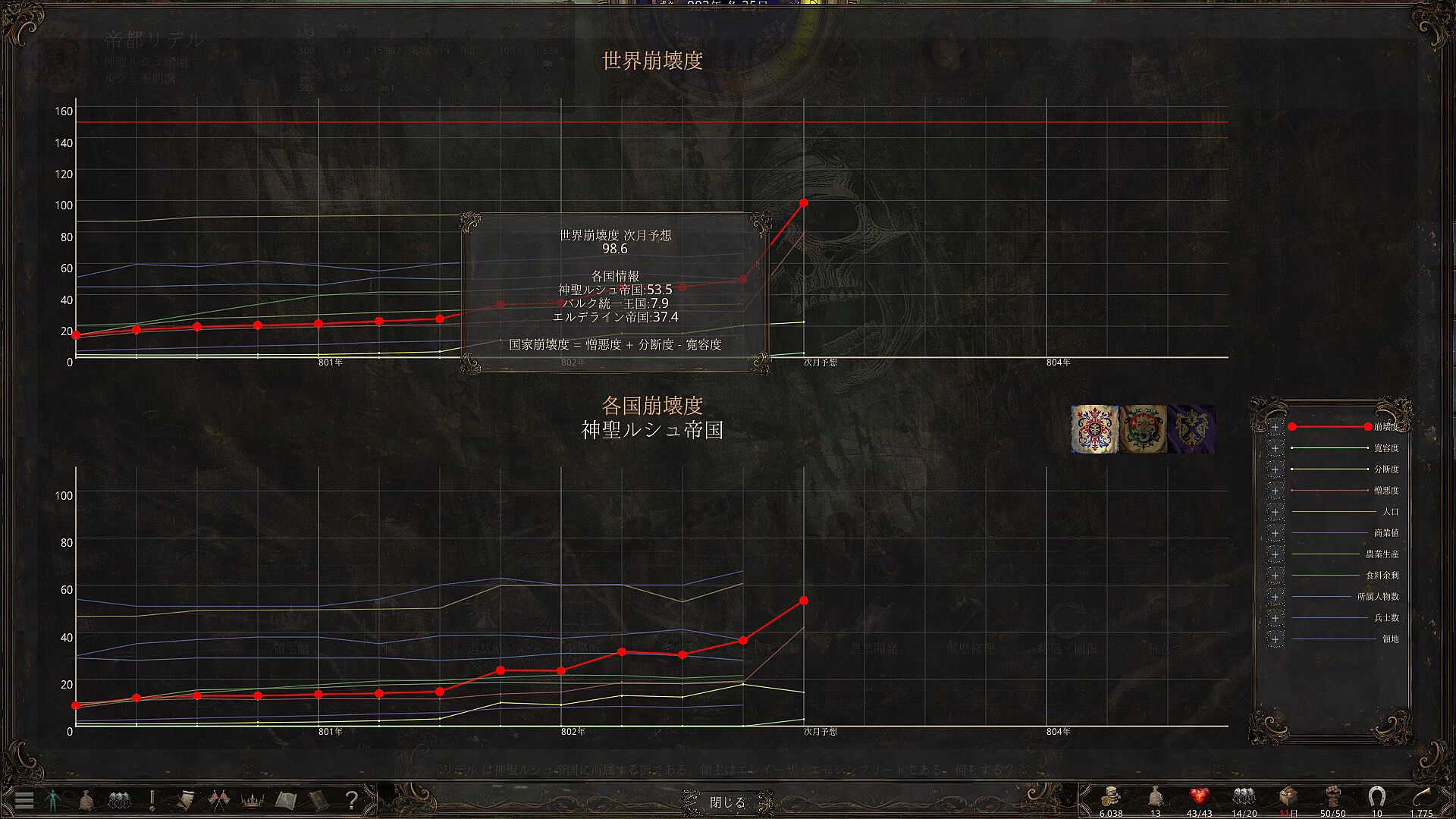
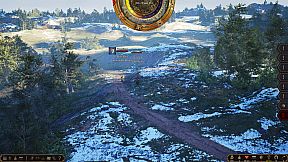
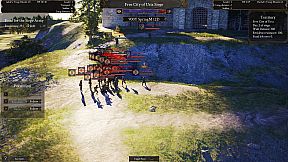
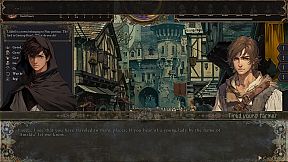
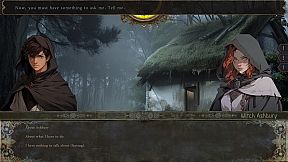
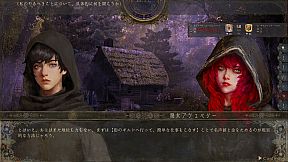
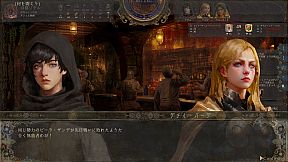
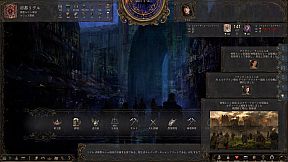
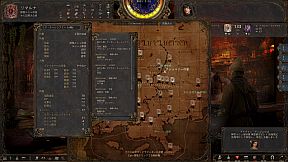
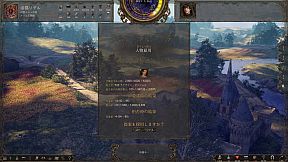
In the realm of strategy RPGs, The End of History stands out as a sandbox simulation set in a medieval-inspired world where every character pursues their own ambitions. Released in late 2025 and currently in early access, this indie title lets you navigate a dynamic environment as a nameless wanderer, making choices that ripple through history while working to avert global collapse.
Gameplay
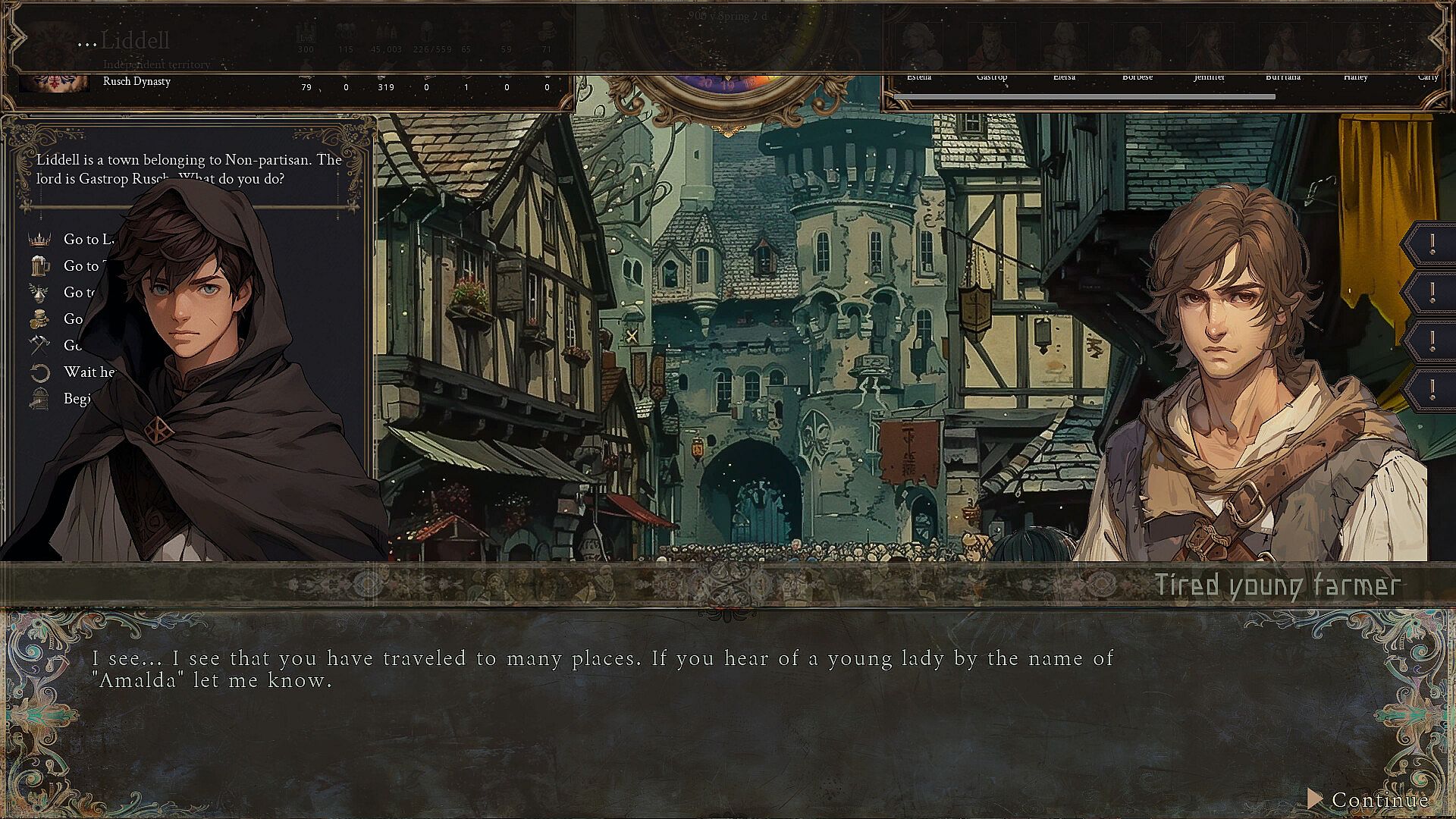
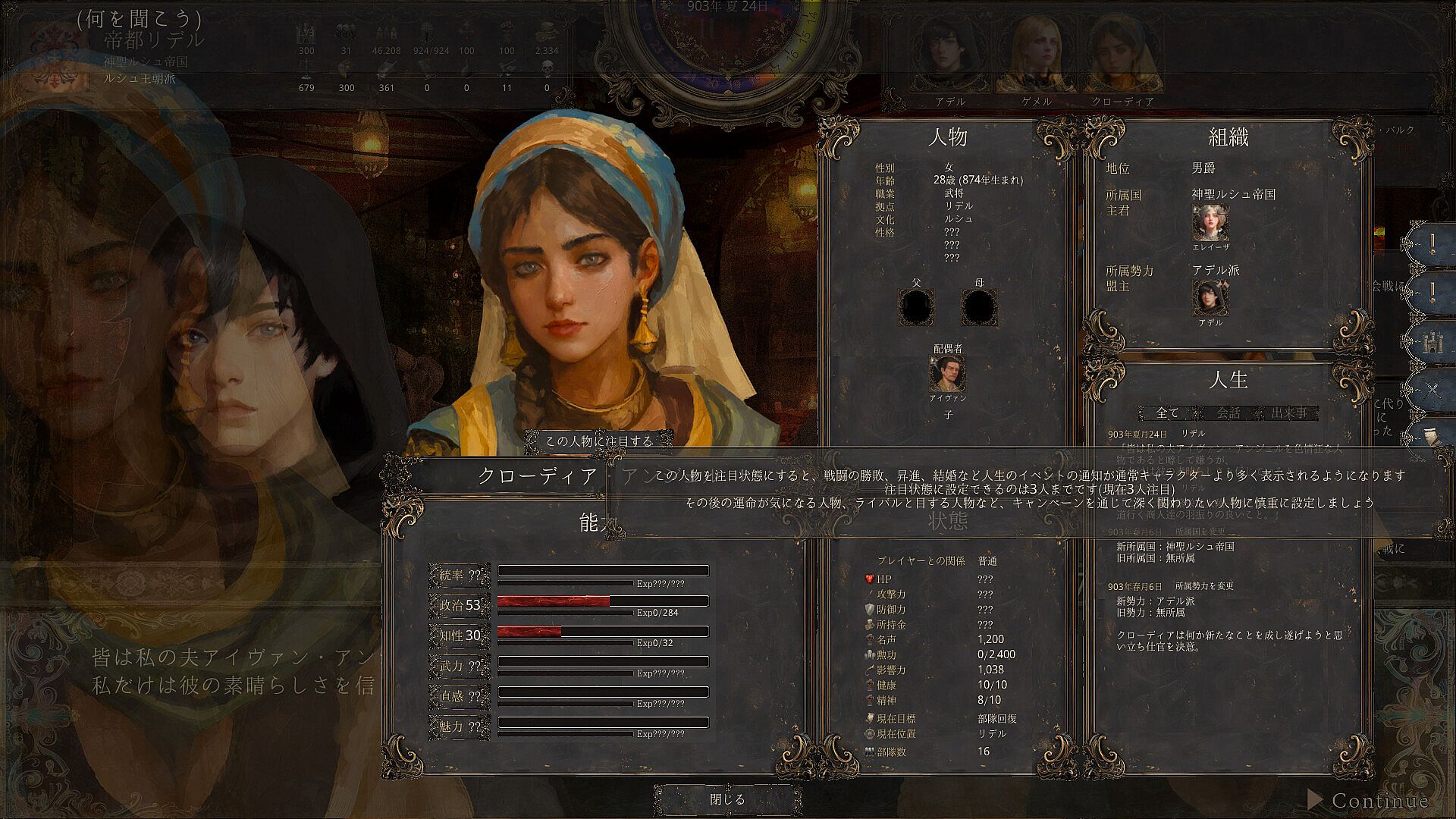
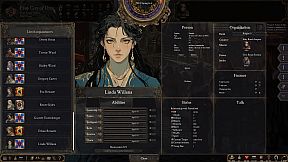
The core loop revolves around free-form decision-making in a living world. You start with minimal resources, exploring paths like becoming a merchant through trade or a knight via combat and alliances. NPCs operate independently, forming relationships, engaging in betrayals, and even perishing without your involvement, which adds layers of unpredictability.
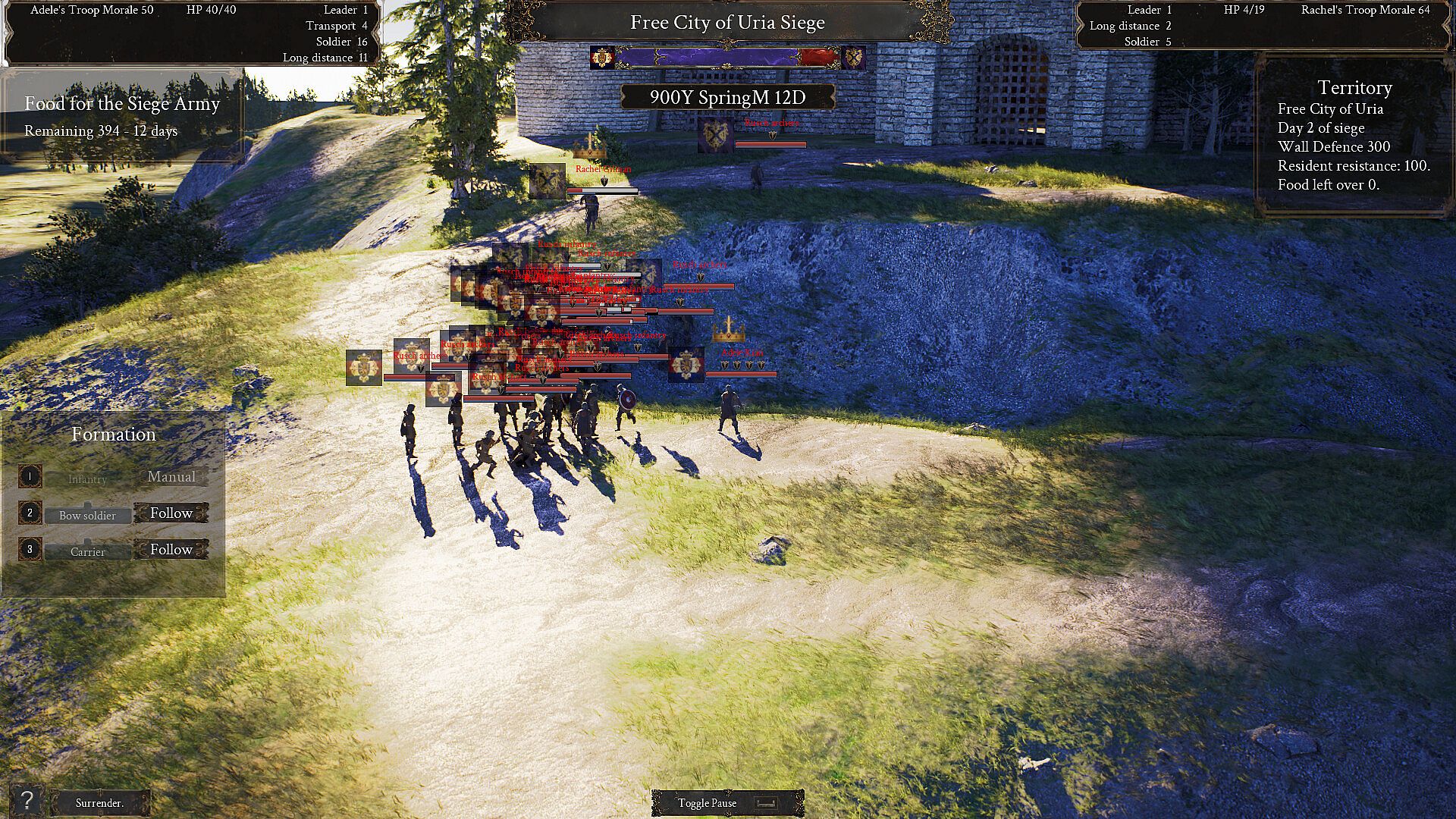
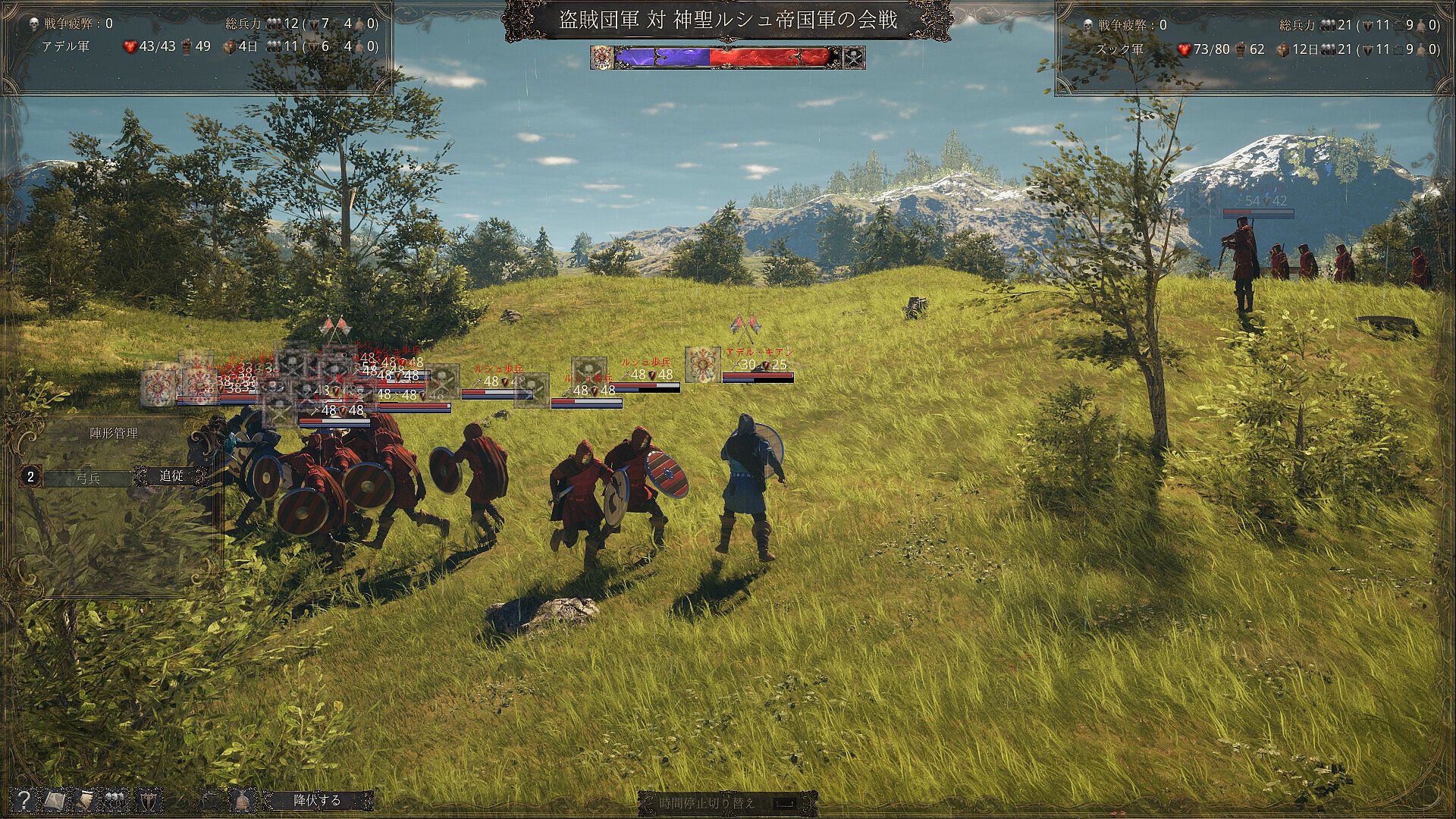
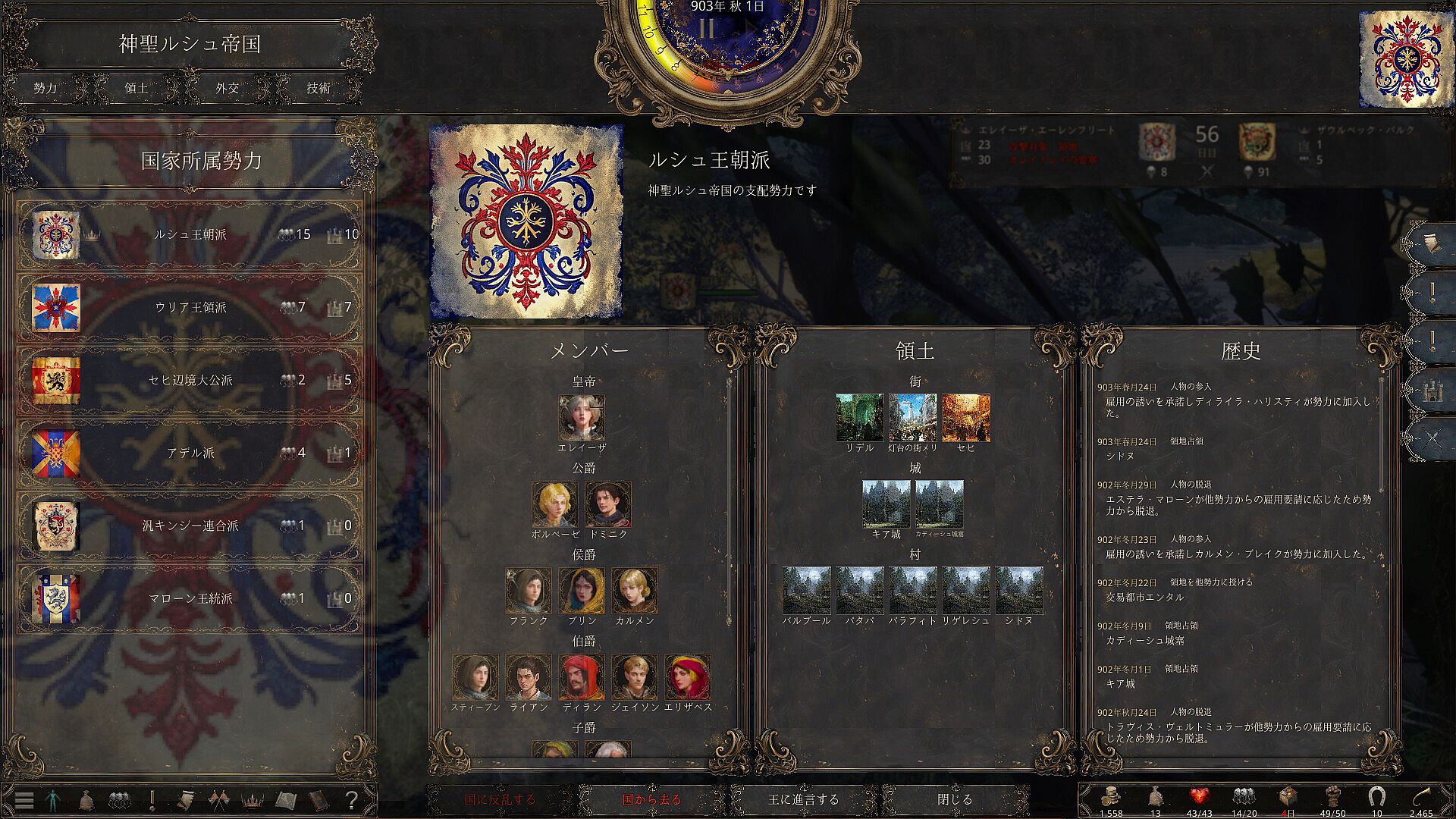
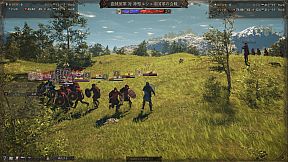
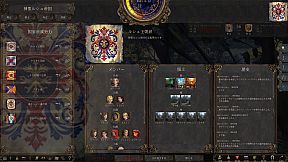
Key mechanics include diplomacy for negotiating with factions, faction building to grow your influence, and a nemesis system where rivalries can lead to ongoing vendettas. Combat involves strategic battles, while everyday actions like conversations or small decisions influence larger events. The political system allows for climbing ranks, potentially to kingship, but unfair situations and unreasonable demands test your adaptability.
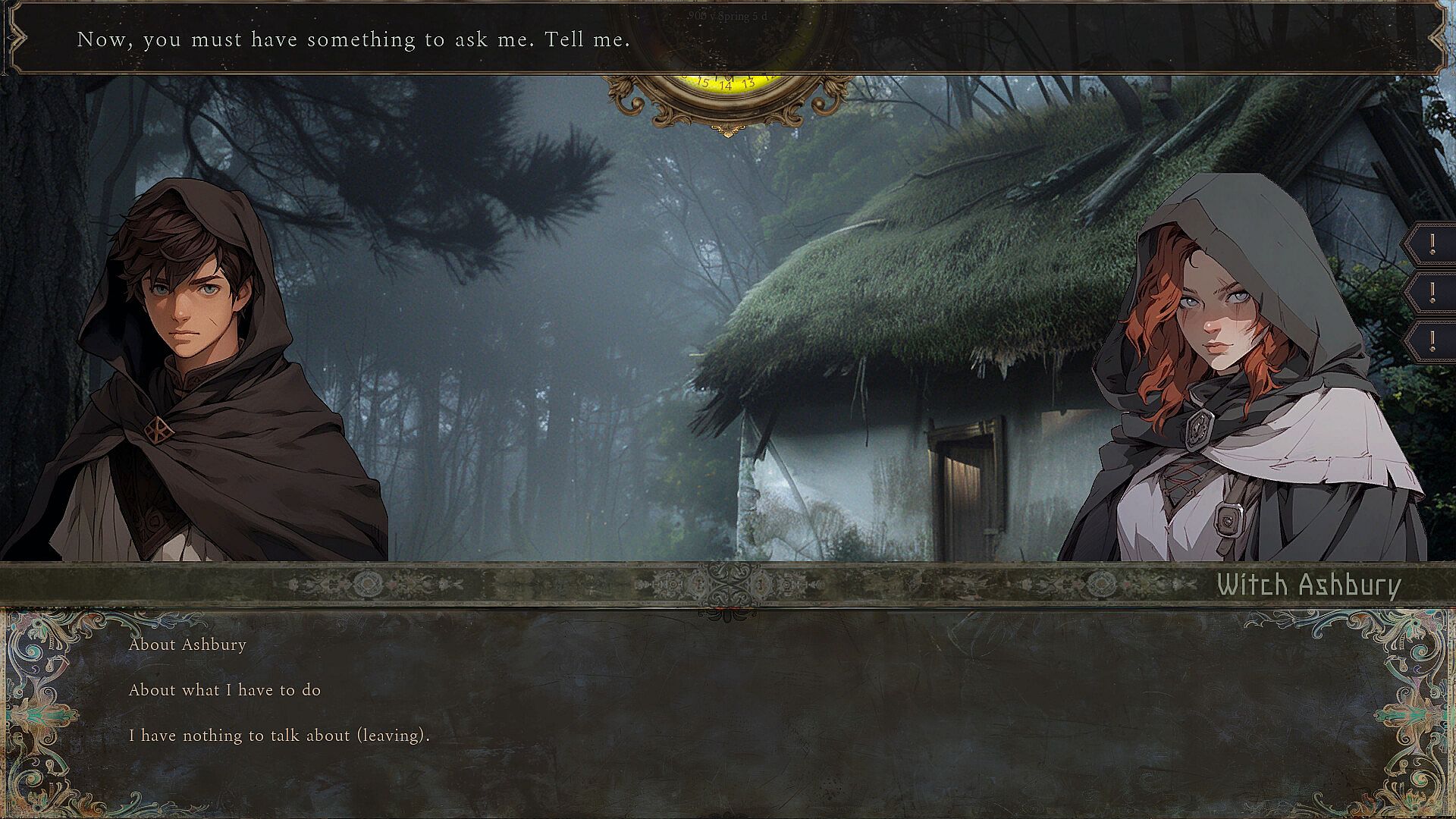
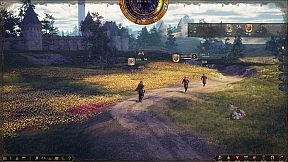
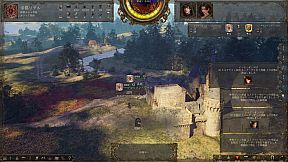
Exploration ties into uncovering clues about the Obelisk, a mysterious structure linked to the world's impending ruin. Every choice contributes to a unique history, with hatred and division building toward catastrophe unless intervened.
Game Modes
This game focuses on a single-player sandbox experience without predefined modes. Instead, it offers an open-ended structure where your journey shapes the narrative through emergent events. There are no multiplayer options or structured campaigns; the emphasis is on personal stories arising from interactions in the simulated world.
Players can engage in various activities like trading, fighting, or building alliances, all within the same persistent framework. The lack of rigid modes encourages replayability, as each playthrough generates distinct historical outcomes based on your actions and NPC behaviors.
Key Features and Mechanics
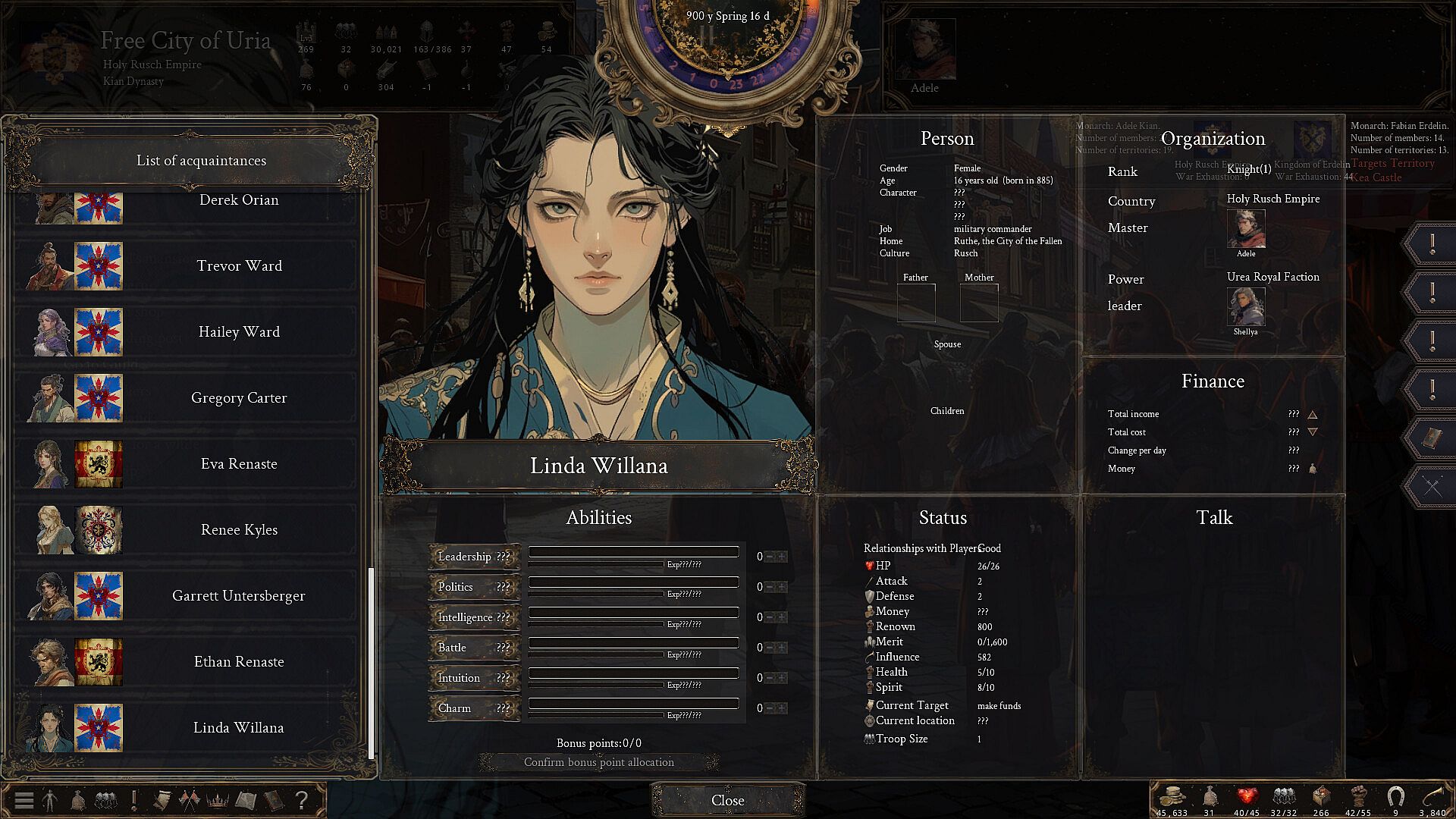
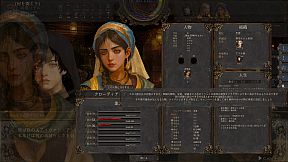
Beyond basic gameplay, the title includes systems for managing ambitions and daily lives, both for you and NPCs. Kingdoms can rise and fall independently, affected by your interventions or oversights. The simulation aspect means events unfold in real-time, with alliances forming and breaking even when you're not directly involved.
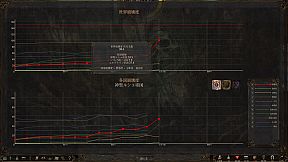
Recent early access updates have improved UI elements to better track world events and NPC activities, alongside enhancements to dialogue and mechanics for deeper immersion. These changes address initial feedback, making it easier to follow the evolving history.
Core elements include:
- Dynamic NPC lives with marriage, betrayal, and vengeance.
- Choice-driven paths from drifter to leader.
- Mystery-solving around the Obelisk and world collapse.
Is It Worth Playing?
For those who thrive on deep immersion in strategy RPGs with unpredictable narratives, this game delivers a compelling experience. It suits players who enjoy simulations where not everything goes according to plan, turning setbacks into story elements. Early access impressions highlight a solid foundation, with developers actively refining features based on community input.
If you appreciate games like Mount & Blade for their sandbox freedom but want more emphasis on emergent history and NPC autonomy, it's a strong pick. However, those seeking polished, linear campaigns might wait for further updates, as the current state reflects ongoing development. Overall, its unique approach to world-building makes it worthwhile for simulation enthusiasts.