

















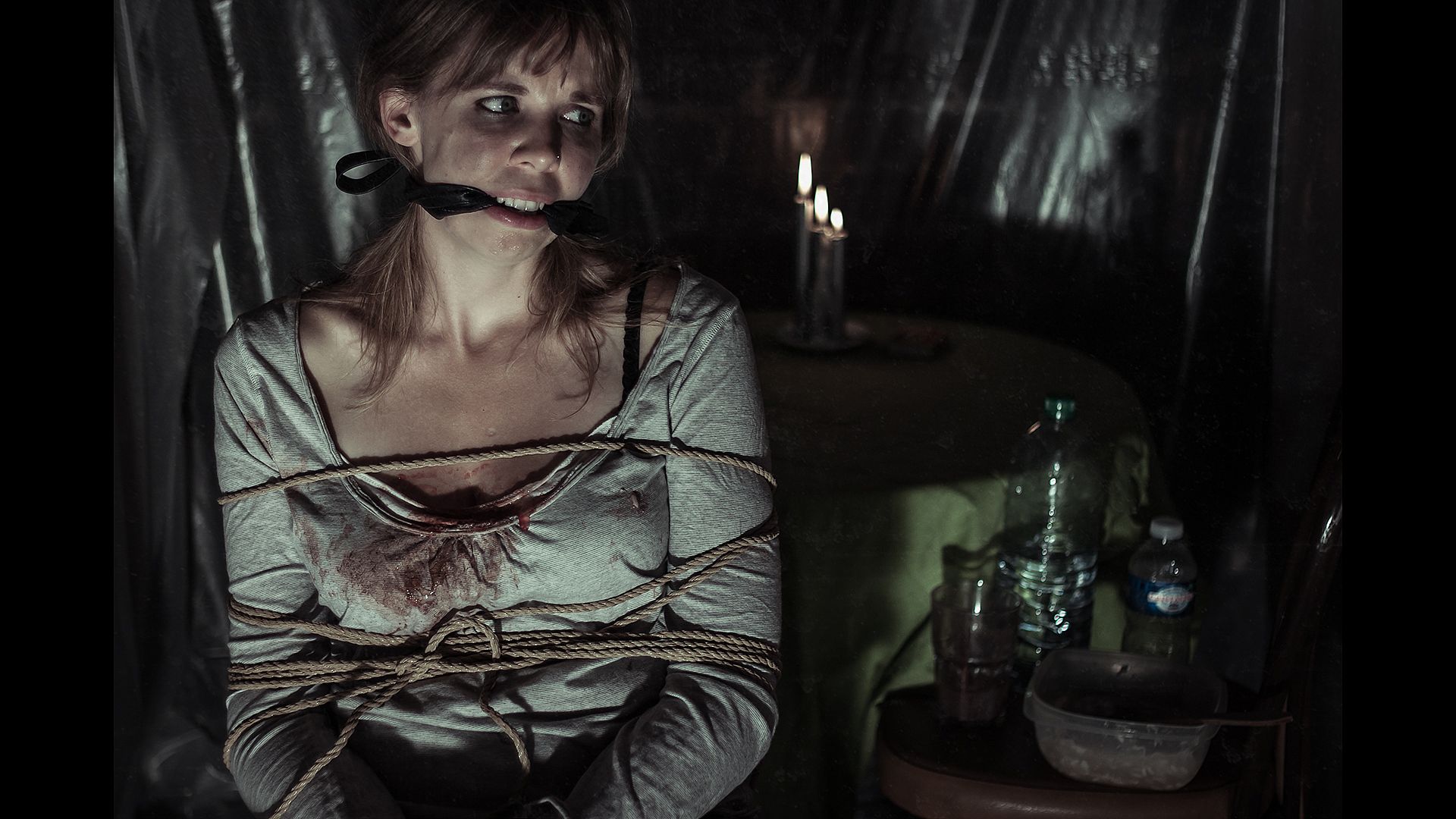
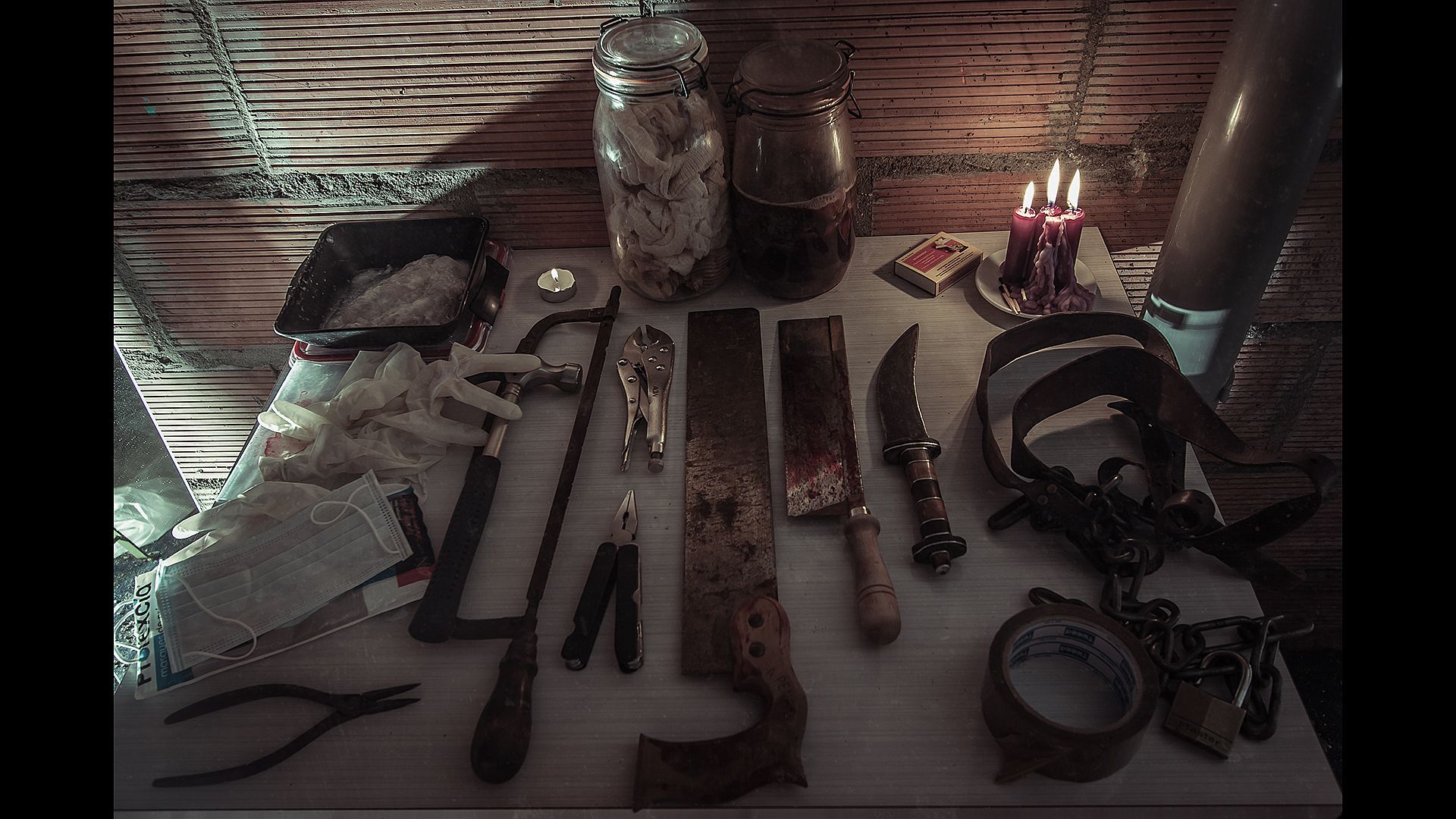
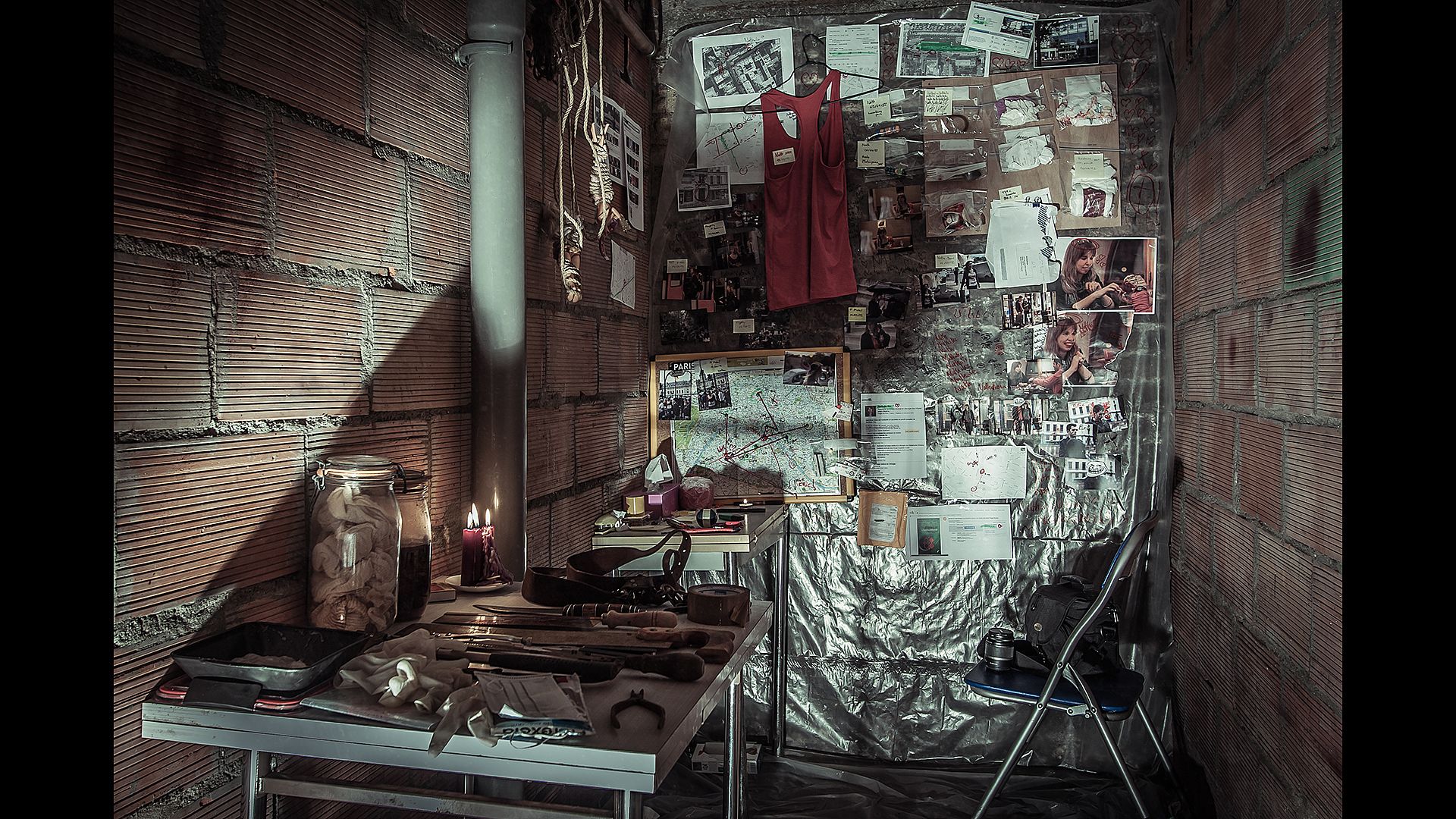
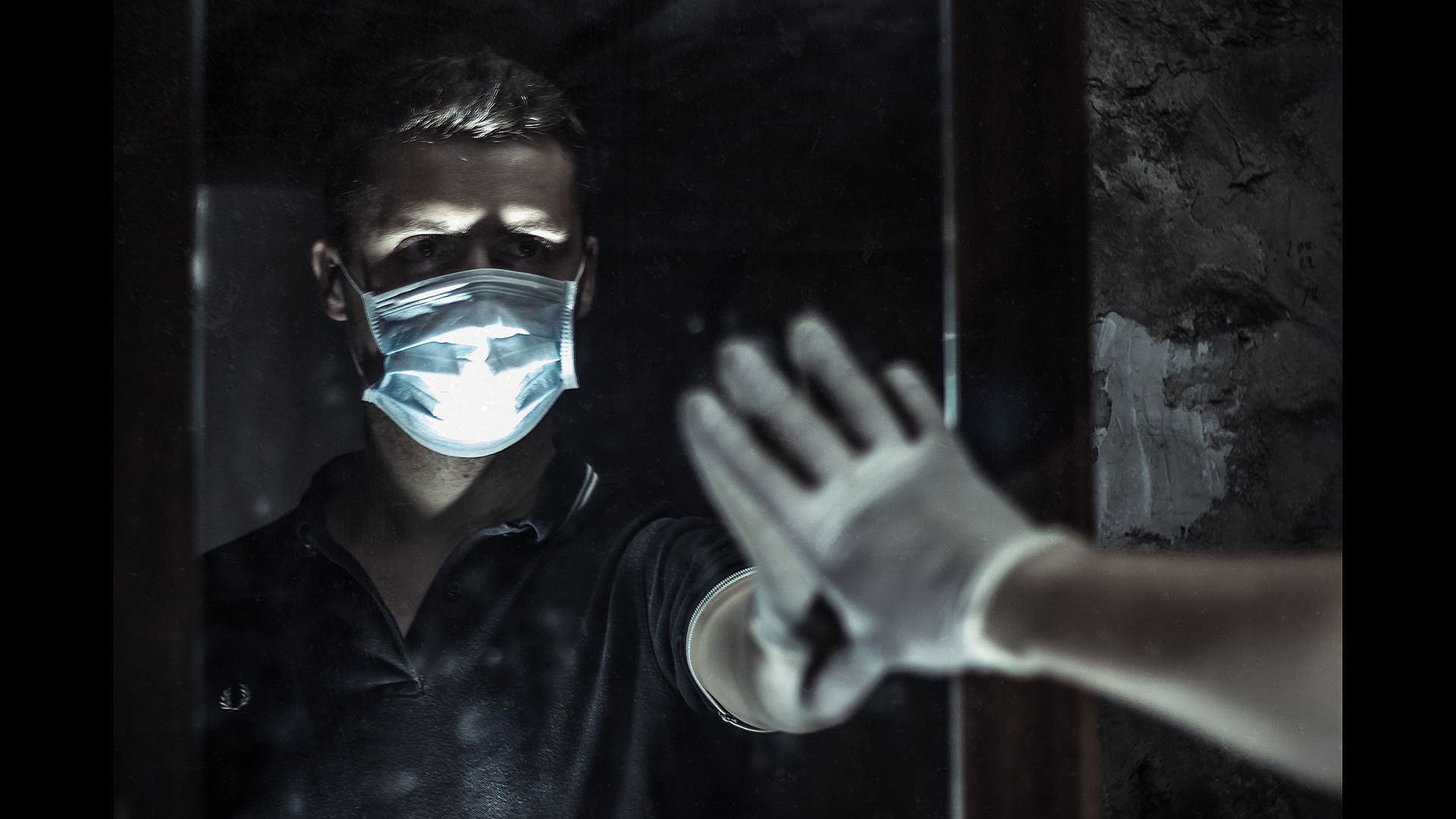
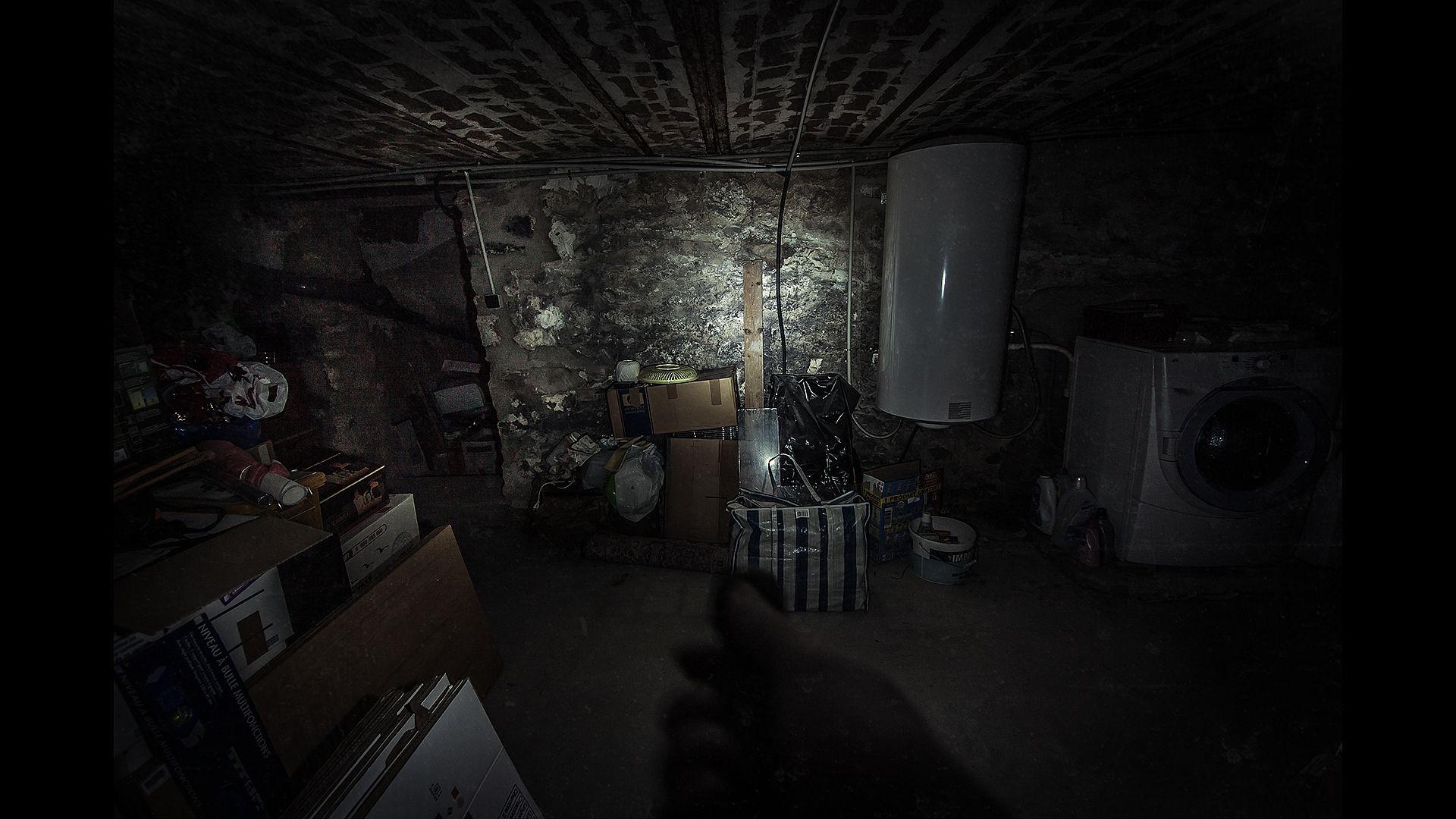
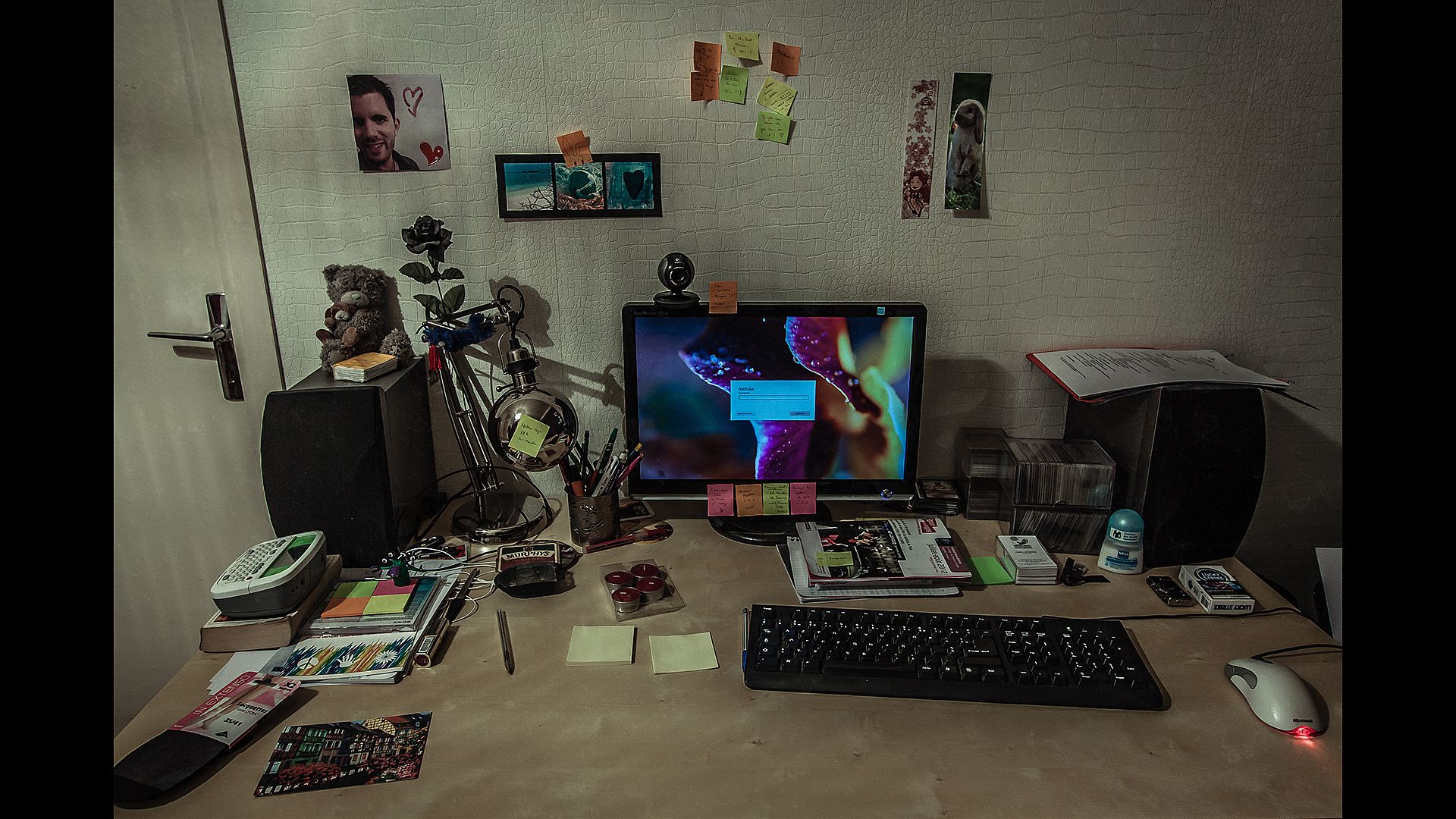


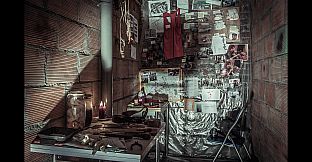

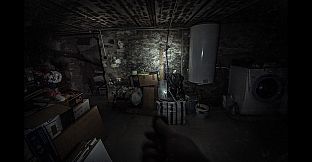
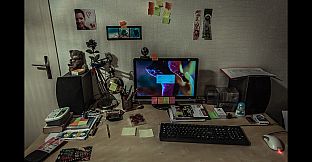
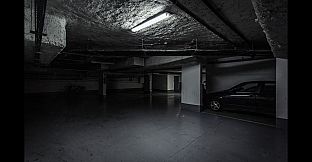

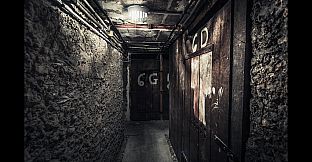

The Fan is a first-person adventure game built entirely from photographs of real locations and actors. Players step into the role of an unseen observer inside the world of a serial killer known as The Fan, who abducts women in Paris to enact a twisted ritual of what he calls true love. The experience unfolds through exploration of his basement lair and surrounding environments, with the story driven by discovery and player decisions rather than combat or complex mechanics.
Gameplay
The core loop centers on navigating static photographic scenes in a point-and-click style using only left and right mouse clicks. Movement feels deliberate as players examine objects, uncover notes, and piece together details about the killer and his victims. The game emphasizes atmosphere over action, with a focus on the unsettling details of the underground setting and the slow reveal of the narrative. There are no mini-games, sliding puzzles, or timed challenges to interrupt the flow. Instead, progress comes from careful observation and selecting dialogue or action options when they appear. The entire story can be completed in roughly one hour on a first playthrough, though multiple paths encourage returning to explore alternate outcomes.
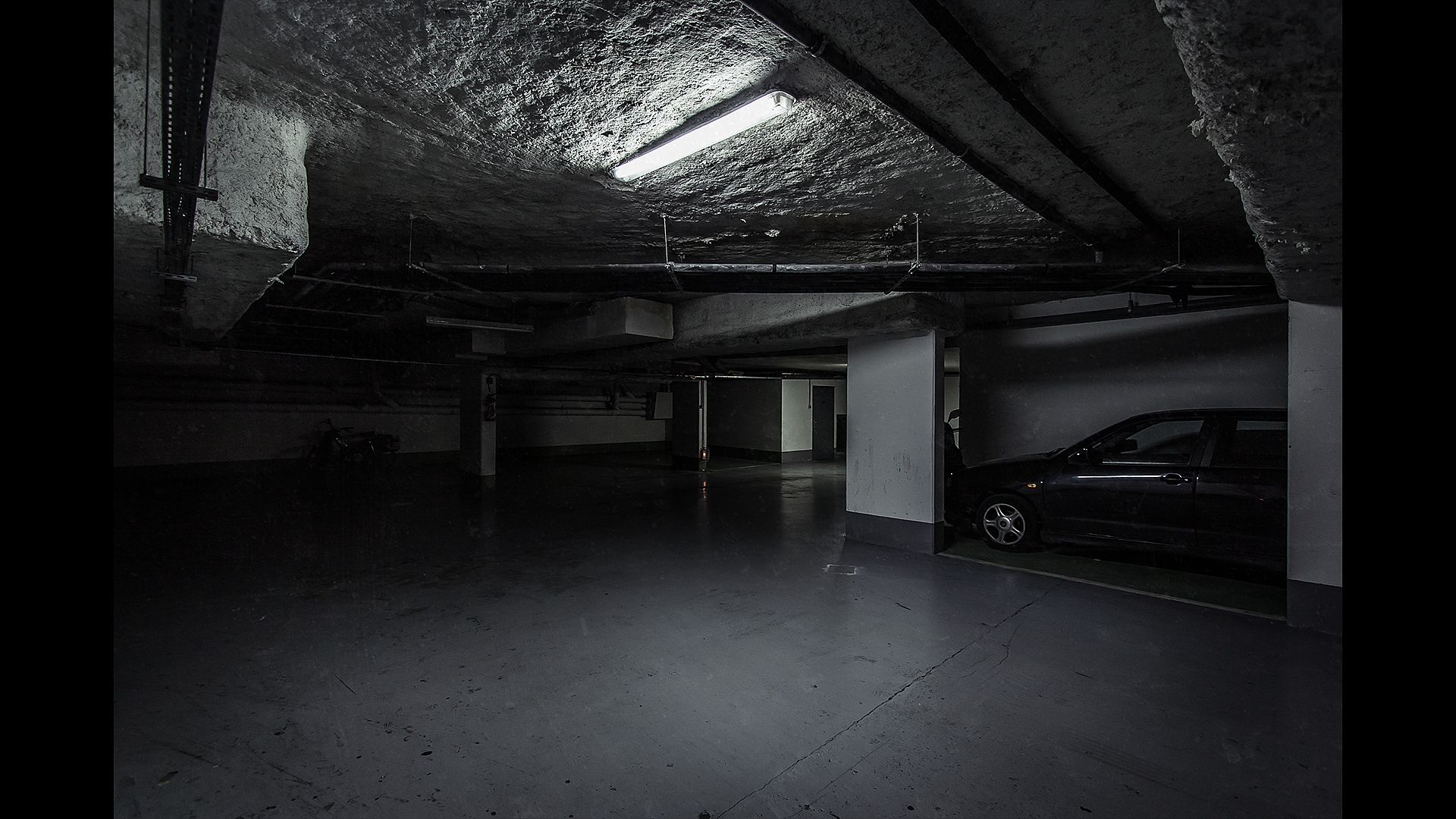
Photography forms the visual foundation, with thousands of images stitched together to create immersive environments. Lighting and composition shift subtly to heighten tension, and the real-world Paris locations ground the horror in recognizable places. Choices made during key moments directly influence how events resolve, allowing players to learn more about the characters or alter their fates without requiring backtracking or inventory management.
Game Modes
The Fan offers a single-player narrative experience centered on choice-driven storytelling. There are no separate multiplayer modes, competitive elements, or additional game types beyond the core adventure. The primary variation comes from the branching endings, which players reach by making different decisions about the victims and the killer's plans. Each ending reveals new layers of the story, encouraging a second or third run to see the full range of outcomes. The structure remains linear in its exploration but opens up through these decision points, keeping the focus on discovery rather than repetition.
Story and Atmosphere
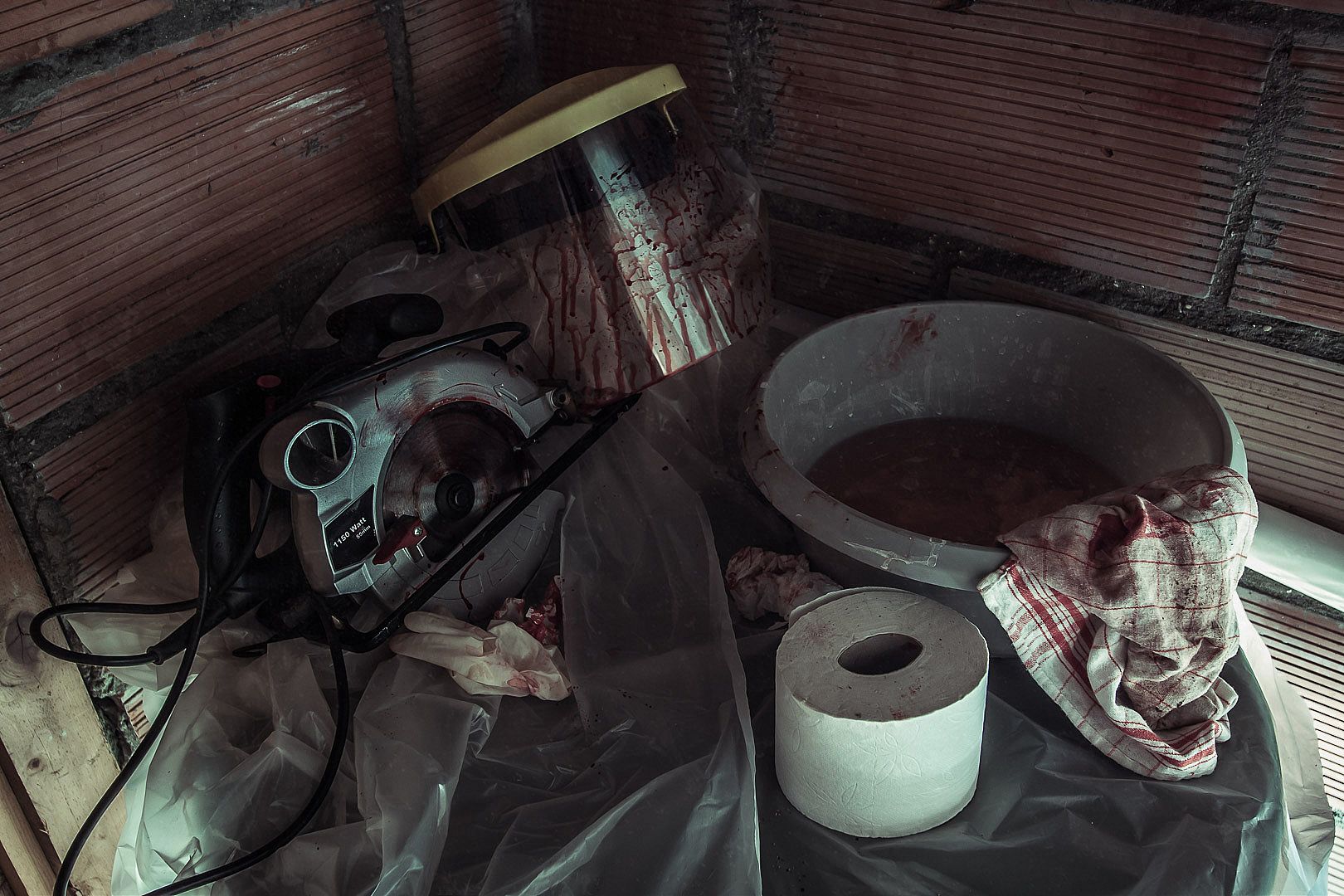
The narrative follows the killer's preparations for his latest victim, who waits in the basement while he perfects every detail of the ritual. Players uncover fragments of his past and the lives of those he has taken through scattered documents and environmental clues. The tone stays consistently dark and intimate, building dread through the confined spaces and the personal nature of the crimes. Real actors appear in the photographs, adding a layer of realism that distinguishes the game from traditional illustrated adventures. Themes of obsession and control dominate, presented without glorification but with enough detail to create discomfort.
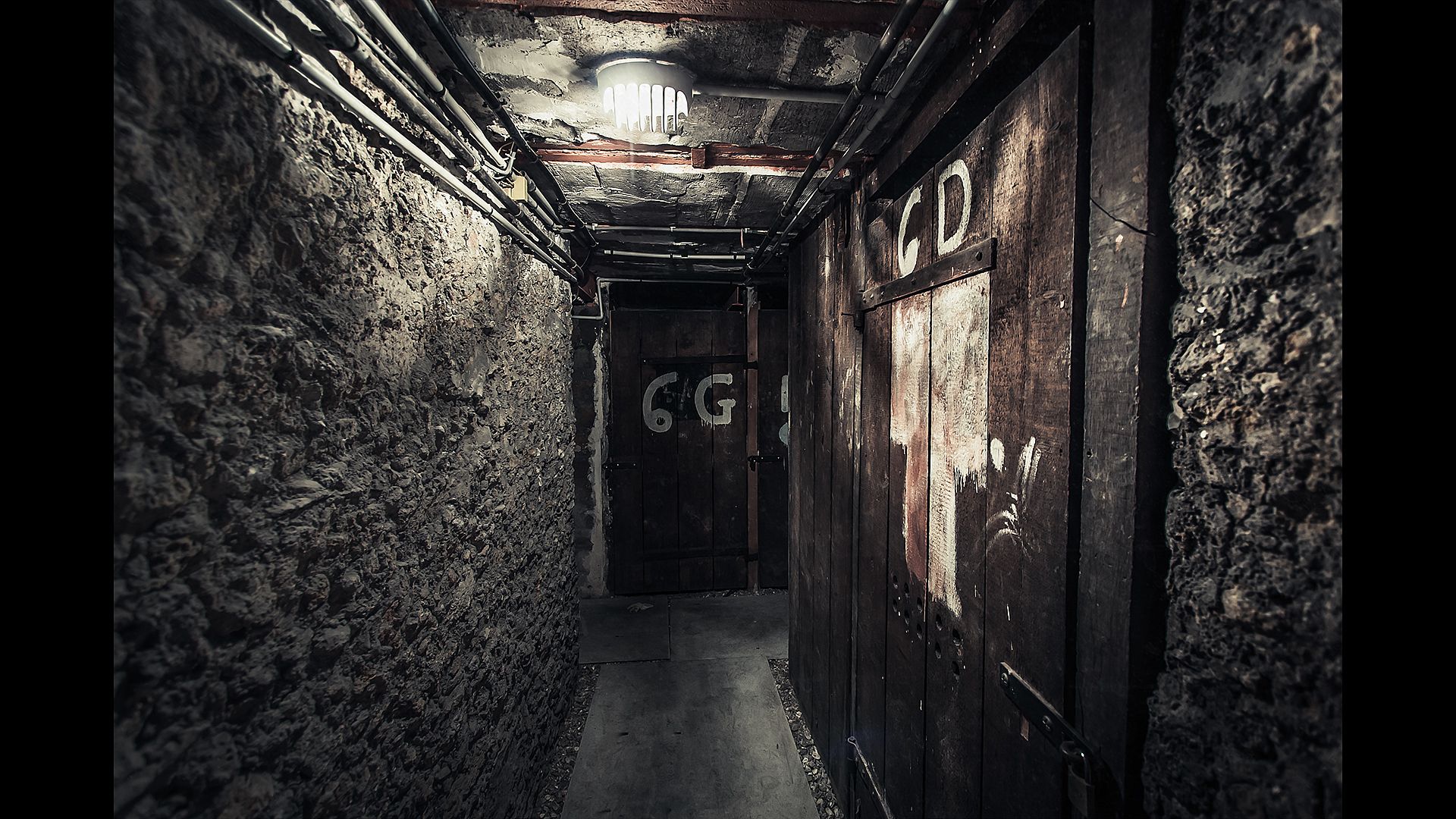
Because the game relies on still images rather than animated sequences, the pacing stays measured. Players have time to absorb each scene before moving forward, which suits the deliberate storytelling. The Paris underground settings provide a tangible sense of place, from dimly lit tunnels to cluttered rooms filled with the killer's personal effects.
Is It Worth Playing?
The Fan suits players who enjoy short, focused narrative adventures with mature themes and multiple endings. Its length makes it accessible for a single session or repeated playthroughs to uncover every outcome. The photographic style and choice mechanics deliver a unique presentation that rewards careful attention to detail. Those sensitive to depictions of violence and abduction should approach with caution, as the content includes disturbing sequences and is not recommended for anyone under 16. For fans of interactive fiction and atmospheric exploration, the game provides a self-contained story that stands on its own without requiring additional content or updates. Its indie origins show in the focused scope, resulting in a compact experience that prioritizes story and mood over expansive systems.