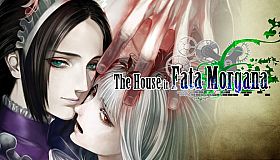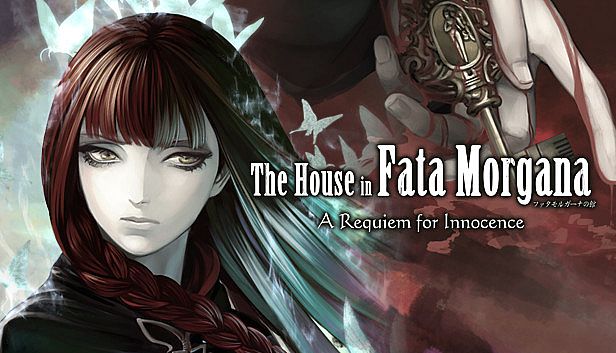





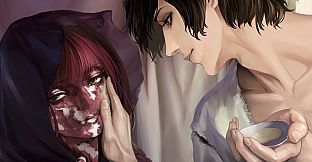

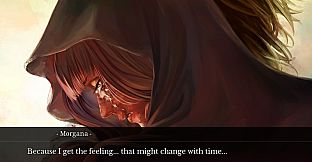
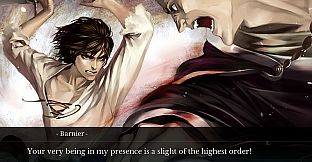
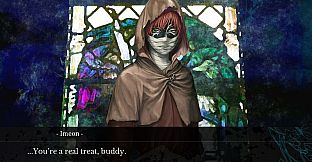
The House in Fata Morgana: A Requiem for Innocence stands out as a visual novel adventure game that draws players into a haunting tale of tragedy and redemption. Set against a backdrop of medieval-inspired lore, this PC title follows a young girl revered for her supposed miraculous powers, only to face persecution and betrayal. As a prequel to the broader series, it explores themes of ambition, faith, and human frailty through interconnected stories spanning centuries. Released as a single-player experience, it appeals to those who enjoy narrative-driven adventures with deep emotional layers.
Gameplay
In this visual novel, the core experience revolves around reading through detailed text passages that unfold the story. Players advance by clicking to progress dialogue and narrative segments, with occasional choices that influence minor story branches or character insights. The mechanics emphasize immersion in the plot, supported by atmospheric soundtracks and hand-drawn artwork that enhance the mood. Without action-oriented elements, the focus remains on absorbing the unfolding drama, where decisions feel tied to emotional weight rather than complex systems.
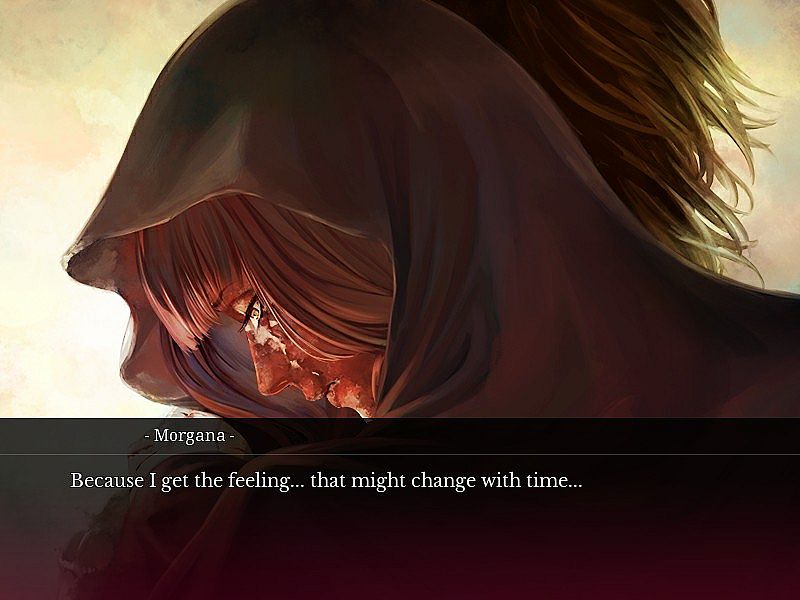
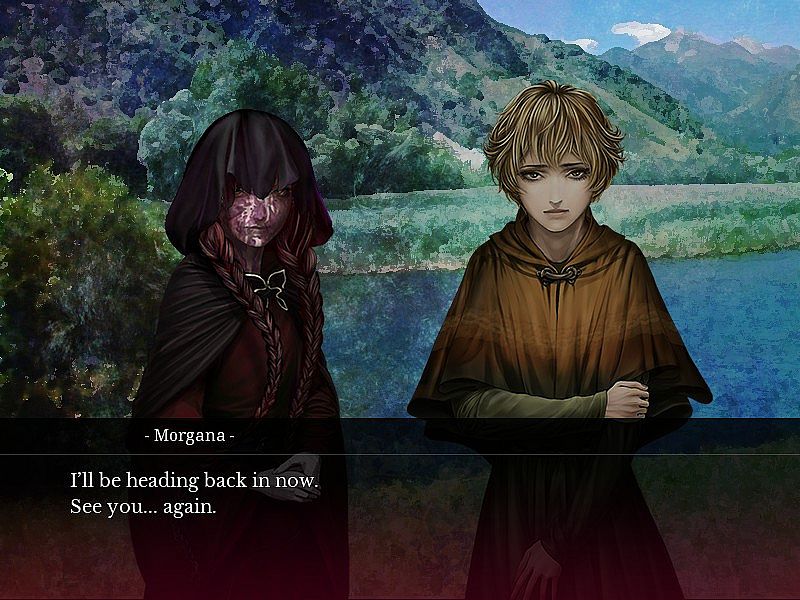
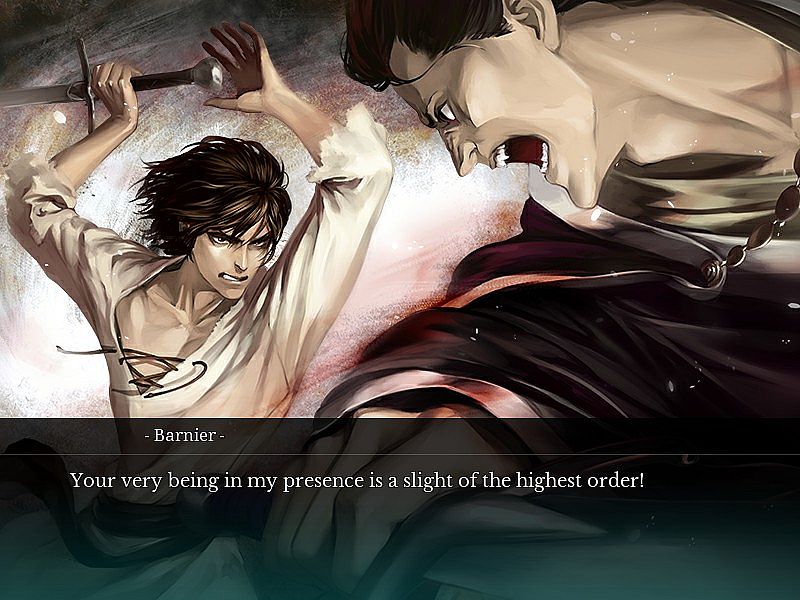
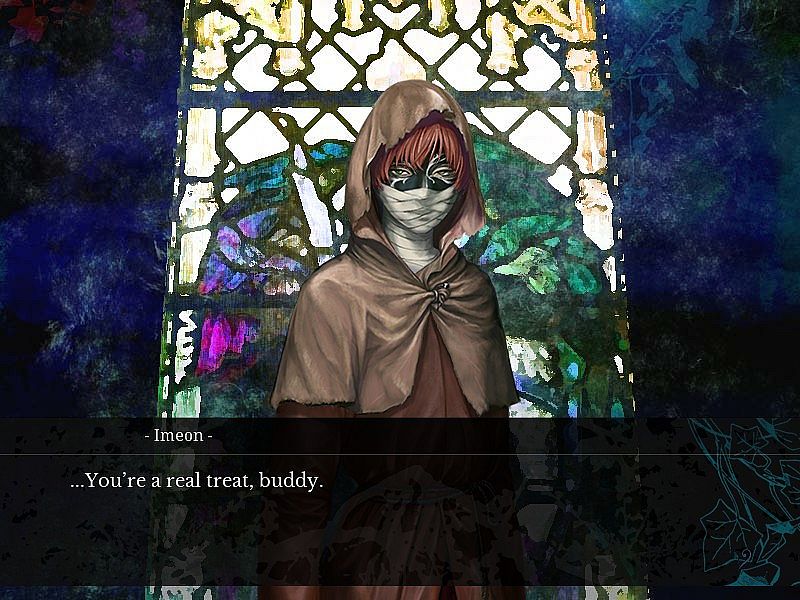
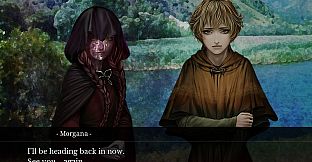
Visual elements play a key role, with character portraits and background illustrations shifting to reflect the tone of each scene. The game includes a backlog feature for reviewing past dialogue, ensuring players can revisit key moments without losing track of the intricate plot threads. This setup suits a relaxed pace, allowing time to ponder the moral dilemmas presented in the narrative.
Game Modes
As a story-centric visual novel, The House in Fata Morgana: A Requiem for Innocence operates in a single-player narrative mode without distinct multiplayer options or competitive formats. The experience is structured around chapters that form acts in a larger tragedy, guiding players through sequential events without branching into separate modes like survival or exploration.
Players engage with the main story path, which divides into segments focusing on different characters and eras. There are no customizable difficulty settings or alternative playstyles; instead, the game encourages multiple playthroughs to uncover hidden details and endings based on earlier choices.
Story and Themes
The narrative centers on a girl accused of witchcraft despite her village's initial worship, leading to a chain of events involving ambition and betrayal. Spanning nearly a millennium, the story weaves tales of love, loss, and curses within a cursed mansion framework. Strong writing brings out character motivations, blending gothic horror with poignant romance.
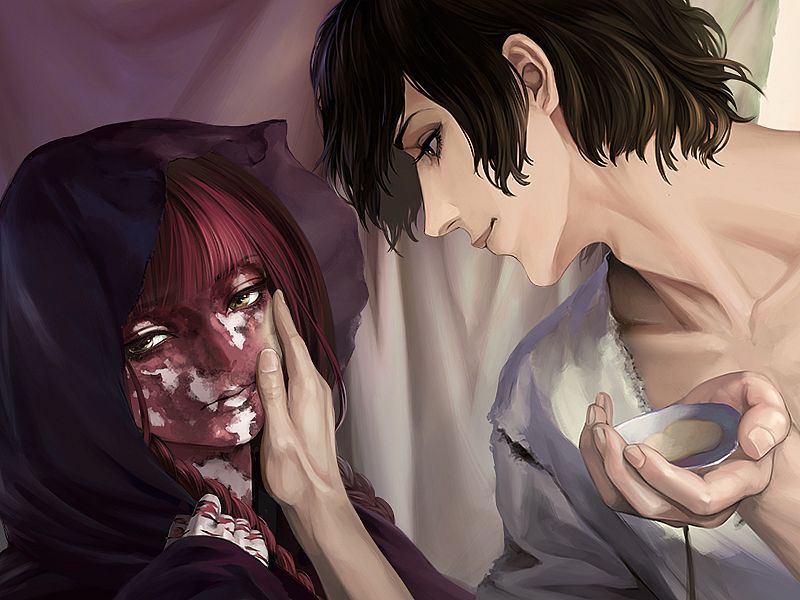
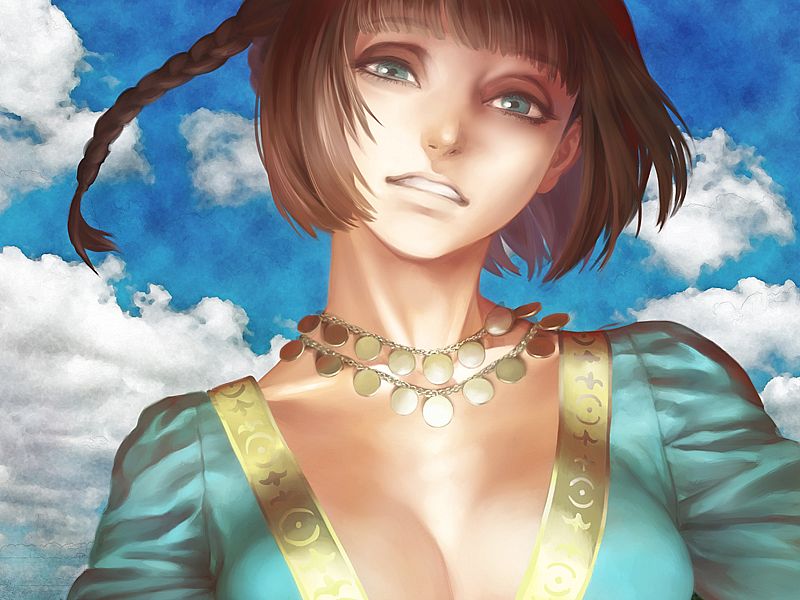
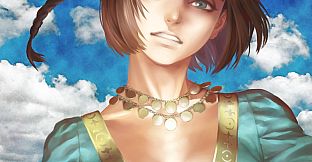
Art style features detailed, painterly visuals that evoke a sense of timeless melancholy, complemented by a soundtrack of orchestral pieces that heighten tension and sorrow. These elements combine to create an atmosphere thick with mystery and regret, making each revelation feel earned through careful buildup.
Is It Worth Playing?
For enthusiasts of visual novels and story-heavy adventures, this game holds strong appeal due to its high praise from players. It has earned overwhelmingly positive feedback, with 97% of 1,588 user reviews rating it favorably, highlighting the compelling writing and emotional depth. The title remains in a stable state without ongoing seasons or major updates, as it's a complete release from 2018.
If you prefer games with rich narratives over fast-paced action, it's a solid choice that rewards patience with memorable twists. Those new to the genre might find it a gateway to similar titles, while series fans appreciate how it expands the lore. Availability on PC makes it accessible, and its focused single-player nature suits solo sessions.