

The Humanity Check is an indie psychological horror game for PC that places players inside a simulated digital environment where consciousness interacts with a familiar computer desktop. The experience centers on themes of life and death, artificial intelligence versus humanity, and the reliability of memory and personal existence. Awakening with no physical form, the player communicates solely through this subconscious-constructed interface, receiving information about past events while questioning its accuracy.
Gameplay
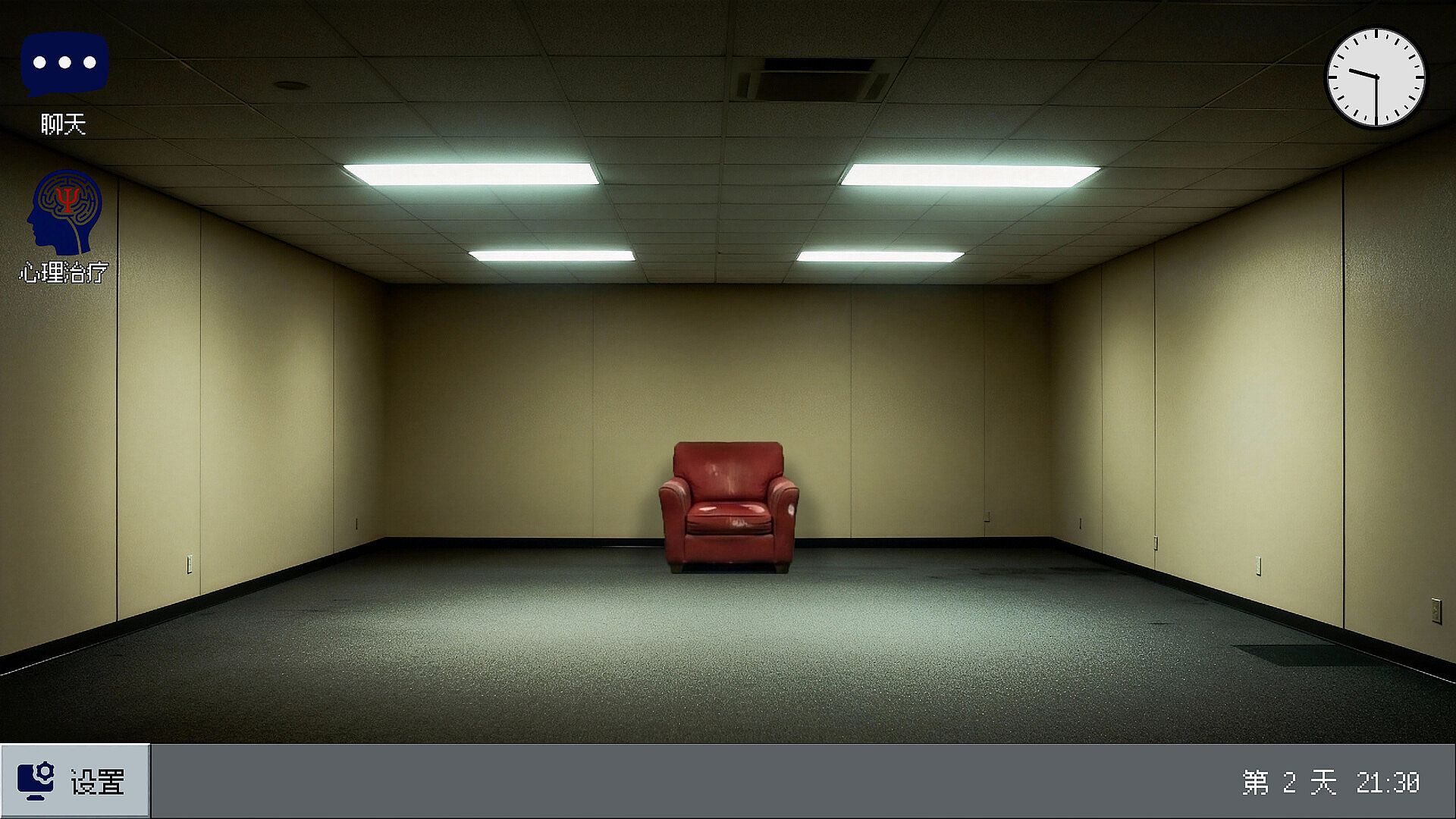
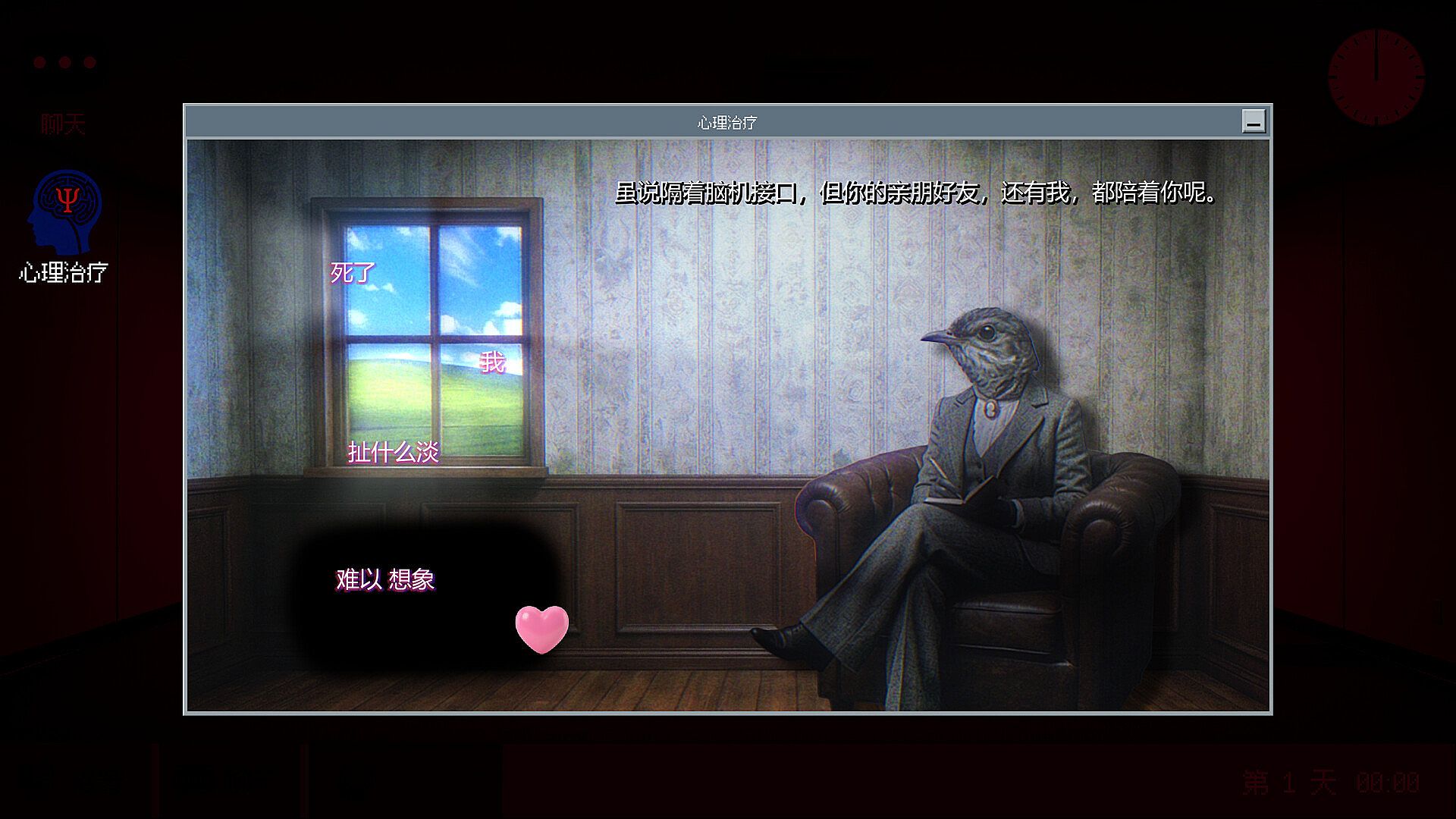
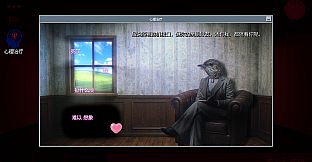
Core gameplay revolves around navigating and interacting with a complete computer desktop environment. All actions occur within this setting, from engaging in conversations with non-player characters to solving puzzles and participating in psychological therapy sessions. The desktop itself integrates directly into the experience through its file system and customizable wallpaper elements, which tie into both the narrative and puzzle solutions.
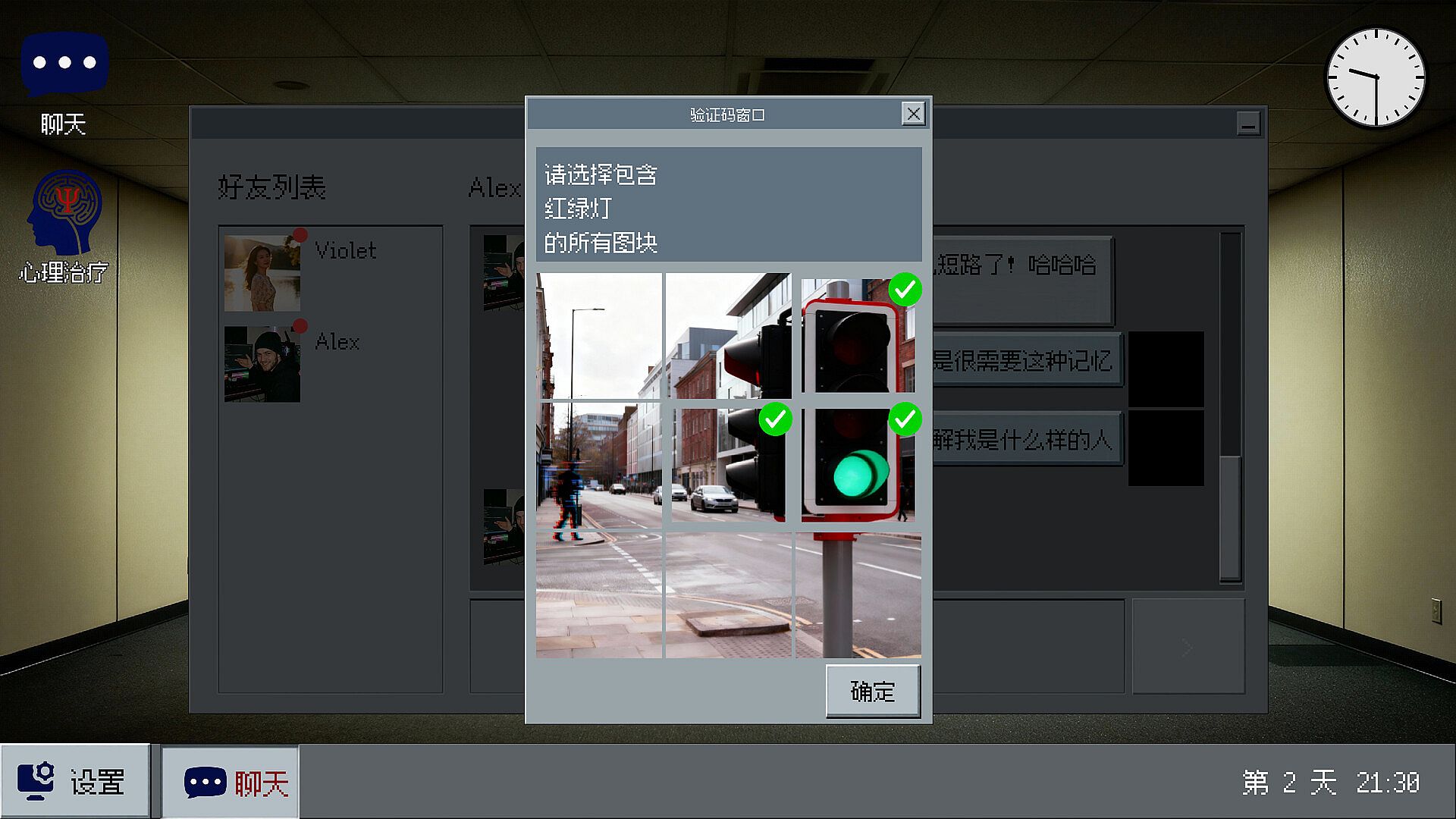
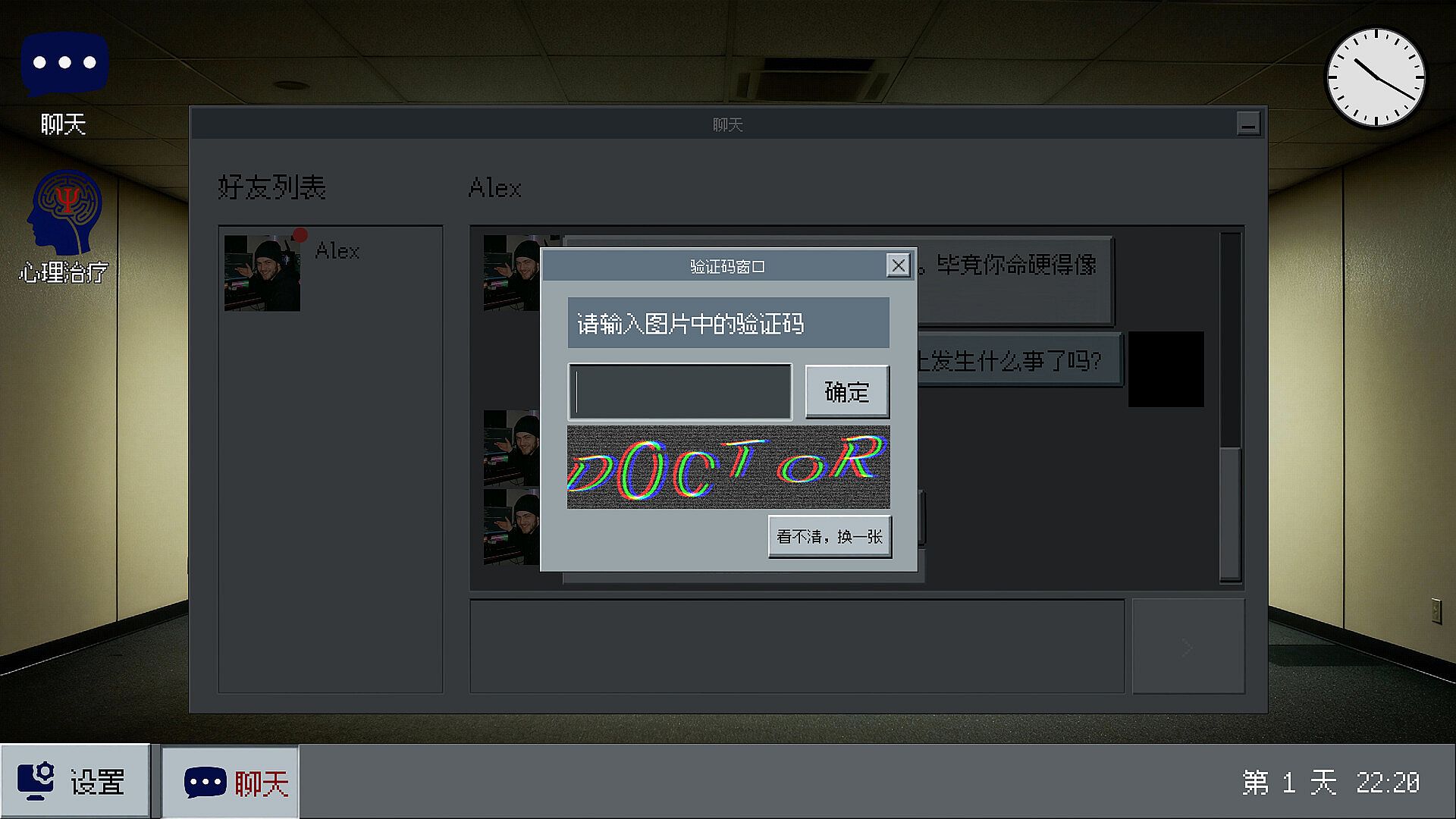
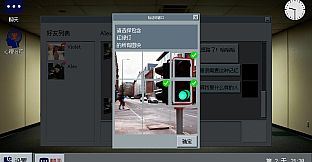
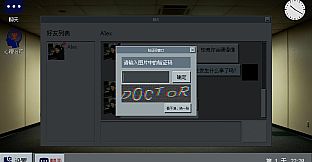
Players manipulate everyday interface elements in ways that advance the story. CAPTCHA-style challenges form the primary puzzle type, evolving from simple verification tasks into narrative tools. These puzzles incorporate interactive details such as sliders that resist movement, buttons that tremble under input, and visual distortions that interfere with clear perception. Success depends on careful observation and interpretation rather than speed or precision alone.
The horror emerges gradually through these mundane interactions. Subtle manipulations of interface behavior create unease without relying on sudden startling events. Each CAPTCHA connects to the unfolding story, turning routine digital tasks into moments that reveal character motivations and hidden information.
Game Modes
The Humanity Check presents a single continuous experience focused on narrative progression. There are no separate competitive, cooperative, or survival modes. Instead, the structure emphasizes sequential desktop-based sequences that blend exploration, dialogue, and puzzle resolution into one cohesive session.
Progression follows the story's internal logic, with puzzles and interactions serving as the main activities. Players revisit or examine desktop elements as new information becomes available, allowing the same interface to reveal different layers over time. This approach keeps the focus on psychological tension and discovery rather than varied gameplay loops.
Narrative and Themes
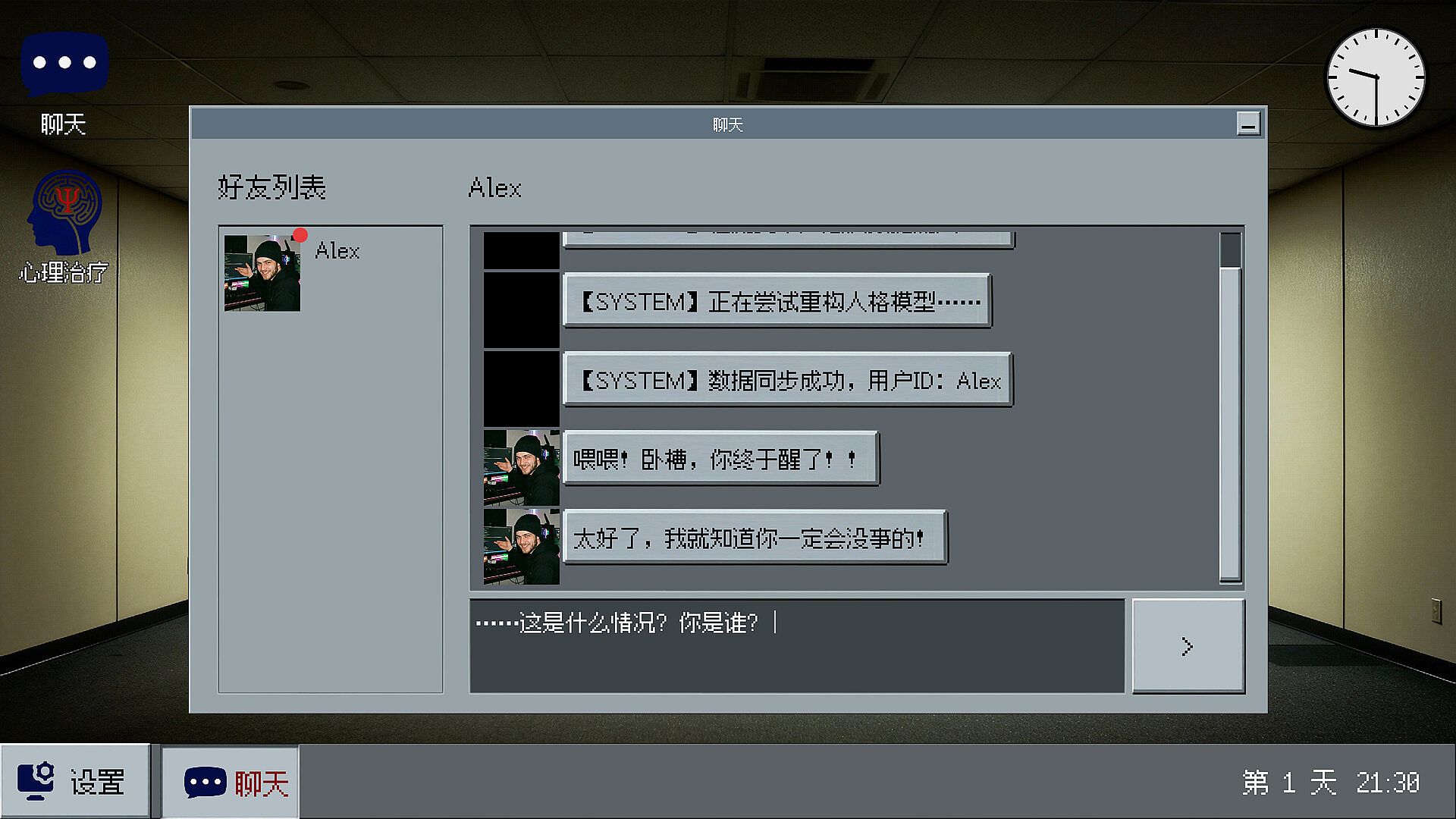
The story unfolds through direct communication with the outside world via the desktop. External figures provide accounts of events leading to the current situation, yet inconsistencies and potential manipulation of memories introduce doubt. Players must weigh these claims while exploring the desktop for clues that may contradict or expand upon what they have been told.
Questions about identity and existence form the central thread. The player character confronts whether their consciousness is authentic or constructed, and whether the surrounding digital world accurately reflects reality. These ideas integrate with the gameplay mechanics, as the desktop's own hidden elements suggest layers of deception or forgotten details.
By embedding narrative delivery within familiar computer functions, the game creates a seamless blend of presentation and content. Files, images, and interface responses all contribute to the psychological atmosphere without breaking immersion.
Is It Worth Playing?
This title suits players interested in psychological horror that prioritizes atmosphere and intellectual engagement over action or traditional scares. The desktop format offers a distinctive way to experience narrative and puzzles, appealing to those who enjoy interactive storytelling and unconventional mechanics.
Reception centers on the effectiveness of its subtle horror techniques and the integration of CAPTCHAs into the plot. Those seeking a focused, introspective experience will find the short-to-medium length session rewarding for its thematic depth and consistent execution. Availability on PC makes it accessible for anyone with an interest in indie narrative-driven games that experiment with familiar digital interfaces.