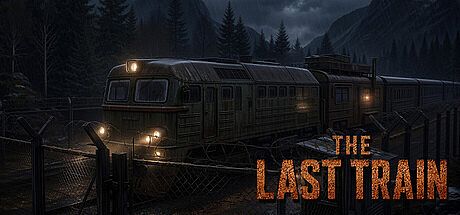


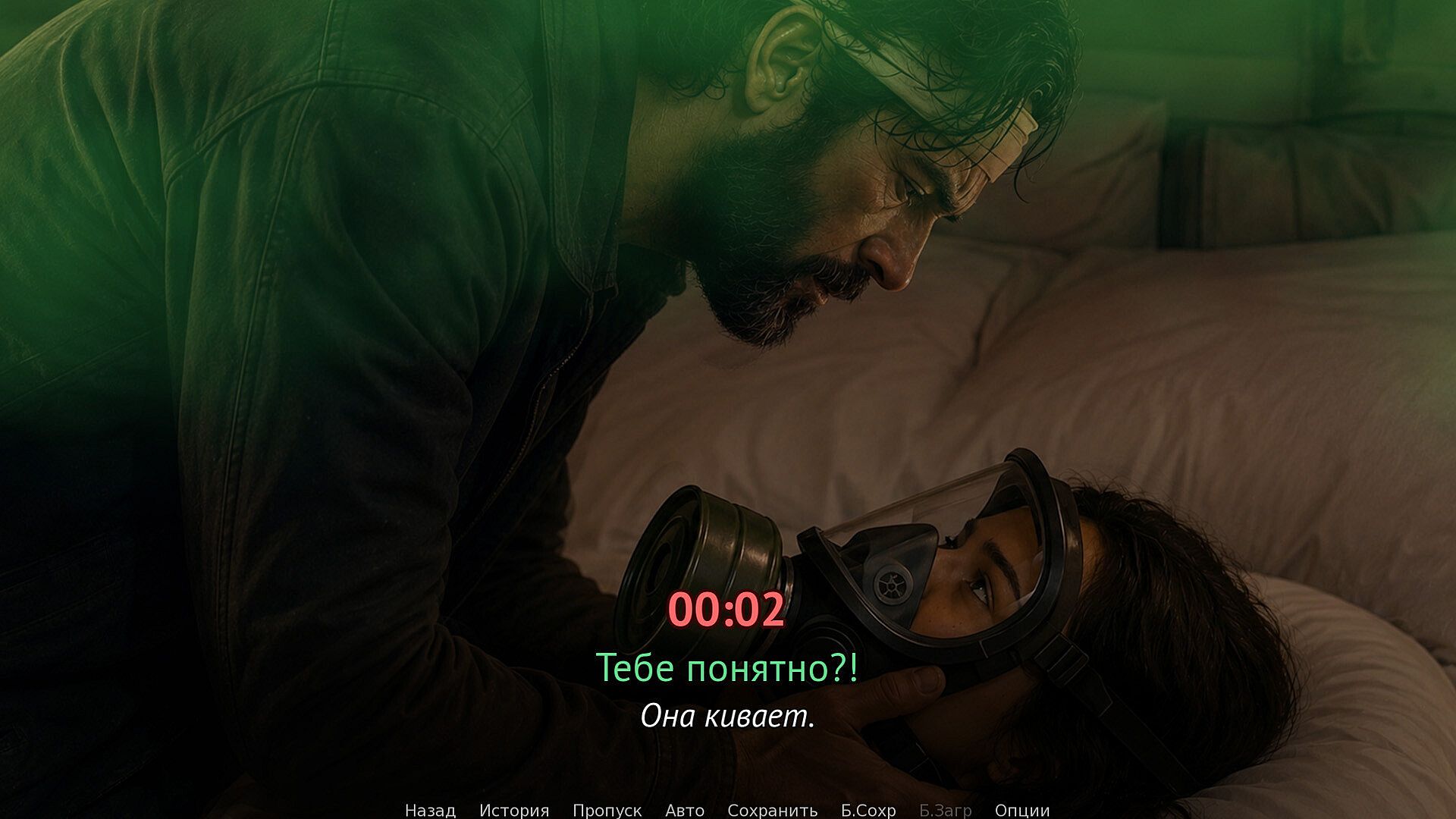
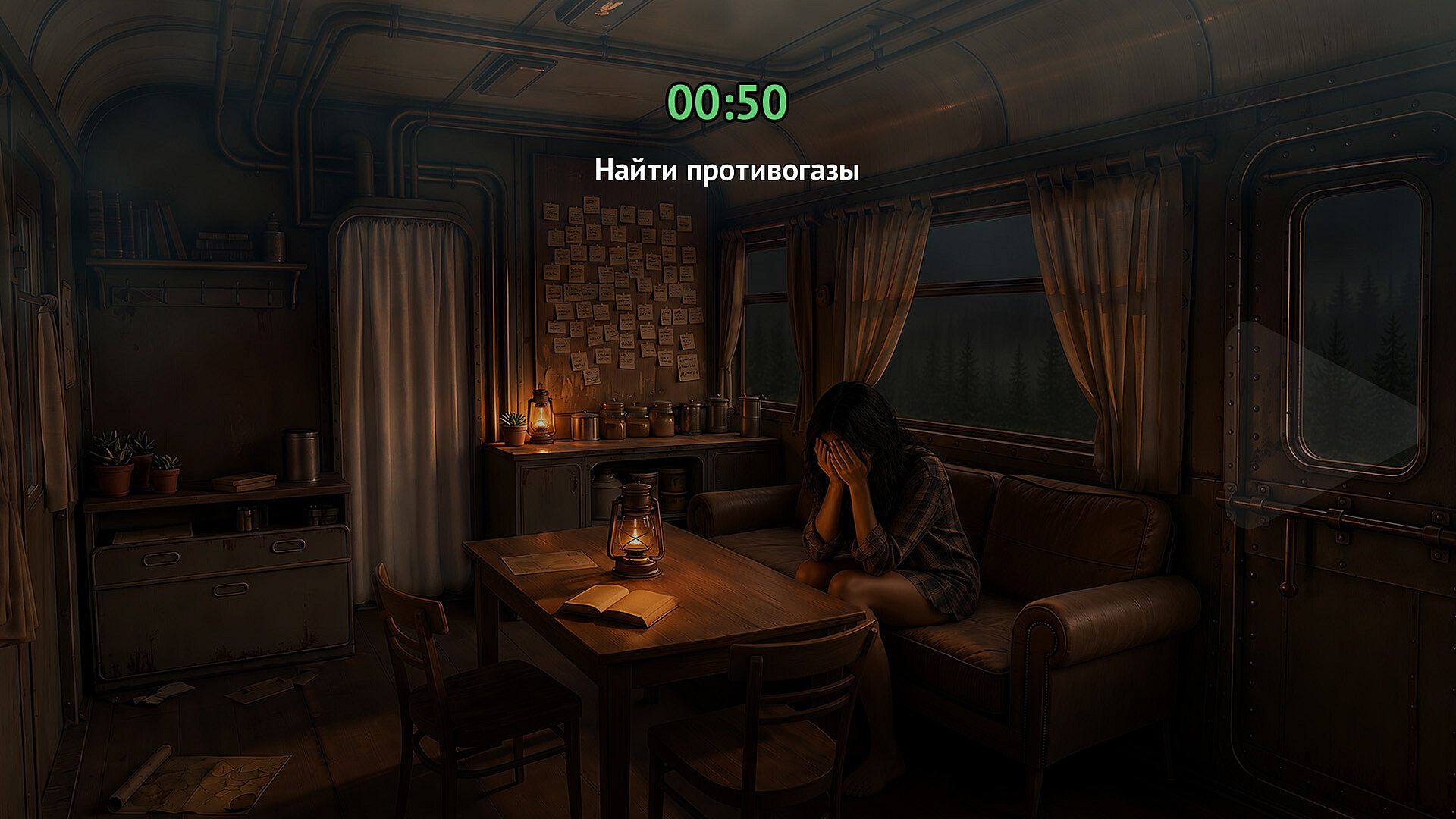


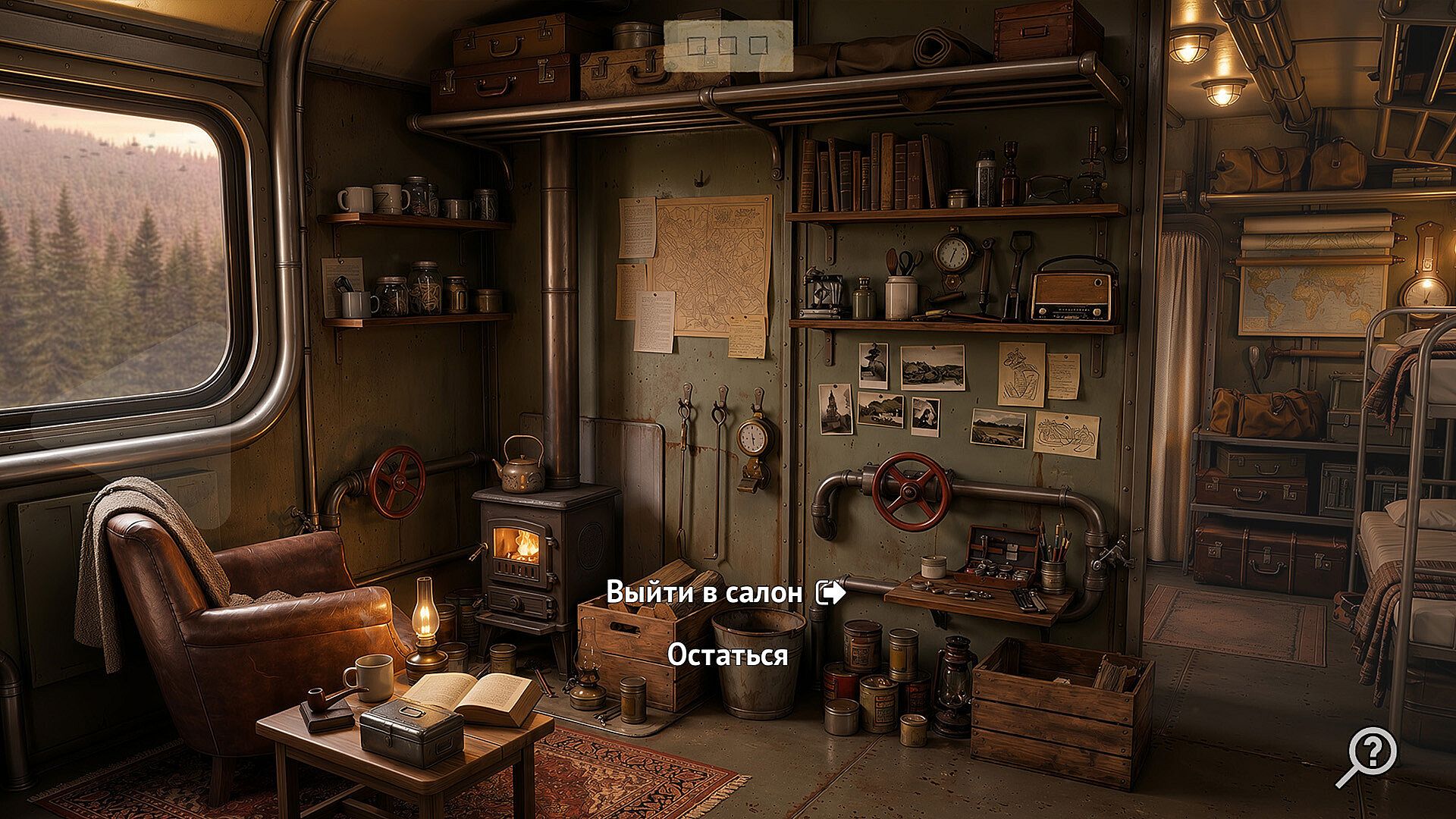
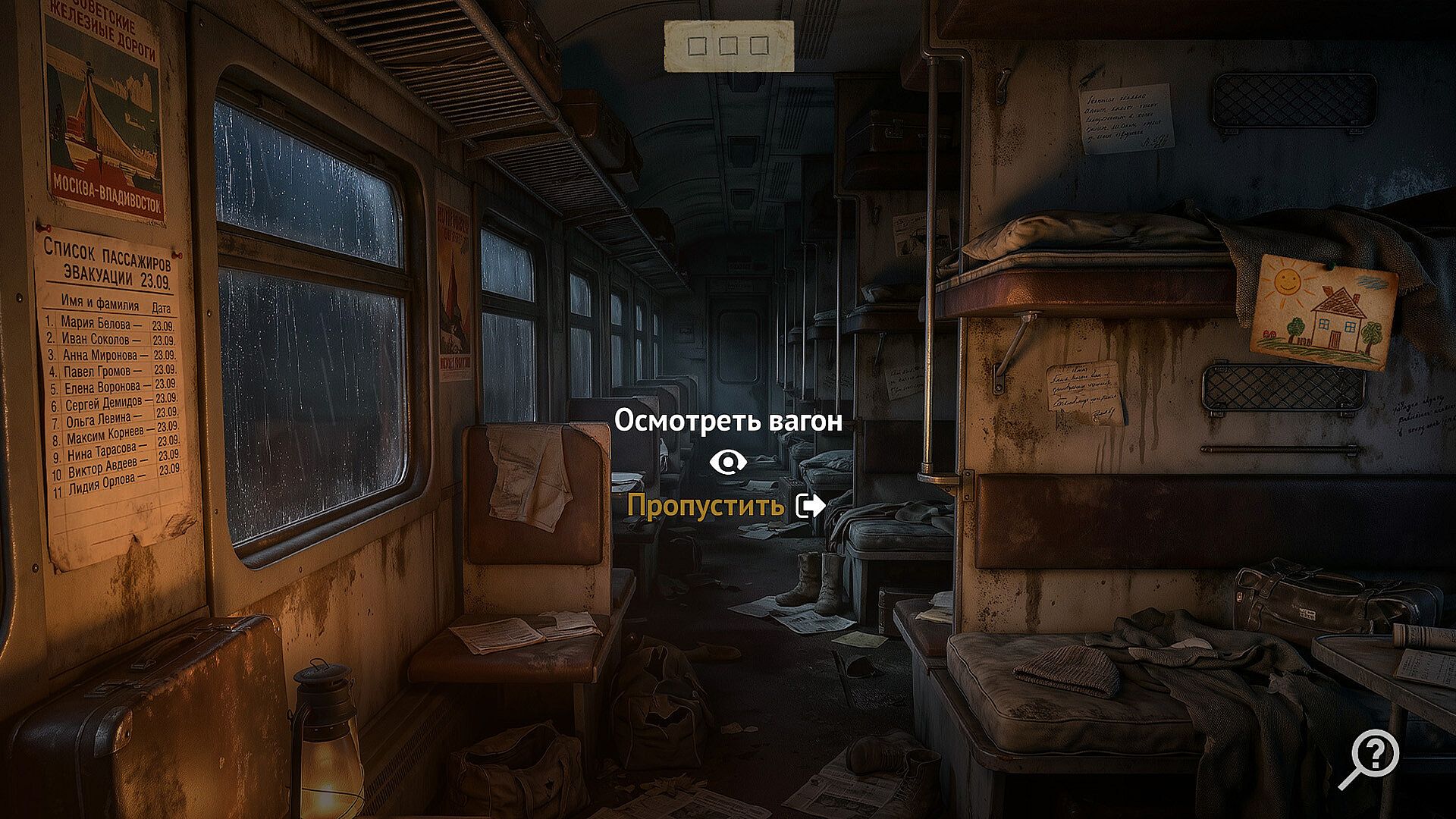
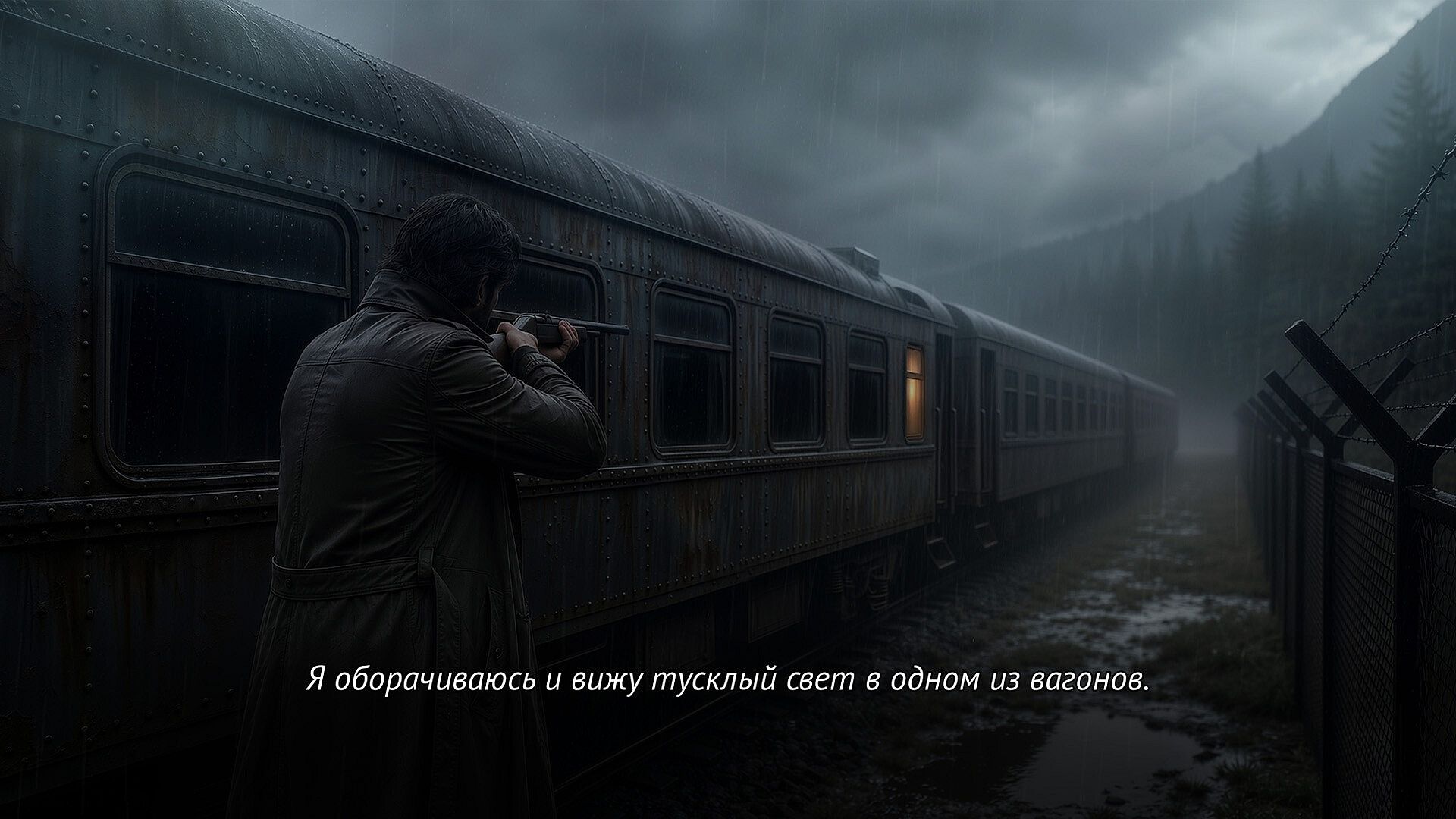



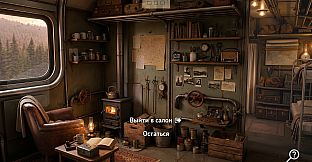
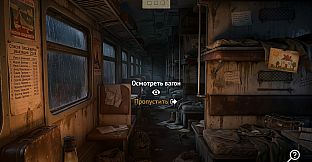
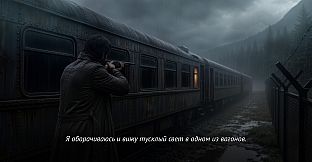
The Last Train: End of the Line is an indie adventure game for PC that blends visual novel storytelling with exploration and light survival mechanics. Set in a gloomy post-Soviet world, the title follows an engineer who lives alone aboard a stopped train at the edge of an infected sector. Fog has altered the landscape, people vanish beyond the electrical perimeter, and the automated MELISSA system issues increasingly unsettling warnings. Radio fragments carry alien messages while the engineer avoids recalling past events. The arrival of a girl named Mia, who claims to be uninfected, forces choices about trust and memory.
Gameplay
Players navigate the old train and nearby abandoned locations in search of supplies. Diary entries and discovered clues help piece together prior events. Decisions influence relationships with characters and alter the unfolding narrative. Inventory management covers items, a map, and collected evidence. Hand-drawn scenes and animations support the atmosphere, while sound design reinforces isolation and tension. The core loop centers on exploration, resource gathering, and reflection on memory, guilt, and humanity.
Survival aspects remain grounded in the setting. Players must maintain the train's systems and avoid threats outside the perimeter. Non-linear elements allow different paths through the story based on choices made during encounters and investigations. The character relationship system tracks interactions with Mia and other figures, affecting available options and endings.
Game Modes
The game operates as a single-player experience focused on narrative progression. There are no separate competitive or cooperative modes. All content unfolds through the story-driven campaign, where exploration and decision-making shape the outcome. Replay value stems from multiple paths created by choices rather than distinct game modes.
Story and Atmosphere
The narrative examines themes of memory, guilt, loneliness, and the effort to preserve humanity amid external dangers. The post-Soviet setting creates a distinctive mood through its visual style and audio cues. Environmental storytelling via diary entries and radio broadcasts reveals layers of the world's history without direct exposition. The engineer's internal conflict drives much of the tension, as external threats mirror personal uncertainties.
Hand-drawn artwork and animations bring key locations to life. Sound design emphasizes quiet moments on the train alongside sudden disturbances from the perimeter. The overall tone stays consistent with the source material, avoiding overt action in favor of psychological depth.
Is It Worth Playing?
This title suits players who enjoy atmospheric narrative adventures with visual novel influences and exploration. Those drawn to stories about trust, memory, and moral choices will find the decision system and relationship mechanics relevant. The single-player focus delivers a contained experience centered on uncovering the past through clues and interactions.
Availability on PC makes it accessible for those with the hardware to run indie titles. Without confirmed release updates or additional content cycles, the game stands as a self-contained story. Fans of similar indie adventures that prioritize mood and consequence over fast-paced action may find it aligns with their preferences.