




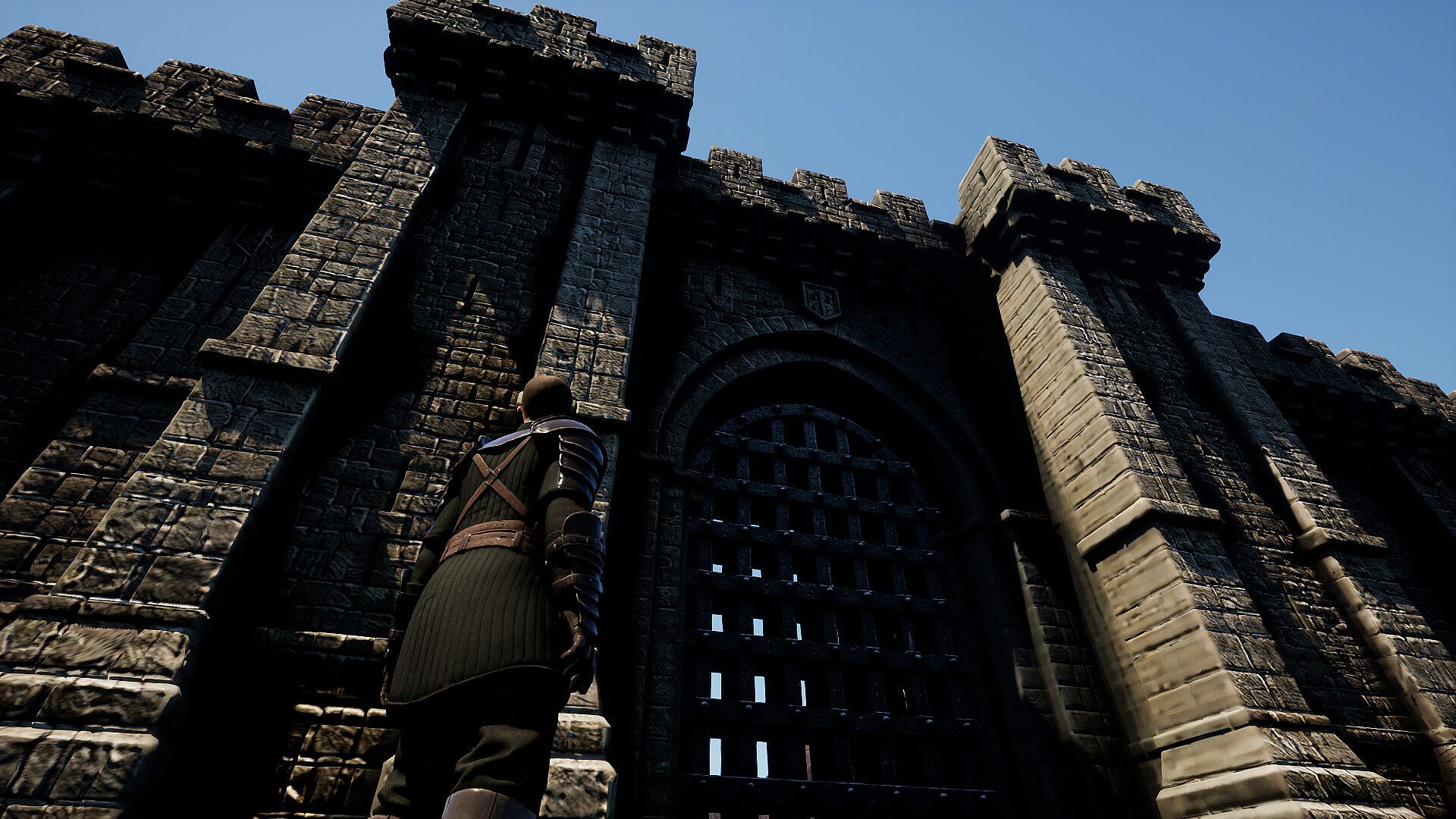
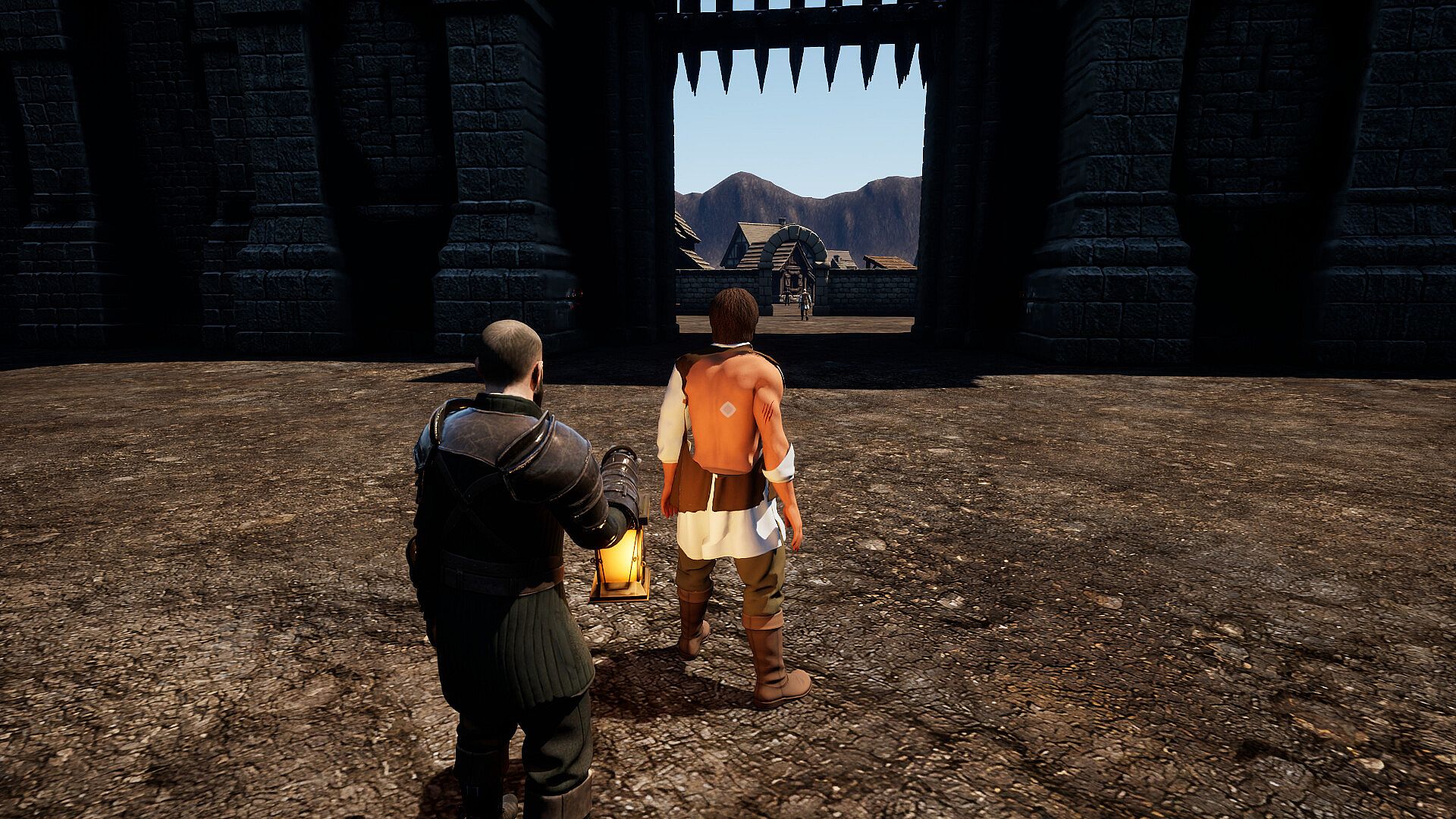
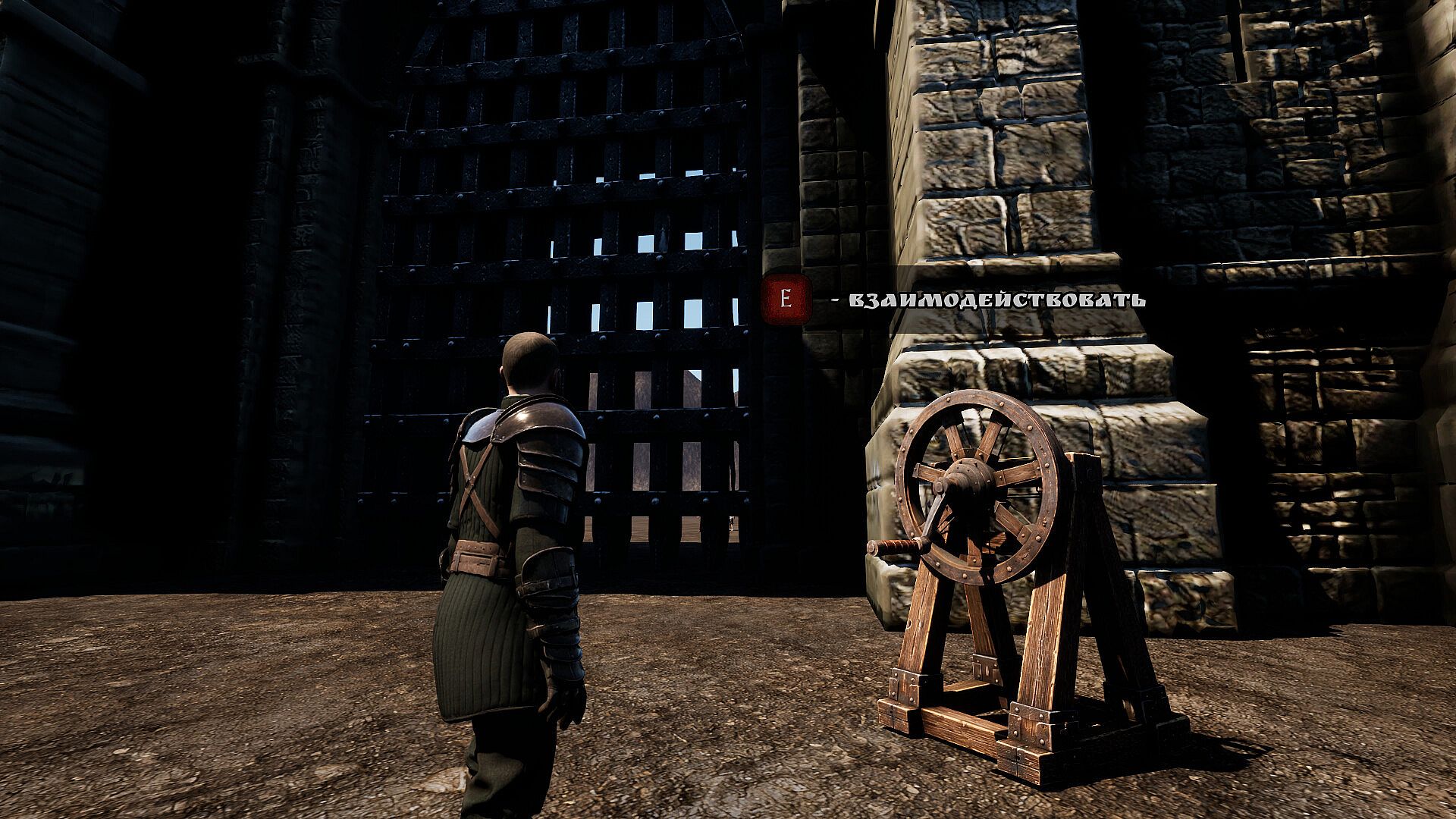
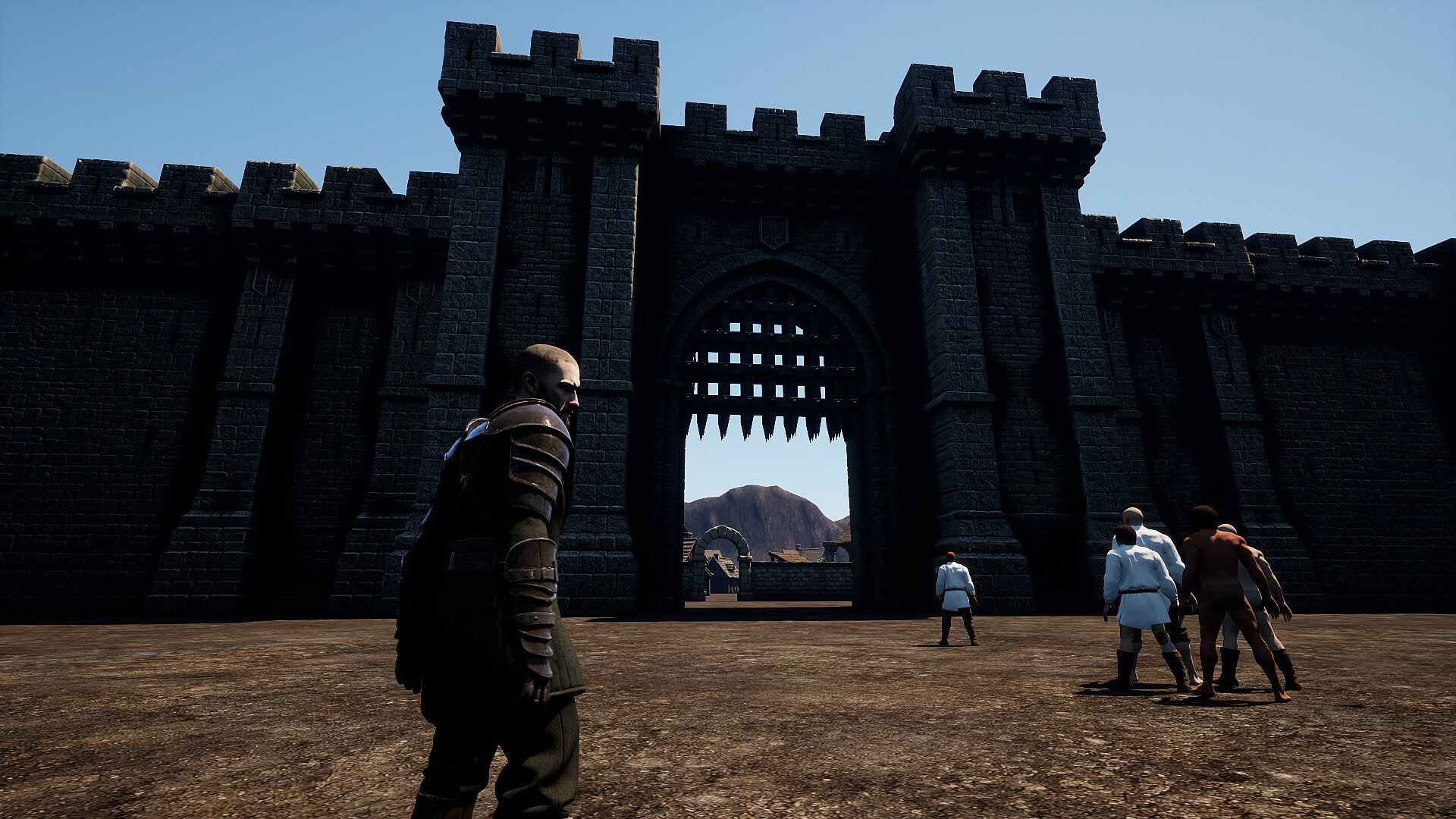
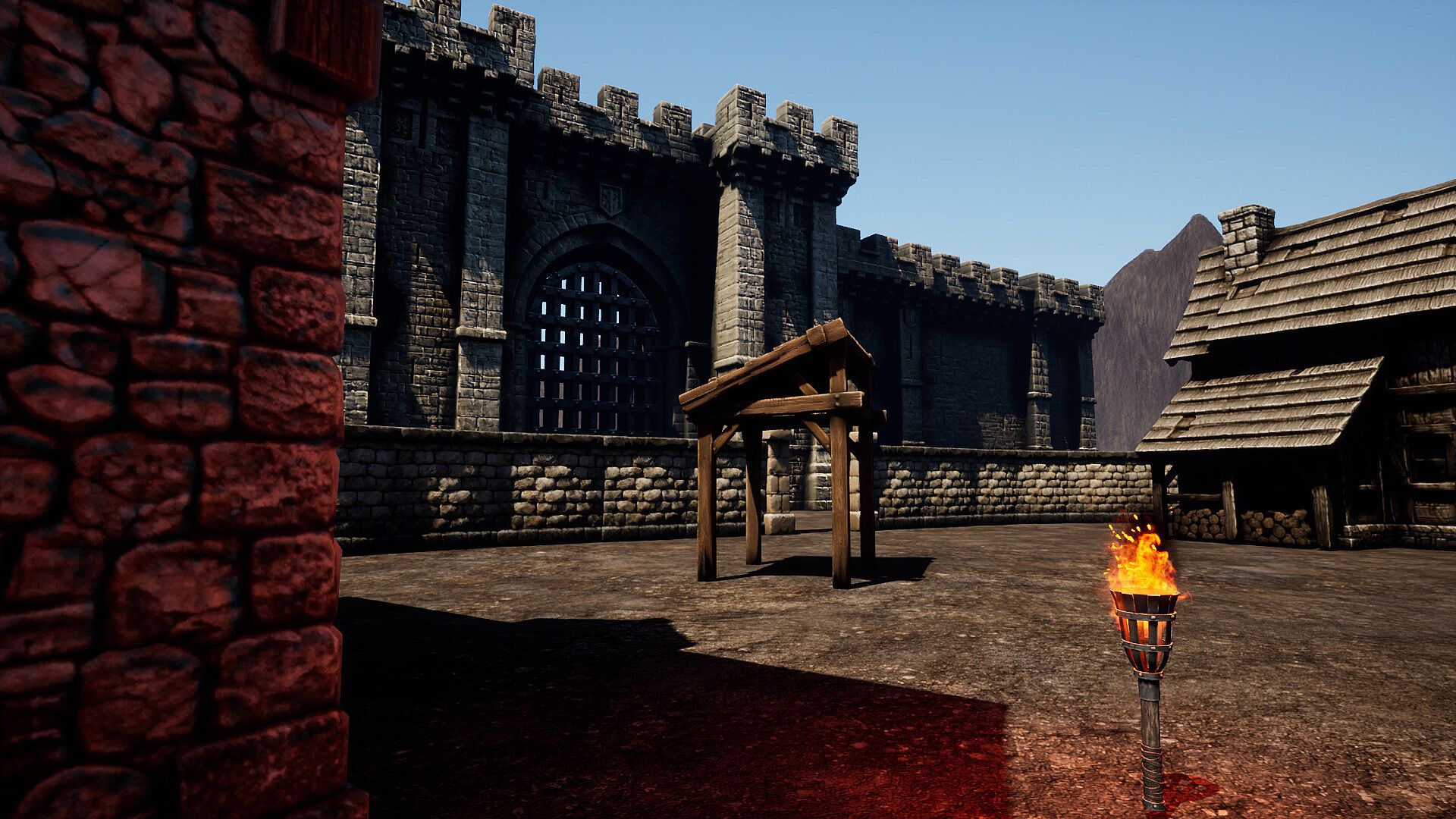
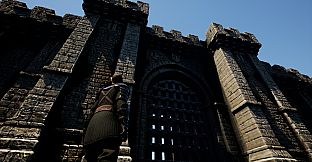
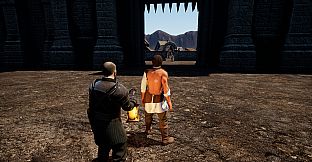
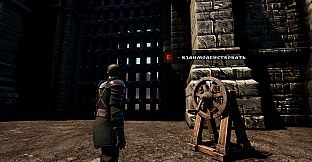
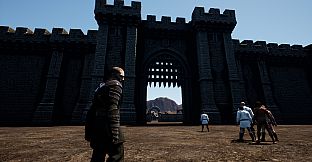
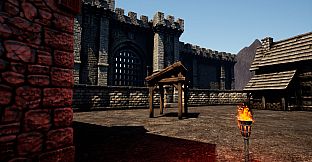
The Last Warden is an indie adventure game for PC in which players serve as the final authority at the gates of a city ravaged by plague. Survivors arrive daily seeking shelter, and each one must be evaluated through inspection, conversation, and document review before a decision determines their fate and the community's future.
Gameplay
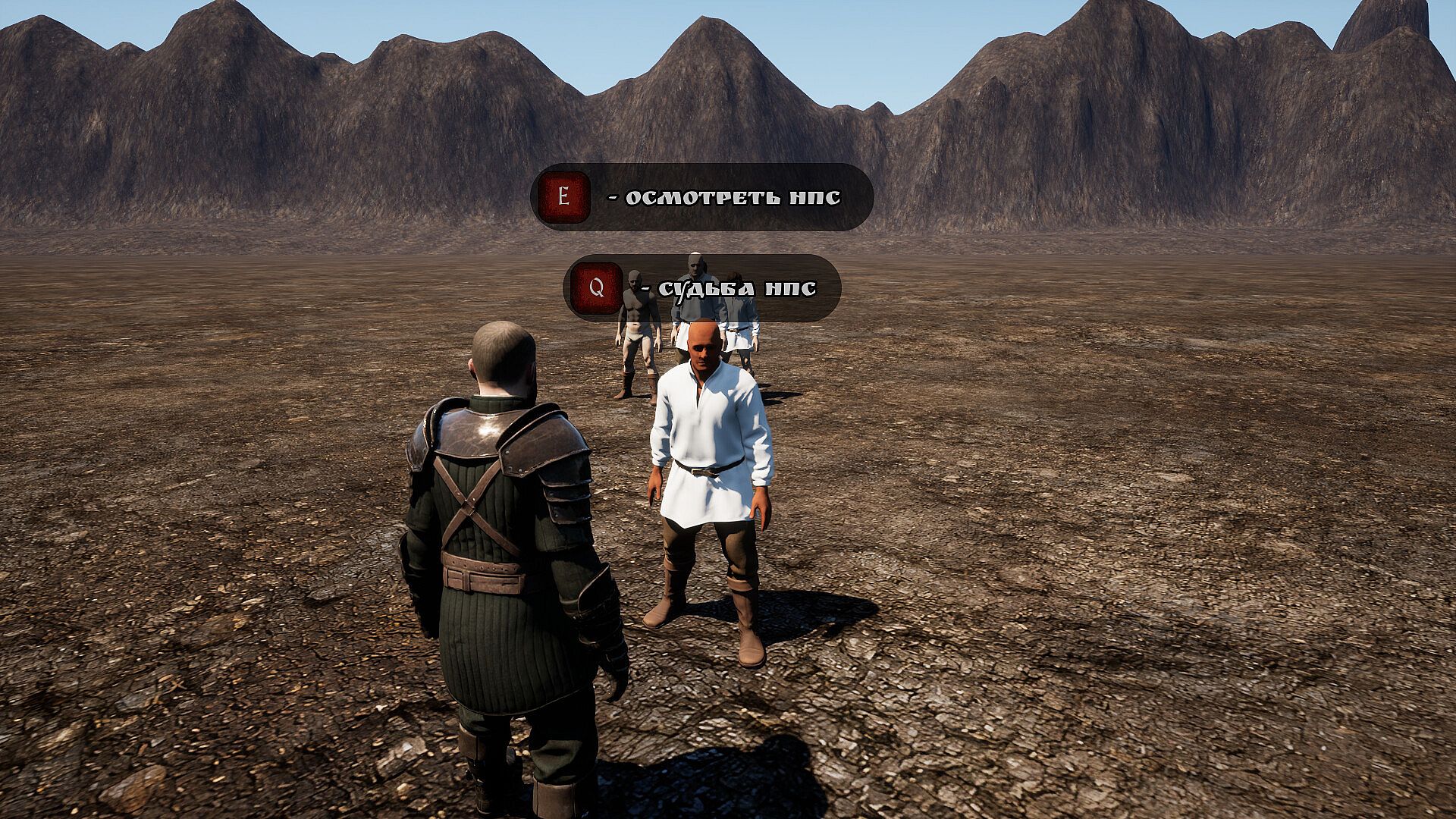
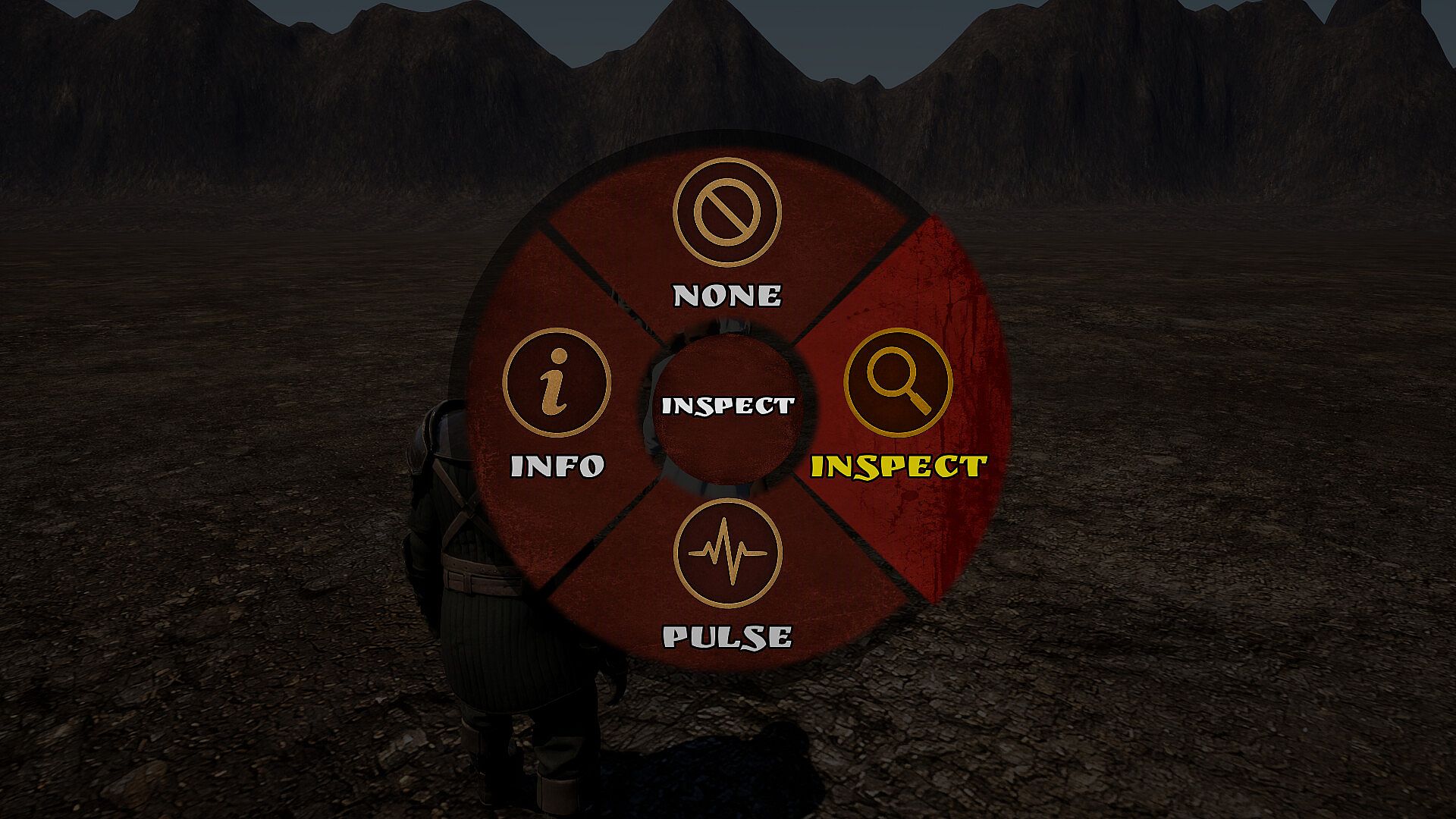
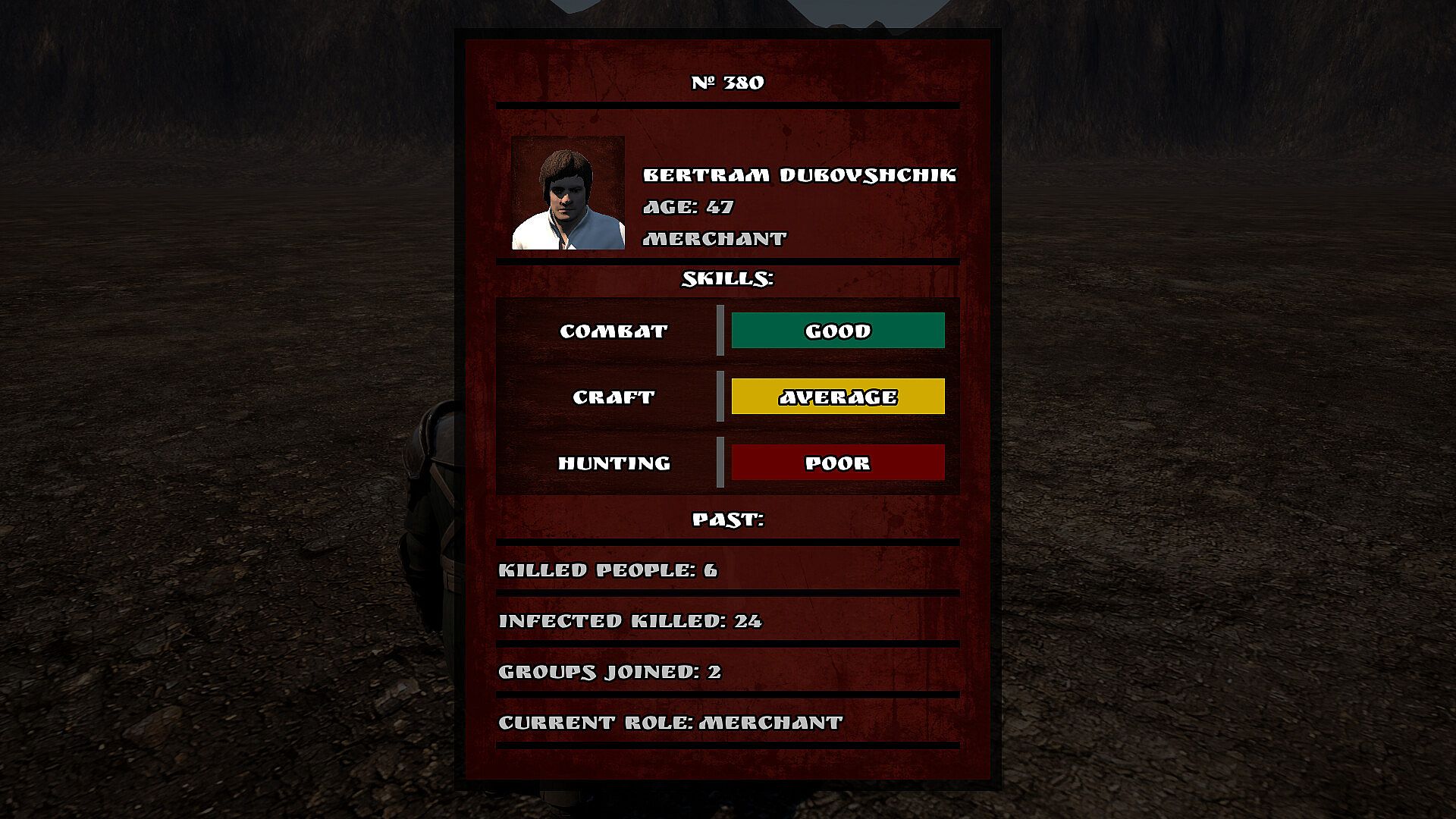
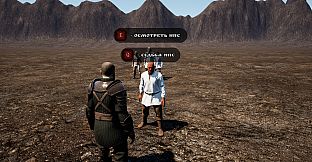
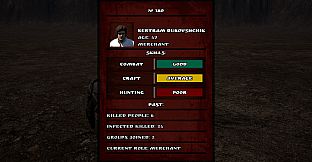
Core play revolves around processing arrivals at the city gates. During daylight hours, new individuals present themselves with personal stories, physical conditions, and background details. Players examine dossiers listing names, ages, professions, and past events, then compare these against observations from direct interaction. Suspicious inconsistencies or hidden threats require careful scrutiny to avoid endangering the settlement. Decisions to grant entry or refuse access carry immediate and long-term effects, as accepted residents contribute to growth while potentially introducing risks that surface later.
At night the gates close and the results of each choice play out across the developing community. Those permitted inside take on roles that aid survival and expansion, yet every addition remains a possible vector for new dangers. The cycle repeats with fresh arrivals the following day, building a settlement shaped entirely by cumulative judgments. No two sequences of decisions produce identical outcomes for the population or its security.
Game Modes
The experience centers on a single-player campaign structured around repeating day and night phases. Daytime focuses on gate procedures and information gathering, while nighttime reveals the broader consequences within the city. There are no separate competitive or cooperative modes; progression occurs through sequential decision cycles that alter the available population and its stability over time.
Decision Systems and City Development
Every arrival brings unique details that players must cross-reference for accuracy. Professions, personal histories, and physical states provide clues, but some individuals withhold critical facts. Allowing entry integrates newcomers into the community, where they pursue work and support expansion. Refusals prevent potential threats but may eliminate valuable contributors. The growing settlement reflects these choices directly, with residents influencing overall resilience against external dangers.
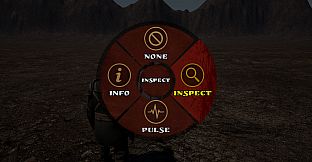
Information management forms the central challenge. Players gather details through observation and dialogue, then weigh risks against benefits before acting. One error can compromise the entire population, while consistent caution may limit growth. The system encourages repeated playthroughs to explore different combinations of approvals and rejections.
Is It Worth Playing?
The Last Warden suits players who enjoy deliberate, narrative-driven decision making in a compact indie format. Its loop of inspection, judgment, and consequence delivers focused tension without additional layers such as combat or resource collection. Those drawn to stories about moral trade-offs and community management will find the mechanics align closely with the premise of guarding a fragile sanctuary. Availability remains limited to PC, and the title stands as a self-contained experience centered on repeated cycles of evaluation and aftermath.











