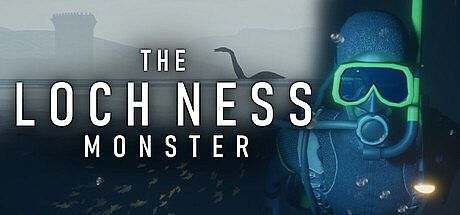


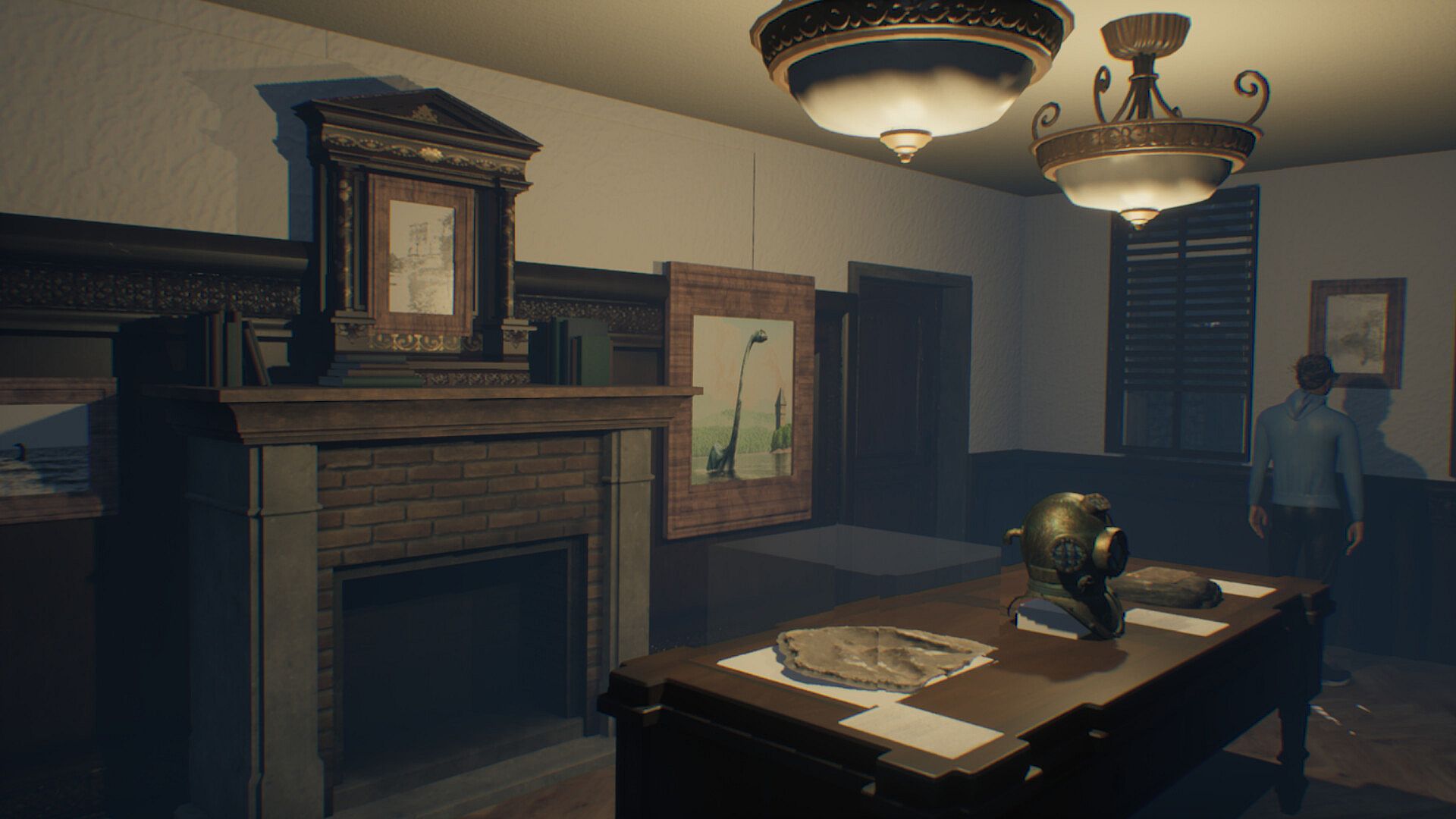
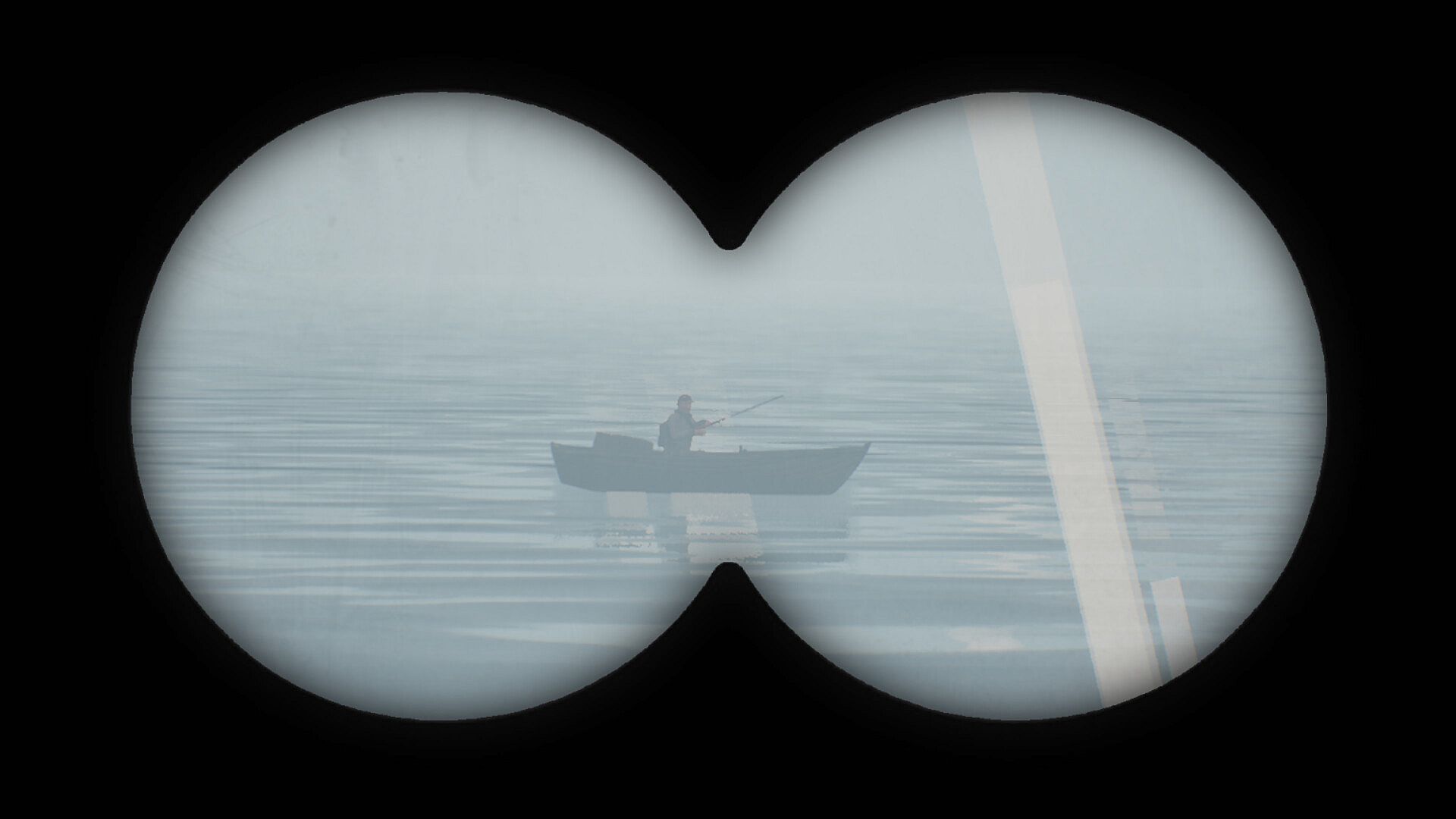
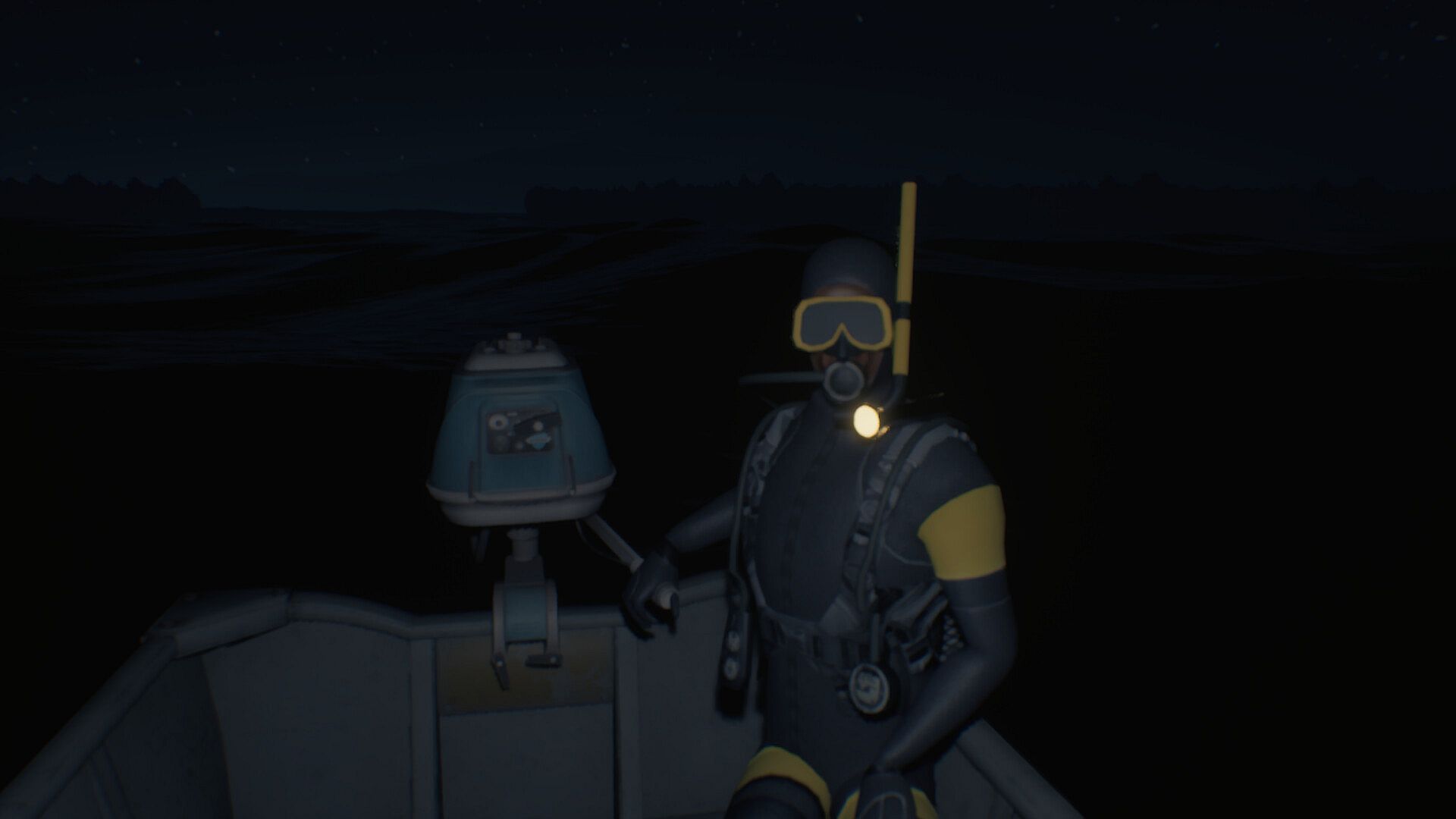
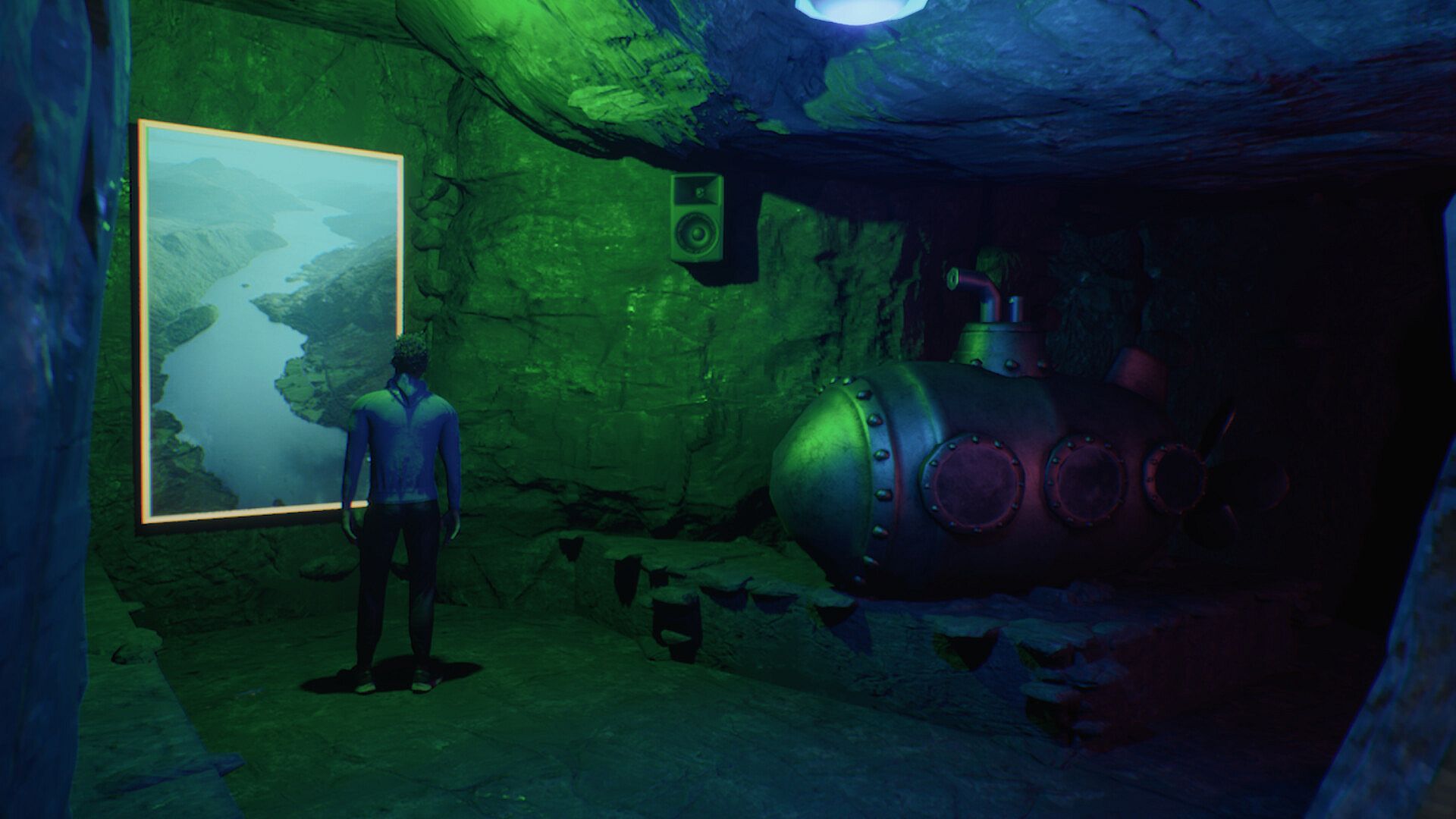
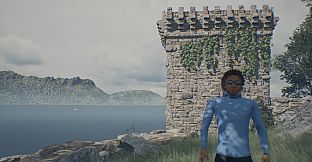

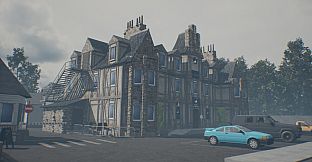

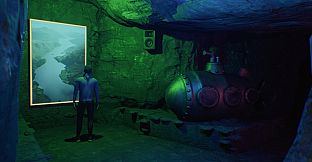
The Loch Ness Monster is an indie horror game developed for PC by Fireplay Studio. Players take on the role of Steve, who joins his friend Glen on a trip to Loch Ness aimed at uncovering whether the legendary creature exists. The experience blends investigation of real-world inspired sites with a descent into the loch itself, emphasizing narrative discovery and psychological tension over action.
Gameplay
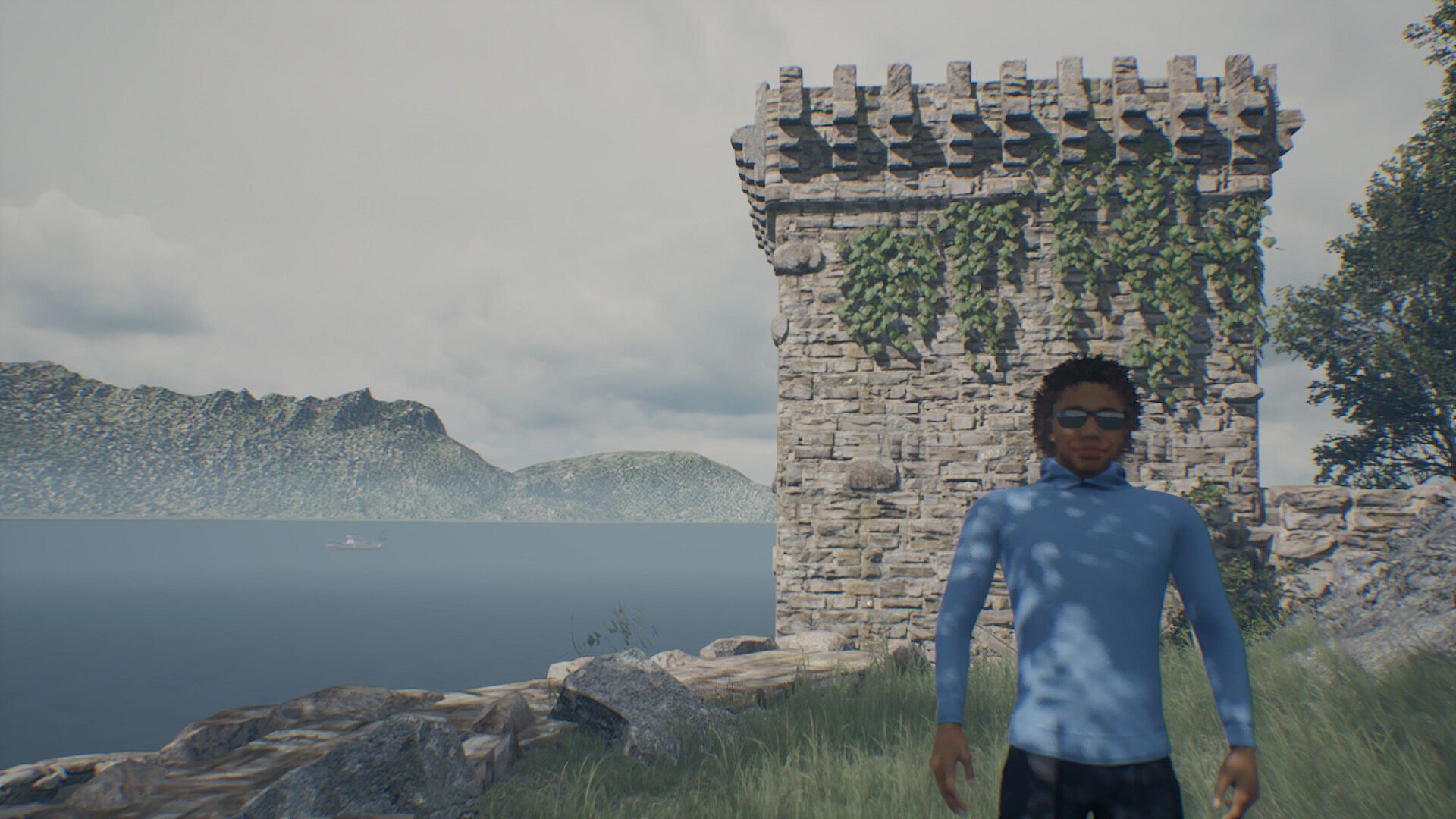
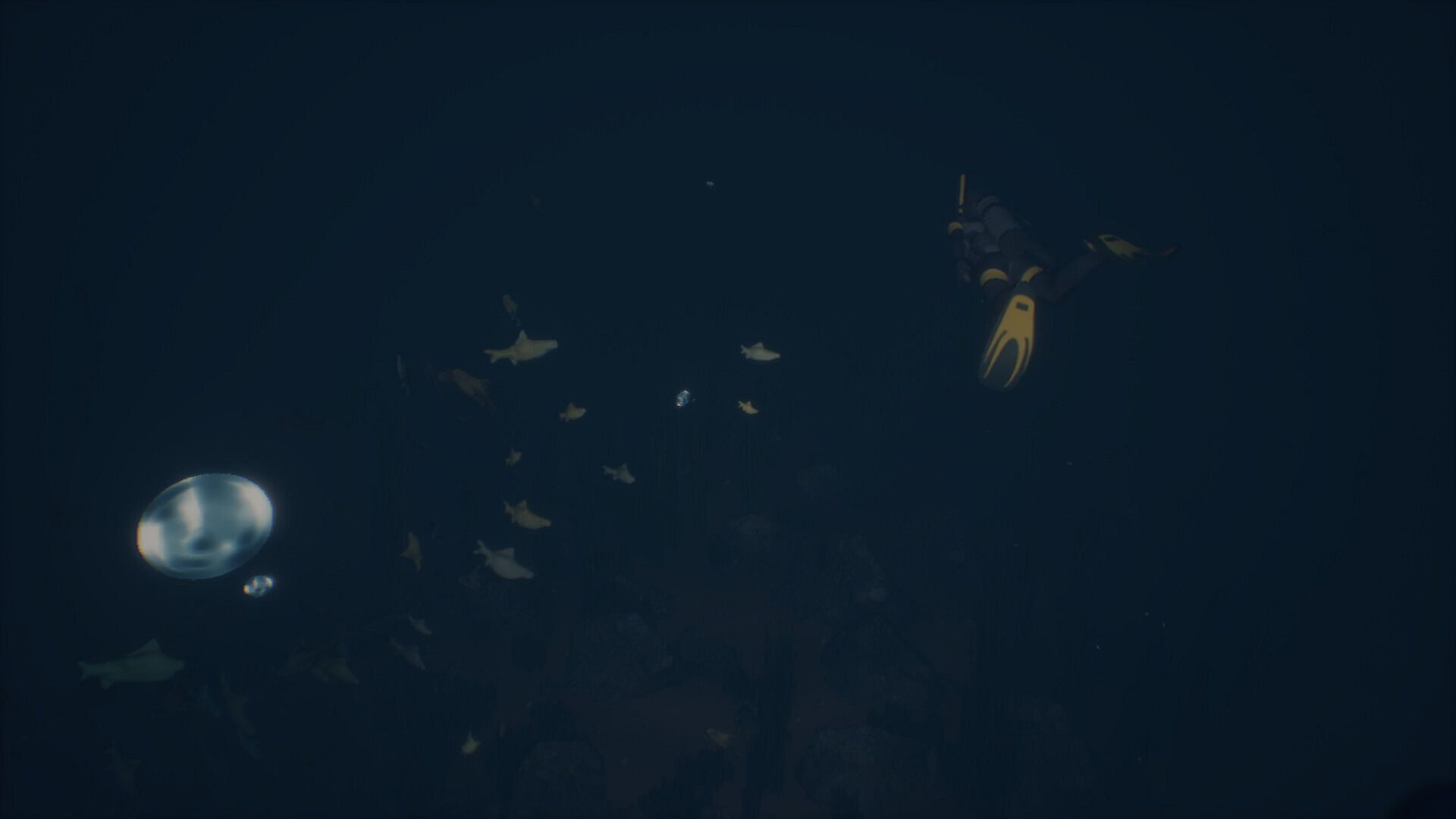
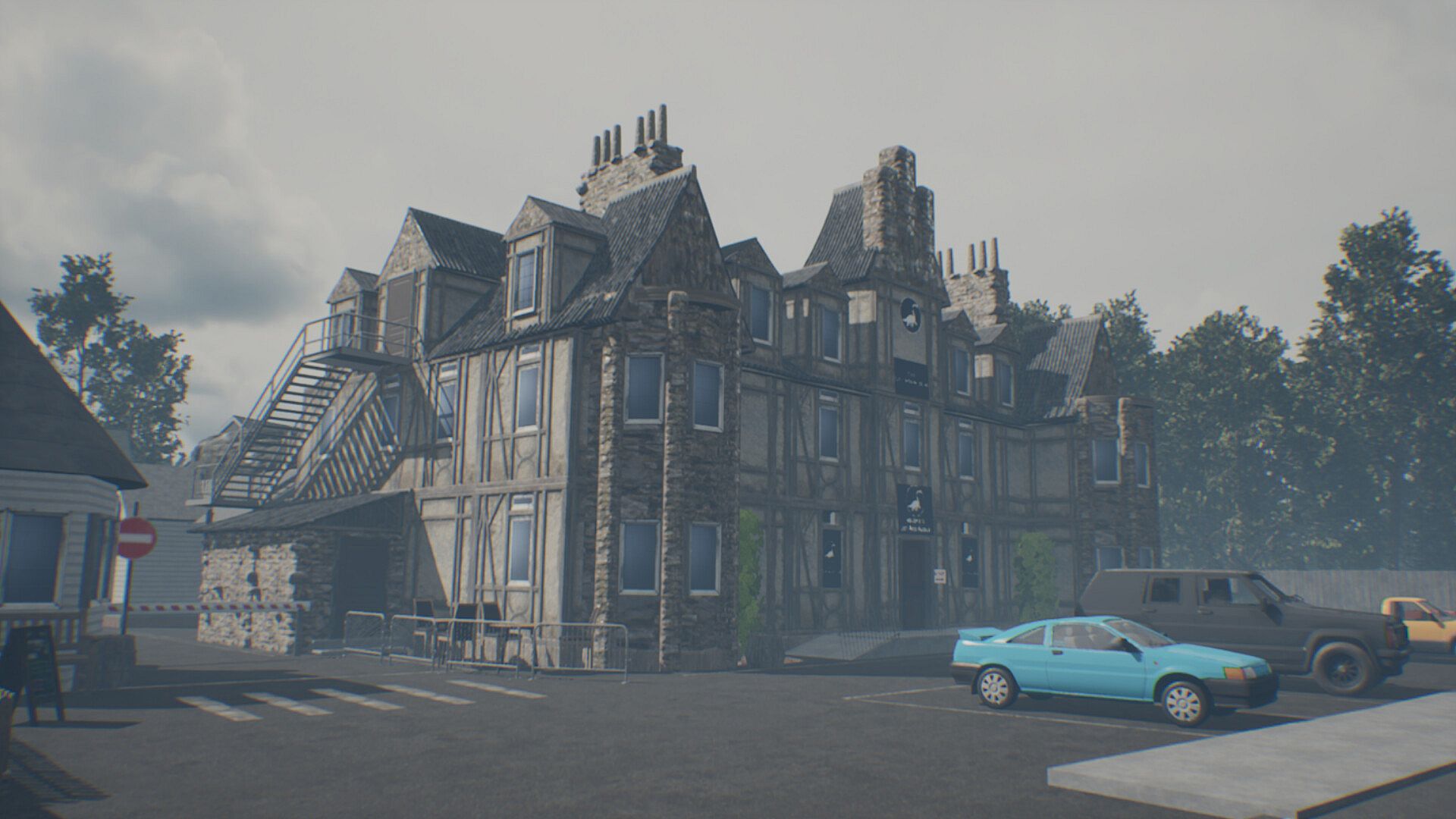
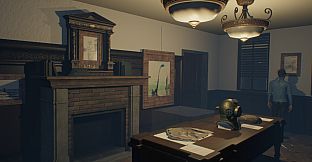
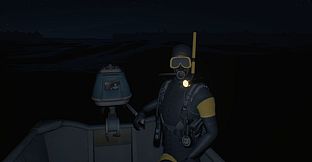
Core gameplay revolves around exploring detailed locations around Loch Ness. Players examine environments on foot and gather notes that reveal the area's history and legends. These findings build context for the central mystery while advancing the story. A mini-game element appears during key sequences to break up the pacing and add variety to the investigation process. The narrative then shifts to diving sequences that take players beneath the surface of the somber lake, where visibility is limited and the atmosphere grows more oppressive. Sound design plays a central role, using layered audio cues to heighten unease during both surface exploration and underwater segments. Psychological horror emerges through subtle environmental storytelling, unsettling encounters, and the weight of the unknown rather than overt threats.
Game Modes
The game operates as a single-player experience centered on narrative progression and personal choice. There are no multiplayer components or separate competitive modes. Instead, the structure focuses on sequential exploration phases that lead into the diving section. Player decisions during the investigation influence the path forward and determine which of the two available endings is reached. This setup encourages replay to experience alternate outcomes without altering the core loop of location visits, note collection, and underwater descent.
Narrative and Atmosphere
The story unfolds through direct interaction with places tied to Loch Ness lore and the documents left behind at those sites. Steve and Glen's getaway serves as the entry point, gradually revealing deeper layers of the location's past. The shift from terrestrial exploration to diving creates a clear progression in tone, moving from measured inquiry to isolation in the depths. Well-developed environments support this shift by providing visual and auditory details that reinforce the somber, mysterious setting. Immersive sound design complements the psychological elements, making ambient noises and subtle distortions key to building dread without relying on jump scares.
Is It Worth Playing?
This title suits players who prefer narrative-driven indie horror that emphasizes exploration, environmental storytelling, and multiple endings over fast-paced action or combat. The combination of surface investigation, note-based history reveals, mini-game interludes, and diving sequences offers a focused single-player journey with replay value tied to the two endings. Psychological horror and unsettling audio contribute to an atmosphere suited for those comfortable with slow-burn tension. As the game remains unreleased with no user reviews available, its appeal rests on the described mechanics and the developer's stated focus on immersion through locations and sound. Those drawn to atmospheric adventures centered on real-world mysteries may find it aligns with their preferences once it launches.