

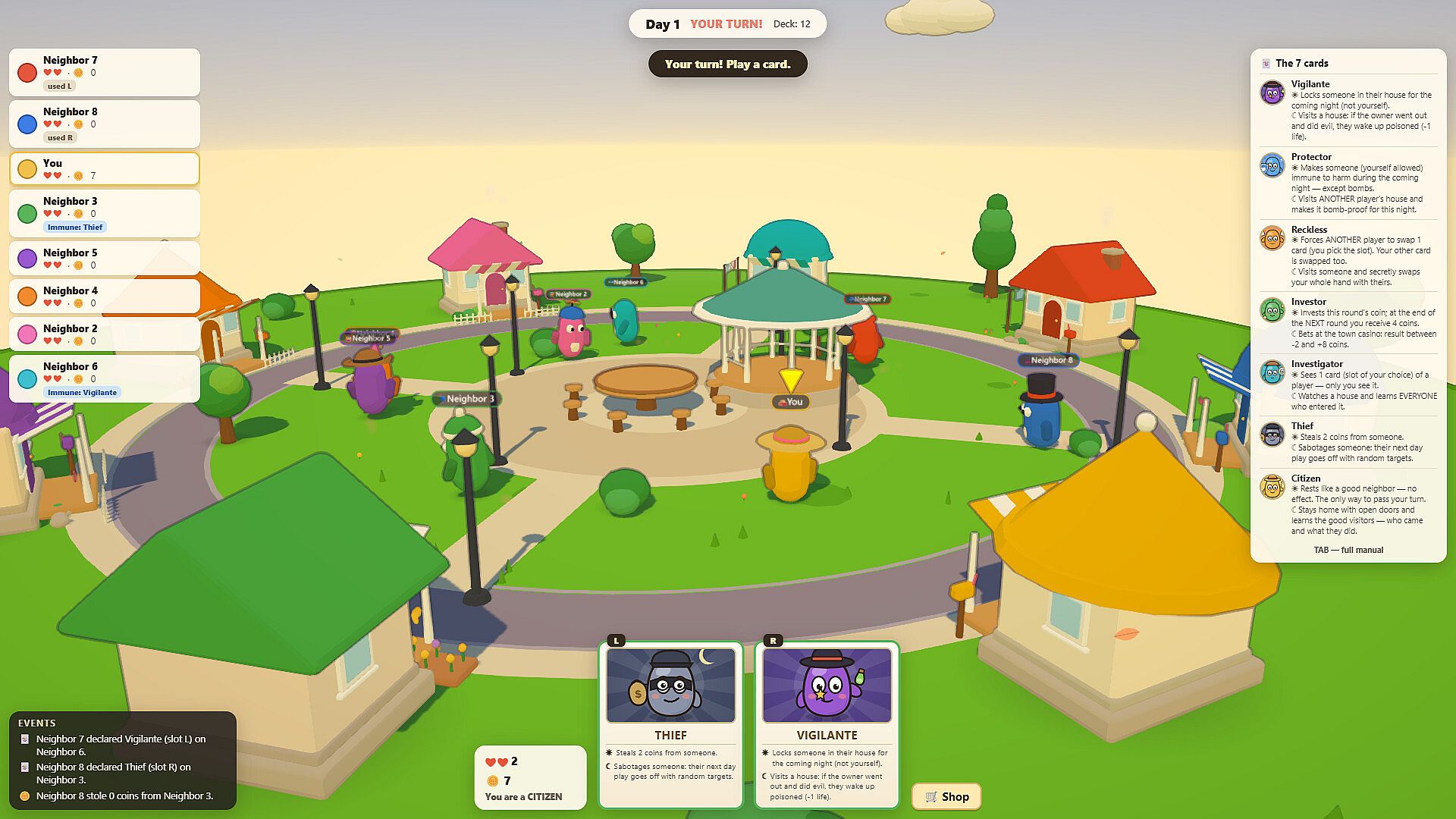
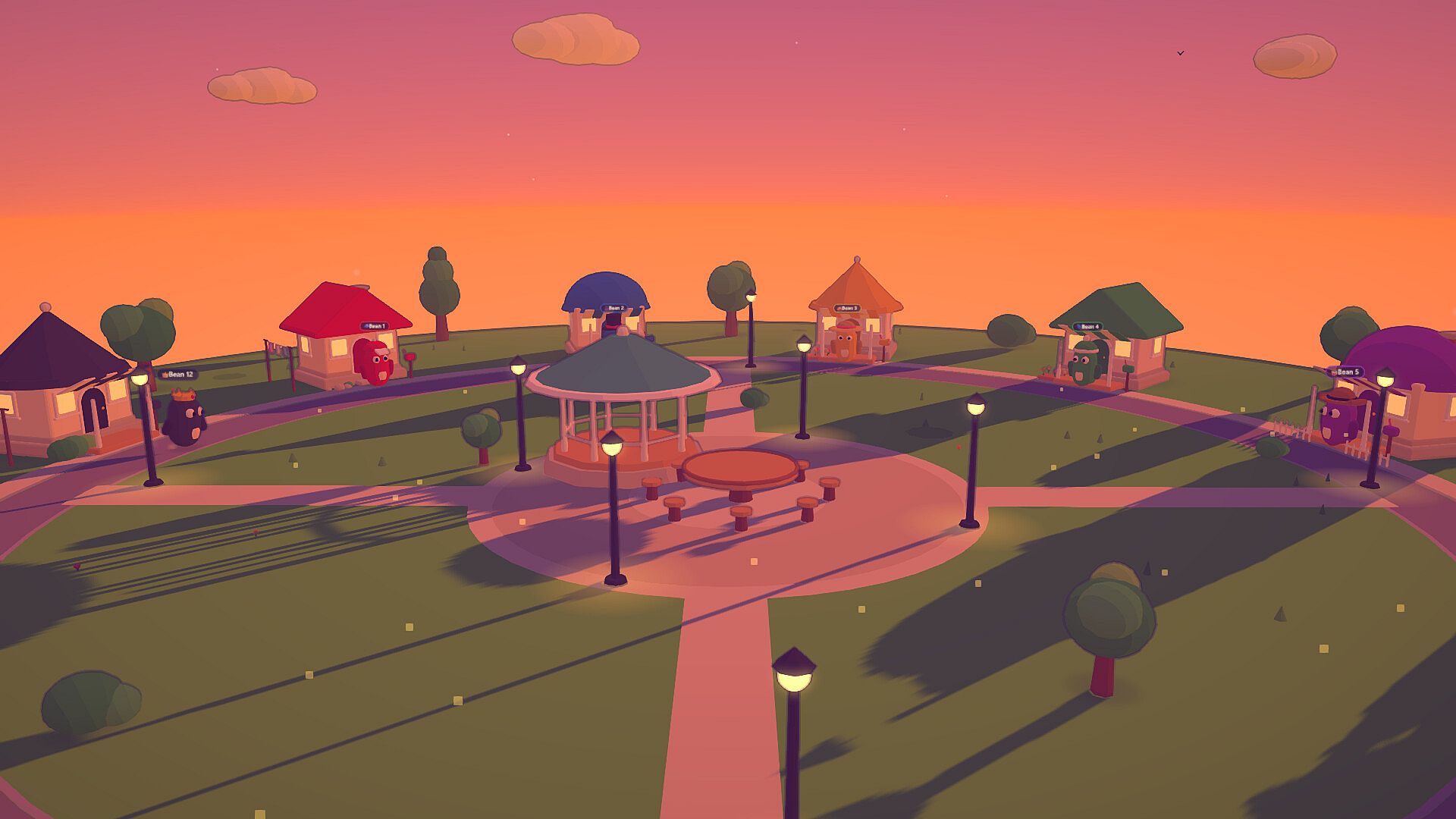
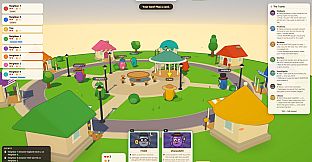

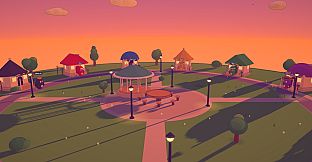

The Neighborhood Liars is a strategy indie casual game built around social deduction and card bluffing for groups of four to twelve players on PC. Set on a suburban cul-de-sac with white picket fences and trimmed lawns, the experience centers on identifying impostors while managing limited lives represented by hearts. Players receive two cards each and navigate turns where declarations can be truthful or entirely fabricated, creating constant tension between trust and suspicion.
Gameplay
Each round begins with daylight phases where participants play one of their two cards face down and announce its identity. The announcement requires no proof, allowing complete lies to stand unless challenged. A successful challenge triggers a revolver standoff in the plaza: the liar loses a heart and reveals the true card, while a truthful player forces the accuser to lose a heart instead, and the declared effect still resolves. Every card played publicly marks which hand slot was used, giving the table ongoing visibility into remaining options without revealing exact contents.
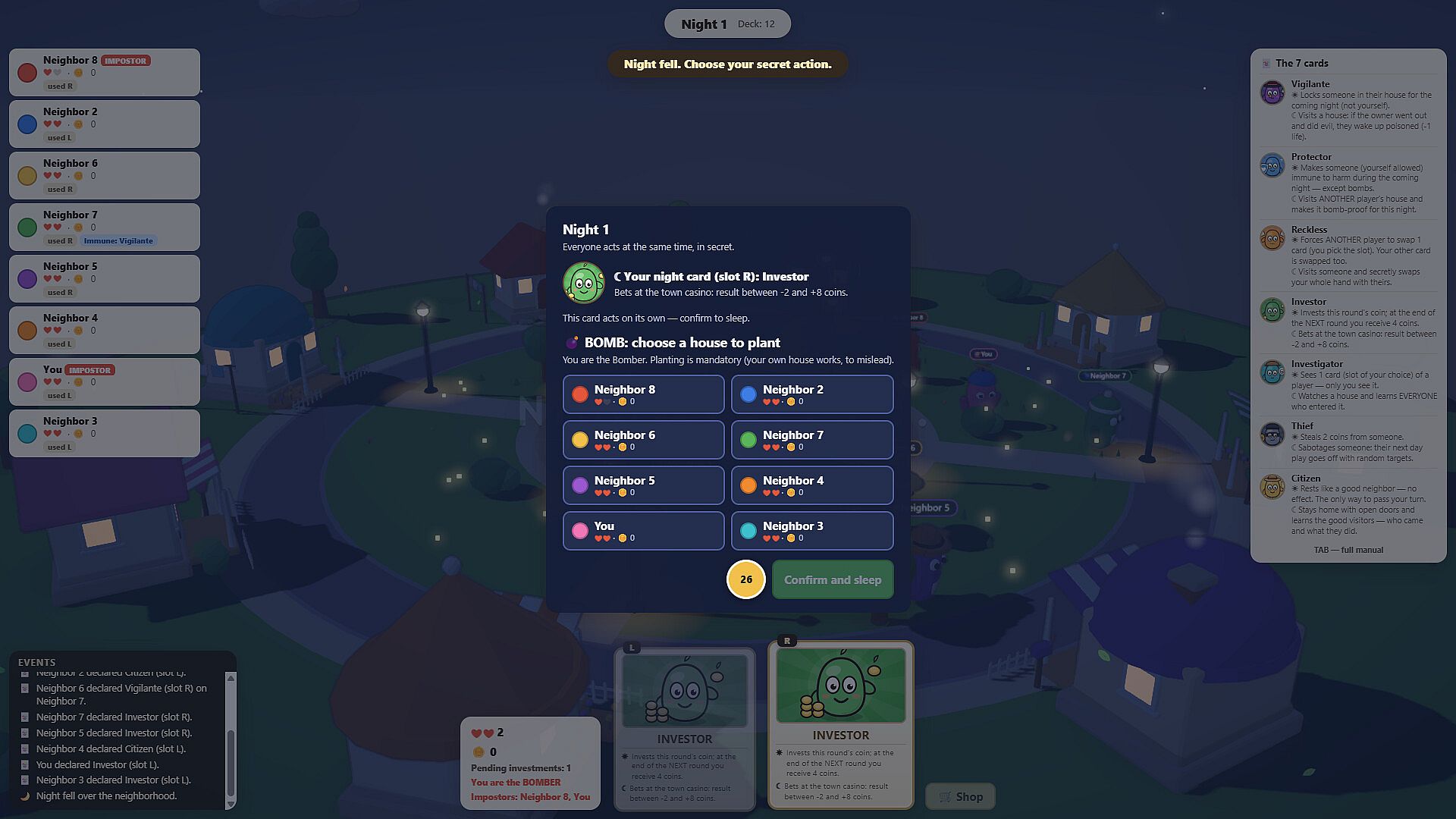
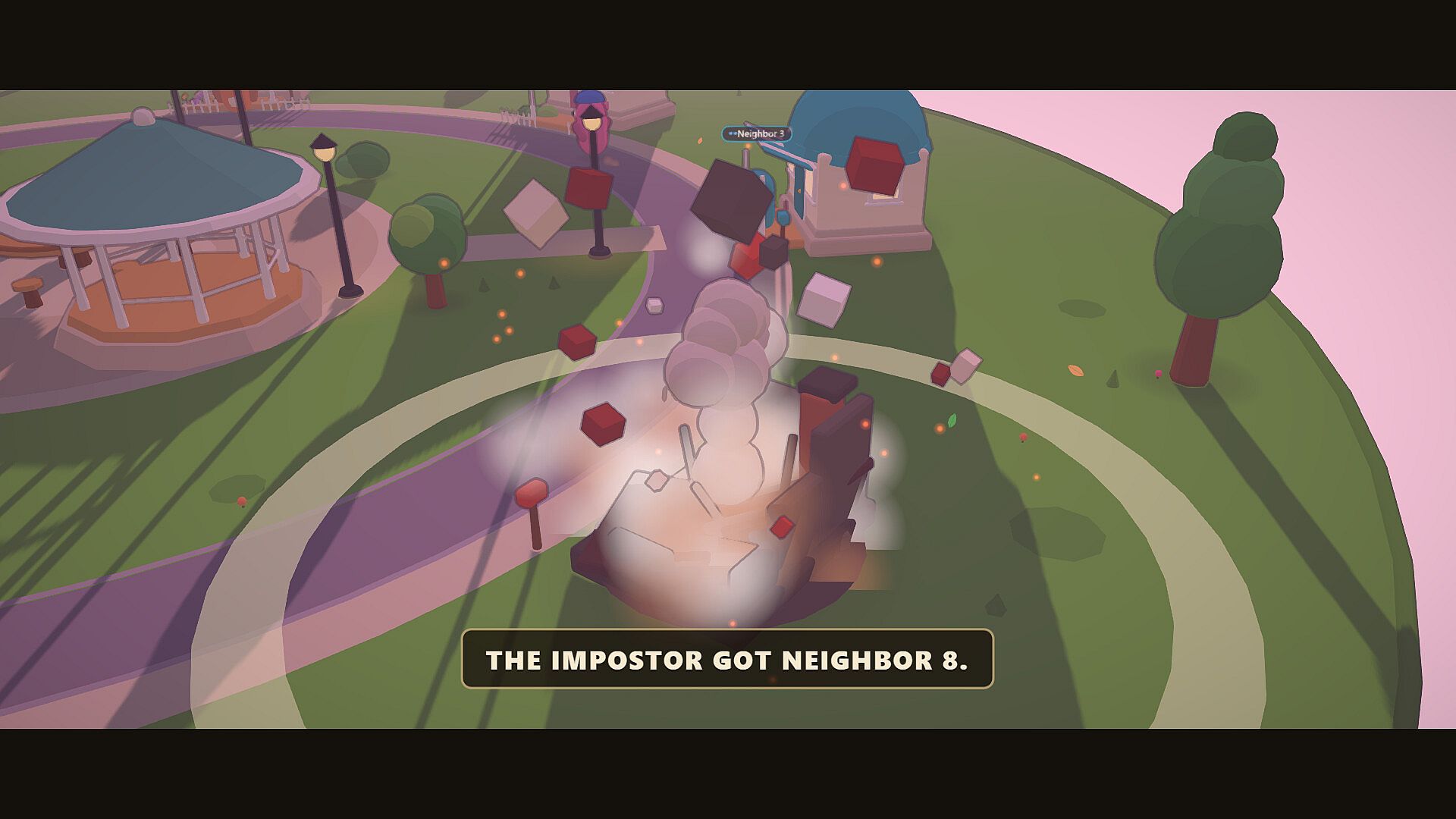
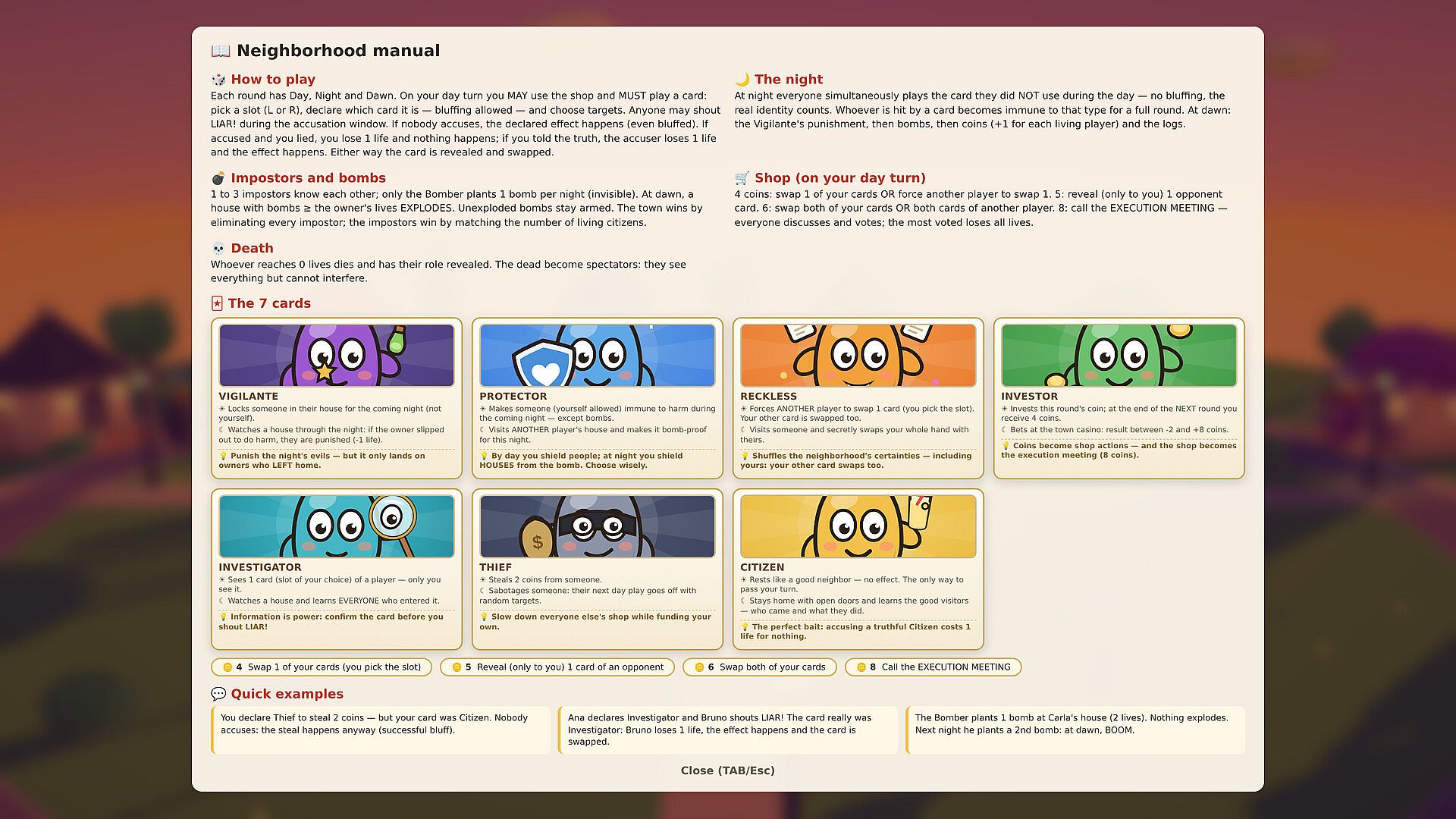
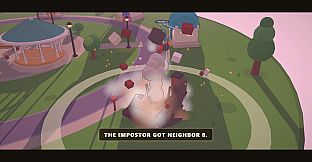
Nighttime shifts the dynamic entirely. All players act simultaneously and in secret, with cards functioning exactly as described and no bluffing permitted. Roles include the Bomber, who plants an explosive at an unseen location, alongside actions such as locking houses, granting protections, swapping hands, investing coins, investigating movements, stealing resources, or sabotaging plays. Morning reveals the results, with each bomb destroying a house and removing one heart from its occupant in a cartoon explosion sequence.
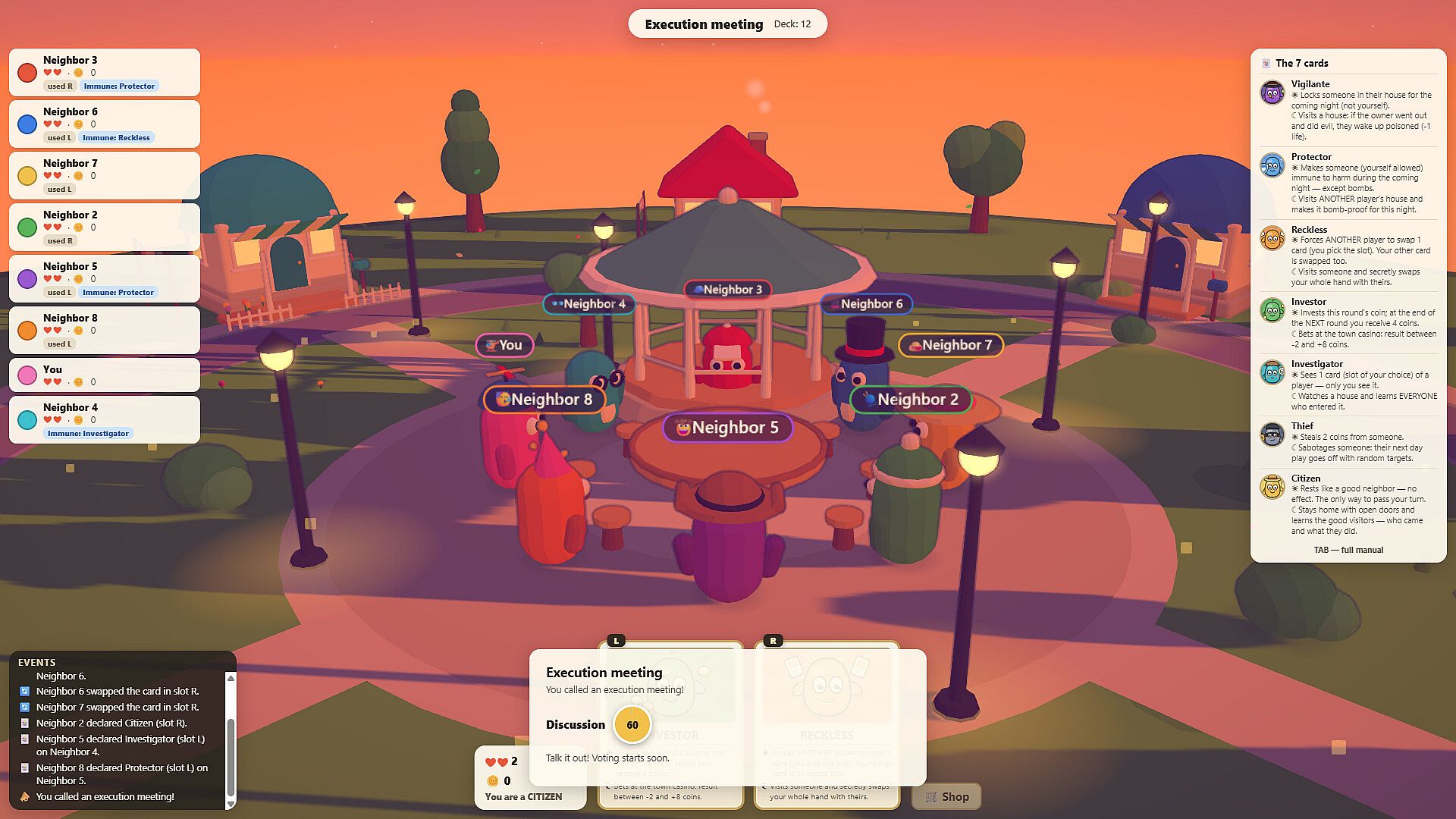
Seven distinct cards provide the core variety. Each offers one daytime effect and a separate nighttime ability, and any card spent during daylight bluffing becomes unavailable for its real nighttime use. The Citizen card serves as the sole way to pass a turn while offering lemonade to honest nighttime visitors, making false accusations against a genuine Citizen particularly costly.
Game Modes
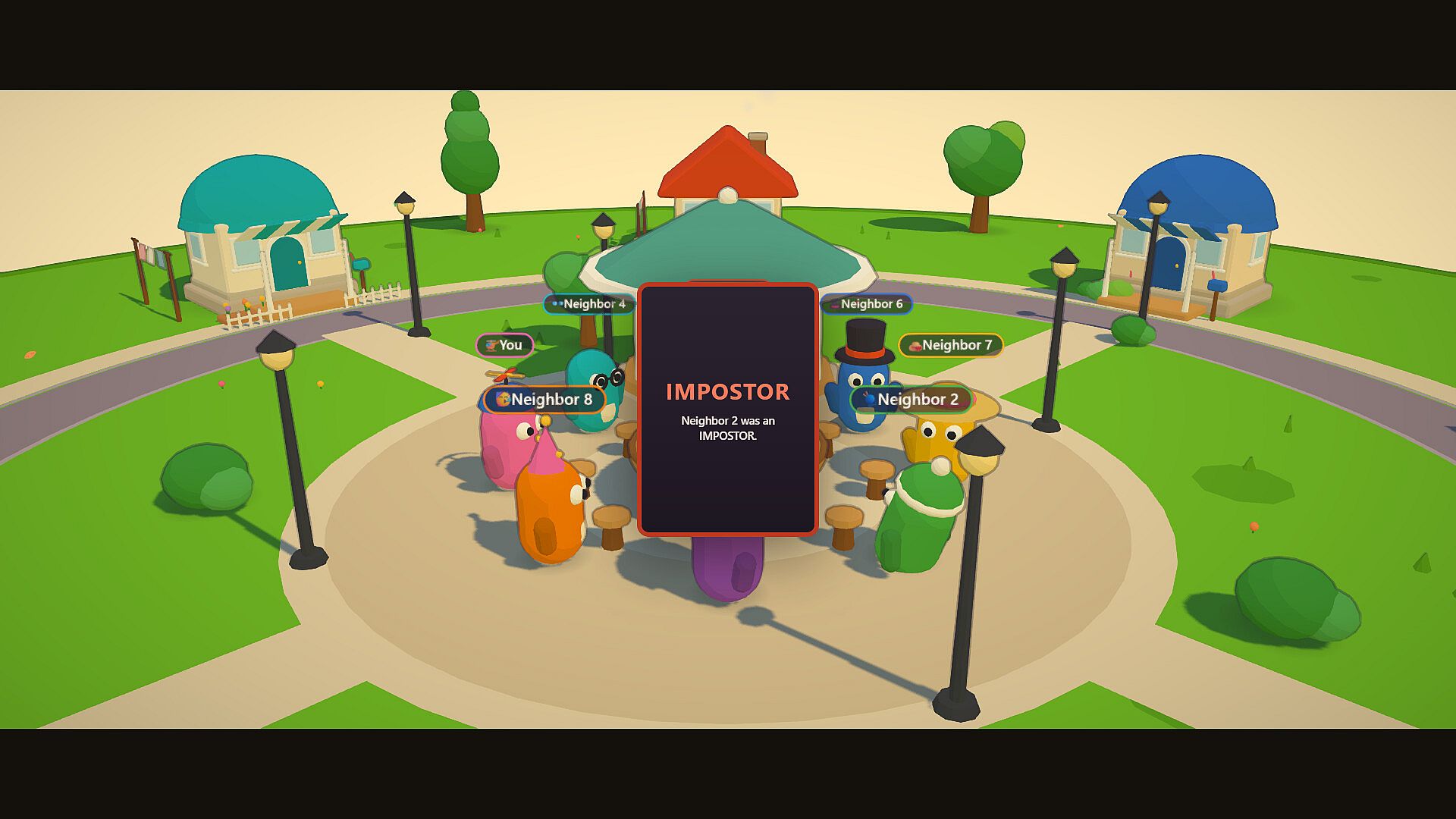
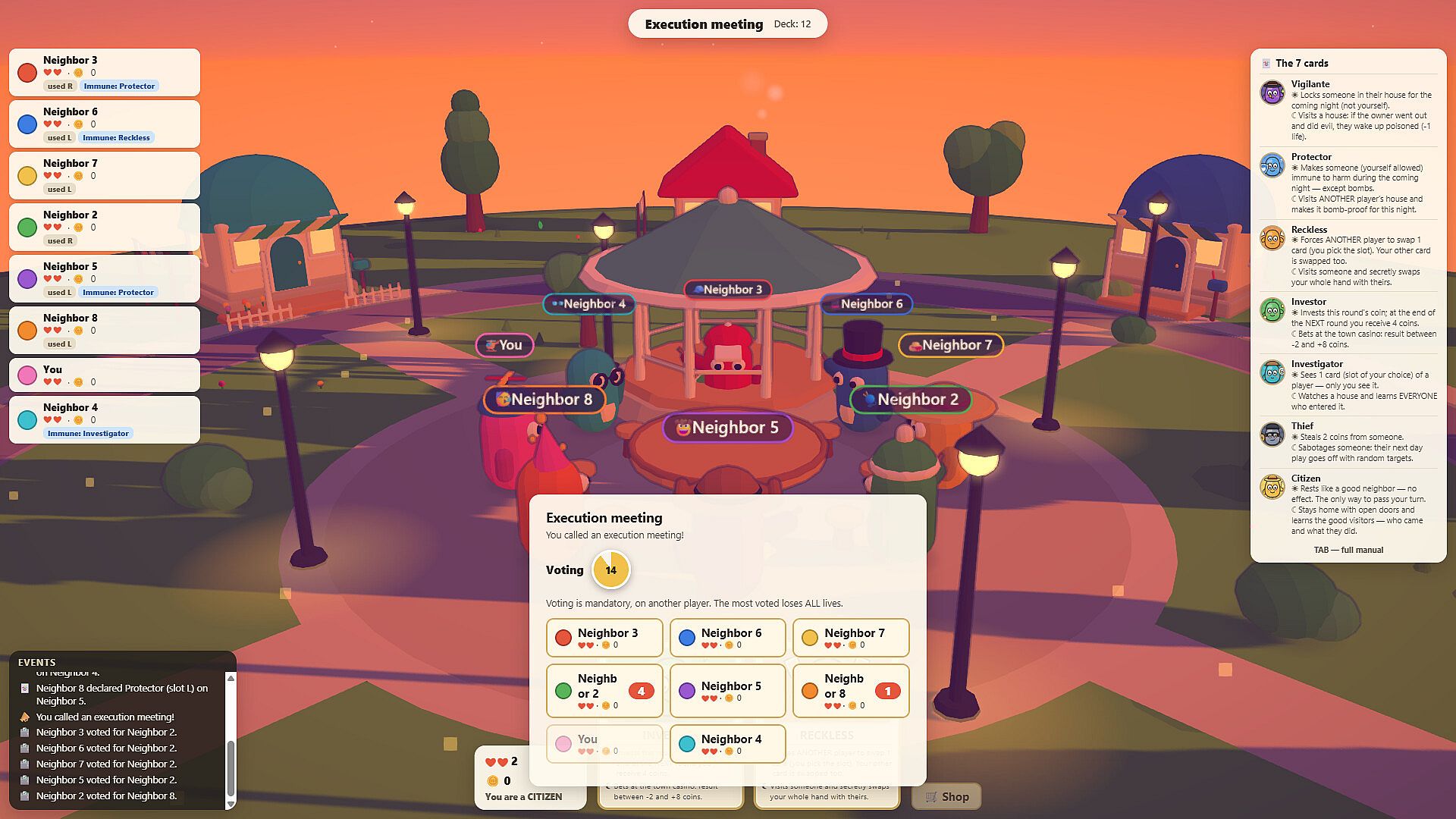
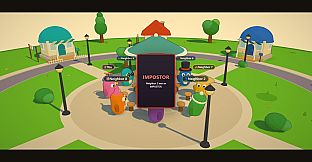
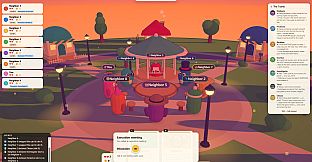
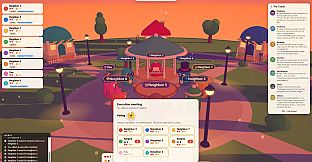
The experience revolves around a repeating cycle of daylight bluffing turns, simultaneous nighttime actions, and periodic meetings triggered when eight coins accumulate. These meetings transport everyone to a plaza round table for one minute of open discussion followed by fifteen seconds of voting. The player receiving the most votes loses all remaining hearts, after which their role becomes public knowledge.
Day phases emphasize verbal deception and challenge mechanics, while night phases demand coordinated or hidden real actions without communication. The meeting phase introduces direct confrontation and elimination through group consensus. This structure supports the full player range without separate variants, keeping every session focused on the same loop of deception, deduction, and consequence.
Key Mechanics and Features
Voice chat remains open during daylight and meetings but mutes at night to heighten suspense, with push-to-talk available as an option. Text chat includes a dedicated channel visible only to eliminated players, who observe all events yet cannot communicate with the living. An emote wheel allows nonverbal signals for pointing, laughing, crying, suspecting, or accusing. Twelve color and accessory options unlock through play, and the game includes fifteen achievements along with a ninety-second tutorial and accessible full manual.
Support for Steam lobbies and overlay invites enables quick online sessions. The game runs in English and Brazilian Portuguese for both text and voice from launch, with no in-game purchases at any point.
Is It Worth Playing?
The Neighborhood Liars suits players who enjoy social deduction titles that reward quick thinking, reading opponents, and accepting the risk of misaccusations. Its card system and day-night split create repeated opportunities for both clever bluffs and genuine strategy, while the limited hearts and meeting votes add stakes to every interaction. Groups comfortable with voice communication and occasional chaos from mistaken eliminations will find the most consistent engagement. Those seeking solitary play or structured competitive ladders may find the reliance on live discussion less appealing. The absence of additional purchases or seasonal content keeps the focus squarely on the core loop described in the source material.