






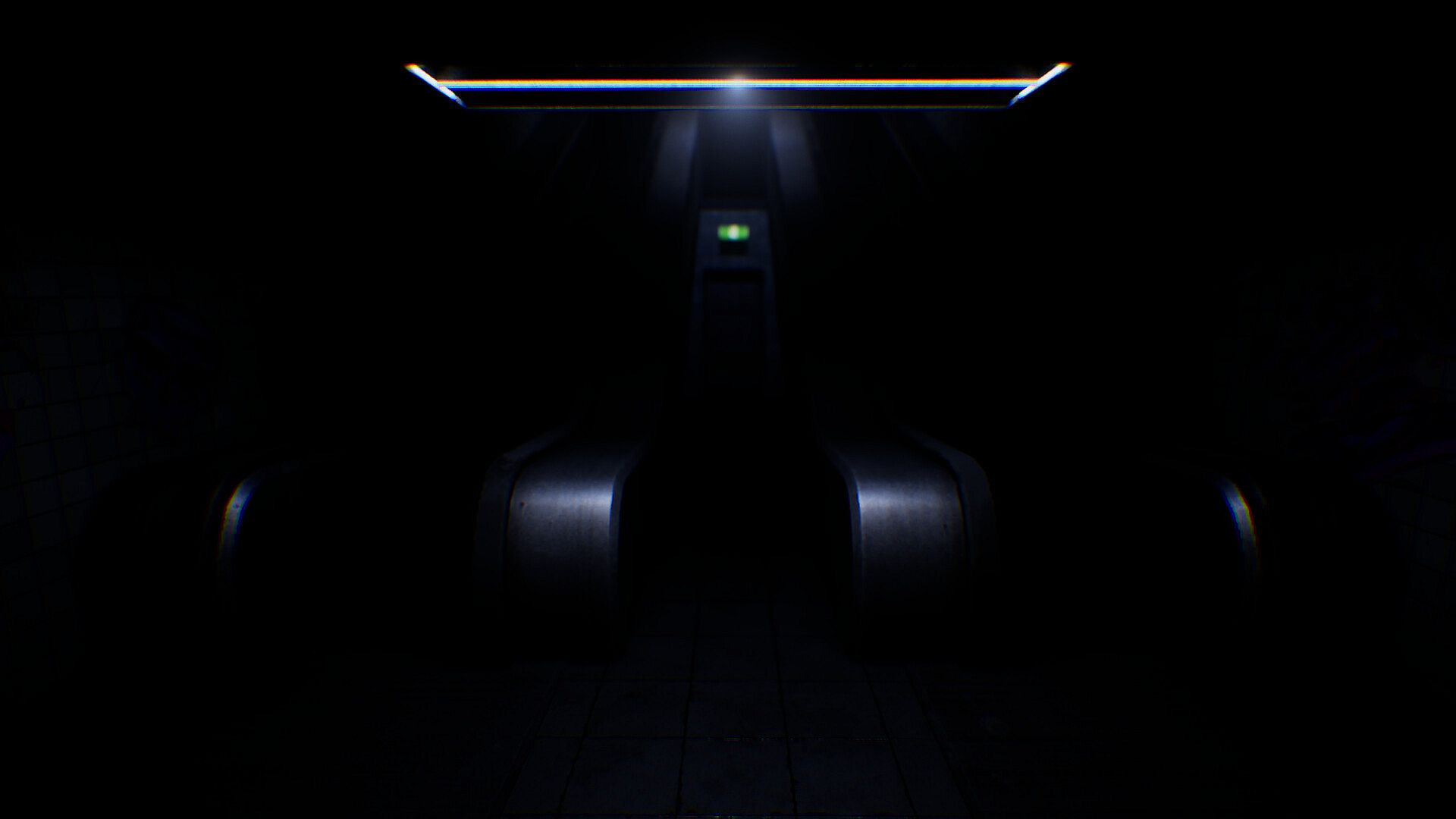
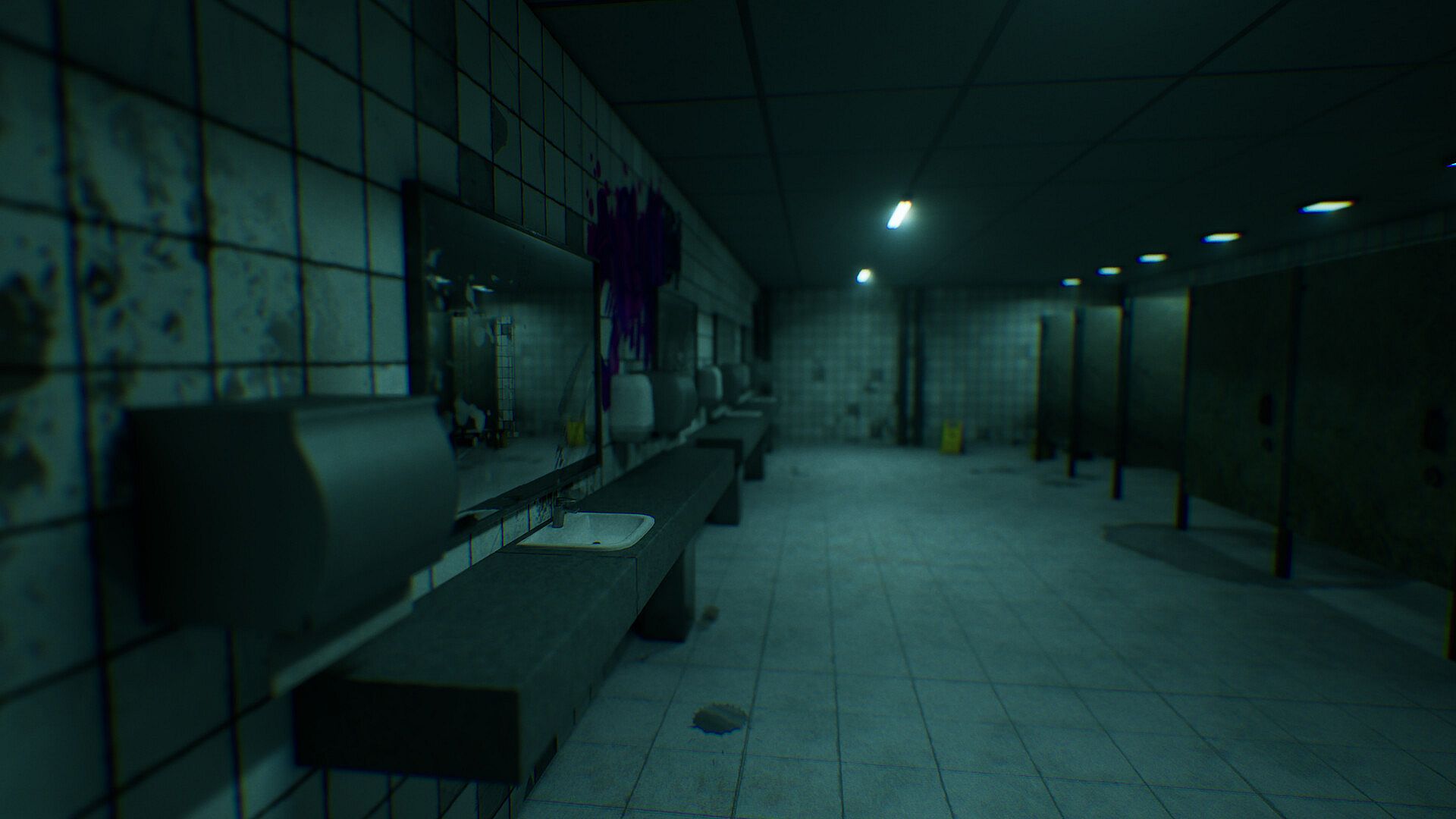
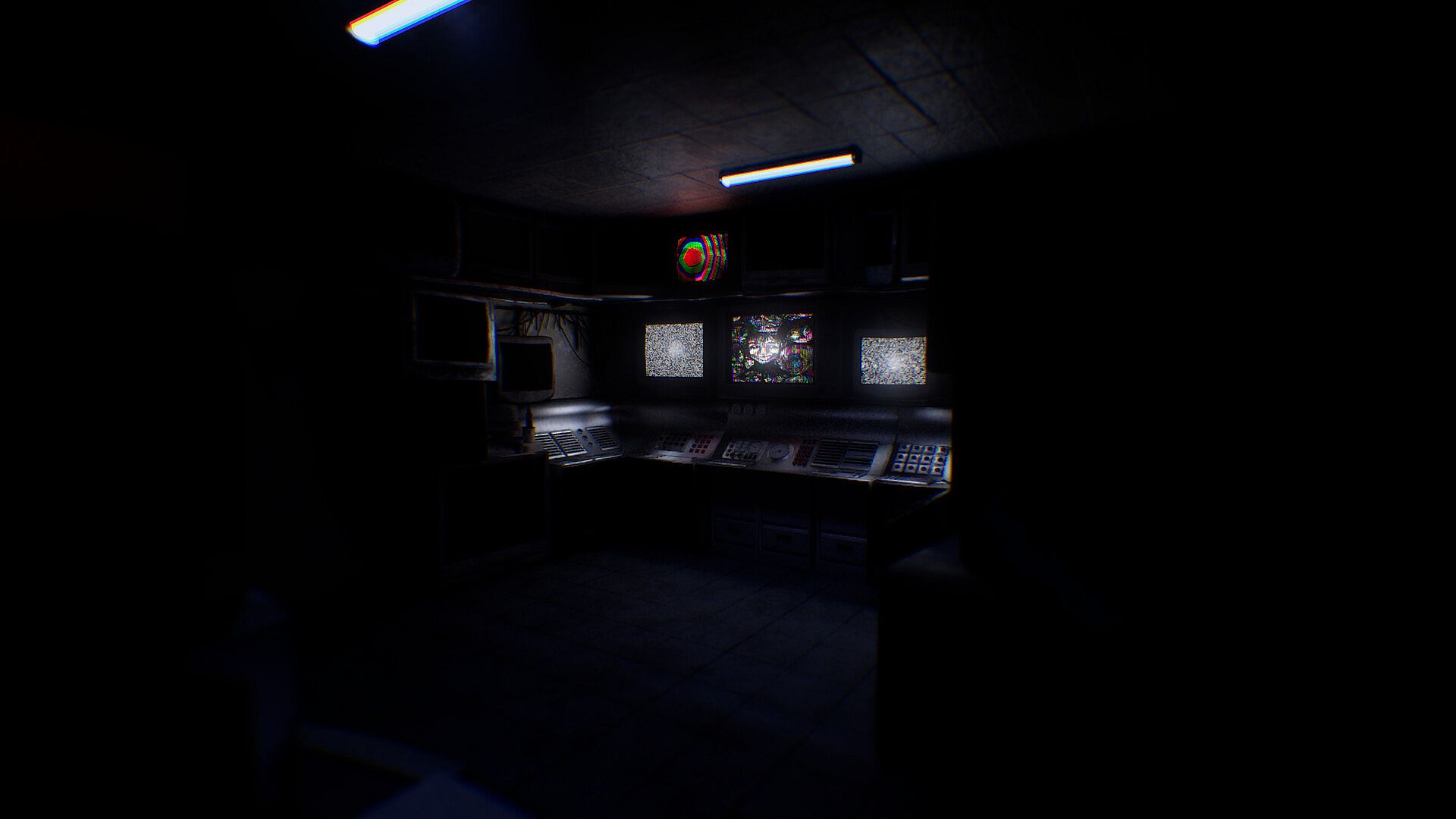
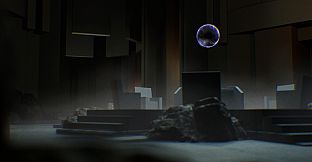
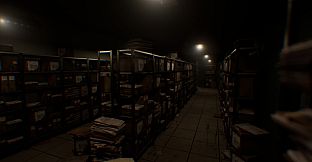
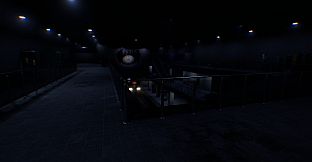
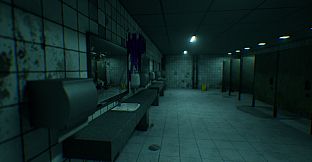
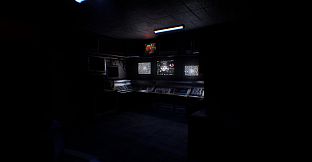
The Null Dream is a first-person psychological horror game that places players inside a shifting dream world constructed from familiar locations and fragmented memories. Developed as an action, indie, and adventure title for PC, it emphasizes atmosphere, observation, and uncertainty over traditional combat or jump scares. Players navigate incomplete environments where details shift without warning, piecing together a story through environmental clues rather than direct exposition.
Gameplay
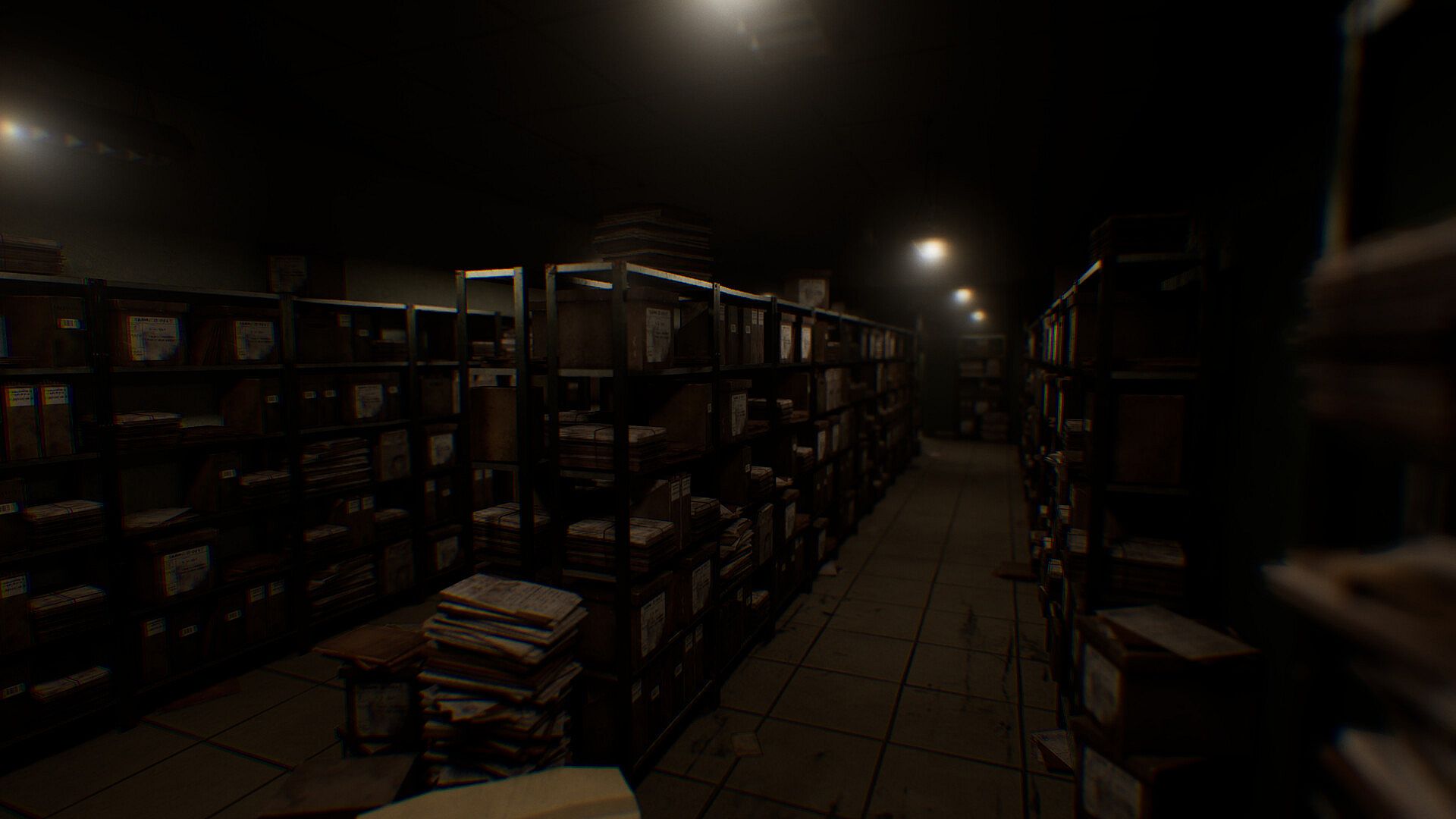
The core loop revolves around exploration in a first-person perspective with no persistent heads-up display to distract from the surroundings. Players examine objects, follow paths that may lead to unexpected places, and note changes in rooms or items upon revisiting them. Environmental puzzles require close attention to inconsistencies in the dream logic, such as objects appearing in new locations or familiar routes altering their destinations. This setup rewards careful observation and repeated visits to the same areas, as the dream does not provide explicit explanations for its transformations.
Sound design and visual subtlety play key roles in building tension. Details that seem minor at first can connect to larger narrative threads involving the people trapped within the dream. The absence of a HUD keeps focus entirely on the world, encouraging players to interact directly with the environment to uncover hidden information.
Game Modes
Single-player exploration forms the foundation, allowing solo adventurers to search for answers at their own pace. Online co-op supports up to six players total, where participants enter the same dream instance but may encounter player-specific events or details invisible to others. Communication becomes essential for sharing observations, yet it can also introduce doubt about whose perception aligns with reality. This setup creates varied experiences even among a group standing in the same space, as the dream tailors elements differently for each individual.
Co-op sessions emphasize collaboration in solving puzzles and mapping changes across the environment. The shared yet individualized nature of the dream means groups must discuss findings to advance, adding layers of uncertainty to the cooperative experience.
Story and Atmosphere
The narrative unfolds through fragmented memories, abandoned locations, and distorted spaces rather than linear cutscenes or dialogue. Players discover connections between the trapped individuals by examining objects and solving environmental challenges that reveal why they entered the dream. The story avoids straightforward presentation, requiring players to assemble pieces from multiple perspectives and repeated explorations.
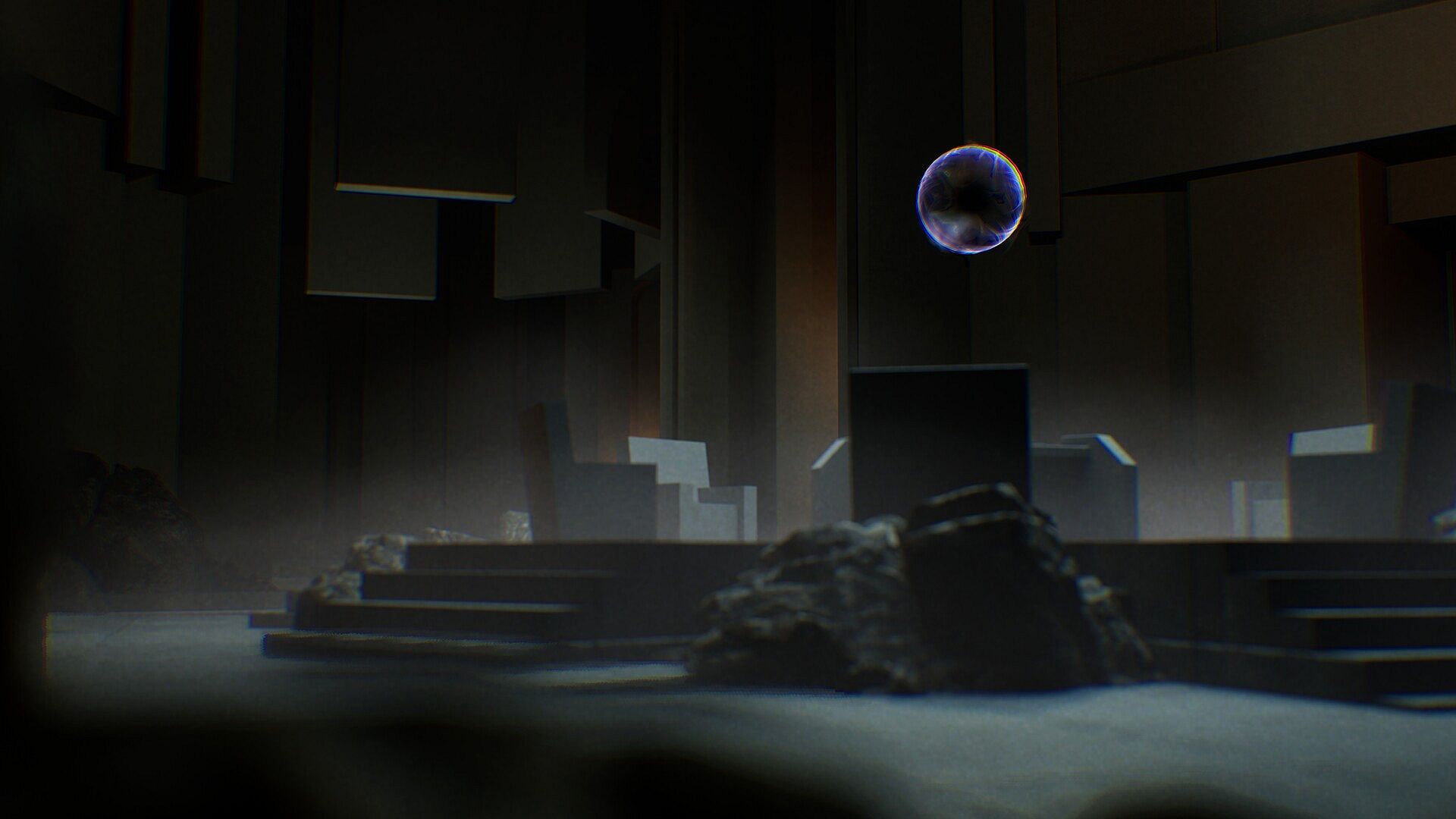
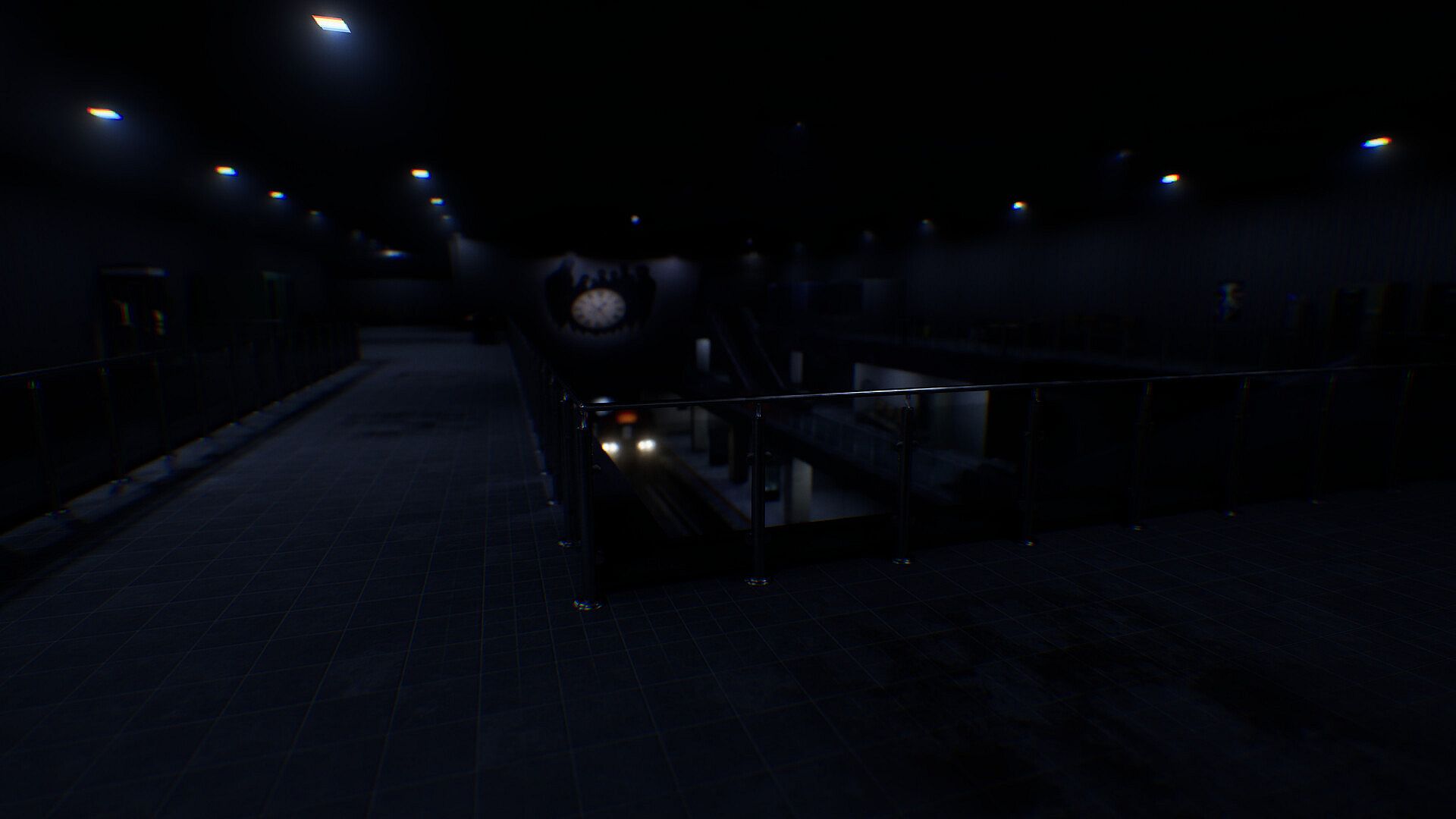
Atmosphere stems from the dream's instability. Rooms change layouts, objects relocate, and paths diverge without explanation, fostering a sense of unease that builds through subtle inconsistencies rather than overt threats. This approach suits players who appreciate psychological depth and the challenge of interpreting an unreliable world.
Development Status
The Null Dream remains in active development, with visuals and environmental elements subject to ongoing refinement. Current builds showcase the foundational systems of exploration, co-op interaction, and shifting spaces, though further polish is planned before release. As an independent project, it focuses on delivering a cohesive experience centered on its core mechanics without additional layers of progression systems or external content.
Is It Worth Playing?
Fans of atmospheric psychological horror that prioritizes exploration and observation over action will find the game's approach distinctive. The co-op element adds replayability through differing player experiences, making it suitable for groups interested in collaborative mystery-solving in an unpredictable setting. Solo players can engage fully with the single-player mode to uncover the fragmented story at their own speed.
Since the title is still in development, potential players should monitor updates for refinements to environments and mechanics. Those drawn to indie titles that experiment with perception and shared yet personal realities may appreciate its direction once complete. The emphasis on noticing changes and communicating observations aligns well with audiences seeking thoughtful horror rather than fast-paced encounters.











