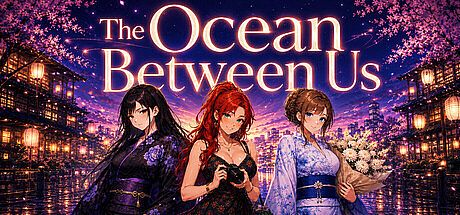




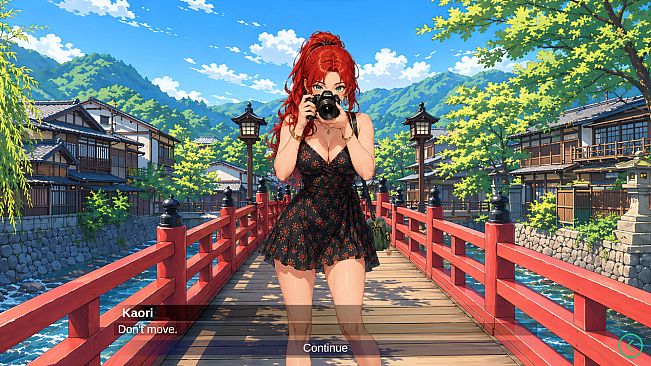
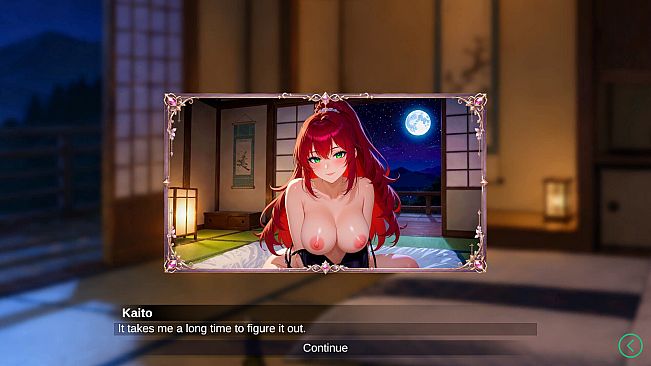
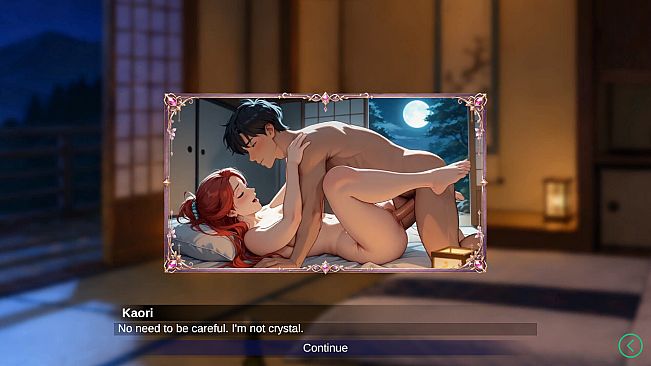


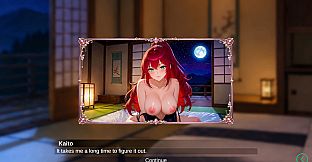

The Ocean Between Us is an indie adventure visual novel developed for PC. It presents a Japanese-style narrative focused on themes of distance, memories, and complex emotions that resist easy expression. Players follow a story of individuals separated by physical oceans as well as personal histories, fears, and irreversible choices. The experience unfolds through conversations, visual scenes, and character reflections that slowly reveal layers of attachment, isolation, and tentative hope.
Gameplay
Core gameplay centers on progressing through a linear yet emotionally layered story. Scenes emphasize atmosphere and subtlety, with attention given to pauses in dialogue, lingering glances, and the weight of unspoken words. The pacing remains deliberate, allowing players to absorb the melancholic tone without pressure from timers or action sequences. Music plays a key role in shaping each moment, shifting to match shifts in mood from quiet reflection to deeper dramatic tension.
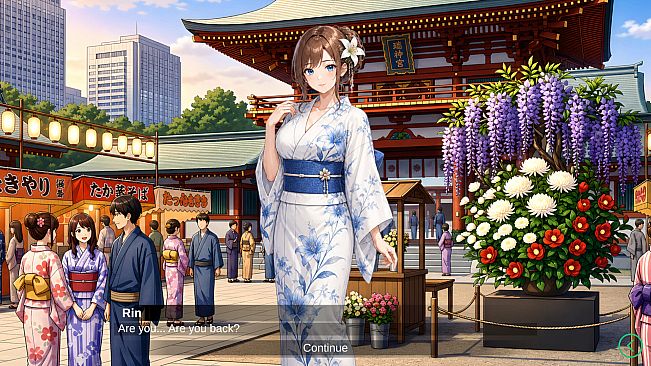
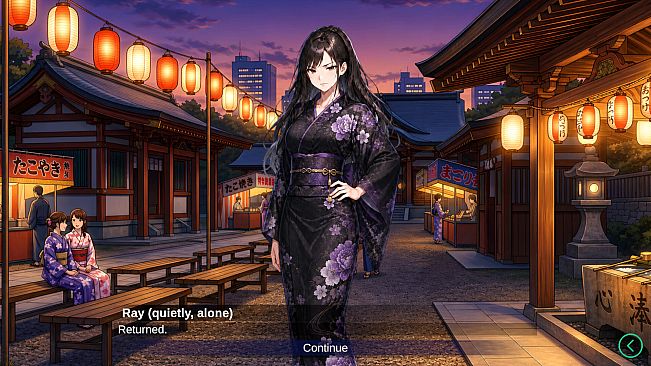
Progression relies on reading text, viewing illustrated backgrounds and character expressions, and engaging with the inner thoughts of the cast. Details in the environment and character interactions build a sense of intimacy and separation simultaneously. The visual novel format encourages repeated playthroughs to notice how small narrative elements connect across different paths or endings, though the emphasis stays on emotional resonance rather than branching complexity.
Game Modes
The Ocean Between Us operates as a single-player experience with no multiplayer components or alternate game modes. The entire title functions as one cohesive story mode designed for sequential play in a calm setting. There are no competitive, cooperative, or arcade-style options, keeping the focus entirely on narrative delivery and personal reflection.
Story and Atmosphere
The narrative explores how an ocean serves as both a literal and metaphorical barrier between people. Characters navigate past decisions and present uncertainties, with the story building through accumulated emotional weight rather than external conflicts. Romantic elements appear alongside dramatic turns, creating a tone that blends tenderness with underlying sadness. Visuals support this through soft color palettes and compositions that highlight isolation or closeness depending on the scene.
Sound design reinforces the mood without overpowering the text. Each track aligns with specific emotional beats, from serene ocean sounds to more introspective melodies. The overall presentation suits extended sessions where players can pause and consider the implications of each exchange.
Is It Worth Playing?
This visual novel appeals directly to players who seek slow-burn stories centered on relationships and internal conflict. Those familiar with Japanese-style visual novels will recognize the emphasis on dialogue and atmosphere over mechanical systems. The title offers no fast action or puzzle elements, instead delivering a focused emotional journey that rewards patience and attention to nuance.
Reception centers on its ability to linger in memory after completion, particularly for audiences drawn to dramatic and slightly melancholic tales of complicated bonds. Availability on PC makes it accessible for those with an interest in indie narrative experiences. If the described style matches personal preferences for reflective storytelling, the game provides a worthwhile investment of time through its consistent mood and character focus.