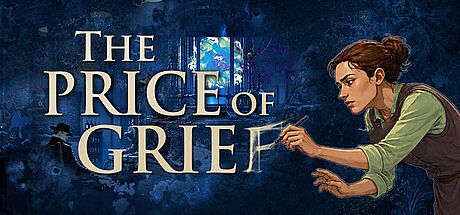



The Price of Grief is an indie adventure game set on PC that unfolds through careful examination of historical documents and artifacts. Players step into the role of an investigator piecing together events that begin with a 1934 desert excavation near Jerusalem and stretch across a decade of upheaval.
Gameplay
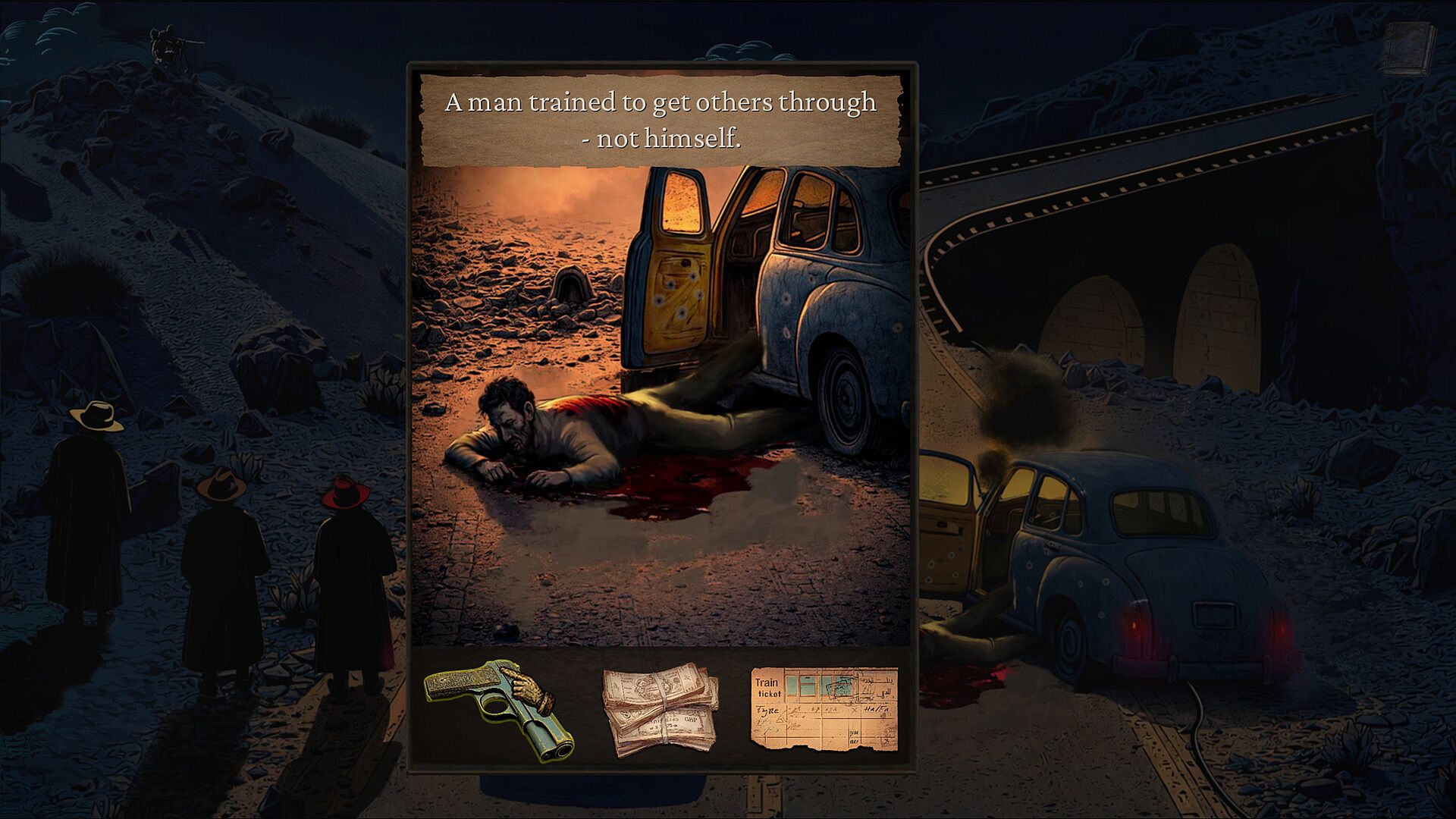
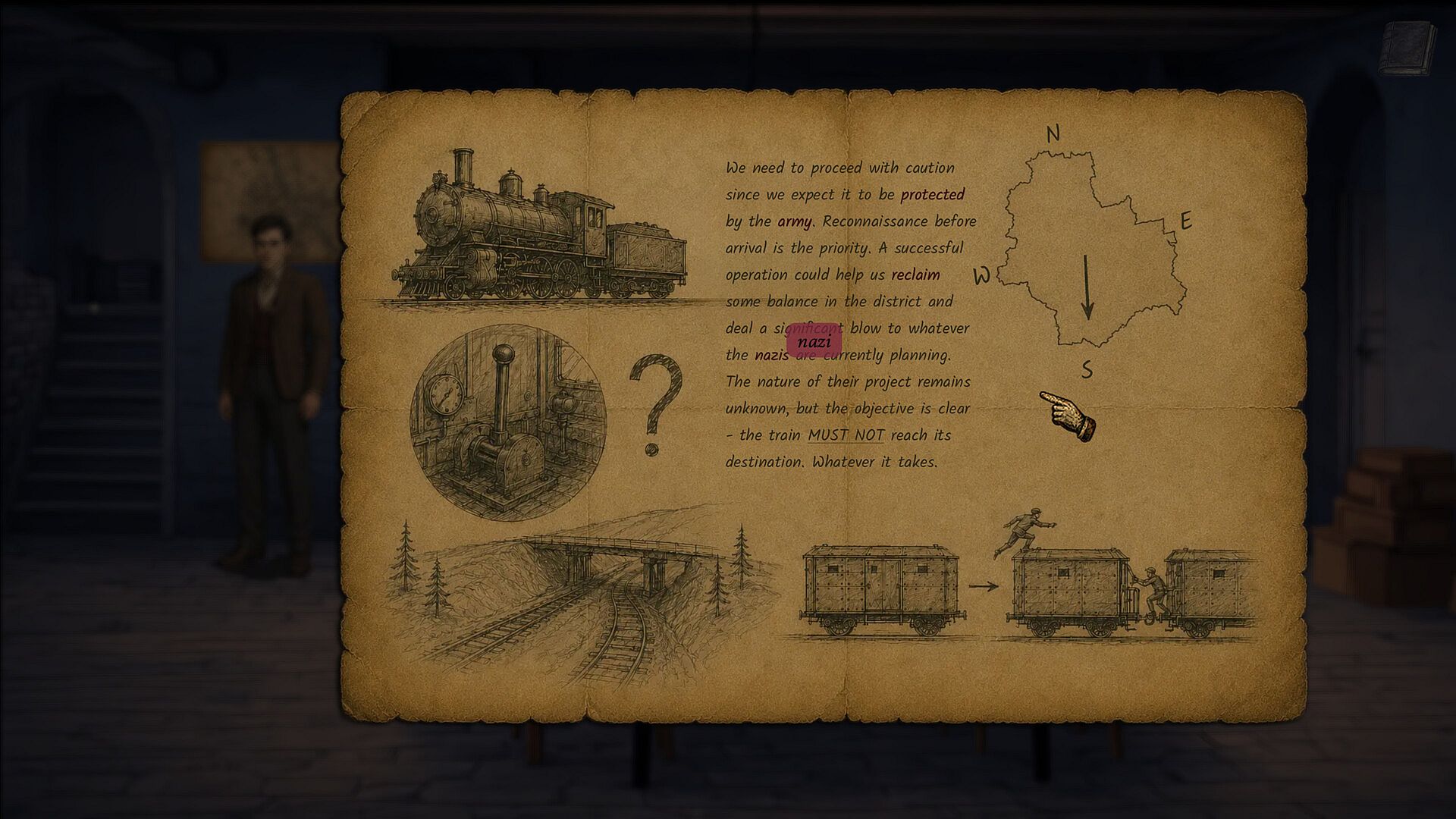
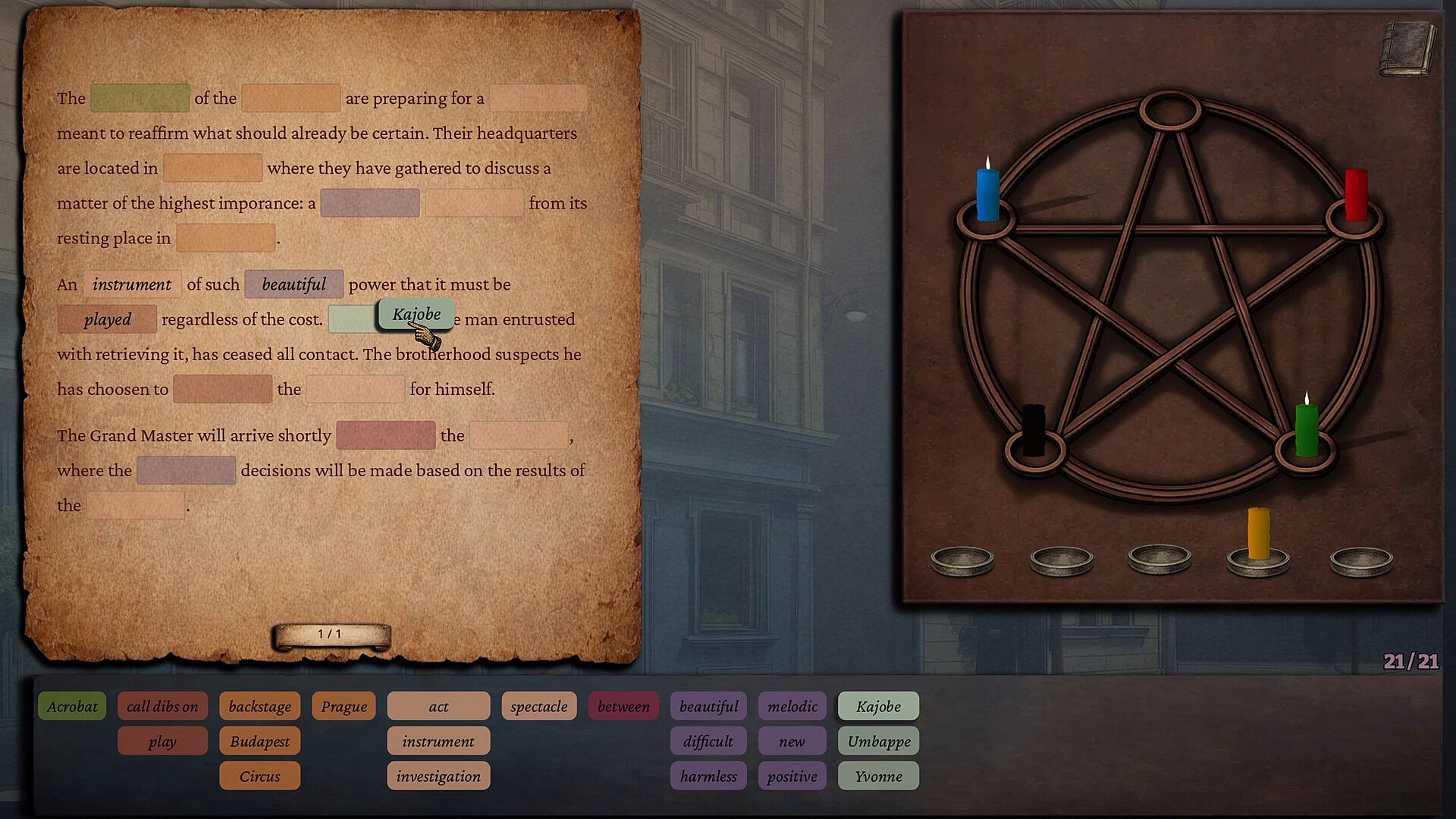
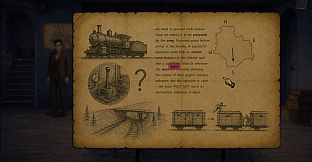
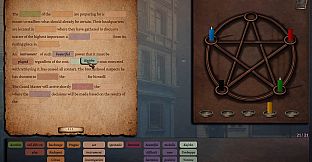
The core loop centers on sifting through a collection of real-feeling materials. Testimonies, forged papers, angry letters, coded notes, and photographs form the primary evidence. Each item carries details that connect to the central murder and the artifact at its heart. Progress comes from spotting inconsistencies, decoding messages, and tracing connections between people who never intended to leave a trail.
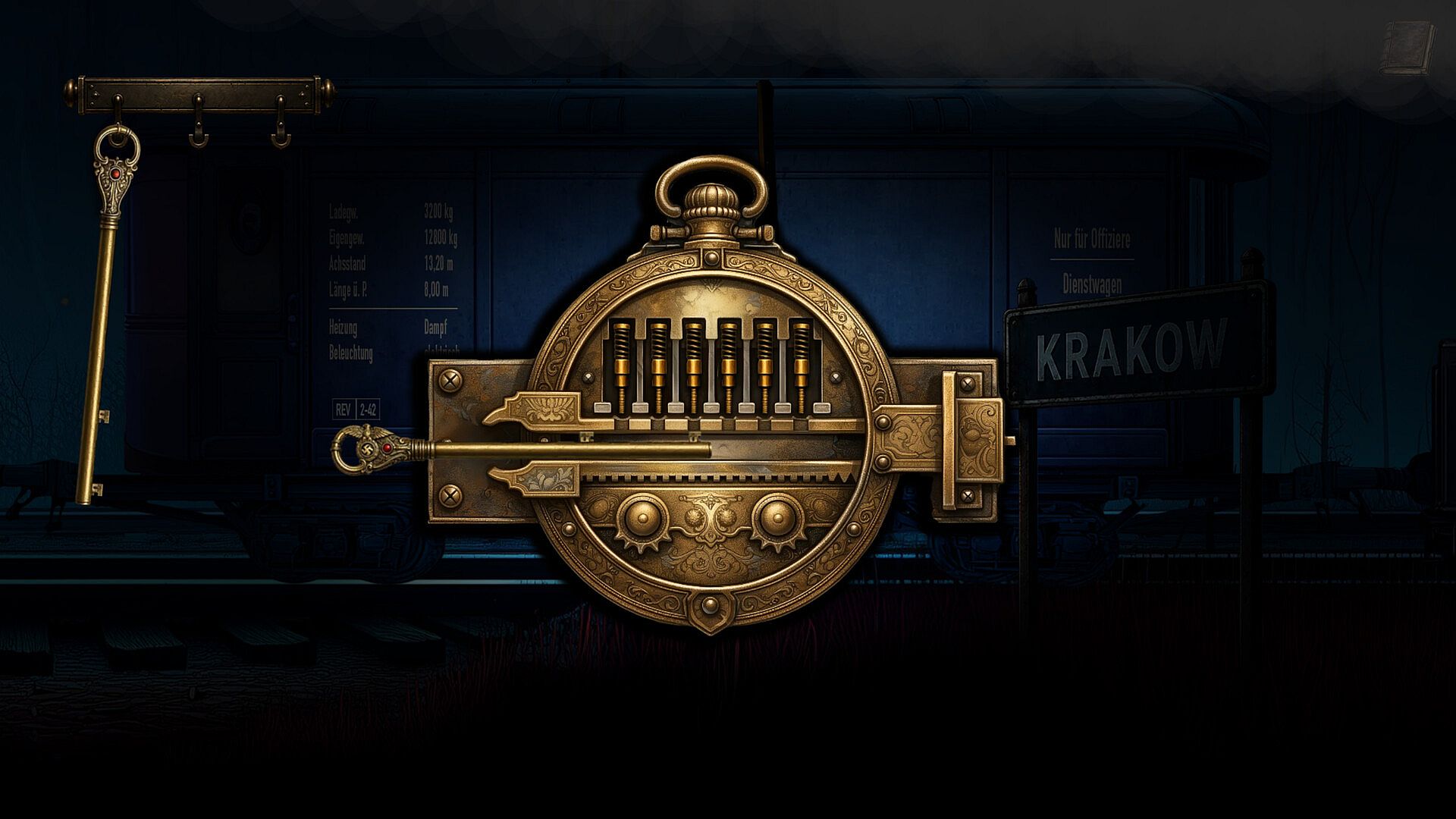
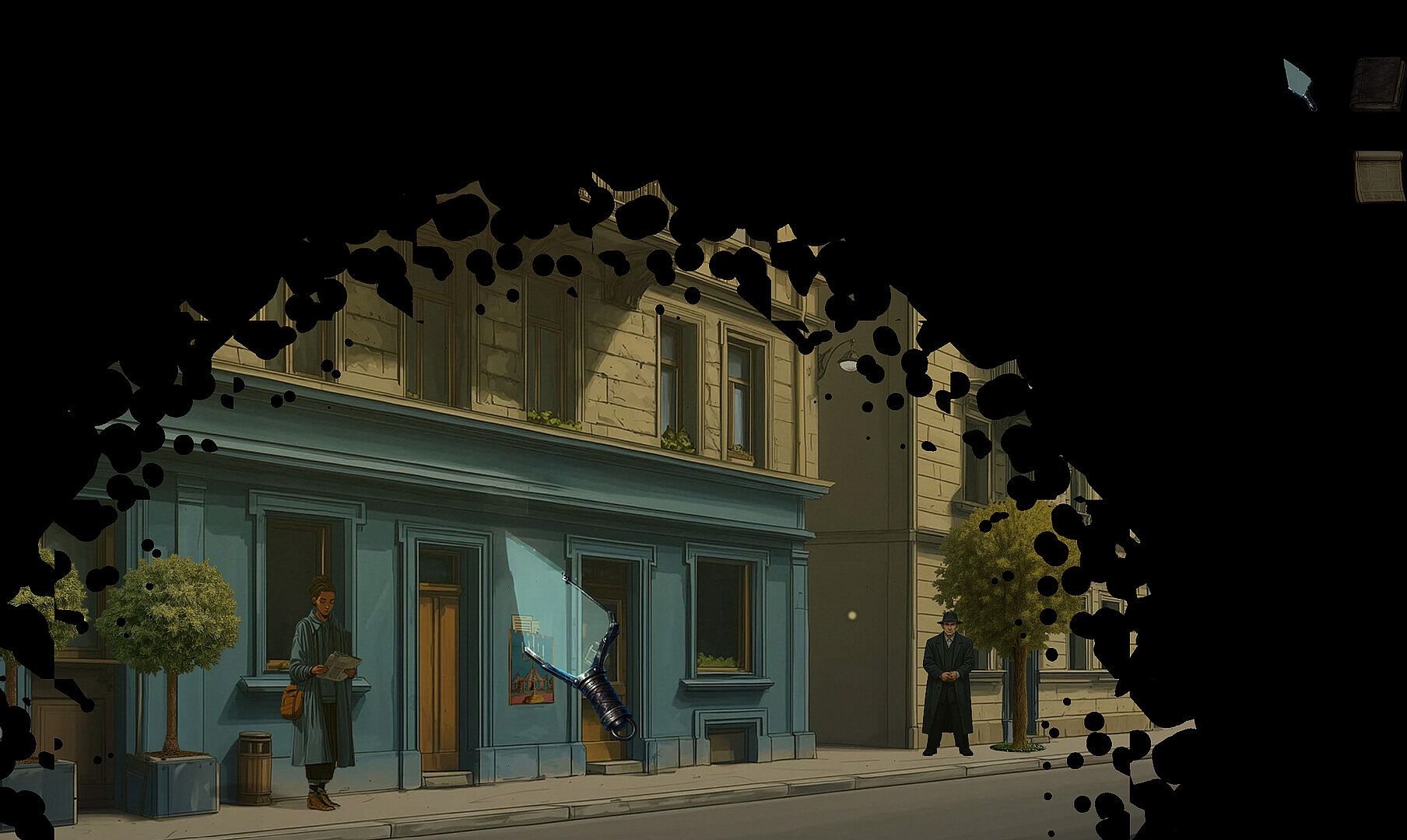
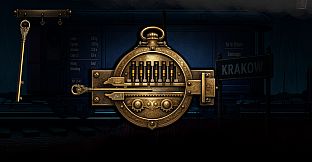
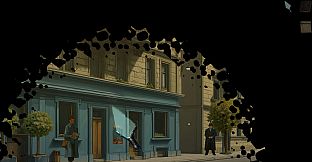
Chapters introduce fresh layers of complexity. One might focus on handwritten correspondence while another emphasizes photographic analysis or physical locks and hidden compartments. The story structure keeps the player arriving after key moments have passed, limiting direct intervention but allowing reconstruction of what occurred. This approach rewards attention to detail and patience with fragmented information rather than quick reflexes or resource management.
Game Modes
The experience runs as a single continuous narrative divided into chapters. Each chapter presents its own set of materials and challenges that build on prior discoveries. There are no separate competitive or cooperative options, only the solitary process of learning the rules of each section and applying them to reach the next revelation.
Story and Setting
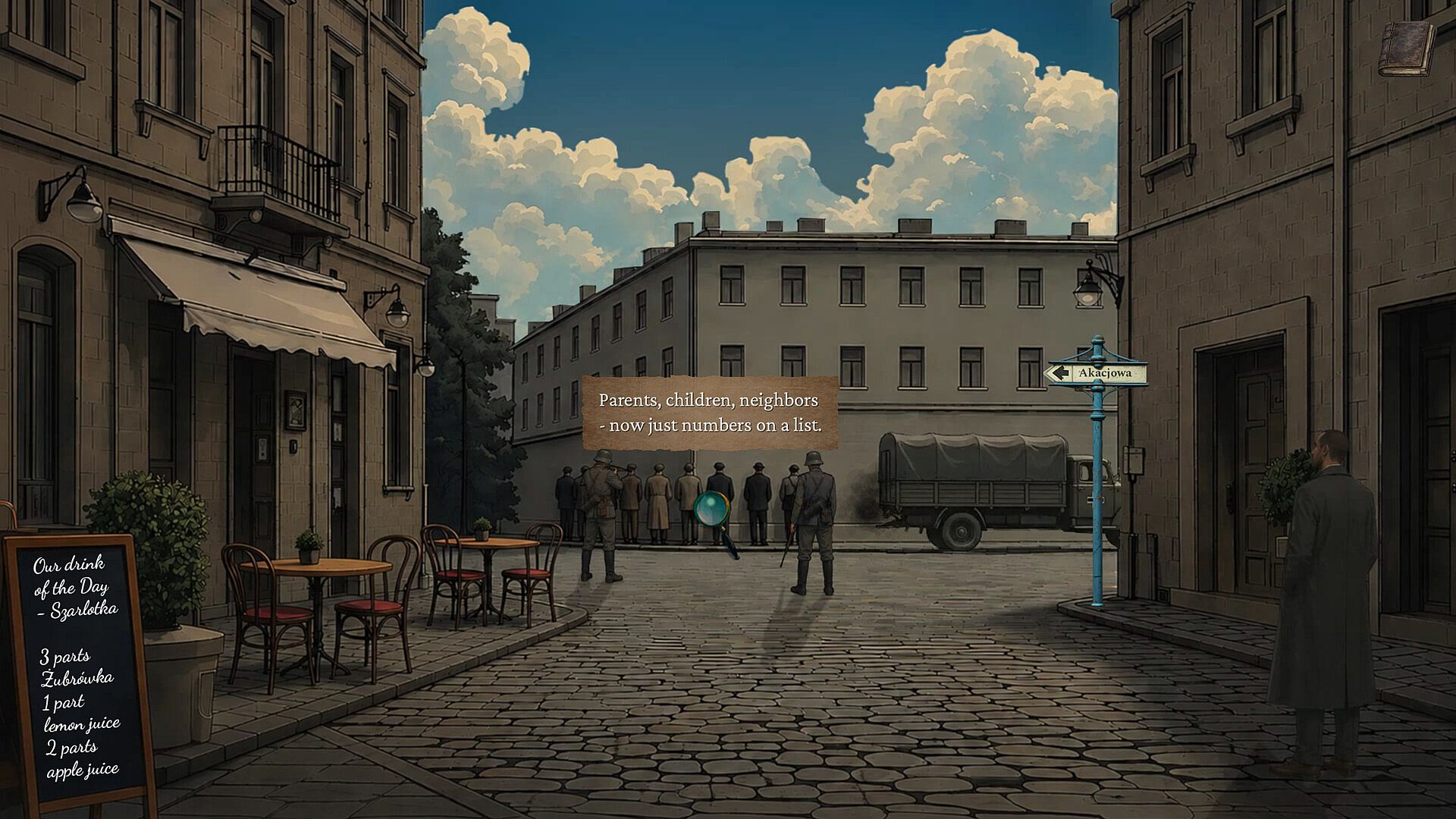
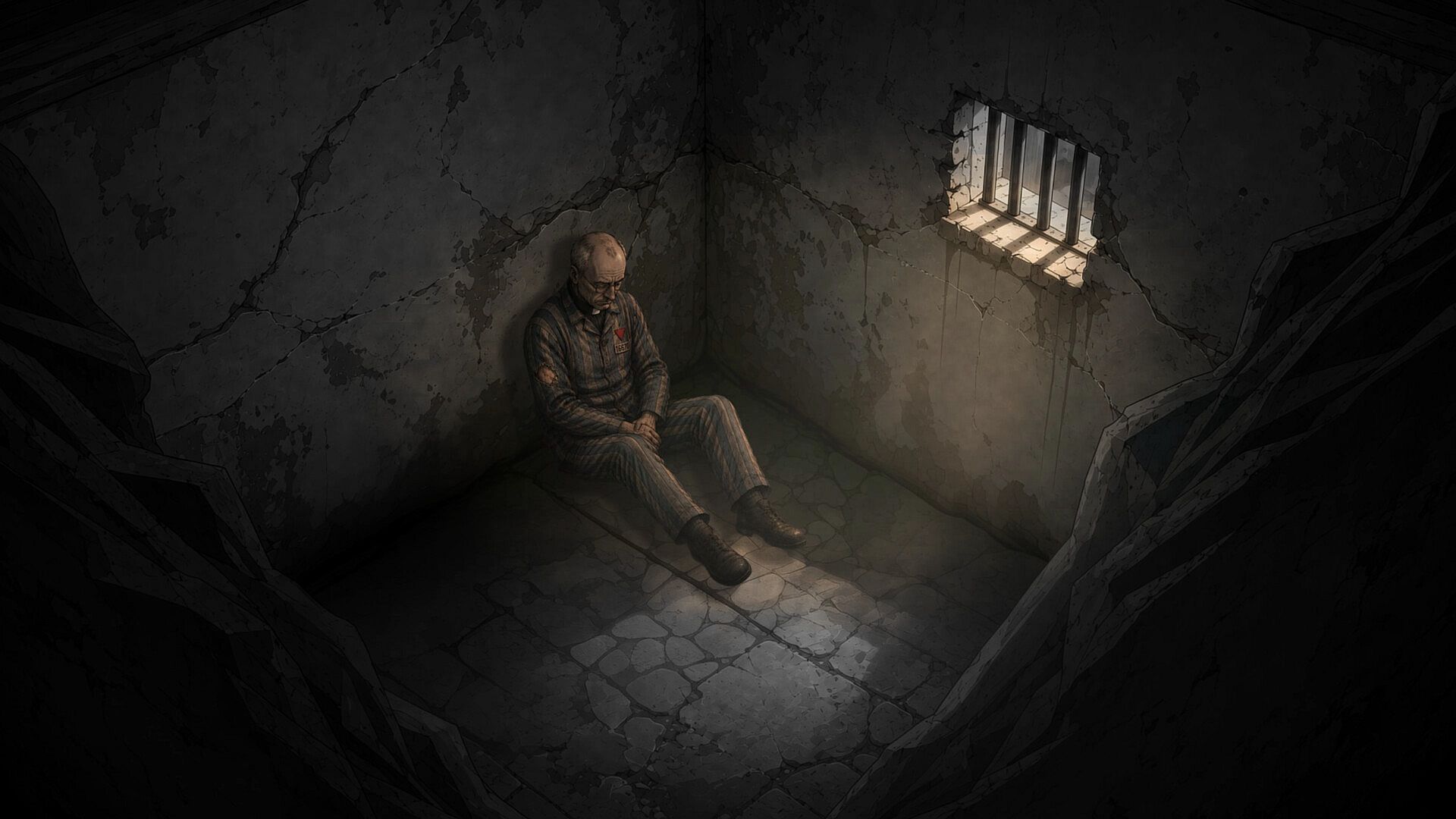
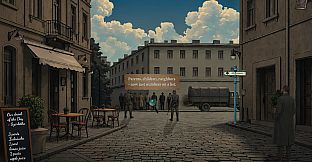
Events open in spring 1934 amid an archaeological dig. Two researchers with separate motivations uncover something that should have remained buried. From there the narrative expands into the broader unrest of the following years, touching on occupation, resistance, and personal loss. The setting feels grounded in period details, with every examined object contributing to a sense of lived history rather than abstract exposition.
Players never steer the main plot in real time. Instead they reconstruct it word by word, photograph by photograph. The unpredictable nature of the era mirrors the game's own structure, where solutions emerge only after the right combination of clues surfaces.
Is It Worth Playing?
This title suits players who enjoy deliberate, document-driven adventures and historical mysteries. Its strength lies in the tangible quality of the evidence and the way each chapter shifts the method of inquiry. Those seeking fast action or branching choices that alter major events may find the late-arrival perspective limiting. The game remains in active development with its core investigative systems already defined by the provided materials and chapter structure. If the premise of reconstructing a murder through authentic-seeming papers and ciphers appeals, the experience delivers a focused, methodical journey without extraneous features.