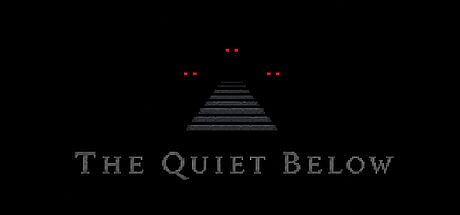


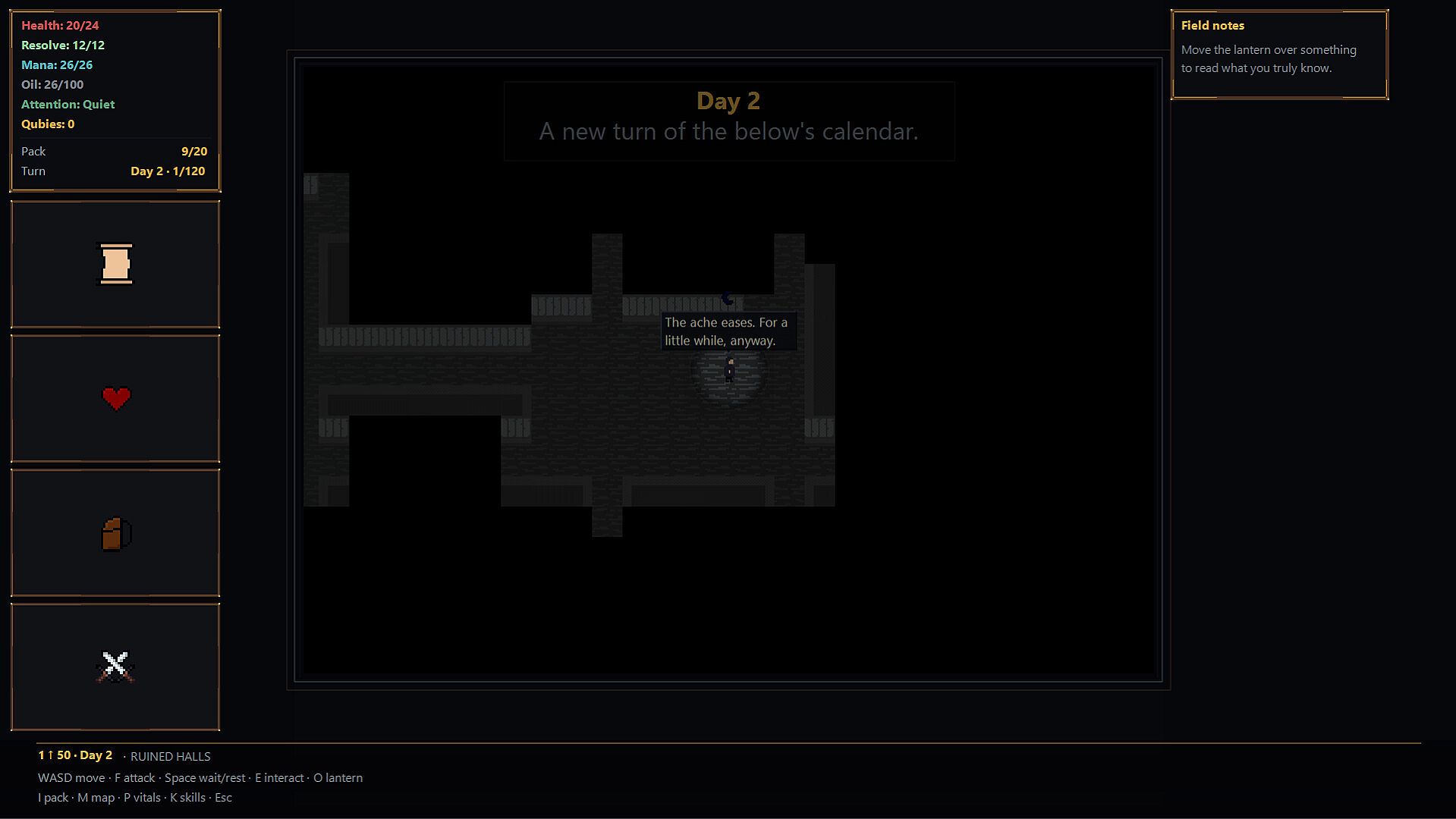
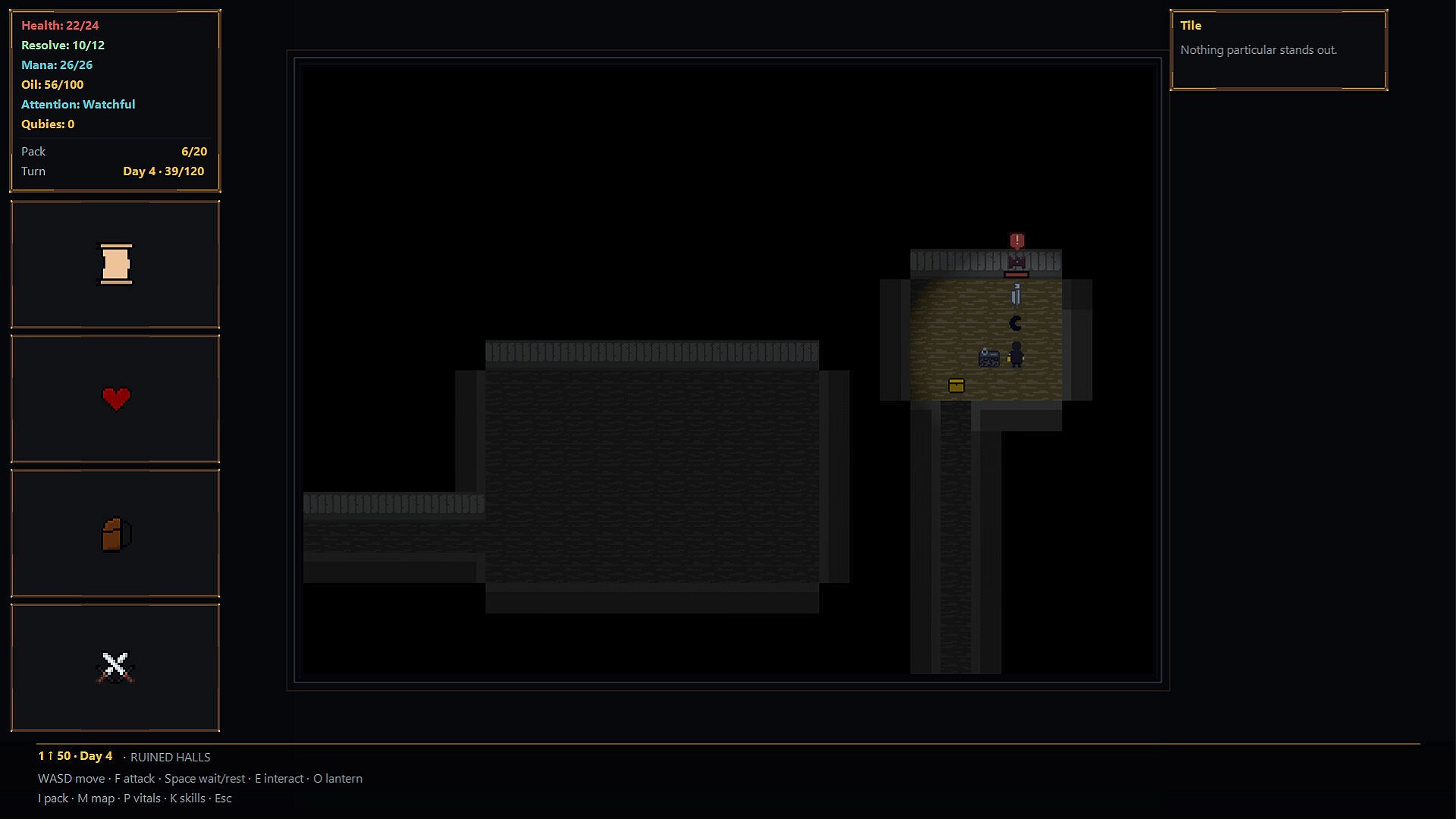
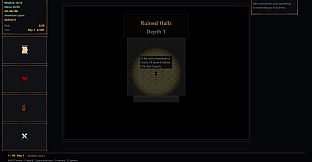
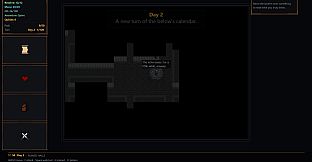
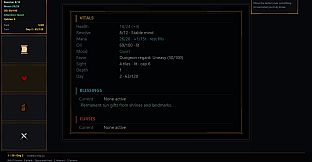
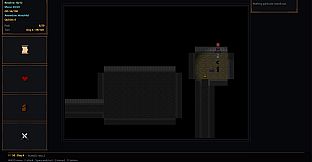
The Quiet Below is a single-player turn-based RPG set in a procedural dungeon environment on PC. Players descend through living darkness that reacts to their actions, managing limited resources while facing escalating threats without traditional leveling systems.
Gameplay
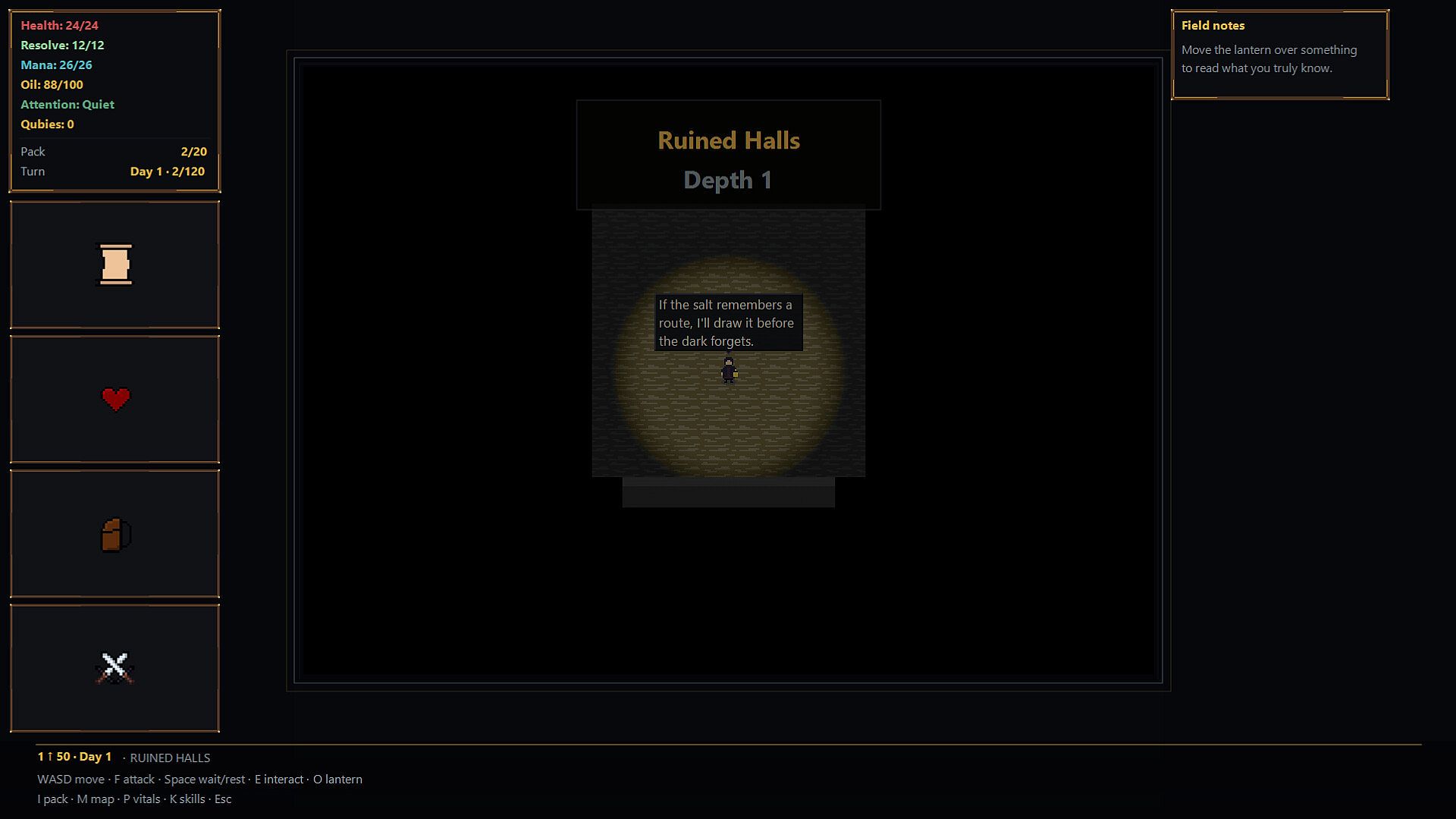
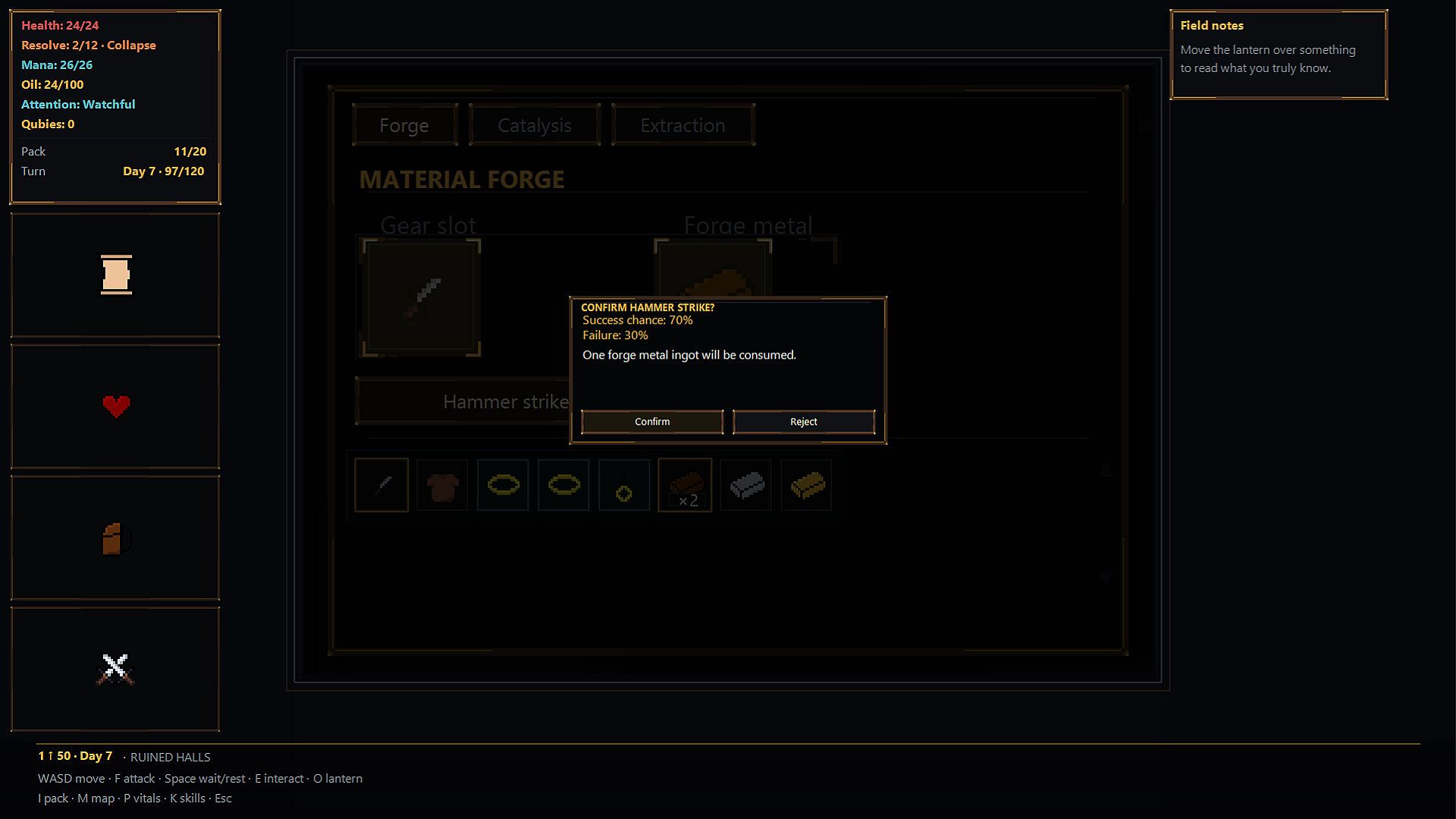
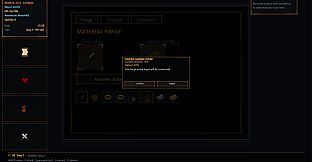
Core play revolves around turn-based grid combat across randomly generated floors. Four combat channels exist: melee for close-range positioning and flanking, ranged options with distance sweet spots and piercing, magic via consumable scrolls with limited mana, and summoning through soul binding attempts on defeated foes. Equipment defines progression, with weapons, armor, and accessories offering rarity tiers, upgrades, elemental effects, and set bonuses. Players select a calling at the start of each run to shape their approach, such as the balanced Classless Wanderer or the punishing Exile path. Blessings provide run-altering passives that adjust light usage, rest mechanics, and movement rules.
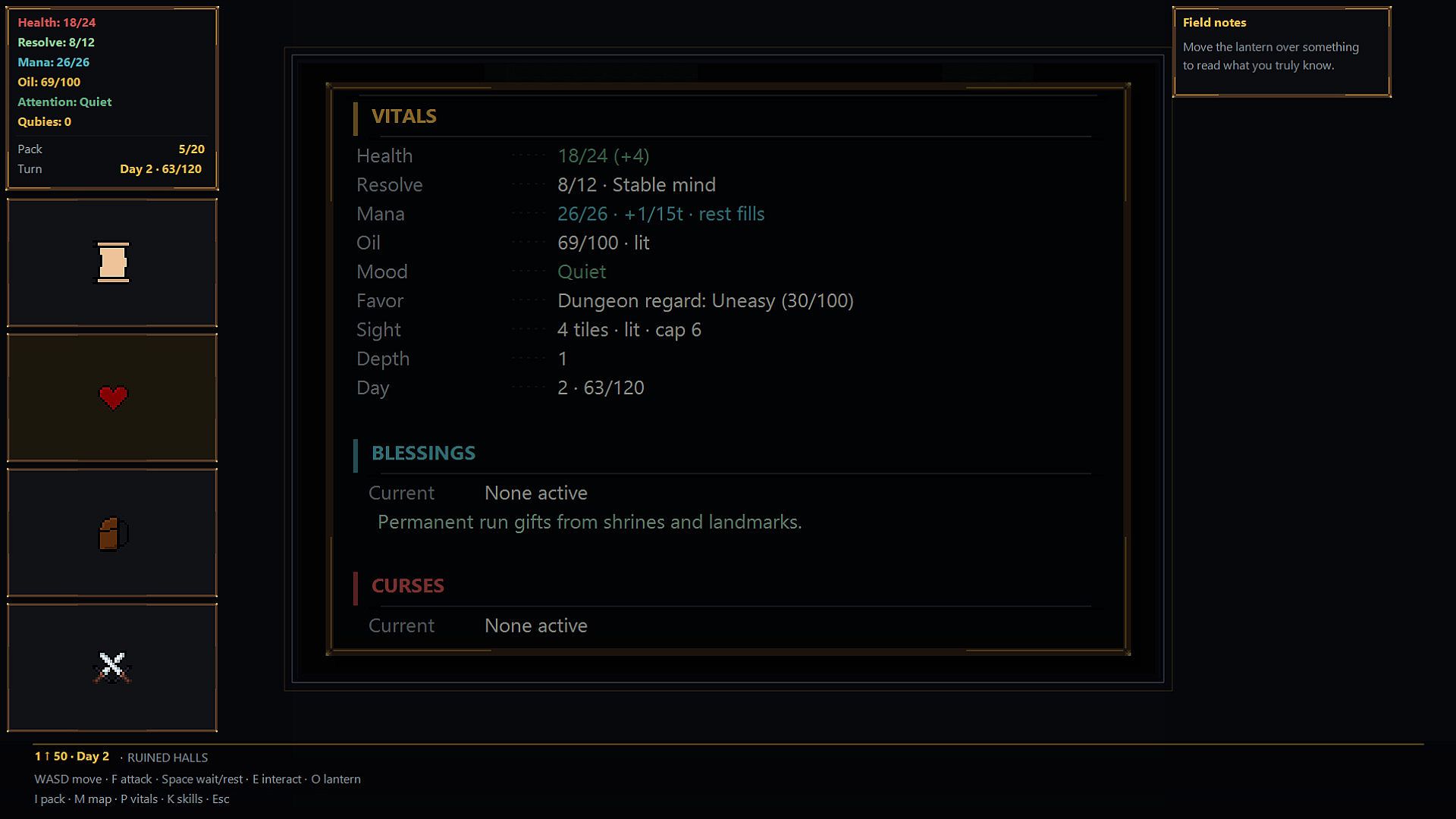
Resource tension defines every decision. The lantern consumes oil each turn while active, forcing choices between visibility and stealth. Darkness erodes resolve, leading to psychological events when it depletes. Attention rises with noise, light, and combat, drawing more aggressive responses from the dungeon's Director. Each floor features a shrine that requires tribute for tolerance or triggers penalties if ignored. Procedural generation spans five biomes, with every fifth depth hosting a Trial Gate warden boss that blocks further descent until defeated.
Game Modes
The experience centers on single-player descent runs. Each attempt builds through successive floors with persistent gear and blessings carried forward until resolve fails or the player retreats. Save and continue support allows pausing long sessions from the menu and resuming later. A demo version limits access to the initial five floors, while the full release expands depth bands and introduces additional gate bosses. No separate multiplayer or competitive modes exist, keeping focus on solitary survival against reactive environmental pressure.
Key Mechanics and Systems
Attention economy forces trade-offs between aggressive play and caution. High attention summons intensified hunts, while low attention preserves safety at the cost of slower progress. Soul binding remains in active development, allowing defeated enemies to become summonable echoes in later encounters. Light management interacts with resolve directly, and tribute decisions influence the dungeon's overall hostility across floors. Status effects like bleeding or burning apply through combat, tracked via text and icons without visual overhauls.
Is It Worth Playing?
This title suits players who enjoy deliberate turn-based dungeon crawlers with heavy emphasis on resource scarcity and psychological tension. The absence of experience points shifts attention entirely to gear choices, positioning, and awareness management. Those drawn to procedural runs that reward careful planning over repeated builds will find the systems engaging. The demo provides a contained entry point for testing the first floors, and the full version promises expanded biomes and bosses once released. With no user reviews available yet and development ongoing, interest depends on preference for solitary, high-stakes descent mechanics rather than broad accessibility or multiplayer features.