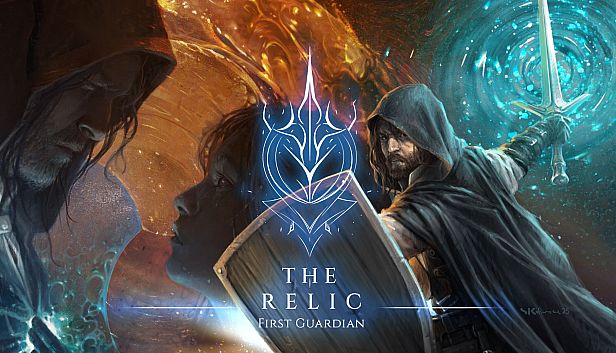


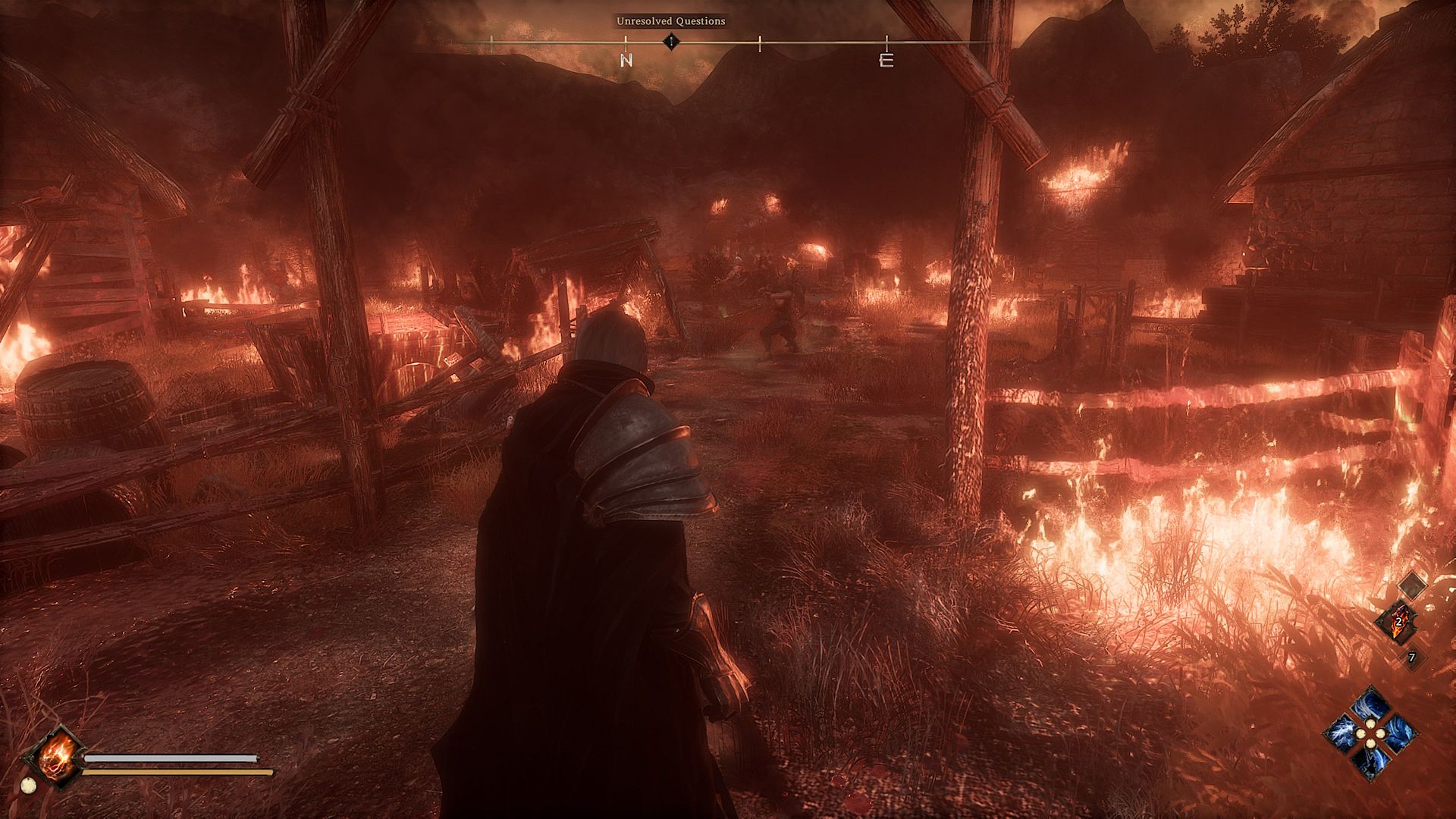
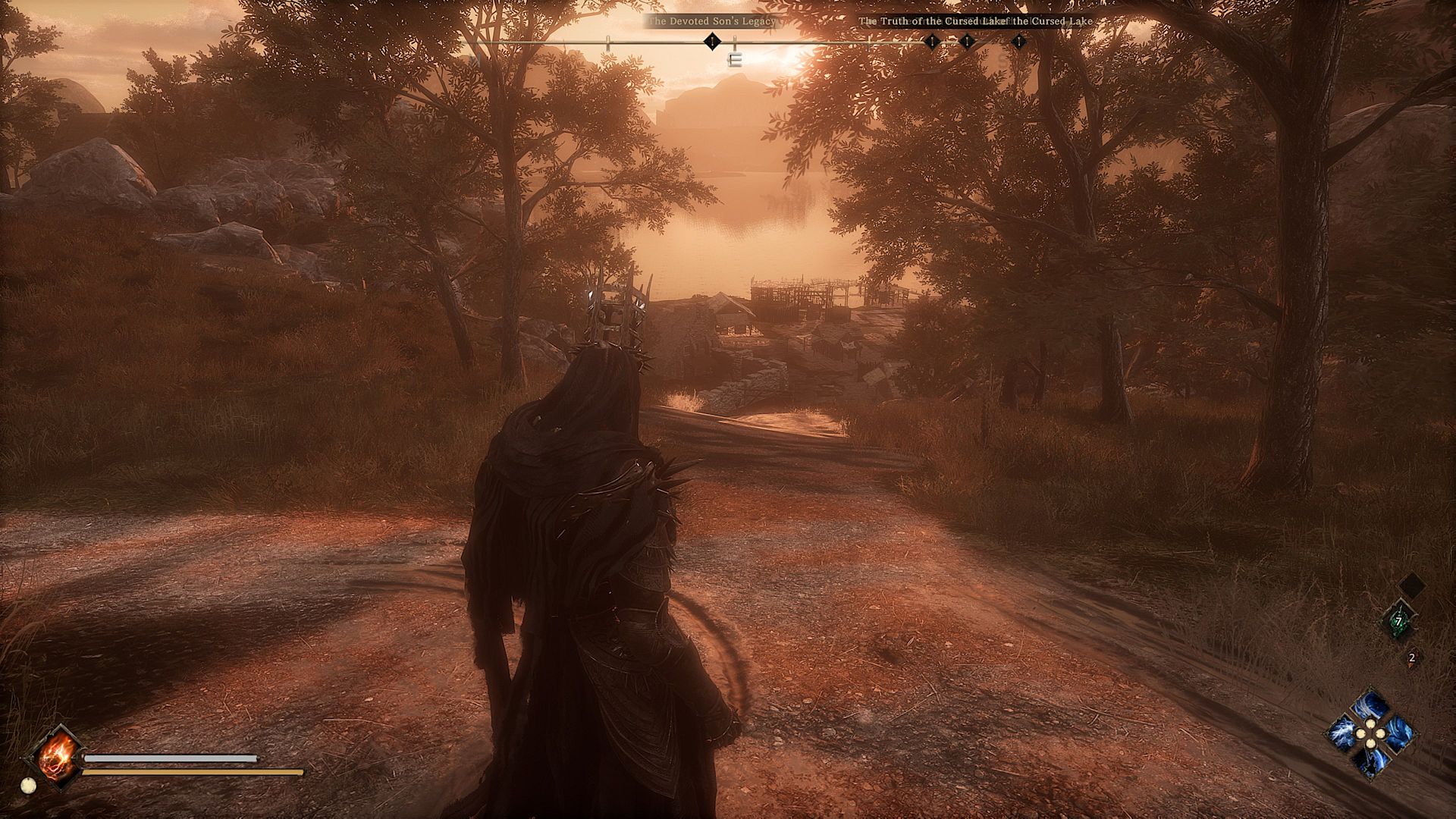
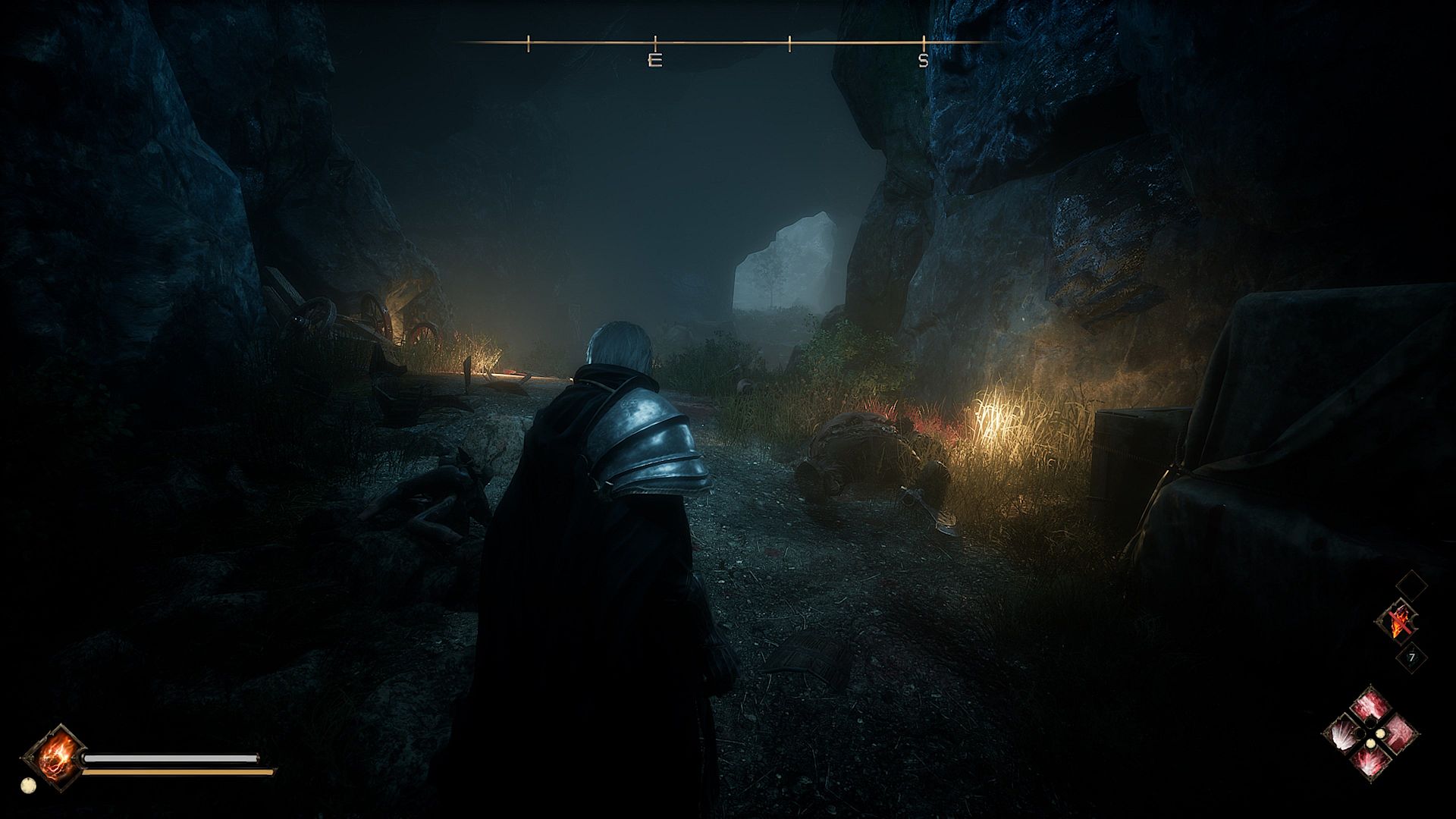
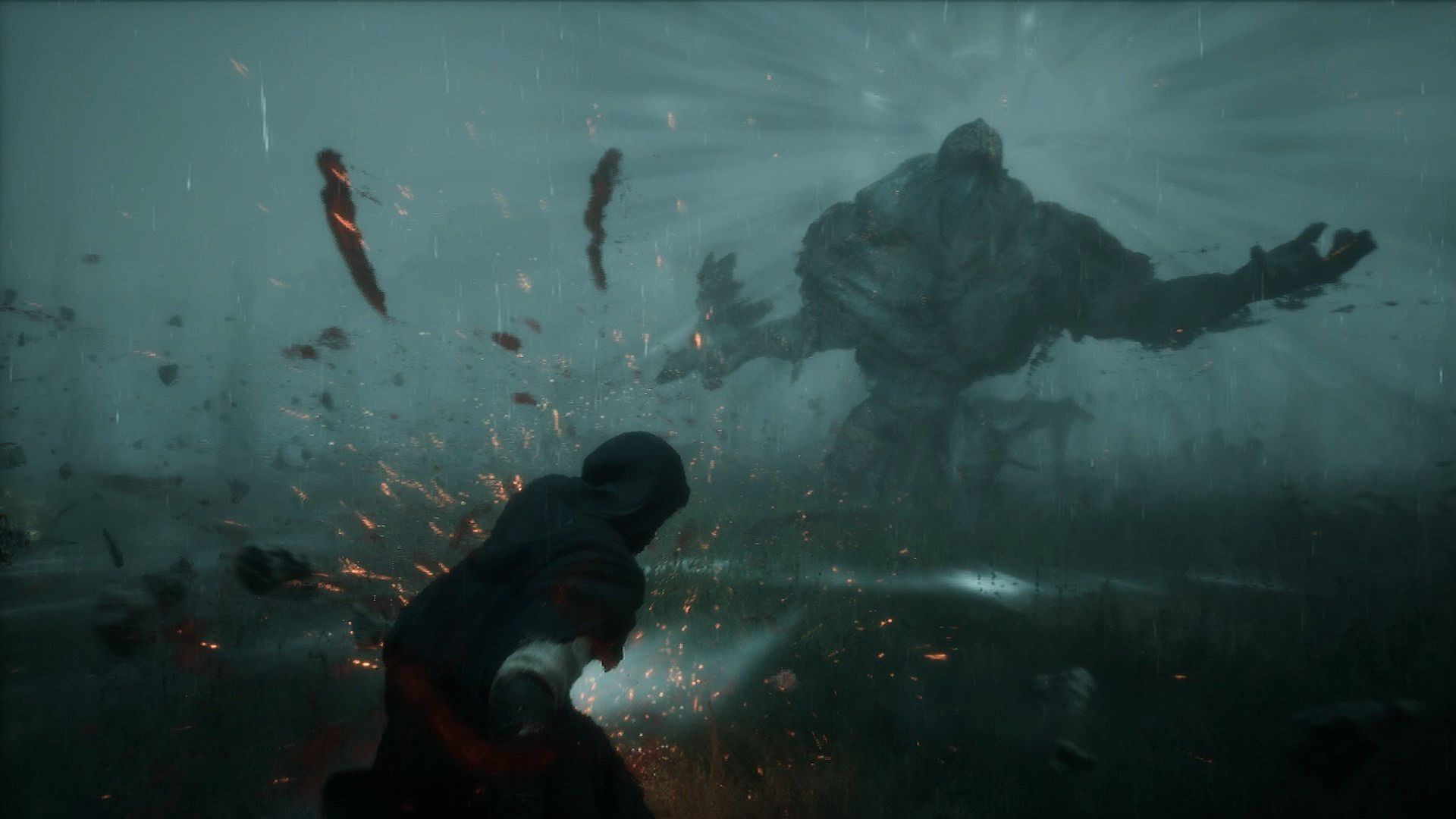
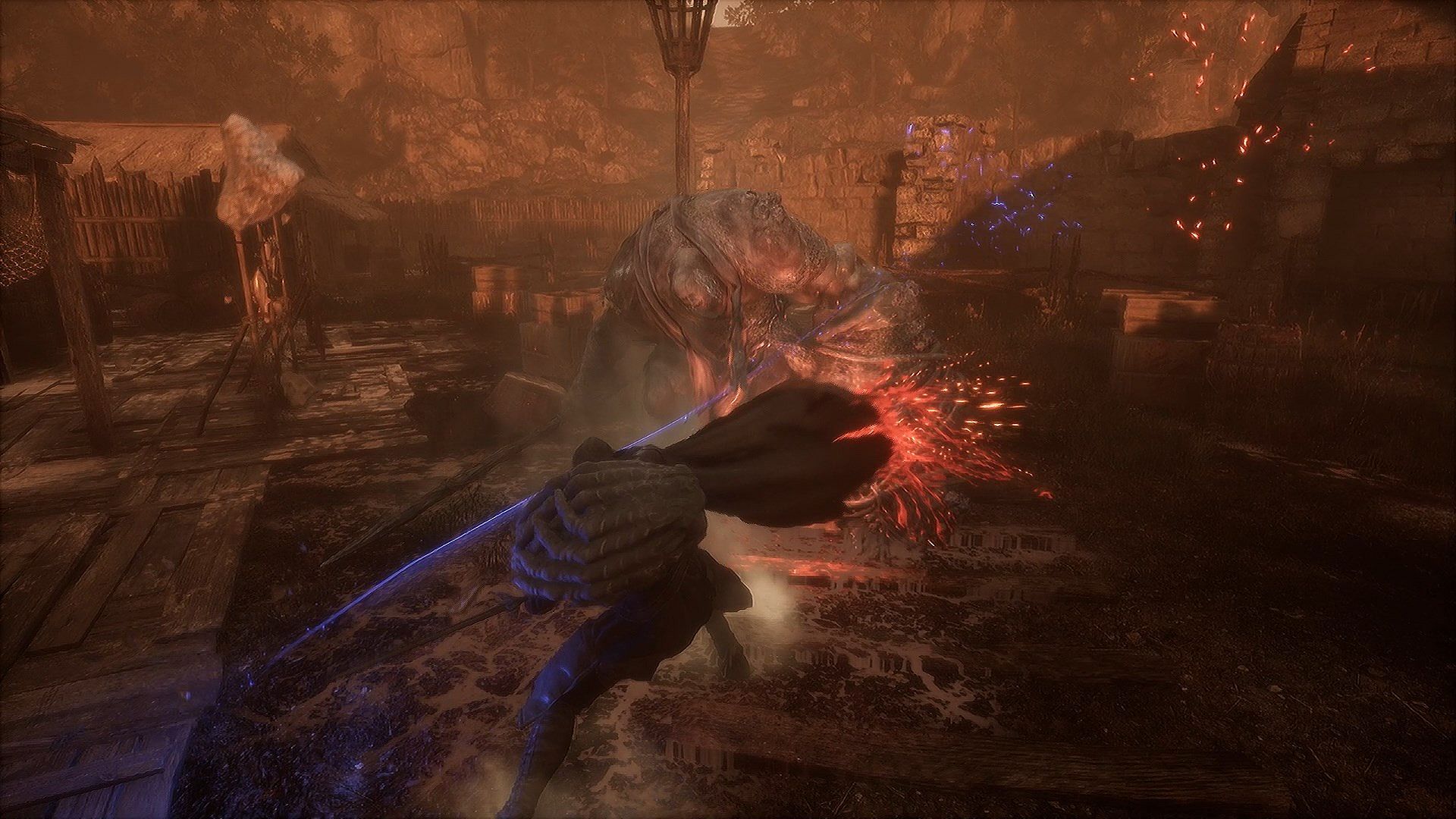
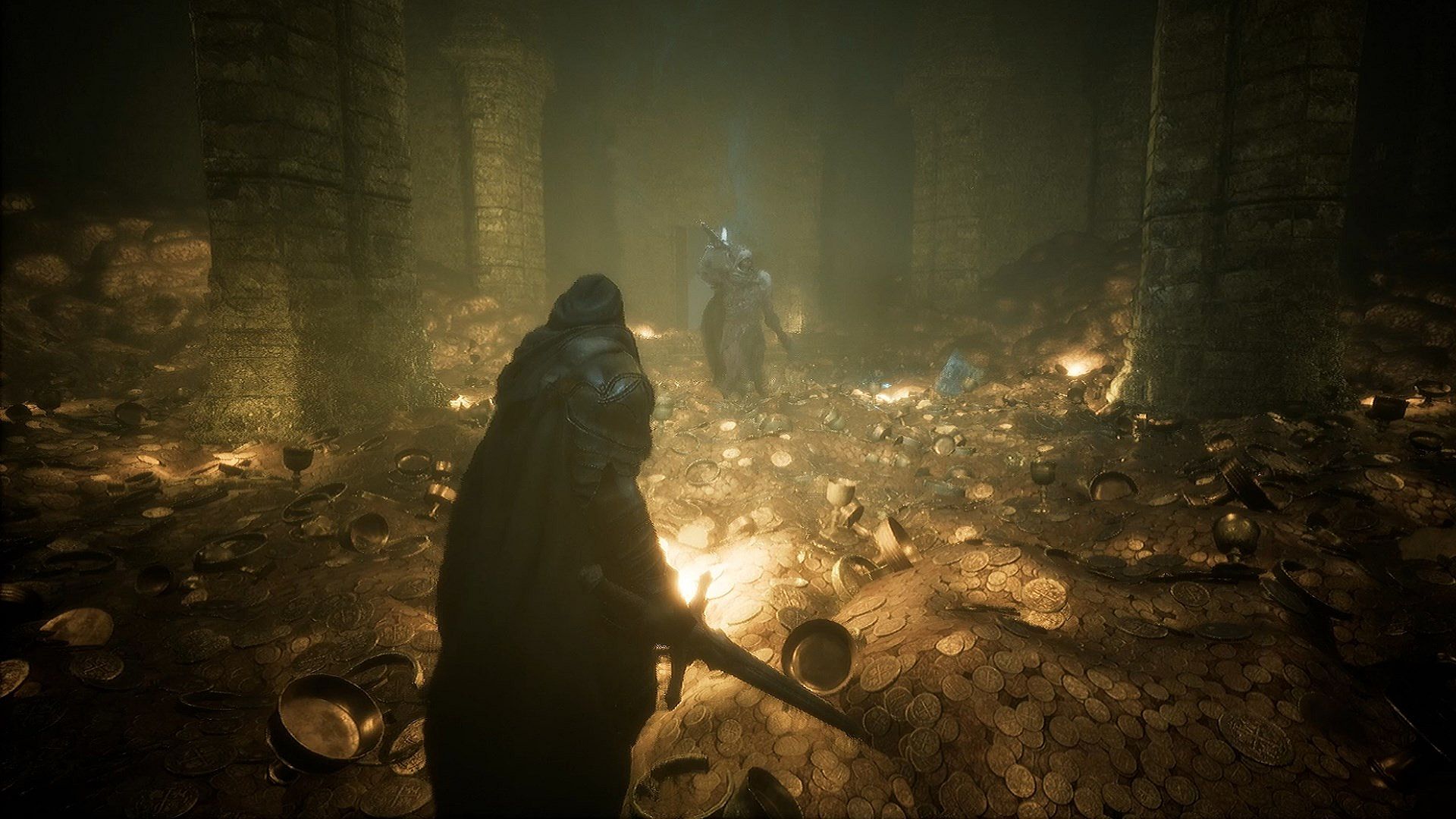
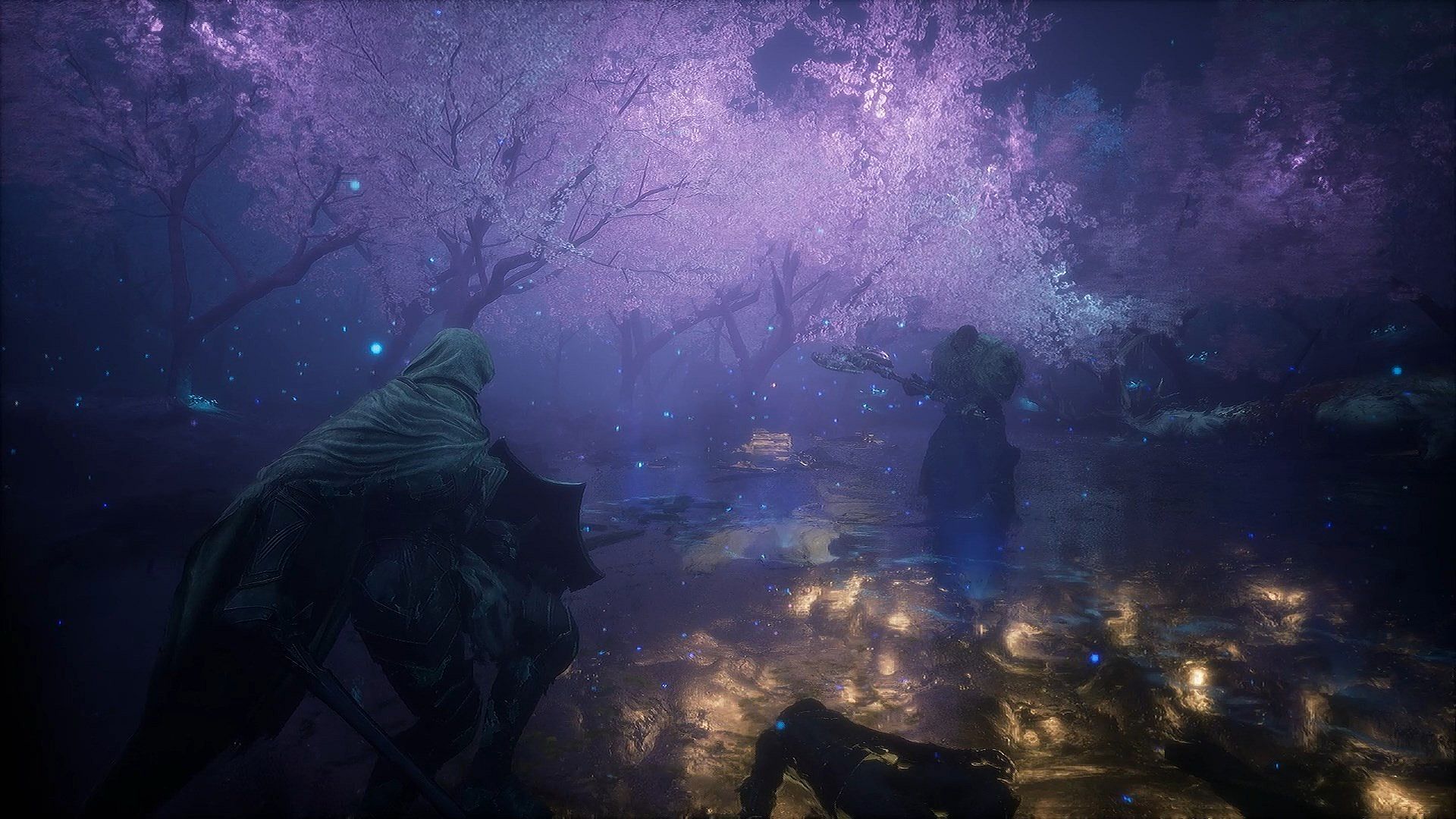
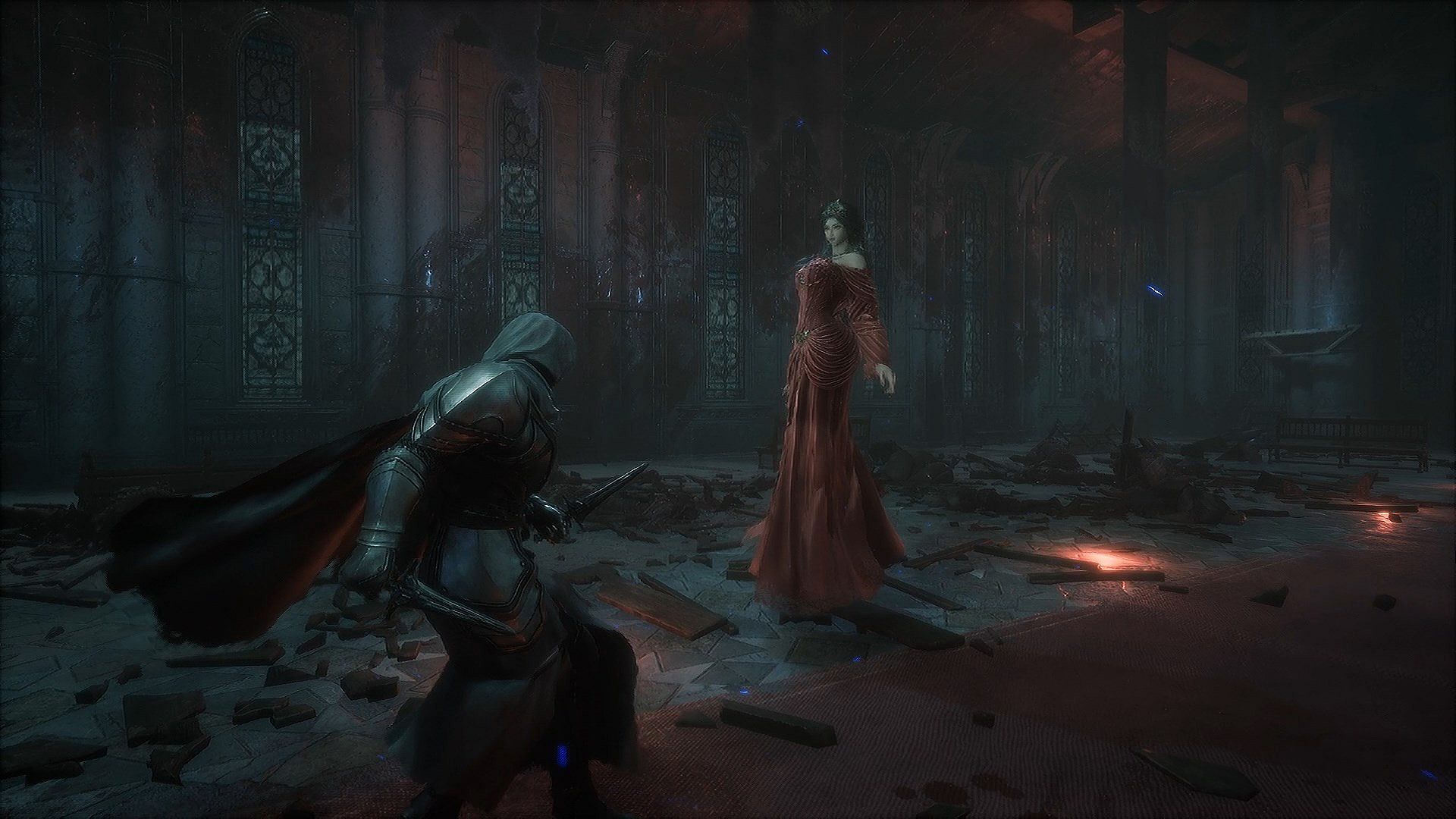
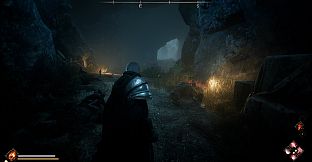
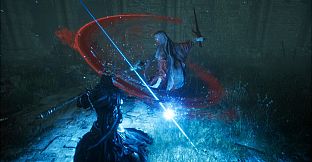
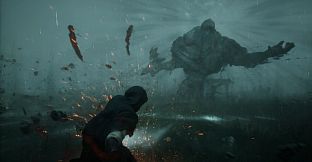
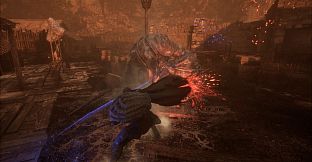
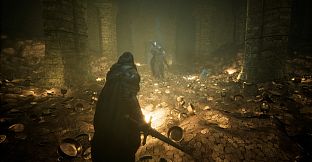
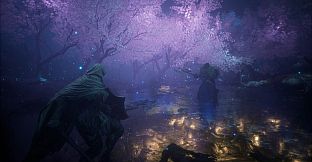
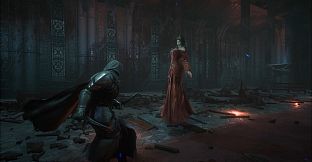
The Relic: First Guardian is an action RPG set in the ruined realm of Arsilthus. Players assume the role of the First Guardian, tasked with collecting fragments of a shattered relic to restore a world transformed into an apocalyptic wasteland by void energy. The game blends fast-paced combat with exploration across a semi-open environment drawn from Korean folklore and mythology, where every encounter and item carries traces of past tragedies.
Gameplay
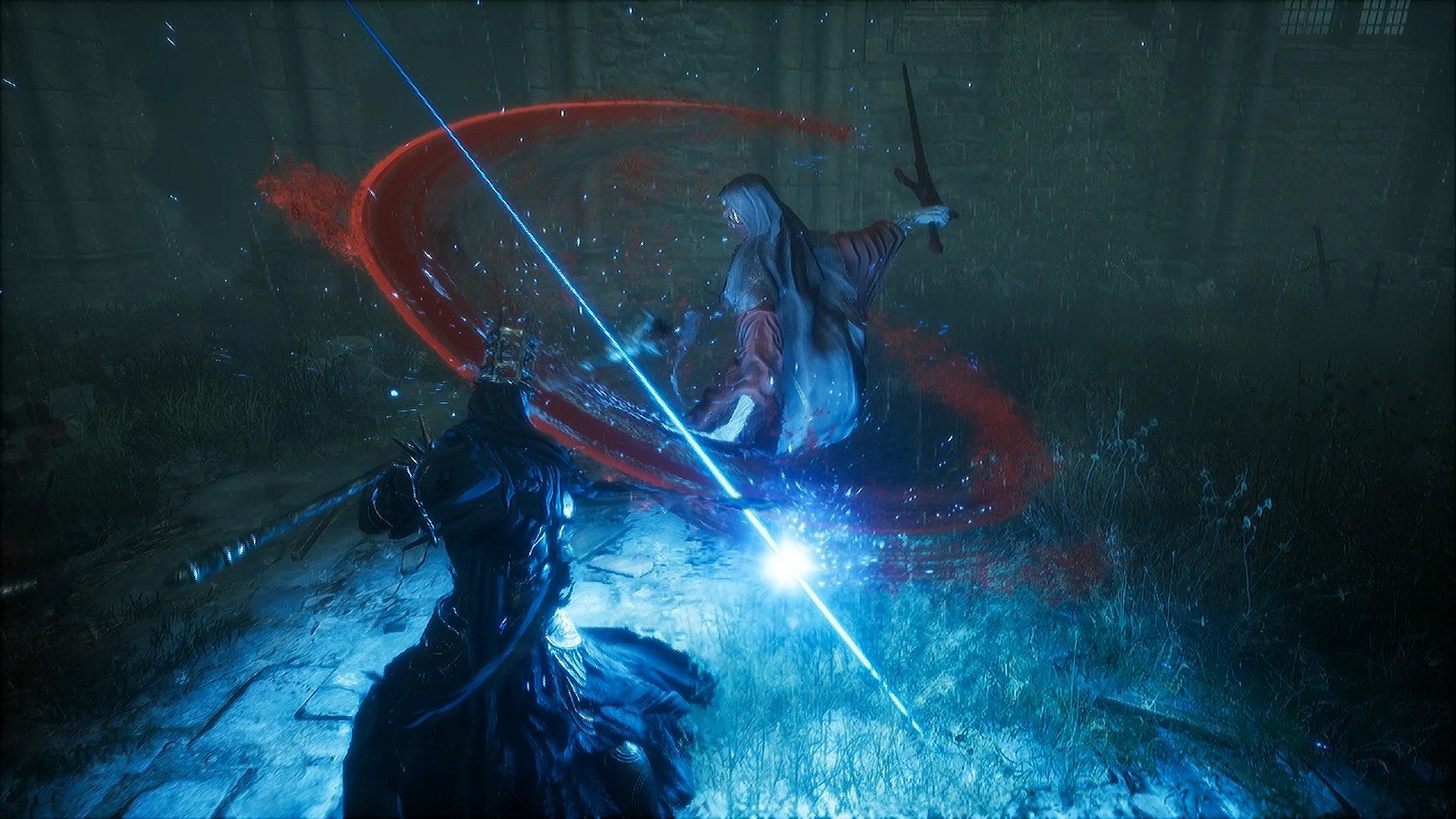
Combat emphasizes constant aggression balanced against precise defense. Attacks consume no resources, allowing uninterrupted chains of strikes with creativity in timing and combination. Stamina applies only to dodging, blocking, and other defensive actions, while magic abilities rely on cooldowns and a separate meter. This setup encourages aggressive playstyles without resource management interrupting the flow.
Progression avoids traditional experience points or level-ups. Strength comes instead from equipped gear, unique weapons, and Relics that provide passive effects. Over seventy such effects exist, each altering combat tempo, skill behavior, or weapon performance. Players swap these passives freely to experiment with builds on the fly. Five weapon categories form the foundation: Sword and Shield, Battle Staff, Daggers, Two-Handed Weapons, and Longsword. Each weapon is distinct with its own tragic backstory and dedicated skill trees that unlock passives and powerful ultimate abilities powered by relic energy.
Exploration drives much of the experience. The interconnected world contains forgotten ruins, hidden dungeons, and atmospheric landscapes across three major regions. Off-path discovery yields artifacts, lore fragments, and secret encounters that deepen understanding of the world's history.
Game Modes
The Relic: First Guardian offers a singleplayer campaign with no separate multiplayer or competitive modes. The core loop centers on traversing the semi-open world, engaging in combat against regular enemies and bosses, collecting Relics and gear, and advancing through interconnected areas. Boss encounters serve as narrative peaks, each functioning as a self-contained folktale with unique mechanics and tragic backstories. Up to eighty such encounters appear, requiring adaptation since strategies effective against one rarely transfer directly to the next. Dungeons and ruins provide optional challenges that reward thorough exploration with additional Relics and story elements.
The World and Its Stories
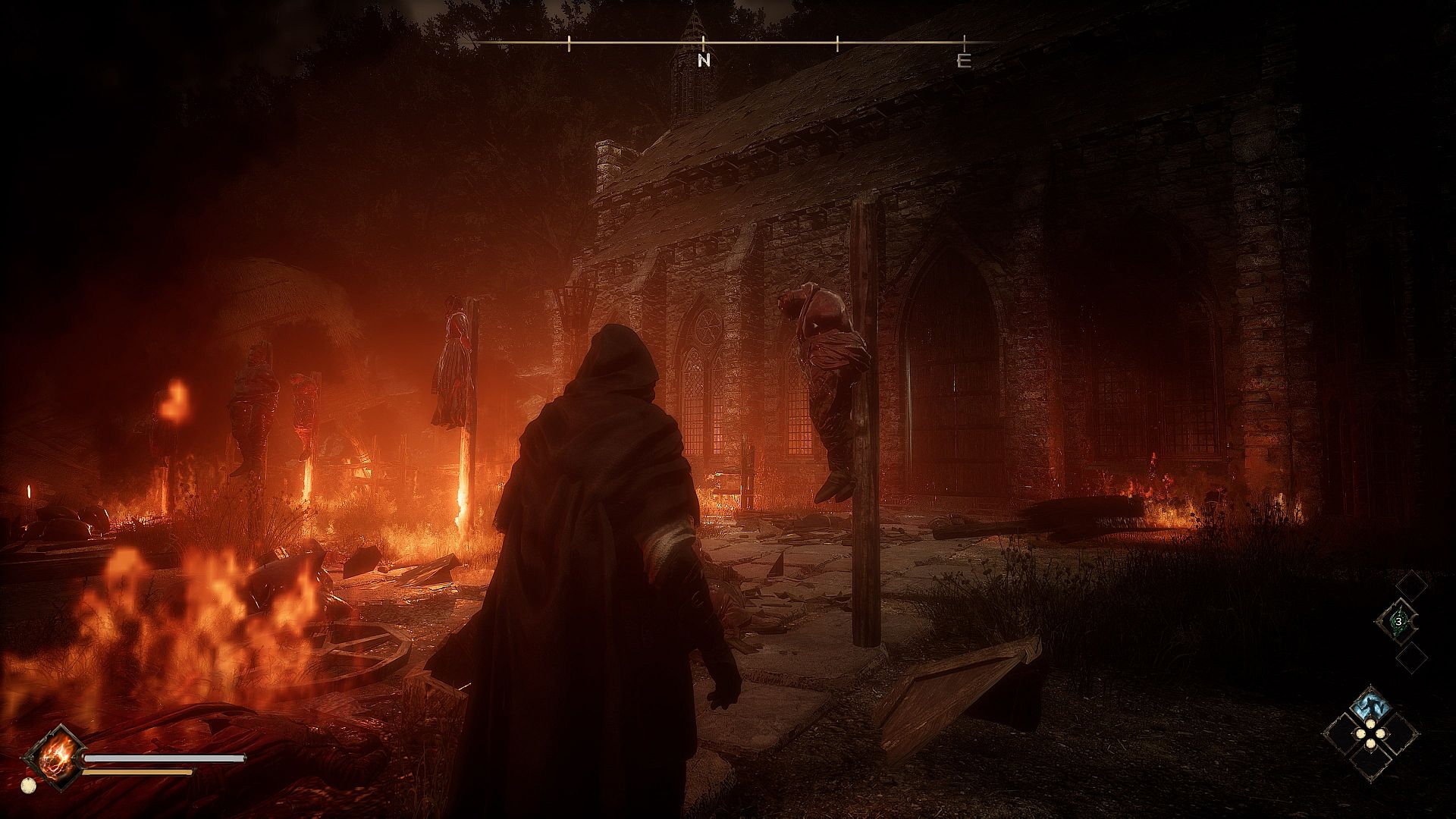
Arsilthus presents a dark, gritty atmosphere shaped by ancient Korean myths. The destruction of the great relic has left faint voices echoing through the wind, manifesting as Relics that hold the final emotions and wishes of the fallen. These fragments appear throughout the environment, turning exploration into an act of piecing together lost histories. The setting features ruined settlements, cursed landscapes, and encounters with creatures born from starvation, curses, or forgotten promises. Every weapon and many items carry their own embedded narratives, making the arsenal a collection of living legends rather than interchangeable tools.
Is It Worth Playing?
Reception has been mixed, with critics highlighting strong conceptual elements in the combat system, relic-driven builds, and boss storytelling alongside notable technical issues such as performance problems and bugs at launch. The developer released the game on PC and PlayStation 5 with a day-one patch and has committed to ongoing updates and support. Xbox Series versions arrived later in 2026. Players who enjoy challenging singleplayer action RPGs with emphasis on build experimentation, precise defense timing, and uncovering lore through exploration may find value in its distinctive approach to progression and combat freedom. Those sensitive to technical inconsistencies or seeking polished execution might prefer waiting for further patches. The experience suits fans of deliberate, story-rich encounters over broad accessibility features.