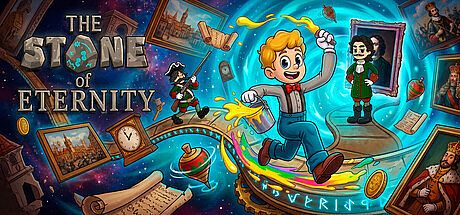


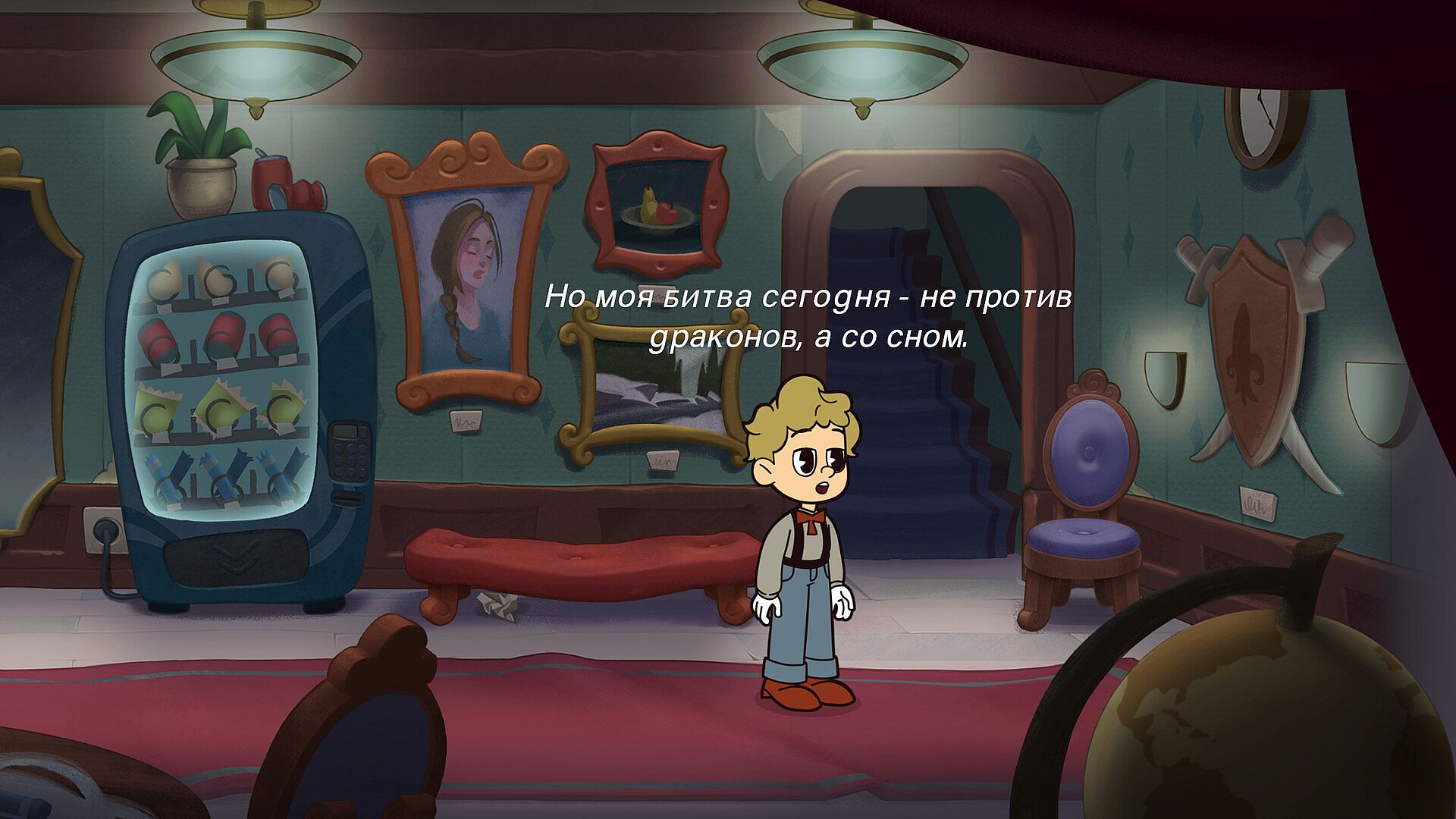
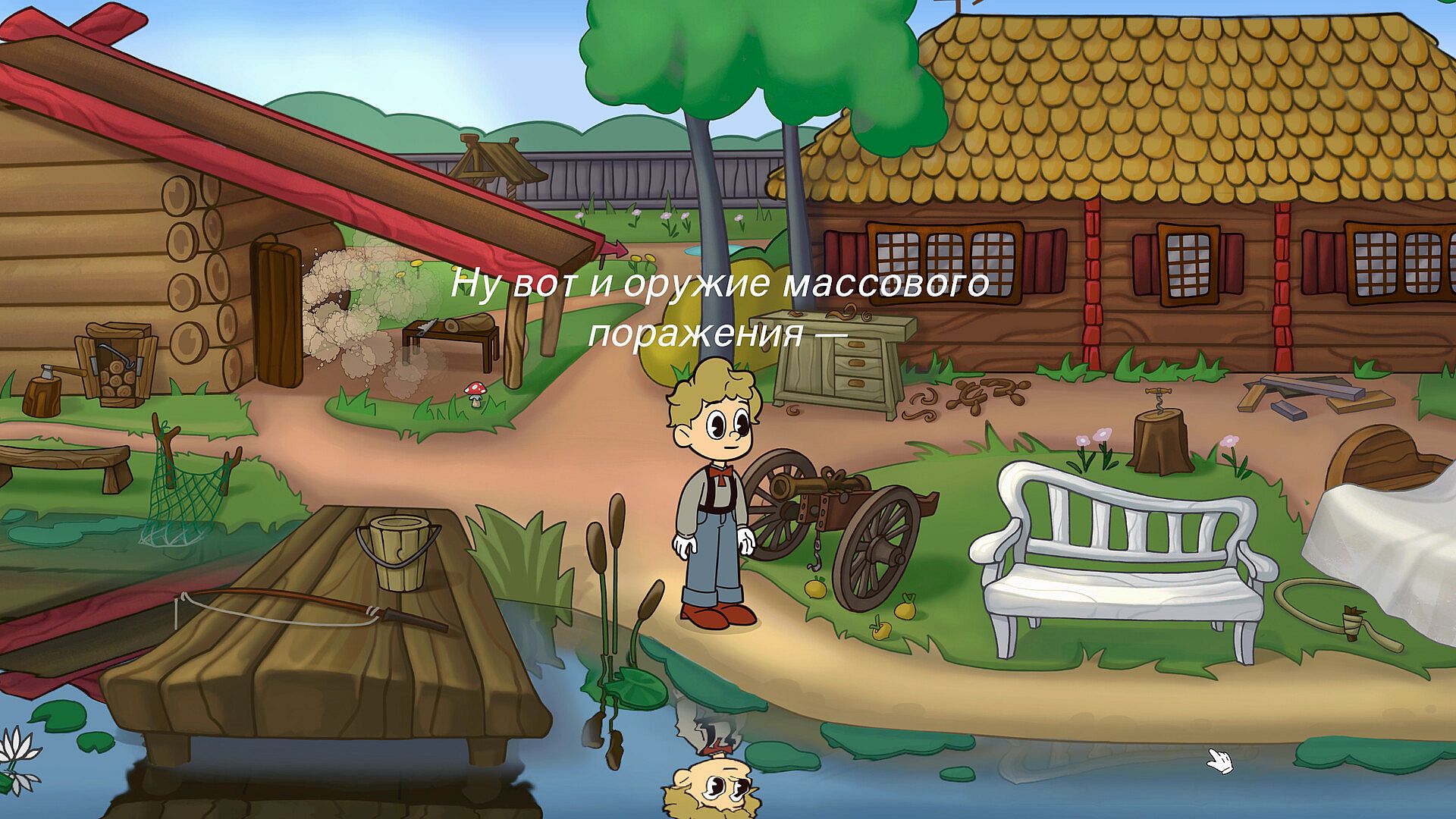
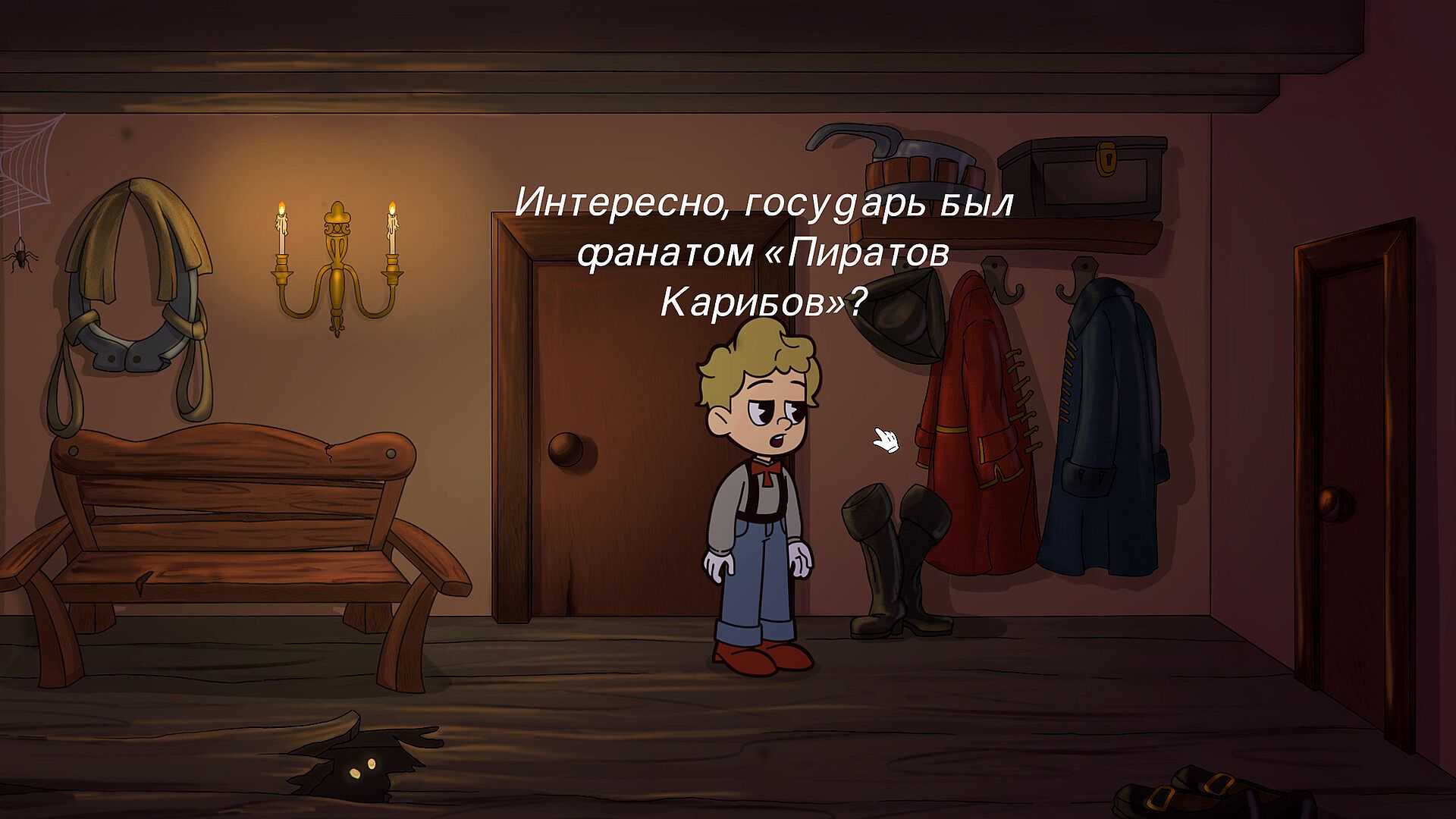
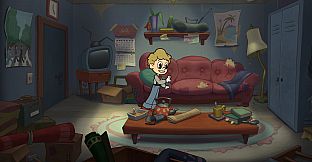
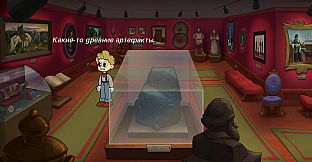
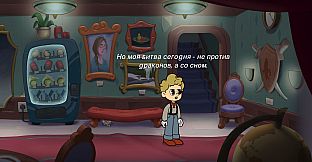
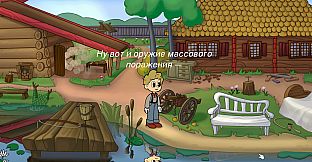
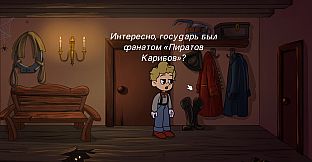
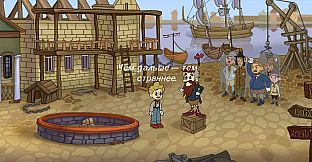
The Stone of Eternity is a comedic 2D point-and-click adventure game developed for PC by an independent studio. Players step into the role of Ivan, a museum worker whose accidental activation of a mysterious artifact throws historical periods into the present day, forcing him to navigate time-disrupted environments and restore order through puzzle solving and character interactions.
Gameplay
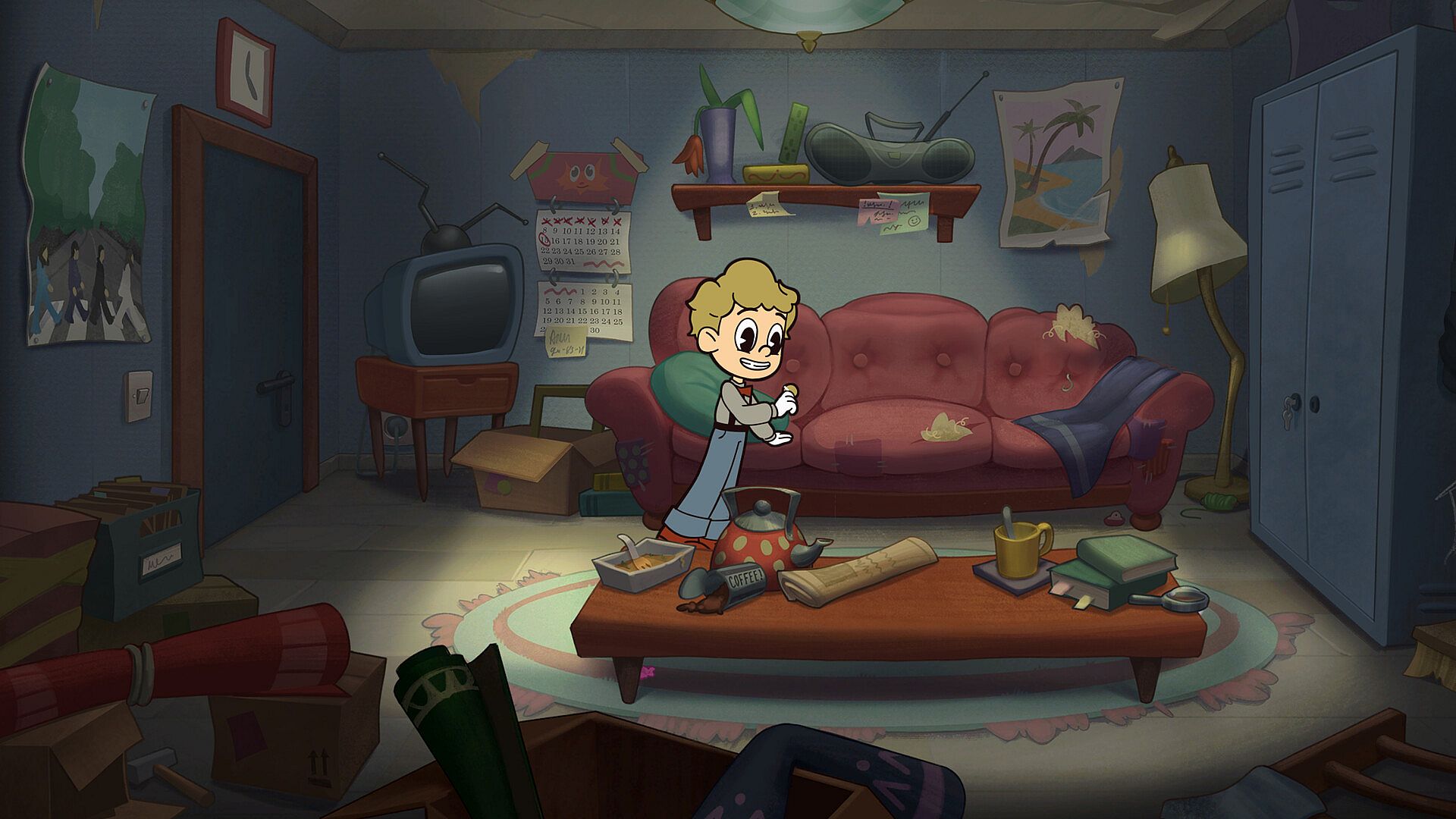
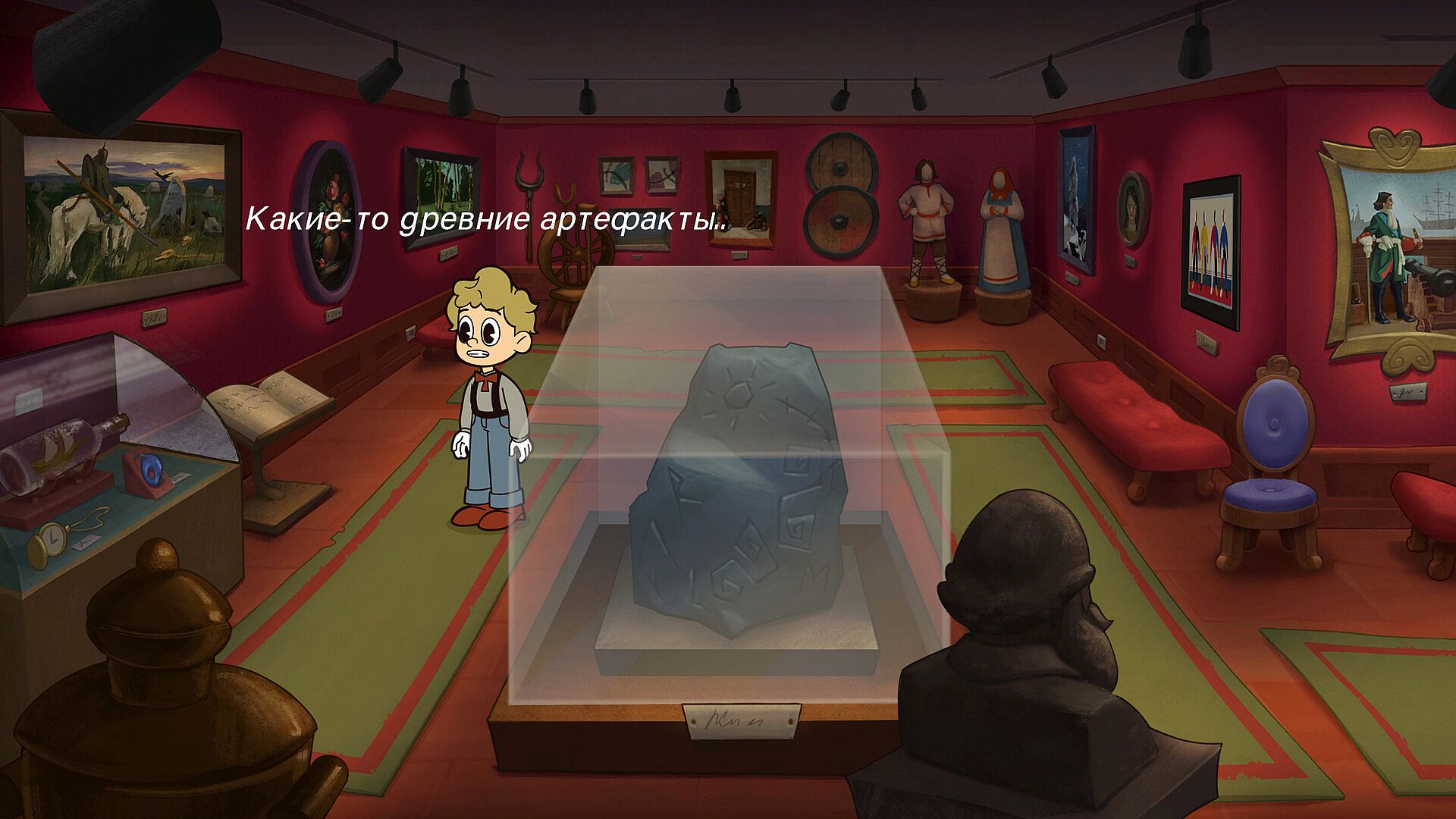
Core mechanics revolve around classic point-and-click navigation in a side-scrolling 2D space that incorporates perspective depth for environmental exploration. Players click to move Ivan across museum halls and time-shifted locations, examining objects and conversing with figures from different eras. An inventory system holds collected items, which can be combined through a crafting mechanic to create new tools or solutions for obstacles. Interactable elements highlight automatically to guide progress without excessive trial and error, while a built-in hint feature assists when puzzles stall.
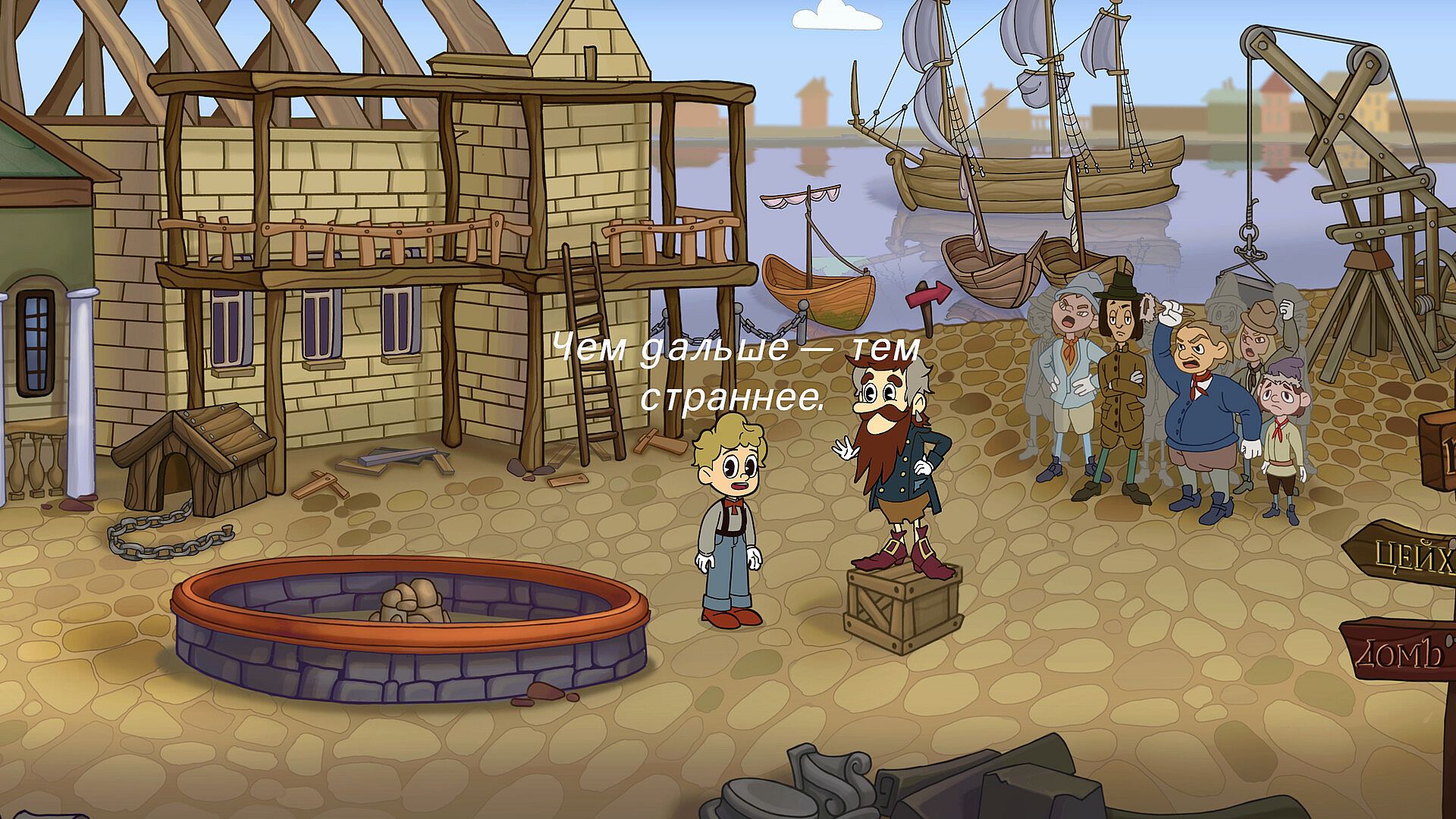
Time travel forms the central loop, sending Ivan between the museum and three distinct historical settings where everyday actions disrupt established events. Puzzle design emphasizes logical item use and dialogue choices that advance both the plot and Ivan's personal arc from aimless youth to decisive individual. Humor arises from absurd clashes between modern sensibilities and period-specific characters, including encounters with Peter the Great and folklore beings such as Baba Yaga and Leshy. The experience stays strictly single-player with no competitive or cooperative elements layered on top.
Game Modes
The game operates as a linear single-player narrative adventure without separate modes or variations. All content flows through one continuous campaign that blends exploration, dialogue trees, and puzzle sequences across the museum and its time portals. There are no multiplayer options, battle arenas, or procedural elements to alter the structure. Progression remains tied to story milestones, with each location presenting self-contained challenges that feed into the overarching goal of repairing the artifact.
Story and Setting
The narrative centers on Ivan's growth amid chaotic time fractures that bring 18th-century Saint Petersburg construction, a 10th-century Slavic Ivan Kupala festival, and a 20th-century Soviet laboratory into the modern museum. These settings supply the bulk of the visual and puzzle variety, mixing historical accuracy with satirical twists. Supporting characters range from real historical personalities to mythical Slavic figures, each contributing to both comedic set pieces and moments of reflection on responsibility. The tone balances light absurdity with underlying themes of maturity, delivered through sarcastic commentary rather than heavy drama.
Is It Worth Playing?
A demo version has been released, allowing players to sample the point-and-click systems, inventory crafting, and early story beats before the full release. Reception of the available build highlights the nostalgic appeal of the genre for those who enjoy deliberate puzzle solving and character-driven tales. The game suits fans of indie adventures that prioritize narrative depth and humorous time-travel scenarios over action or competition. With its focus on a single cohesive experience and emphasis on personal development themes, it appeals most to players seeking thoughtful, comedic single-player content rather than fast-paced or multiplayer alternatives. Full release timing remains to be announced, so interested players can follow updates through official channels while trying the demo to assess fit.