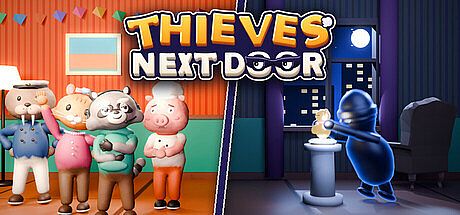


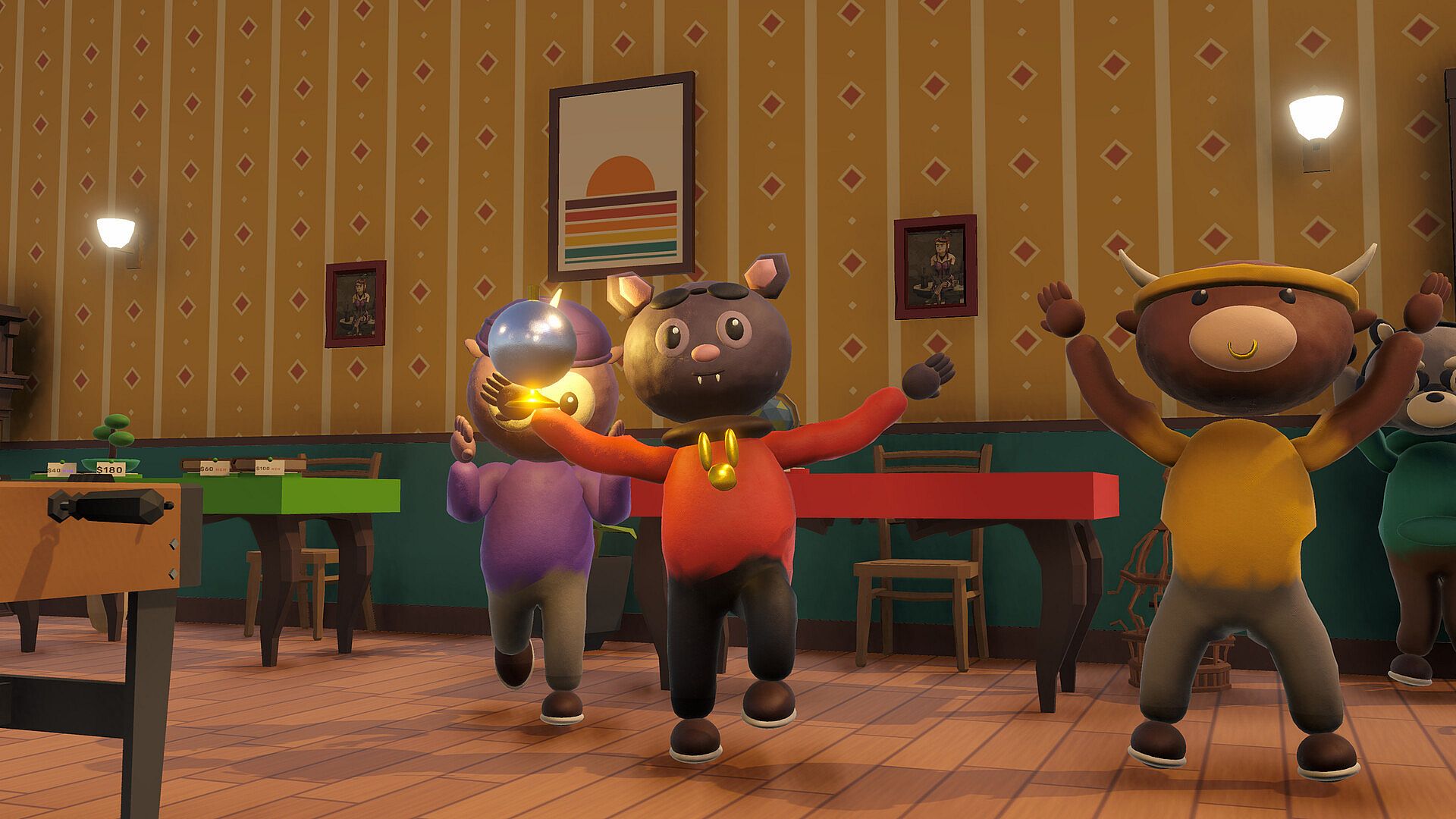
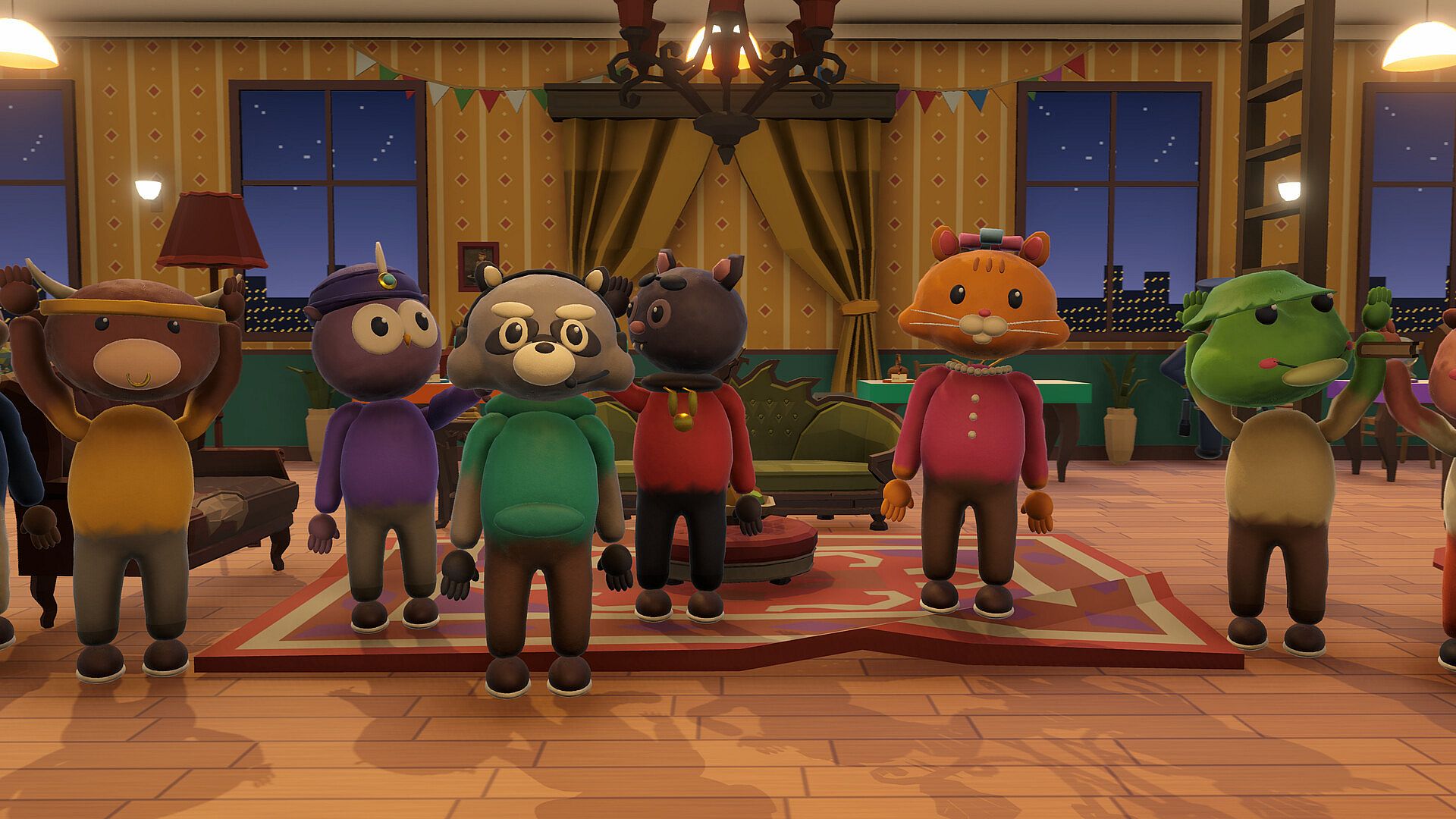
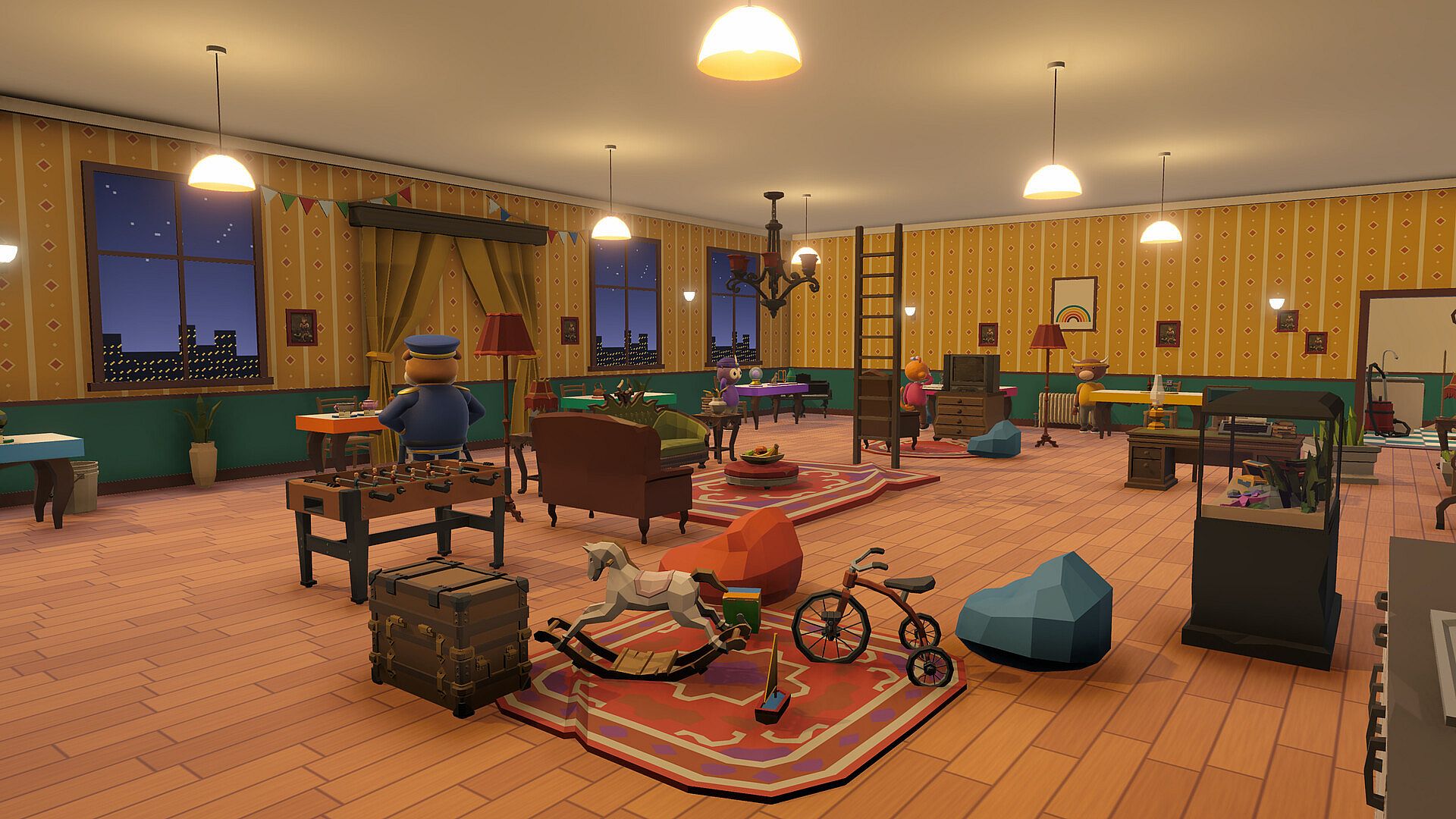
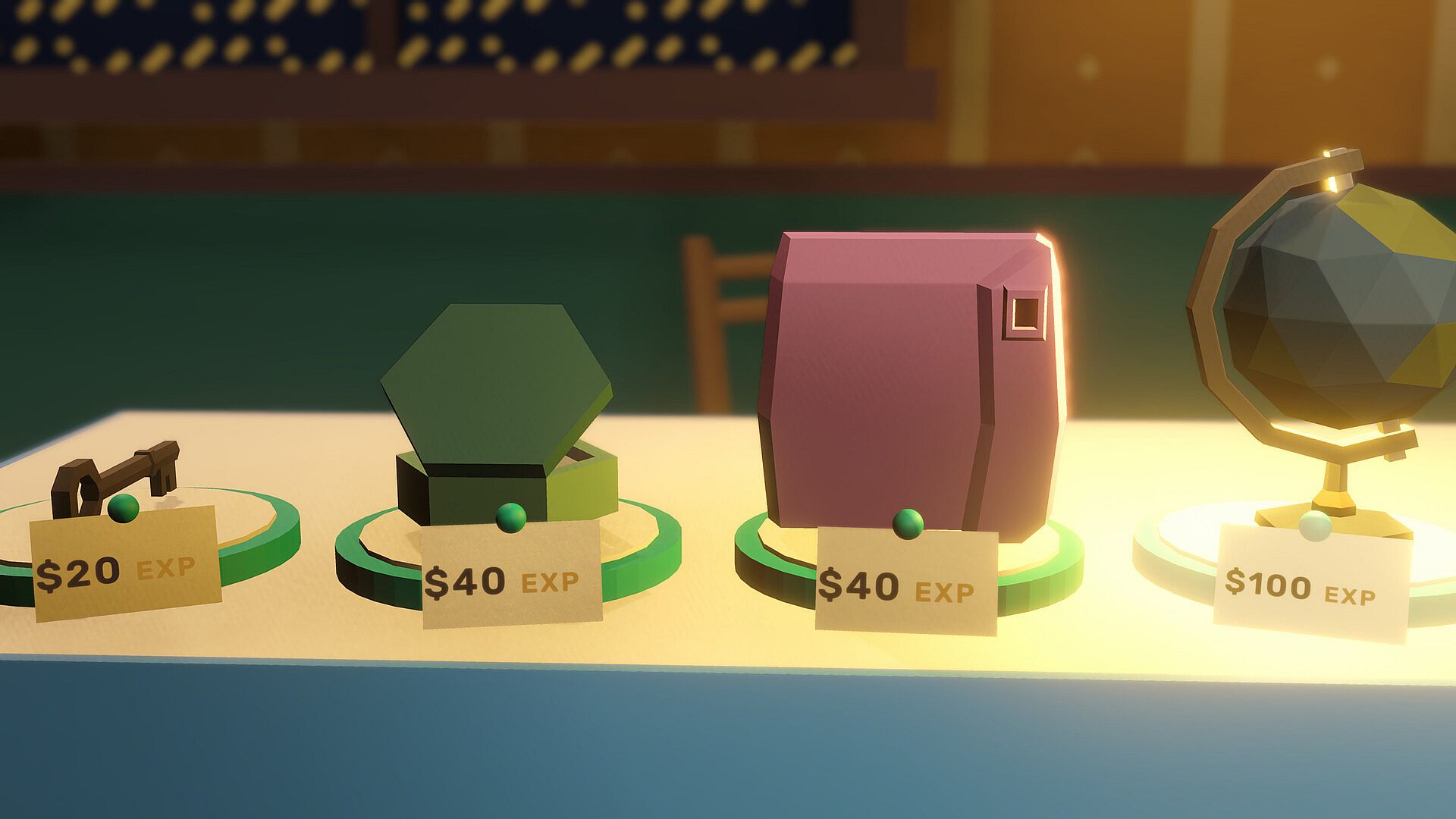





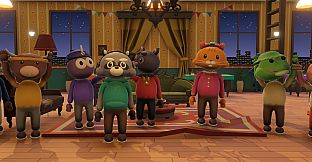
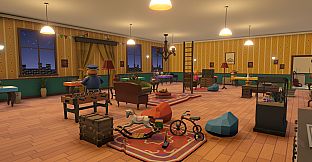
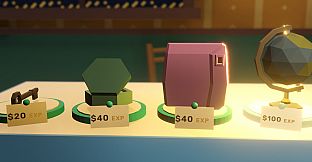


Thieves Next Door is an indie casual game for PC that blends stealth, social deduction, and collection mechanics in a shared apartment building setting. Tenants gather daily to display themed sets of four items on their tables, earning bonuses from the club when complete. The catch is that the exact piece needed often sits on a neighbor's display, turning the building into a constant game of acquisition and evasion.
Gameplay
The core loop centers on five days of competition where cash, collected pieces, and set bonuses determine the winner. During the day, players display items and argue over missing pieces. Accusations fly, followed by votes that send the top suspect into an X-ray booth. A positive scan lands the thief in the basement cage overnight, while a clean result penalizes the accusers.
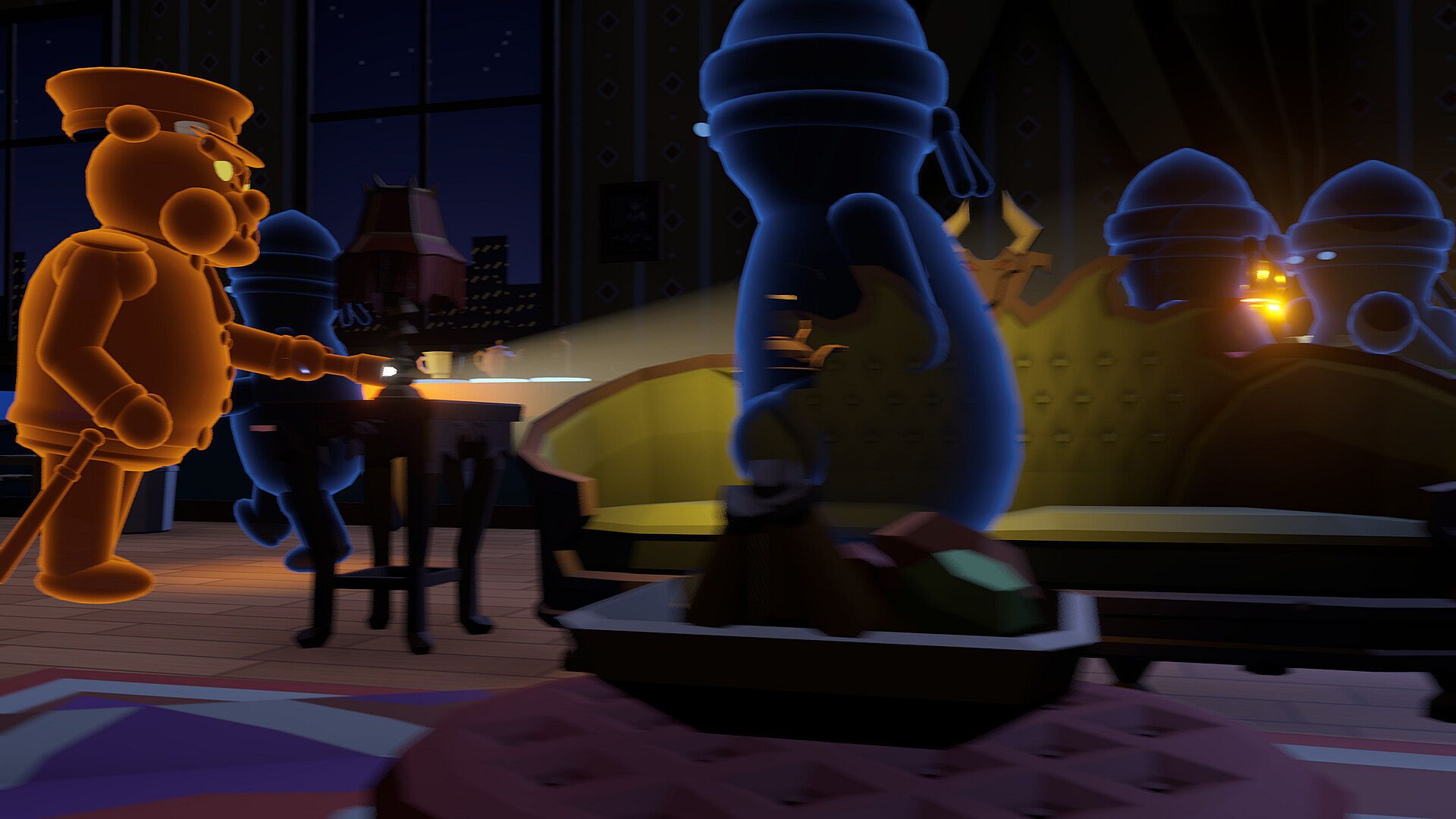
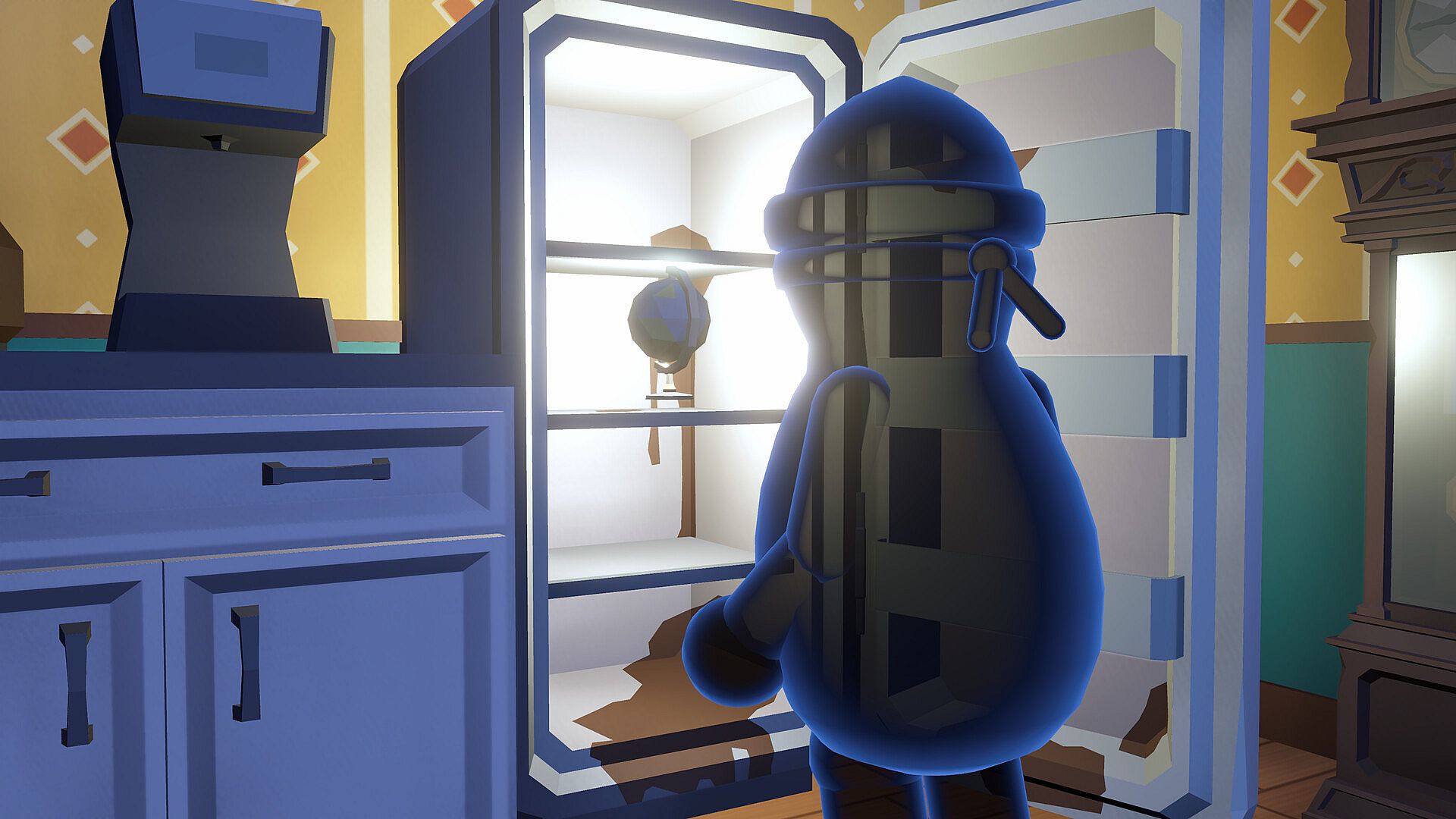
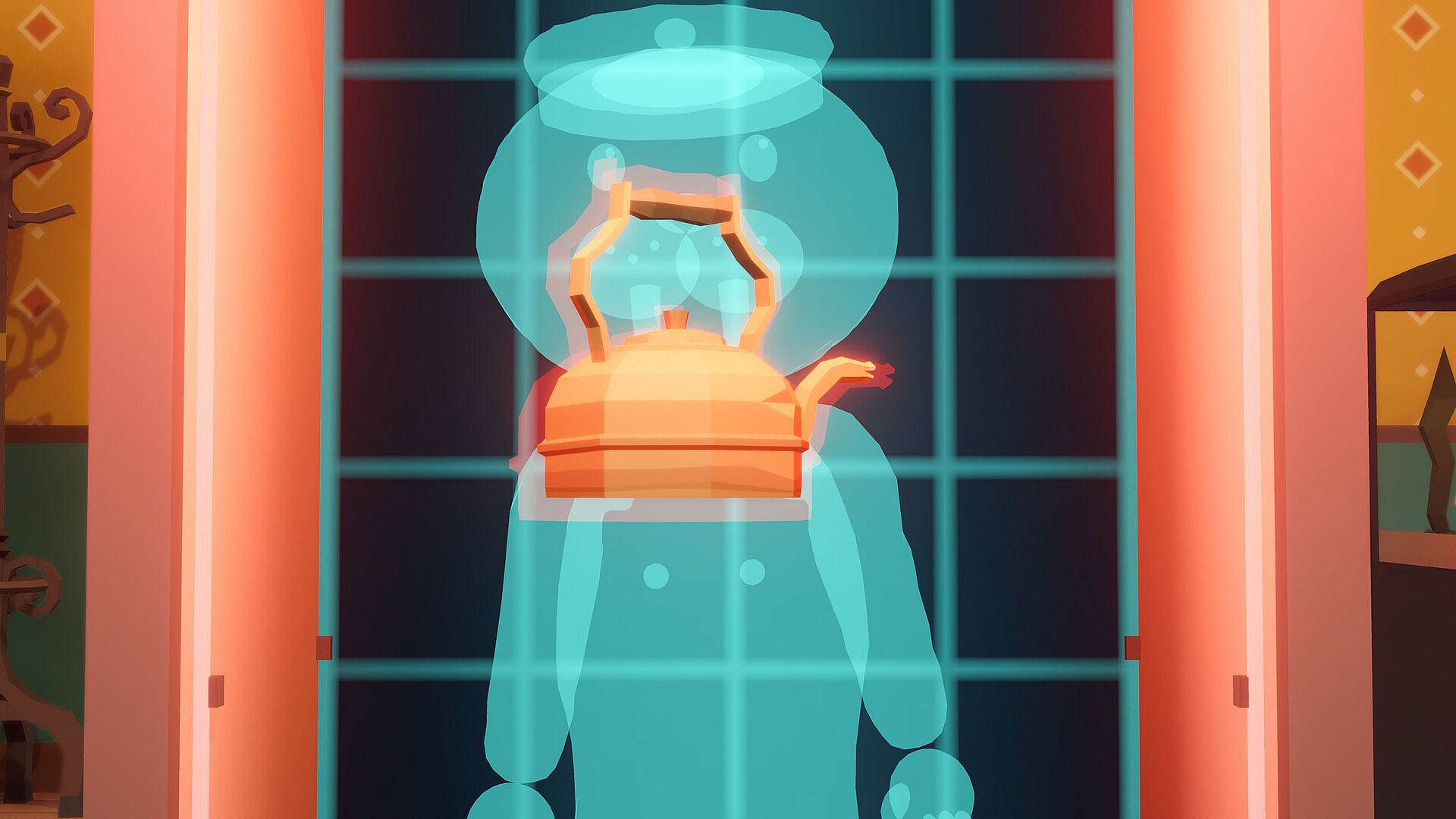
Blackouts provide the main window for action. When the lights fail, valuables glow according to their value, and players move as anonymous shadows. There are 29 distinct hiding spots spread across the hall, reading nook, lobby, laundry, archive, and boiler room. Each lid, door, or chute produces a unique sound that can give away position. Hiding options include the fridge, washing machine, coat closet, laundry chute, and a secret bookshelf passage to the back corridor.
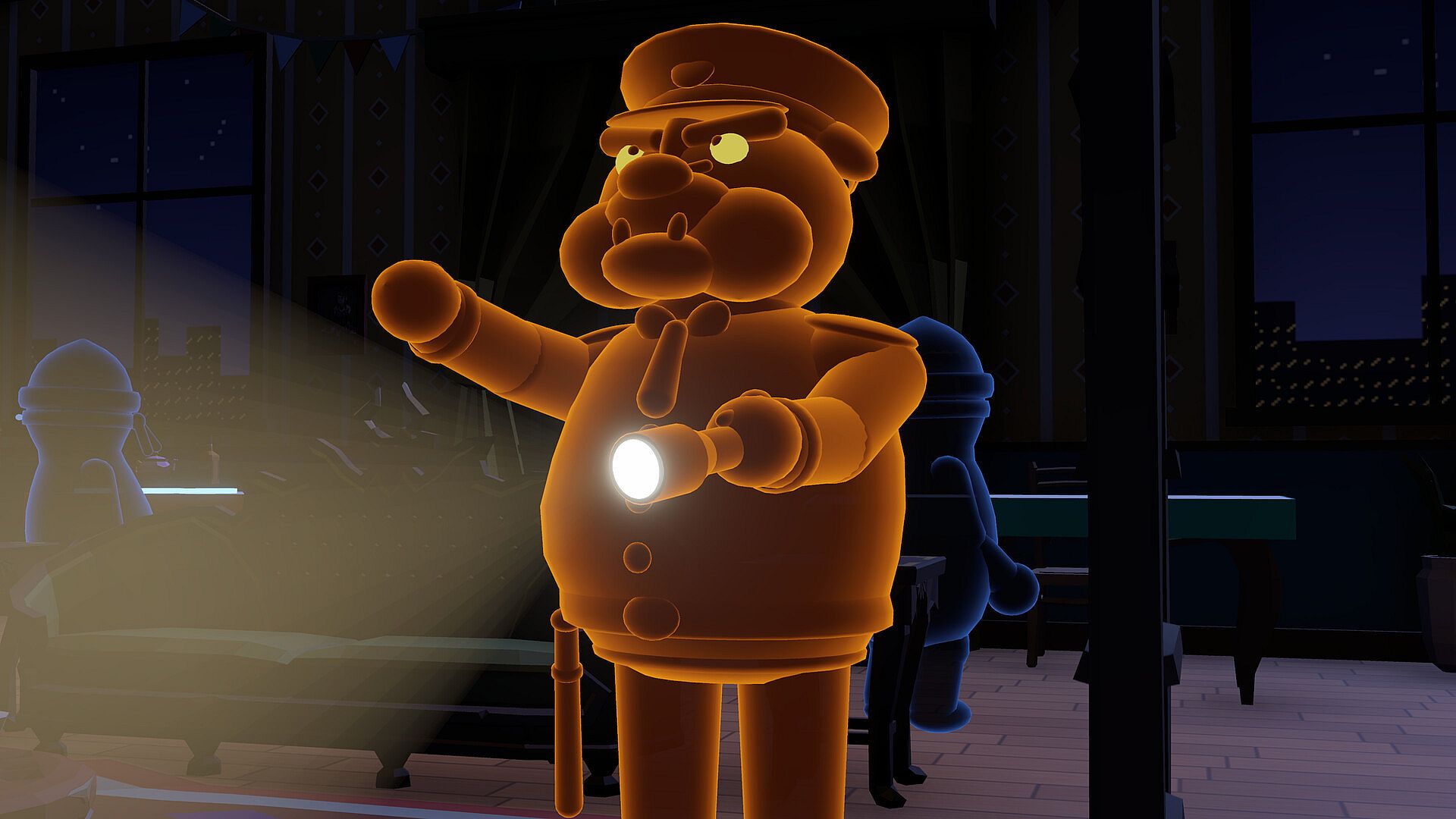
Mr. Grubb, the night porter, patrols with a flashlight and baton. Anyone caught in his beam holding stolen goods faces pursuit and knockout, with the item returned to its owner. In daylight he monitors the tables directly, triggering building-wide calls of "Stop, thief!" on discovery. At night, each player receives one secret action such as ordering a new piece, pawning loot, re-tagging a stolen item at the Workshop, calling for new cards, locking something in a safe, or sending the Broker to acquire a needed piece. A secret envelope job arrives daily with tasks like planting evidence on a rival or cracking the archive safe.
Eight special cards add layers: Warrant, Hound, Spotlight, Night Vision, Magnifier, Double Vote, Clean Pockets, and Second Pocket. Proximity voice chat lets players whisper in the hall or shout during arguments. Solo mode pits players against bots that steal, hide, lie, accuse, and vote in the same style as human opponents.
Game Modes
Online multiplayer supports up to eight players through public rooms via Quick Play, friends-only sessions, and private rooms entered with a code. These modes emphasize real-time competition over collections and accusations. Solo play against bots offers the same systems without requiring other people, allowing practice with the full range of hiding spots, patrols, and voting rounds.
Both modes run across the same six-room layout plus back corridor. The structure stays consistent whether competing with humans or AI, focusing on the daily cycle of display, blackout theft, hiding, and resolution through votes or the X-ray booth.
Key Mechanics and Features
Collection revolves around eight themed sets drawn from 32 pieces plus rarer Club treasures kept in lobby cages. Completing a set of four delivers a substantial bonus that contributes to the overall score. The game ends when one player reaches a total collection value of 1,400 or holds the single most valuable collection when the club closes after five days.
Sound design plays a central role. Every interaction with a hiding place produces an audible cue that neighbors can hear, forcing careful timing and positioning. The X-ray booth and voting system create tension during daylight arguments, while night actions and envelope jobs add private strategy layers that unfold over multiple rounds.
Mr. Grubb serves as the consistent threat across both day and night phases. His flashlight patrols during blackouts and table oversight during the day keep movement risky and force players to weigh immediate gains against the chance of capture.
Is It Worth Playing?
Thieves Next Door suits players who enjoy social deduction combined with light stealth and collection goals. The mix of public arguments, hidden actions, and sound-based risk creates repeated moments of tension and misdirection. Multiplayer sessions reward quick thinking during votes and careful planning of night moves, while solo play against bots provides a complete experience for those who prefer to practice or play alone.
The game offers clear progression through daily cycles and multiple paths to victory via set completion or high-value single items. Its casual indie scope keeps sessions focused without overwhelming systems. Anyone drawn to games that mix theft mechanics with accusation and bluffing will find a consistent loop here, supported by the full set of 29 hiding places, eight cards, and both human and bot opponents.