








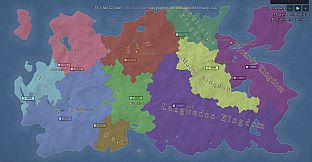
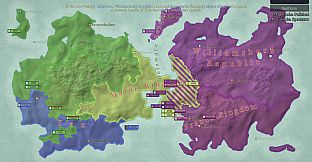
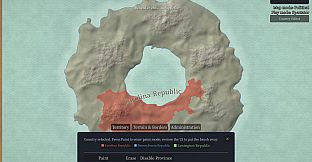
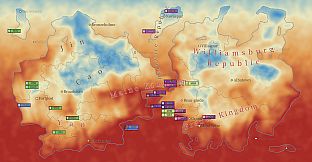
Things That Happen on the Map - Realm Simulator is a strategy and simulation game built around a living world sandbox. Players observe and influence the rise and fall of nations, settlements, lineages, and personal stories across generations on a single evolving map. The experience blends grand strategy elements with intimate simulation details, allowing shifts in perspective from continental borders to individual daily lives. Released in early access on PC, the title focuses on interconnected systems that turn small actions into large historical shifts.
Gameplay
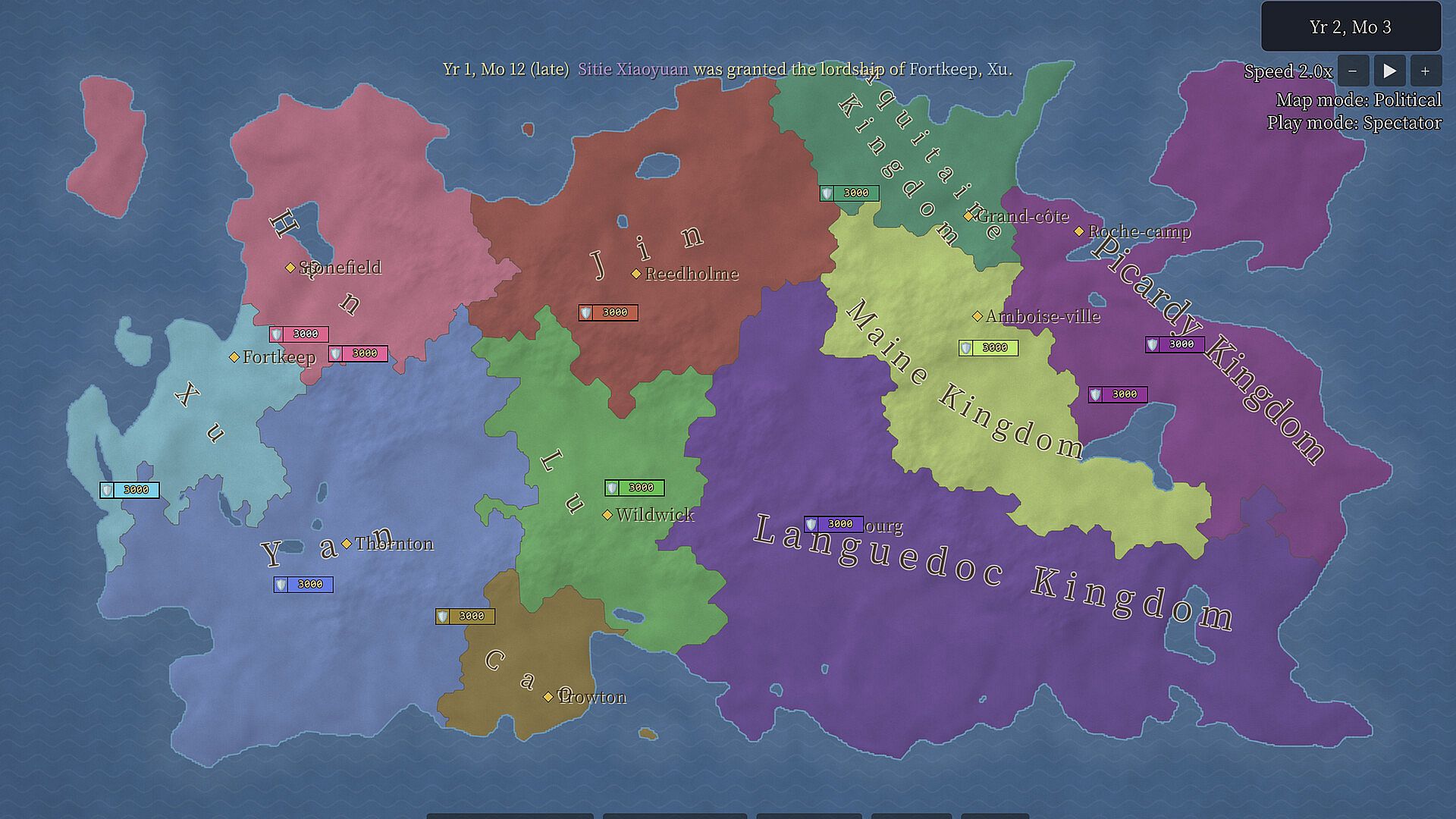
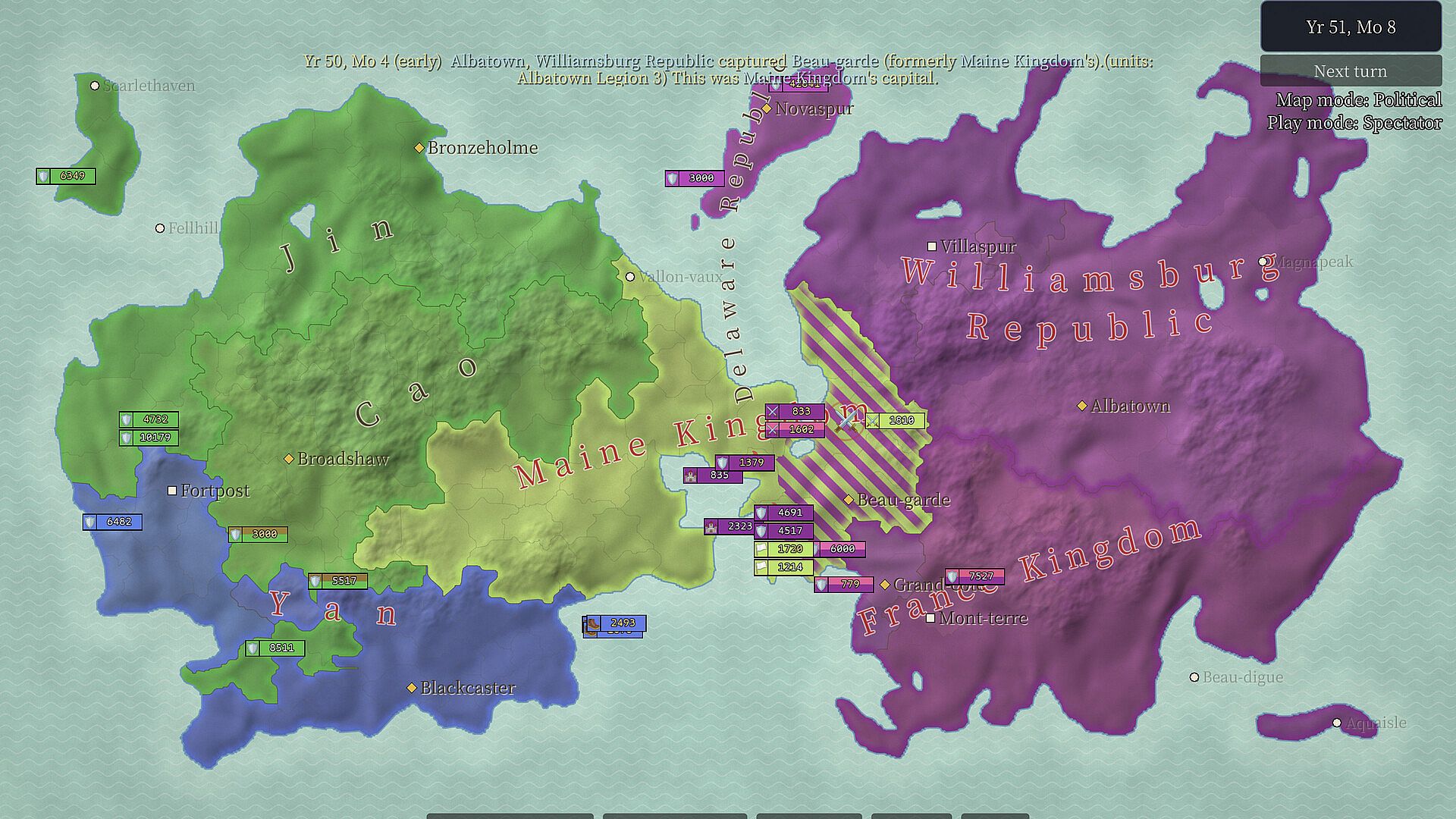
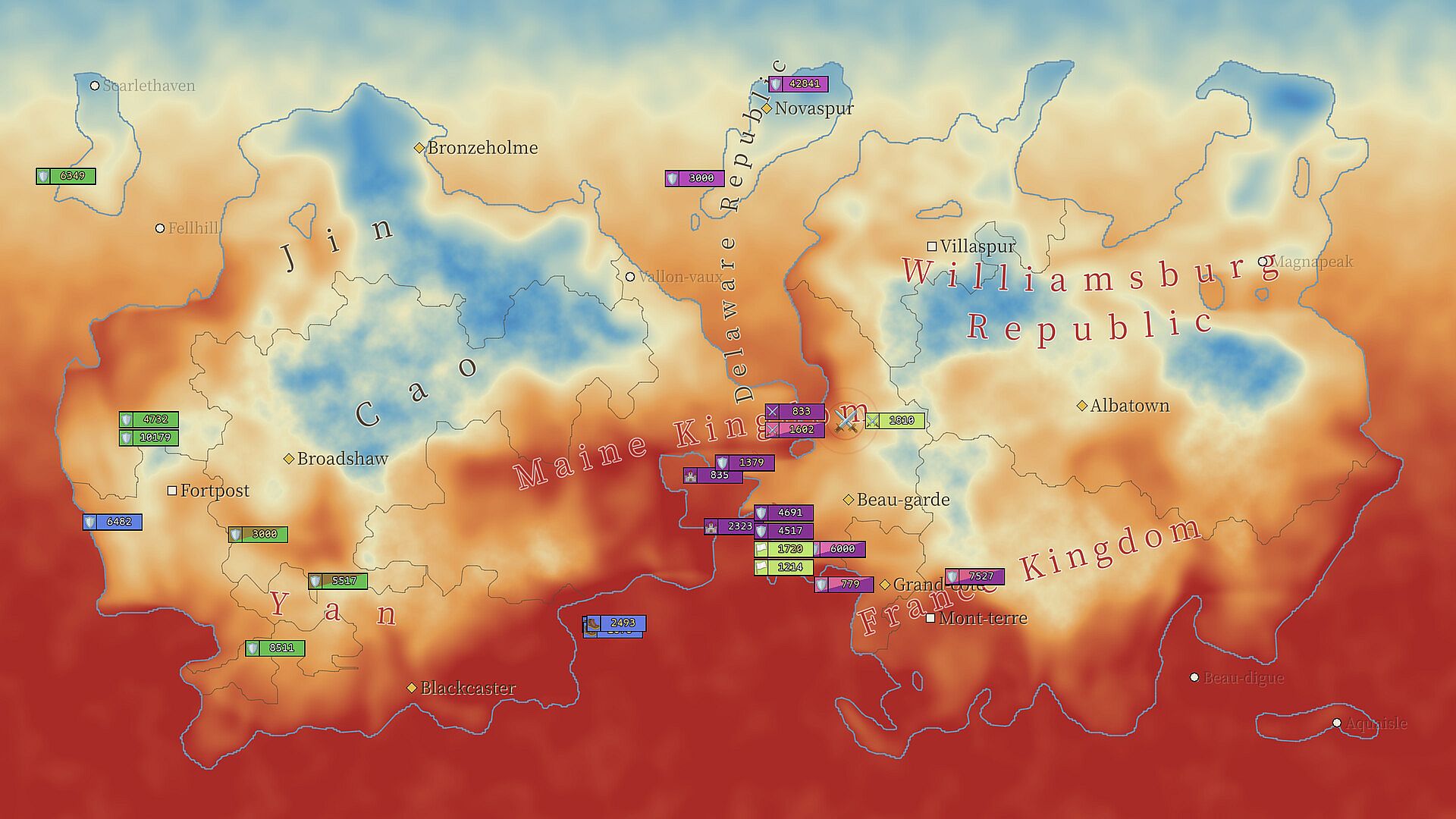
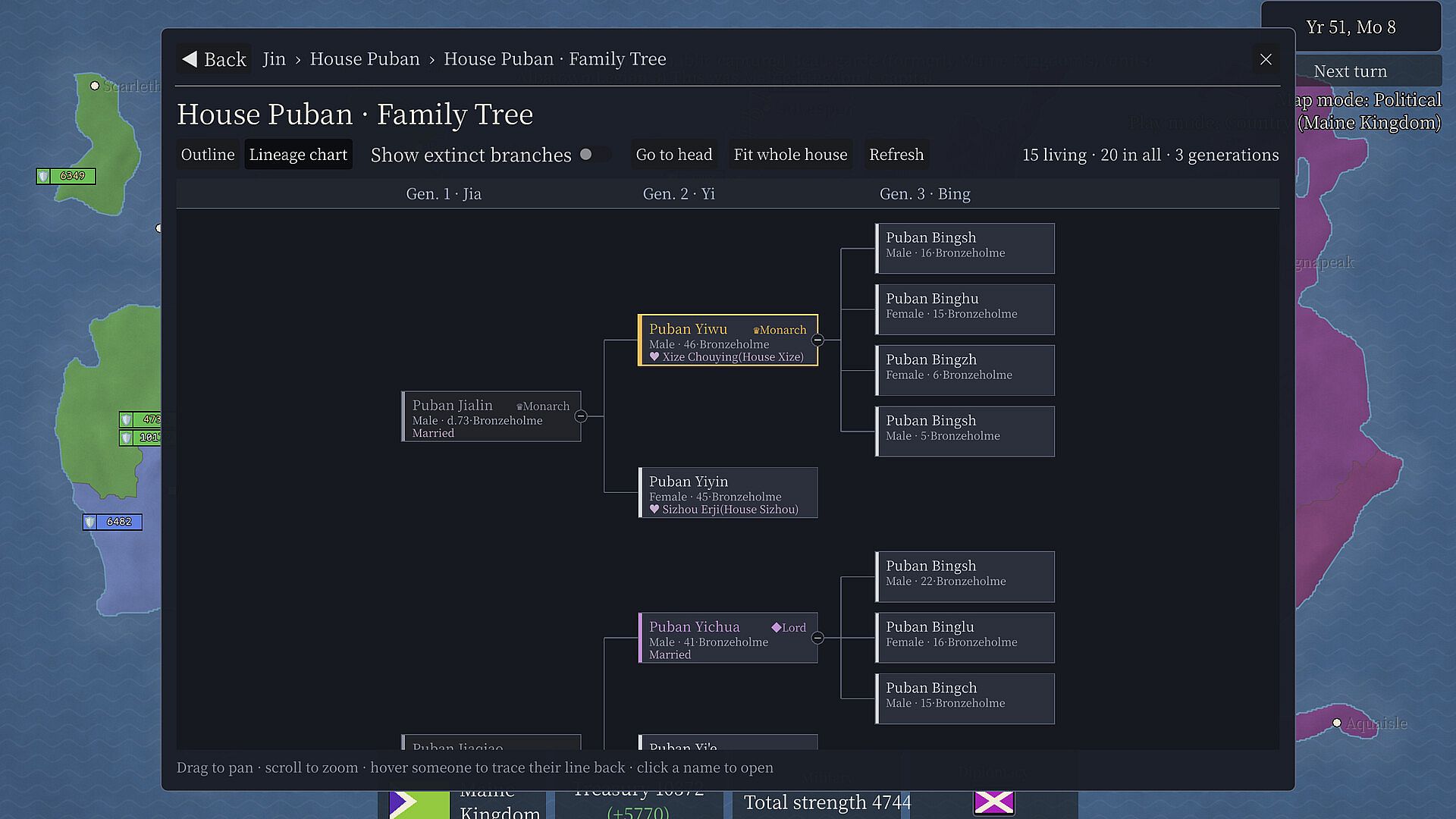
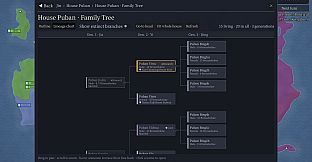
The core loop centers on watching systems interact and occasionally intervening to guide outcomes. At the largest scale, countries expand or contract through wars, treaties, and internal politics. Economic pressures and resource flows determine which cities grow into regional powers and which fade into obscurity. Zooming closer reveals how geography shapes settlement patterns and how cultural traits pass between generations within families. Individual characters carry personal ambitions, relationships, and skills that feed back into larger events. A single decision at the family level can ripple outward, altering trade routes or sparking conflicts that redraw borders decades later. The simulation runs continuously, with events propagating through connected layers rather than occurring in isolation.
Players track these changes by adjusting the view between macro and micro levels. Rising powers appear through shifting alliances and military campaigns. Declining regions show through shrinking territories and struggling settlements. The connection between scales means a cultural shift in one city might influence neighboring families, which in turn affects regional stability. Performance and interface elements remain under active refinement as development continues.
Game Modes
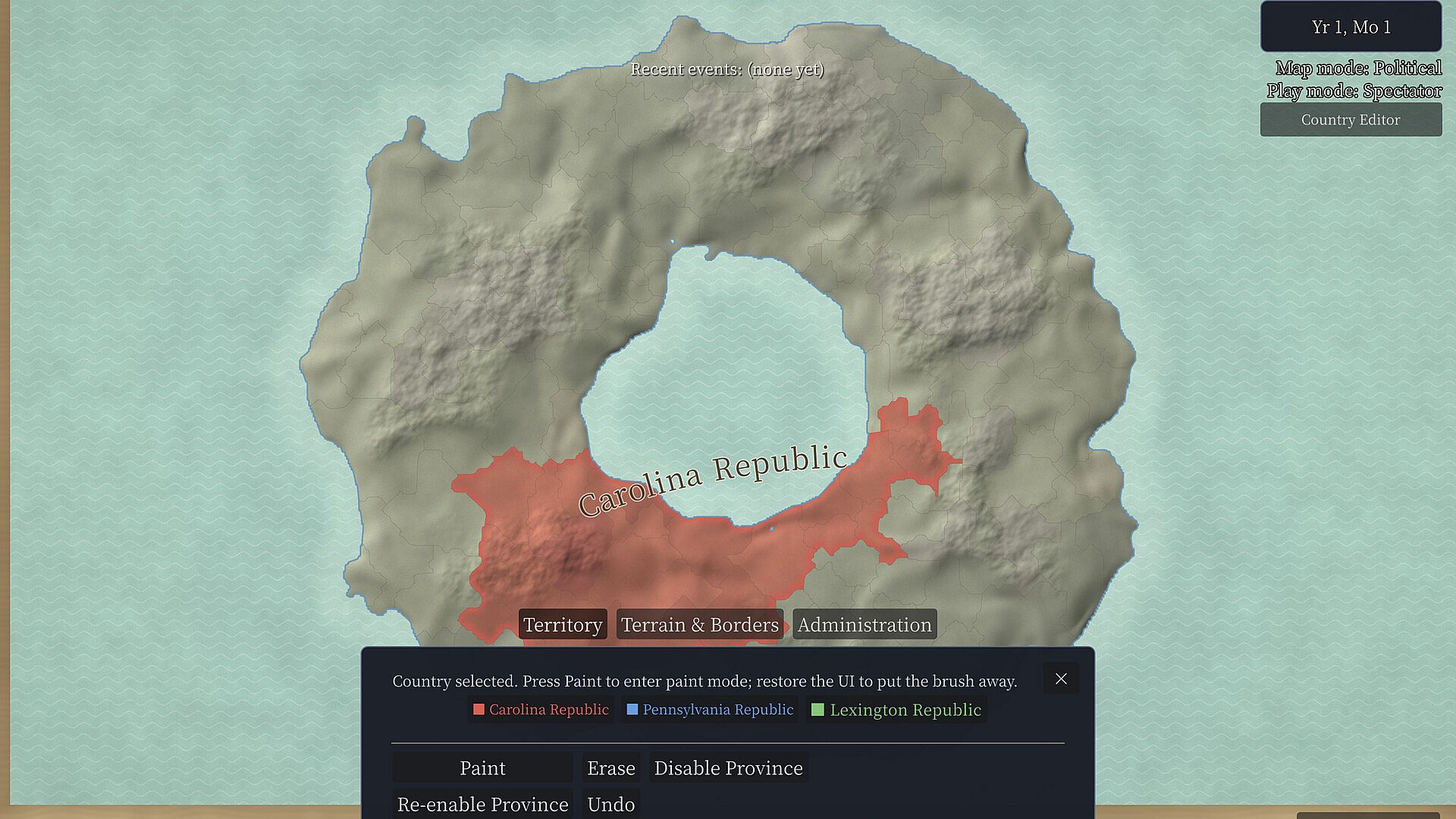
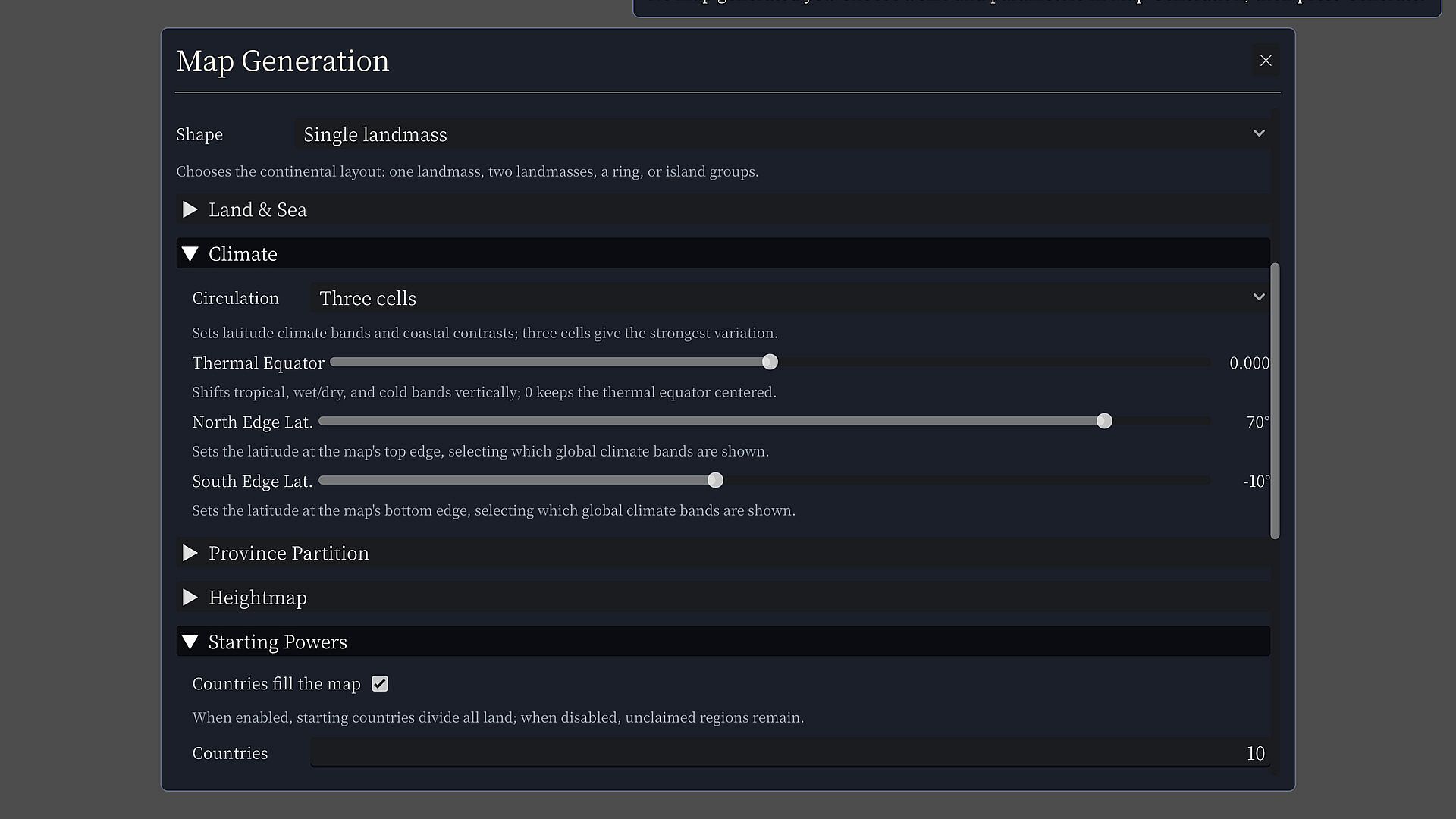
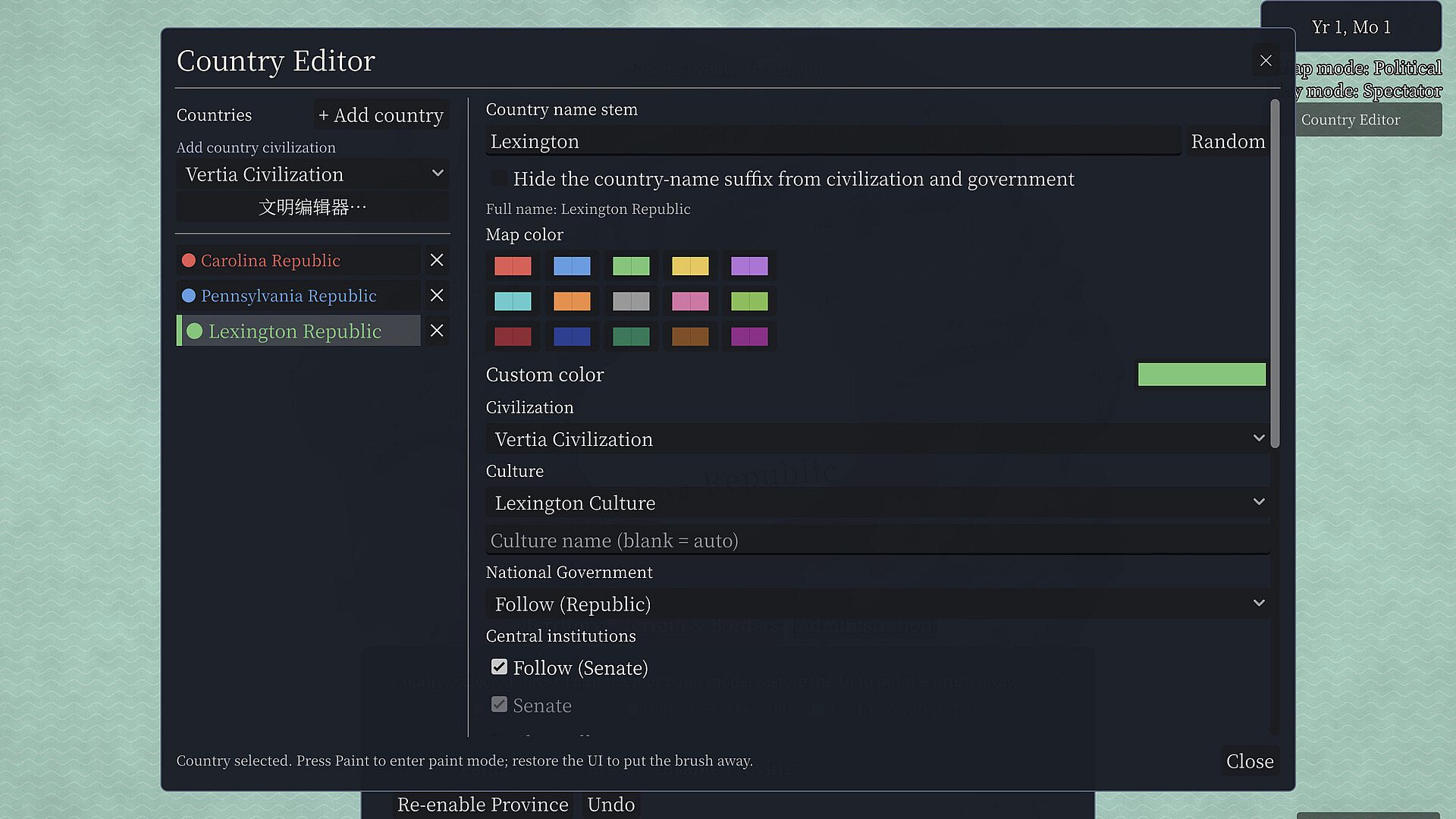
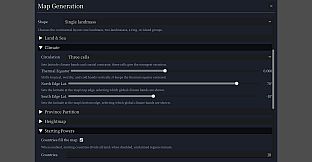
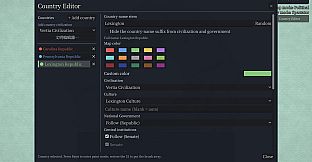
The game operates as a continuous sandbox simulation without discrete named modes. Players begin with a generated or custom map and let the systems run while observing or directing key interactions. Focus can shift freely between overseeing national diplomacy and following a single lineage across multiple generations. The absence of structured scenarios keeps emphasis on emergent stories created by the underlying mechanics. War and economic systems operate alongside character and cultural layers at all times, producing varied outcomes based on initial conditions and player choices.
Stories in a Changing World
Memorable narratives emerge naturally from the simulation rather than from scripted quests. A city might persist long after its founding nation dissolves, sustained by local trade and family networks. A single household could climb from modest origins to influence national policy before fading due to shifting alliances or resource shortages. Borders that once defined empires may dissolve quietly over time as populations migrate and cultures blend. These outcomes arise from the interplay of war, diplomacy, economics, and geography, with small incidents capable of cascading into regional transformations.
The design encourages repeated observation of the same map under different starting conditions. Each playthrough highlights how individual lives connect to broader historical patterns without requiring direct control over every element. Active development means new systems and refinements continue to expand the range of possible stories.
Is It Worth Playing?
The game suits players interested in strategy and simulation titles that emphasize long-term observation and emergent history. Its strength lies in the layered systems that link personal stories to national events, creating organic narratives without heavy scripting. Because it remains in early access, core mechanics, balance, and performance continue to evolve based on ongoing work. Those who enjoy watching complex interactions unfold over extended periods will find the current version offers a functional window into that process. The experience rewards patience and curiosity about how small changes scale into lasting consequences across maps, cities, and families.












