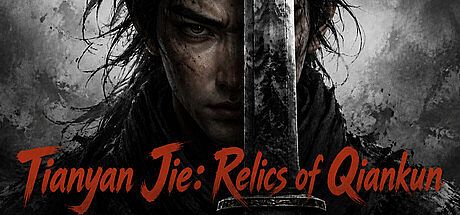


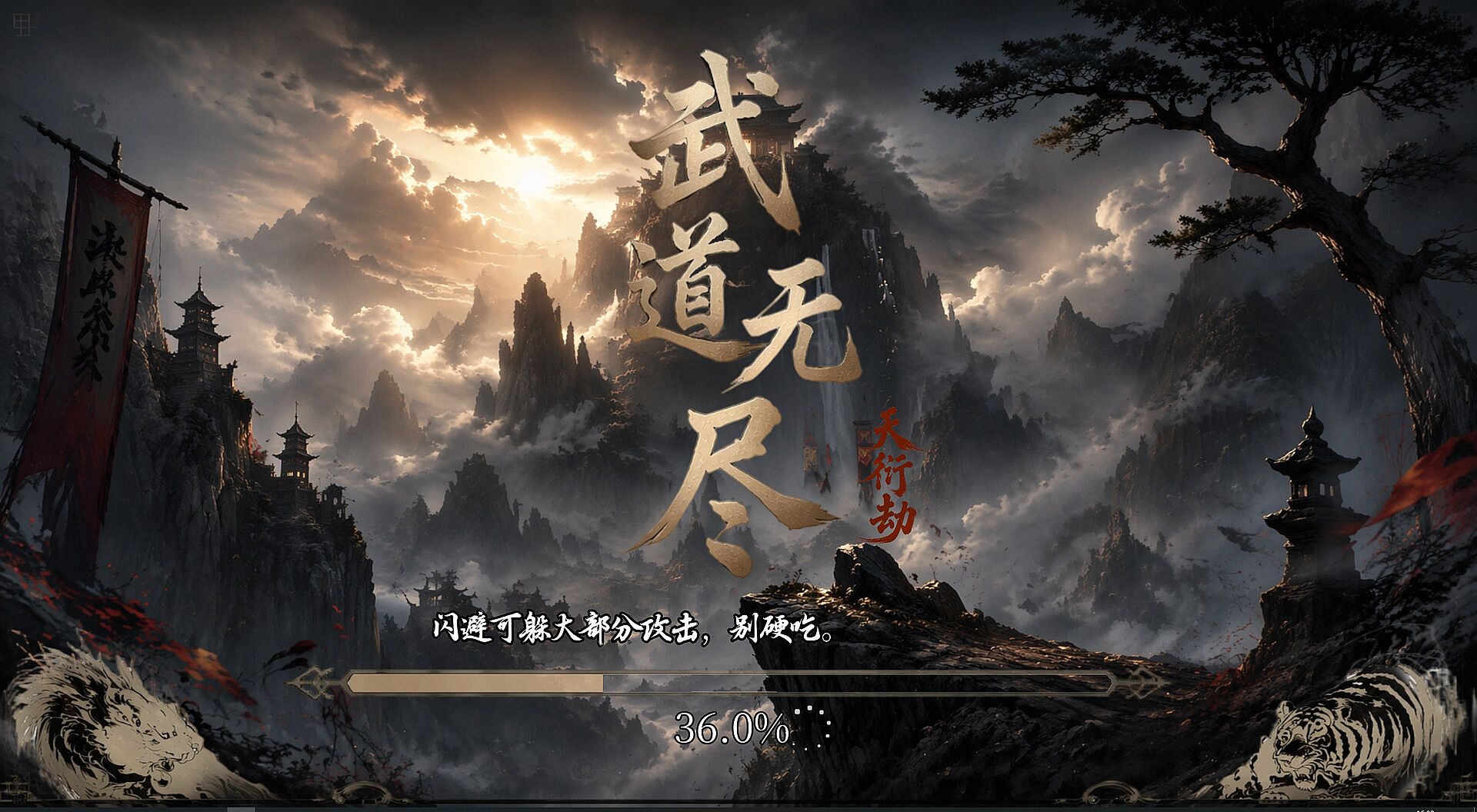
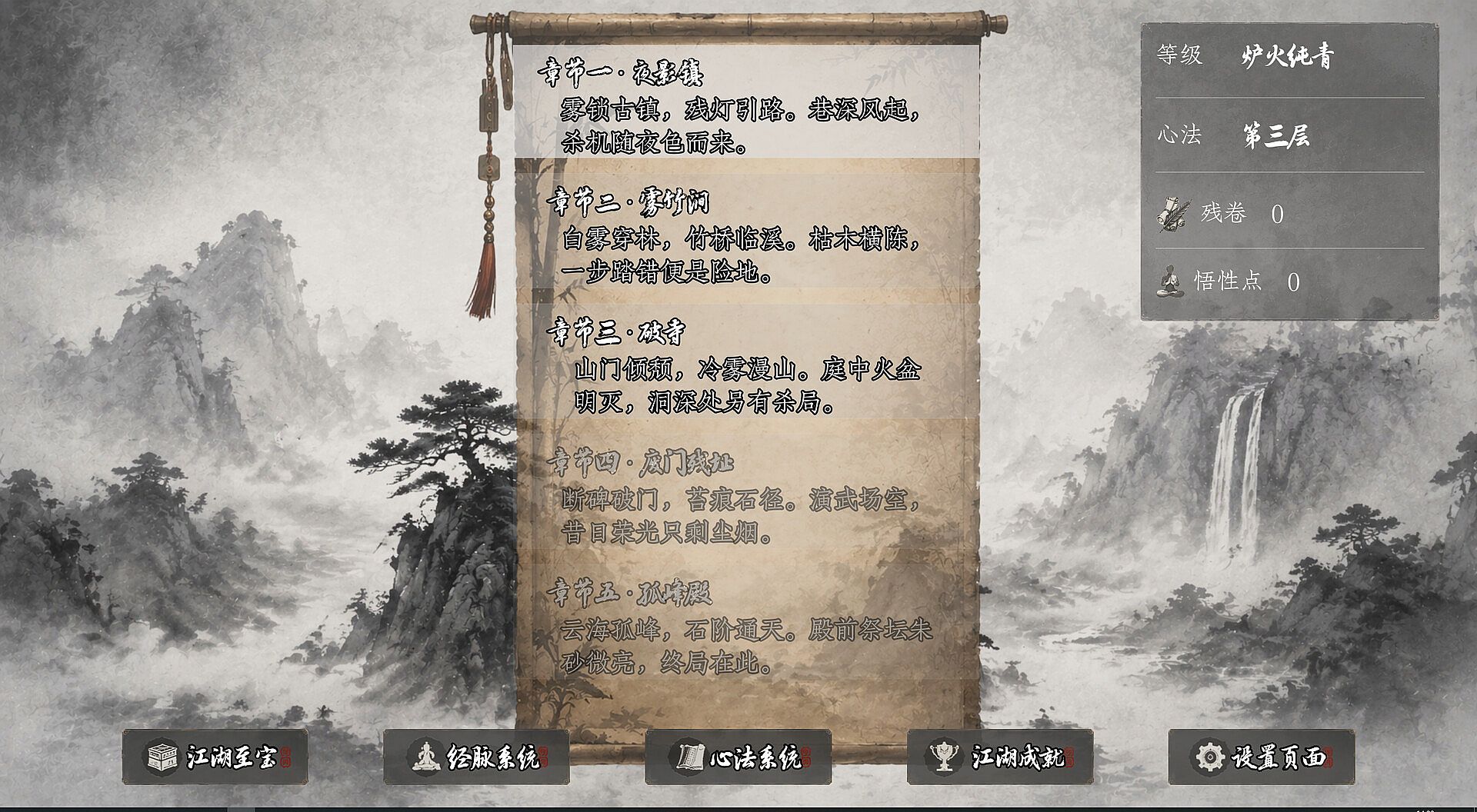

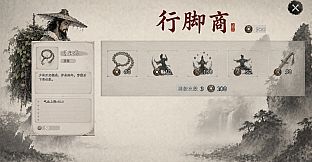
Tianyan Jie: Relics of Qiankun is a single-player action roguelike RPG that places players in a dark ink-wash wuxia setting filled with mist-shrouded dangers and martial challenges. The game emphasizes room-to-room progression where each run builds on choices involving weapons, abilities, and collected items to create varied paths through hostile environments.
Gameplay
Core gameplay revolves around linked rooms that players clear through melee-focused combat. Chain attacks to handle groups of enemies while managing crowd control to maintain momentum across encounters. Each successful room grants rewards that feed into ongoing builds, allowing experimentation with different combinations on repeated attempts.
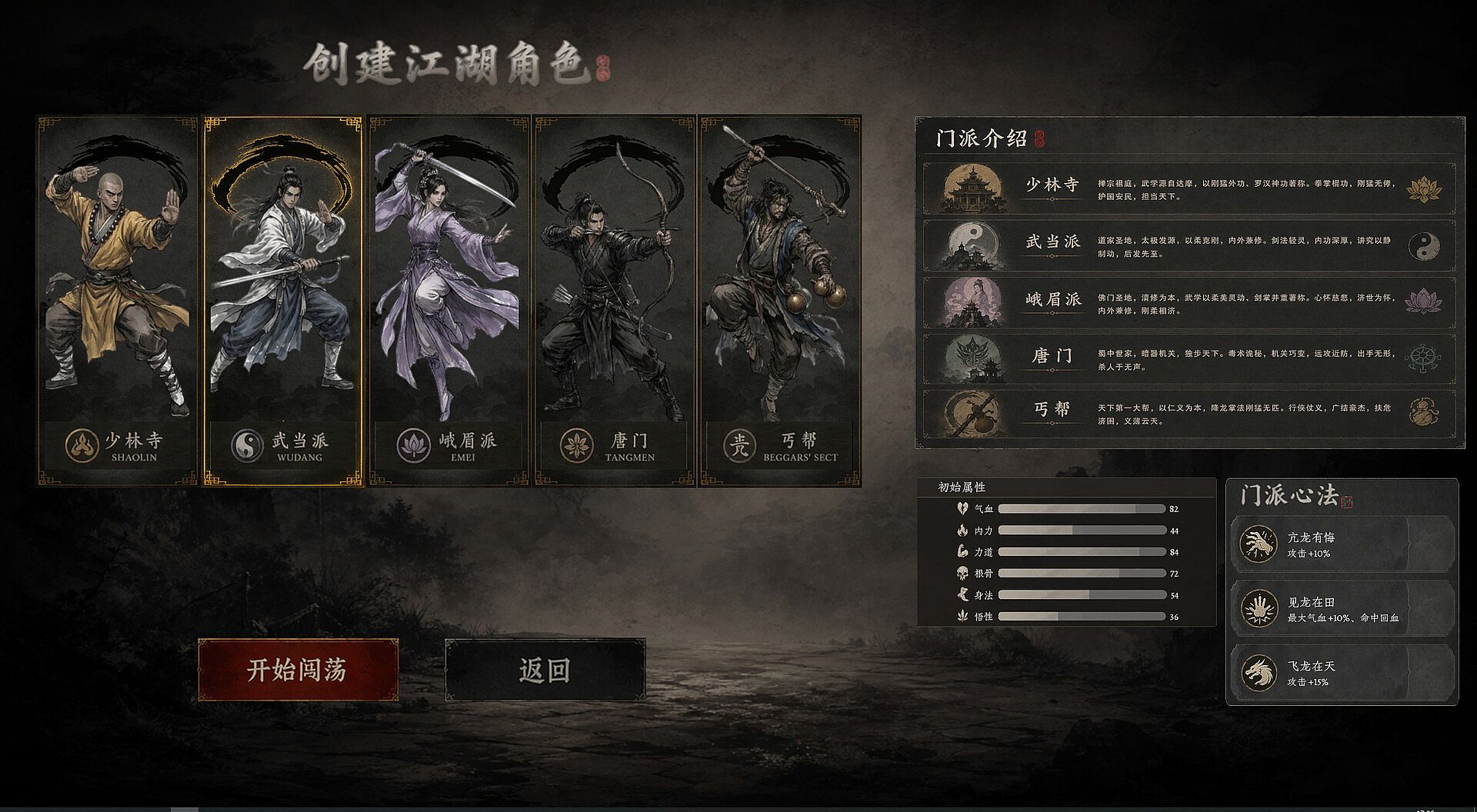
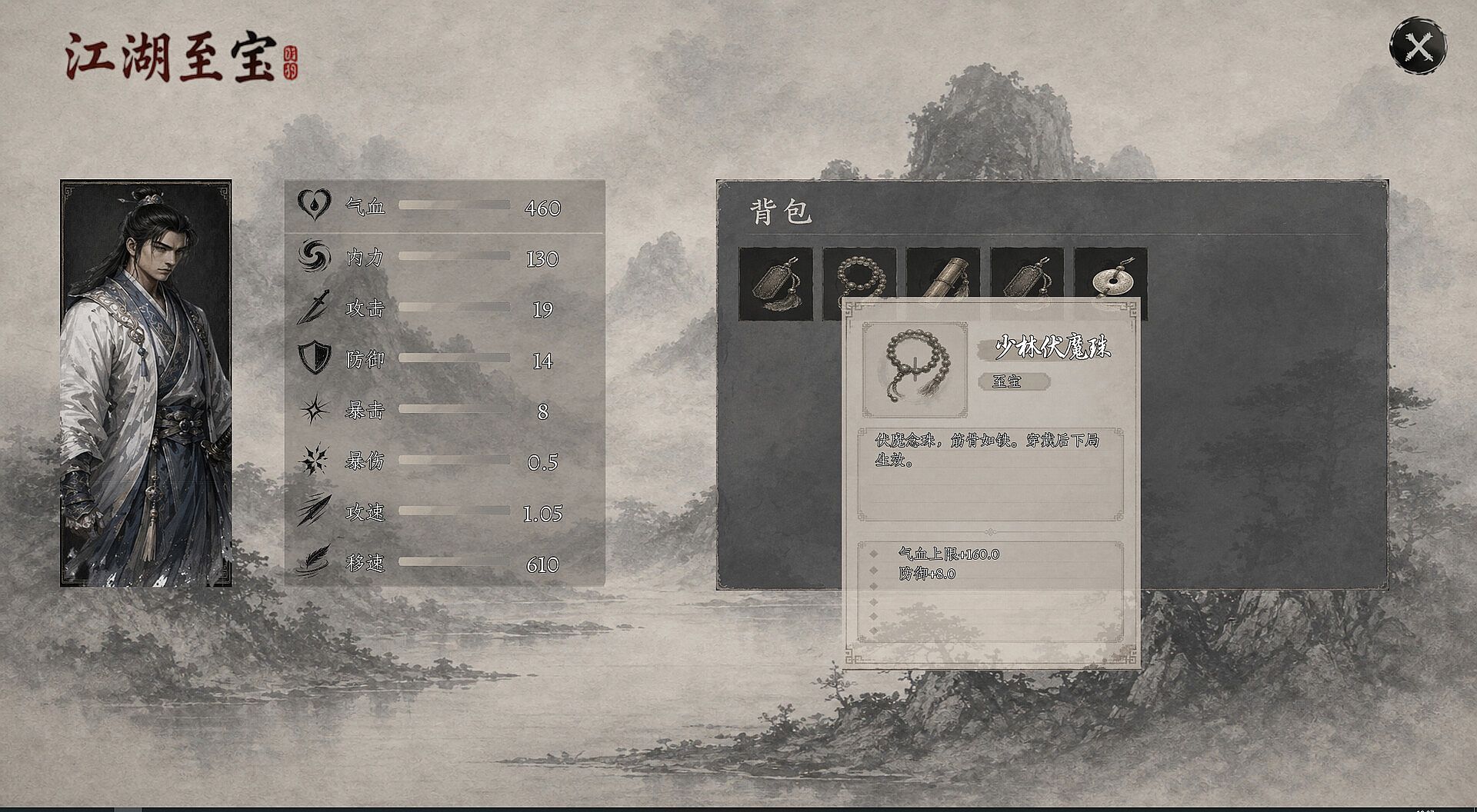
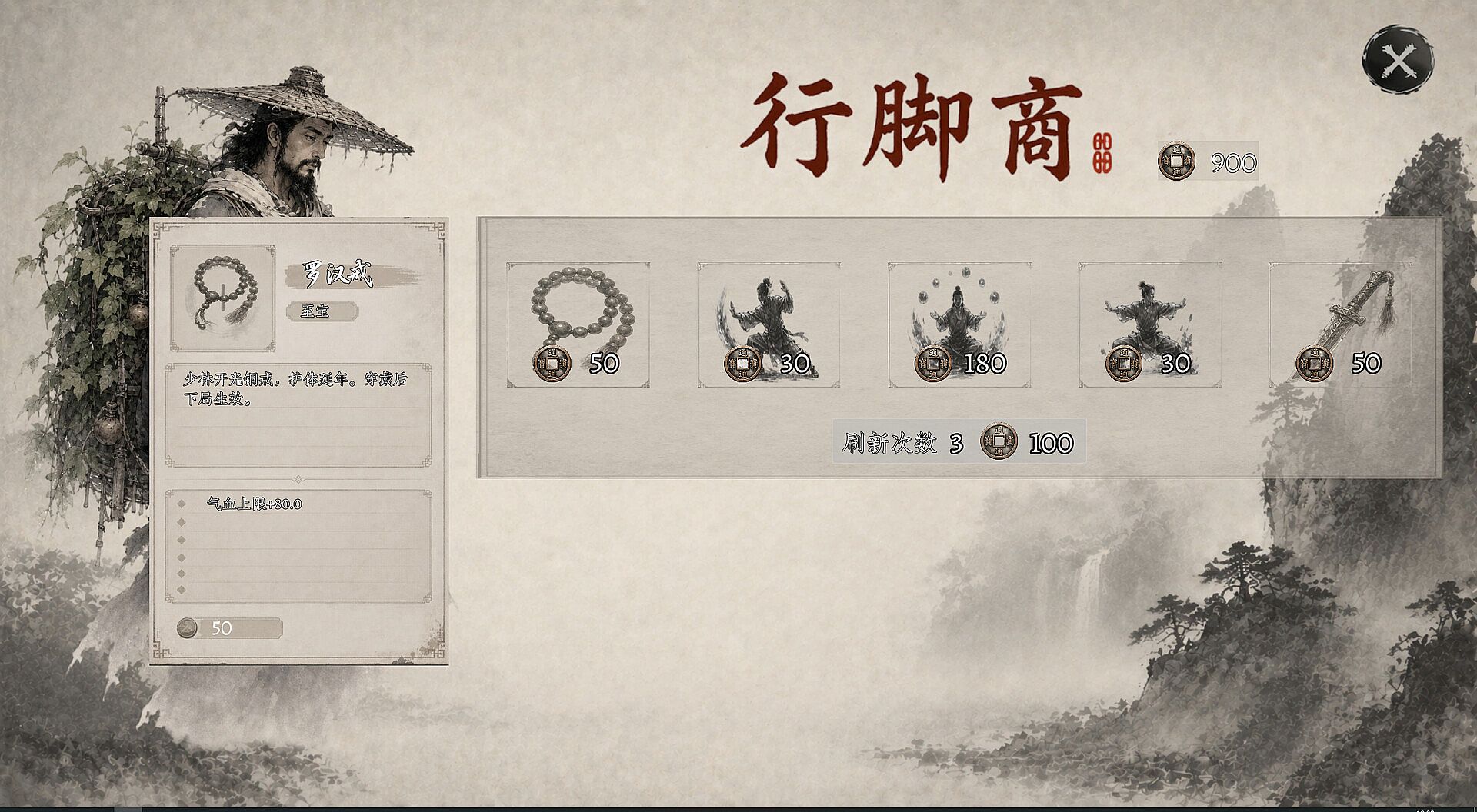
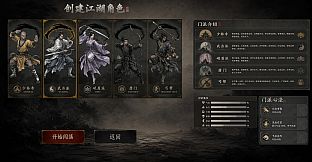
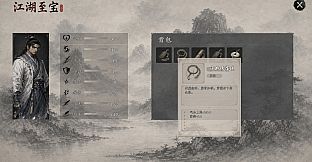
Secret manuals and legendary Qiankun relics serve as key elements for customization. These items integrate with martial arts techniques and meridian growth systems to alter how runs unfold. Players select a martial sect at the start, which influences available options and shapes the overall approach to combat and survival.
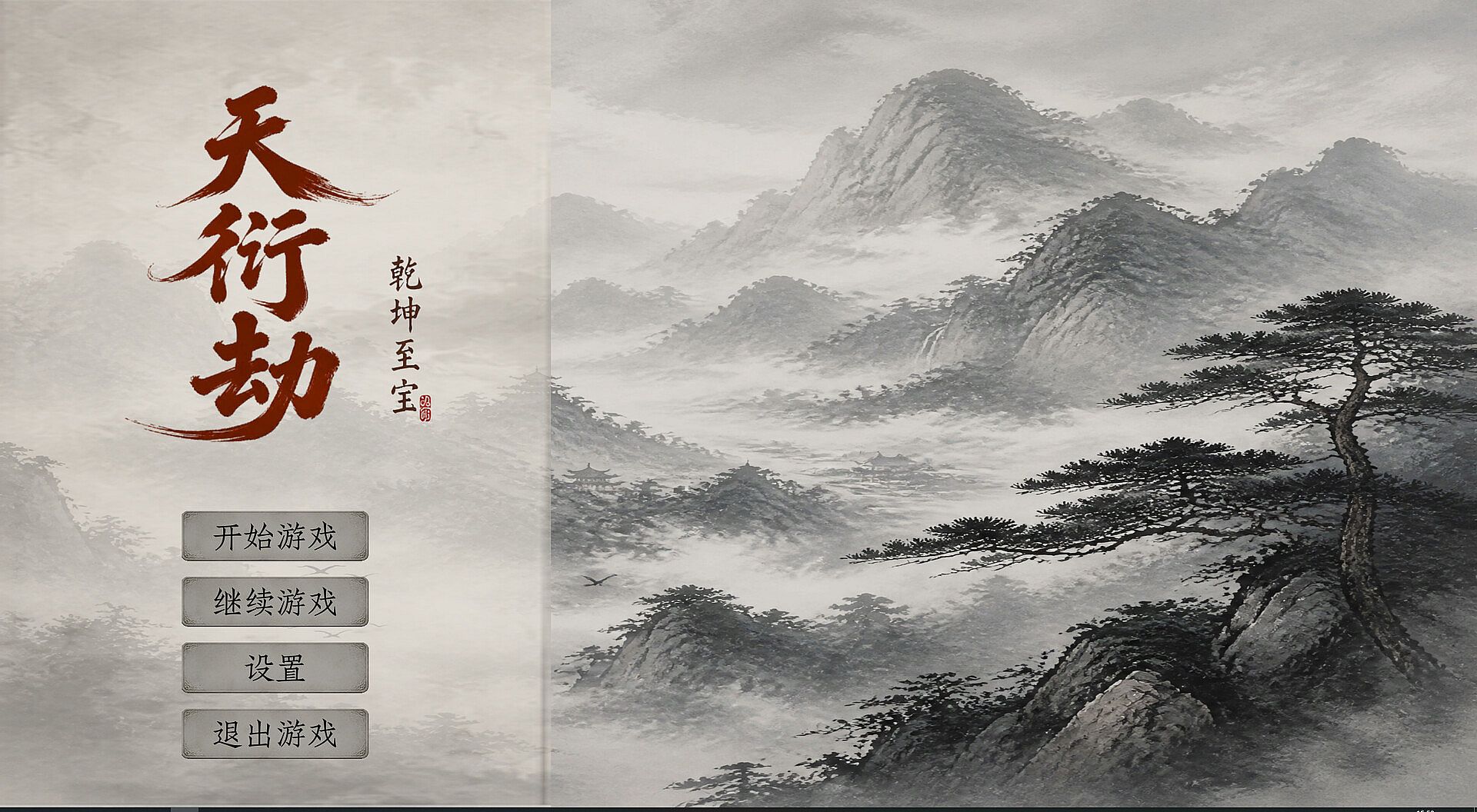
The ink-wash visual style uses moody teal-grey palettes, volumetric fog, and atmospheric effects to evoke a cinematic wuxia feel. This presentation supports the focus on pattern recognition and positioning during fights, where learning enemy behaviors becomes essential for advancing further in any given run.
Game Modes
The primary experience centers on single-player roguelike runs that reset upon failure but carry forward knowledge of patterns and effective combinations. Room-to-room traversal forms the backbone, with rewards encouraging repeated play to test new builds and push deeper into the jianghu-inspired world.
No separate multiplayer or co-op modes appear in available details. The structure stays firmly on individual progression, where each attempt refines tactics around melee combos and resource management from collected relics and manuals.
Build Variety and Progression
Deep in-run customization comes from weaving together secret manuals, Jianghu relics, martial arts, and meridian growth. These elements combine to produce distinct playstyles across runs, turning basic melee chains into more complex strategies that adapt to different enemy groups and room layouts.
Players collect and experiment with these systems during each attempt. Rewards from cleared rooms directly support build evolution, creating fresh paths without relying on permanent unlocks beyond personal skill improvement.
Visual and Atmospheric Elements
The ink-wash aesthetic defines the presentation with its restrained color palette and fog effects that enhance the sense of hidden threats. This style aligns with the wuxia theme, where every encounter feels deliberate and tied to the environment rather than flashy distractions.
Atmosphere supports the roguelike loop by making exploration and combat feel cohesive. Volumetric elements contribute to tension during fights, encouraging careful movement and timing in melee engagements.
Is It Worth Playing?
Tianyan Jie: Relics of Qiankun targets fans of single-player action roguelikes who enjoy melee combat loops and iterative build experimentation. The room-based structure and emphasis on pattern learning reward persistence across multiple runs.
A playable demo is planned ahead of launch, giving interested players a chance to test the core systems before full release. The game remains in a coming-soon state with wishlist availability on PC, focused on refining the wuxia roguelike experience described in its features.
Those drawn to indie action RPGs with strong visual themes and combat depth may find value in the sect selection and relic integration. The single-player focus keeps attention on personal progression rather than external competition.