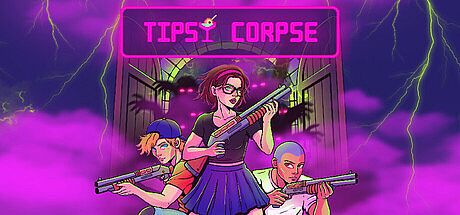


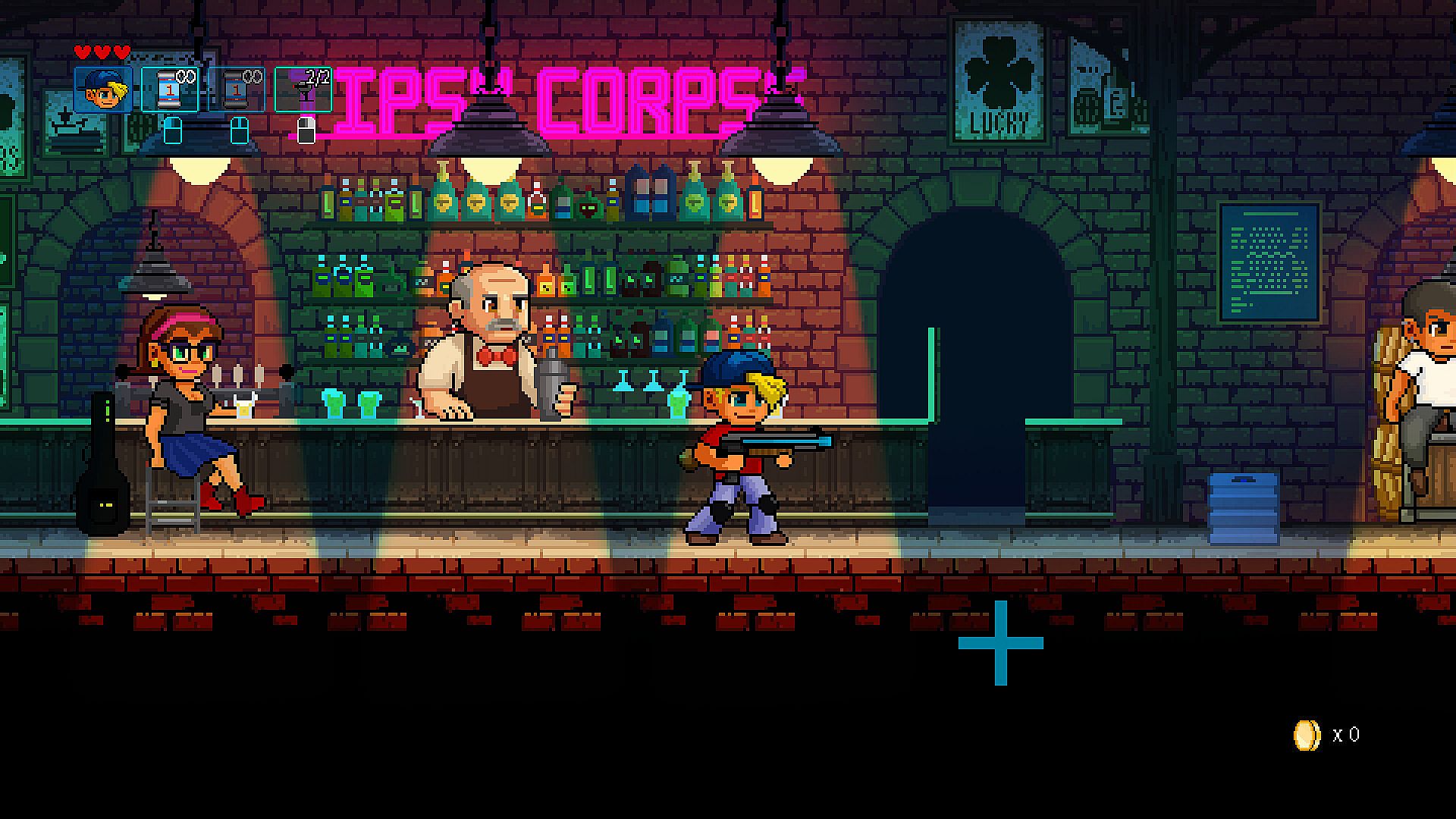
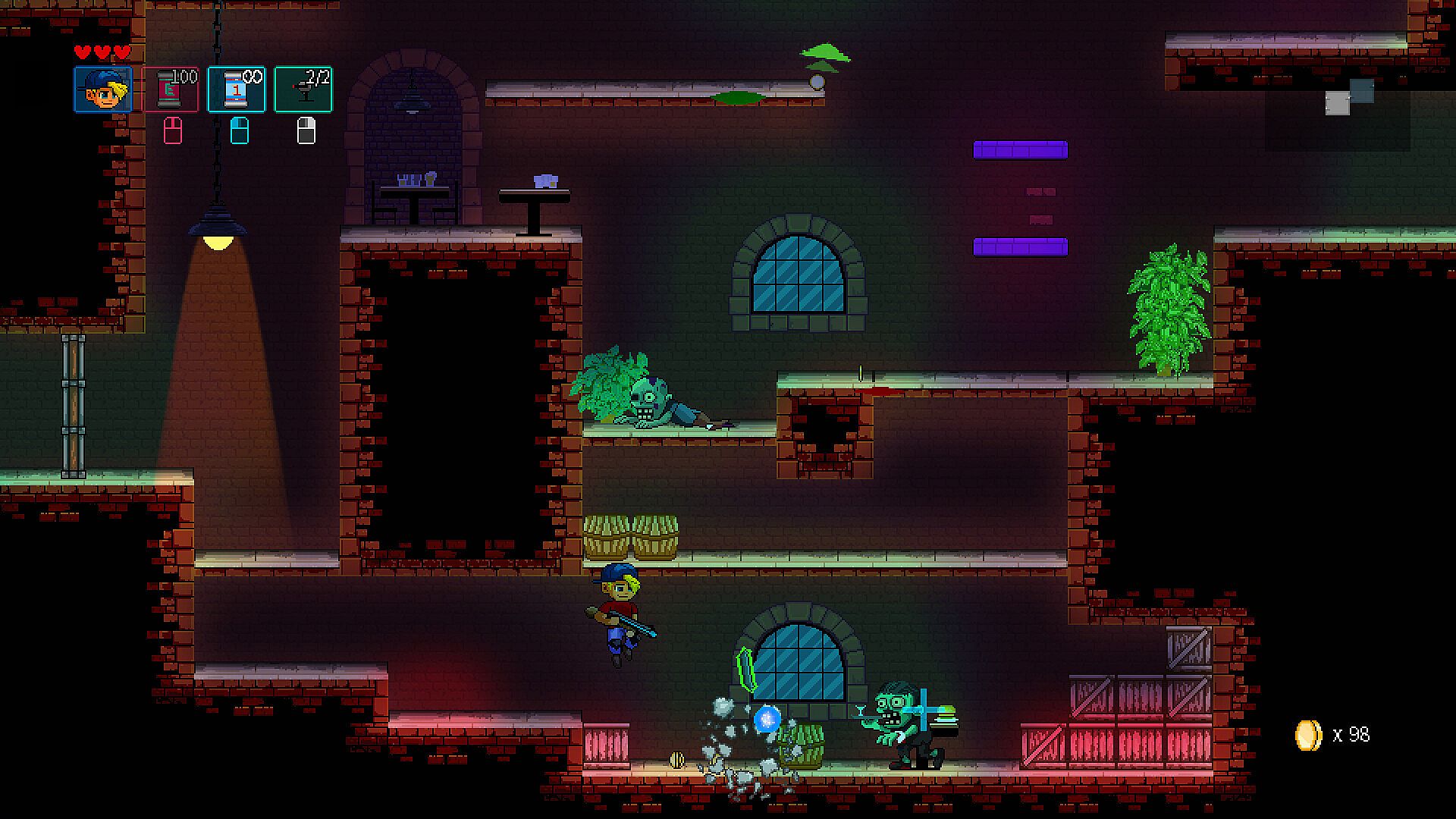
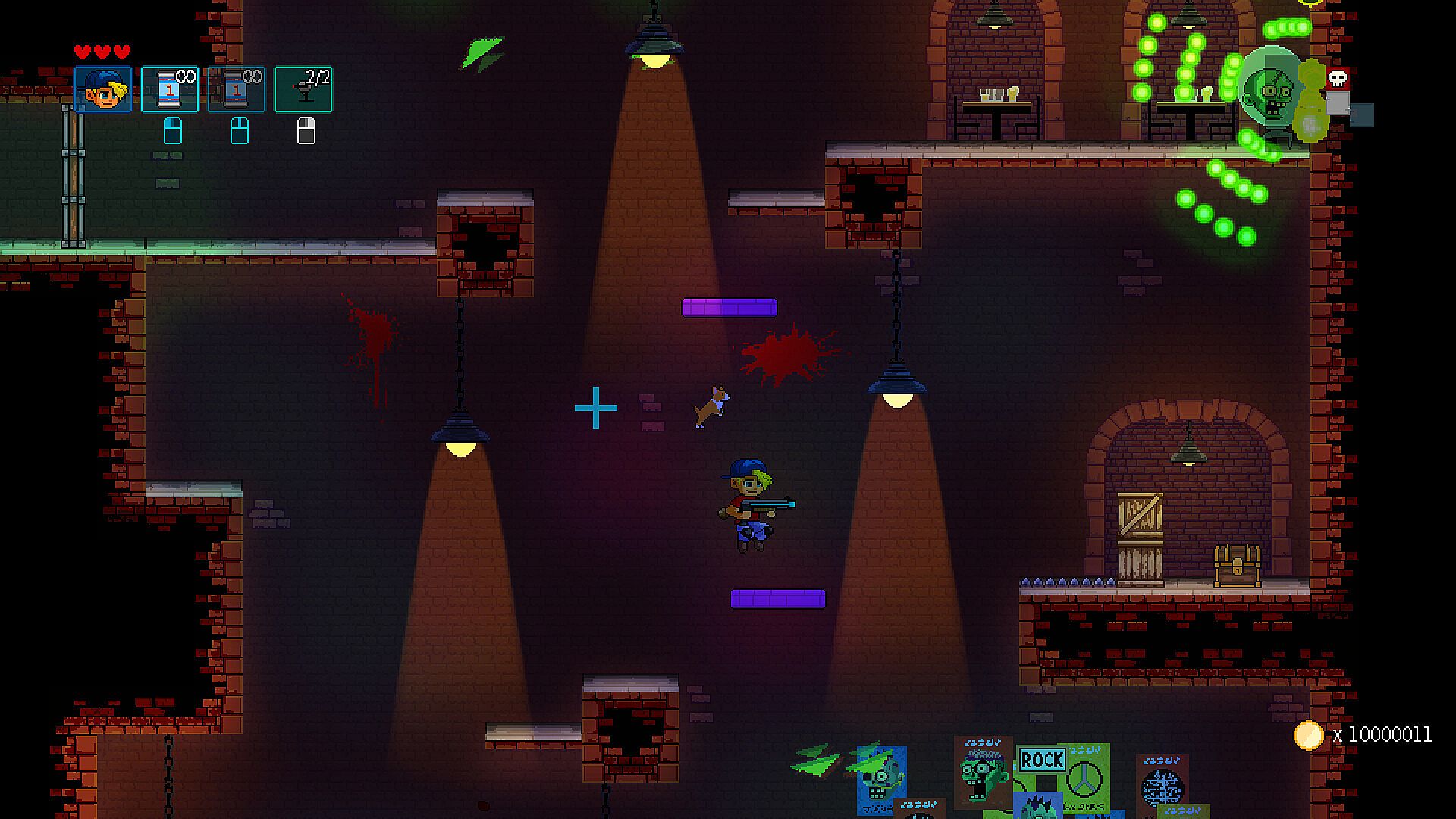
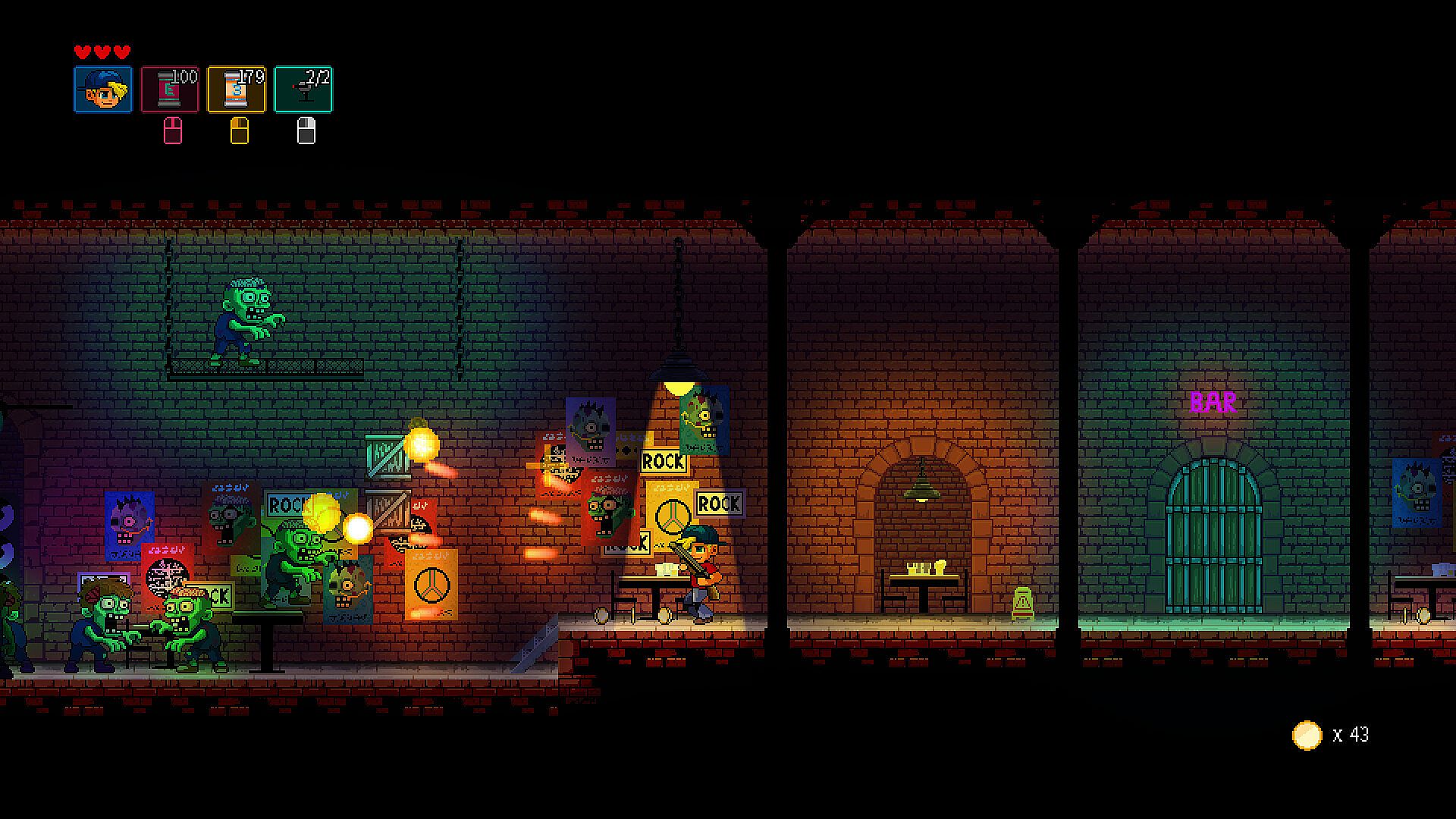
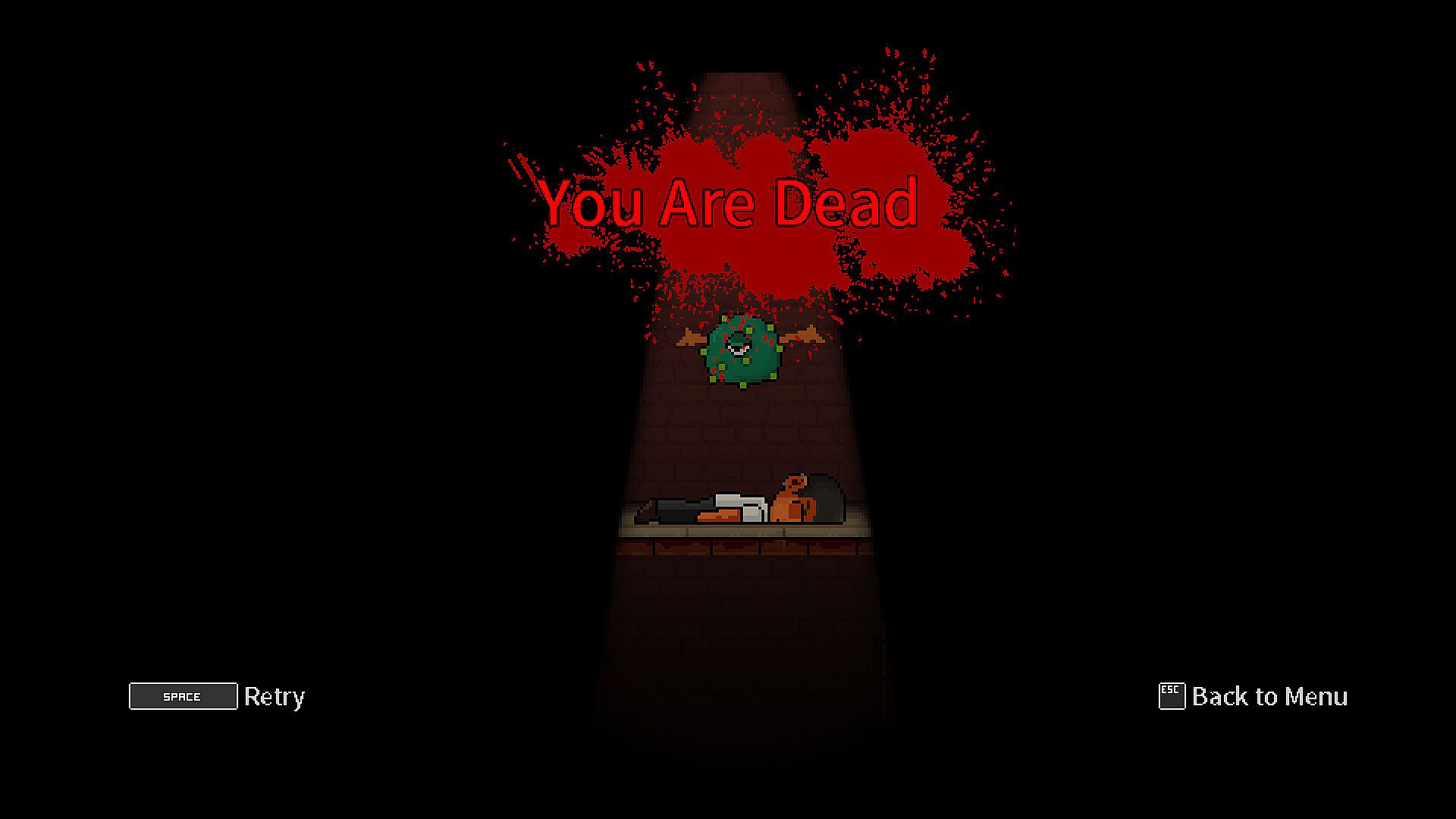
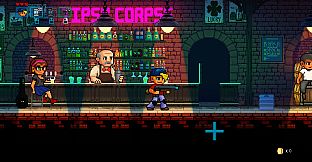
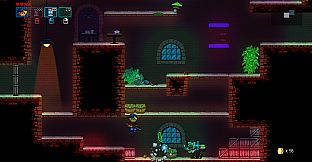
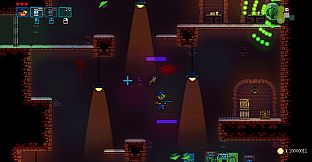
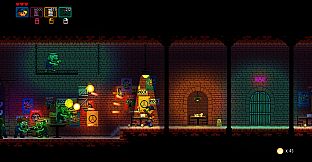
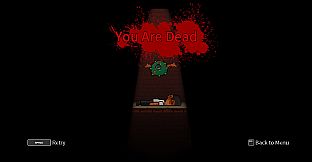
Tipsy Corpse is a twin-stick rogue-lite action game set in a small-town bar that becomes ground zero for a zombie and monster invasion. Players take control of one of three distinct characters to clear dungeons, manage resources, and survive procedural runs filled with environmental hazards and enemy hordes.
Gameplay
The core loop centers on twin-stick shooting combined with roguelite progression. Movement and aiming rely on separate controls, allowing precise navigation through rooms while firing at waves of zombies, monsters, and demonic creatures. Weapons serve as primary tools, but the environment and crafted cocktails provide additional layers of strategy. Cocktails introduce unpredictable modifiers that alter enemy behavior, gravity, visuals, or player abilities for the duration of a run.
Progression requires earning access to boss encounters rather than facing them immediately. Clearing elite rooms and defending Nexus points builds toward these confrontations at the end of each dungeon. Hidden ingredients scattered throughout levels support recipe crafting, which unlocks new modifiers and permanent upgrades purchased from a vendor between runs. This system encourages experimentation across multiple attempts as players grow stronger over time.
Three playable characters each bring specialized roles that influence tactics. One focuses on deploying turrets, another on placing mines, and the third on providing healing support. These differences create varied approaches to the same levels whether playing solo or with a partner.
Game Modes
Solo play delivers the full rogue-lite experience with run-based dungeon crawling across multiple biomes. Local co-op supports two players sharing the same screen, where each character's unique abilities complement the other during combat and exploration. Coordination becomes essential when managing enemy spawns and using environmental advantages together.
The asymmetric Versus mode stands apart by letting one player control the hero while the second player spawns and directs enemies. This setup supports multiple mission types with different win conditions, allowing both participants to switch perspectives and experiment with offensive or defensive strategies. The mode emphasizes direct competition and creative use of the same core mechanics found in the campaign.
Progression and Customization
Each run builds on previous successes through a permanent upgrades vendor that offers lasting improvements. Players collect ingredients during dungeons to craft new cocktail recipes, expanding the pool of modifiers available for future attempts. With dozens of cocktails that introduce effects such as enemy friendly fire, altered gravity, retro visual filters, or mobility boosts, customization options grow substantially over time.
Biomes feature distinct visual styles and musical themes, ranging from the starting bar hub through sewers, parks, docks, and vertical structures. These environments influence gameplay with unique layouts and hazards that interact with weapons and modifiers. The pixel art style maintains clarity during fast-paced action while supporting the varied atmospheres.
Is It Worth Playing?
Tipsy Corpse targets fans of twin-stick shooters and roguelites who enjoy local co-op and experimental modifier systems. The emphasis on earning boss fights and crafting run-altering cocktails provides depth for players who like building strategies across multiple attempts. The asymmetric Versus mode adds replayability for pairs seeking competitive sessions without requiring online connectivity.
As an Early Access title planned for roughly six months of development, the game launches with a substantial amount of content including multiple areas, bosses, weapons, and the full Versus mode. Feedback during this period will shape further additions such as new biomes and characters. Those comfortable with iterative development and local multiplayer experiences may find value in participating early, while others might prefer waiting for the polished full release. The combination of pixel art presentation and mixed metal-orchestral soundtrack supports the thematic shift from everyday bar setting to chaotic invasion.