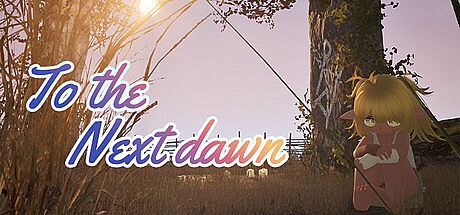


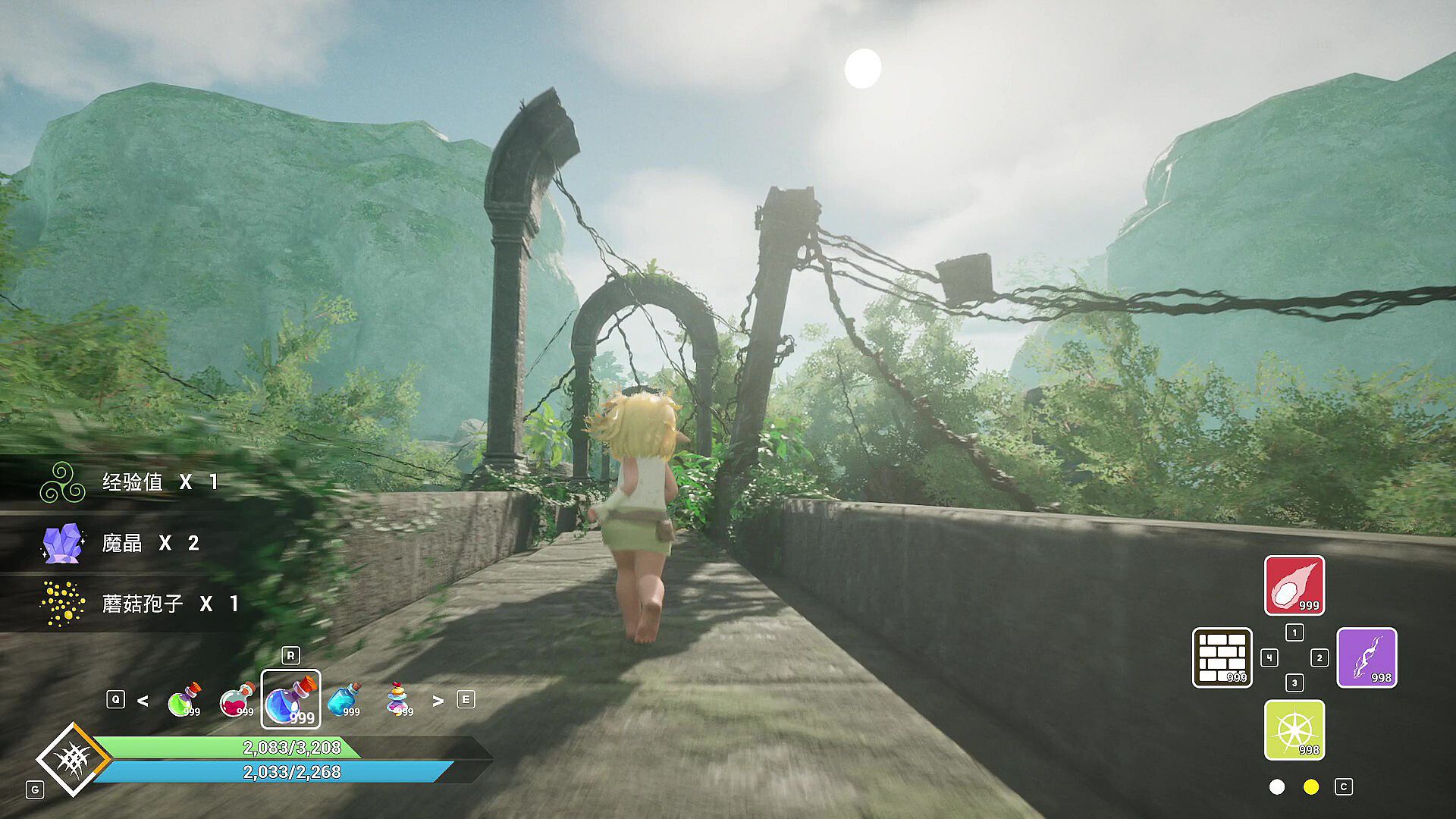
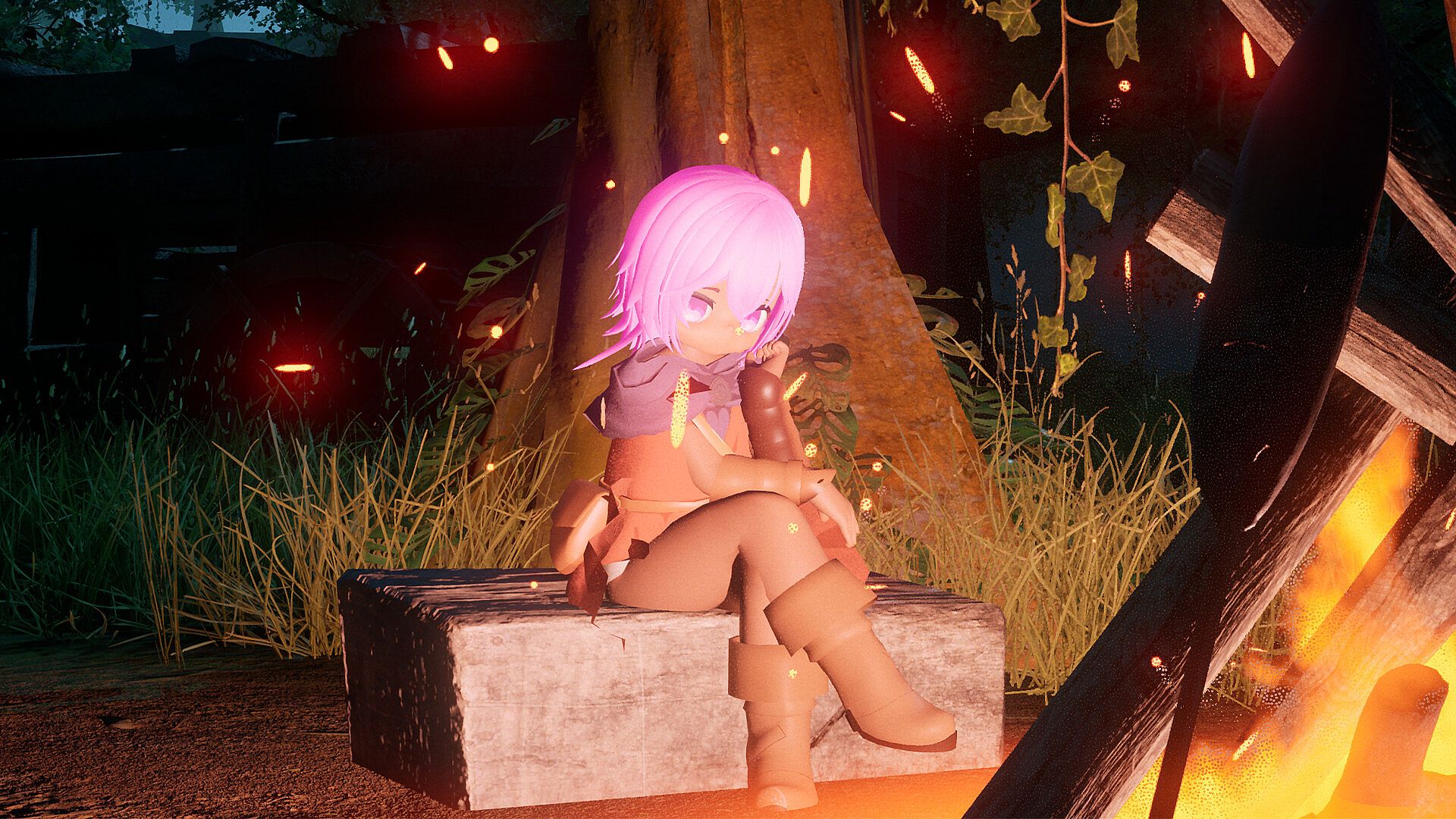
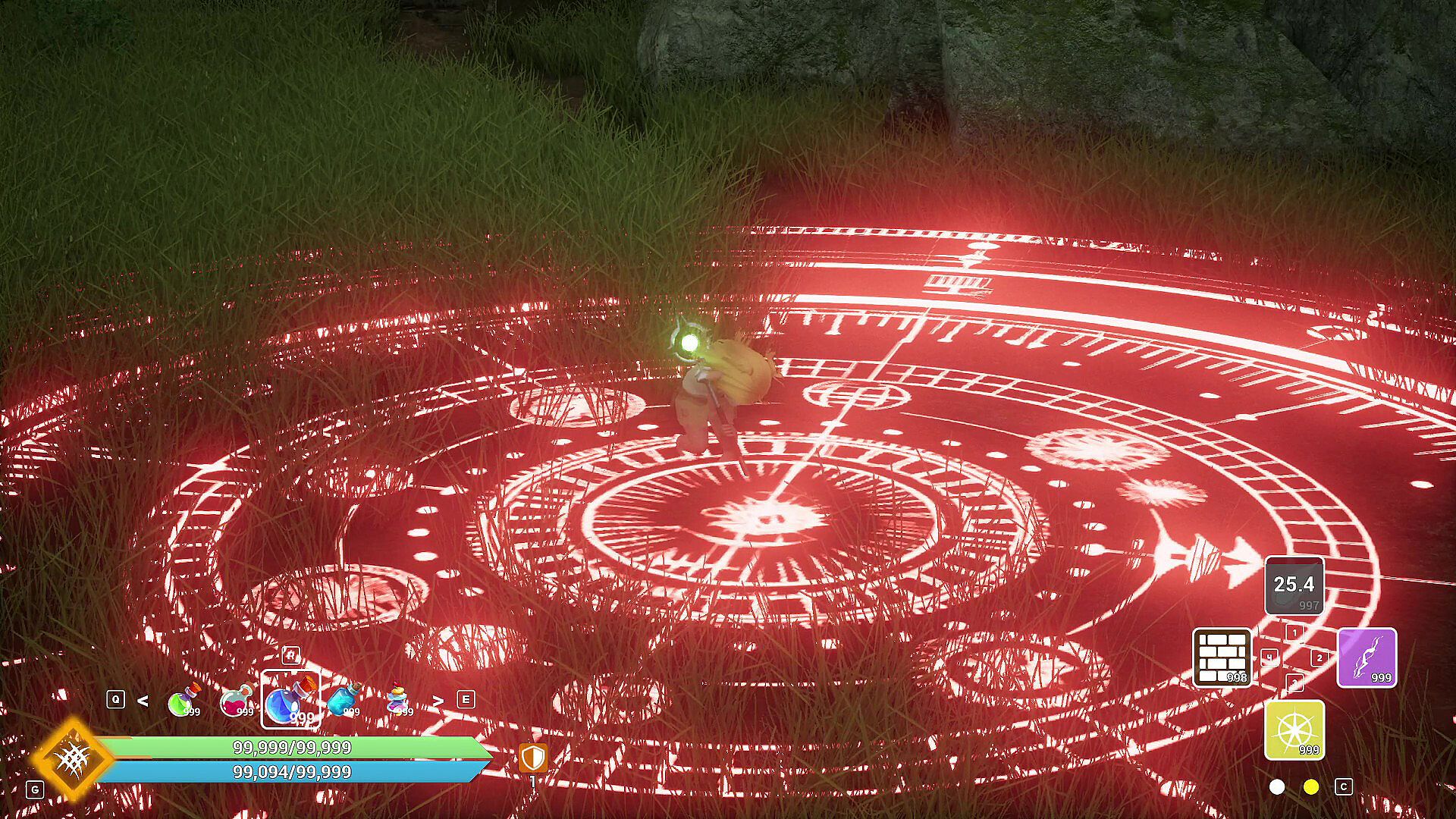
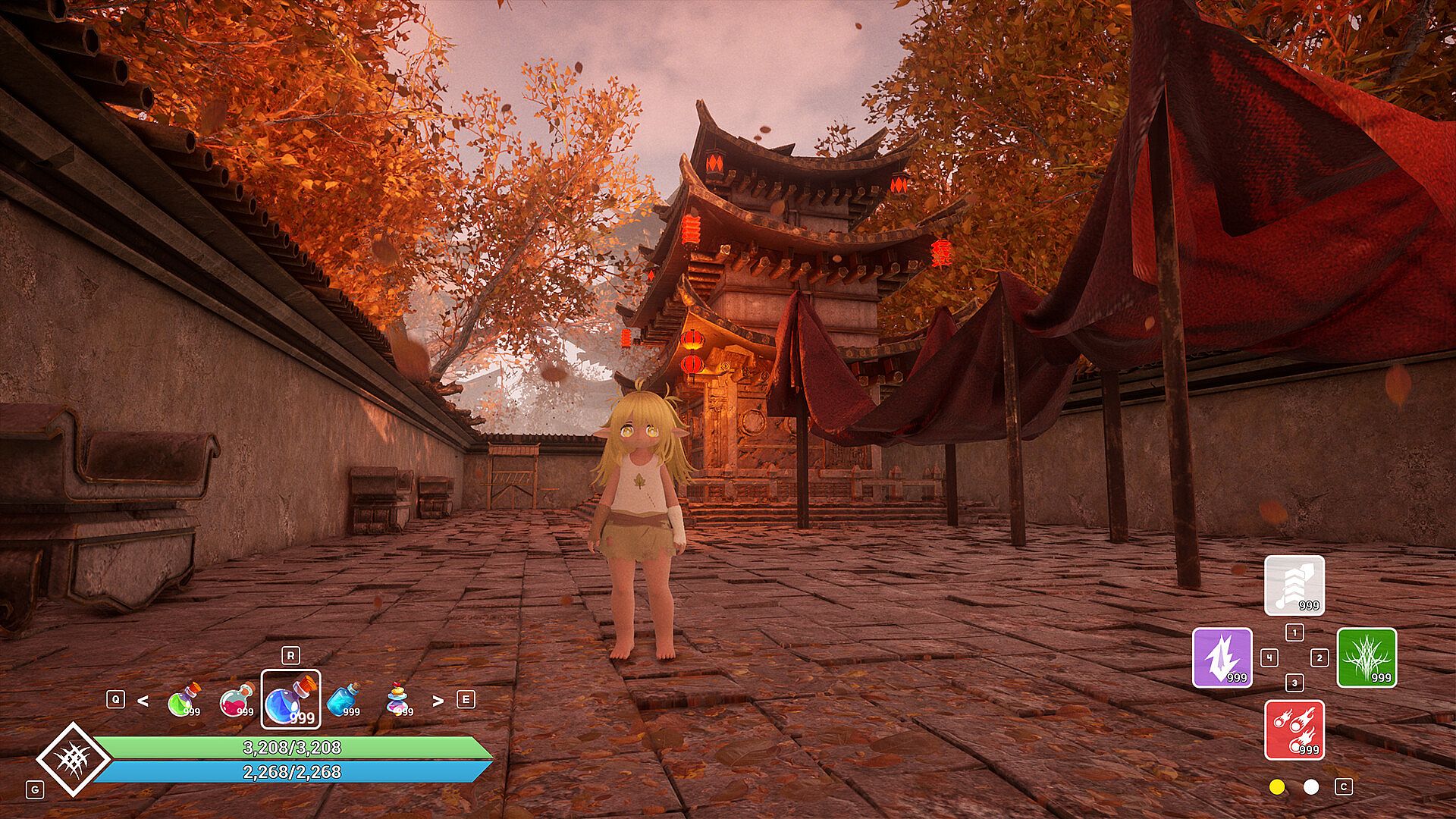

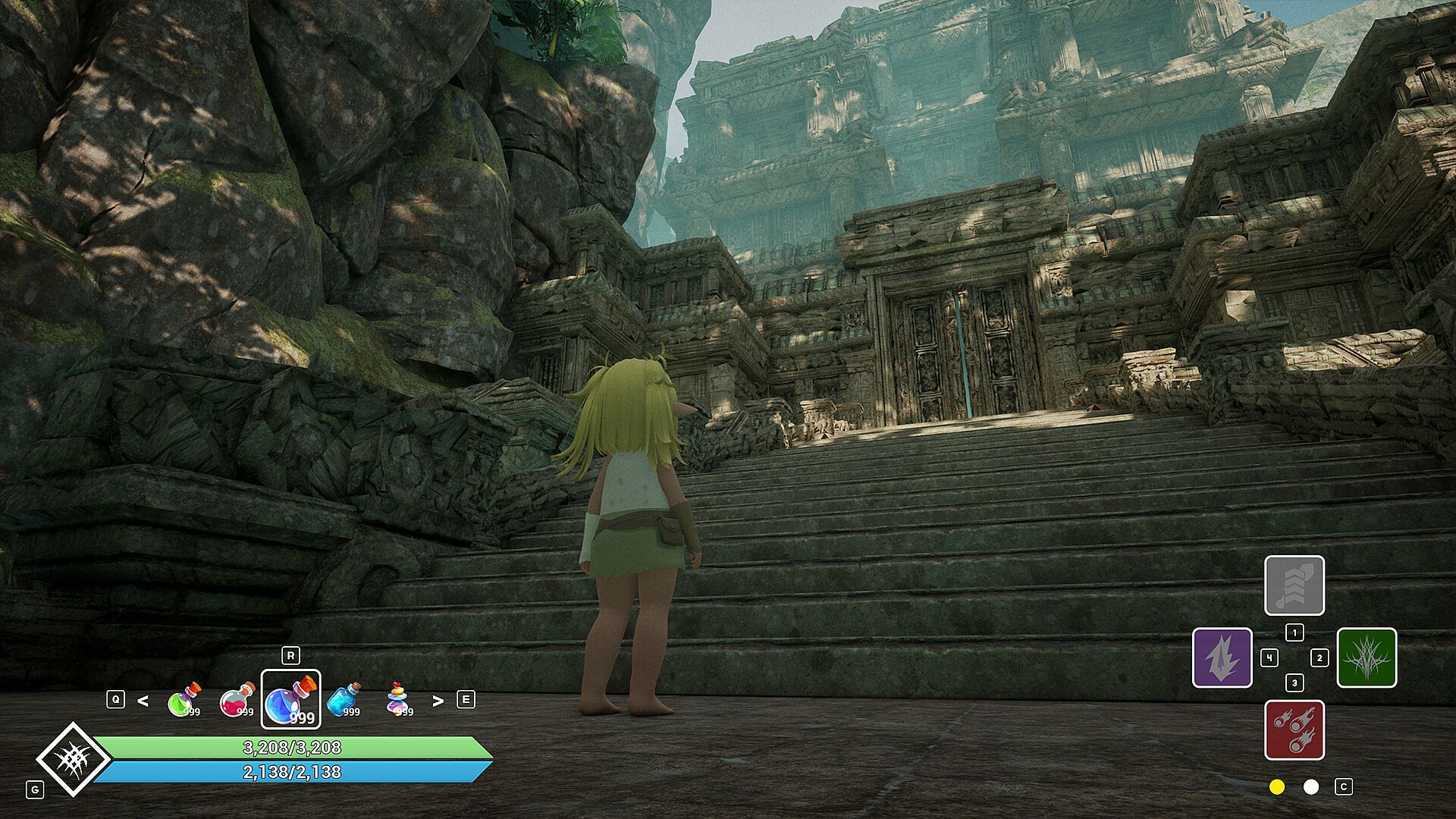
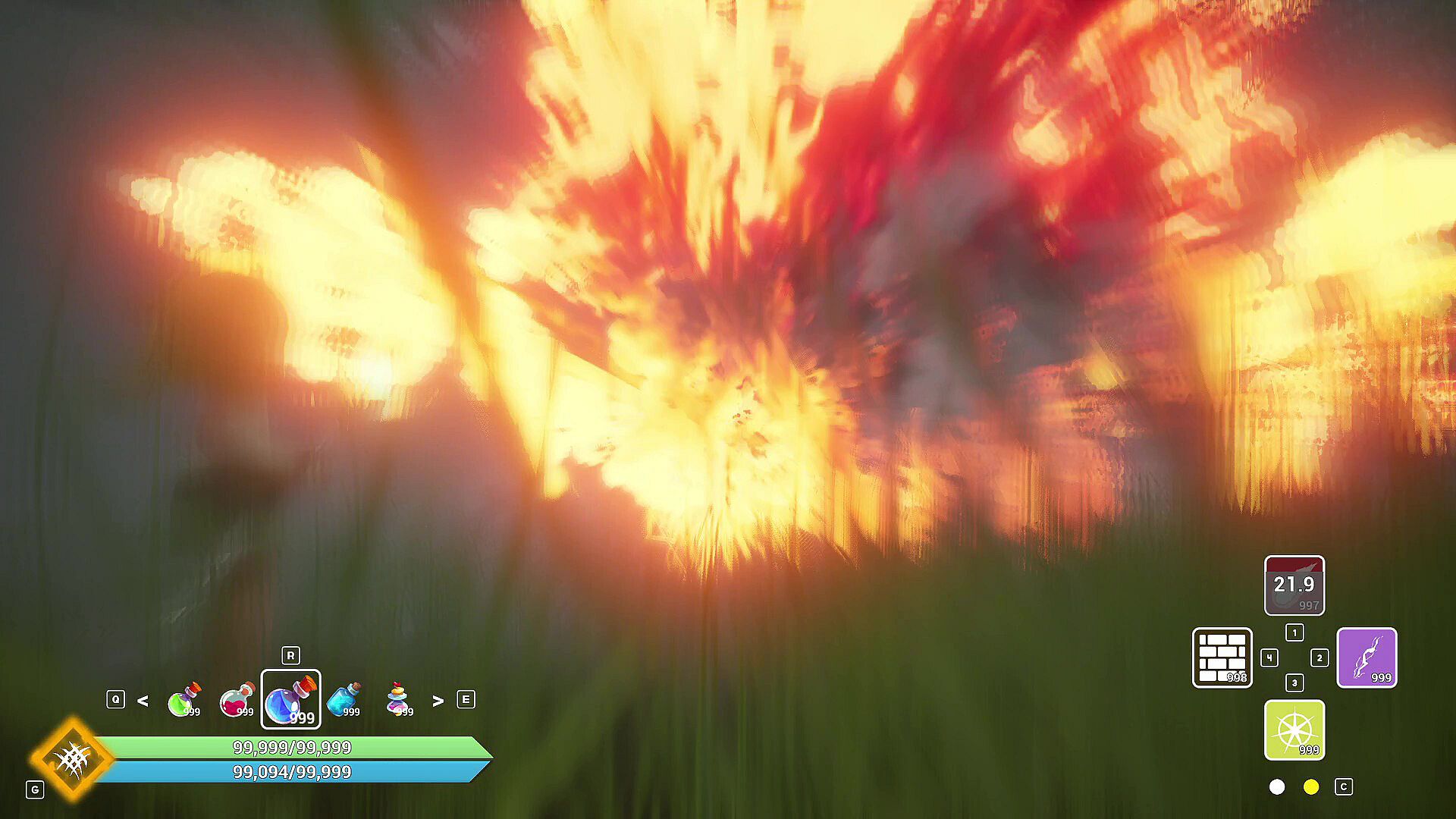
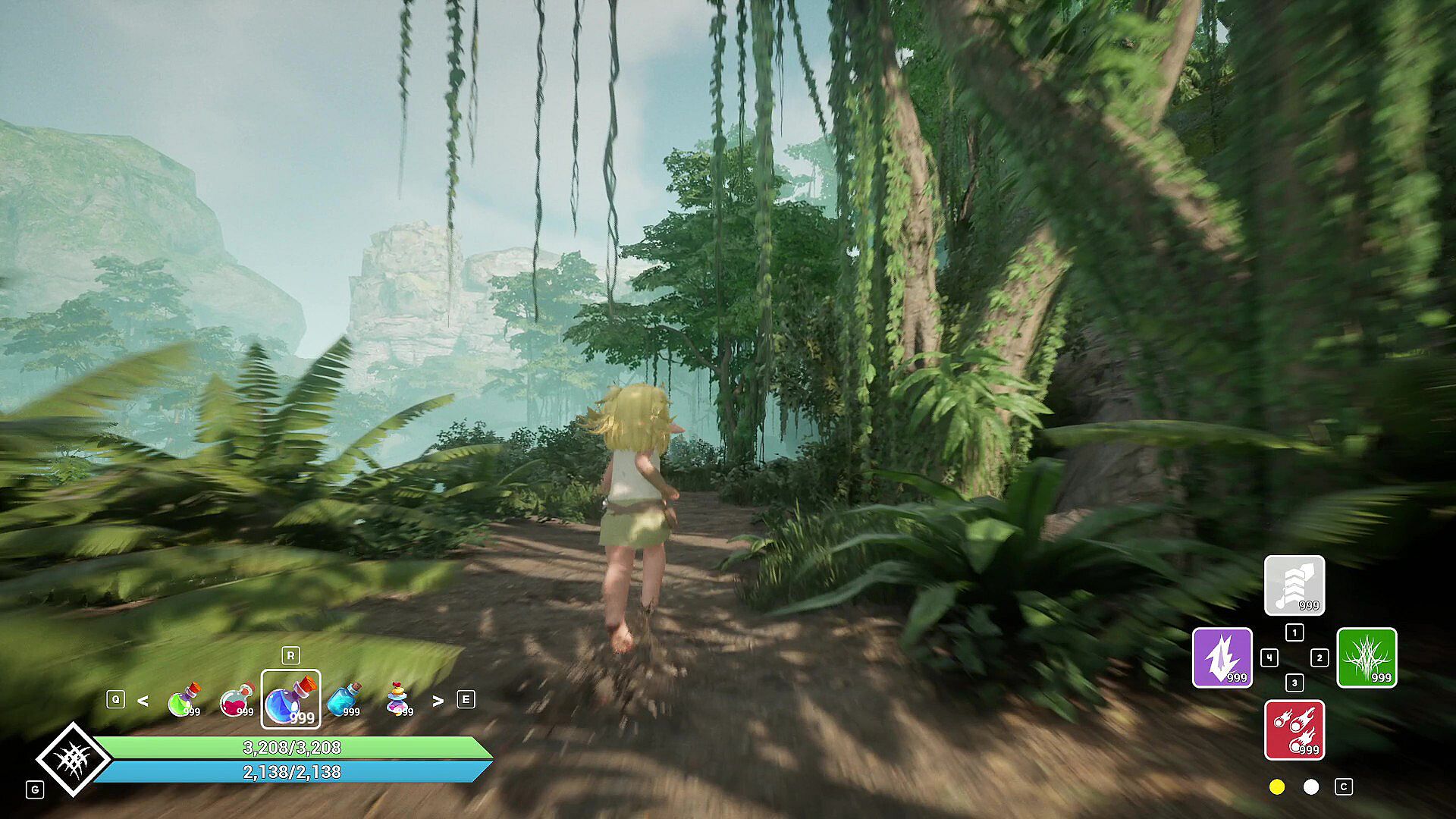


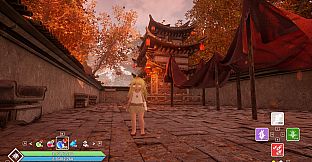

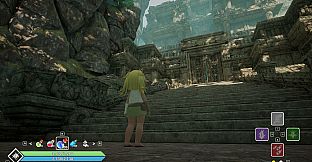

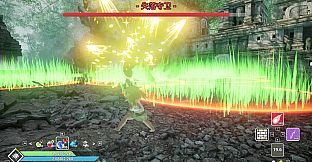
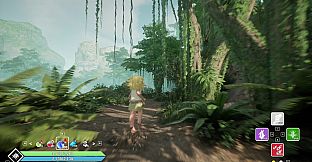
To the Next Dawn is an action RPG that blends narrative adventure with magic-based combat in a post-apocalyptic fantasy setting. Players take control of Ella, an elf survivor navigating a resource-scarce world where races clash over territory and survival often demands difficult choices. The game emphasizes exploration outside a fragile sanctuary, real-time battles using elemental magic, and ongoing management of a settlement under constant threat.
Gameplay
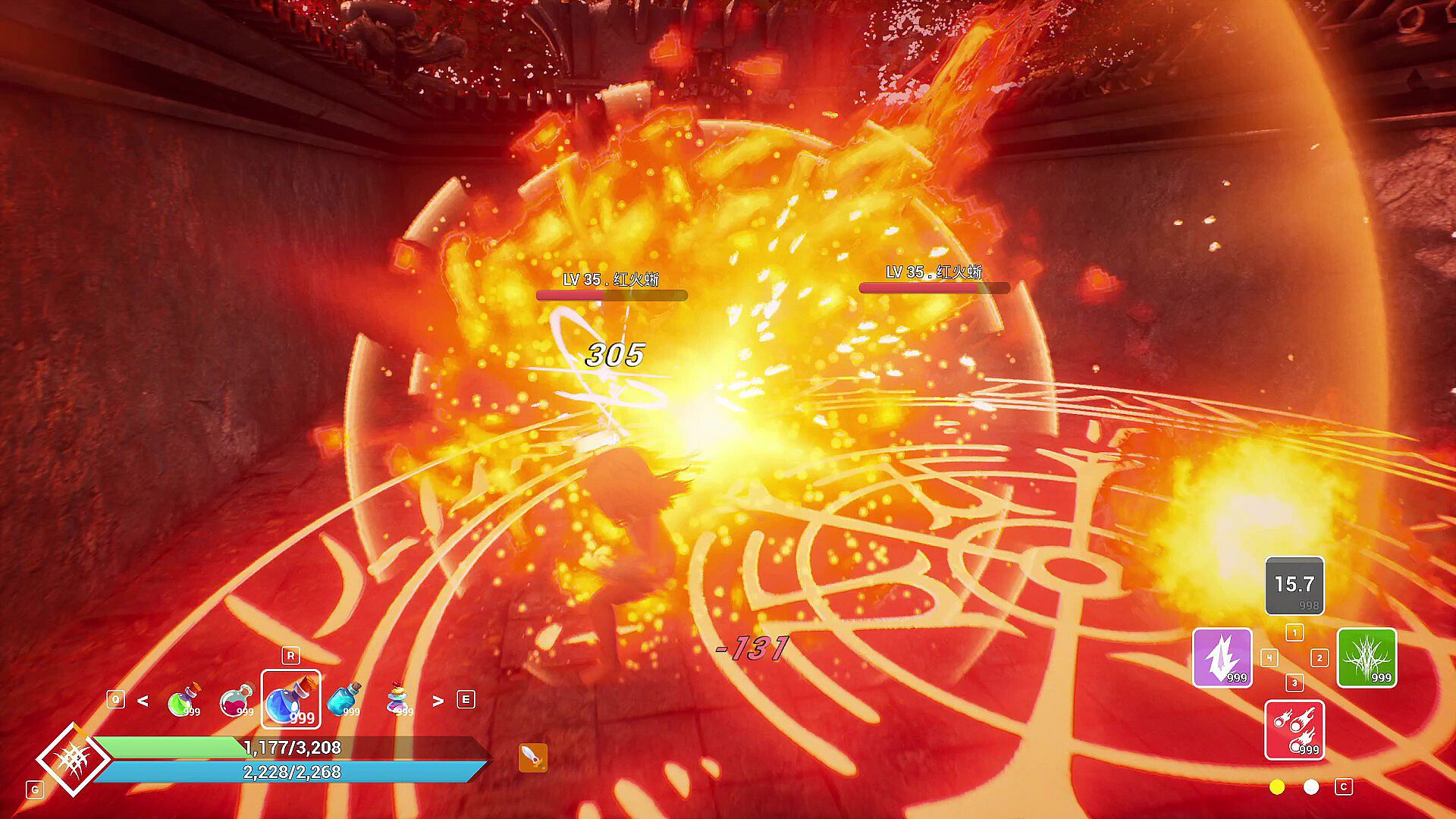
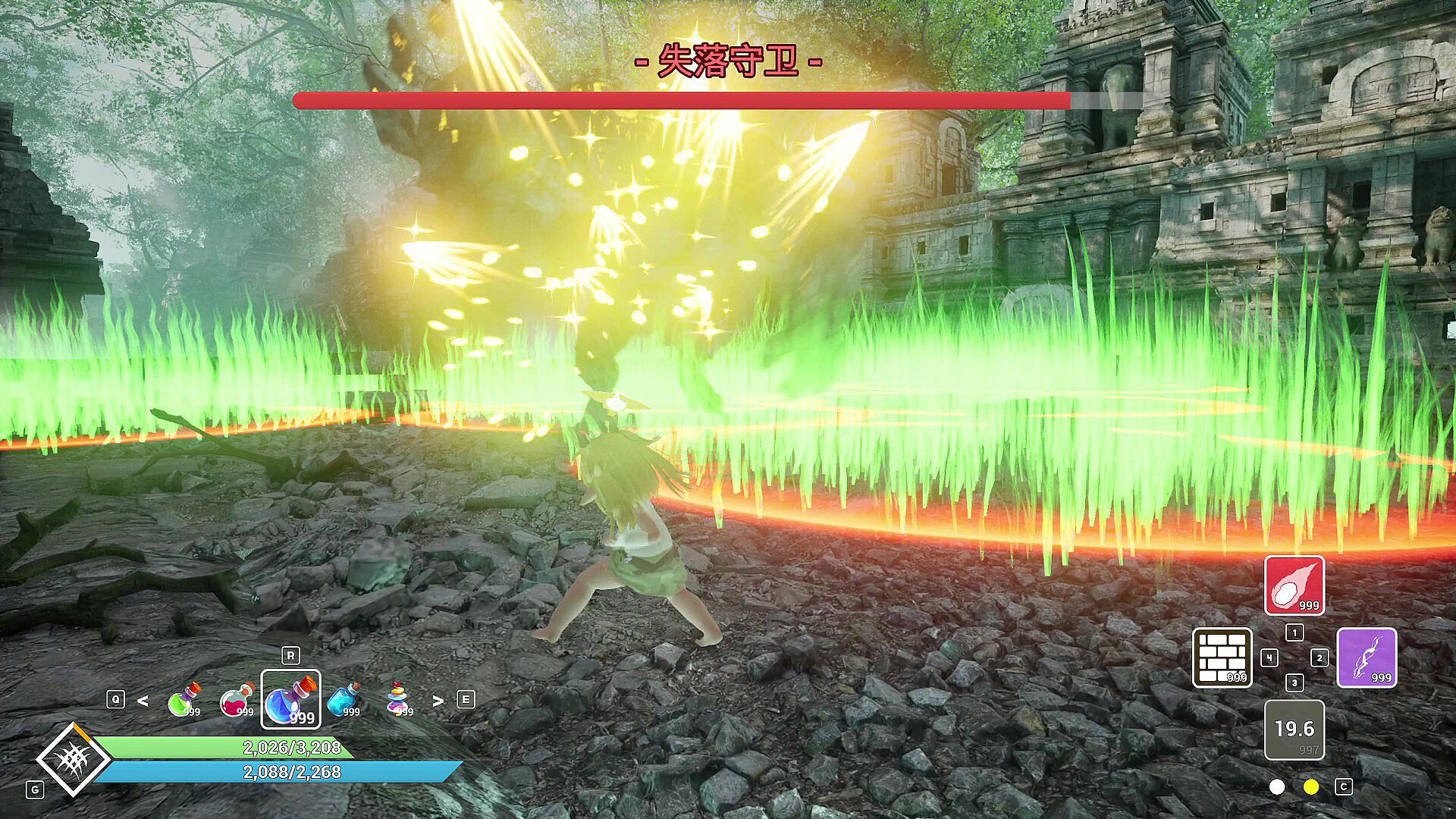
The core loop centers on venturing from the Divine Tree settlement into dangerous territories filled with mutated forests, ancient ruins, and hostile forces. Combat relies on a magic system where skills draw from Goza and MP resources. Repeated use of any skill builds toward mastery, allowing it to activate without a royal seal and deliver 50 percent more power once achieved.
Attribute interactions add tactical depth across nine elements: none, wind, thunder, water, fire, earth, grass, light, and dark. Wind strips buffs, thunder interrupts enemy actions, water restores moisture, fire inflicts burns, earth grants shields, grass amplifies damage, light removes negative effects, and dark lowers defenses. These elements interact through a restraint cycle that rewards planning attribute matchups during fights.
A transformation mechanic lets players accumulate SP in battle until they shift into a wolf orc form. This changes attacks to close-range strikes with greatly increased speed, though the state ends after a set duration. Outside combat, cultivation improves core stats like HP, MP, attack, and defense while equipment such as weapons, emblems, ancient relics, and magic stones can be found and upgraded. Materials and currency support crafting of imperial edicts, gear, and defensive structures at dedicated sites.
Game Modes
The experience unfolds as a single-player campaign that alternates between story-driven exploration and settlement protection. Time spent away from the Divine Tree settlement risks triggering city defense events upon return. These sequences place the player alongside NPCs using pre-positioned facilities to repel attackers. Success yields materials for further development, while failure causes merchants to withdraw, prices to rise, and certain defensive towers to vanish permanently.
Progression ties directly into this loop. Upgrades and production feed back into both field combat and future defense preparations, creating a continuous cycle of risk and reward without separate multiplayer or competitive modes.
Story and World
The narrative follows Ella after her escape from slave traders and arrival at the Divine Tree settlement. She connects with residents including the elf Leia, summoner Ringo, and cat clan youth Cangliu, all displaced by ongoing wars. The settlement's failing barrier forces her outward to confront human invaders and environmental hazards, shifting her from passive survivor to active defender of the last safe haven.
World-building highlights scarcity and racial tensions without safe zones. Cannibalism and enslavement underscore the stakes, while the settlement represents a temporary refuge whose longevity depends on player actions during expeditions and defenses.
Is It Worth Playing?
To the Next Dawn targets players who enjoy action RPGs that combine real-time magic combat with settlement management and a focused single-player story. The verified systems, including attribute restraints, skill mastery, transformation, and city defense consequences, deliver tangible feedback loops between exploration and base protection. As a newly listed title on PC with single-player support and family sharing, it appeals most to those seeking indie RPGs centered on elemental tactics and long-term cultivation rather than large-scale multiplayer or frequent seasonal content. Those drawn to narrative adventures with mechanical consequences for defense failures will find the described features align closely with that preference.