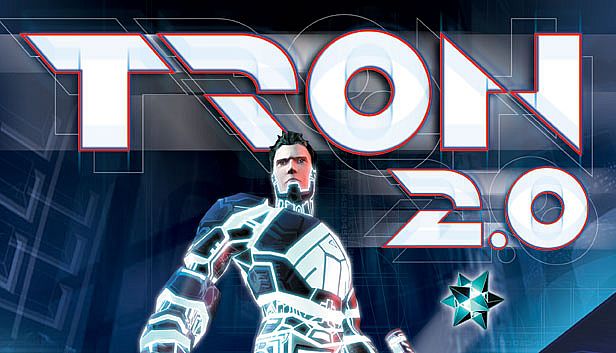















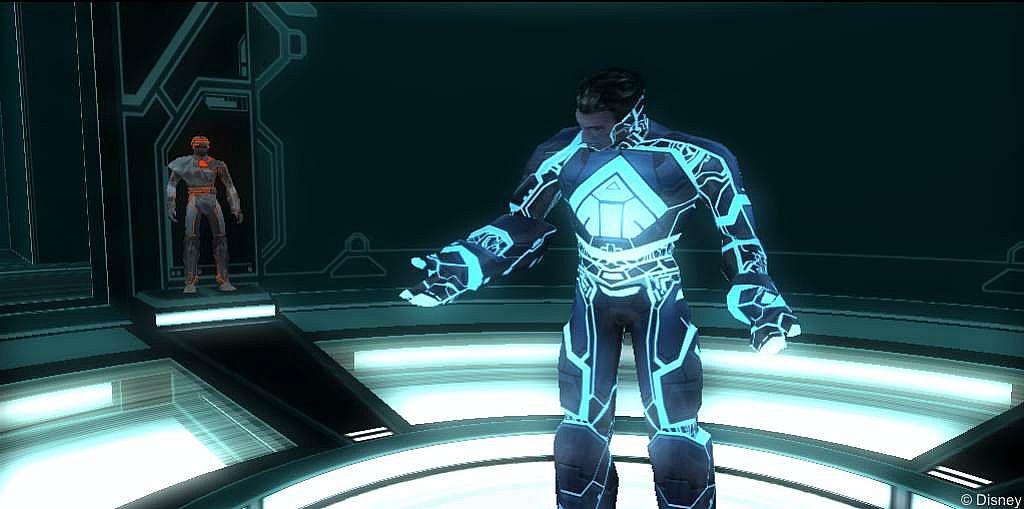
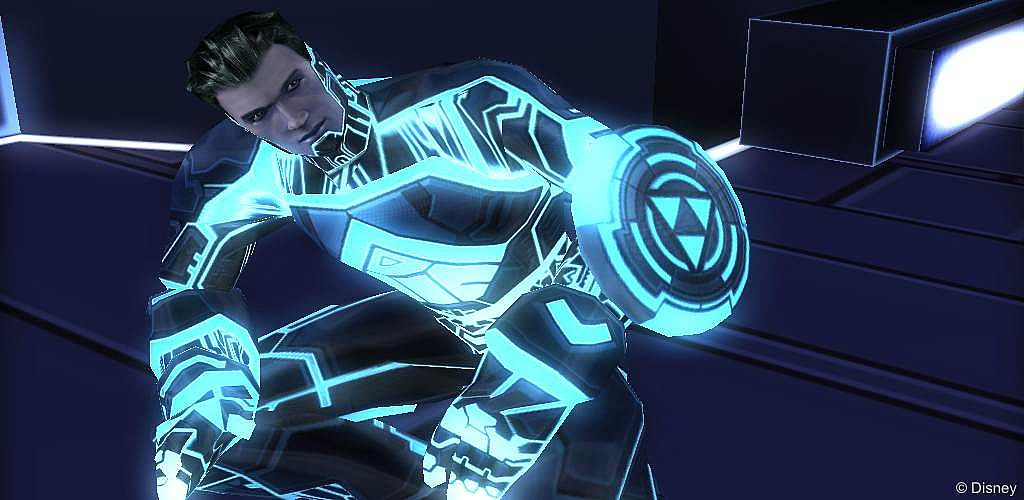
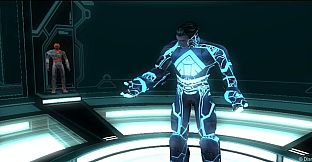
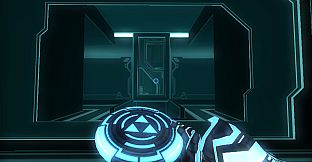
TRON 2.0 is an action game set inside a digital computer world where players control Jet Bradley as he searches for his missing father. The title combines first-person combat with high-speed vehicle sequences drawn directly from the original Tron film. Jet navigates glowing environments filled with hostile programs and viruses while using a small set of tools to survive and progress through more than thirty-five levels.
Gameplay
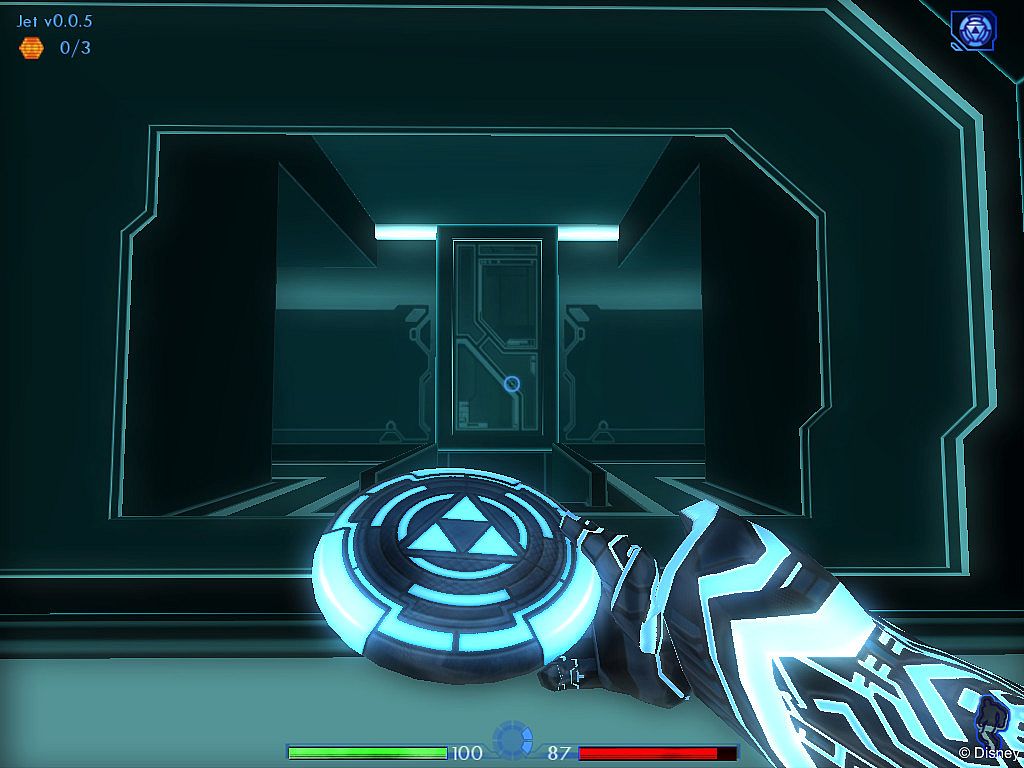
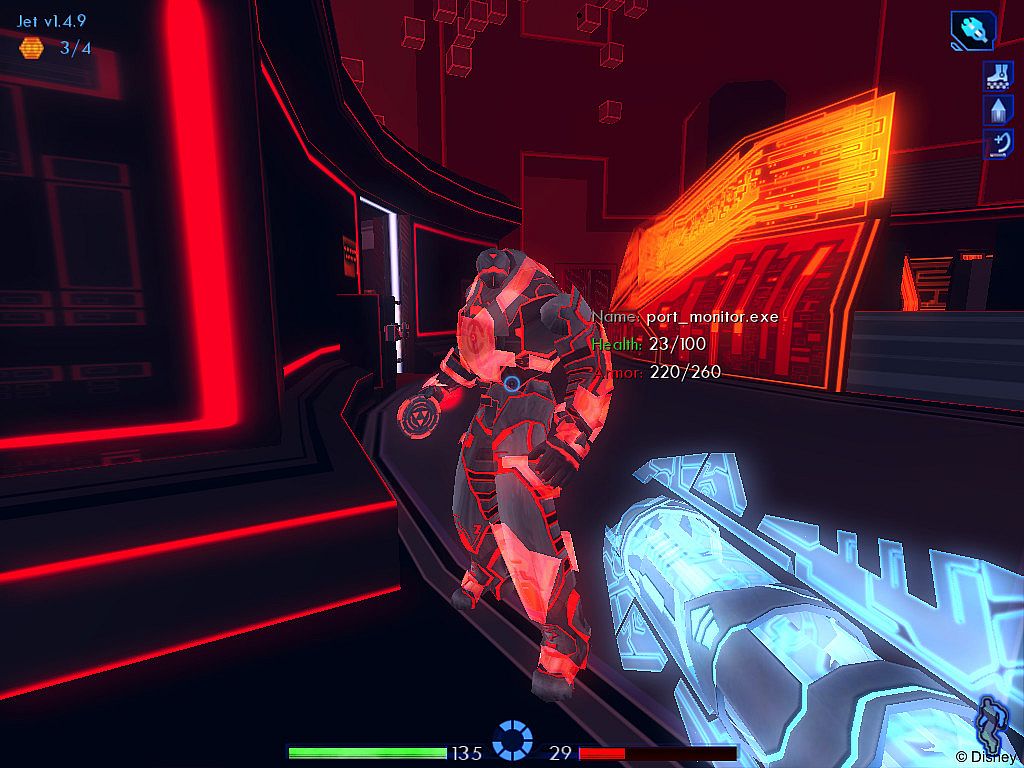
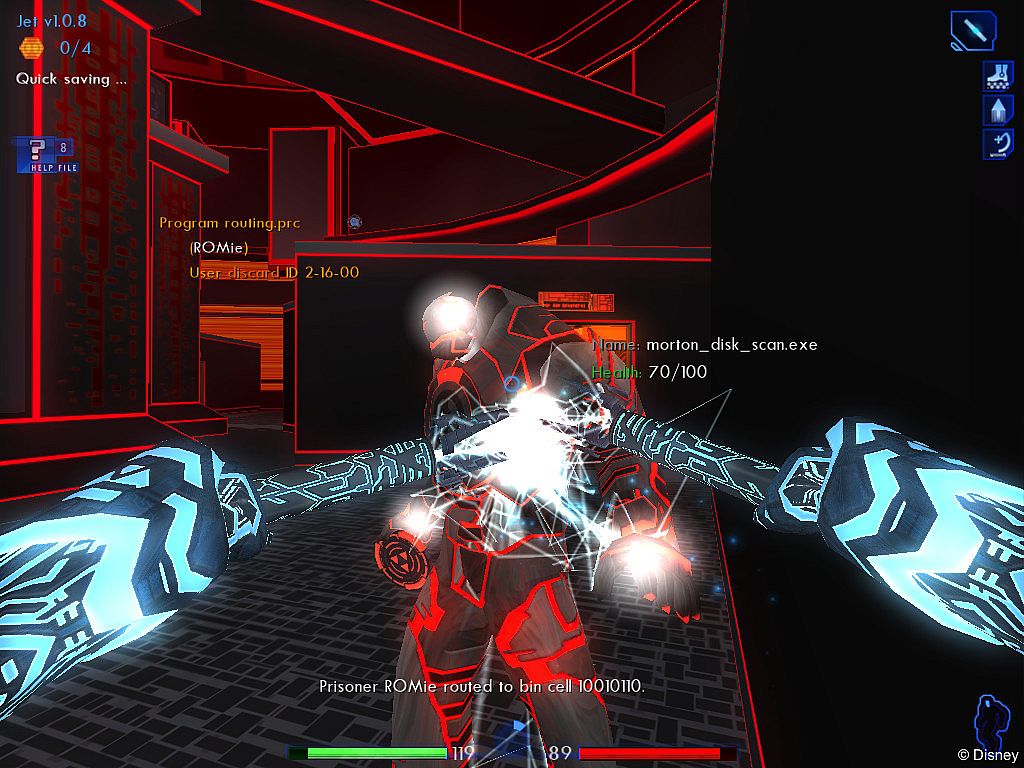
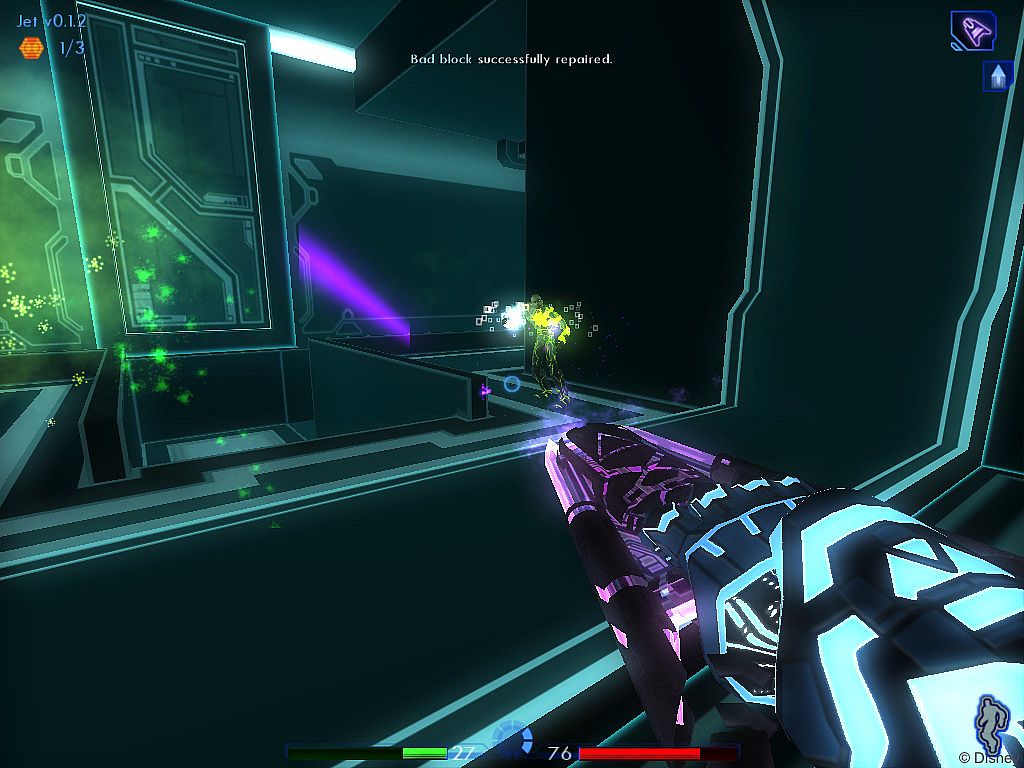
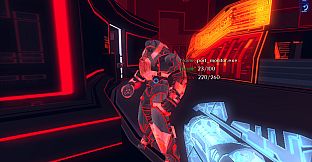
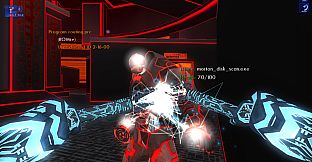
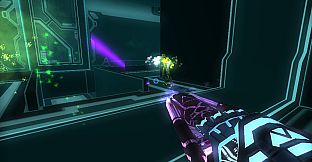
Core combat revolves around four primitive weapons encountered in the grid. The identity disc serves as the primary tool and functions both offensively and defensively. Players throw the disc at enemies and catch it on return to maintain momentum in fights. Additional weapons include a rod for close-range strikes, a ball that bounces between targets, and a mesh that creates temporary barriers or traps. These tools encourage a mix of ranged throws and positioning rather than constant firing.
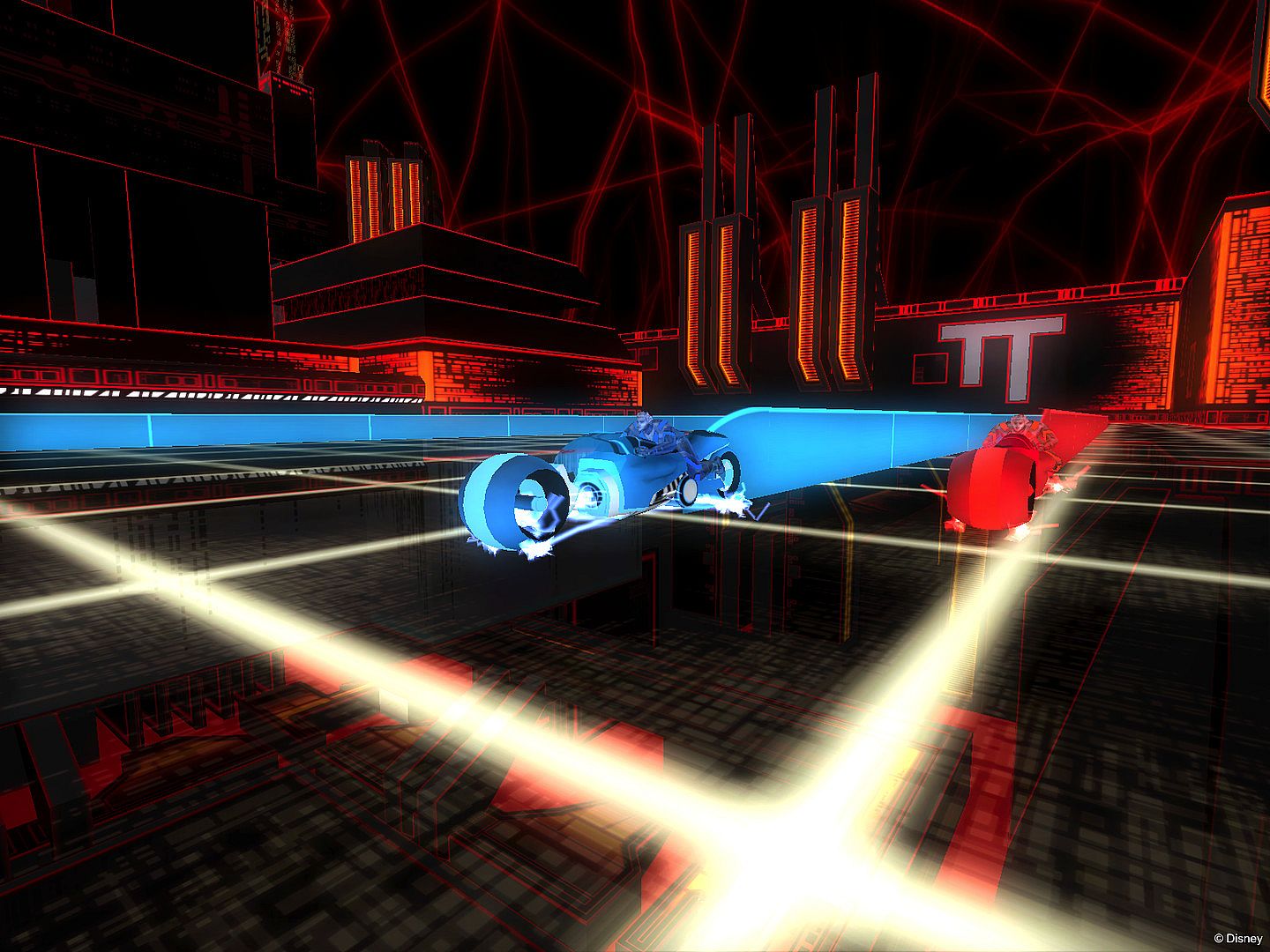
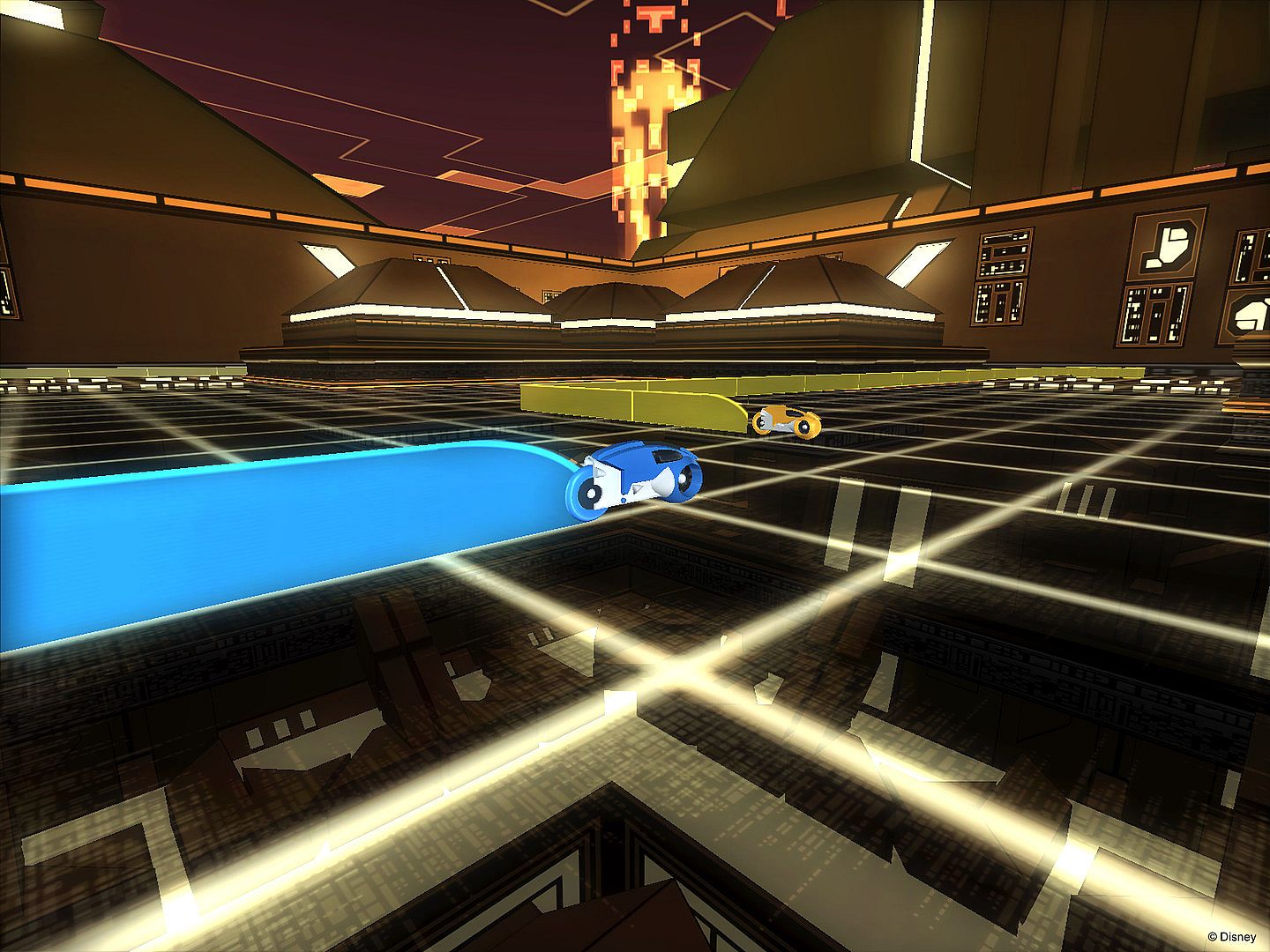
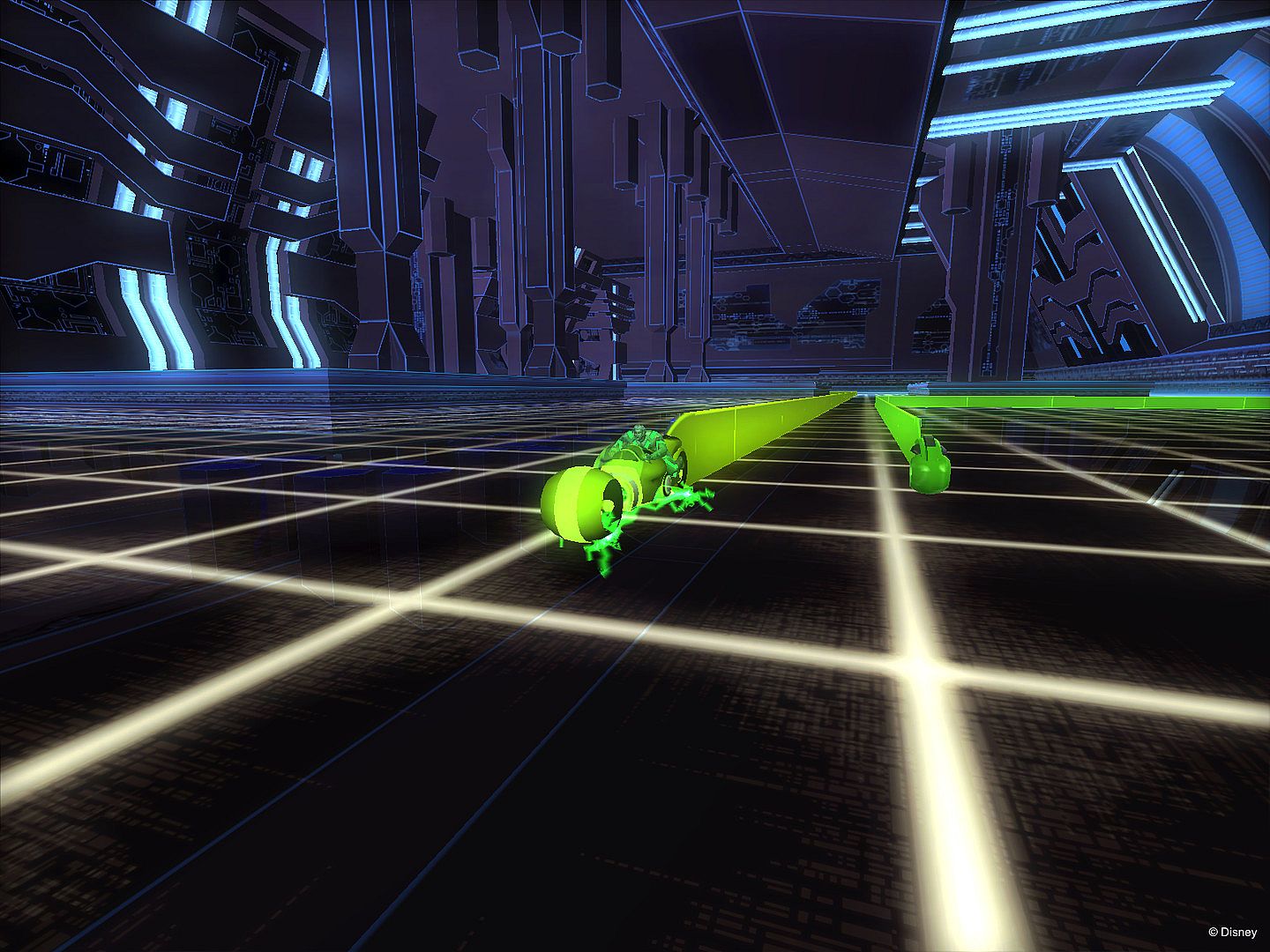
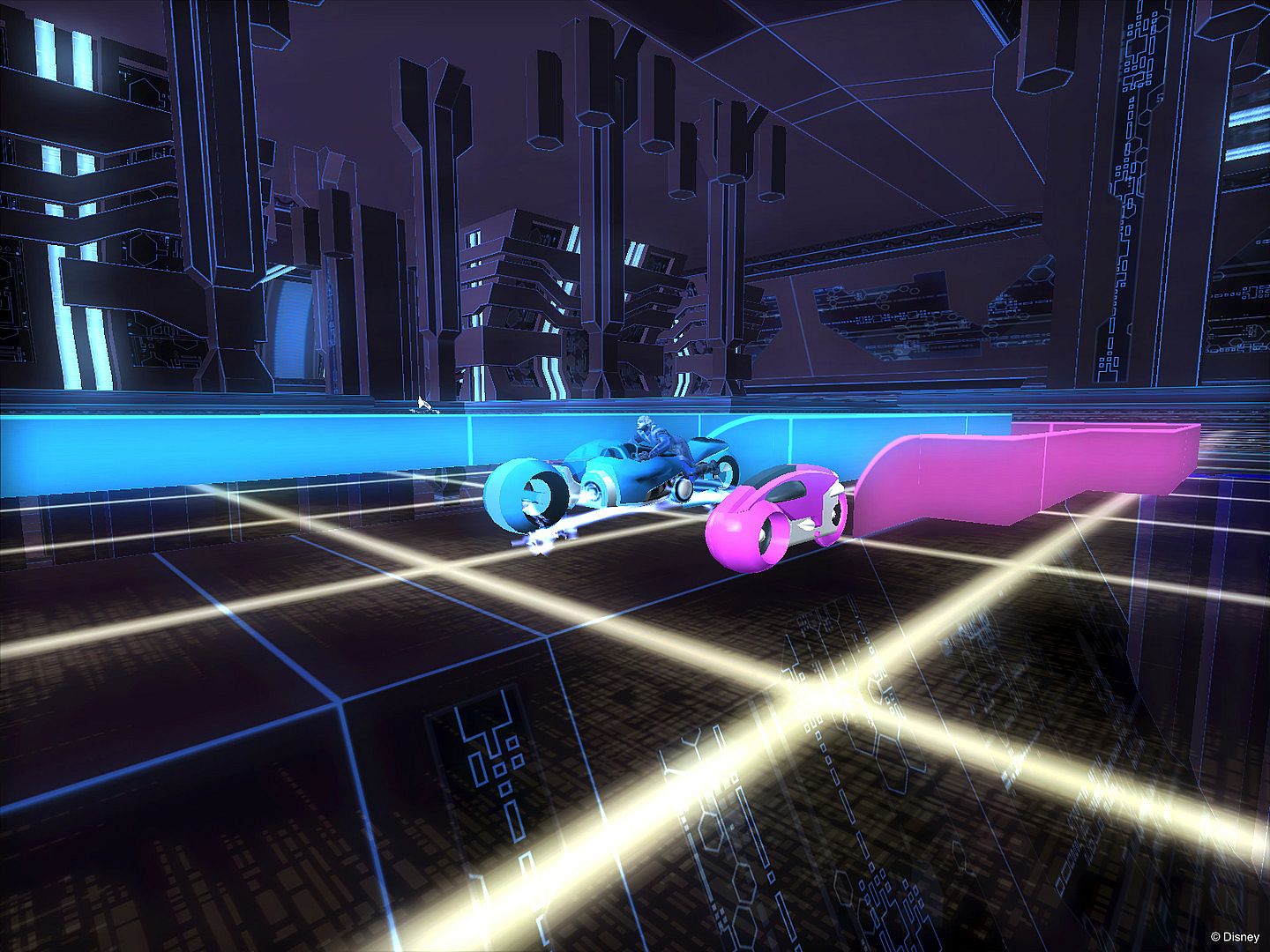
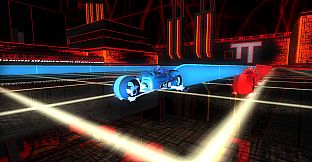
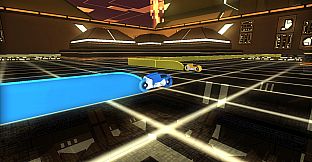
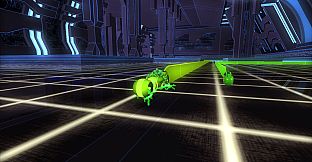
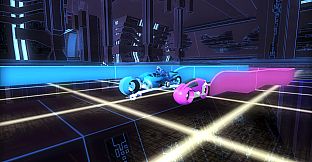
Light-cycle sequences break up the shooting sections. Jet rides both the classic cycle design and an experimental variant. In these segments the vehicle leaves behind solid walls of light that opponents must avoid. The goal is to force enemies into collisions with trails or obstacles while navigating tight turns at high speed. Power-ups scattered through levels provide temporary advantages such as increased speed or defensive upgrades during both combat and racing portions.
Progression follows a linear story path through corporate server environments. Jet encounters security programs, corrupted data, and increasingly complex digital architecture as he uncovers the plot involving fCon. Resource management comes into play through limited ammunition for certain weapons and the need to retrieve the disc after throws. The overall loop alternates between arena-style fights and timed racing challenges that test spatial awareness.
Game Modes
The single-player campaign forms the main experience. It guides players through a sequence of missions that combine exploration, combat, and light-cycle races across varied digital locales. Objectives range from eliminating virus clusters to reaching extraction points while avoiding detection.
Light Cycle mode focuses exclusively on racing. Players compete against AI opponents in enclosed arenas where trail creation determines the winner. Matches emphasize quick decision-making and wall placement to trap rivals.
Multiplayer options include Disc Arena for direct weapon-based combat and separate Light Cycle arenas for competitive racing. These modes support multiple participants in matches centered on disc throws or trail-enforced survival. No additional seasonal content or live-service updates exist for the title.
Story and Setting
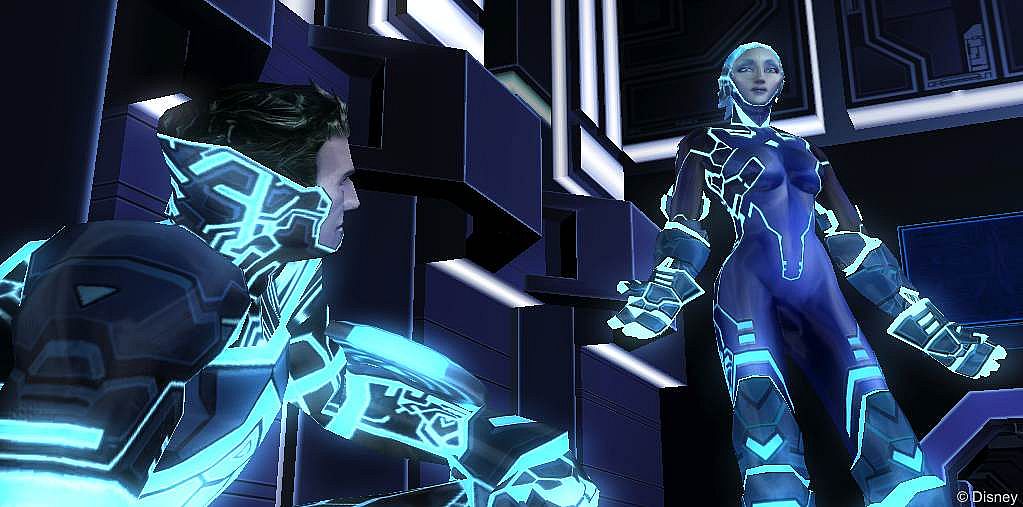
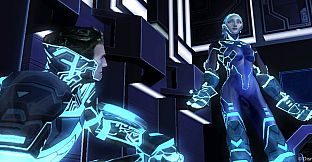
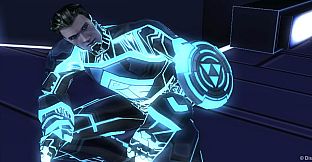
The narrative follows Jet Bradley after his father Alan disappears. Jet digitizes himself using the Ma3a program to enter the computer world and investigate. Inside the system he discovers corporate espionage and a larger scheme that threatens both the digital and physical realms. Environments reflect corporate server aesthetics with neon grids, data streams, and program constructs that react to player actions.
Dialogue and mission briefings provide context for each area. The story unfolds through direct encounters rather than lengthy cutscenes, keeping focus on moment-to-moment action. Key locations include research labs, security perimeters, and experimental test zones that introduce new mechanics gradually.
Is It Worth Playing?
TRON 2.0 receives Very Positive feedback on its current digital storefront with roughly ninety percent of reviews rating the experience favorably. Players highlight the distinctive weapon handling and light-cycle mechanics as standout features that still feel distinct decades later. The campaign length and variety of level design appeal to those interested in retro first-person action titles.
The game suits fans of the original Tron film who want to experience its digital world through interactive combat and racing. It also attracts players seeking short, focused single-player campaigns without ongoing multiplayer requirements. Availability remains straightforward through standard PC digital platforms, and the title runs on contemporary systems with minimal configuration.
Those who enjoy precise movement and resource-limited combat will find the core loop rewarding. Reviewers note that the absence of modern quality-of-life features such as widescreen support can require minor adjustments, yet the fundamental gameplay holds up for short sessions or full playthroughs. The combination of story-driven progression and optional competitive modes provides clear value for the price point.