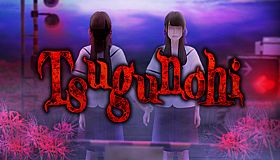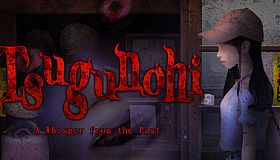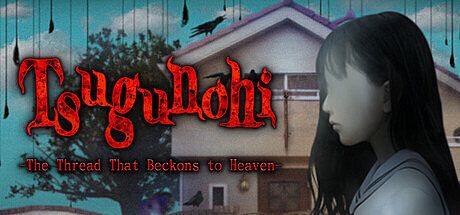



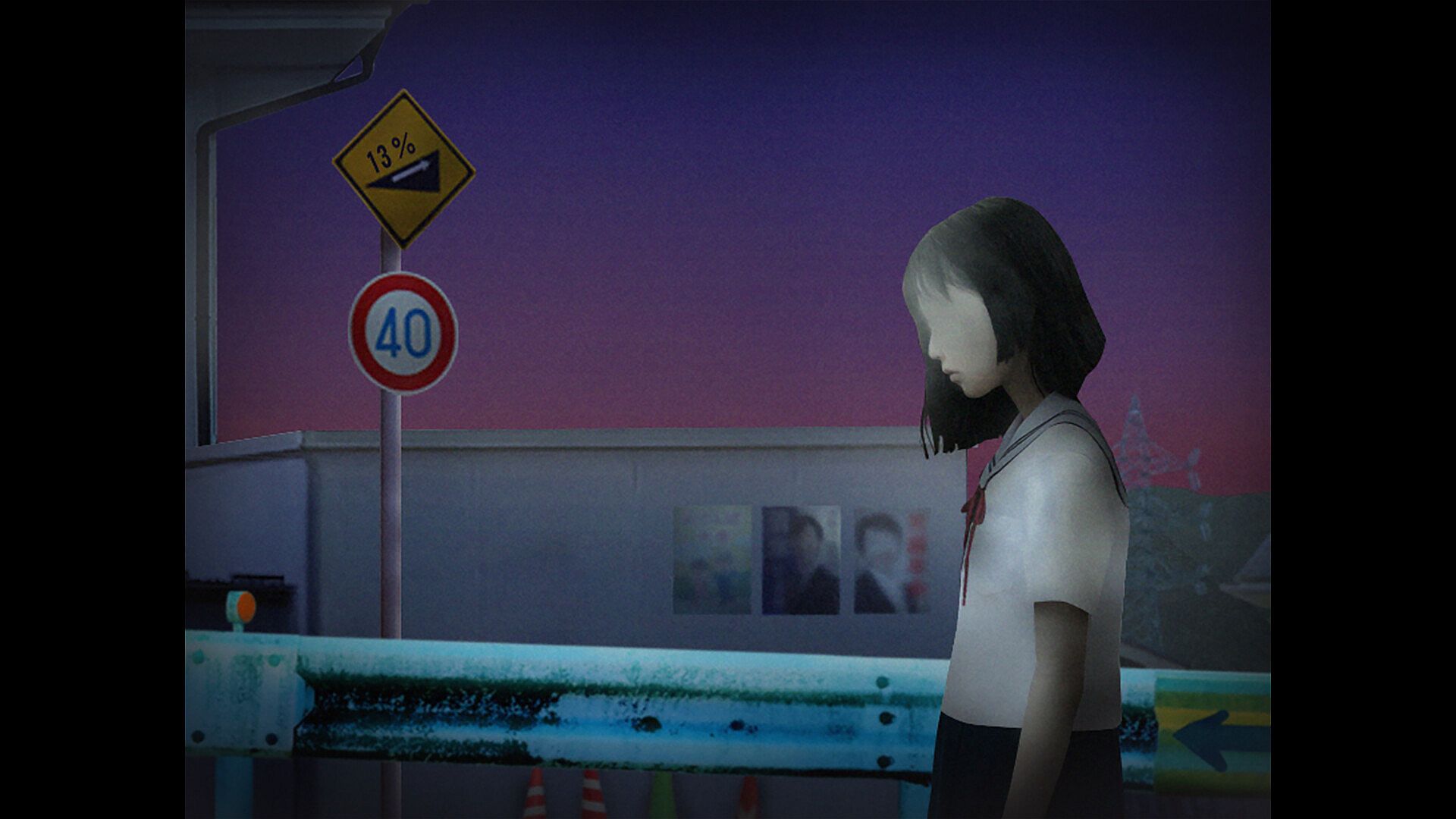
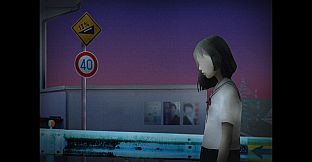
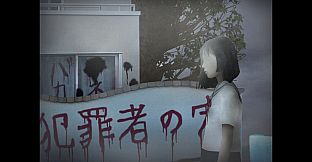

Tsugunohi -The Thread That Beckons to Heaven- is an indie casual adventure horror title developed for PC. Players follow a young girl on her repeated walk home from school through a quiet residential neighborhood that slowly shifts from ordinary to unsettling. The experience centers on a minimal control scheme and a narrative that unfolds across several chapters, culminating in a single meaningful choice at the end.
Gameplay
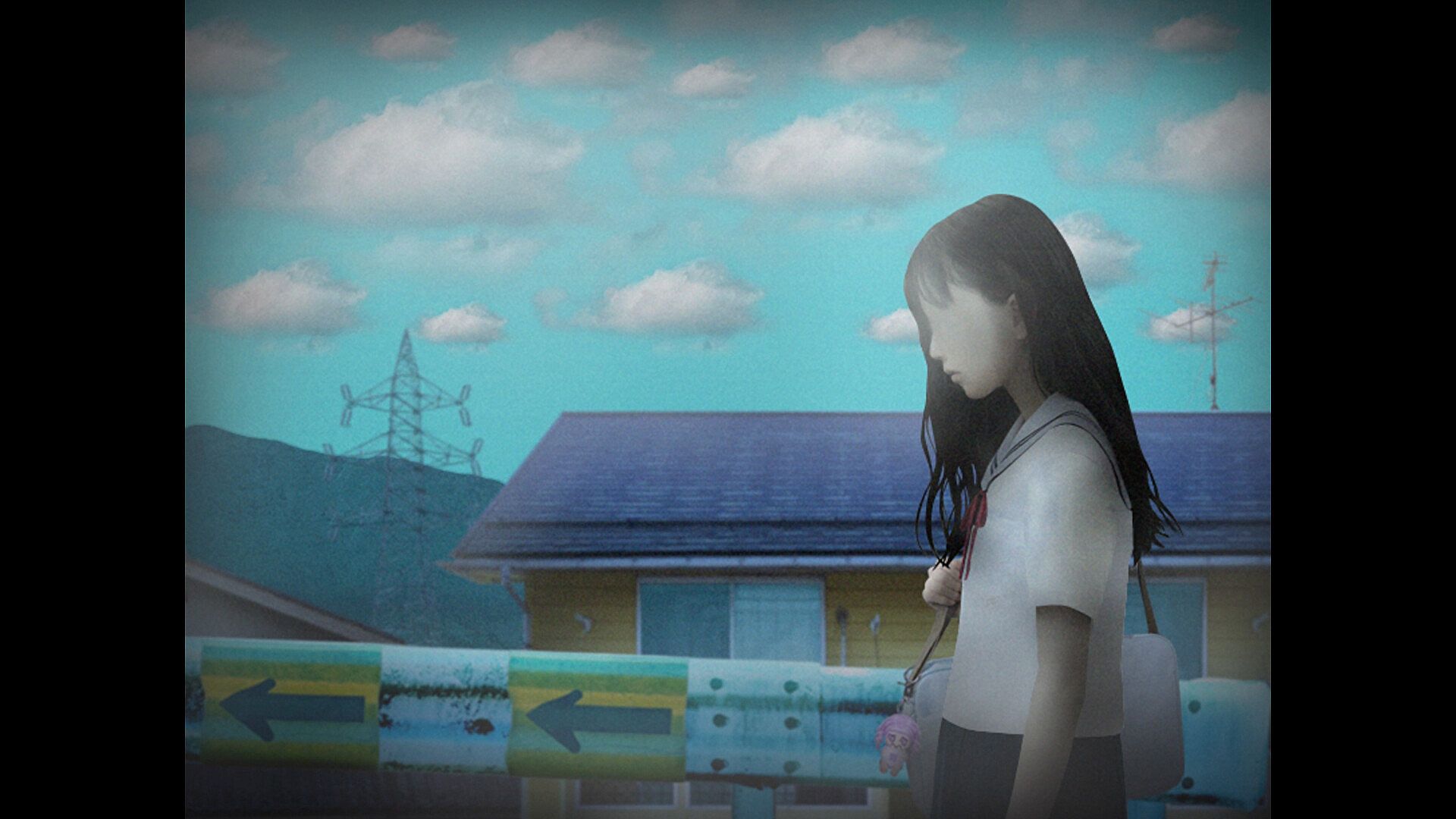
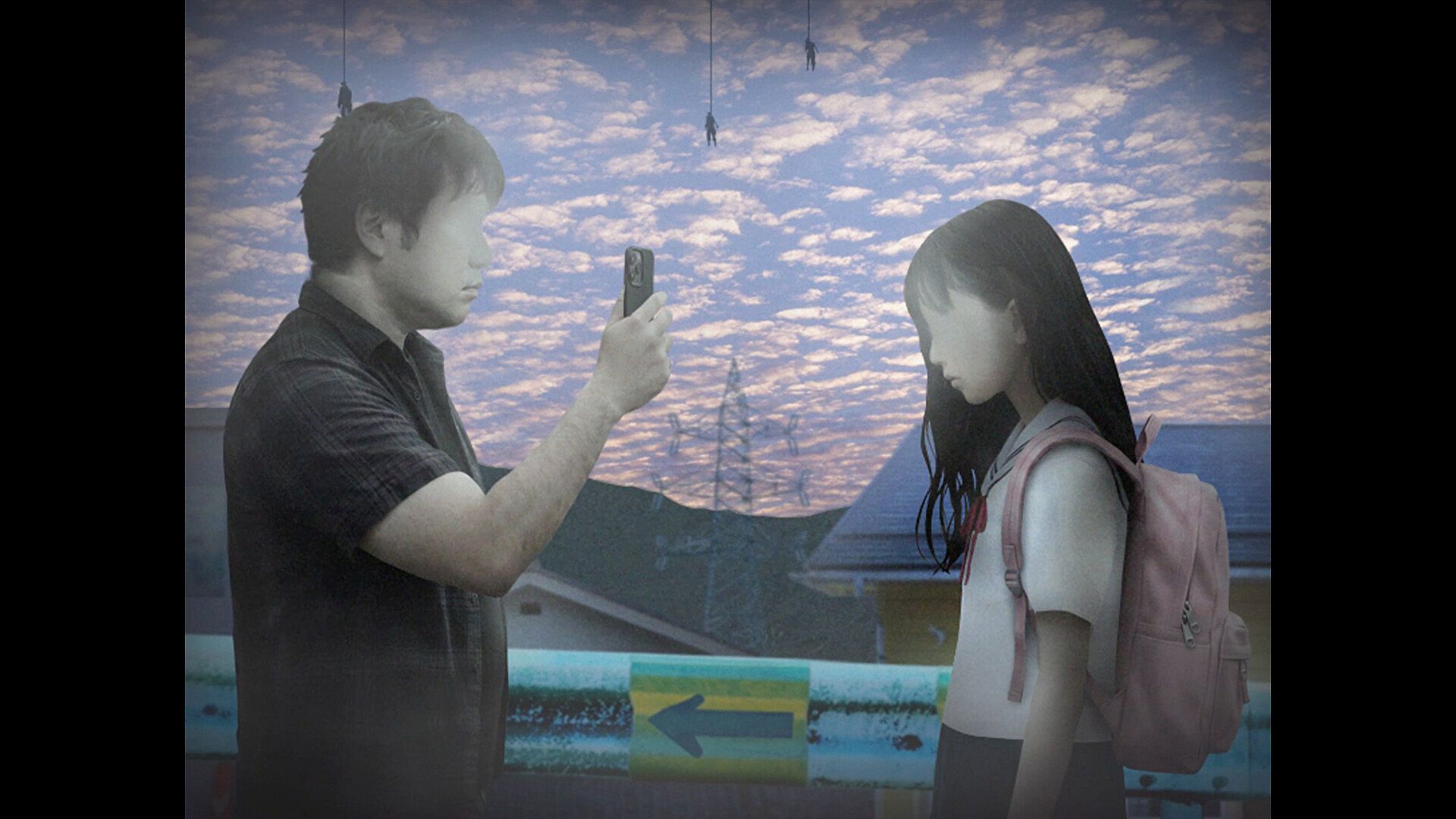
The core loop involves pressing the left arrow key to advance along a fixed path. No other inputs are required for movement or interaction, which keeps the focus entirely on observation and atmosphere. Each day the same route is traversed, yet subtle alterations appear in the surroundings, the people encountered, and the sky overhead. These incremental changes build tension without requiring the player to solve puzzles or manage resources.
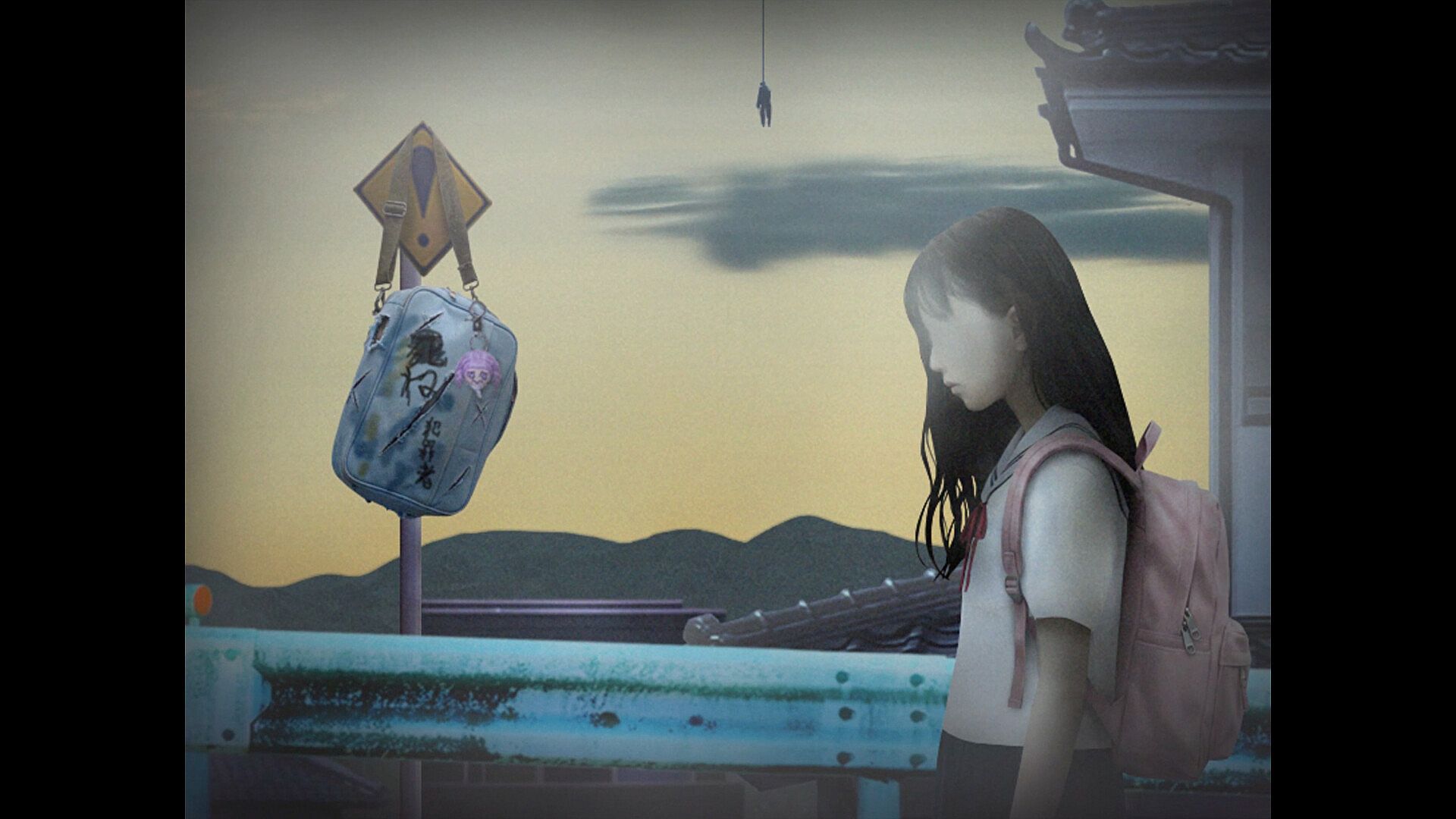
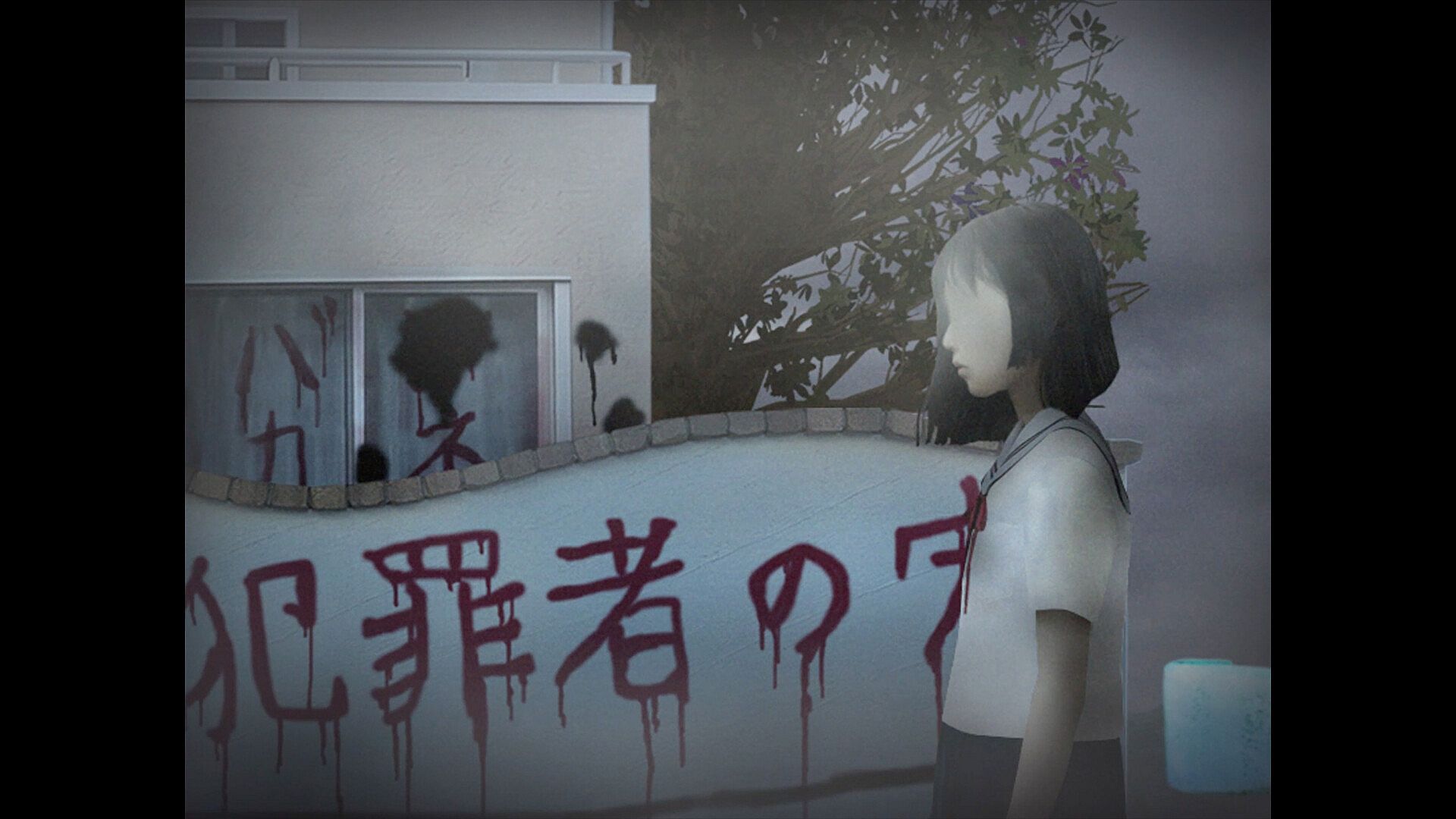
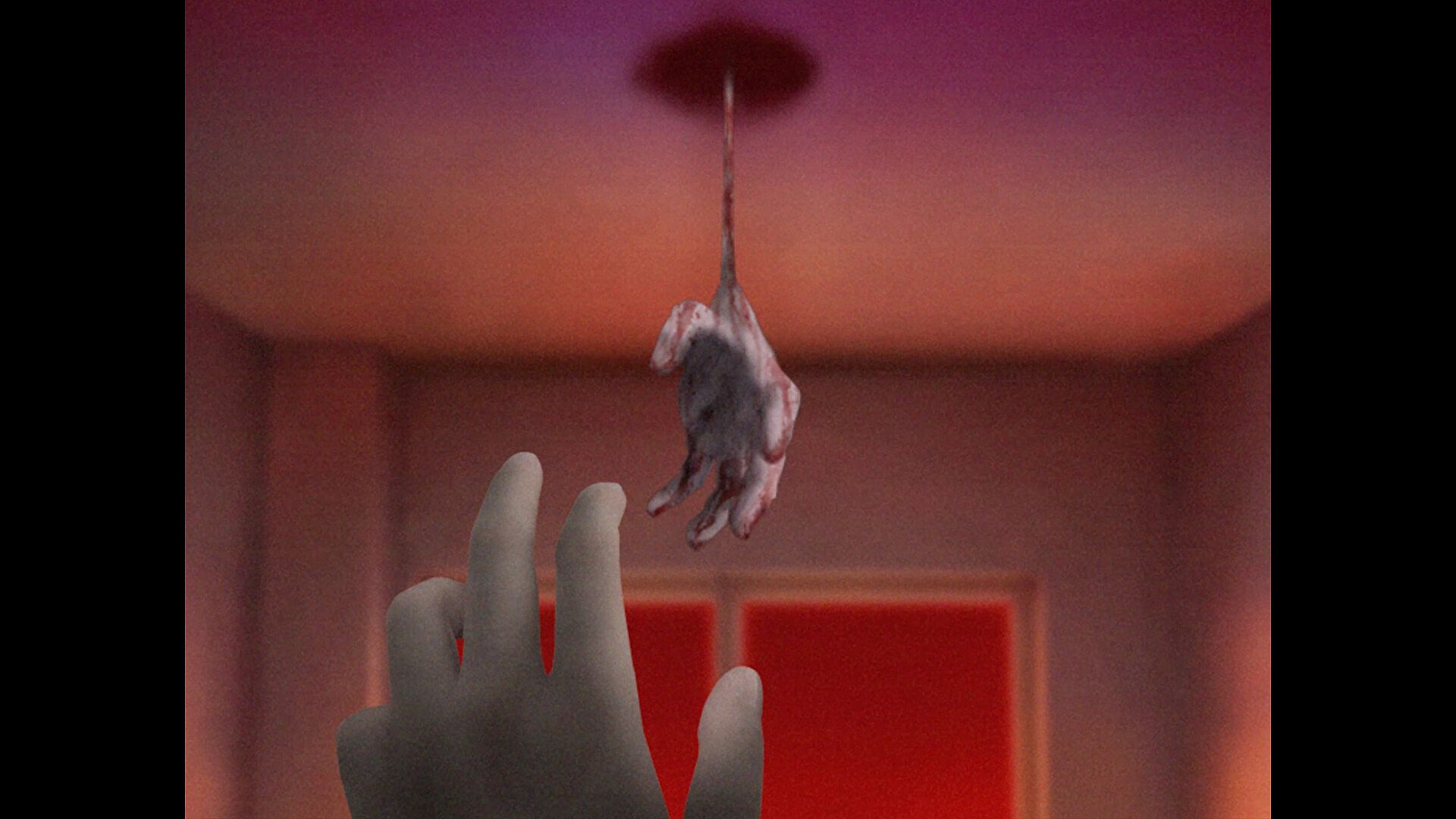
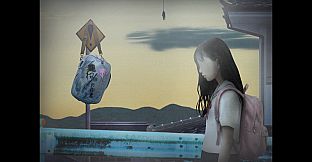
Visual presentation returns to the series' early aesthetic, featuring hazy summer lighting, graffiti-covered houses, and a sense of liminal familiarity. The color of the sky transitions gradually from blue toward red as the story progresses through its chapters. Sound design reinforces the growing unease through everyday ambient noises that begin to feel off-kilter. The entire experience is designed for short sessions, with the full narrative spanning multiple chapters that can be completed in one or two sittings.
Game Modes
The game offers a single linear narrative mode. There are no alternate difficulty settings, branching paths during play, or additional gameplay variants. The story is presented in sequential chapters that must be experienced in order, with the only player decision reserved for the conclusion. This structure emphasizes repetition and gradual transformation rather than replayability through different modes.
Story and Atmosphere
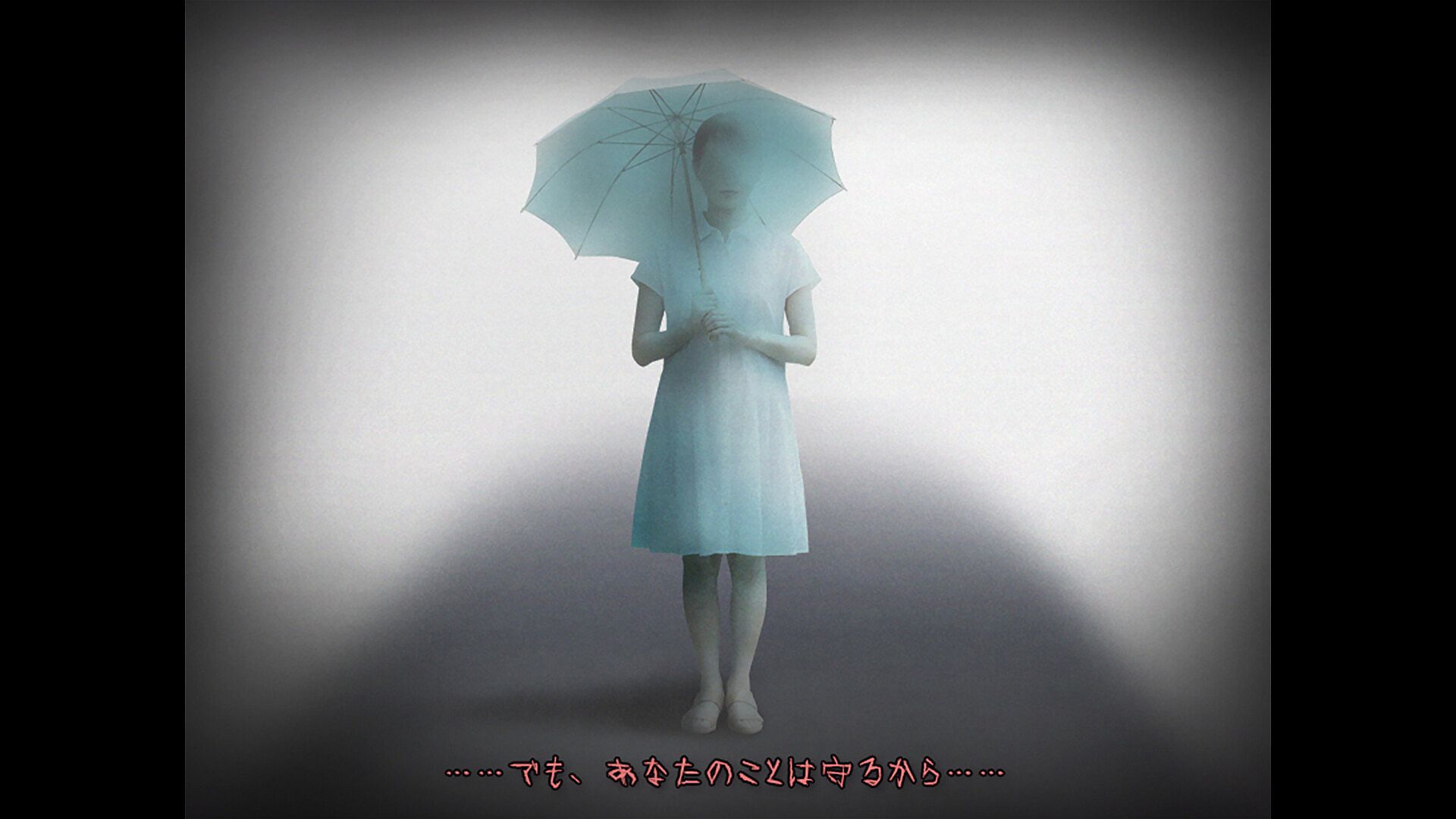
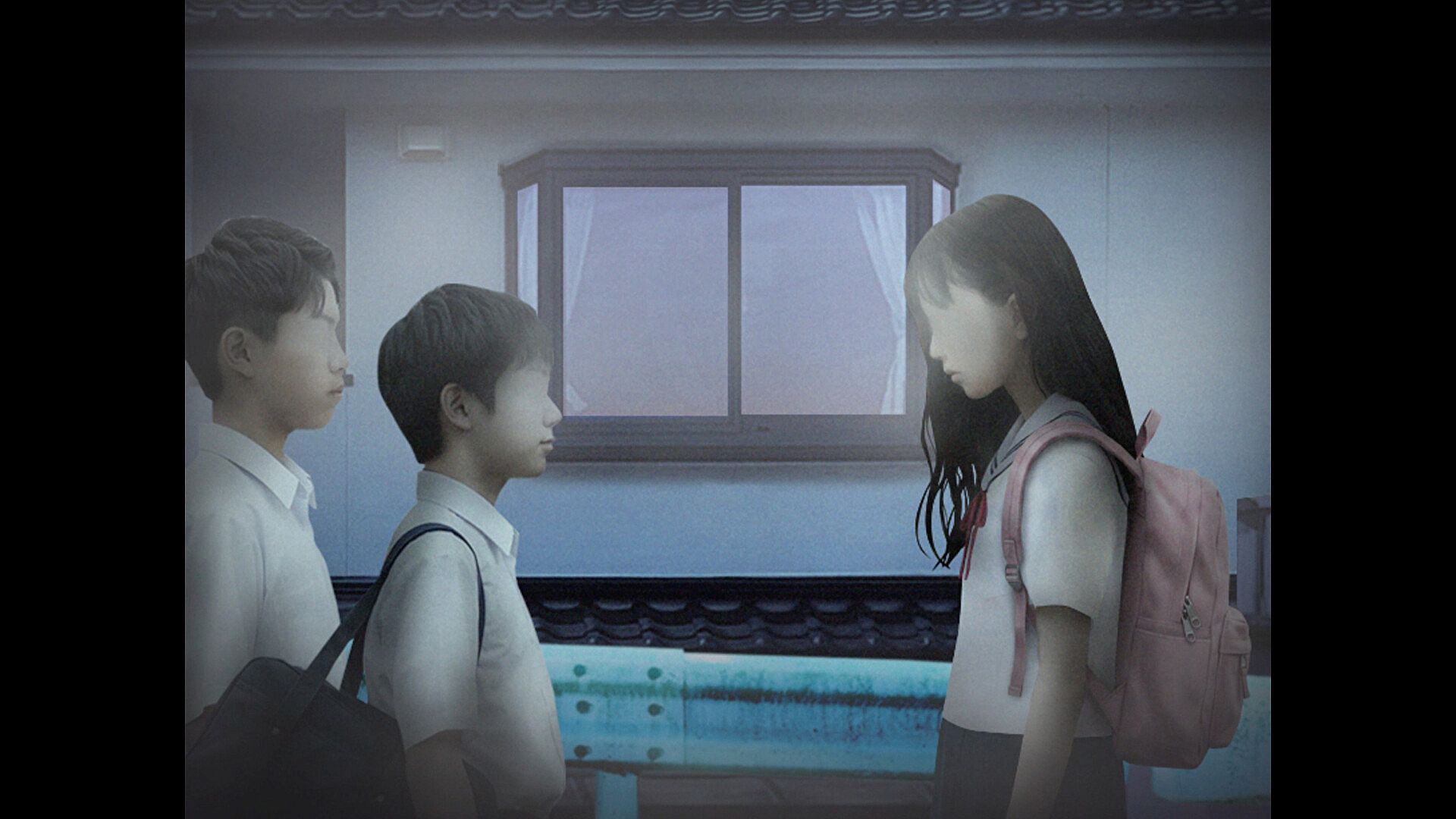
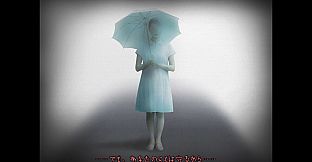
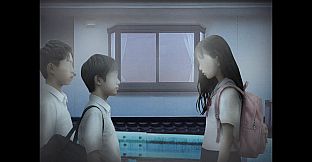
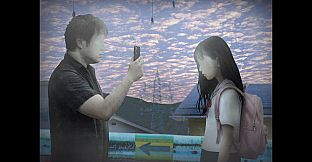
The narrative follows a girl returning home each day past the same houses and residents. A house covered in graffiti and a mother figure holding a white umbrella appear repeatedly, providing anchors amid the shifting environment. Over successive days the once-familiar street begins to fracture, with the sky darkening and the behavior of passersby growing more ominous. The final chapter presents a binary choice that determines the ending, giving the otherwise passive experience a moment of agency.
The setting evokes the quiet discomfort of childhood walks in a neighborhood that should feel safe yet gradually reveals something wrong. Visual and thematic elements draw on liminal spaces and dreamlike distortion, aligning with the series' established approach to horror through the invasion of the mundane.
Is It Worth Playing?
This title suits players who appreciate slow-burn atmospheric horror delivered through extremely simple mechanics. Those seeking complex controls, combat, or open exploration will find little to engage with here. The strength lies in its restraint: the repeated walk becomes hypnotic, and the accumulating changes create dread without relying on traditional jump scares or action sequences. Because the game is built around a single, focused experience rather than extended content or multiple playstyles, it appeals most to fans of short narrative-driven horror or those curious about the Tsugunohi series' signature concept of everyday life turning unsettling. Availability on PC makes it accessible for anyone with a basic setup and an interest in minimalist design.