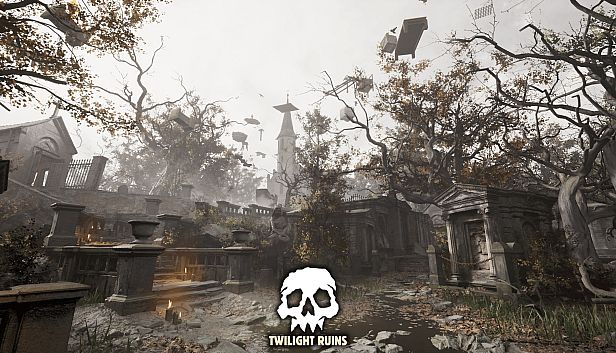


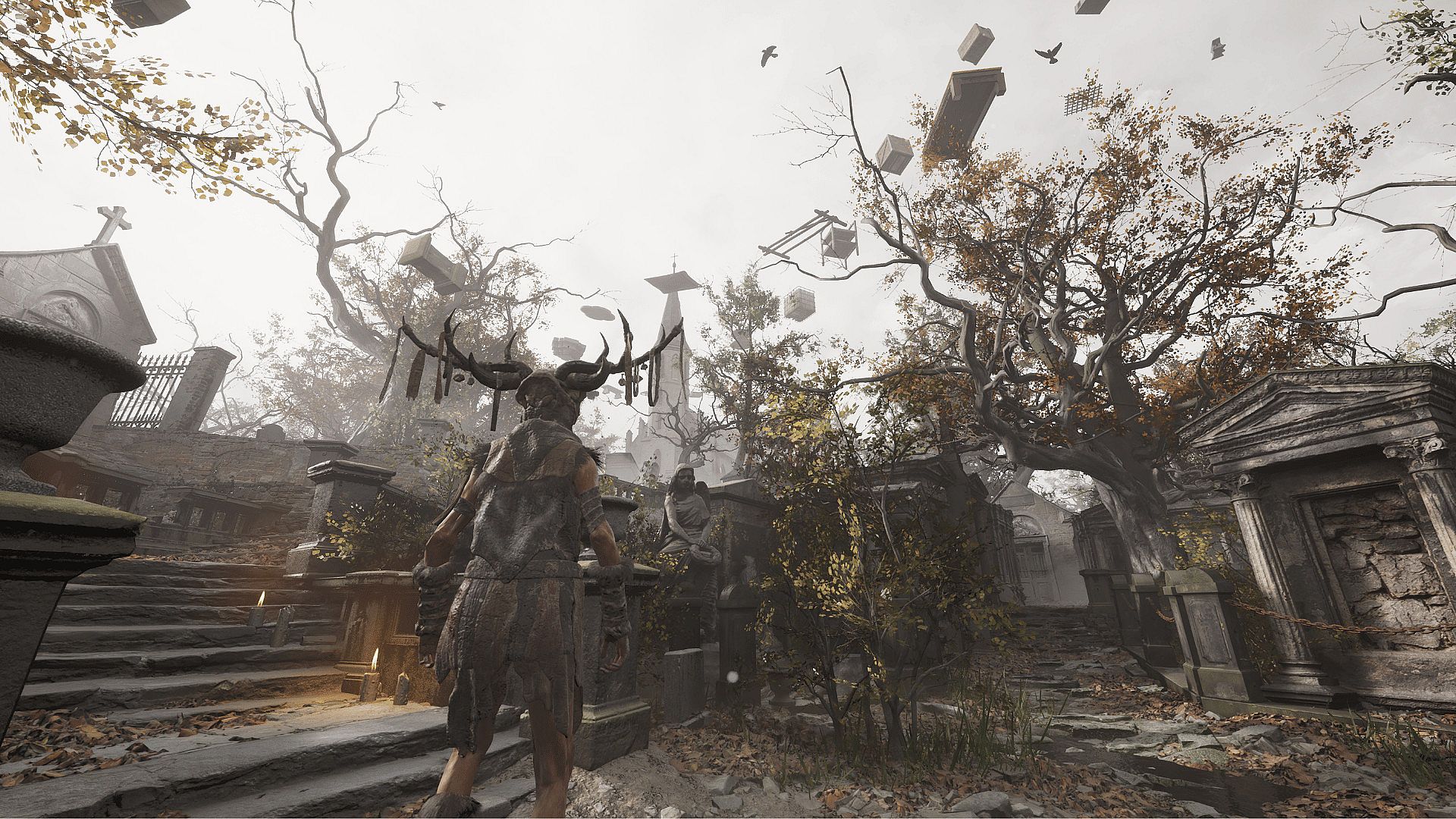
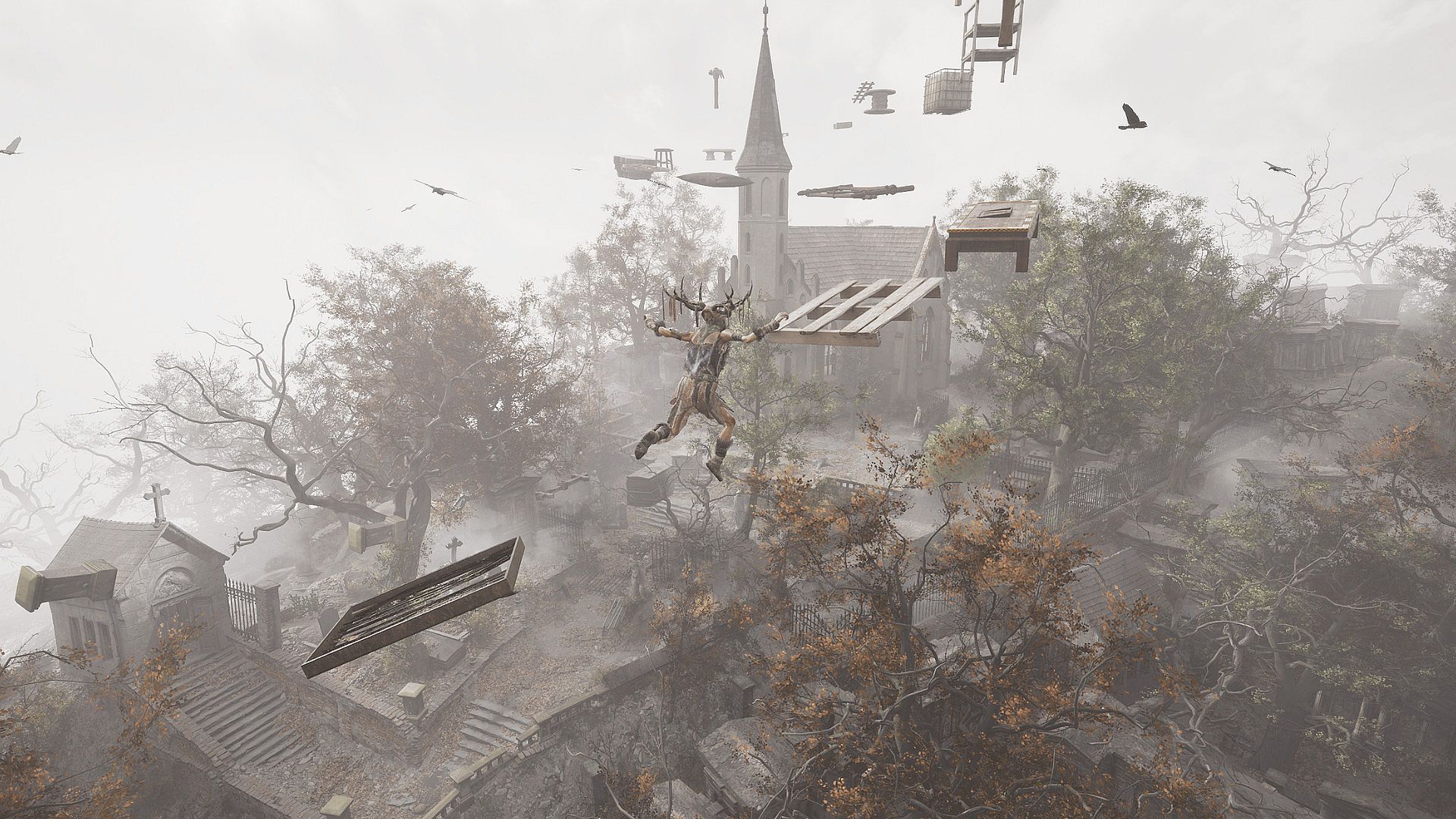
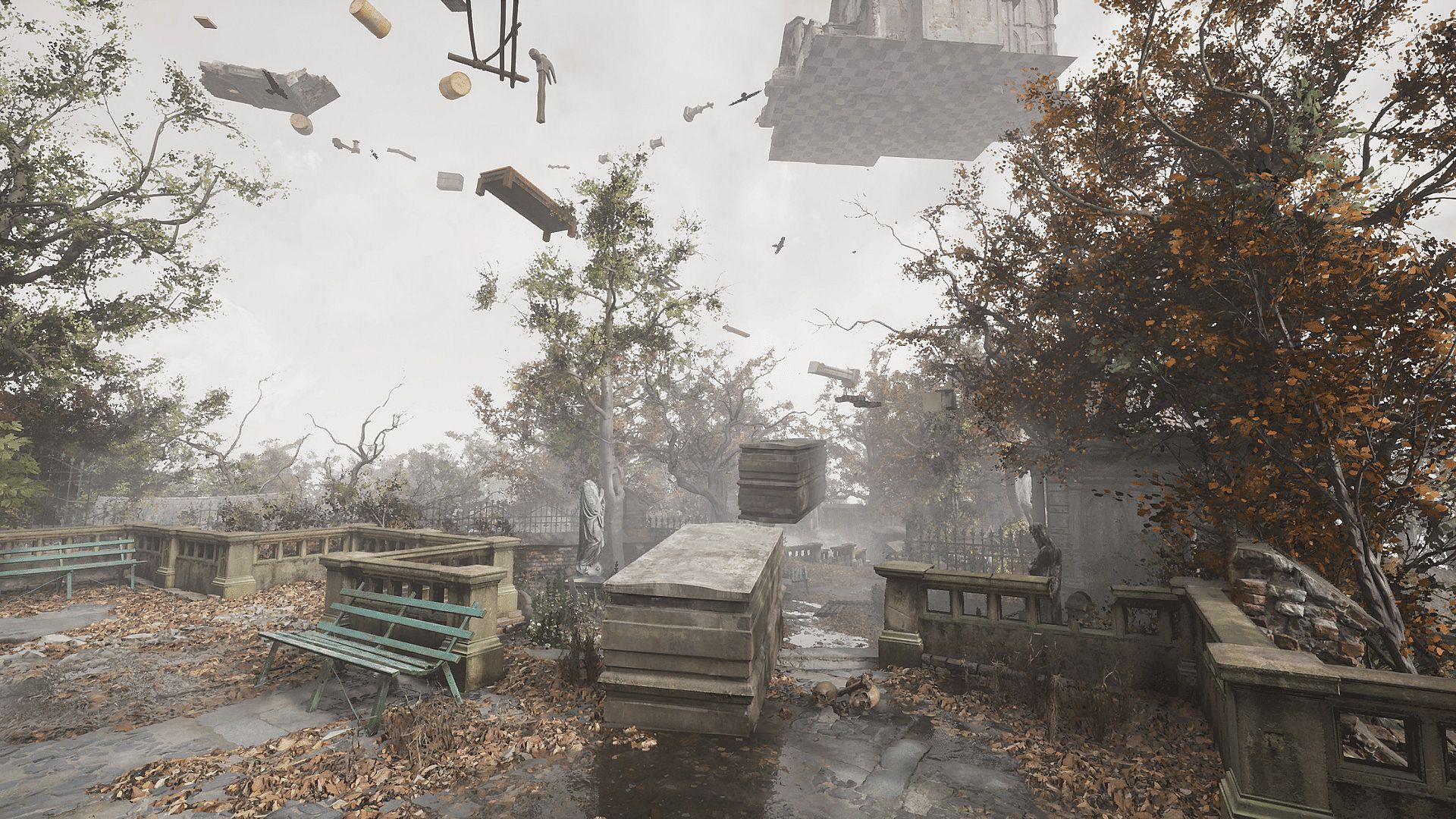
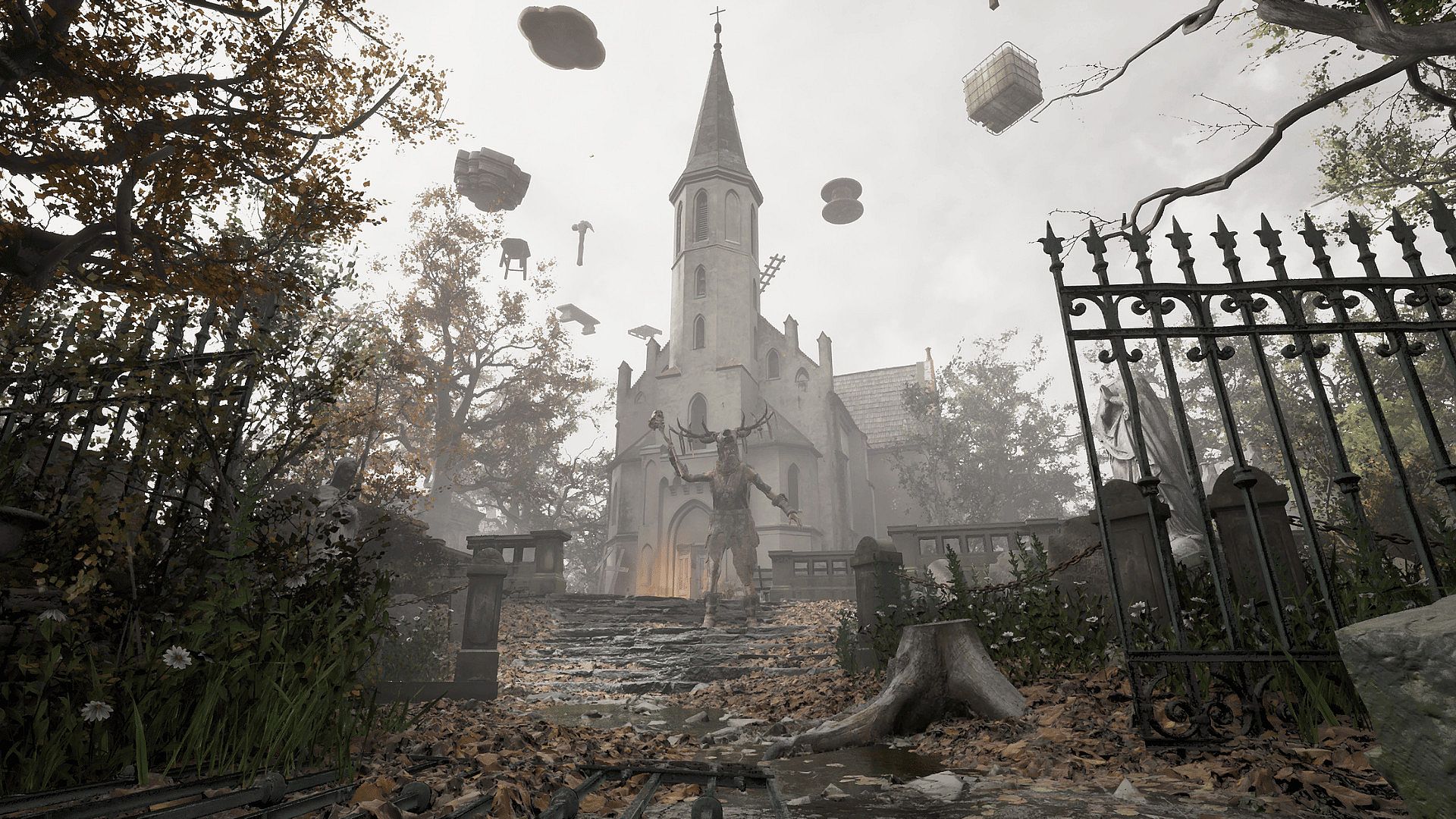
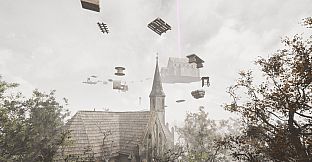
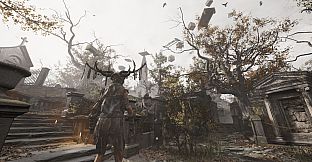
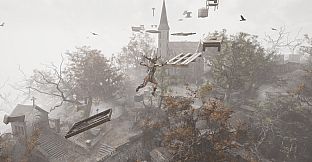
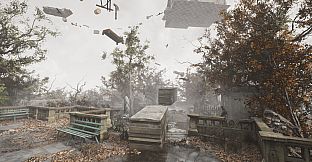
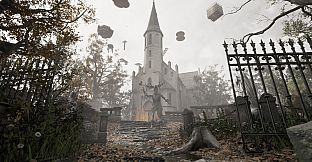
Twilight Ruins is a parkour platformer for PC that challenges players to navigate through an abandoned town filled with obstacles. Released recently, this title focuses on precision movement and exploration in a setting marked by decay and mystery. As a single-player experience, it draws on core elements of jumping, climbing, and timing to progress through its environments.
Gameplay
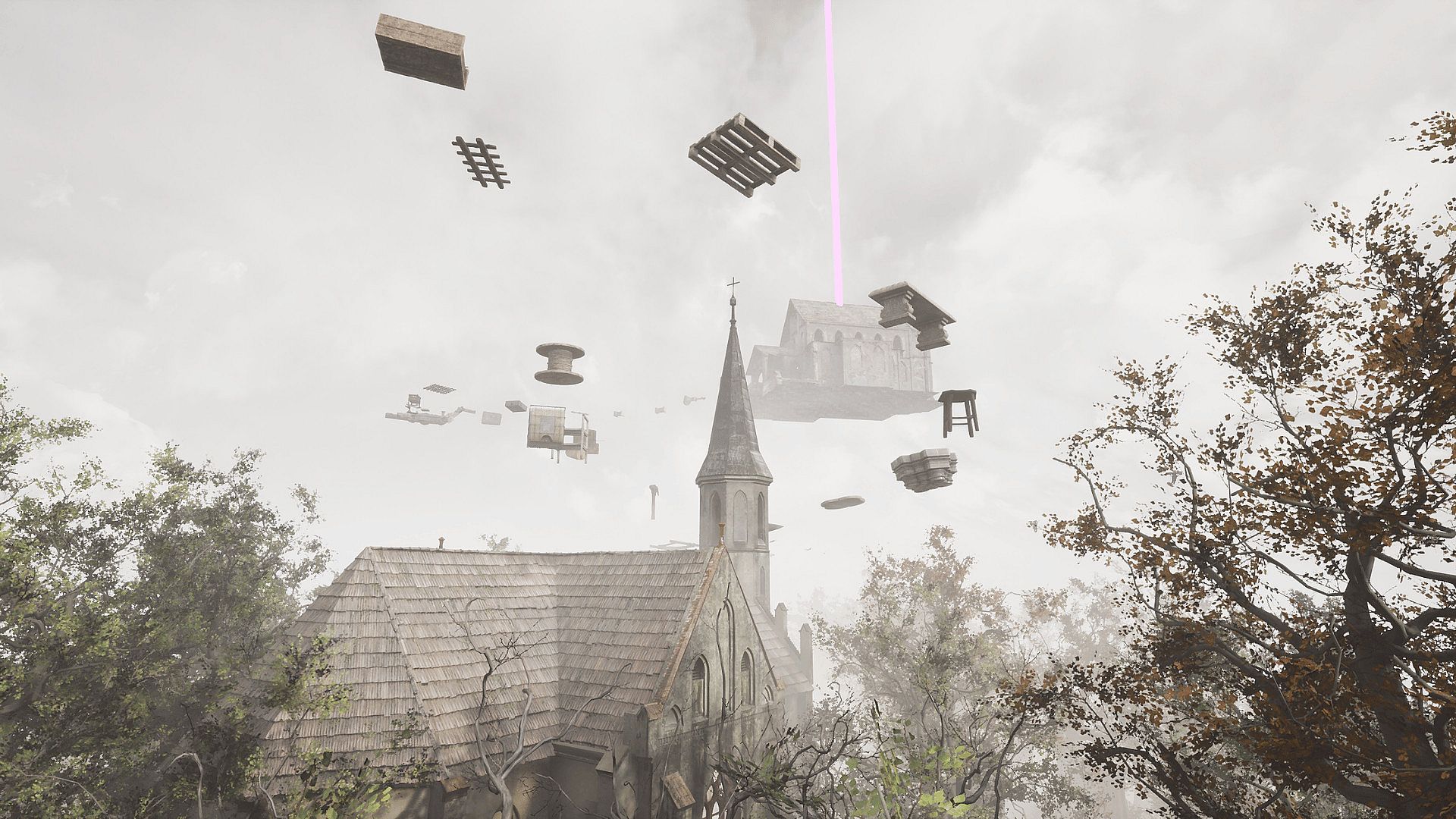
In Twilight Ruins, the core loop revolves around mastering parkour mechanics to traverse ruined structures. Players jump across gaps, climb walls, and avoid hazards in an abandoned urban landscape. The game emphasizes timing and spatial awareness, with each section building on previous skills. Controls feel responsive, allowing for fluid chains of movements that reward practice.
Exploration plays a key role, as the town hides paths that encourage replaying areas to find optimal routes. Obstacles range from crumbling buildings to environmental traps, creating a sense of progression as players unlock new sections. The visual style captures the twilight atmosphere, with dim lighting that adds tension to navigation.
Game Modes
Twilight Ruins centers on a primary single-player mode where the goal is to complete obstacle courses set in the ruined town. This mode involves progressing through interconnected levels, each designed as a self-contained challenge that tests parkour abilities.
Without distinct multiplayer options, the experience remains focused on individual skill-building. Players tackle these courses sequentially, aiming to finish them efficiently while exploring the environment for hidden elements.
Is It Worth Playing?
For those who appreciate parkour platformers with a focus on precision and exploration, Twilight Ruins offers a solid challenge in its abandoned setting. The game's recent release means it's in an early state, with potential for community feedback to shape future updates.
If quick reflexes and mastering movement appeal to you, this title provides engaging sessions. However, players seeking deep narratives or competitive elements might look elsewhere, as it prioritizes solo obstacle navigation over broader features.