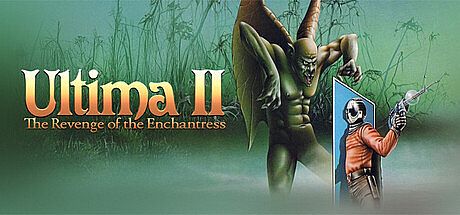




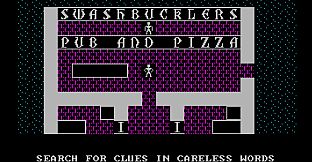
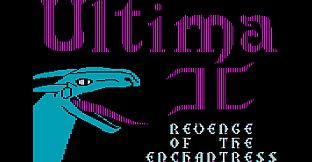
Ultima II: The Revenge of the Enchantress is a single-player RPG that places players in the role of the Stranger on a quest across Earth's history and into outer space. Released originally in 1982, the game expands on its predecessor with time gates that connect five distinct eras, vehicle travel on land sea and air, and the ability to reach every planet in the solar system. Character creation lets players choose race class gender and distribute attribute points that determine combat effectiveness equipment use and other capabilities.
Gameplay
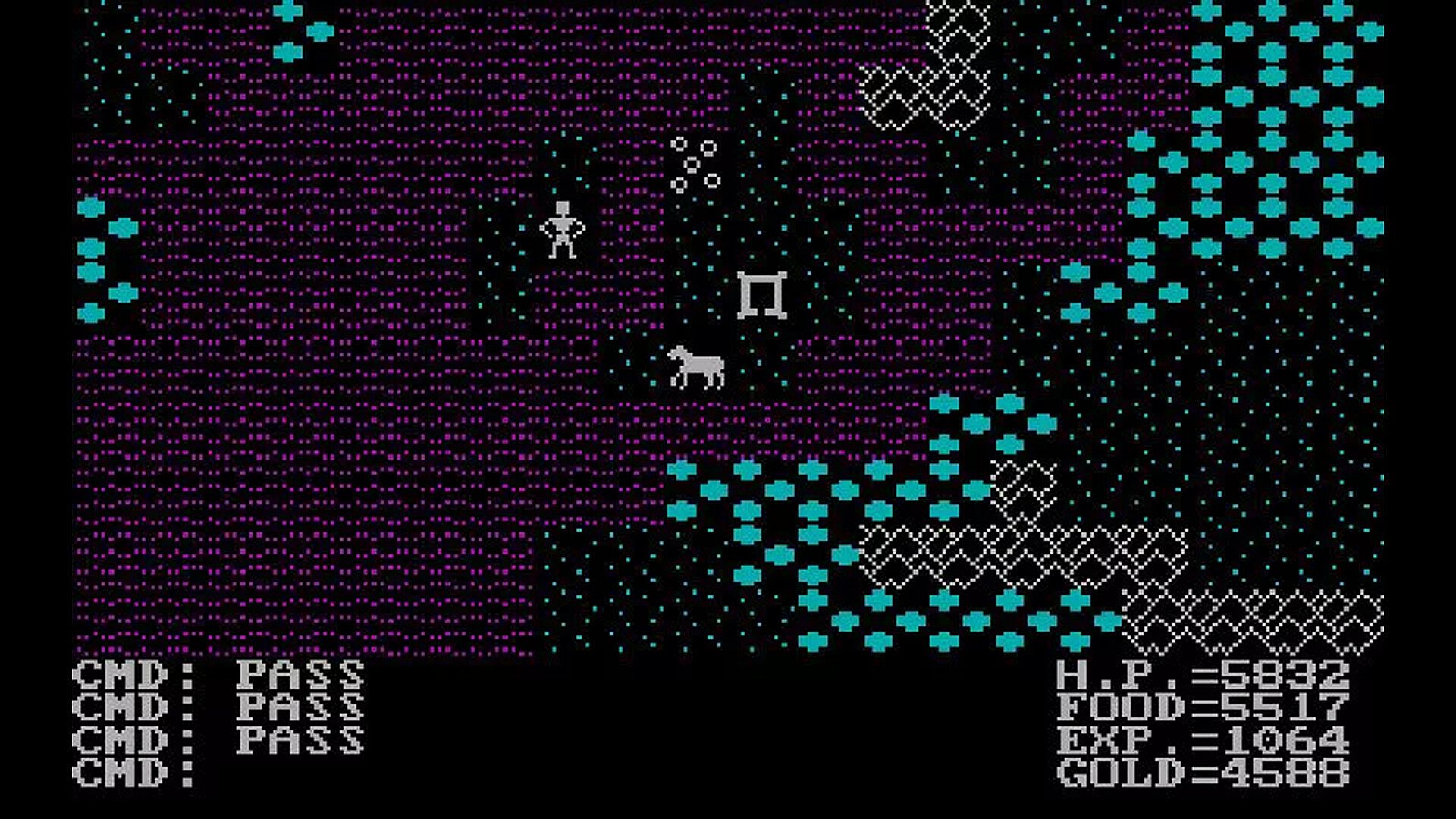
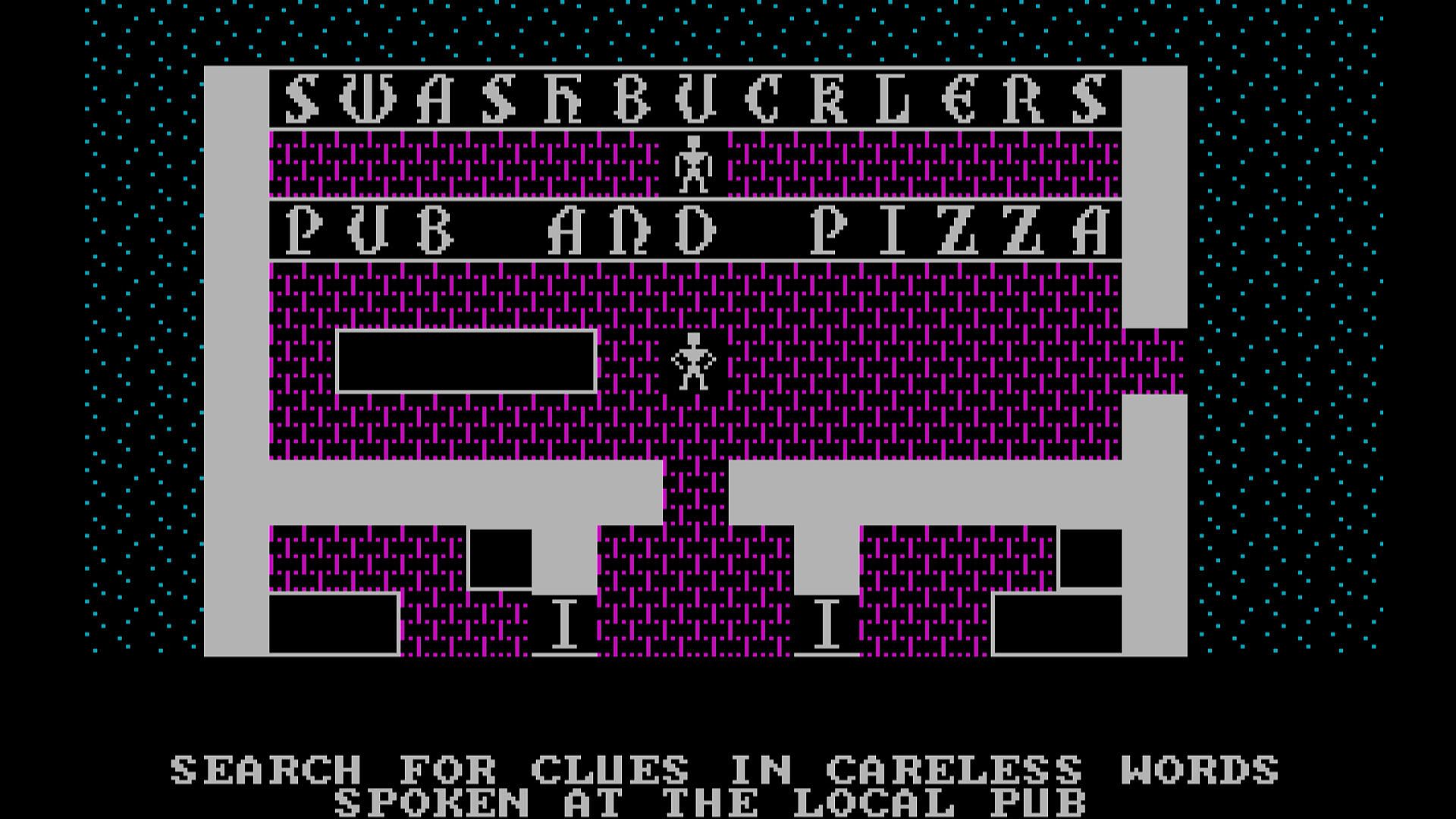
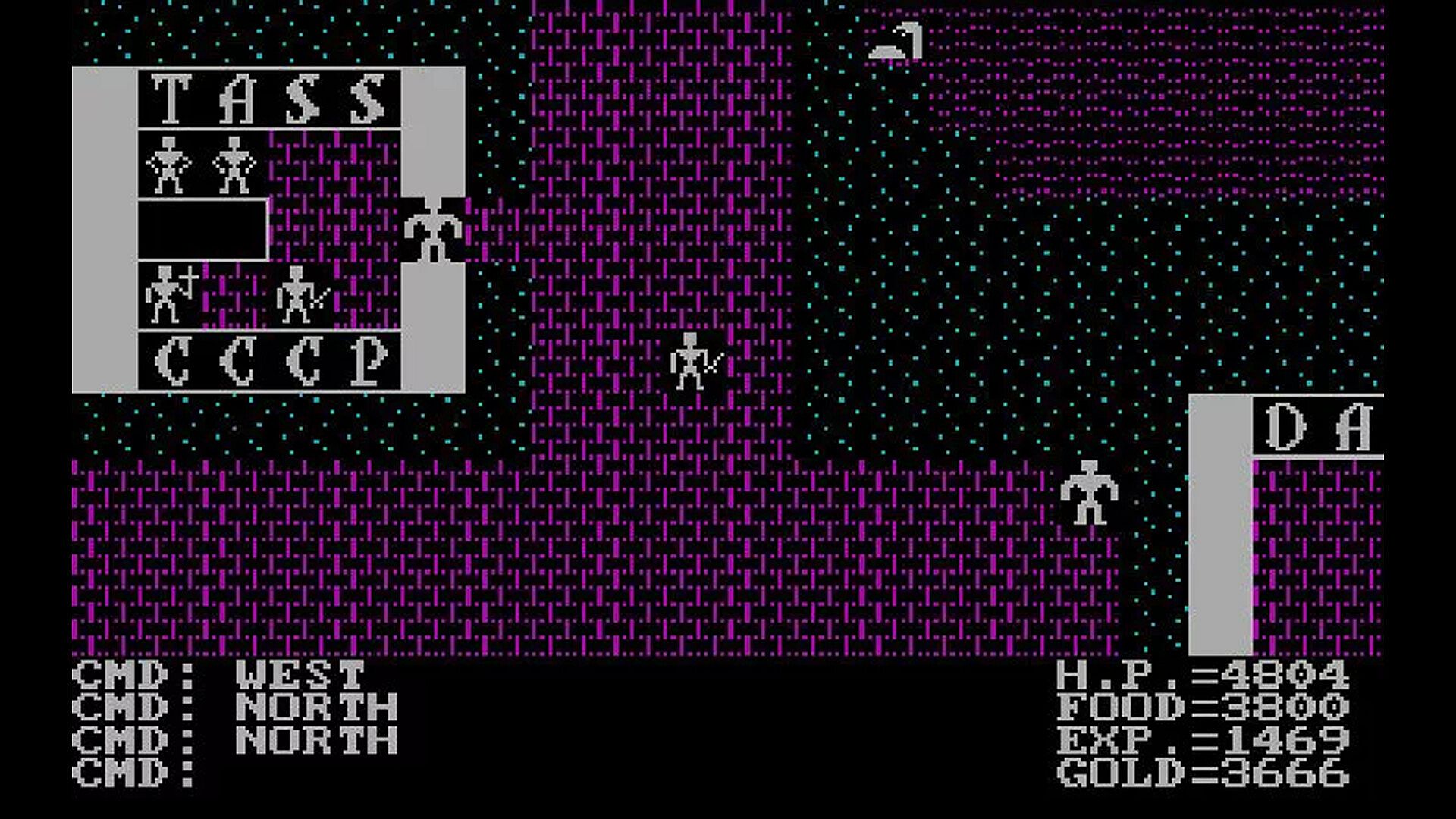
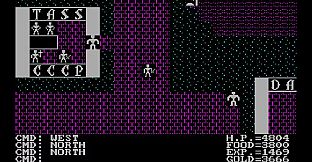
The core loop centers on exploration conversation and incremental character improvement. Players move across top-down maps representing different time periods on Earth, entering towns castles and other locations to speak with inhabitants who provide clues or misleading information. Combat occurs through direct commands against creatures such as orcs thieves and demons, with success influenced by equipped weapons armor and attributes like strength and agility. Food must be purchased regularly to sustain travel while hit points are restored through specific interactions.
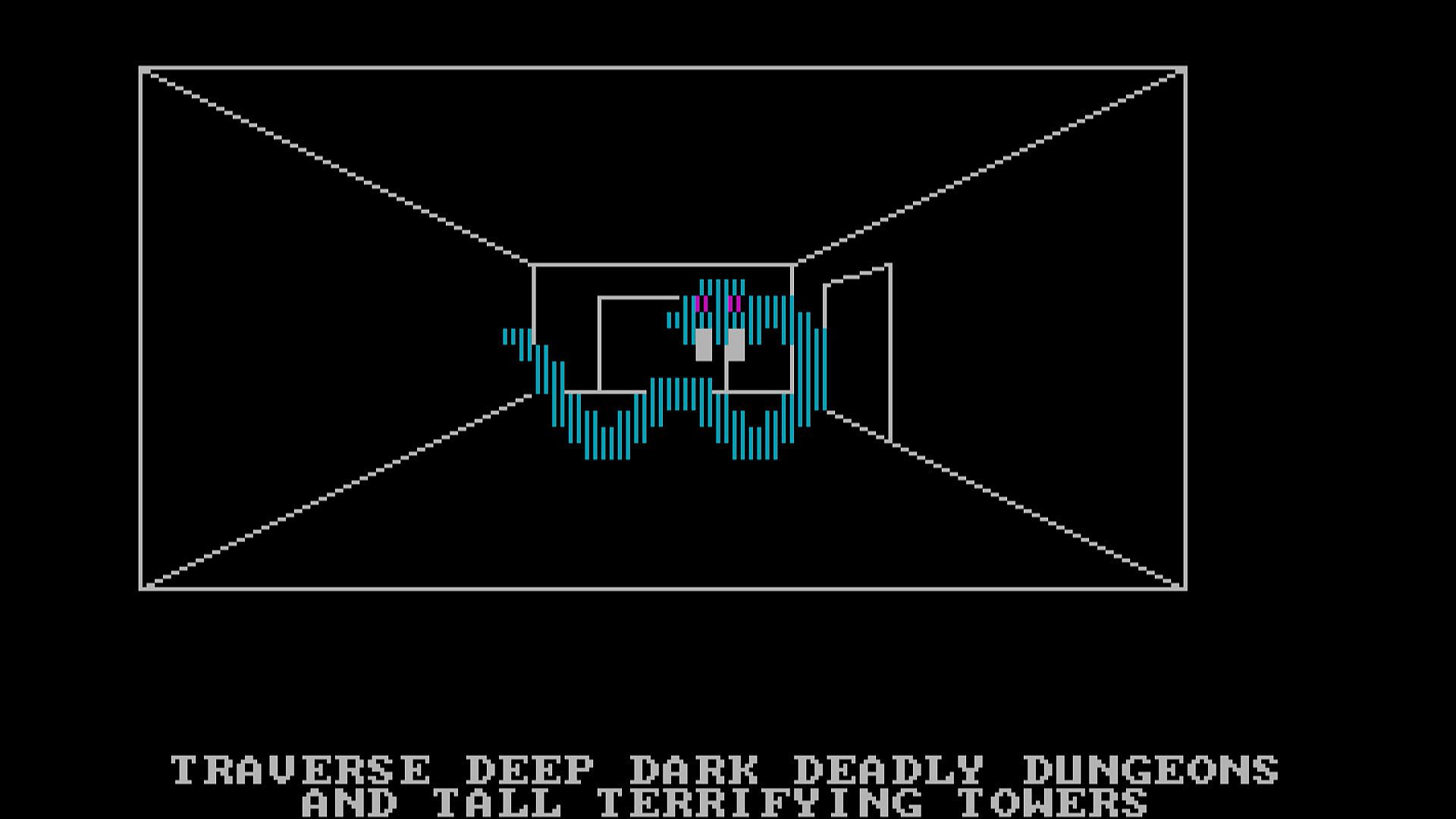
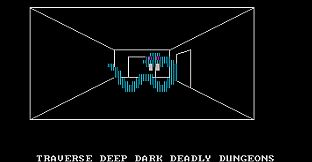
Time gates serve as the primary means of progression between eras including prehistoric Pangea, ancient times around 1423 BC, the modern year 1990, a post-apocalyptic 2112, and the mythical Time of Legends. Vehicles add variety: horses and planes board easily while boats require a specific item. Planes and rockets demand additional keys or resources to launch and land safely on suitable terrain. Dungeons and towers shift to a first-person view for multi-level exploration filled with monsters traps and treasures. Random drops from defeated enemies supply many key items, and attribute gains occur through a paid service that raises stats unpredictably.
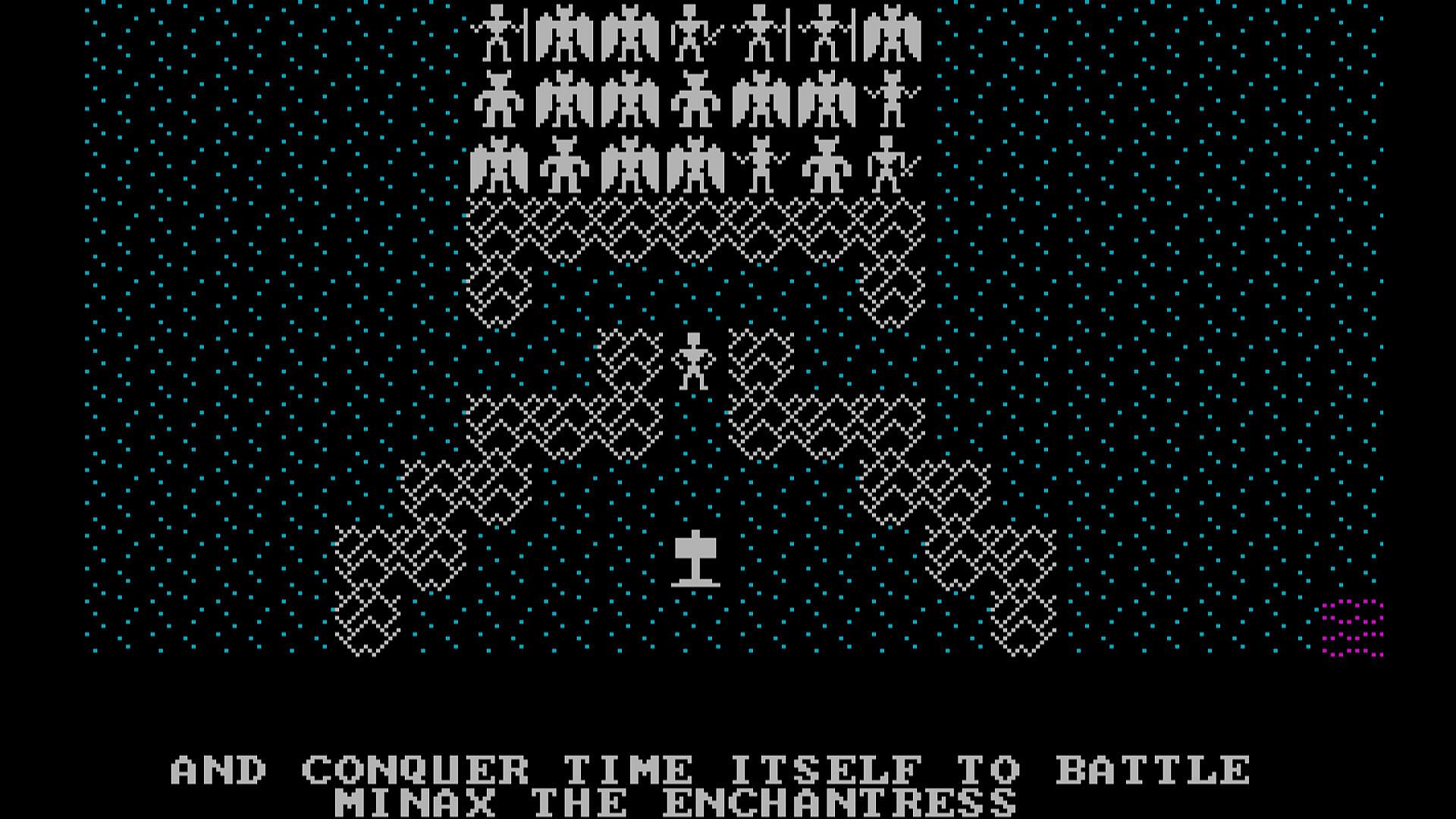
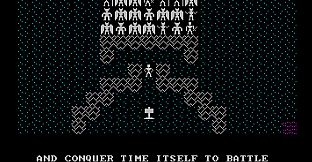
Space travel extends the scope further. Rockets found in specific locations allow visits to solar system planets, each with its own surface map, though most serve optional purposes such as resource collection. The main objective requires assembling particular equipment including a unique sword and protective ring before confronting the antagonist in her heavily guarded fortress.
Game Modes
Ultima II offers only a single-player experience built around one continuous quest. There are no separate multiplayer options or alternate campaigns. Progress follows a linear path through time periods and space that branches through optional side areas such as most dungeons and planetary surfaces. The structure emphasizes discovery via NPC dialogue and item hunting rather than structured levels or competitive elements.
Exploration and Progression
Five time periods create distinct overworld maps with unique inhabitants and challenges. Clues gathered from conversations guide players toward essential items and locations, though some information is deliberately false or incomplete. Attribute improvement happens at a fixed service point where gold payments yield random stat increases, encouraging repeated visits as equipment requirements grow stricter. Random events affect item acquisition and stat gains, adding variability to each playthrough. The game world includes scrolling town maps with merchants taverns and guards alongside wilderness encounters that demand constant resource management.
Is It Worth Playing?
This title appeals primarily to players interested in early computer RPG design and its historical place in the series. The time-travel mechanics and broad exploration across eras and planets deliver a distinctive scope for its era. However, heavy reliance on trial-and-error, sparse guidance, and dated controls mean many modern players consult external resources to complete the main quest. Recent re-releases make it accessible on contemporary PCs through emulation layers, preserving the original experience without ongoing updates or additional content. Those who enjoy methodical puzzle-like progression and classic tile-based adventure will find value in its unique systems, while others may find the interface and randomness frustrating. The game remains a single purchase with no free modes or seasonal additions.