






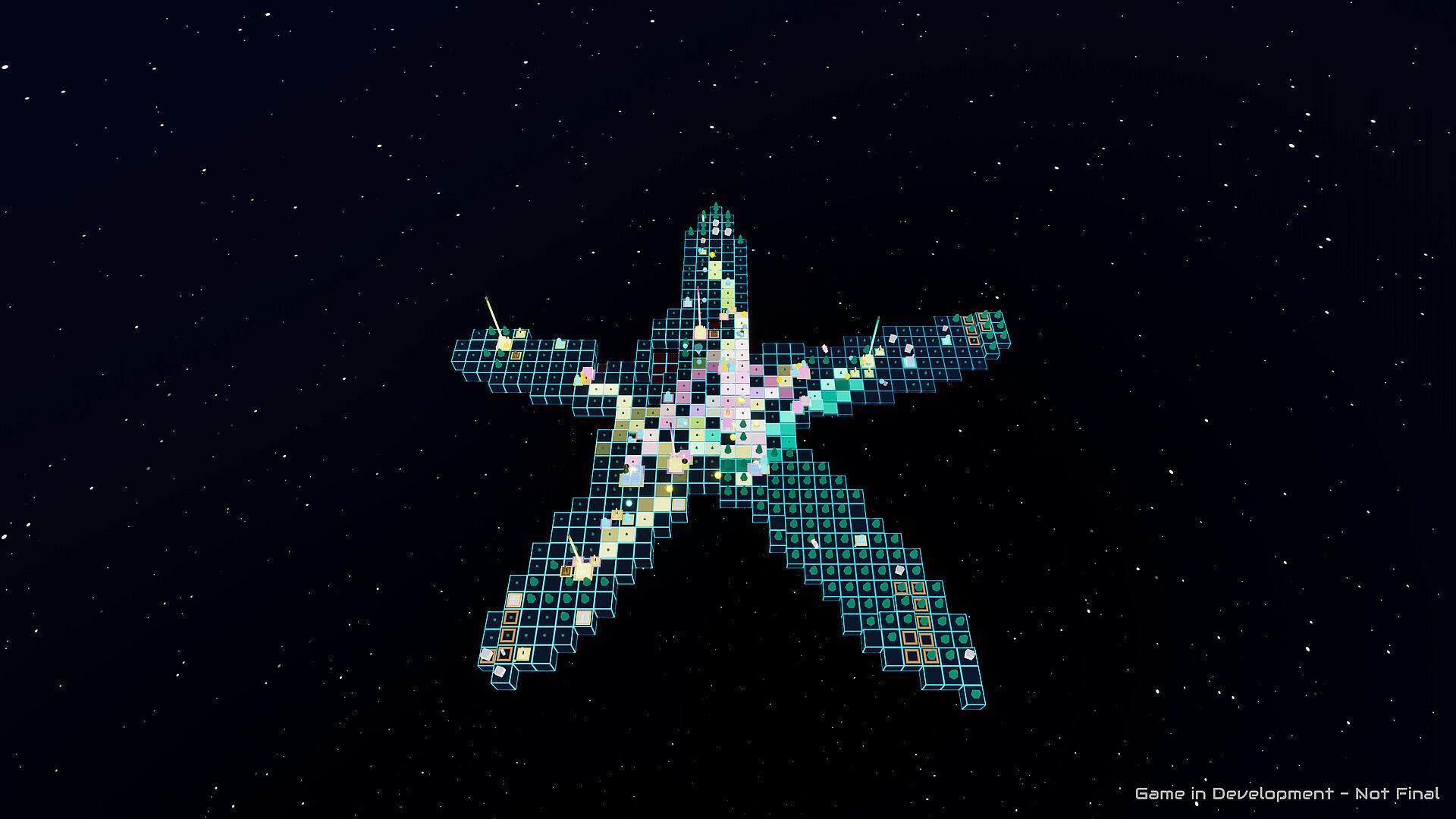
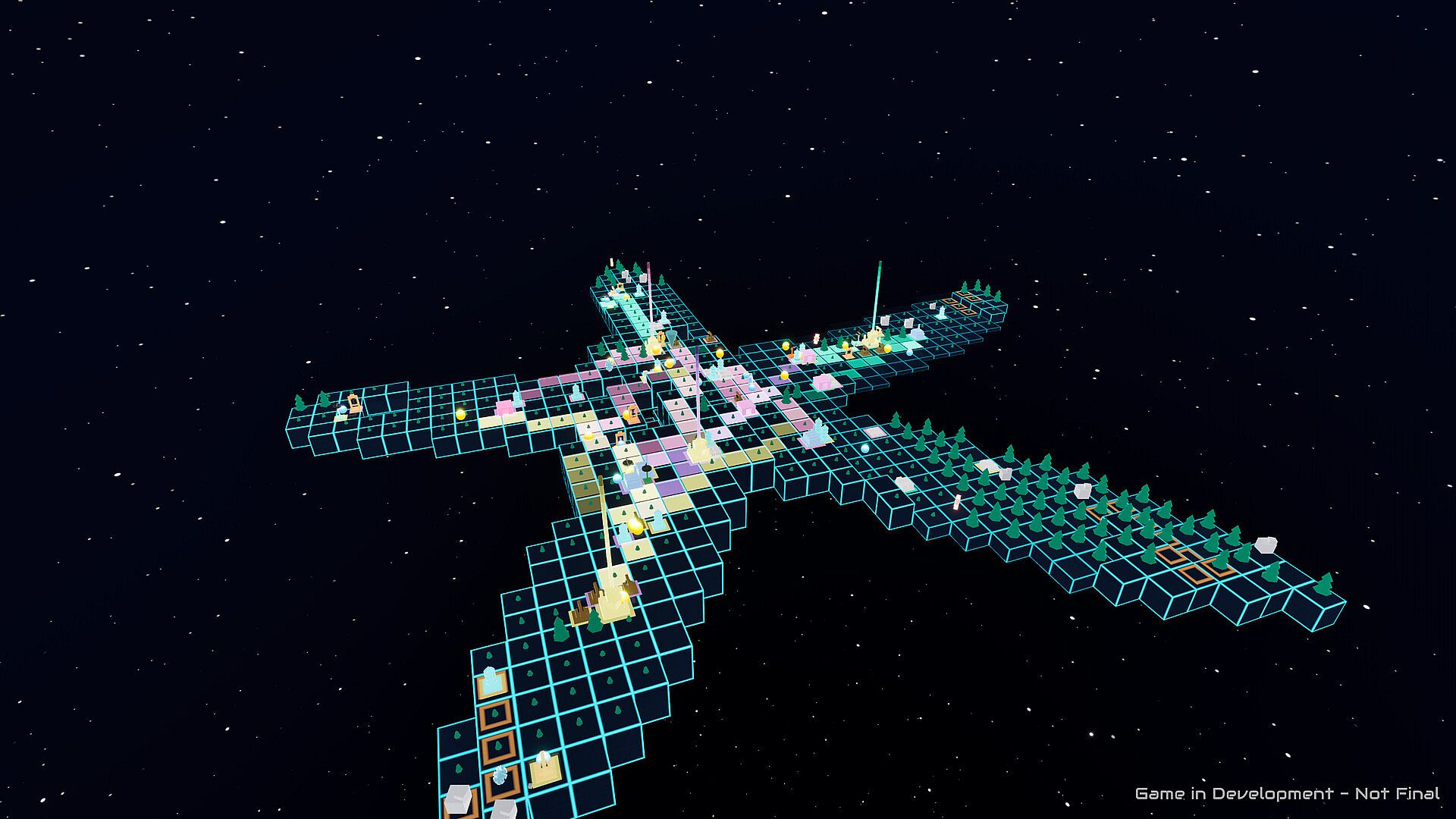
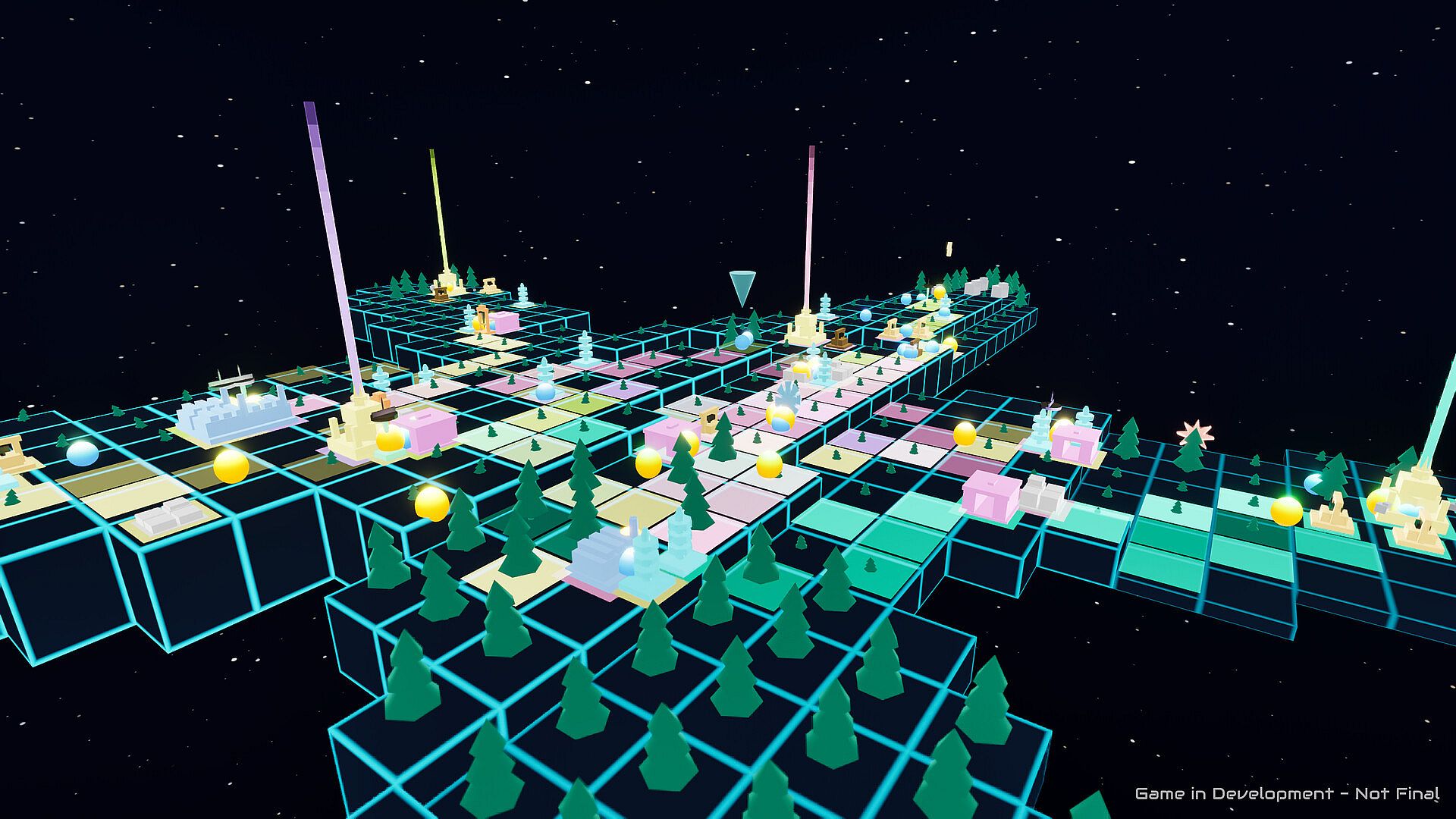
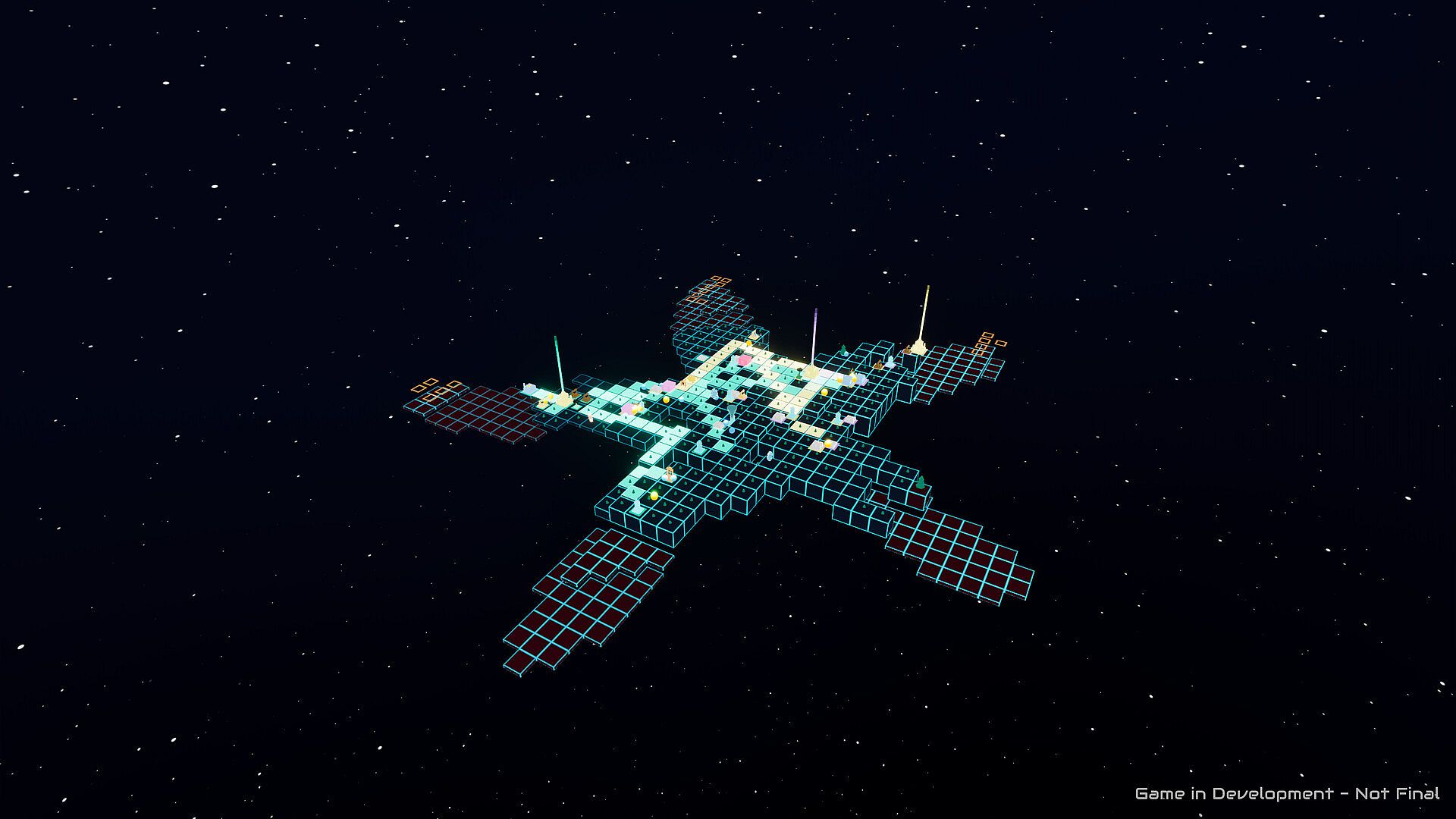
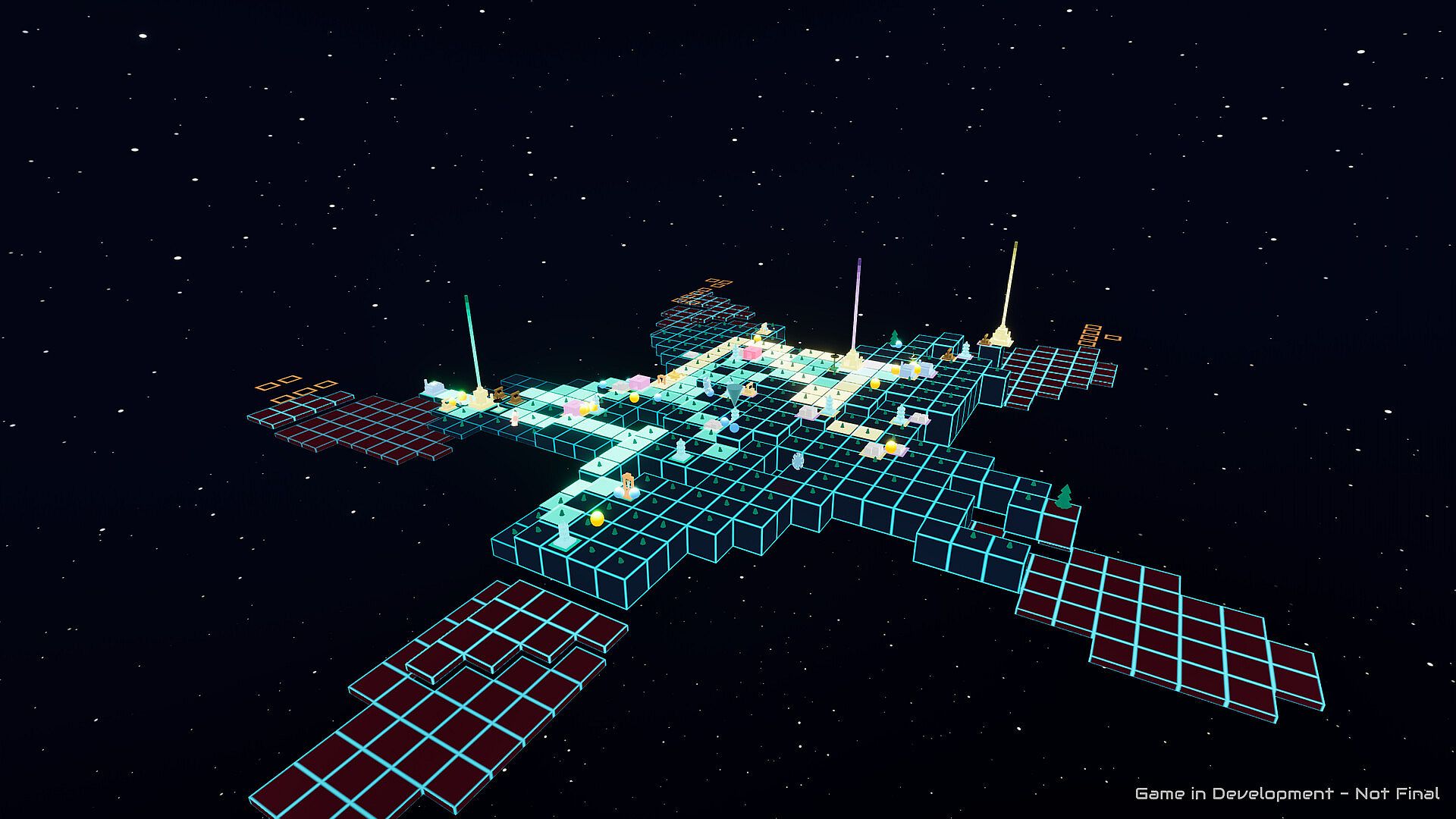
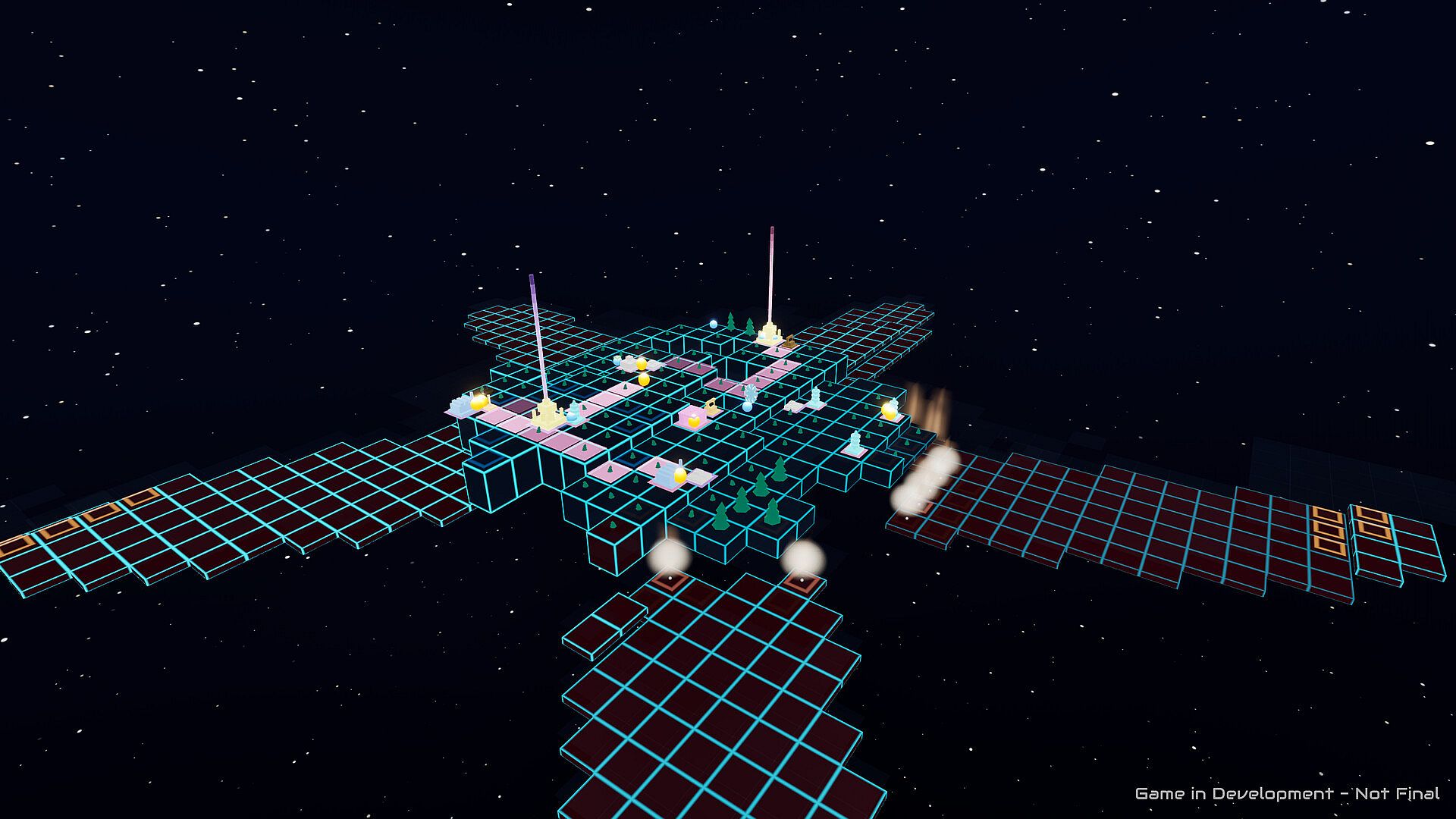
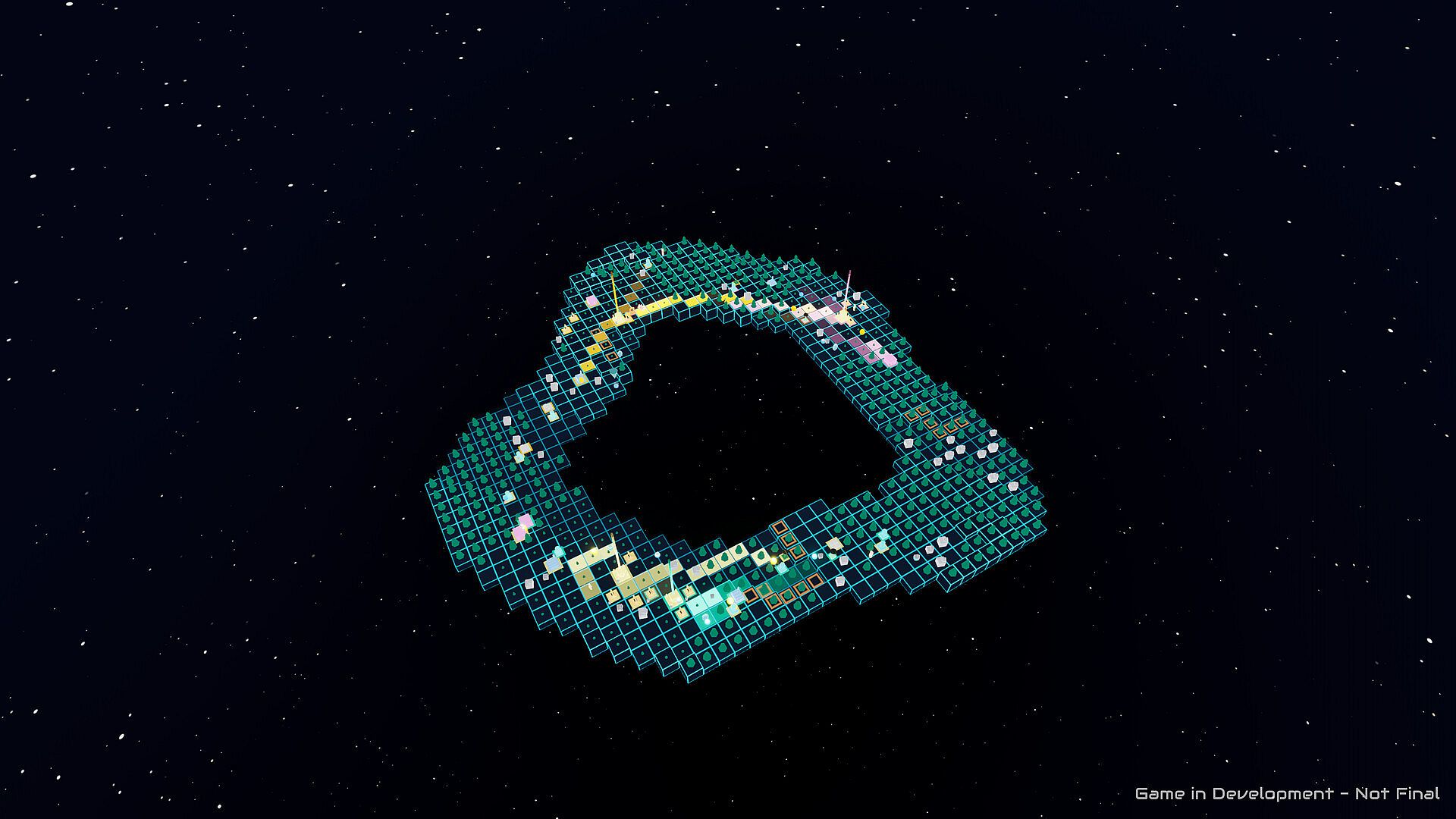
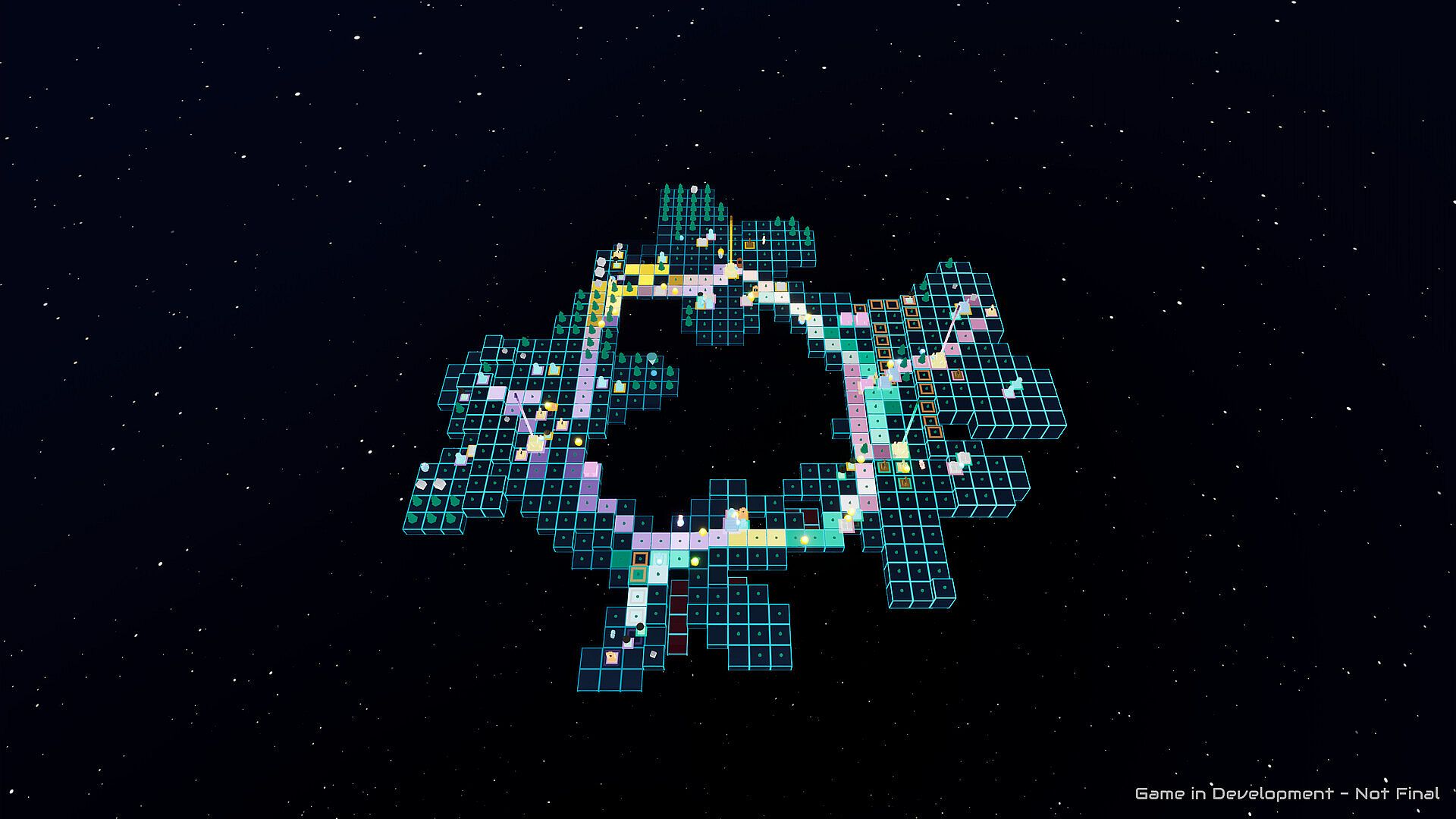

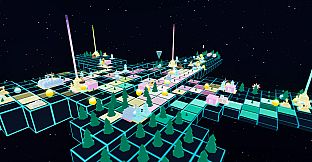

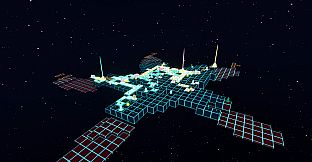
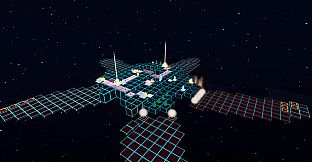

Ultracode is a strategy indie simulation game for PC where the battlefield itself becomes the primary weapon. Players compete on destructible grids against named AI rivals, using inference and indirect attacks rather than direct line of sight combat. The core loop centers on mining, building, and drilling terrain while managing stability to trigger chain collapses that can bury enemy positions.
Gameplay
Every tile on the grid tracks load, stress, and stability values. Actions such as mining resources, placing structures, or drilling can weaken or strengthen the ground beneath both friendly and enemy bases. Chain reactions of collapses serve as the main path to victory, but overextending builds risks self-destruction when the grid fails. This creates constant tension between expansion and caution.
Enemies remain hidden behind fog of war. Players gather indirect data through heat signatures, power consumption, and vibration readings from scans. The Signal Board converts these readings into actionable suspicions that guide drill strikes. Decoys and jamming further complicate identification, forcing careful interpretation of incomplete information.
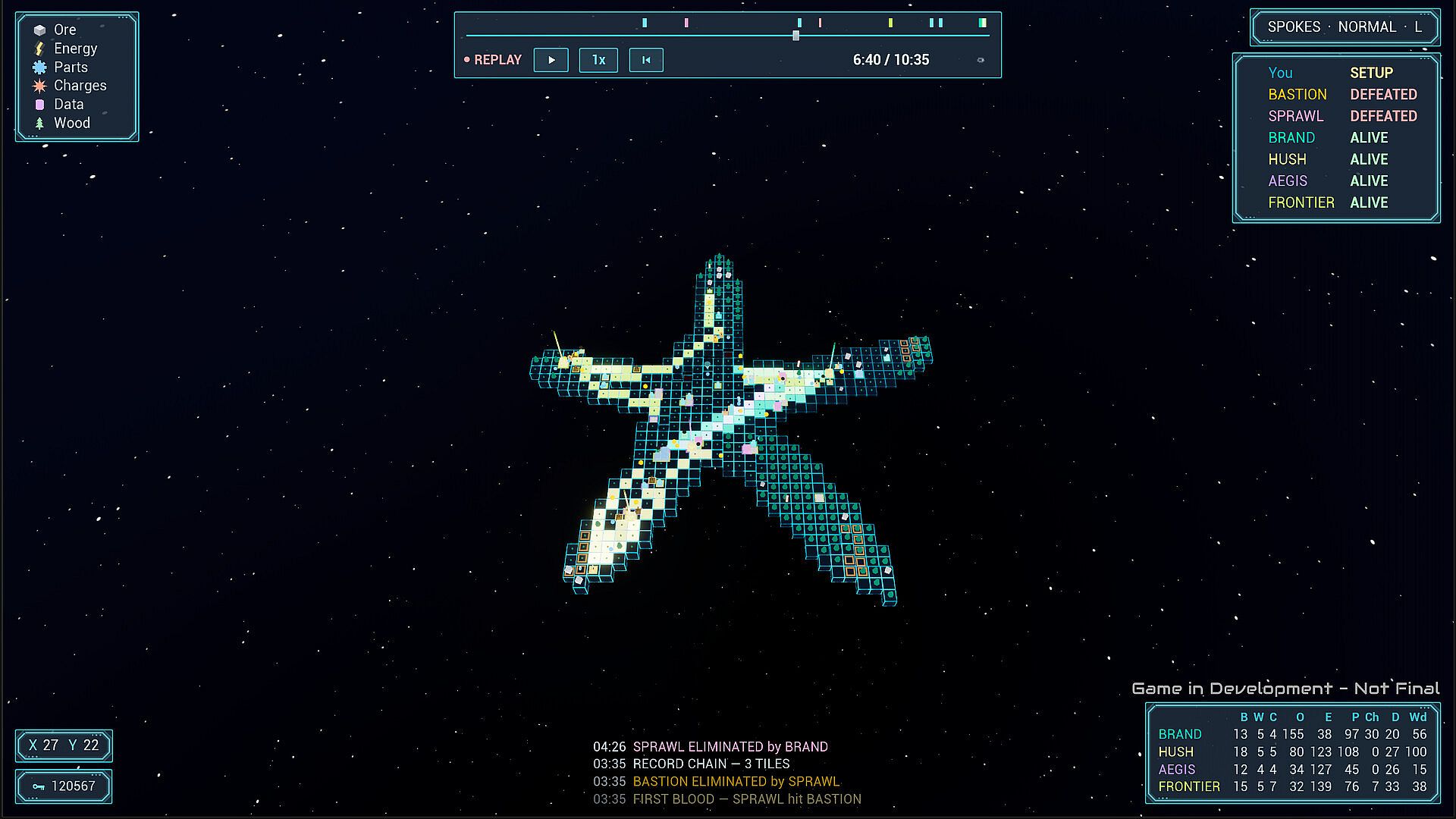
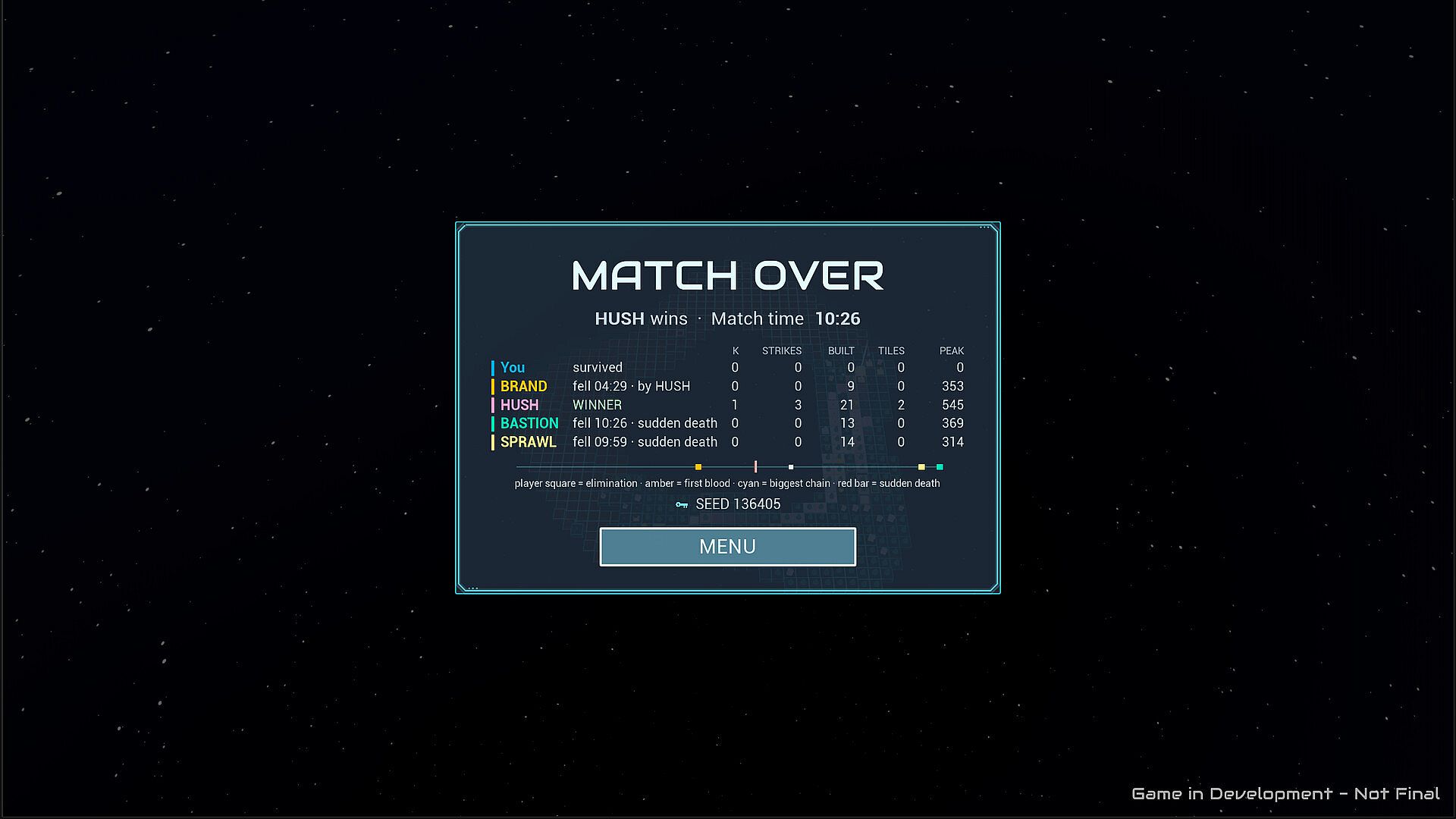
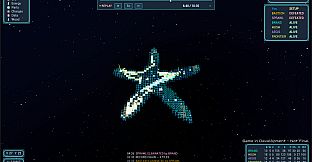
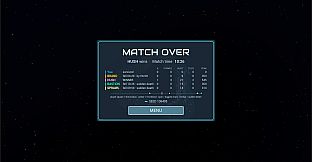
AI opponents each follow distinct behaviors while using identical rules and unit costs to the player. BRAND applies early pressure, HUSH minimizes activity, BASTION fortifies positions, and SPRAWL expands across the map. Every match generates a deterministic command tape that supports full replays with scrubbing, multiple viewpoints, and fog-consistent visibility.
Game Modes
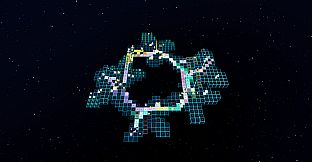
Matches take place across eight different playfield shapes available in four sizes. Mutators such as TREMOR, FRAGILE, and RICH VEINS alter terrain properties and resource distribution for each setup. A seeded Daily Trial provides a rotating challenge, while shareable codes allow exact reproduction of any board configuration. Per-setup leaderboards track best times alongside ghost race replays for comparison.
Single-player matches against the AI rivals form the primary experience, with deterministic systems ensuring consistent outcomes across replays. Multiplayer support appears in the feature list, though specific competitive formats remain tied to the same grid and inference mechanics.
Core Mechanics and Systems
The simulation layer governs all interactions through tile-level physics. Stability calculations determine collapse propagation, while resource management influences build speed and defensive options. Scans provide probabilistic data rather than exact enemy locations, rewarding players who maintain multiple information sources and adapt to deception.
Replays function as both analysis tools and sharing features. Command tapes record every action precisely, allowing verification of bluffs or successful inferences after the fact. This system supports learning opponent patterns without relying on visual confirmation during active play.
Is It Worth Playing?
Ultracode targets players who enjoy deliberate strategy games that emphasize systems thinking over direct confrontation. The combination of terrain physics, information warfare, and replay analysis creates a distinct loop suited to those interested in simulation depth and puzzle-like deduction.
The game remains in a coming soon state with no user reviews available at present. Its feature set, including deterministic matches and varied grid configurations with mutators, positions it for audiences seeking single-player or small-scale competitive experiences built around inference and structural risk. Those drawn to the described mechanics may find value once the title launches, particularly if they appreciate games where every decision carries measurable physical consequences on the playfield.











