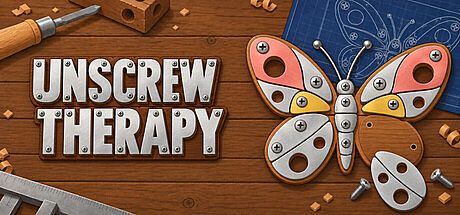


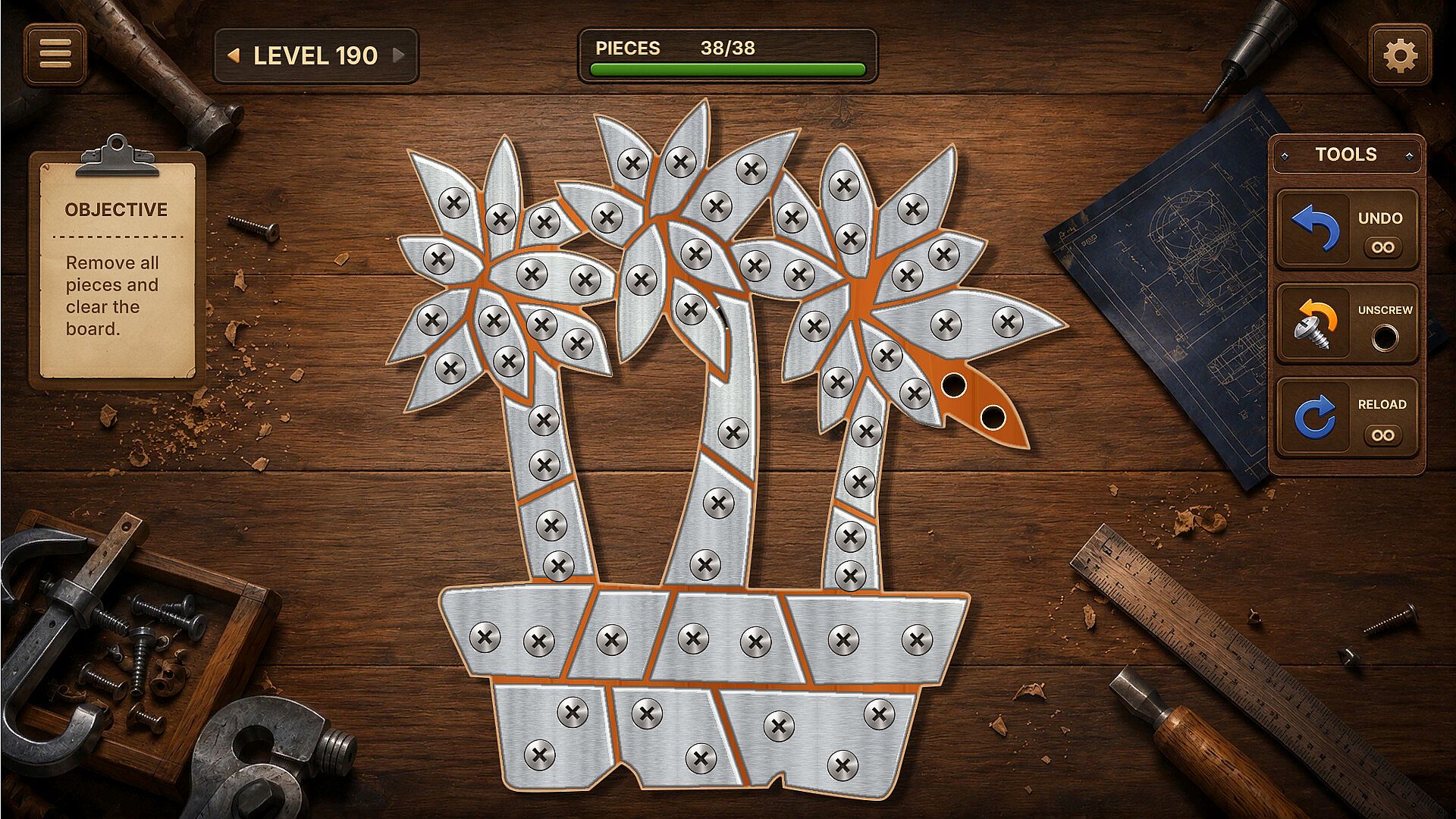
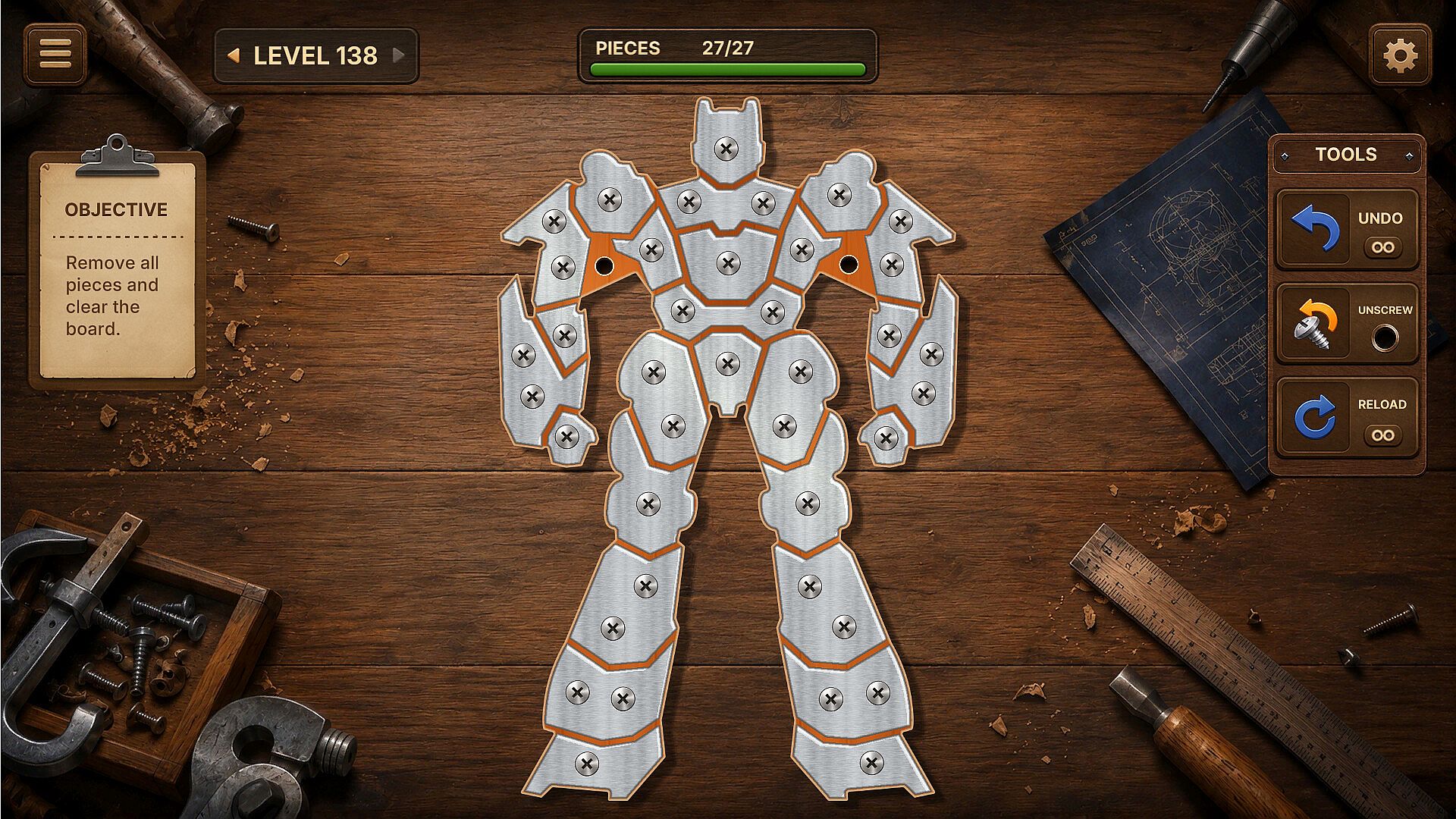
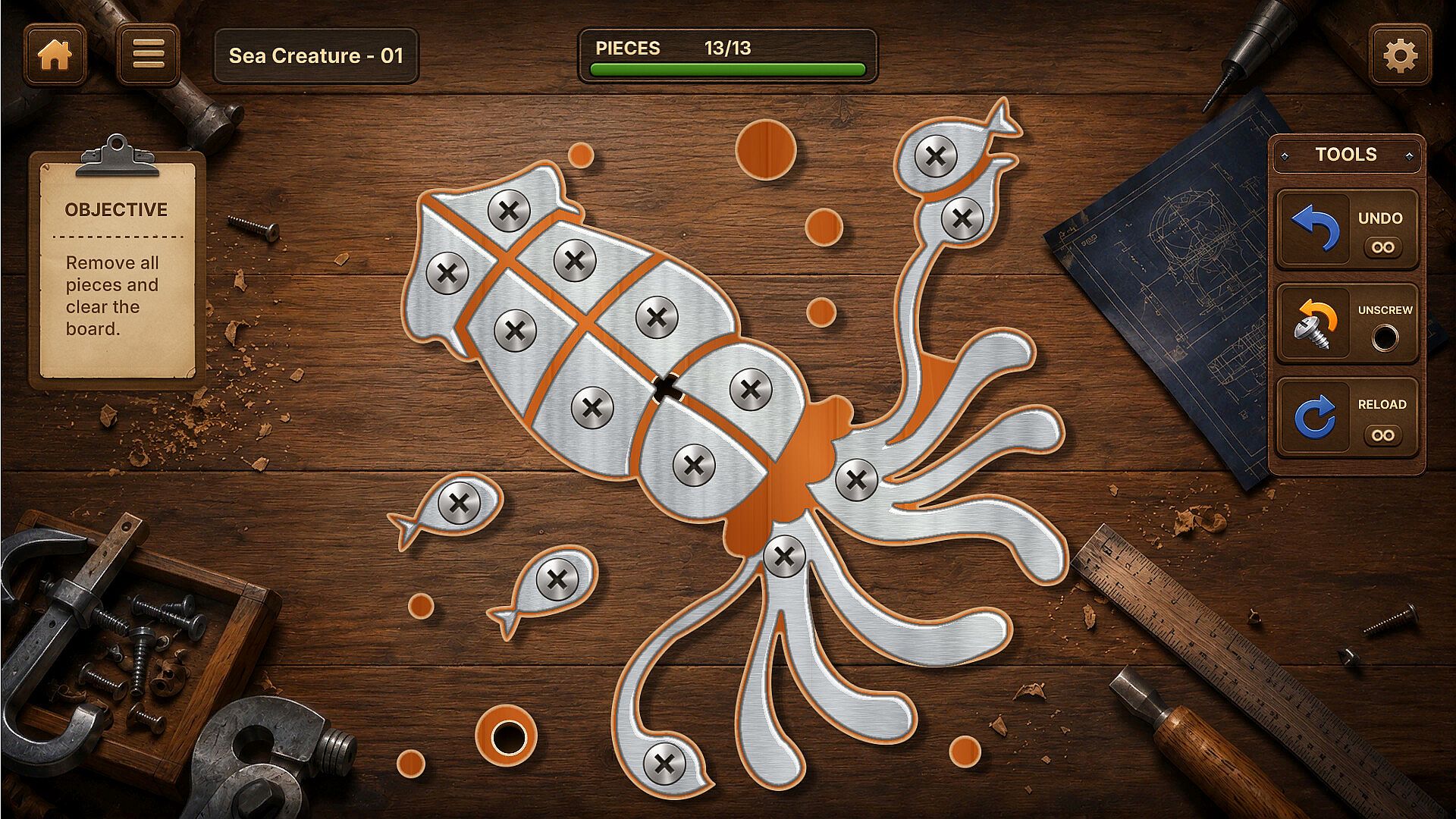
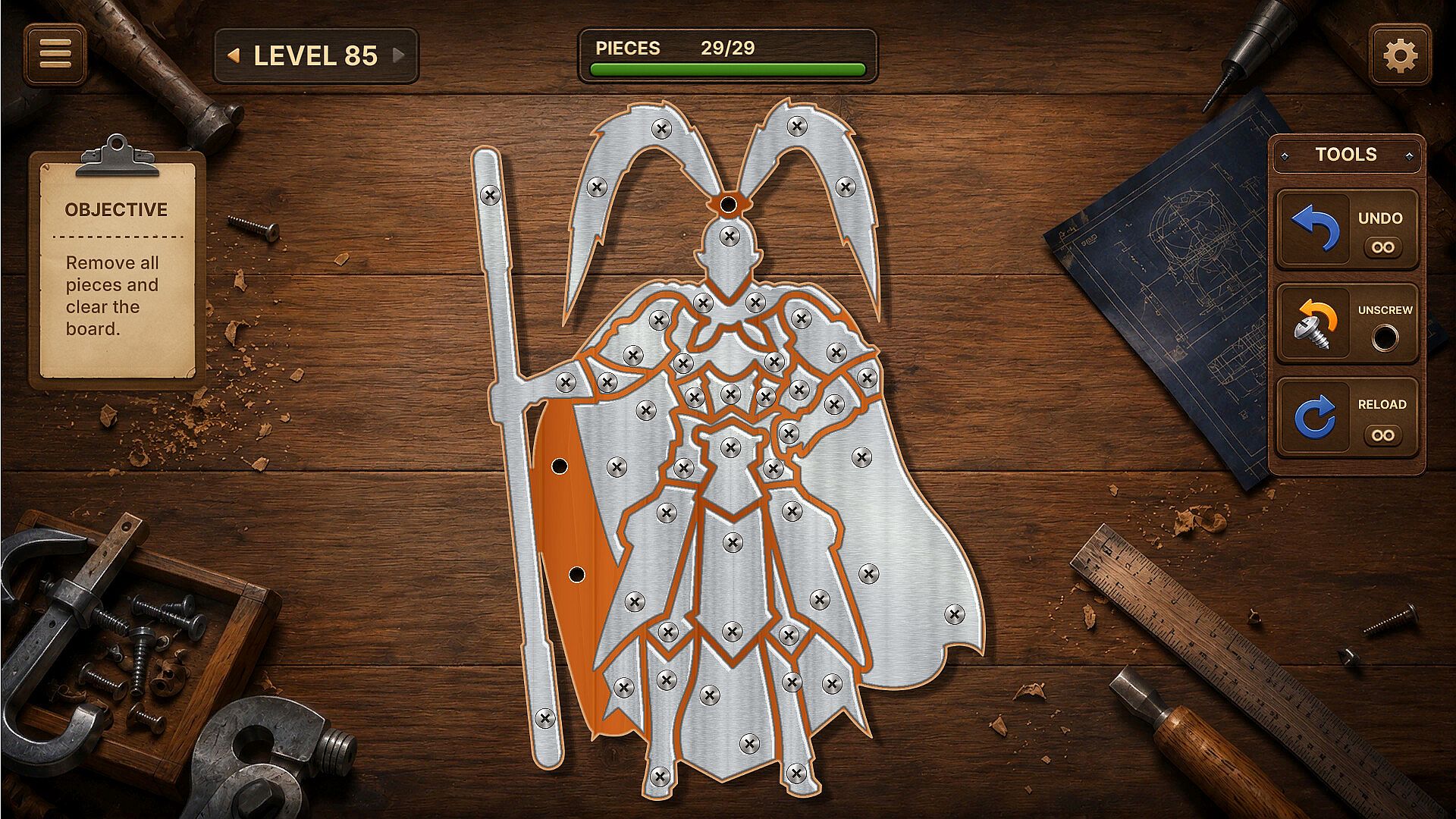
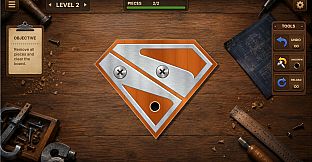
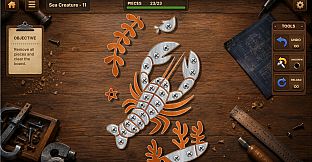
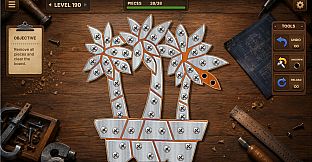
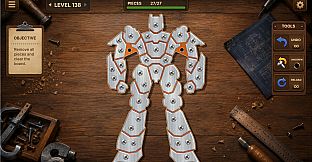
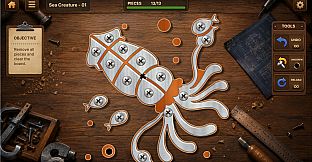

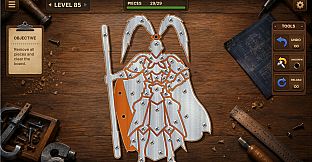
Unscrew Therapy is a casual indie puzzle game developed for PC that centers on a relaxing ASMR experience of removing screws from hand-drawn metal artworks. Players progress through a series of levels by unscrewing individual pieces one at a time, listening to the sounds and observing how gravity affects the falling components until each puzzle reveals its complete image.
Gameplay
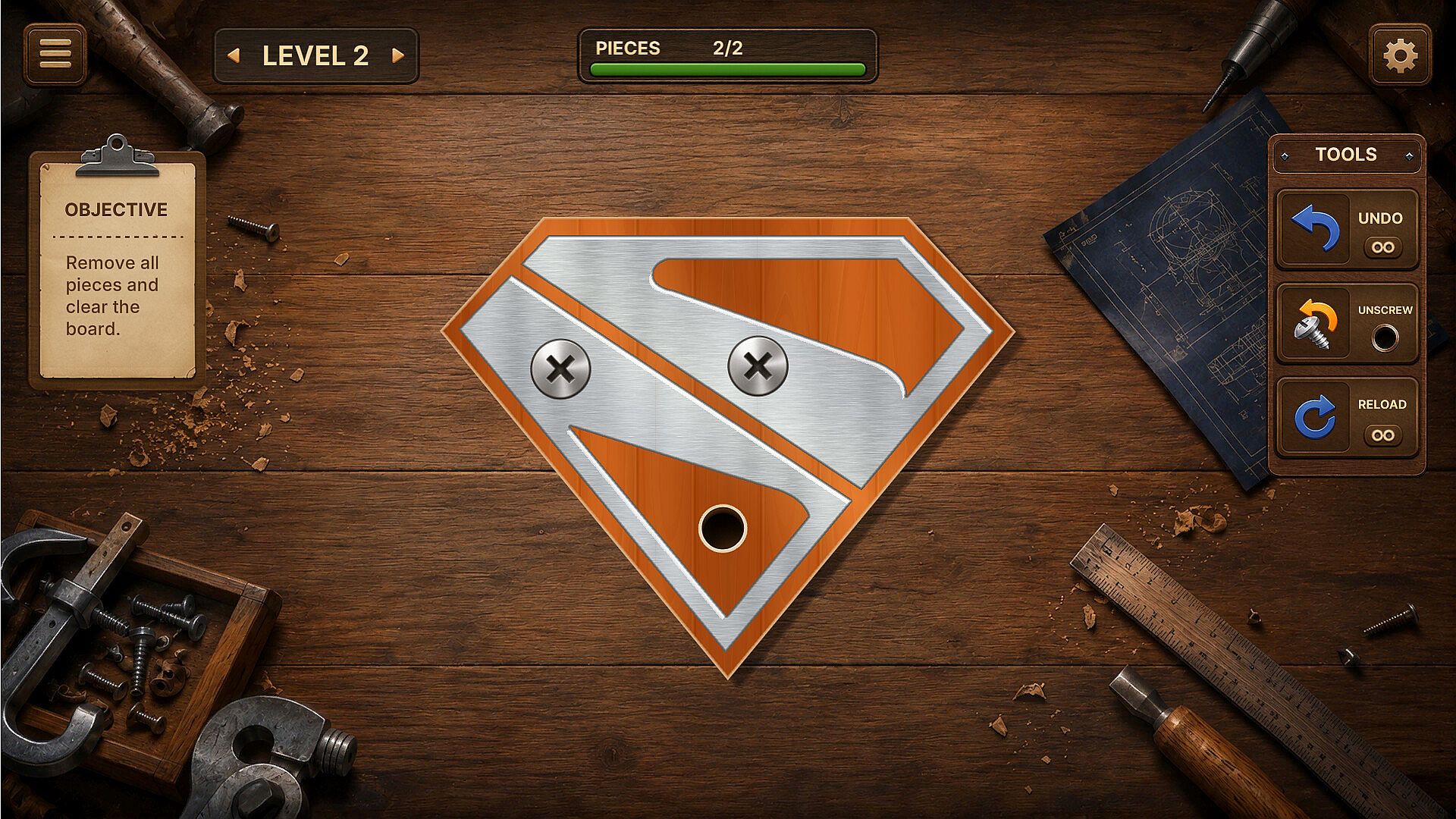
The core loop involves selecting and removing screws from intricate metal assemblies. Each removal produces tactile audio feedback and allows gravity to shift or drop the freed parts. This process repeats across every level, building toward the full reveal of the underlying hand-drawn design without any time limits or scoring pressure.
Progression feels deliberate because the order of screw removal matters for how the pieces interact and fall. Players can pause at any moment, experiment with different sequences, and simply enjoy the physical simulation of metal detaching and tumbling. The absence of timers or penalties keeps the focus on the sensory satisfaction of the mechanics rather than on speed or perfection.
Game Modes
Unscrew Therapy operates entirely as a single-player experience. There are no competitive or cooperative modes, and the structure consists of sequential puzzle levels that players complete at their own pace. Each level functions as an independent challenge centered on dismantling a unique metal construction to uncover its artwork.
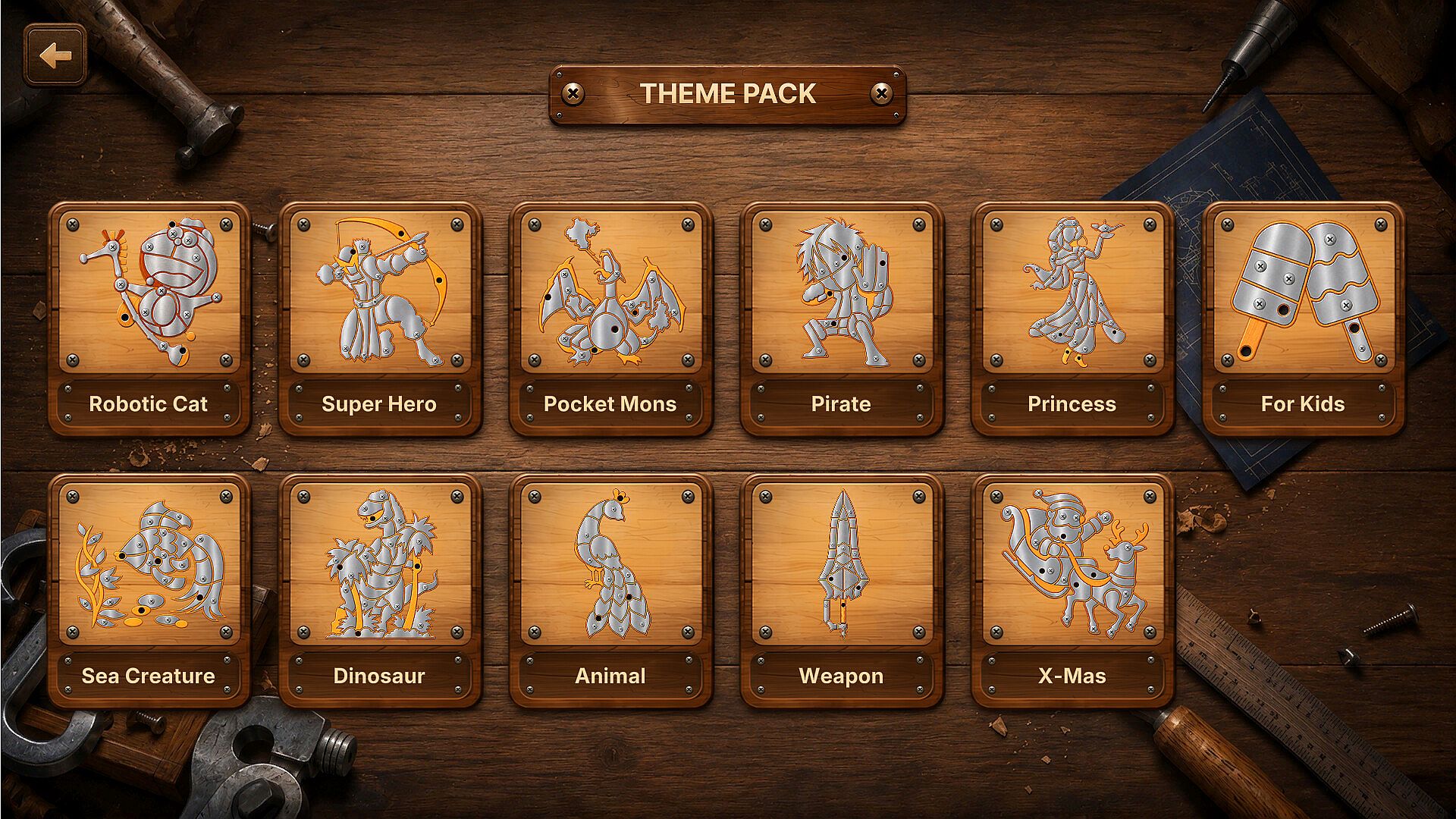
The game offers no branching paths, difficulty selections, or alternate rulesets. Instead, the entire session revolves around the consistent unscrewing process applied to 500 distinct hand-drawn puzzles. This straightforward single-player format suits extended relaxed sessions or brief breaks whenever a moment of calm is needed.
Puzzle Variety and Presentation
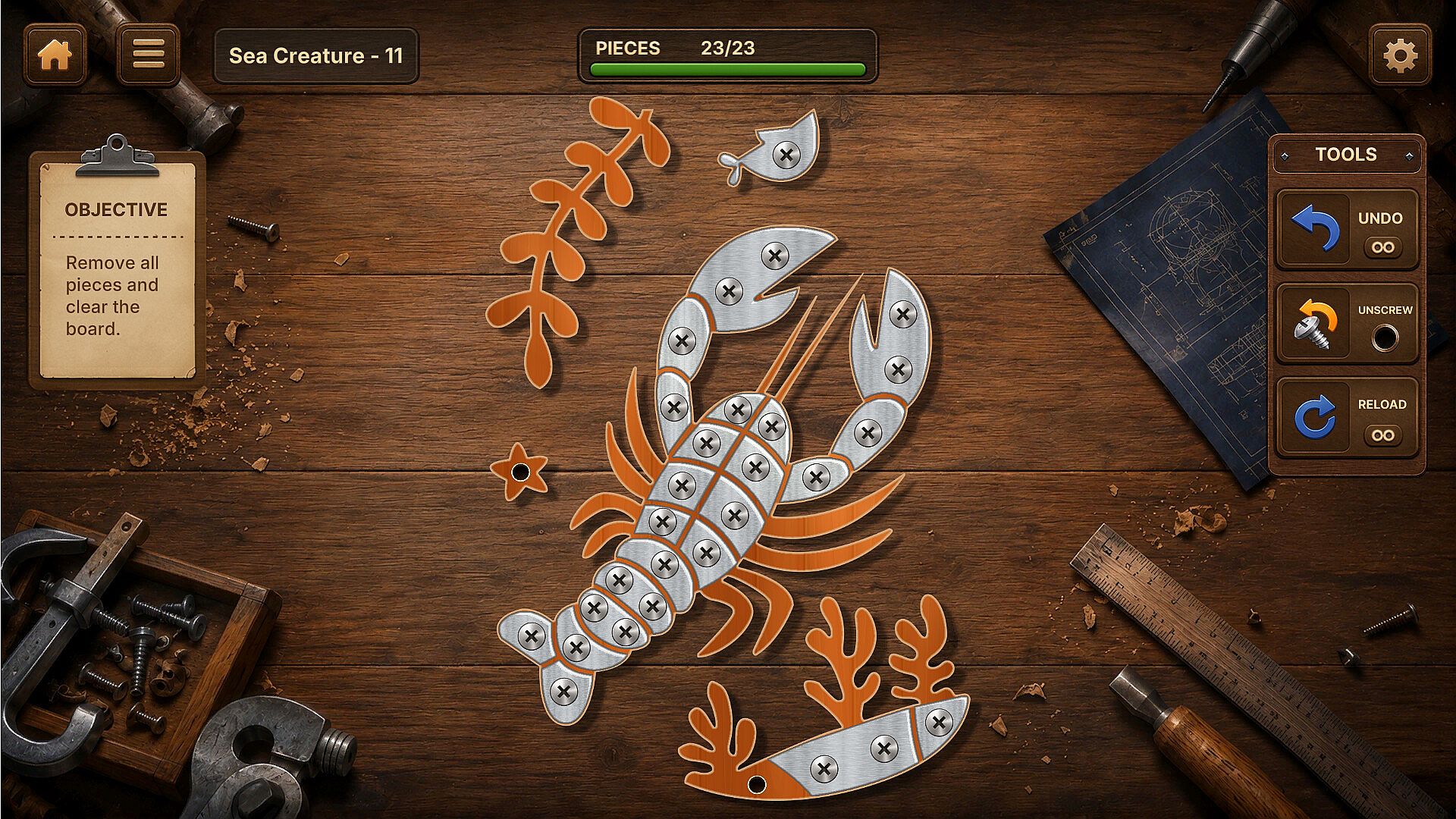
The 500 levels feature hand-drawn designs that range from everyday objects to more abstract or surprising compositions. Each puzzle uses metal pieces and screws as its visual foundation, so the act of disassembly gradually exposes the full illustration beneath. The hand-crafted nature of the artwork gives every level a distinct character that emerges only after the screws are cleared.
Visual and audio elements work together to emphasize the physical feel of the process. Metal pieces respond realistically to gravity once freed, and the sounds of screws turning and parts separating provide consistent auditory reward. The presentation remains simple and focused, avoiding any additional layers that might distract from the central unscrewing activity.
Is It Worth Playing?
Unscrew Therapy targets players who enjoy slow, meditative puzzle games and ASMR-style sensory feedback. Its single-player structure and lack of timers make it suitable for anyone seeking a low-pressure way to unwind on PC. Because the game is built around repetition of a satisfying core action across many hand-drawn levels, it appeals most to those who value consistent relaxation over complex challenges or narrative depth.
With no reviews available yet and the title listed as coming soon, potential players can assess its fit based on the described mechanics alone. Those who appreciate similar casual disassembly or sorting experiences will likely find the steady pace and audio focus rewarding, while players looking for fast action or competitive elements may prefer other titles. The game remains accessible for short or long sessions depending on personal preference.