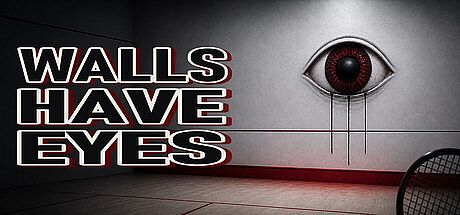


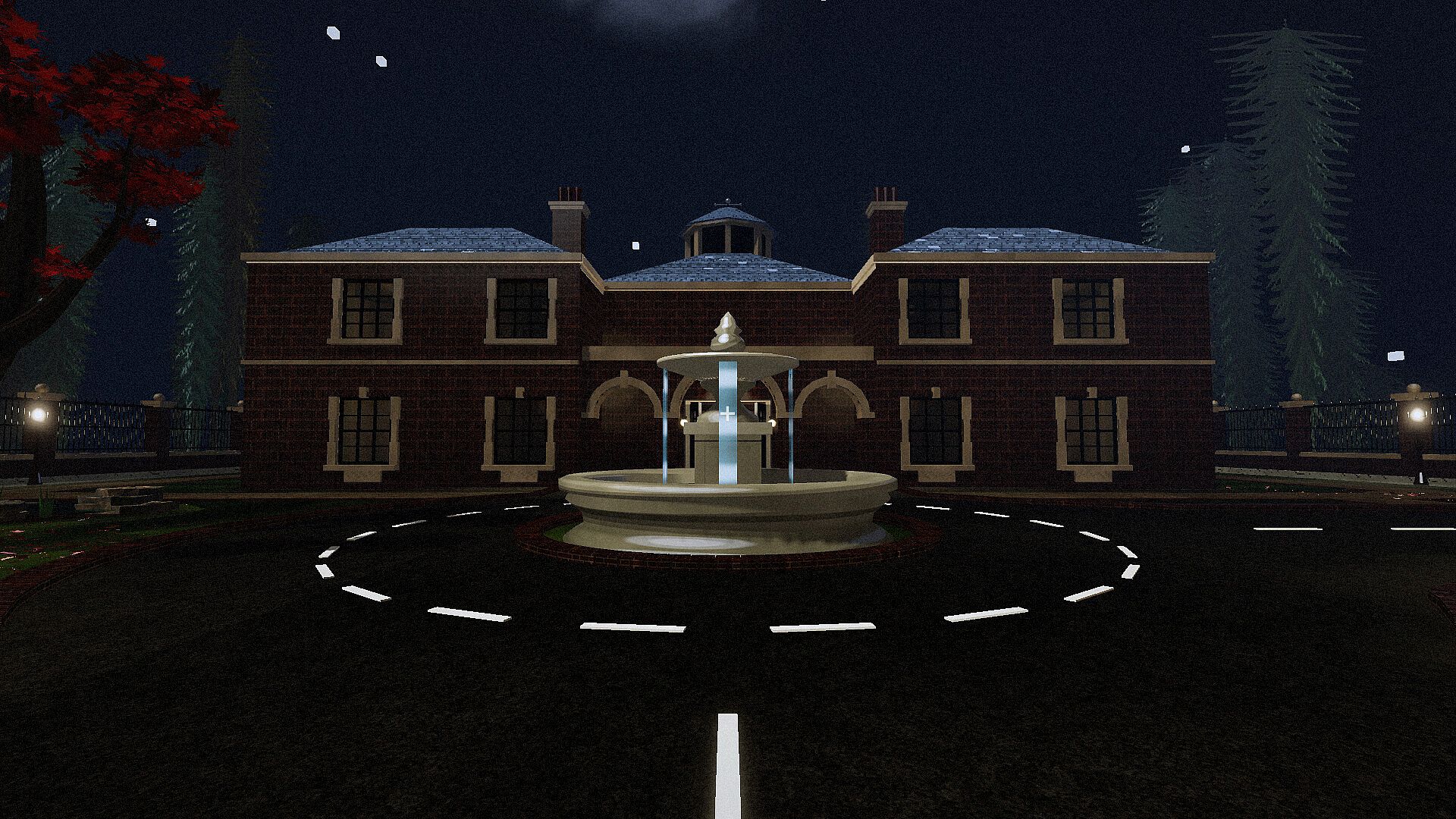
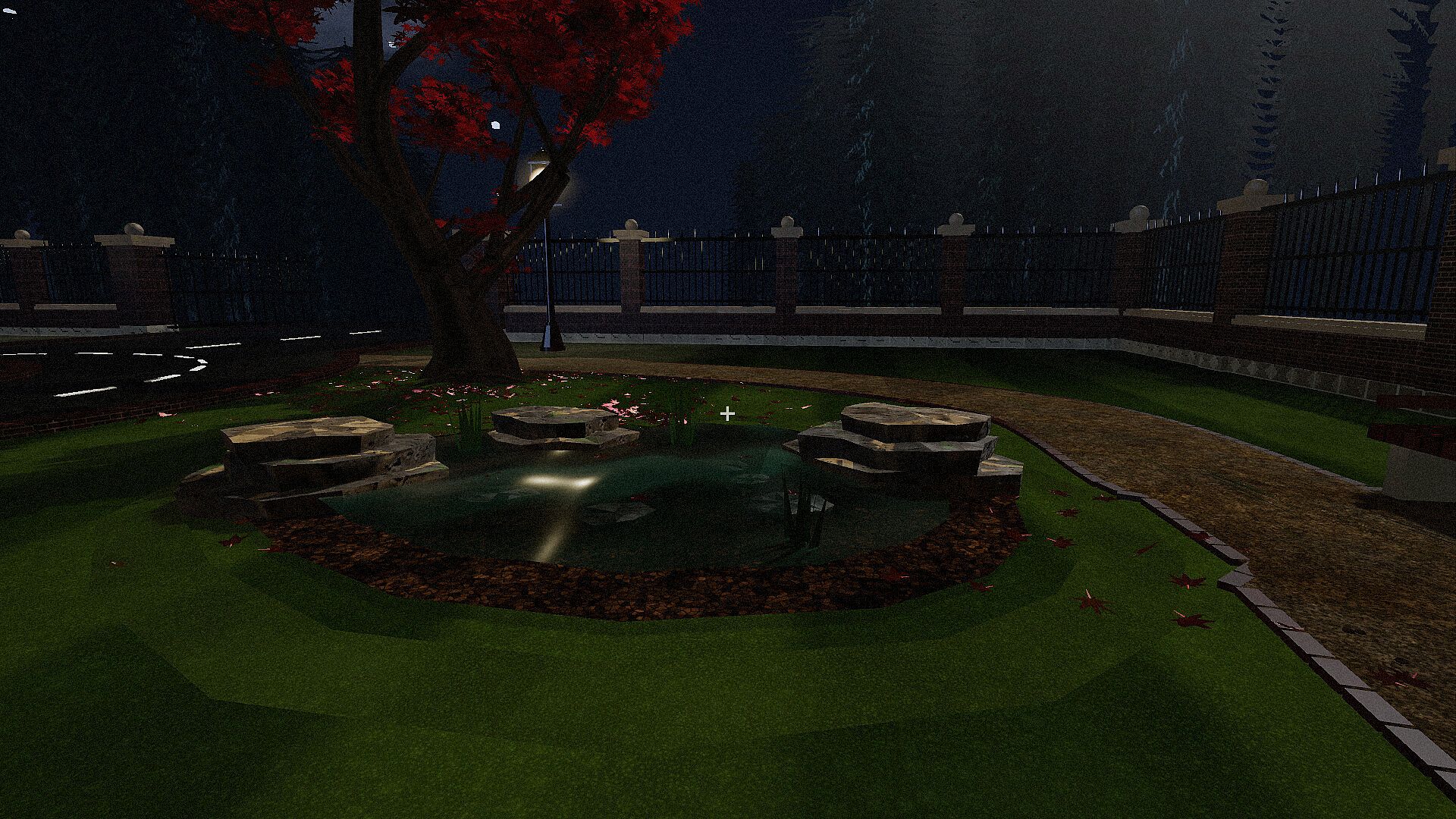
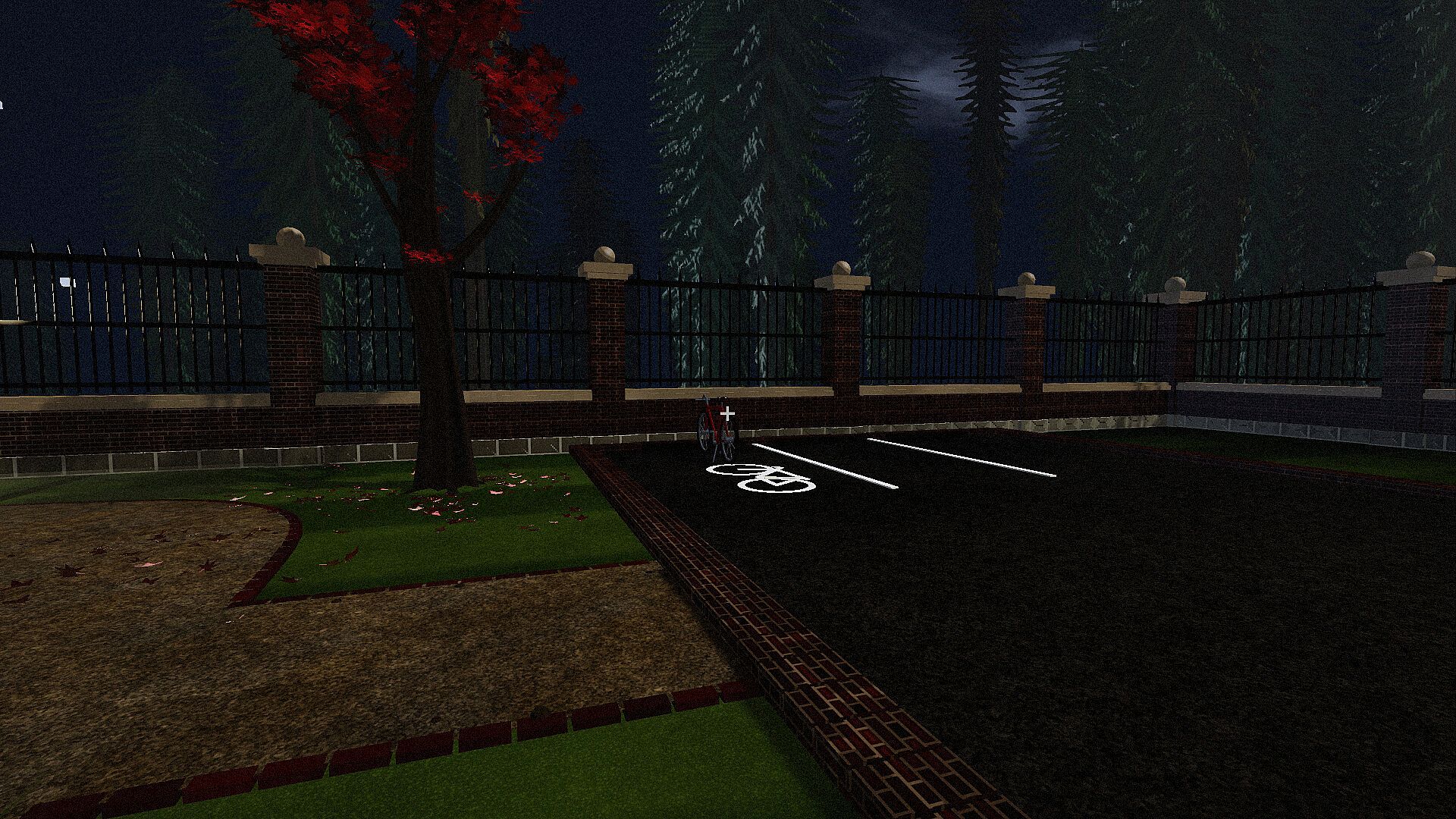
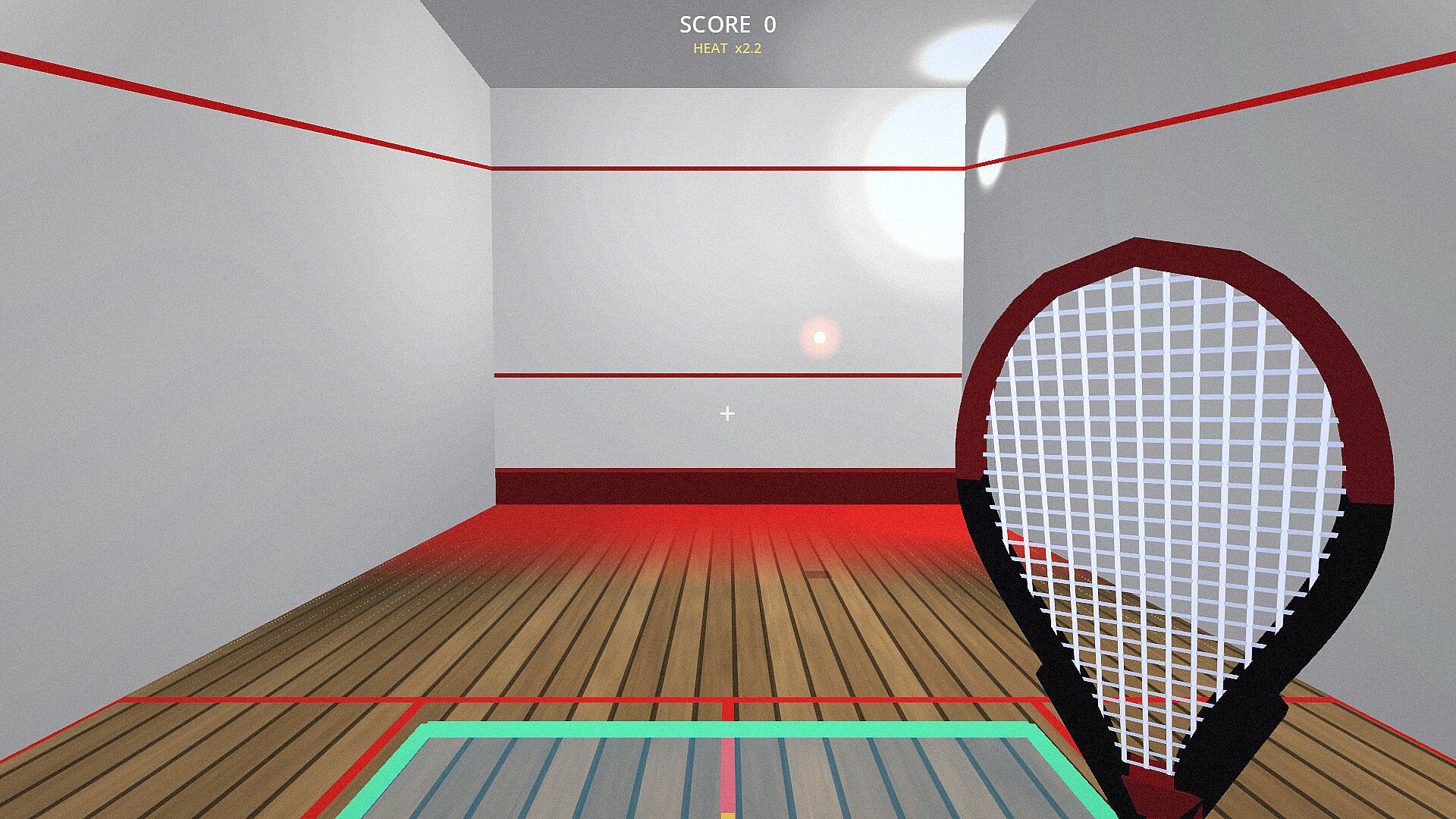
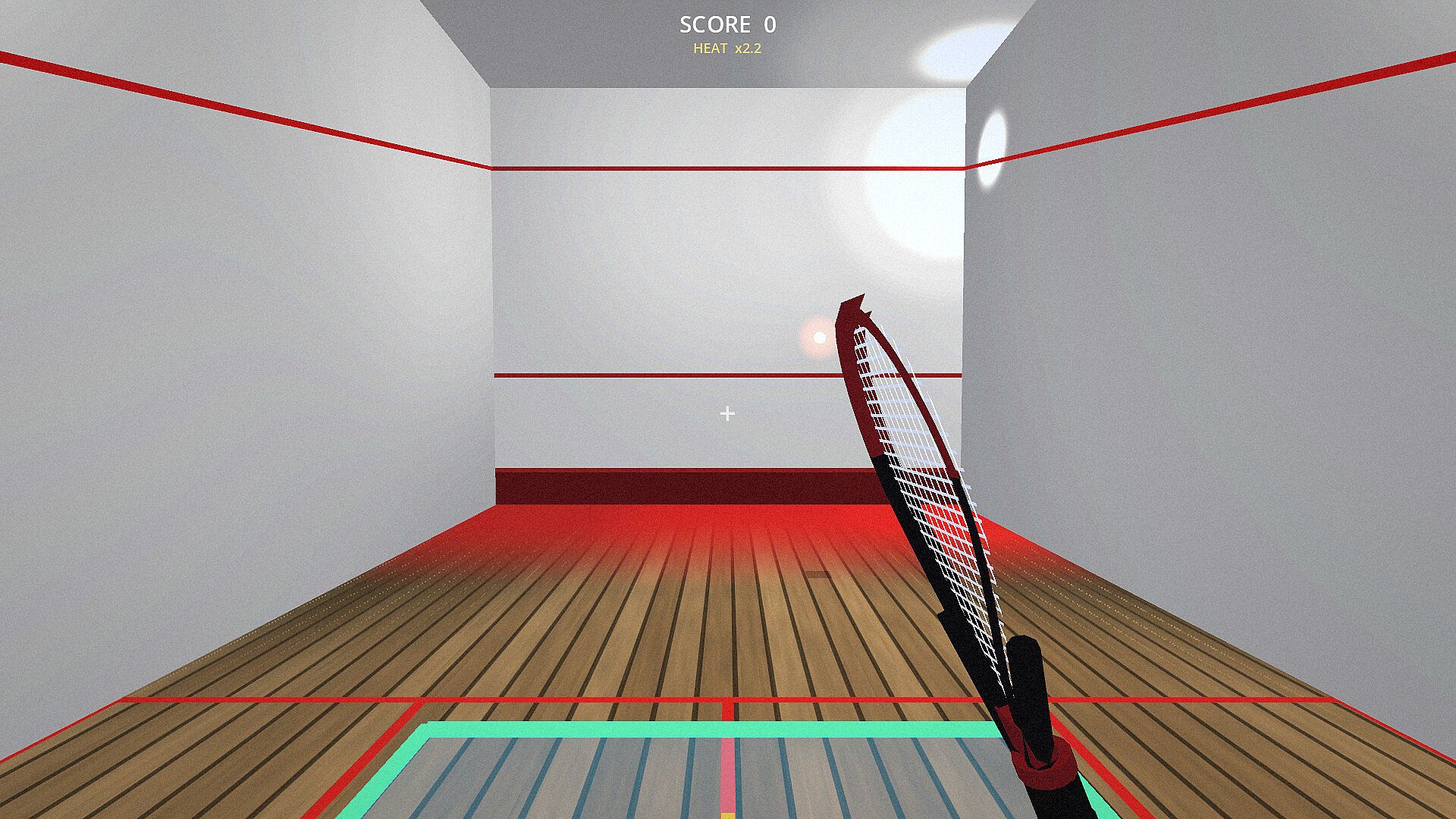
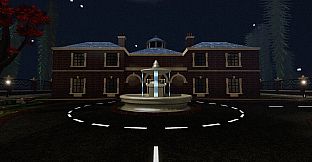
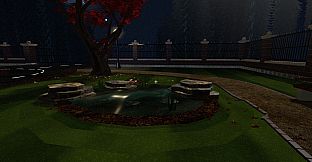
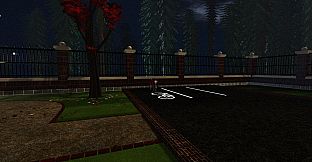
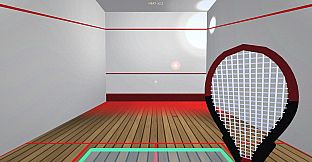
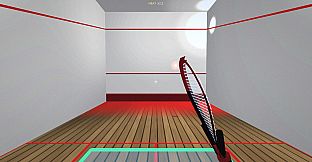
Walls Have Eyes is an indie single-player horror game built around the mechanics of real squash. Set in an old mansion housing a solitary squash court, the experience places players in the role of an athlete training alone at midnight one week before a championship. The core loop centers on striking a ball that bounces off four walls while the environment itself begins to respond to each hit.
Gameplay
The gameplay revolves around precise timing and placement. Players execute drives, angles, boasts, and volleys as the ball ricochets unpredictably. A light on the floor initially guides the sport by demonstrating proper shots and bounces. Reading the angle and anticipating the return becomes essential once the program advances beyond basic instruction. The court gradually shifts from familiar lines and surfaces into unfamiliar configurations, forcing constant adaptation. Sound design carries critical information, allowing players to track the ball through audio cues when visual tracking fails. Headphones enhance this layer, turning every bounce into positional data. The entire session unfolds across one building during a single night, with hand-coded visuals for every wall, tree, and moonbeam that avoid photo textures or asset packs.
Game Modes
The game presents a continuous single-player sequence without separate multiplayer options or branching modes. Progression follows a structured program that teaches core squash techniques before expanding into altered court layouts. The focus remains on one uninterrupted night of practice that blends athletic repetition with escalating environmental tension. No additional game modes appear in the verified description, keeping the experience linear and self-contained.
Atmosphere and Setting
The mansion surrounding the court remains dark and responsive. The building itself registers the presence of the player after long periods of quiet. Horror elements emerge directly from the sport rather than external threats, with the wood, court lines, and ball sounds serving as the primary sources of unease. The court turns against the player through changing geometry and unseen observation, creating pressure that builds from the mechanics themselves. Every strike carries judgment as the environment watches and reacts.
Technical Presentation
Visuals consist entirely of code-drawn elements painted by hand. This approach produces a consistent aesthetic across the court, surrounding mansion, and outdoor glimpses. Audio serves dual purposes as both atmospheric layer and gameplay tool, conveying ball position during moments when the player cannot watch every wall simultaneously. The three-hour length delivers dense content without filler segments, maintaining focus on the evolving squash sessions.
Is It Worth Playing?
Walls Have Eyes suits players interested in precise timing-based mechanics combined with psychological horror rooted in physical activity. The experience appeals to those who enjoy short, focused sessions that integrate sport simulation with environmental storytelling. Without multiple modes or extended campaigns, it targets individuals seeking a concentrated three-hour session centered on squash fundamentals that gradually incorporate horror. The hand-crafted presentation and emphasis on sound as information distinguish it for audiences who value deliberate pacing over expansive worlds. Current information confirms availability on PC as a complete, self-contained title with no reported updates or seasons at this stage.