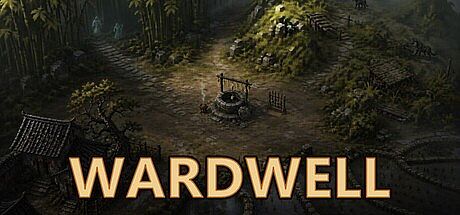


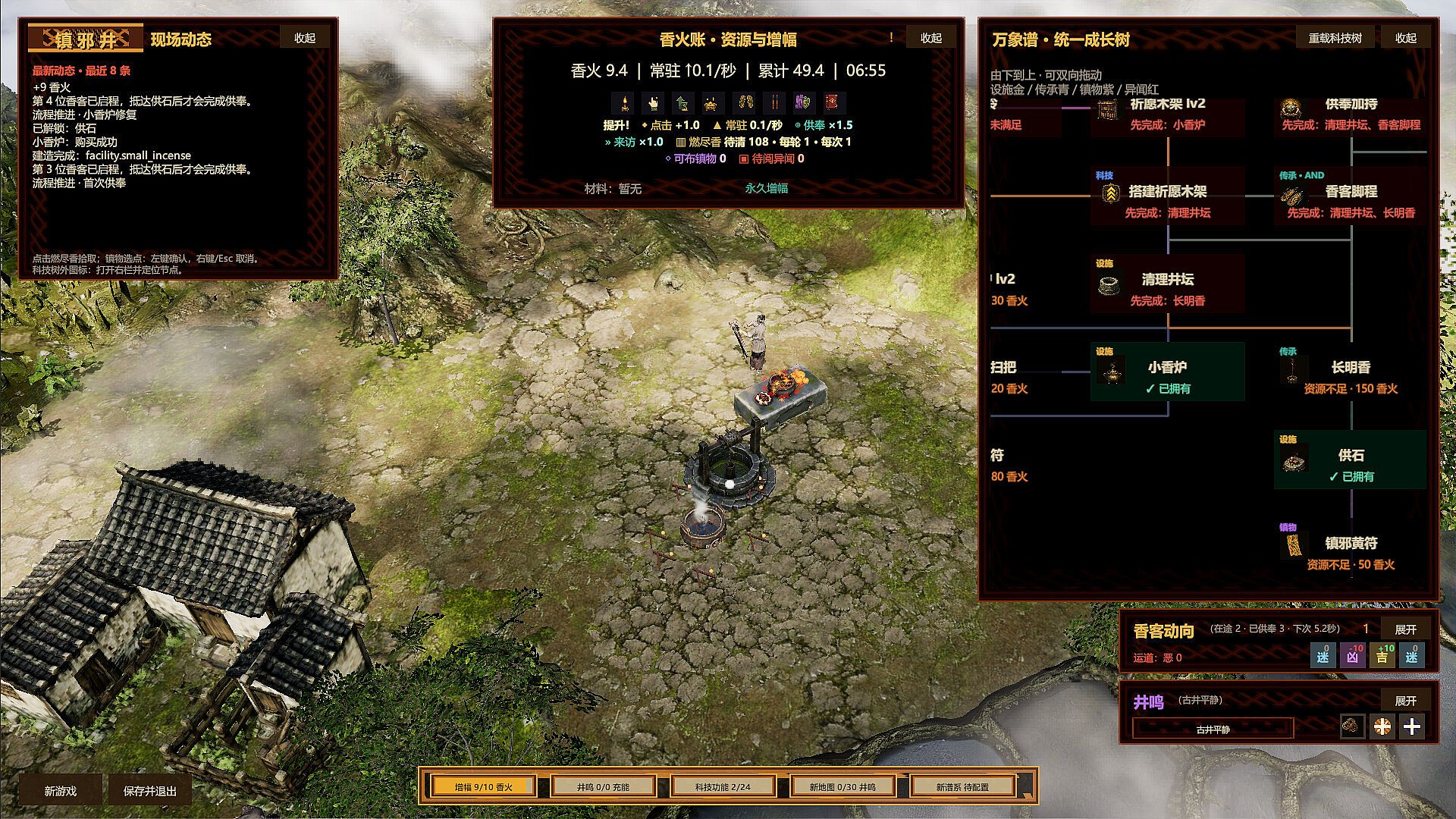
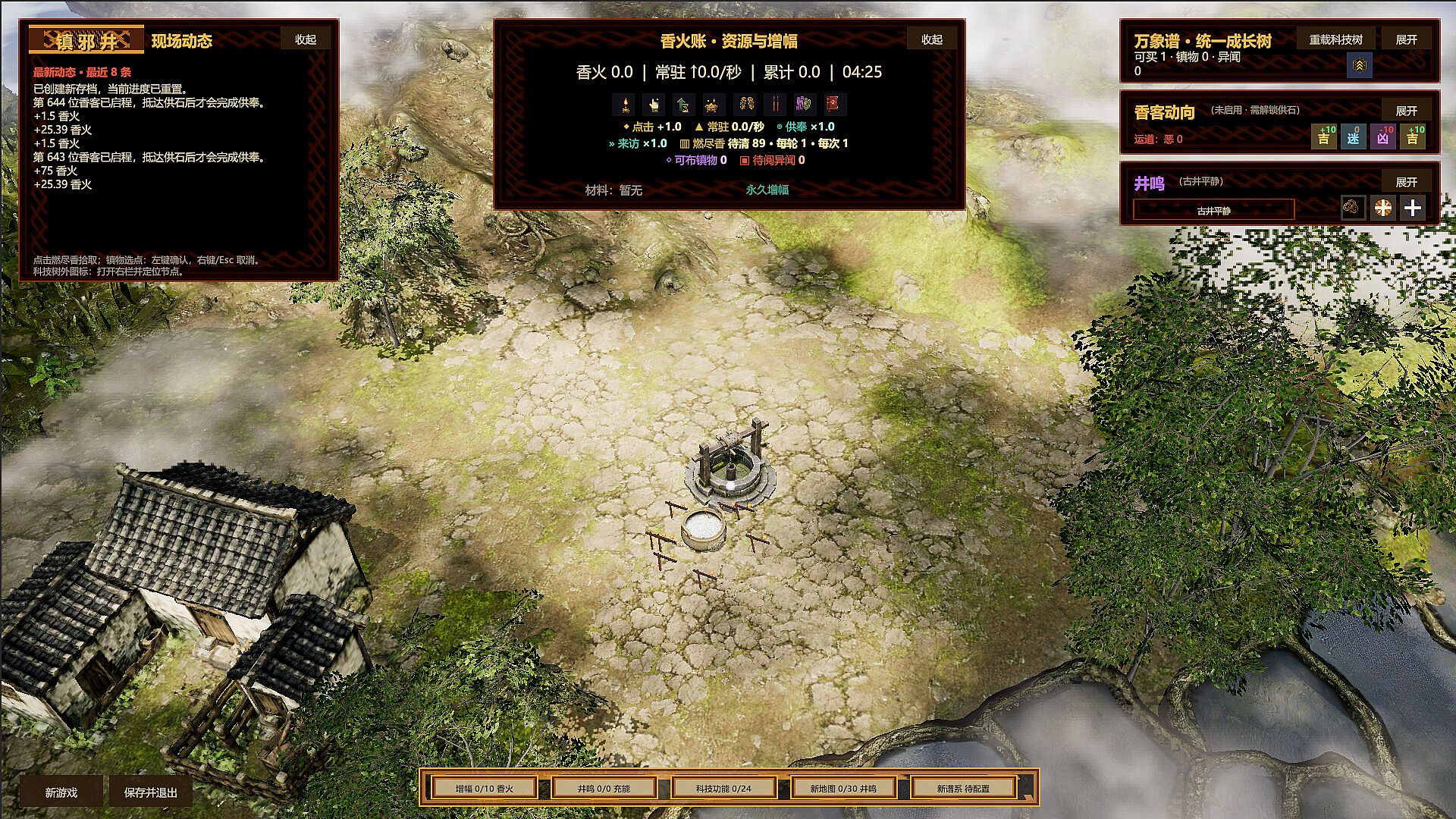
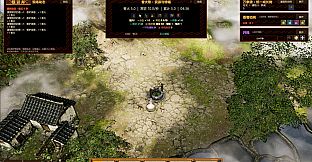
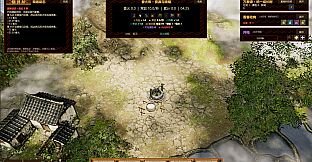
Wardwell is a strategy, casual, and simulation title built around idle management mechanics on PC. Set in a mist-covered village drawing from Chinese folklore, the game centers on restoring an ancient shrine around a restless well while handling an incense-based economy and planning responses to supernatural disturbances.
Gameplay
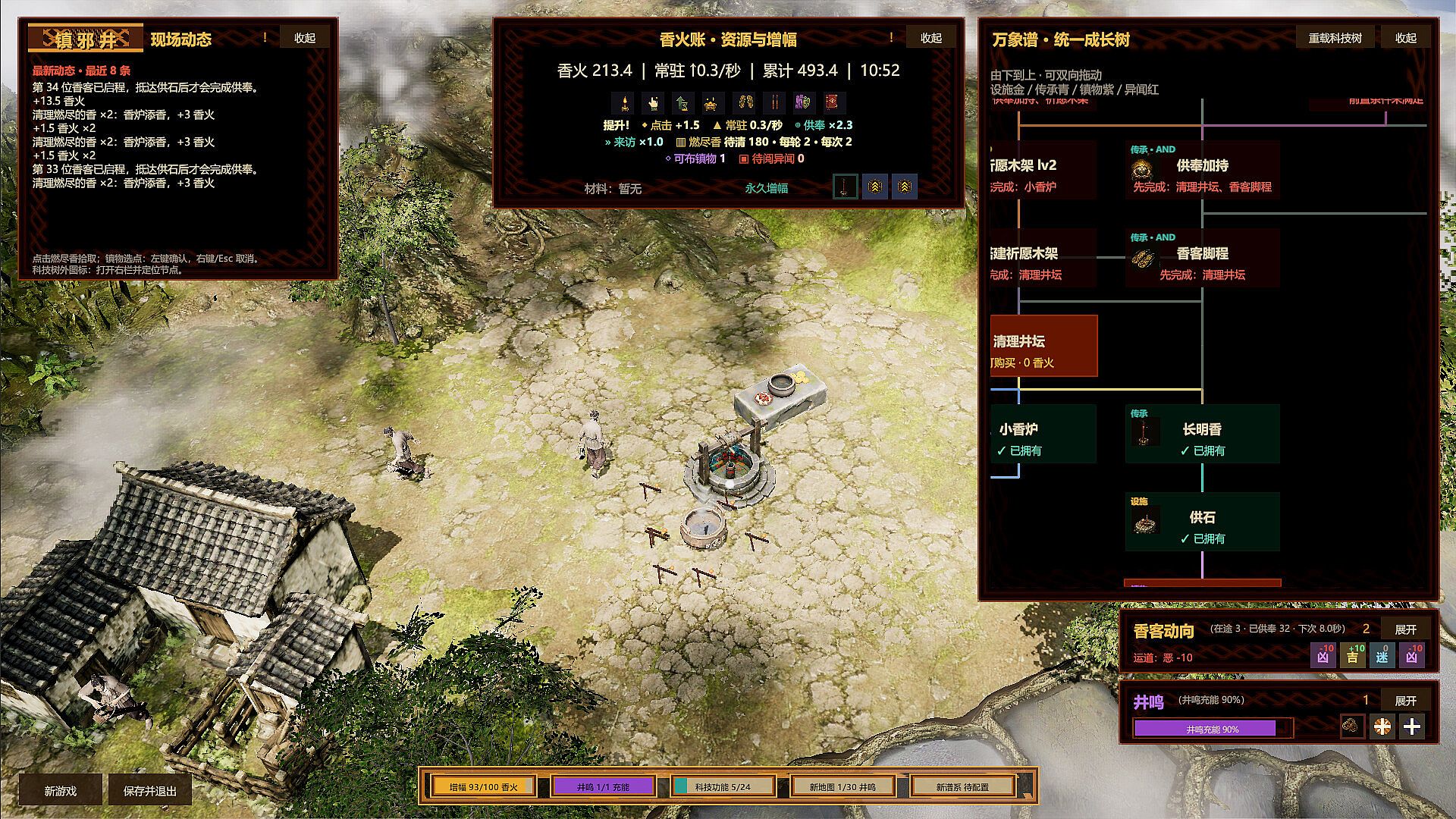
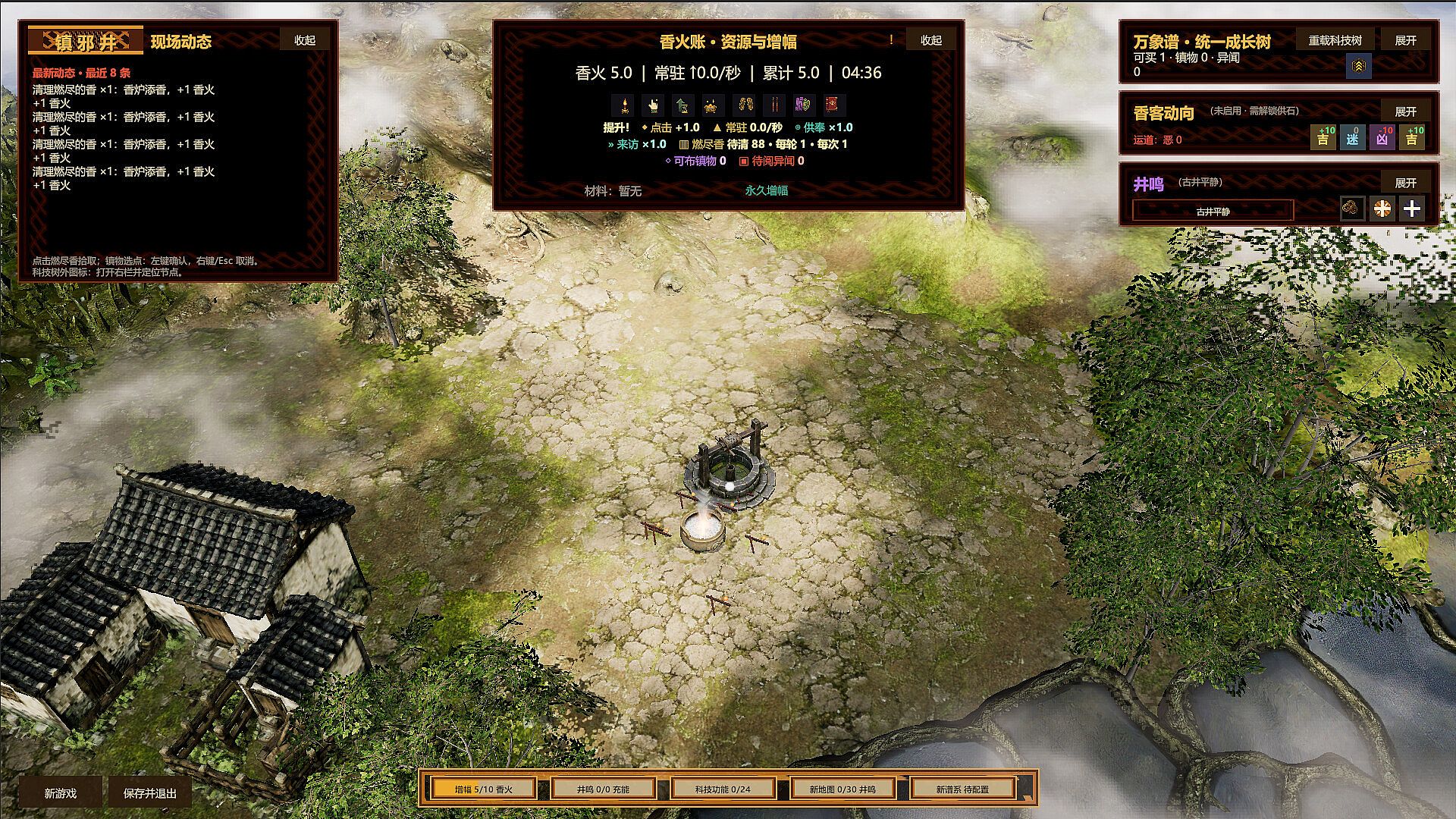
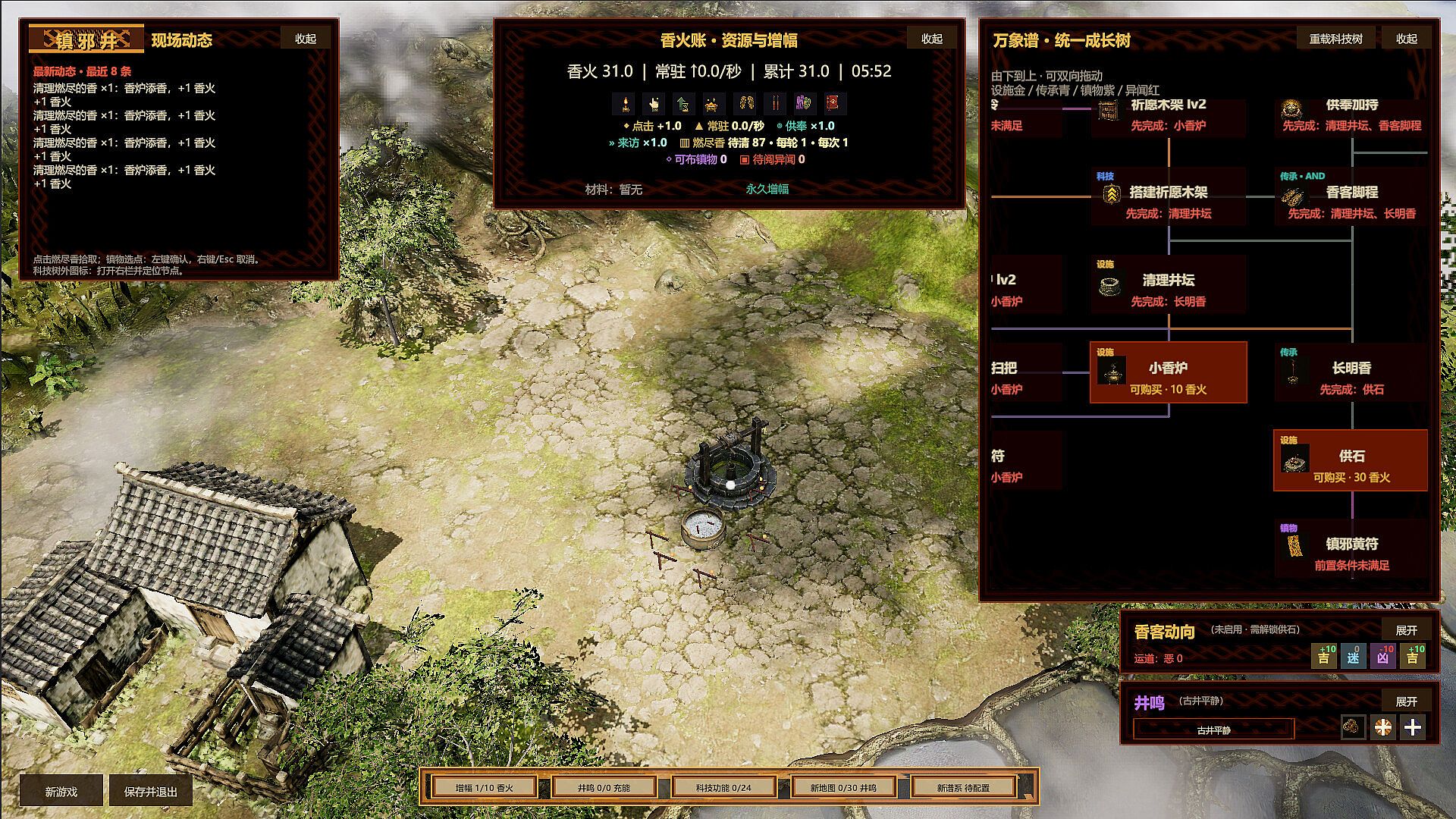
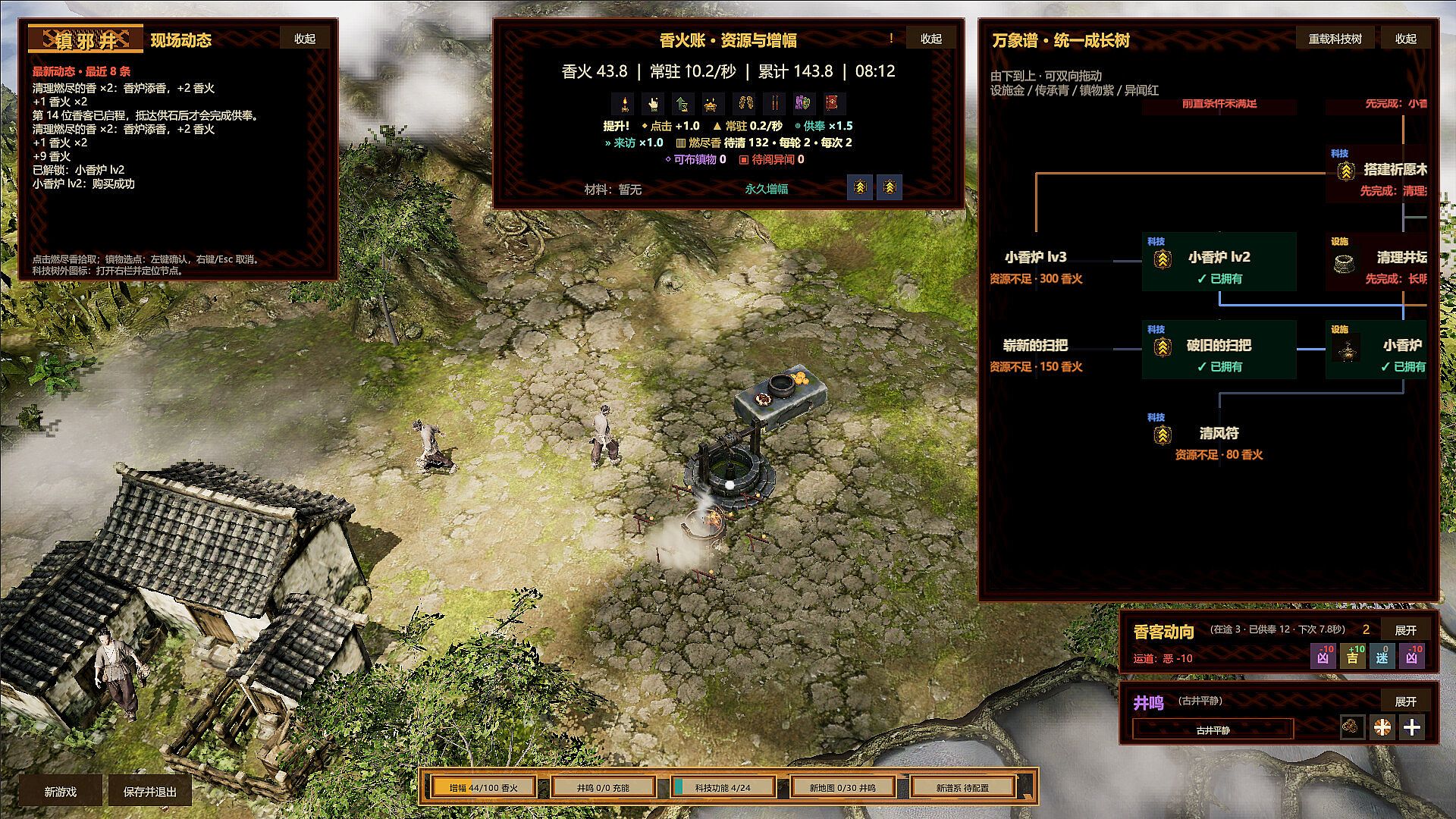
The core loop revolves around resource management and incremental upgrades. Players begin by manually clearing burnt incense and restoring basic facilities such as the incense burner, offering stone, wish rack, and merit box. These structures generate incense over time, which funds further improvements and unlocks automation options like batch clearing tools and talismans that handle routine tasks passively.
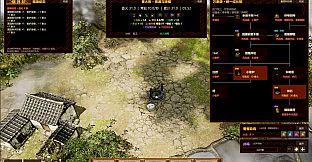
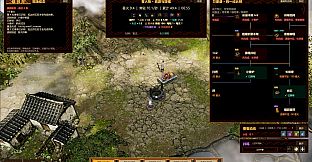
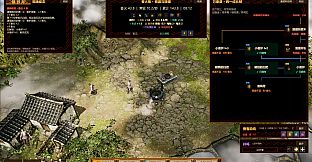
Worshippers arrive along village paths and contribute offerings influenced by their individual fortunes and the condition of shrine facilities. Upgrading traditions and infrastructure increases the value of these visits, turning sporadic arrivals into a reliable part of the economy. The progression system connects facilities, traditions, wards, and collected tales into one tree, allowing choices between boosting immediate production or investing in longer-term options.
Supernatural events unfold in stages around the well, bringing environmental changes and opportunities to gather unusual materials. These materials feed into the progression tree and reveal additional story elements. Wards such as paper talismans, bronze bells, and well stones are placed to enhance resource output rather than engage in direct confrontation. The pace remains relaxed, emphasizing planning and steady growth over timed challenges.
Game Modes
Wardwell operates as a single-player experience with no separate competitive or cooperative modes. All activity takes place in one continuous management session where players develop the shrine at their own speed. Events tied to the well occur automatically based on time and preparation, integrating into the same progression path without requiring switches between distinct gameplay formats.
The design keeps focus on the interconnected systems of incense production, visitor flow, and event preparation. There are no branching campaigns or alternate scenarios beyond the choices made within the single progression tree.
Progression and Atmosphere
Facilities and wards form the backbone of long-term development. Early manual tasks give way to automated cycles as players unlock efficiencies, allowing the shrine to generate resources even when the game runs in the background. Materials from events, including items like jiangshi fangs or broken corpse bells, open new nodes that tie supernatural elements into the economy.
The setting draws on rural southern China with a restrained supernatural tone. Visuals combine low-poly models and pixel textures to create a damp, secluded environment where omens of the Drought Demon build gradually through environmental shifts and event sequences. The absence of high-pressure combat keeps attention on observation and strategic placement of production-enhancing wards.
Is It Worth Playing?
Wardwell suits players who enjoy idle and incremental management games with a folklore theme. Its single-player structure delivers a consistent focus on economy building and event preparation without multiplayer elements or real-time action. The game remains in development with a planned release in Q3 2026, so current information centers on the described systems rather than completed player feedback.
Those drawn to relaxed pacing, interconnected upgrade trees, and atmospheric storytelling around Chinese supernatural traditions may find the mechanics engaging. The emphasis on planning ward placement for production benefits and balancing short-term gains against future event readiness provides depth within the casual simulation framework. Availability will depend on the final launch, but the core loop appears tailored for steady, thoughtful progression rather than intense sessions.