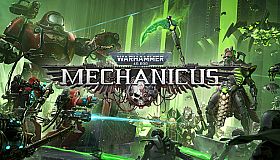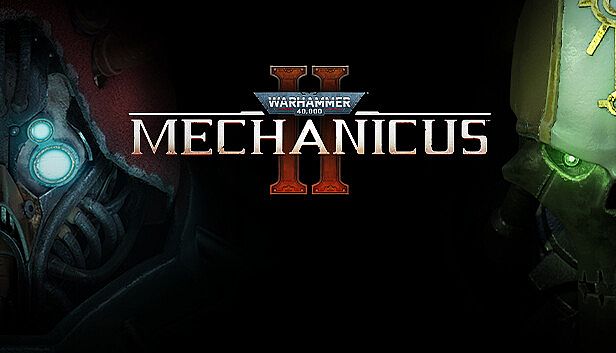





















Warhammer 40,000: Mechanicus II stands out as a turn-based strategy RPG set in the grim Warhammer 40k universe, blending tactical combat with deep narrative elements. Players command forces in a conflict between the tech-obsessed Adeptus Mechanicus and the ancient Necrons, making choices that shape the outcome of an interstellar war. This sequel expands on its predecessor by offering dual perspectives through two distinct factions, each with unique strategies and abilities that demand adaptation in every battle.
Gameplay
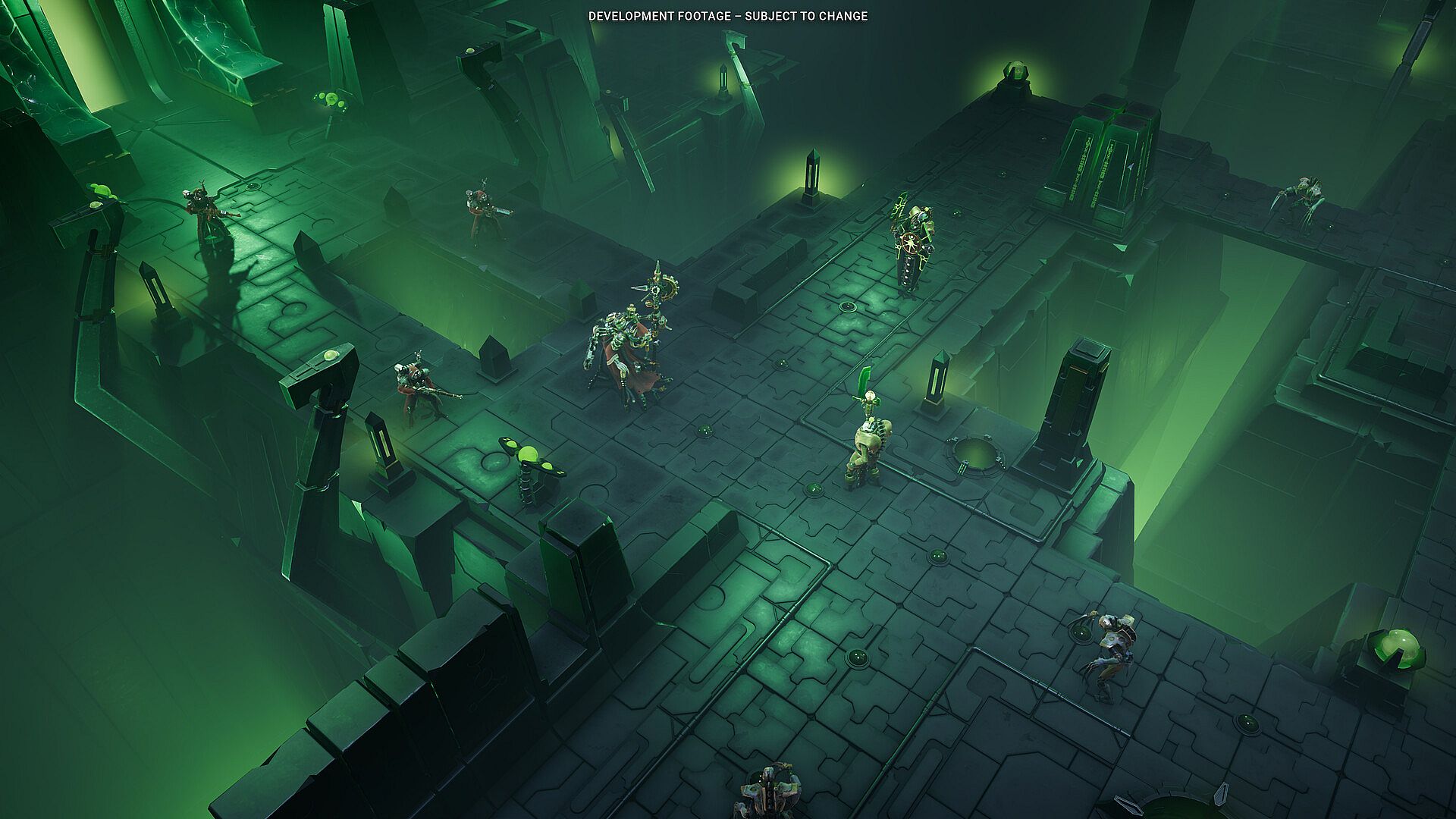
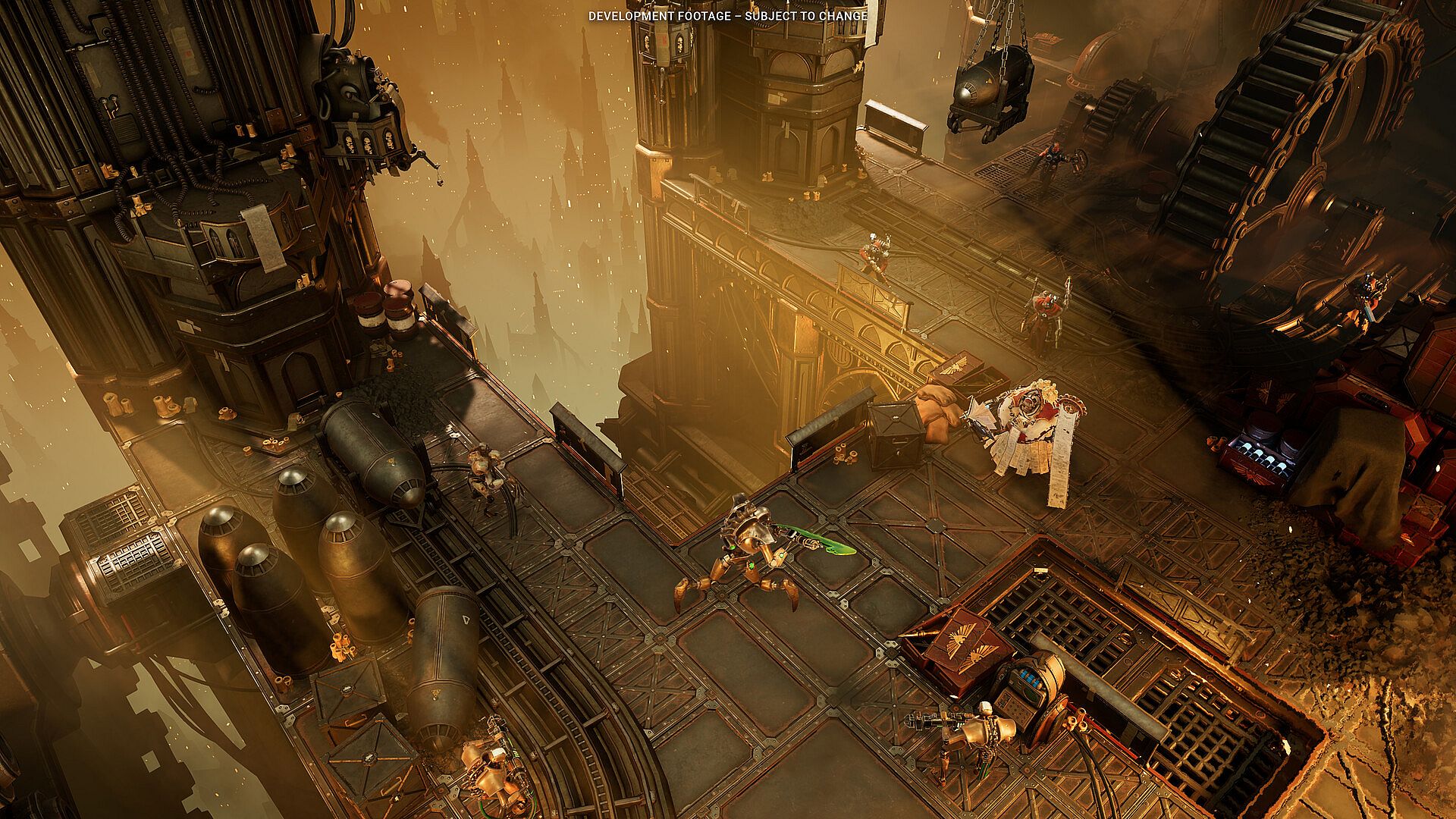
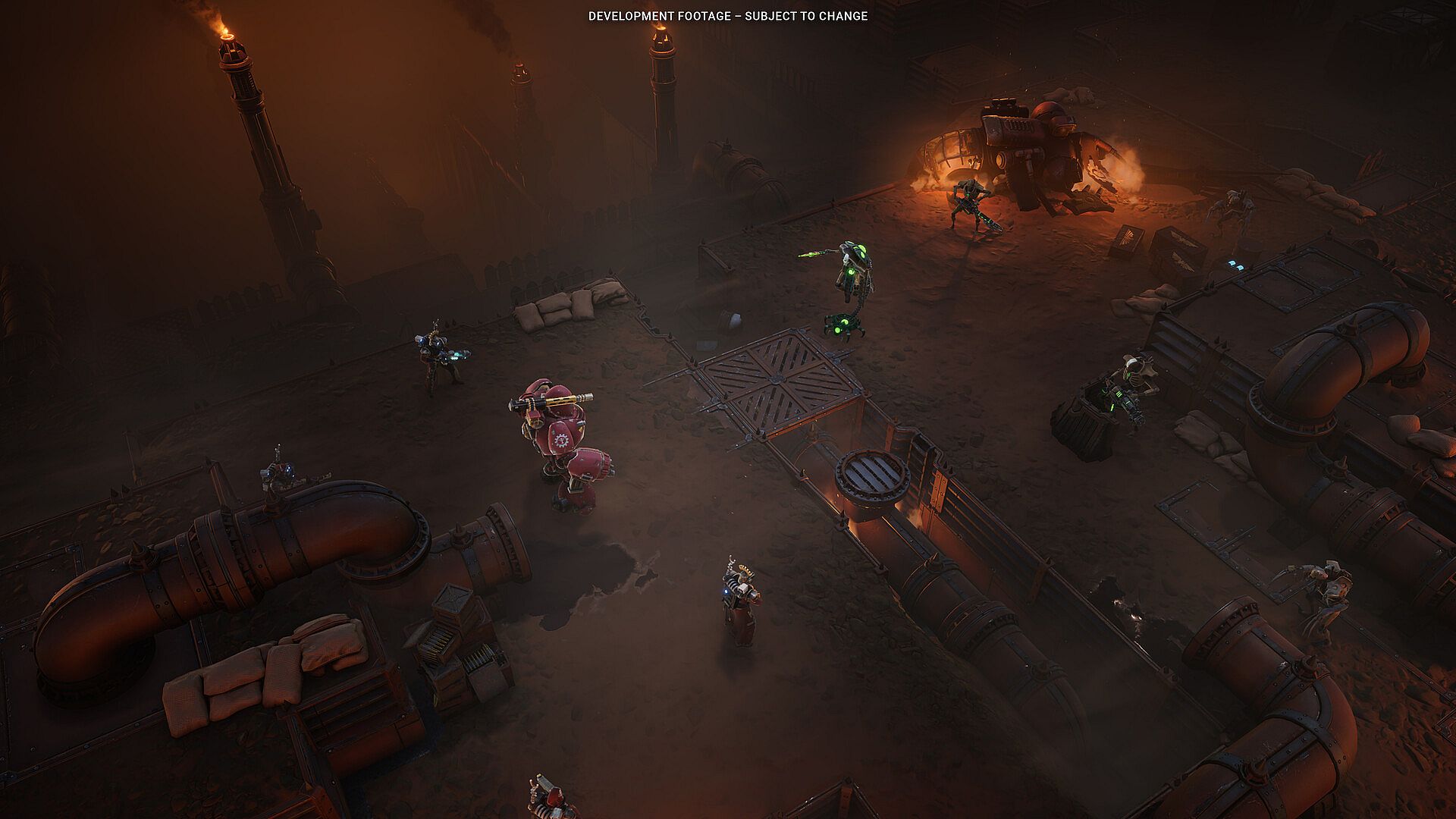
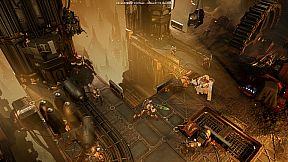
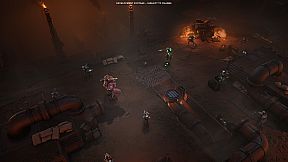
In Warhammer 40,000: Mechanicus II, the core experience revolves around turn-based tactical battles where positioning and resource management decide victory. As the Adeptus Mechanicus, you rely on cognition points to activate abilities, allowing tech-priests and servitors to repair, hack, or unleash devastating attacks while using terrain for cover. Switching to the Necrons, gameplay shifts to aggressive destruction, with units like warriors and immortals dismantling obstacles and overwhelming foes through sheer resilience and regeneration. Environmental mechanics add layers, as Mechanicus forces benefit from hiding behind structures, while Necrons can obliterate them to expose enemies.
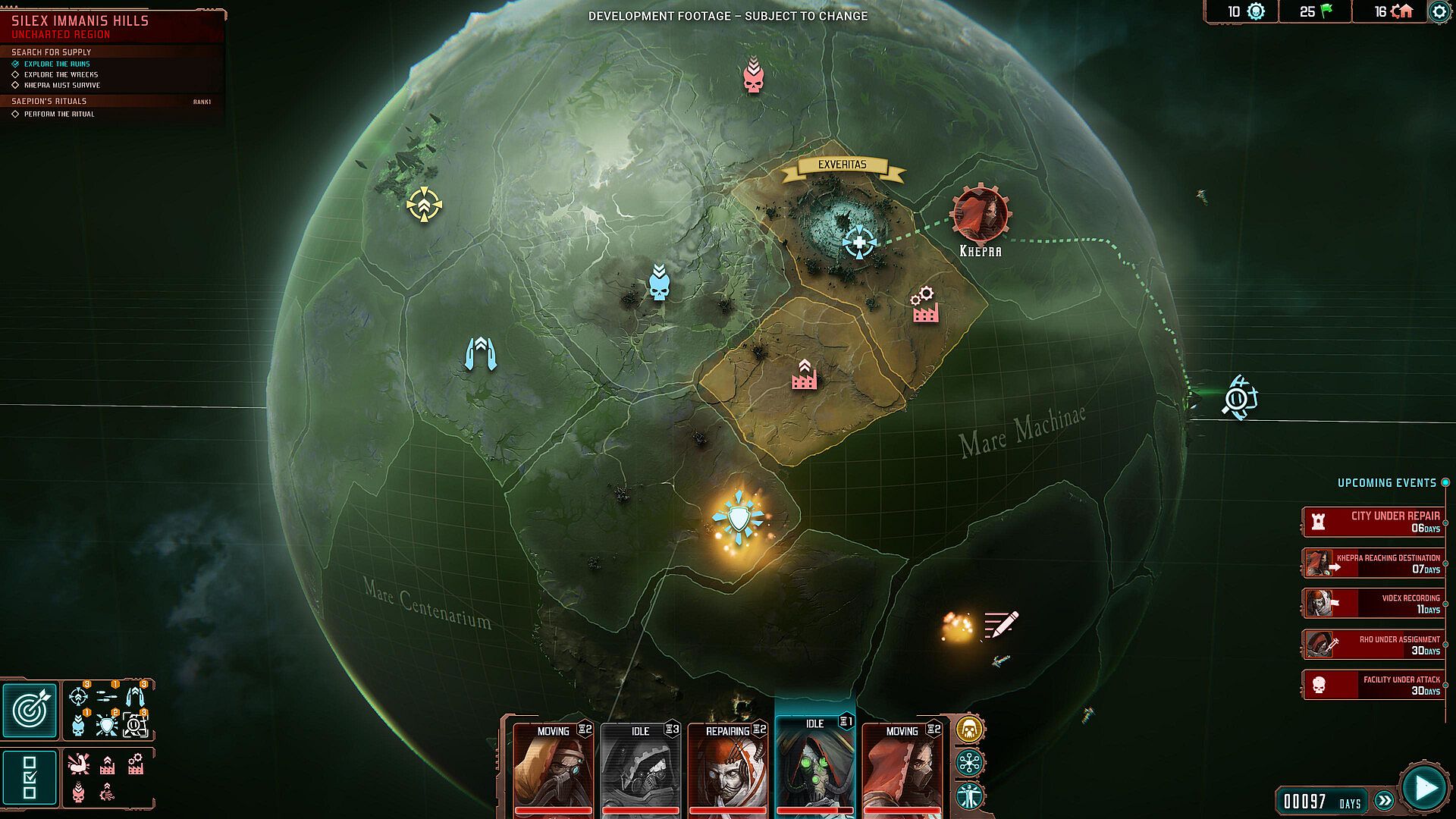
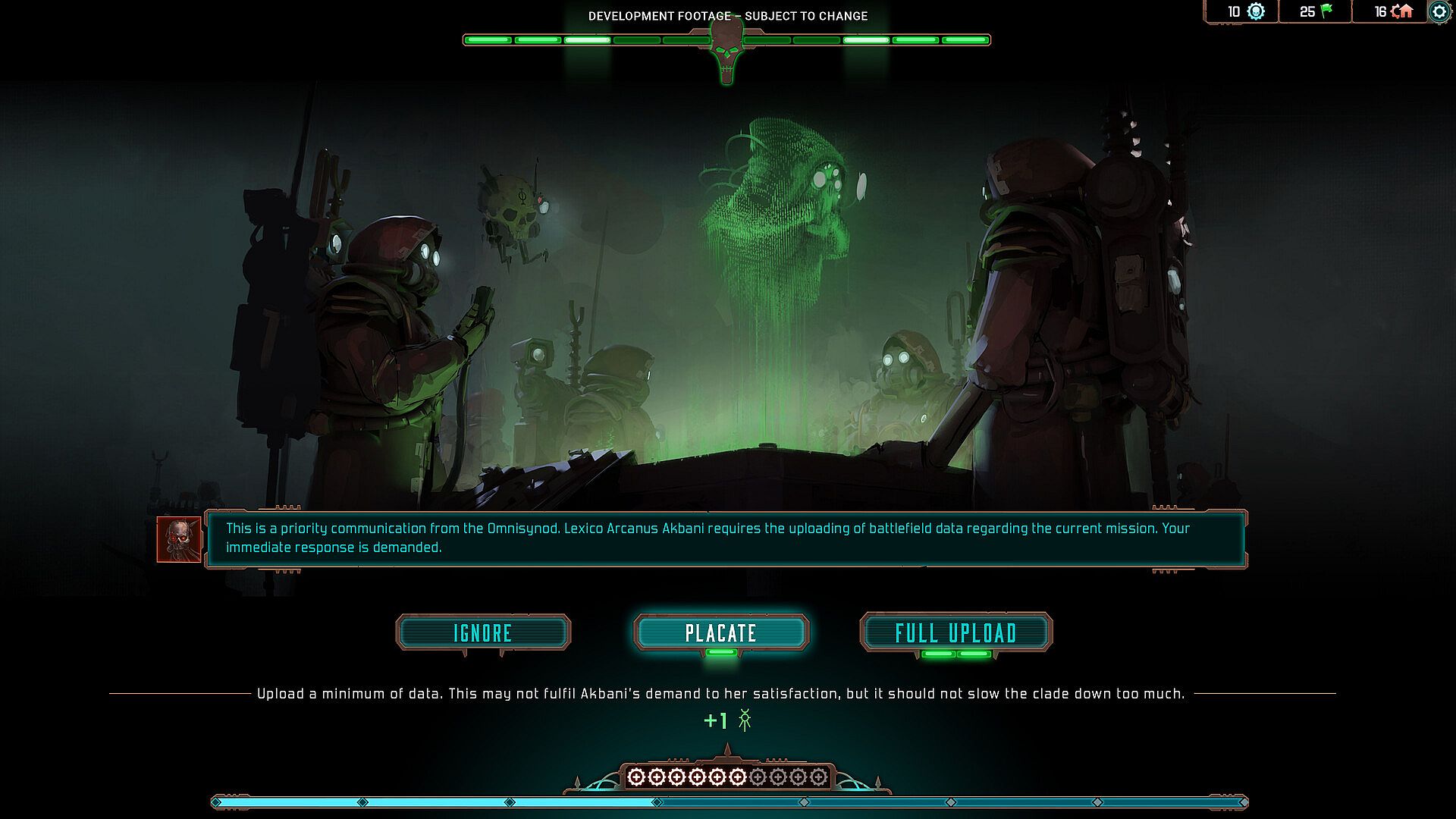
Building and customizing your army forms a key loop, with options to upgrade leaders like Magos Dominus Faustinius or Vargard Nefershah. You manage garrisons across territories, capturing regions to gather resources that fuel deployments. The revamped cognition system bridges strategic depth, letting you chain actions cleverly without overwhelming complexity. Battles unfold on detailed maps inspired by Warhammer 40k lore, complete with authentic unit models and atmospheric audio that heightens the tension of each encounter.
Game Modes
The game features two main narrative campaigns, each tied to a faction. In the Adeptus Mechanicus campaign, you guide Faustinius in halting the Necron awakening on a contested world, focusing on defensive tactics and technological superiority. The Necron campaign lets you command Vargard Nefershah's forces to reclaim their crownworld, emphasizing relentless assaults and tomb defense. These campaigns interweave, with choices in one influencing the overall story and leading to a climactic resolution.
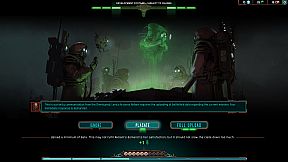
Beyond the campaigns, narrative events pop up during play, offering branching paths that affect resource allocation and unit availability. While the focus remains on single-player strategy, the dual-faction setup encourages replaying to experience both sides of the conflict.
Factions and Mechanics
The Adeptus Mechanicus faction thrives on precision and augmentation, with units like Skitarii rangers providing ranged support and Kastelan robots delivering heavy firepower. Their mechanics emphasize cognition management, where accumulating points through exploration and kills unlocks powerful abilities. In contrast, the Necrons operate on a phase-based resurrection system, allowing fallen warriors to return and press the attack, suited for players who prefer attrition warfare.
Territory control integrates with combat, requiring you to balance conquest with defense. Resources generated from held regions let you expand your roster, selecting from an array of fighters like Necron destroyers or Mechanicus electro-priests. The game's audio, composed by Guillaume David, complements these mechanics with haunting tracks that evoke the cold machinery of both sides.
Is It Worth Playing?
For fans of turn-based strategy games with rich lore, Warhammer 40,000: Mechanicus II delivers a compelling experience through its asymmetric factions and tactical depth. Previews highlight the clever cognition system and impressive visuals, suggesting strong appeal for Warhammer enthusiasts and tactics players alike. It suits those who enjoy thoughtful decision-making over fast-paced action, with campaigns that reward multiple playthroughs.
If you appreciate games that blend narrative with mechanics, like managing upgrades and environmental interactions, this title stands out. However, it may not click for players seeking multiplayer options or lighter strategy. Overall, its focus on dual campaigns and strategic variety makes it a solid choice for diving into Warhammer 40k tactics.