

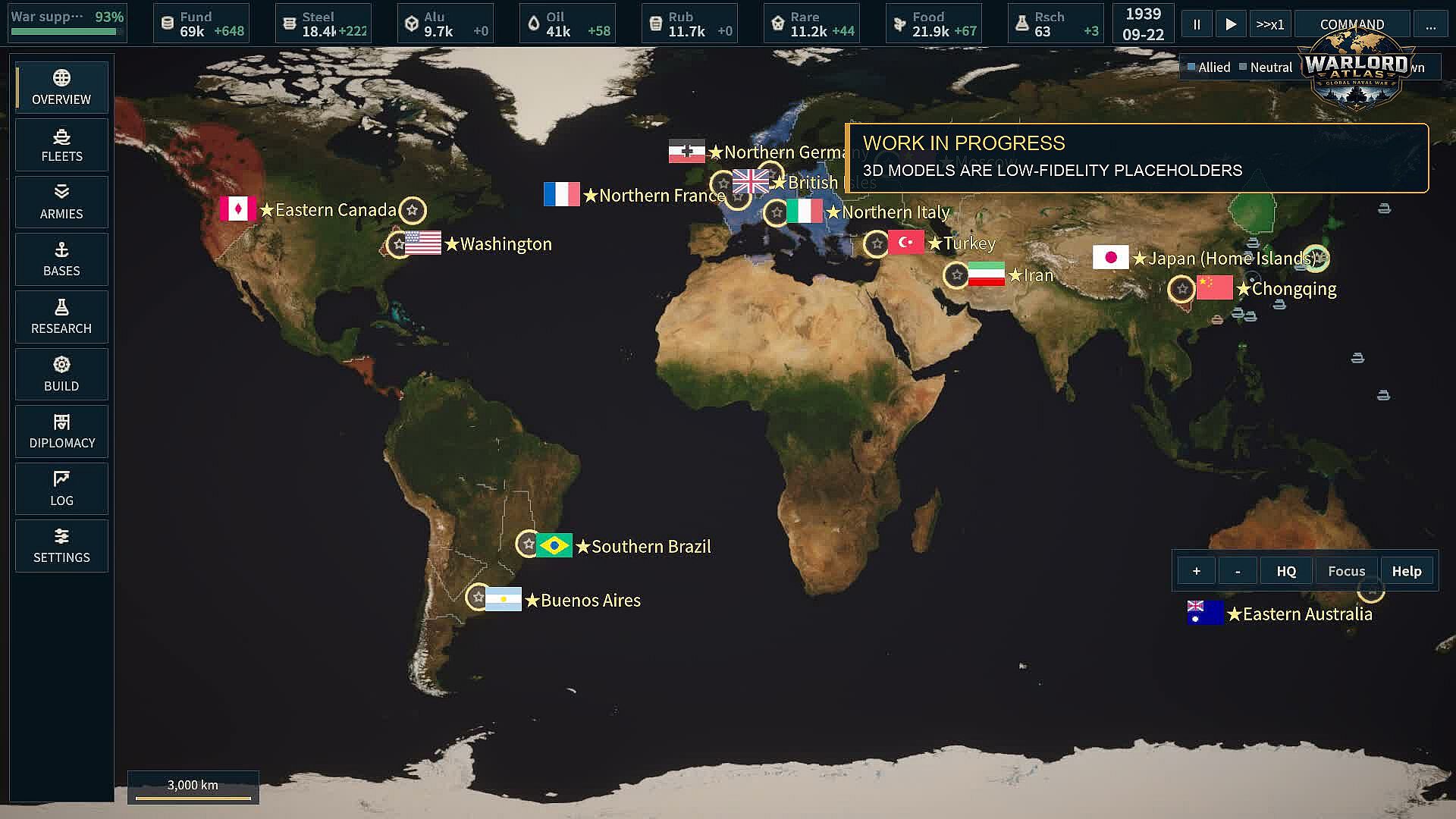
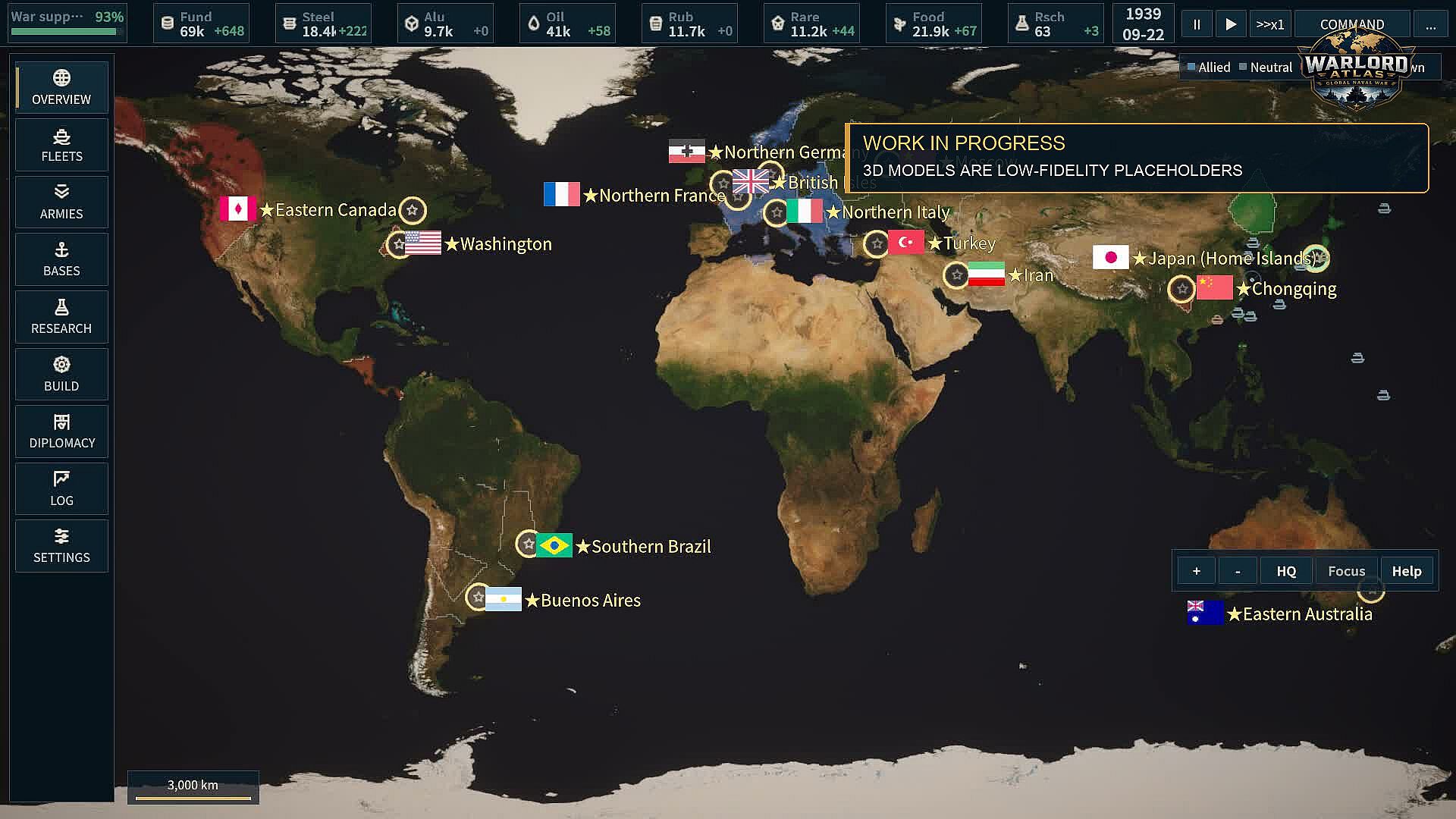
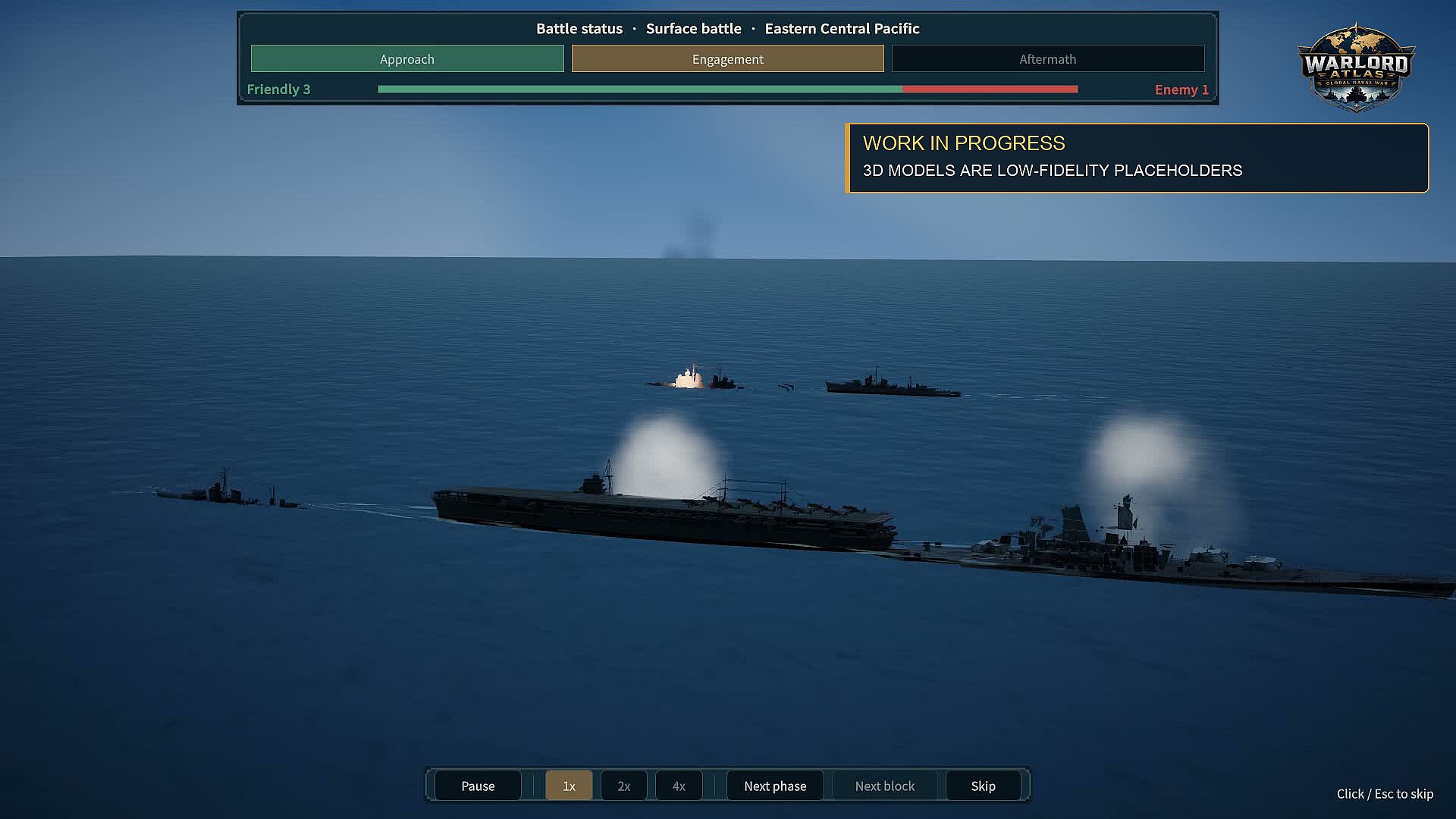
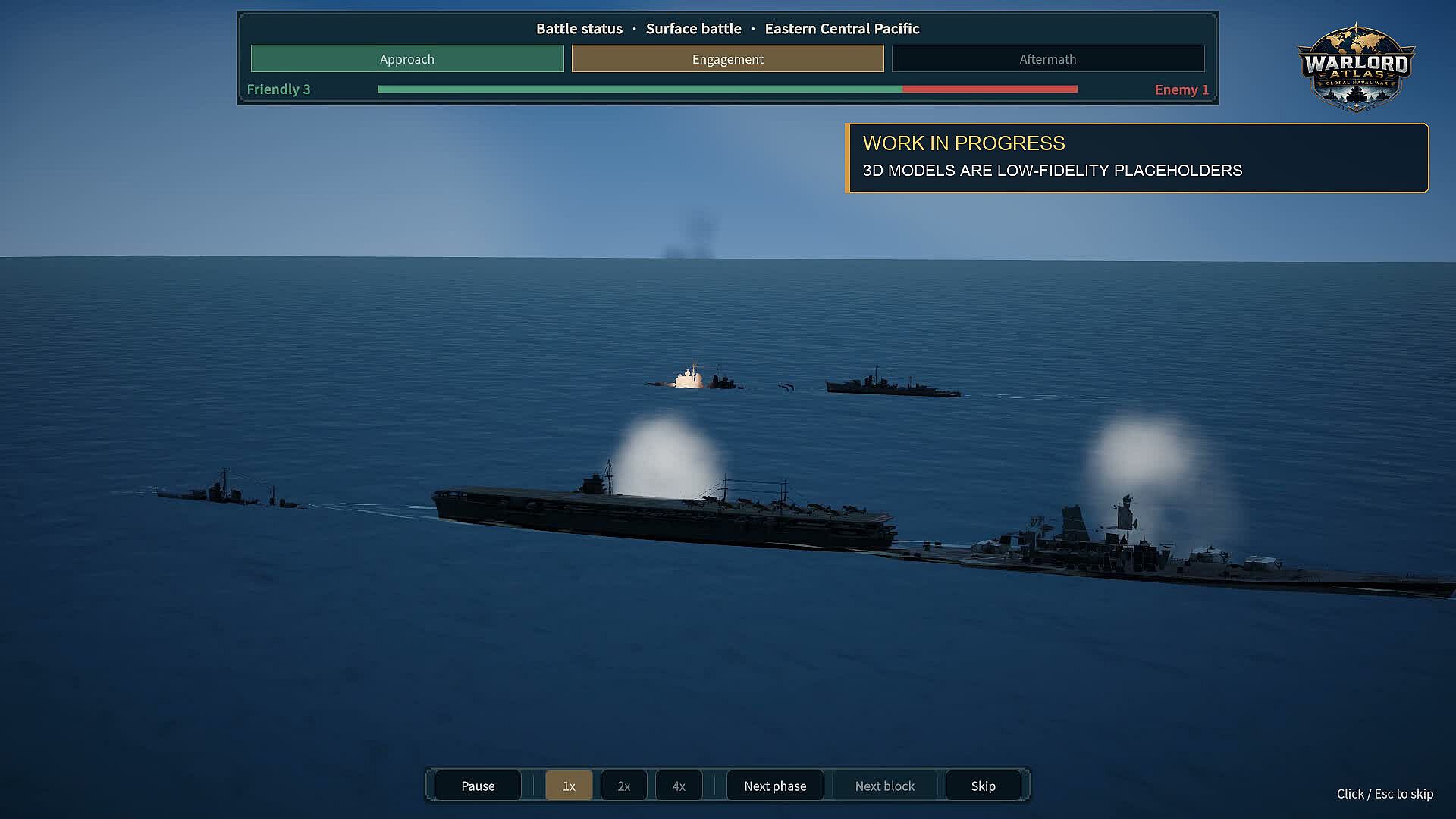
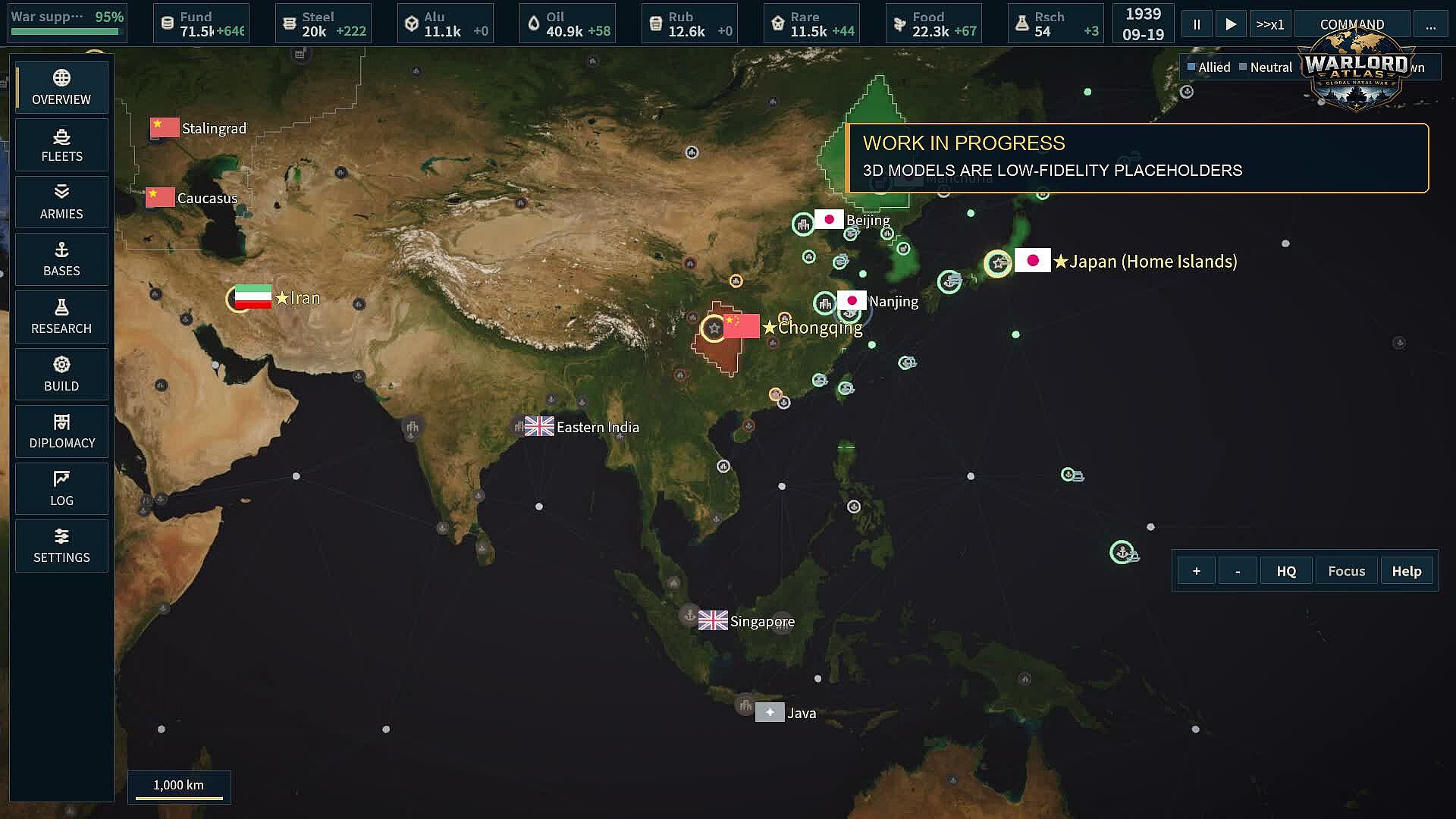
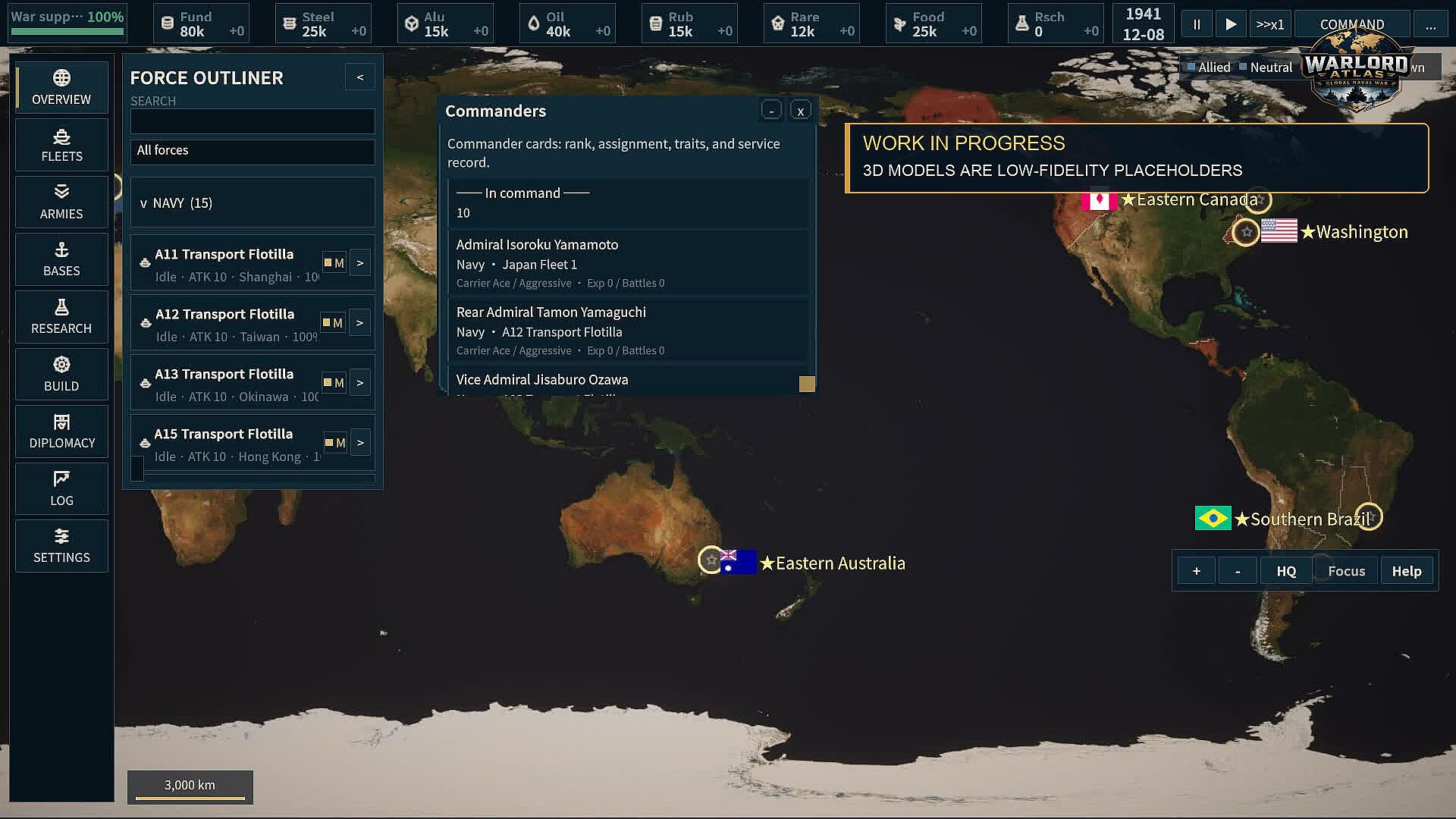
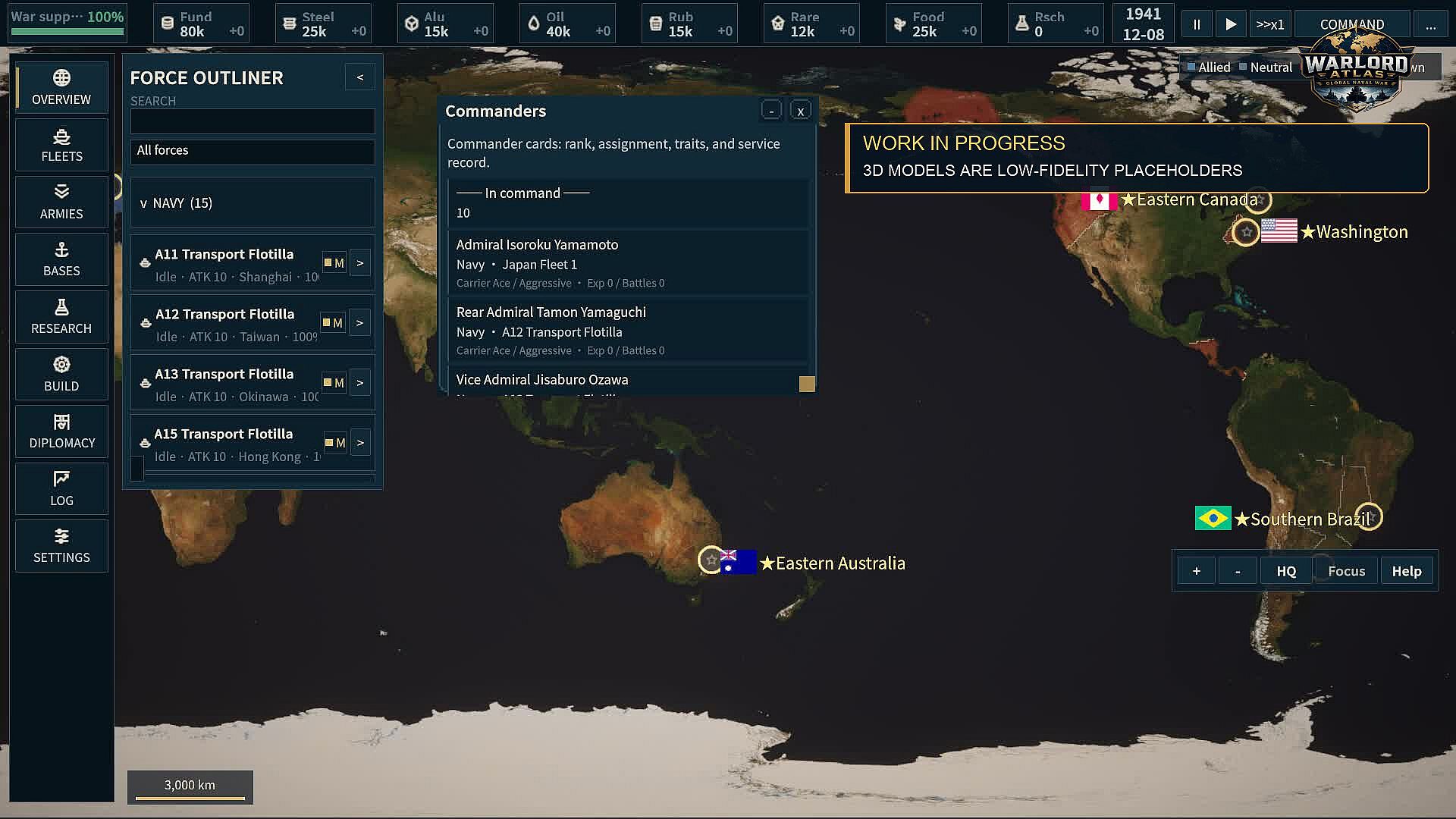
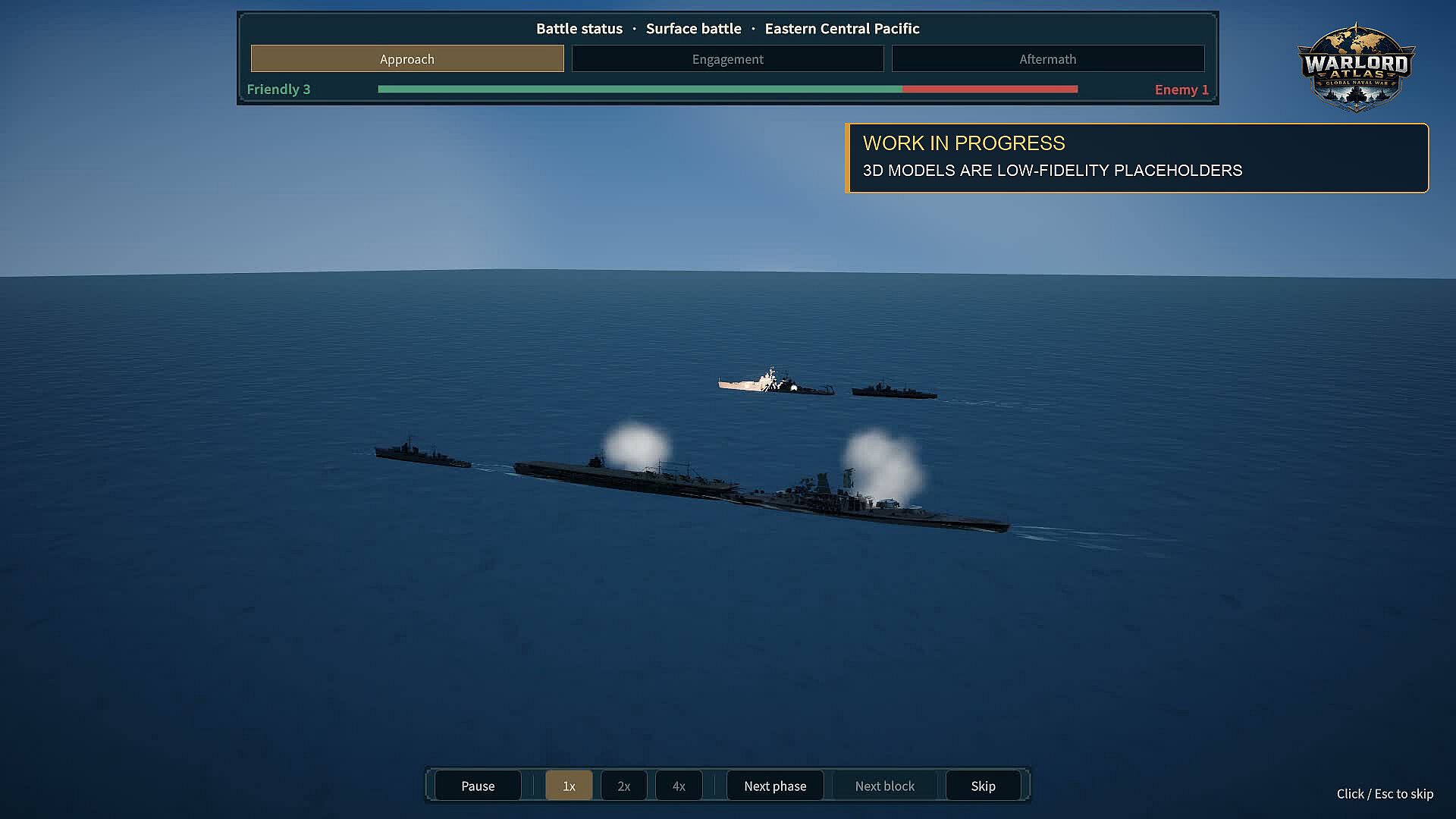
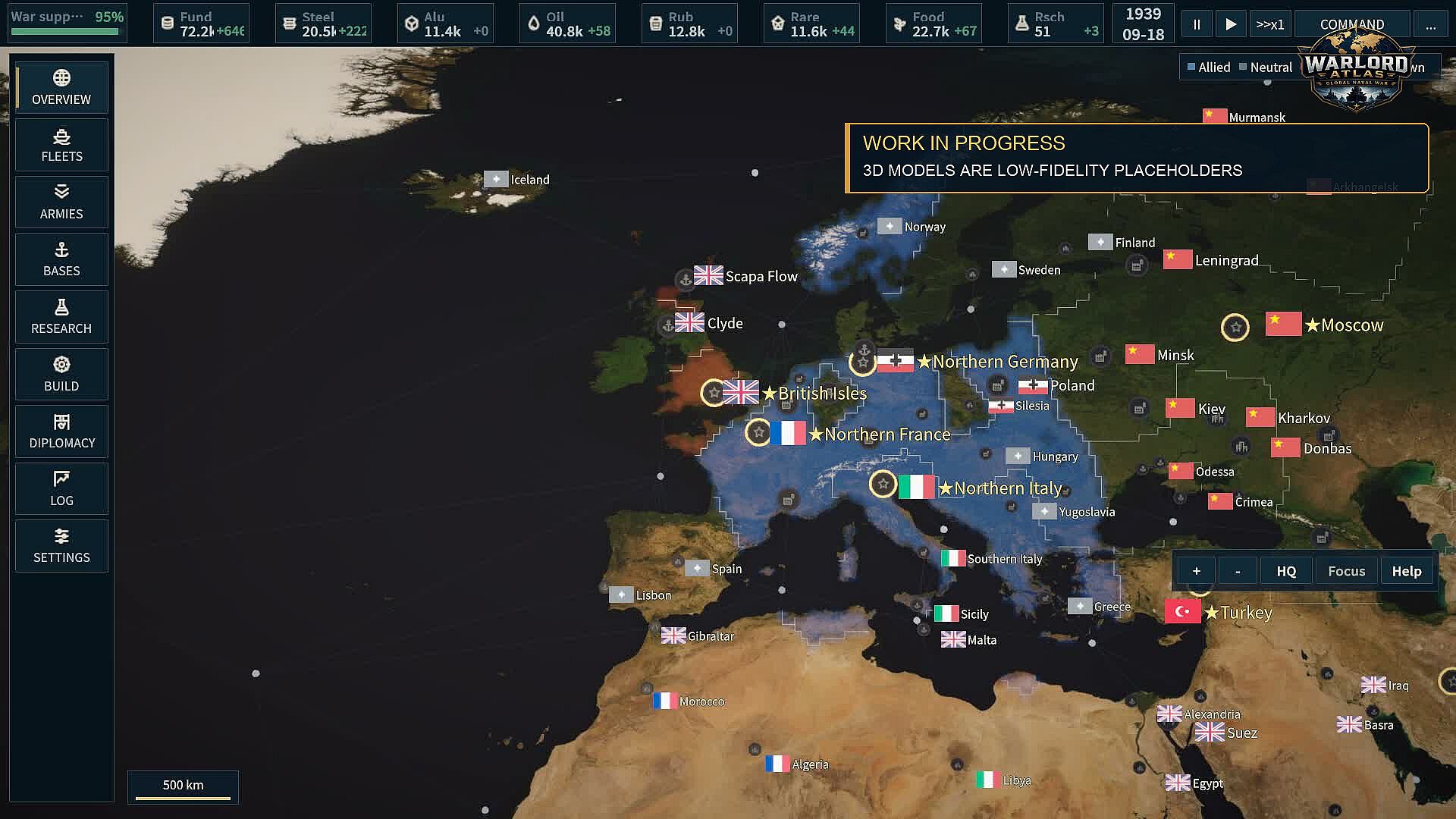
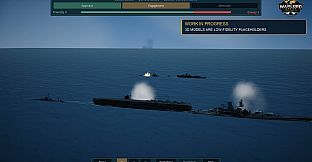
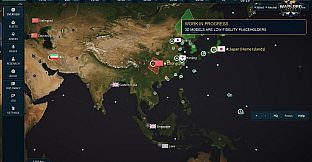
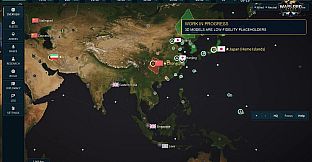
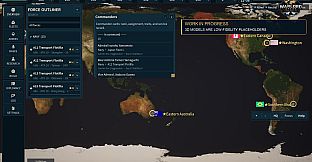
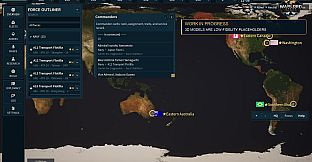
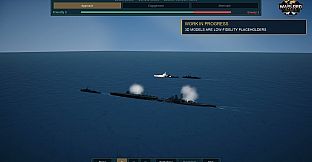
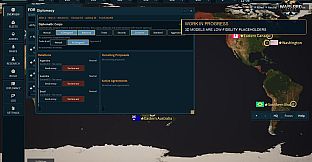
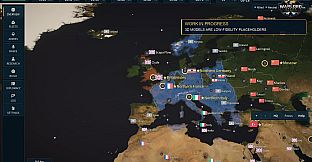
Warlord Atlas: Global Naval War is a single-player grand strategy game centered on theater-scale naval operations and long campaigns across multiple historical eras. Players take the role of high command rather than individual ship captains, directing fleets, air power, ground forces, logistics, and diplomacy on a global map. The experience emphasizes operational cycles of building forward bases, achieving sea control, conducting amphibious landings, securing territory, and managing resources over extended periods from the prewar years through the Cold War era up to 1995.
Gameplay
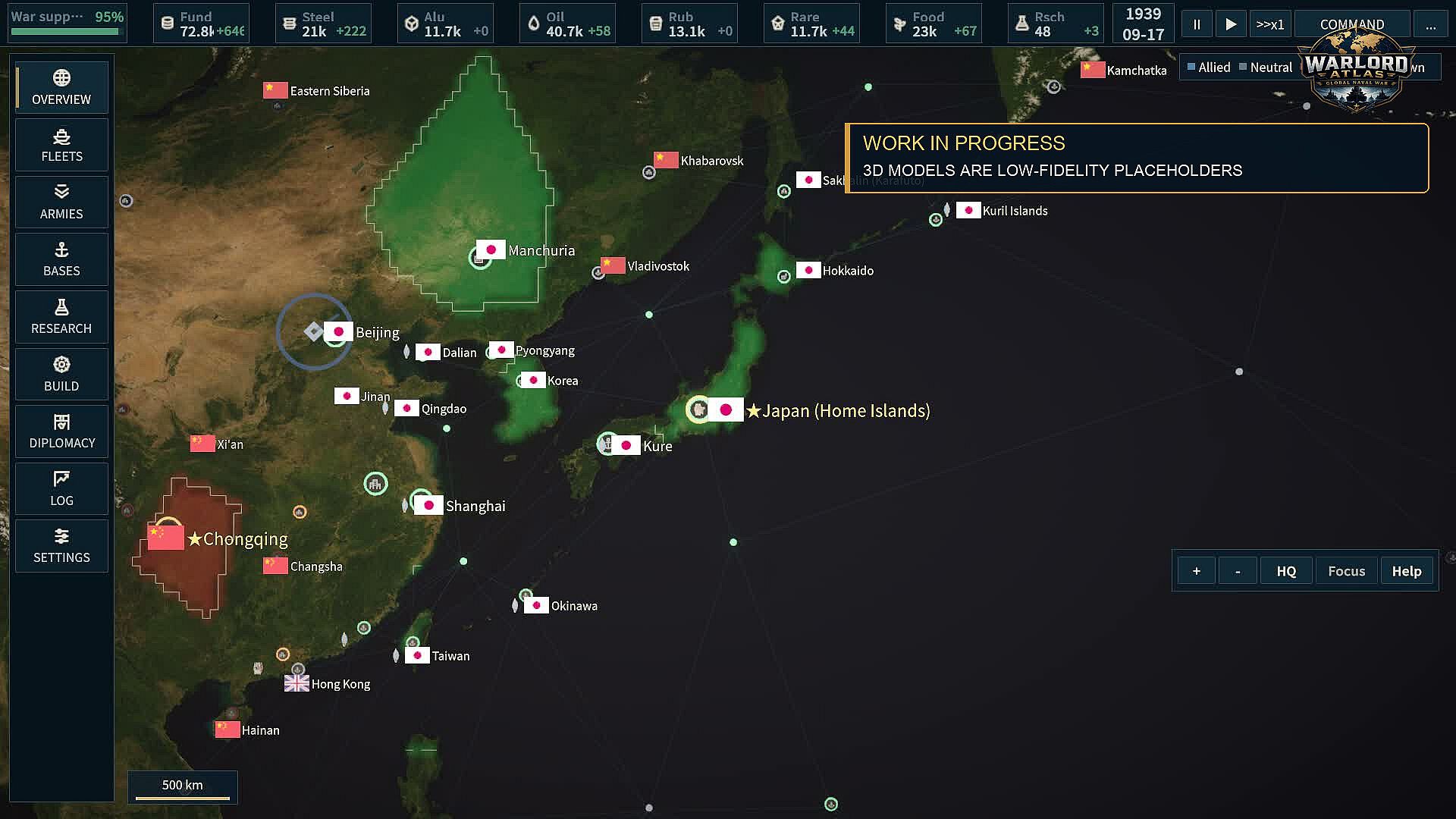
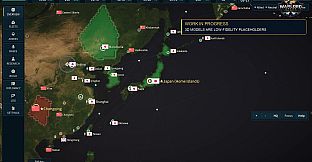
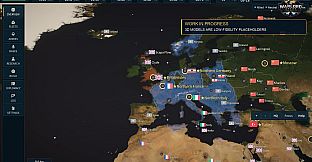
The core loop revolves around coordinating task forces, land-based air units, patrol lines, and supply networks to gain advantages at sea. Decisions about where to allocate resources, when to establish air superiority, and how to time amphibious assaults directly influence the progression of the entire theater. Forward bases serve as critical extensions of supply capacity and operating range, allowing players to push into new areas while maintaining logistical support for ongoing operations.
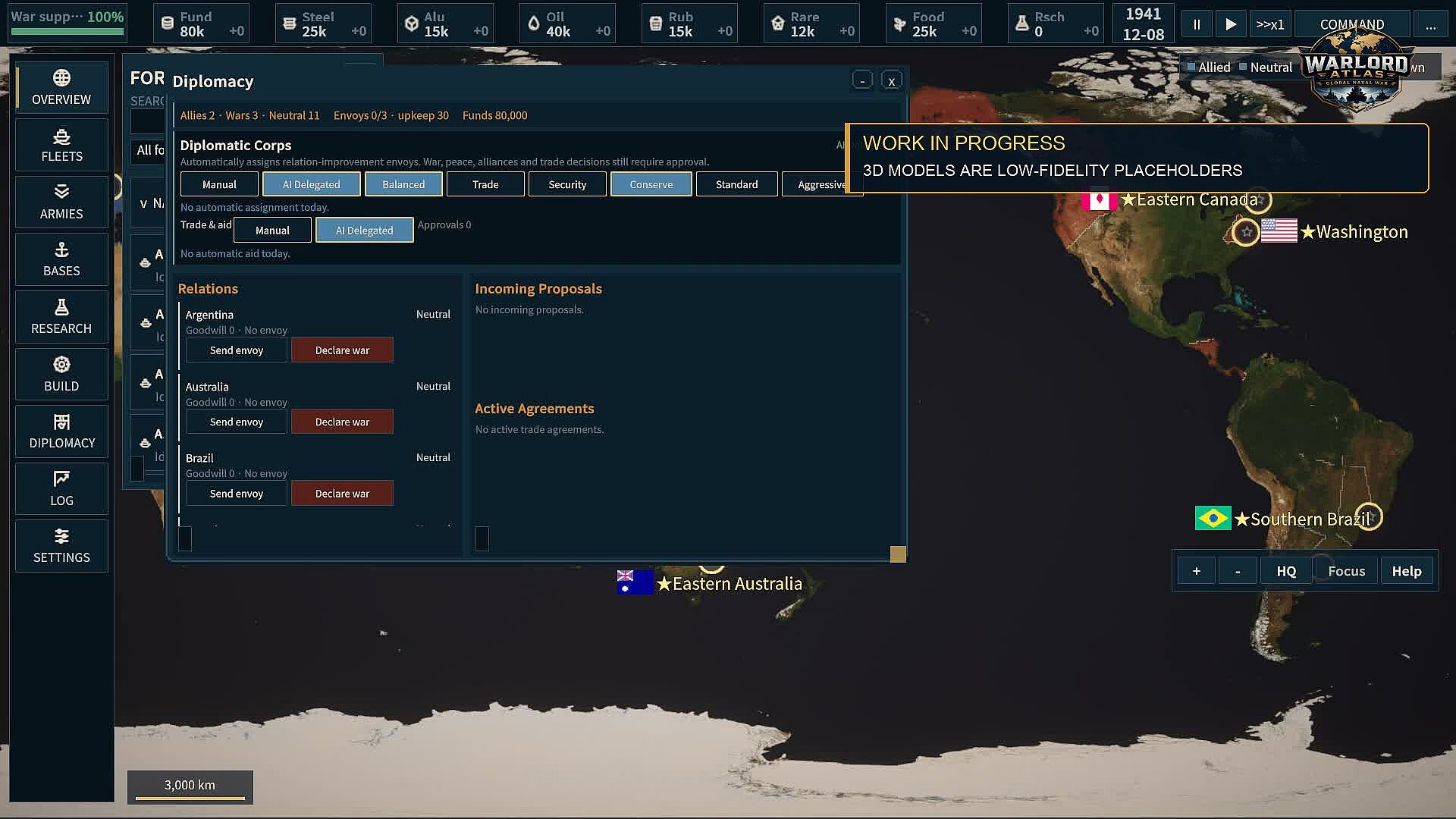
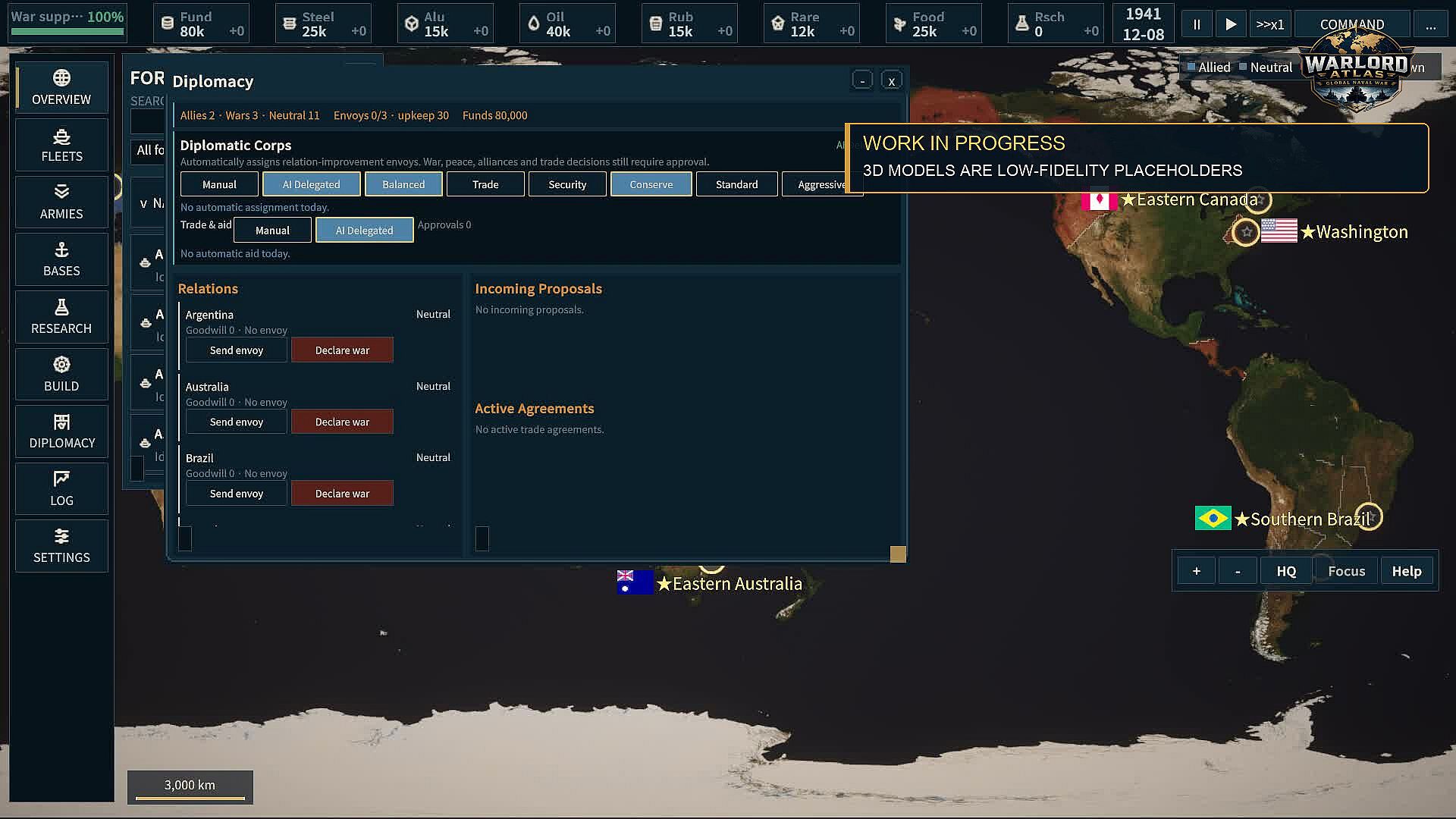
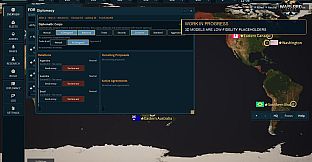
Amphibious operations require careful preparation of landing craft, ground units, ports, and supply lines before seizing objectives and then stabilizing those positions against counterattacks. National resources fuel research and production of ships, aircraft, ground forces, and base facilities, with the goal of sustaining a prolonged conflict. Diplomacy opens avenues for alliances, shared blueprints, and logistics assistance that enable objectives otherwise out of reach. Theater command focuses on high-level priorities such as supply allocation and timing rather than direct unit control, creating a strategic layer that spans the full campaign map.
Game Modes
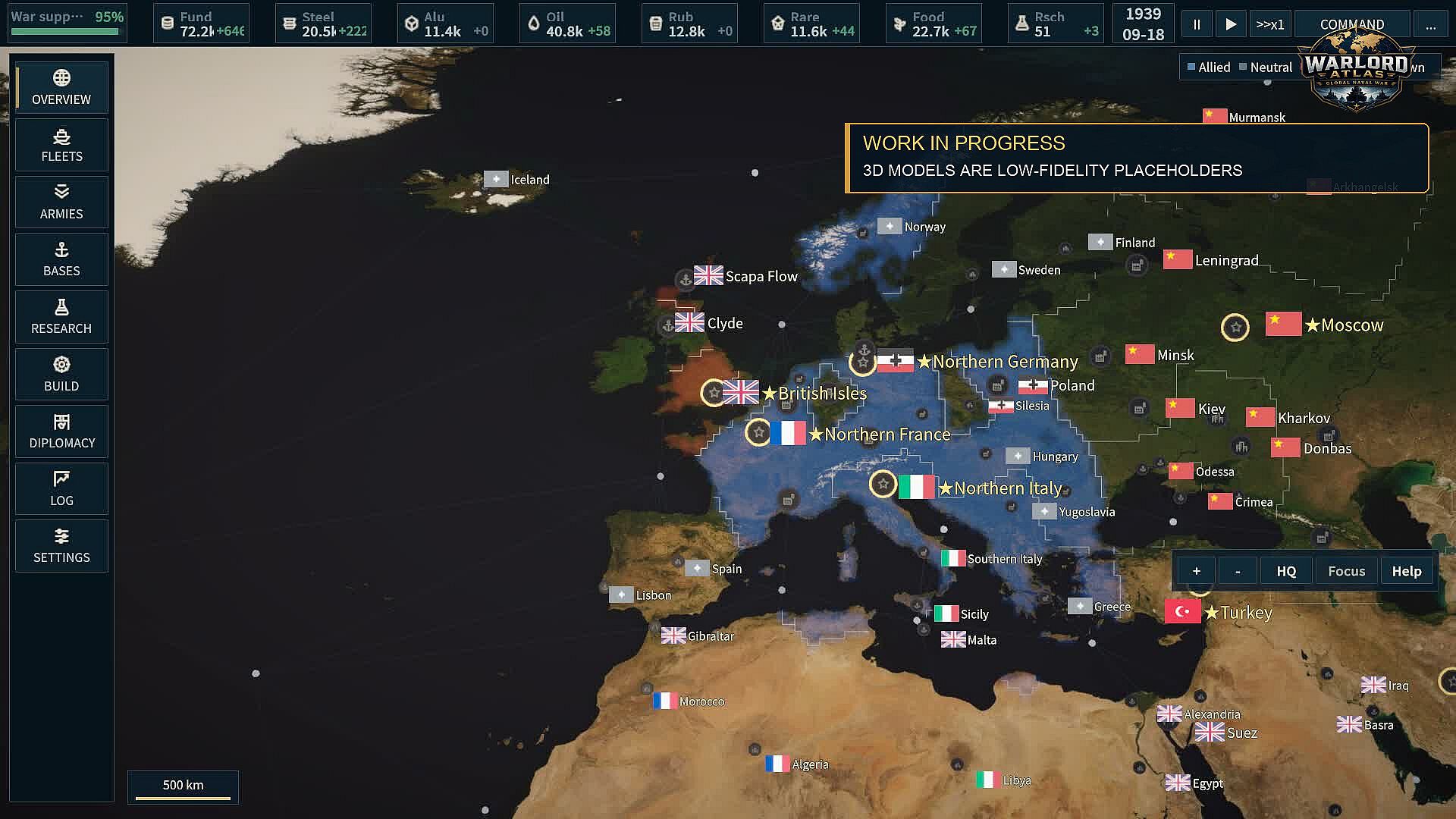
The game centers on single-player campaigns that begin in specific historical years, each with deployments verified to match real commissioning dates. Players can start campaigns in 1935 on the eve of conflict or enter later eras where a state of war already exists from 1939 onward. The base game covers situations through 1985, with faithful starting positions that evolve based on player choices rather than predetermined outcomes.
Each campaign supports play as one of ten nations or as a custom-designed nation. Different starting conditions alter the strategic demands, such as operating with limited naval assets from an interior position or protecting extensive convoy routes across multiple oceans. The same world map supports varied approaches depending on the chosen nation and era, allowing the core systems of fleet operations, naval combat, amphibious actions, occupation, resources, research, and diplomacy to play out end to end in single-player sessions.
Nations and Historical Context
Available nations include Japan, the United States, the United Kingdom, Germany, the Soviet Union, China, Italy, France, Australia, and Canada. Campaigns open with historically accurate force placements for the selected year, such as specific carrier deployments in the Pacific theater. The design treats these elements as gameplay abstractions while drawing from verified historical details for initial setups. Custom nations provide additional flexibility for players seeking personalized starting conditions within the same global framework.
Progression spans from prewar planning in 1935 through extended conflicts that can continue well into later decades. Resource management and research decisions shape long-term sustainability, while alliances and logistics support expand options beyond what a single nation could achieve alone. The experience remains focused on operational command across the theater rather than tactical ship-to-ship engagements.
Is It Worth Playing?
Warlord Atlas: Global Naval War suits players interested in grand strategy titles that emphasize high-level decision making over direct control of individual units. The single-player campaigns deliver a complete operational loop from fleet movements and sea control through amphibious landings, base development, and resource growth, all within a historically inspired framework that spans multiple eras. Early Access provides access to this core experience while the developers refine balance, user interface elements, and campaign pacing based on community input.
Those who enjoy managing priorities across supply lines, air operations, and diplomacy in extended campaigns will find the theater command perspective distinctive. The game supports varied playstyles through its nation selection and starting years, with the same map yielding different challenges depending on the chosen side. Because the title remains in Early Access with a planned short stabilization period before a full release, prospective players should consider whether they prefer engaging with an evolving single-player strategy experience or waiting for further refinements to AI, tutorials, and stability.