


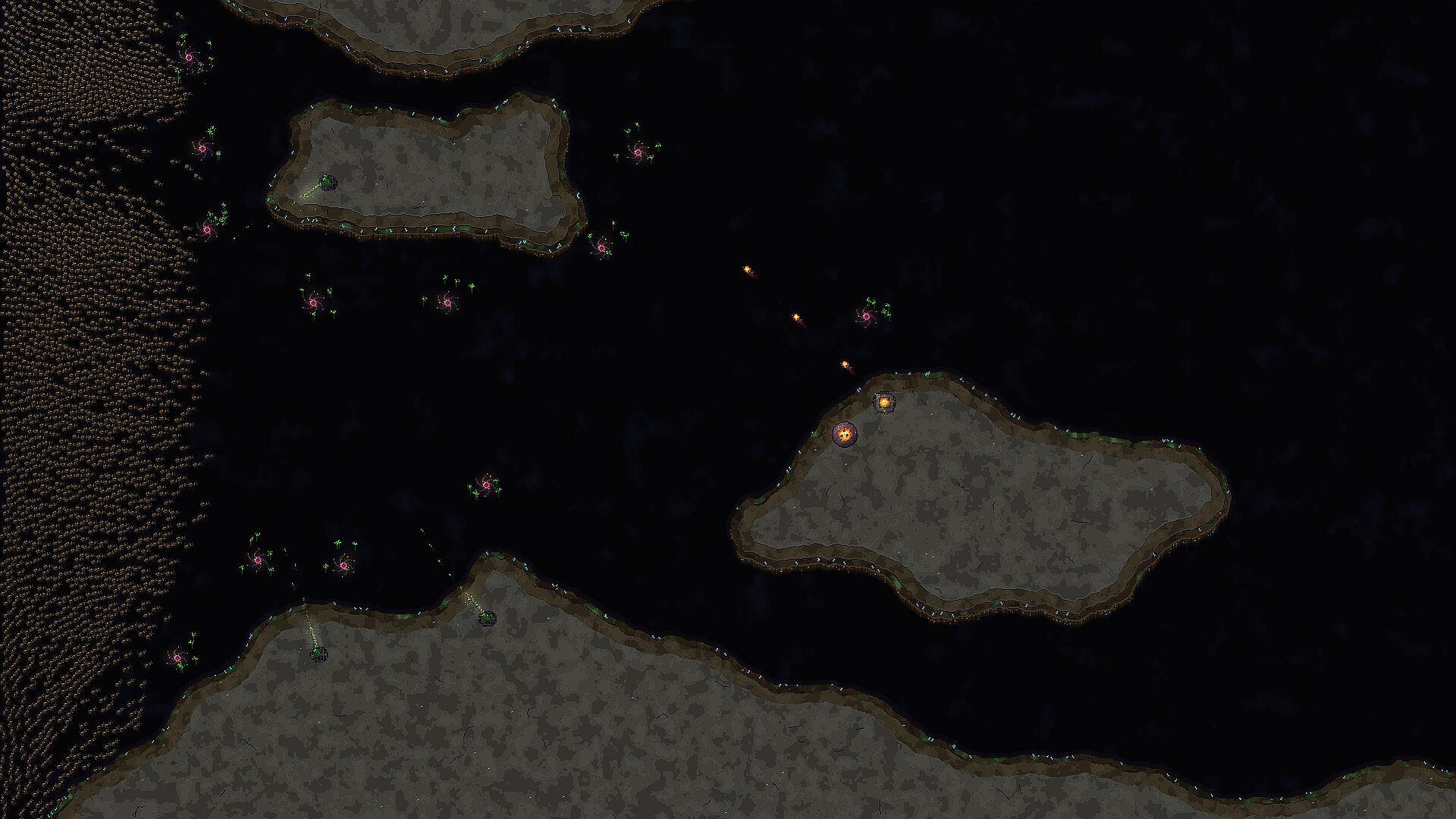

We're Gonna Need More Fireballs is a tower defense strategy game developed for PC by Axiomorph. Players defend a single crystal heart from enormous enemy swarms that can number up to a million on expansive maps. The title emphasizes scale and variety in defensive options rather than standard wave-based progression.
Gameplay
The core loop centers on placing and managing thirty distinct towers, each functioning as an independent machine with its own attack style. Examples include a magma throat that spits slag, a mycelium mother that lobs cauldrons of gas, a thorn blowgun that fires streams of spores, and a hunger rose that plants itself directly in enemy paths. Selecting a tower equates to choosing its specific spell-like effect, with no shared weapon systems across builds.
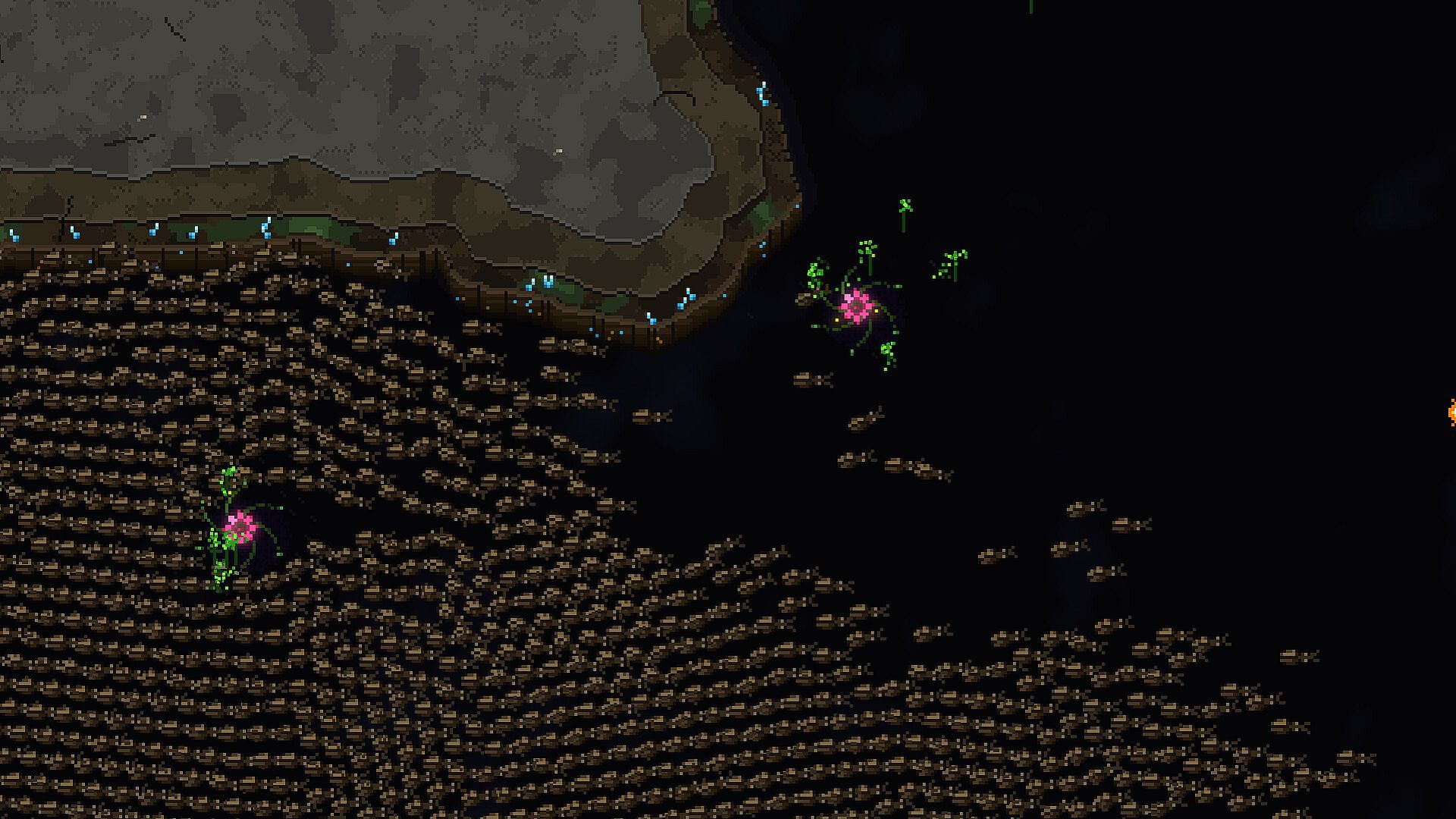
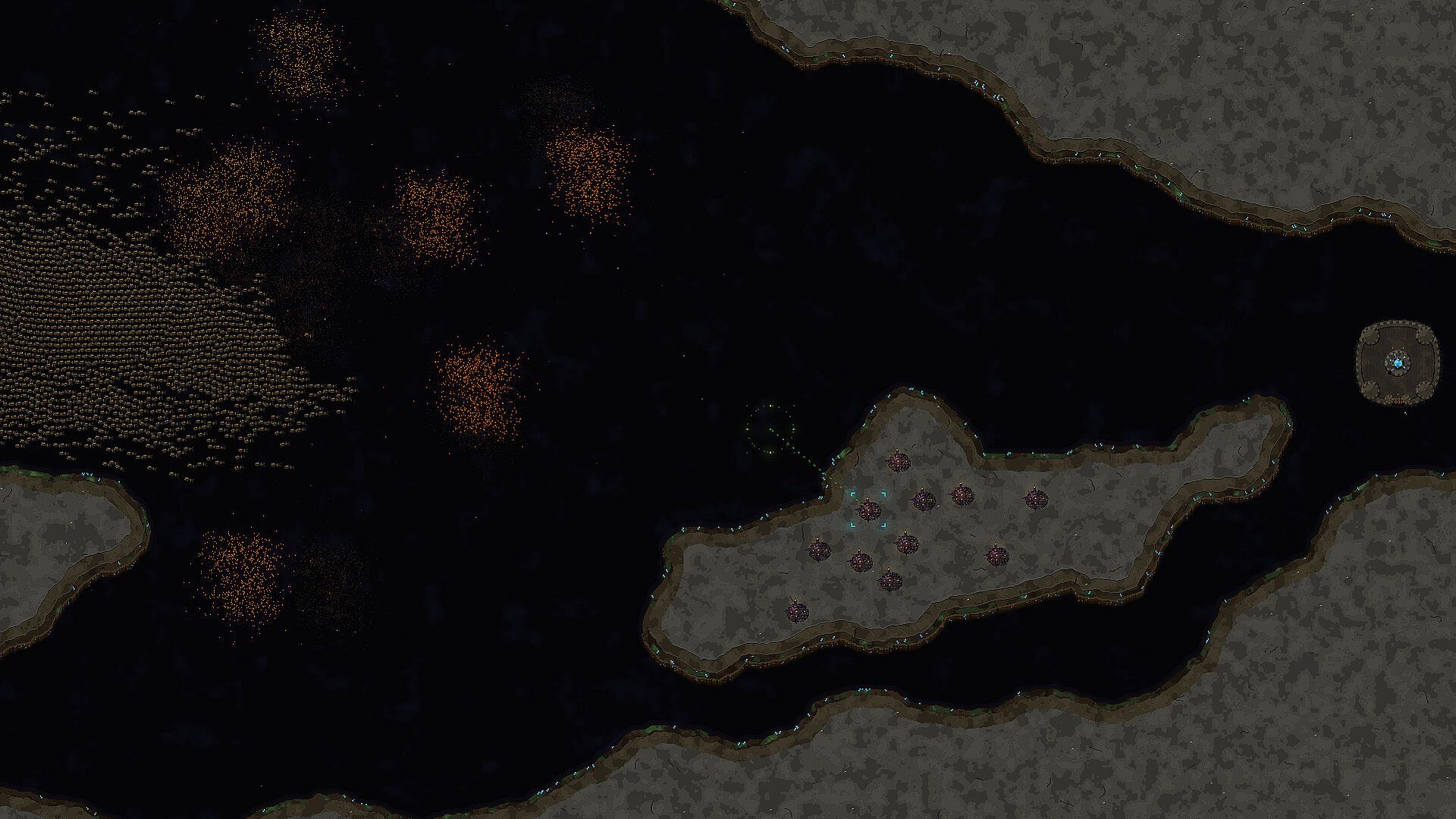
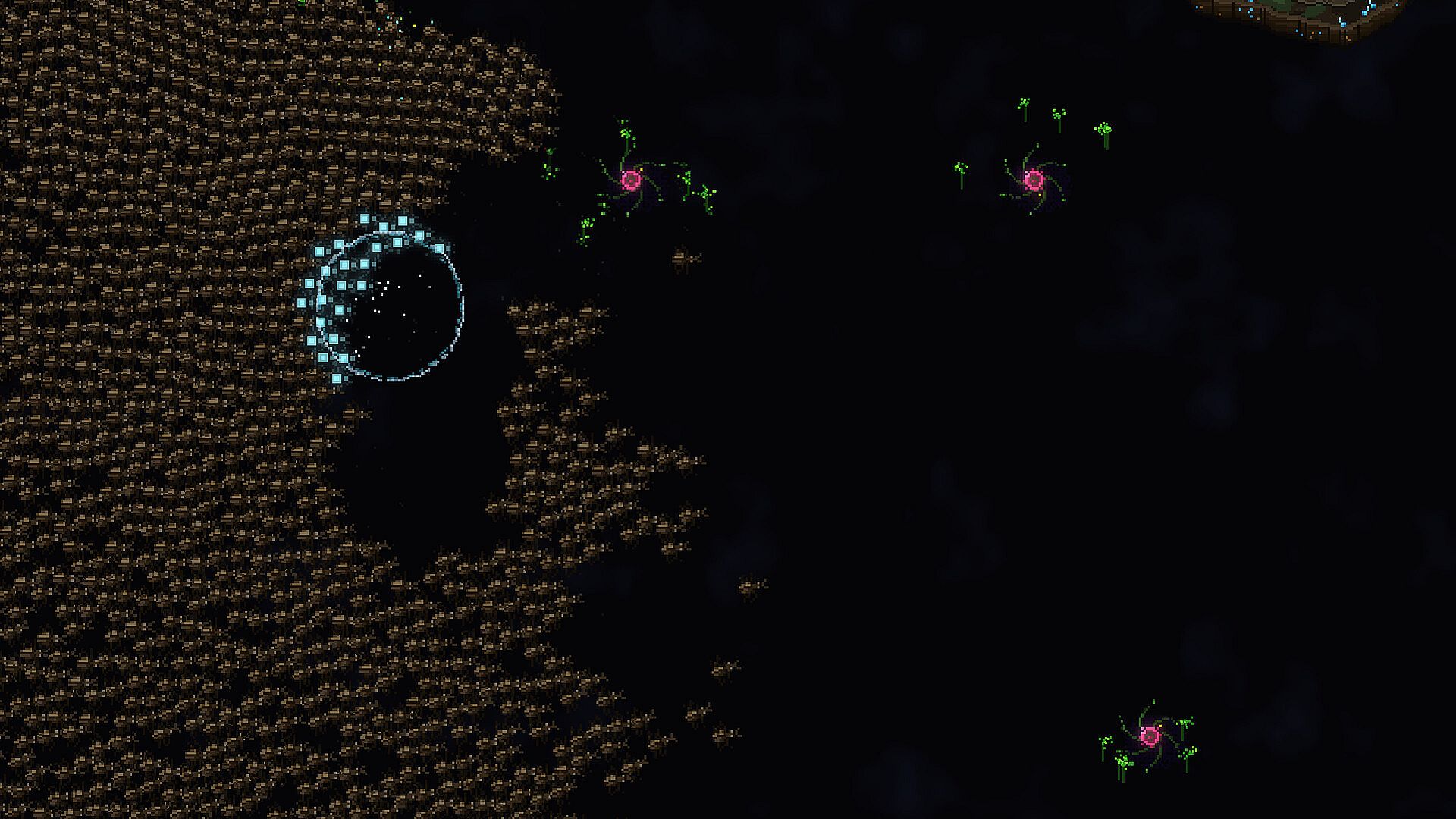
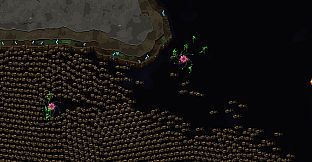
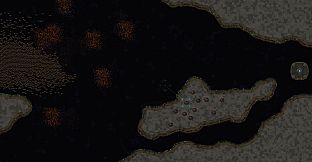
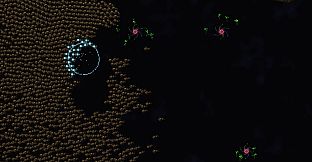
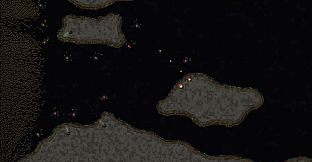
Enemy encounters involve massive numbers filling tunnel-like maps wall to wall. Swarms reach tens of thousands visible at once, scaling up to a million across larger layouts. Defenses thin sections of the horde, yet gaps close behind as the mass advances toward the crystal heart. The emphasis lies in sustained pressure management across these oversized battlefields rather than isolated skirmishes.
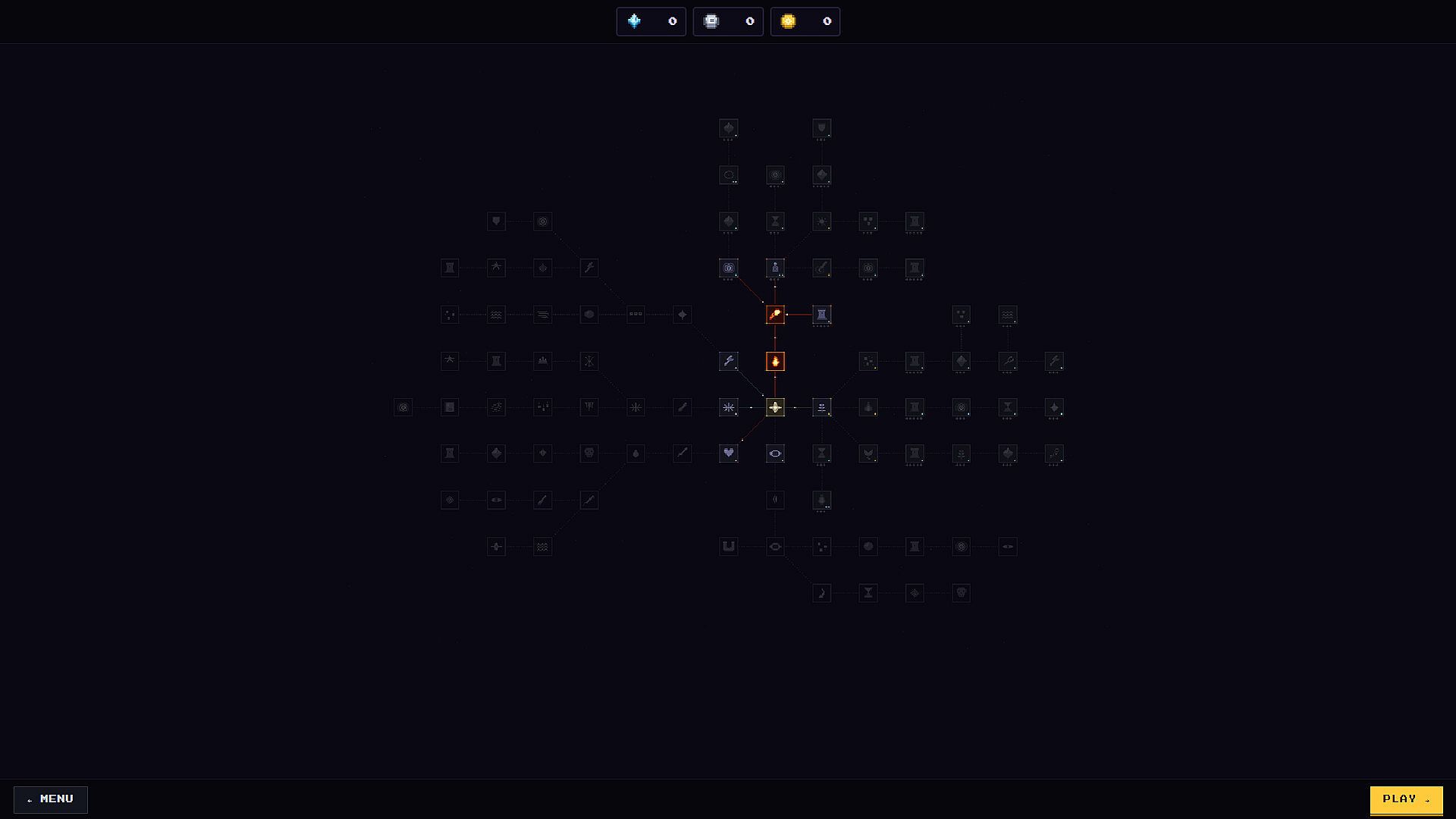
Progression occurs through an upgrade tree funded by crystals collected from every run, regardless of success or failure. These resources unlock additional spells, towers, and deeper branches in the system. Maps remain unchanged in difficulty, so advancement comes from expanding the player's available tools and combinations over repeated attempts.
Game Modes
The game operates in a single-player format focused on individual defensive runs. Each attempt pits the player against progressively denser swarms on large-scale maps, with the goal of protecting the crystal heart until the threat subsides. Runs contribute crystals toward permanent unlocks even when the heart is lost, encouraging repeated play to expand options.
Mechanics reward experimentation with tower placements and combinations suited to the unique behaviors of each defensive machine. The structure supports extended sessions on bigger maps where enemy density requires layered strategies to maintain control over the battlefield.
Key Mechanics and Systems
Tower variety forms the foundation, with each of the thirty options presenting distinct visual and functional designs that integrate directly into the environment. Placement decisions matter because towers occupy space and interact with swarm movement patterns on the oversized maps. The system avoids generic upgrades in favor of selecting entirely new machines that alter how defenses engage the horde.
Scale defines the challenge, shifting focus from typical small-group tactics to handling continuous flows that can overwhelm standard approaches. Visual feedback shows swarms thinning under sustained fire before reforming, highlighting the need for consistent coverage across wide areas.
The roguelite elements appear through the crystal-based upgrade tree, where every run adds to available choices. This setup allows players to build toward more complex loadouts without altering the base map difficulty.
Is It Worth Playing?
The game remains in a coming-soon state on PC with no released version or user reviews available at present. Its design targets fans of tower defense who seek large-scale enemy counts and highly differentiated tower options over conventional wave structures. The single-player focus and run-based progression with persistent unlocks suit those interested in iterative strategy refinement on expansive layouts.
Potential appeal lies in the emphasis on unique tower mechanics and the challenge of managing million-scale threats. Players who enjoy building heavier toolkits across attempts may find the upgrade system rewarding once the title launches. Those preferring smaller, more contained encounters or multiplayer elements should monitor further details closer to release.