

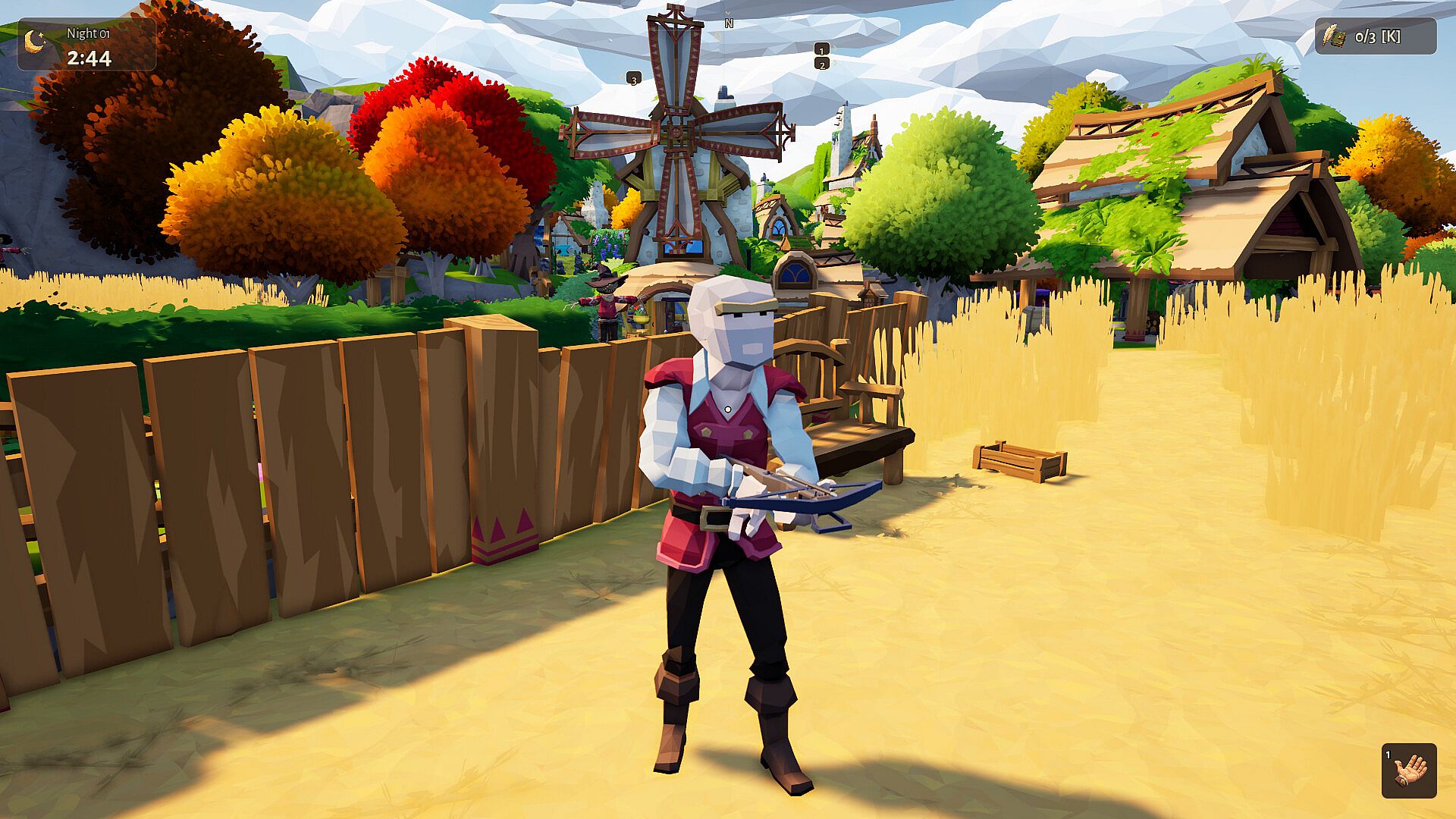
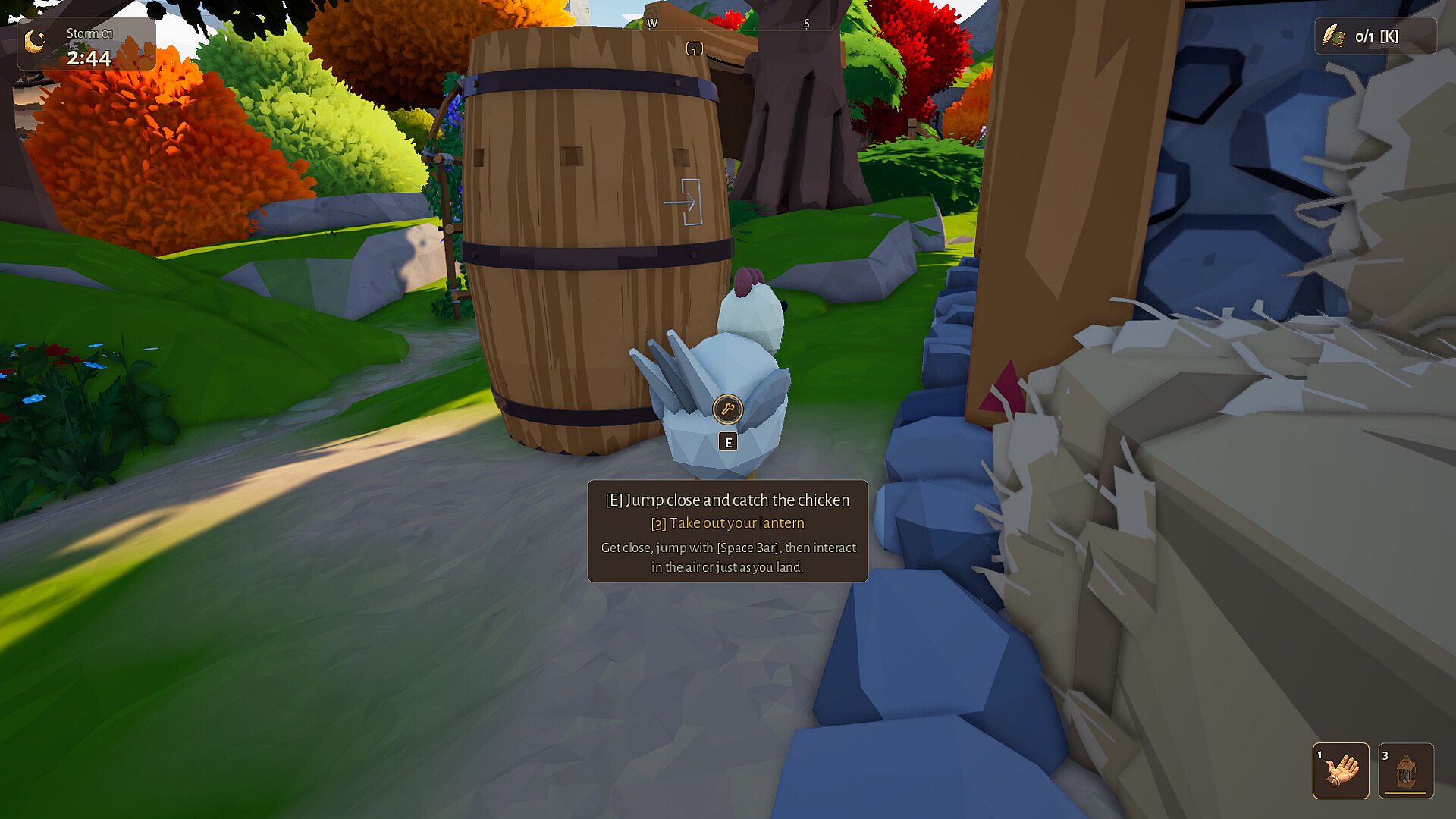
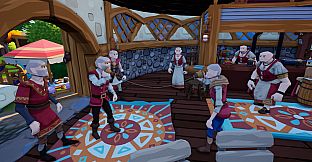

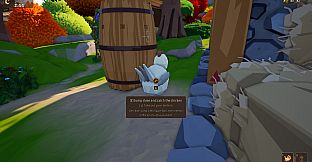
Wiggle Town is a first-person social deduction game available on PC in the action, indie, and casual genres. Up to twelve players gather in a small village where one or two neighbors are secretly Cursed, and the rest must uncover them through observation and discussion while completing nightly tasks.
Gameplay
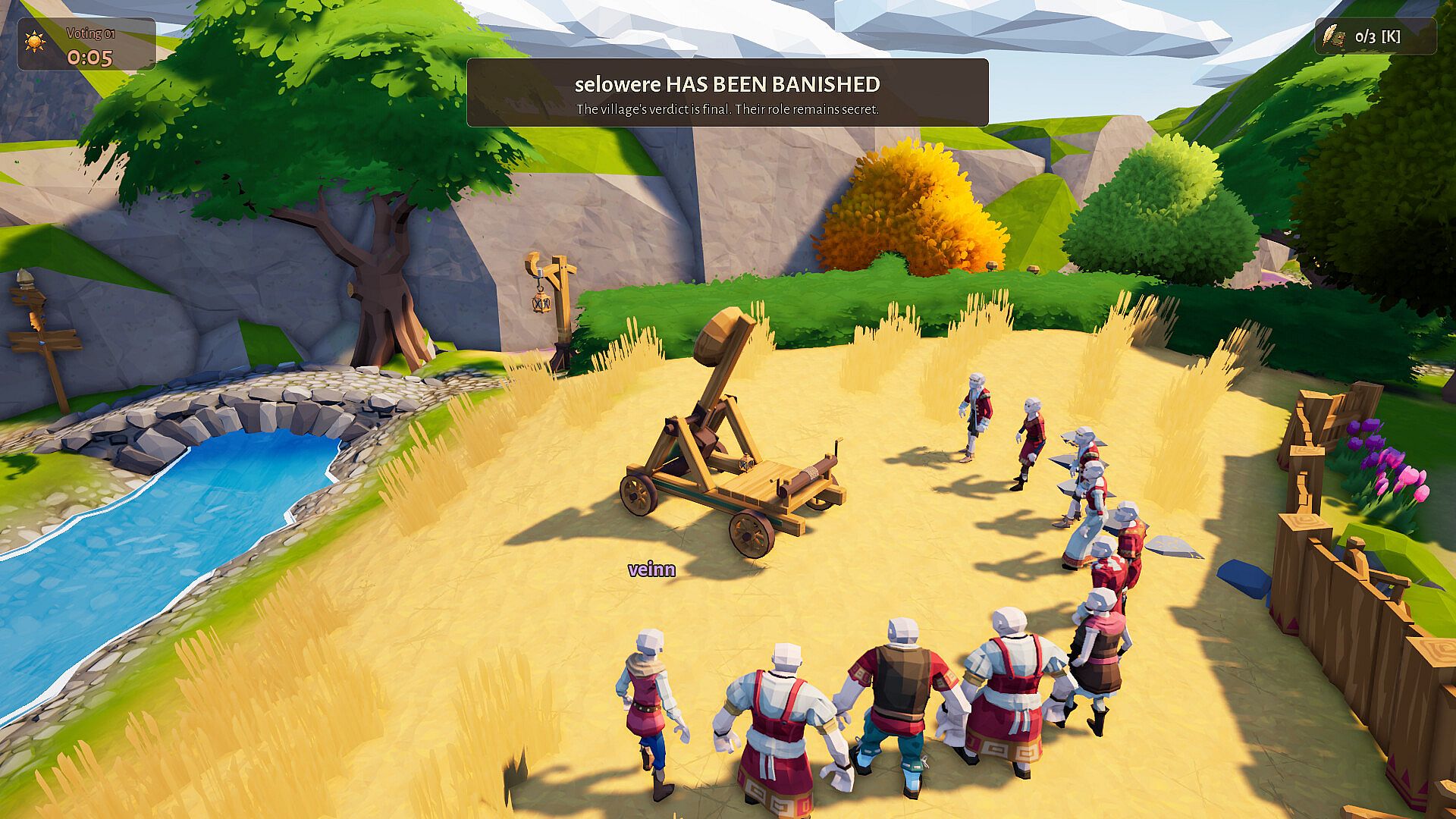
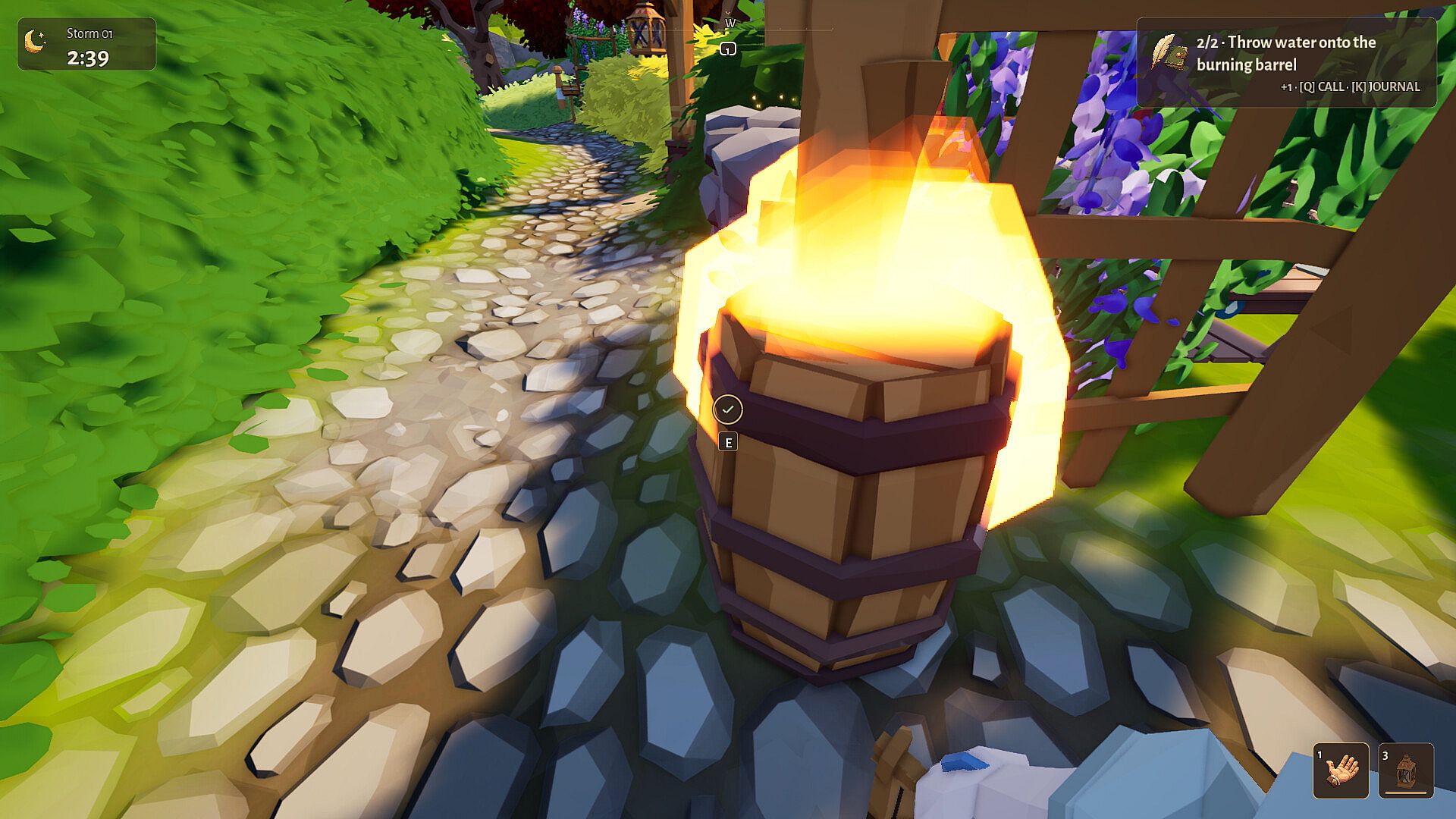
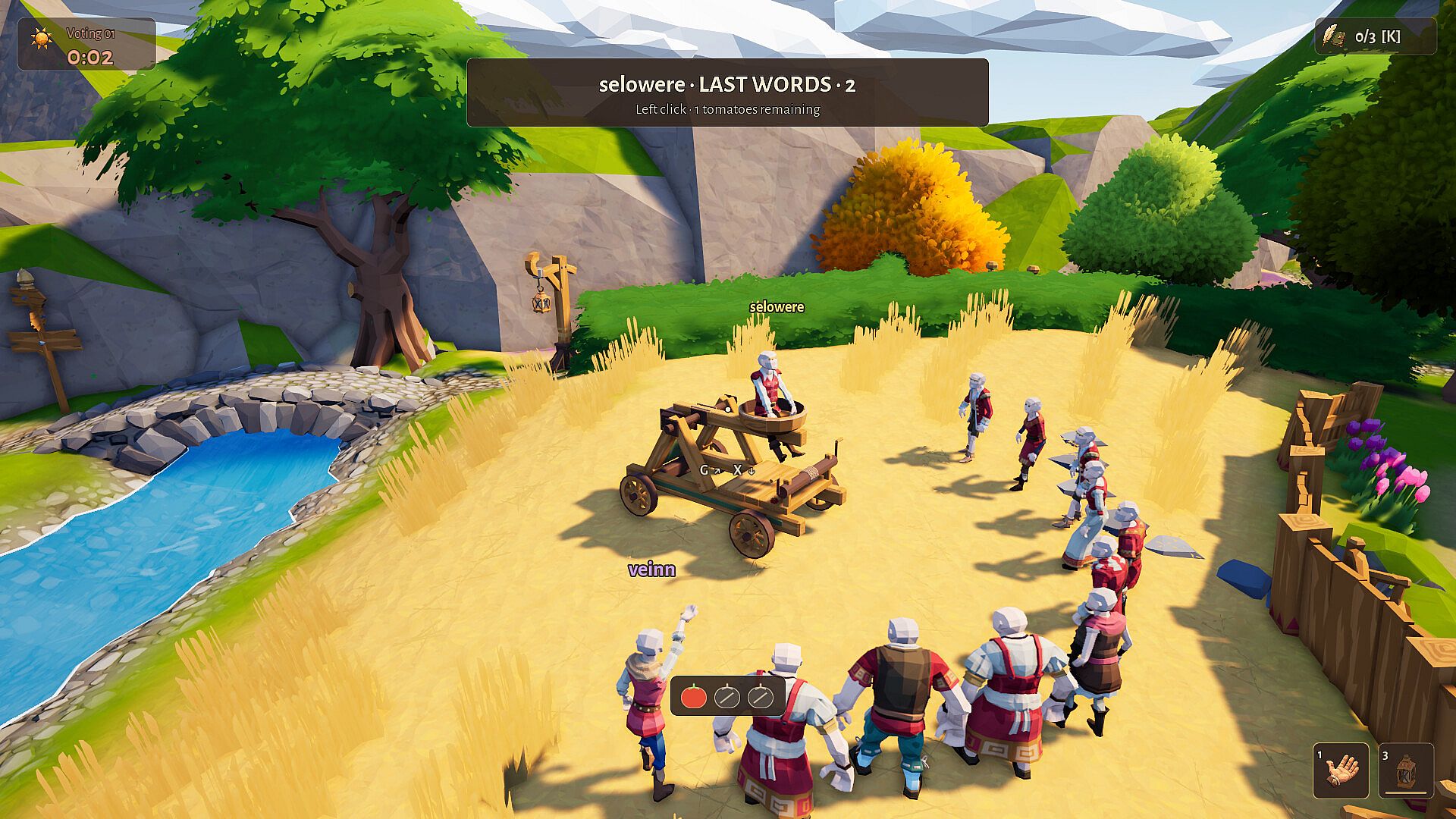
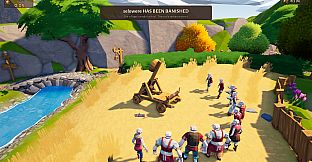
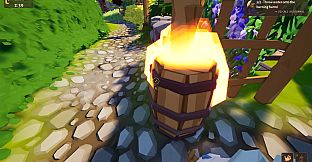
Matches unfold over nights and days in a village setting. At night, players head out to adjust windmill belts, light lanterns, haul pumpkins, and meet the village task quota. The Cursed move among them and can strike during this dark period. Discovering a body allows inspection and ringing the village bell to summon a meeting. Unfound deaths surface at dawn regardless. Survivors then share observations and vote to remove someone suspected of being Cursed.
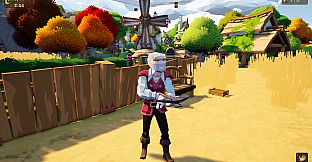
The village succeeds by eliminating all Cursed or completing sufficient night work. The Cursed prevail once they hold the majority. Special roles add layers to each match. The Hunter carries a single-shot crossbow each night but loses the weapon, vote, and life at dawn after a mistaken shot. The Healer shields one other player nightly from the start. The Watcher activates a trace lens once per night to view recent trails, where matching marks indicate the same individual. In matches with six or more players, the Village Fool may appear and claims victory alone if voted out by the group. All others function as standard villagers.
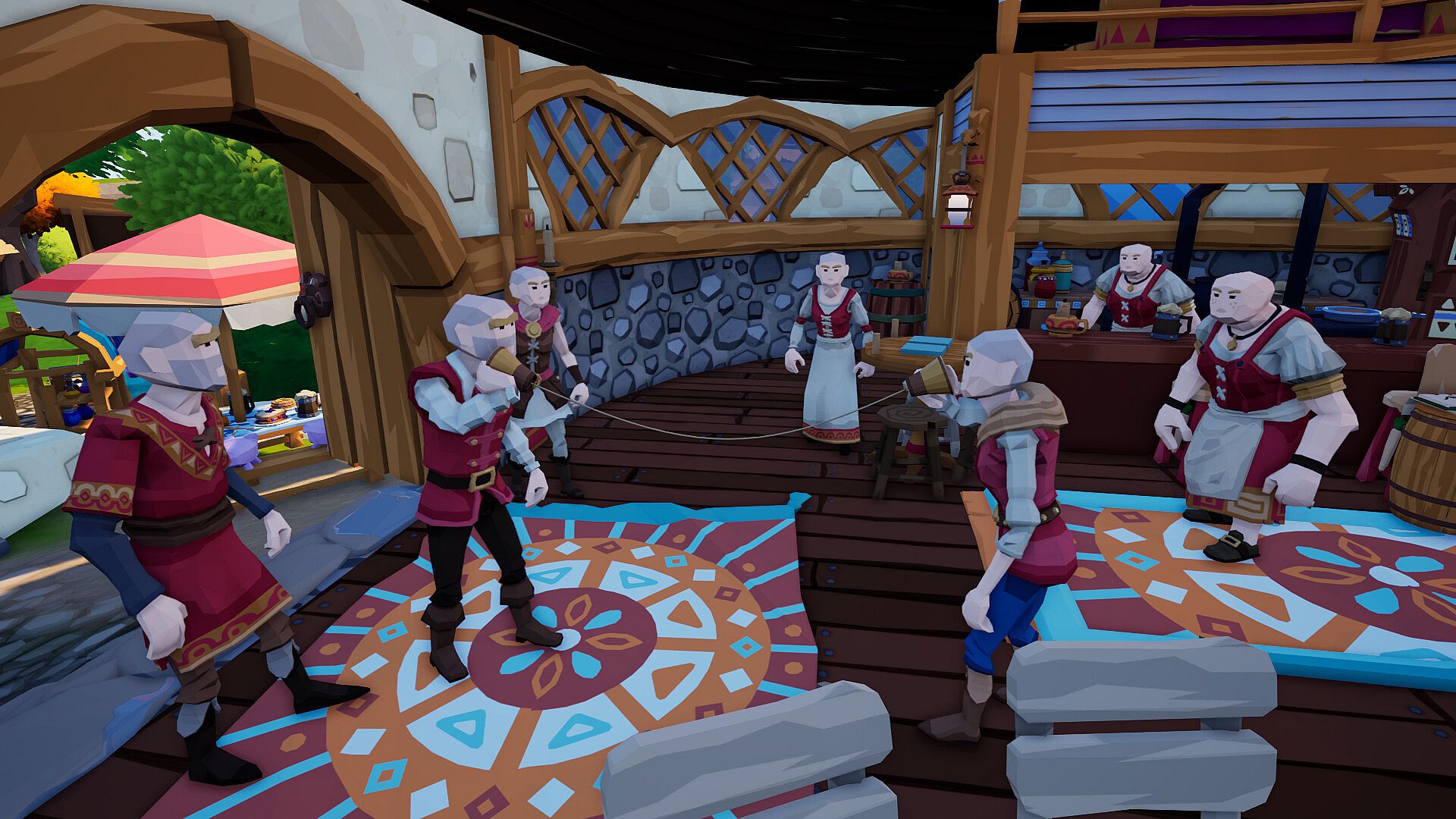
Voice chat operates on proximity, with clear speech nearby that fades with distance. At night, a megaphone broadcasts to the entire village, while a tin can phone connects two holders for private conversation. Text chat and a quick ping wheel support calls such as requests to gather or reports of a spotted body. Death does not end participation. Ghosts continue observing the living, collaborate on predictions with fellow spirits, and can slap players, though this rarely alters outcomes.
Game Modes
Wiggle Town centers on its core match structure rather than separate named modes. Player count influences available roles, with the Village Fool entering only in groups of six or larger. Matches scale from four to twelve participants, adjusting the balance of tasks, potential Cursed numbers, and discussion intensity accordingly. The night work quota and elimination voting remain consistent across sessions, creating repeatable tension through shifting alliances and hidden threats.
Roles and Mechanics
Role assignments shape strategy without altering the fundamental loop. Hunters must weigh shots carefully to avoid self-elimination. Healers provide targeted protection that can preserve key voices during meetings. Watchers gather trail evidence to link movements across the village. Regular villagers rely on sightlines and overheard conversations. Proximity voice chat encourages close coordination during work phases while limiting long-range coordination at night, forcing creative use of megaphones and tin can phones. Ghost interactions add a spectator layer where predictions and occasional slaps keep eliminated players engaged until the match concludes.
Is It Worth Playing?
Wiggle Town suits players who enjoy social deduction experiences with integrated task completion and first-person movement. The combination of nightly work quotas, proximity-based communication, and role-specific abilities creates focused rounds that reward careful observation and timely discussion. Matches support groups from four to twelve, allowing flexibility for small or larger gatherings. Ghosts maintain involvement after elimination, reducing downtime. Those drawn to casual multiplayer sessions built around deduction and light action elements will find the systems align closely with that preference. The indie scope keeps the experience contained and repeatable without additional layers.