




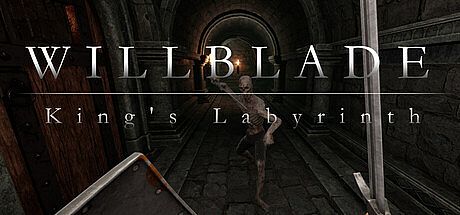


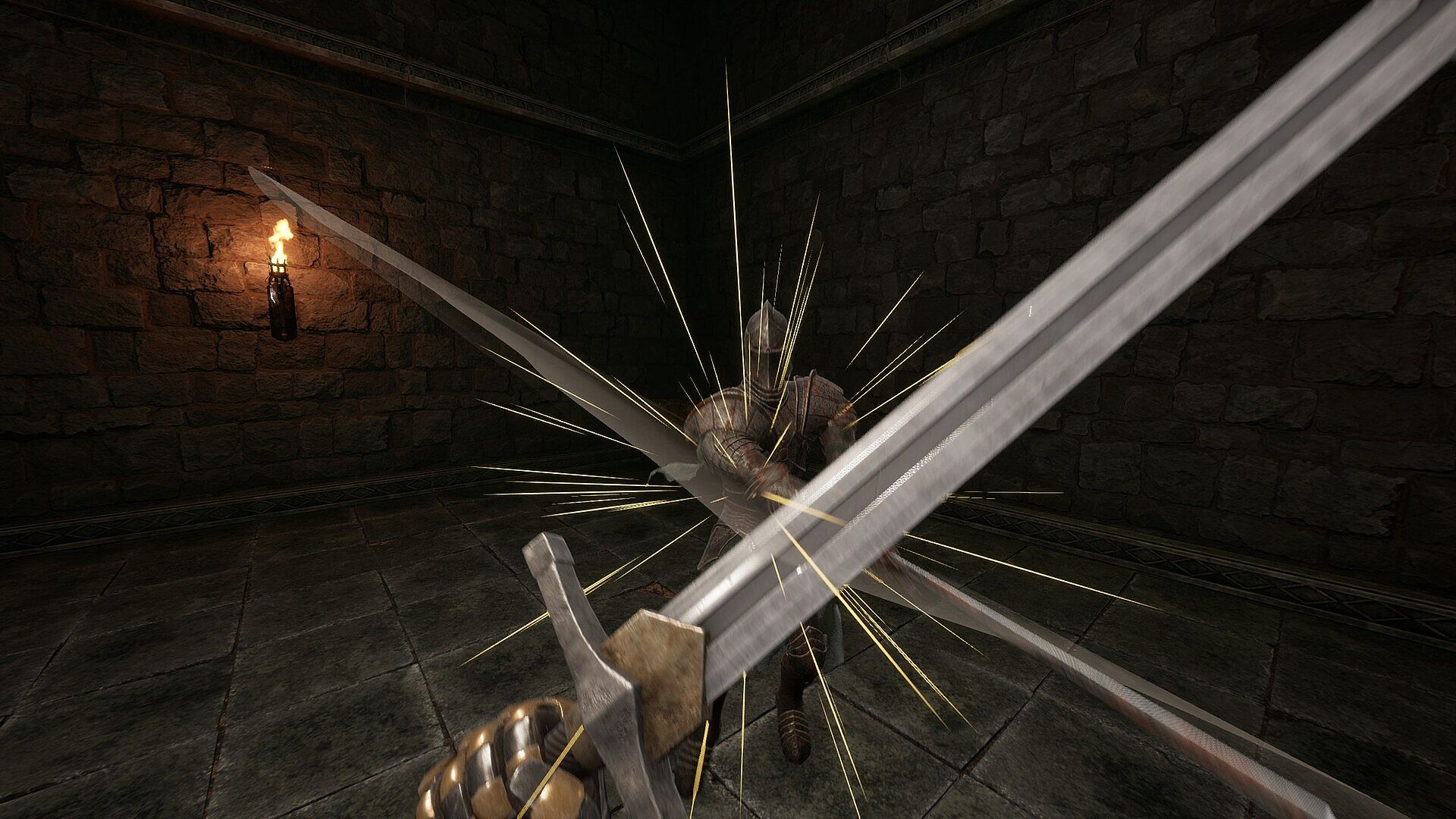
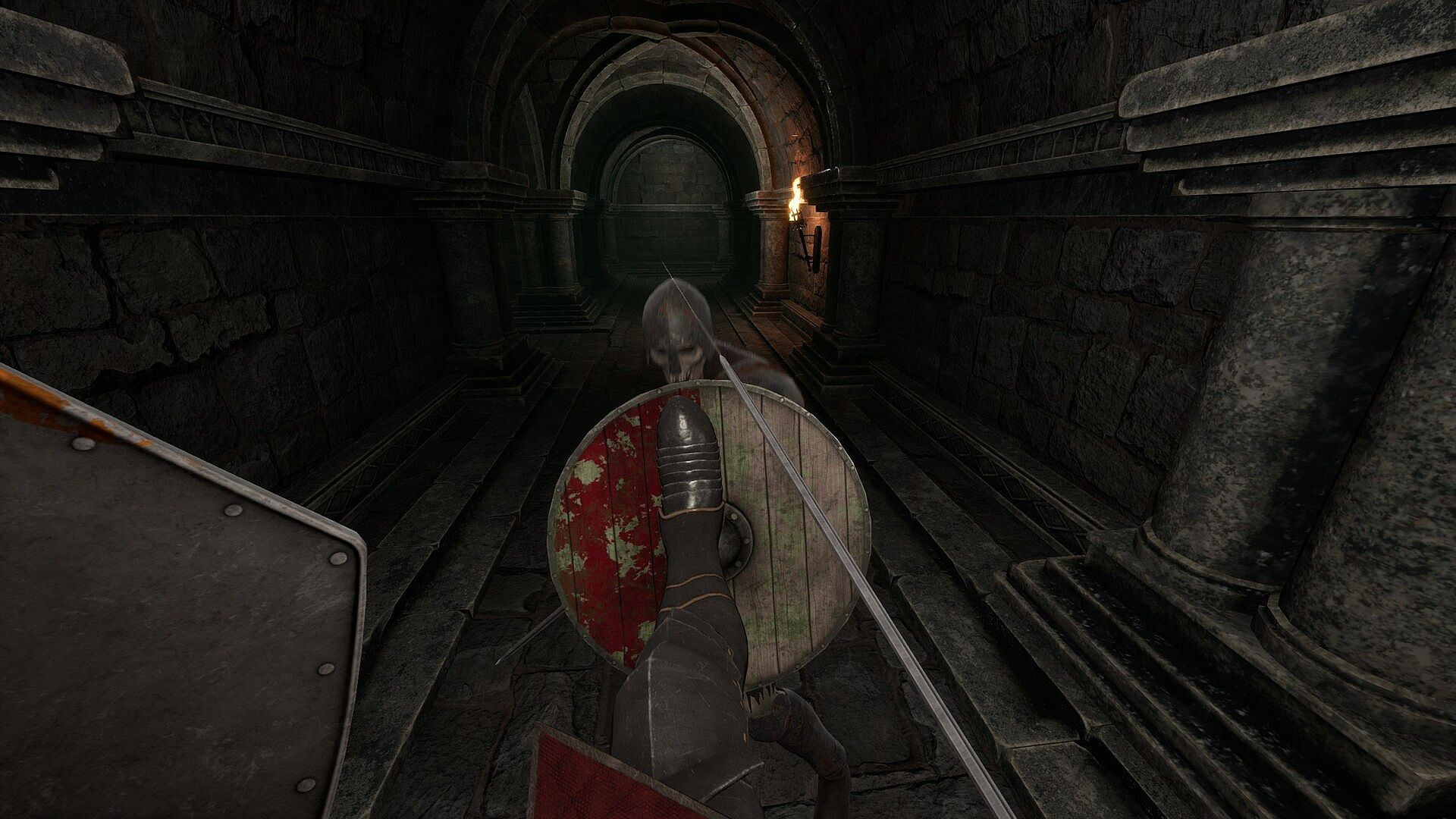
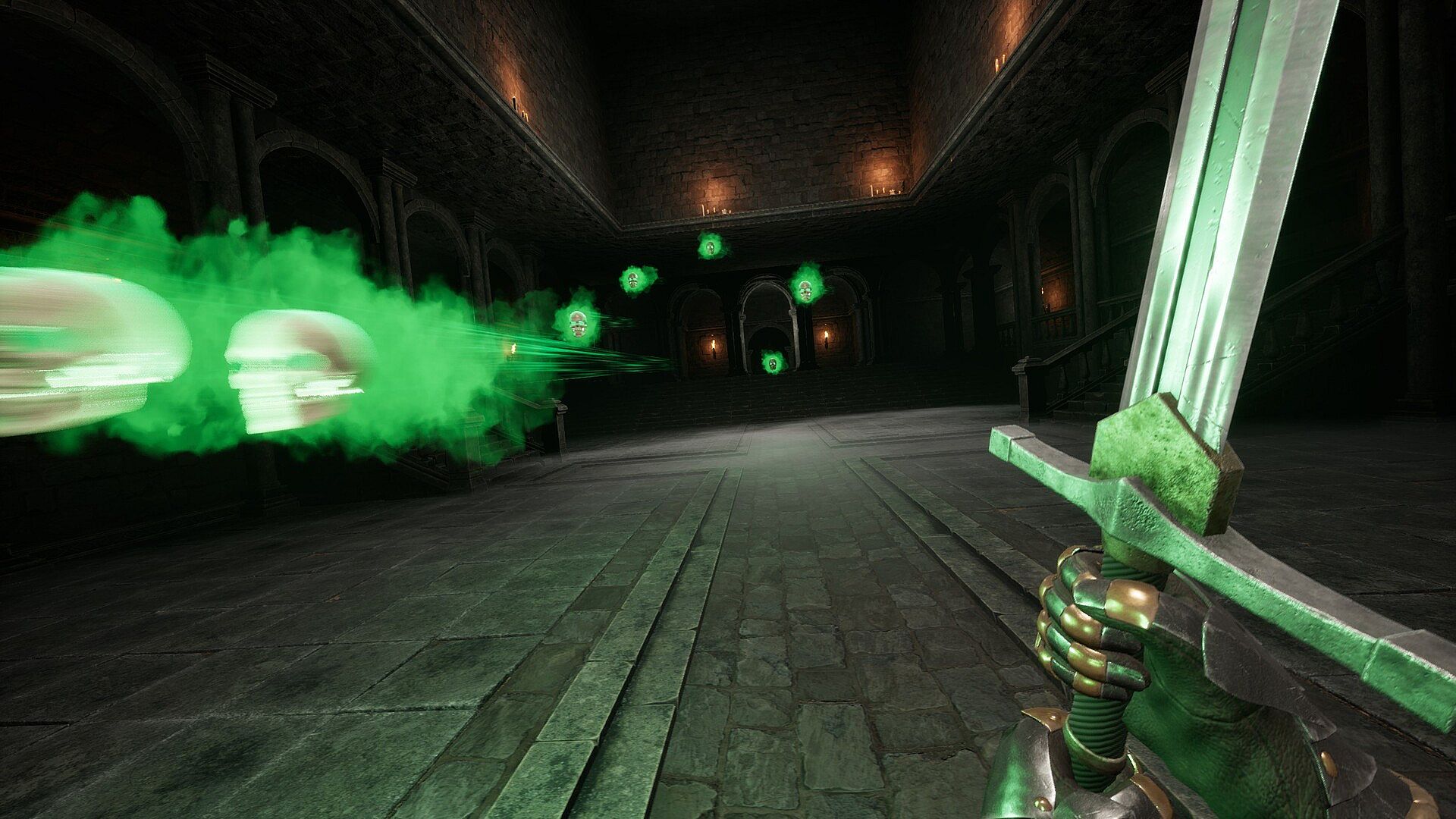
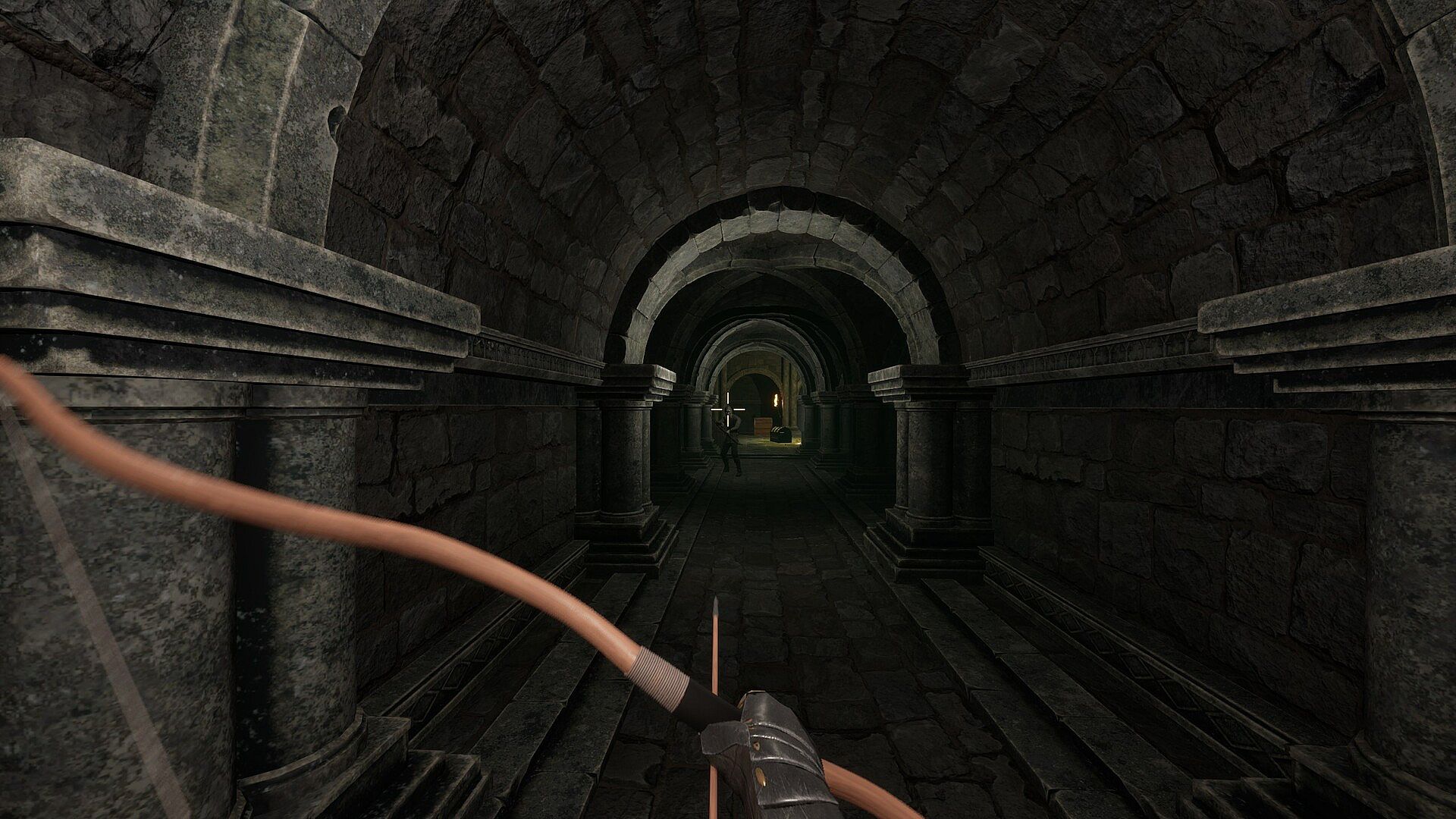
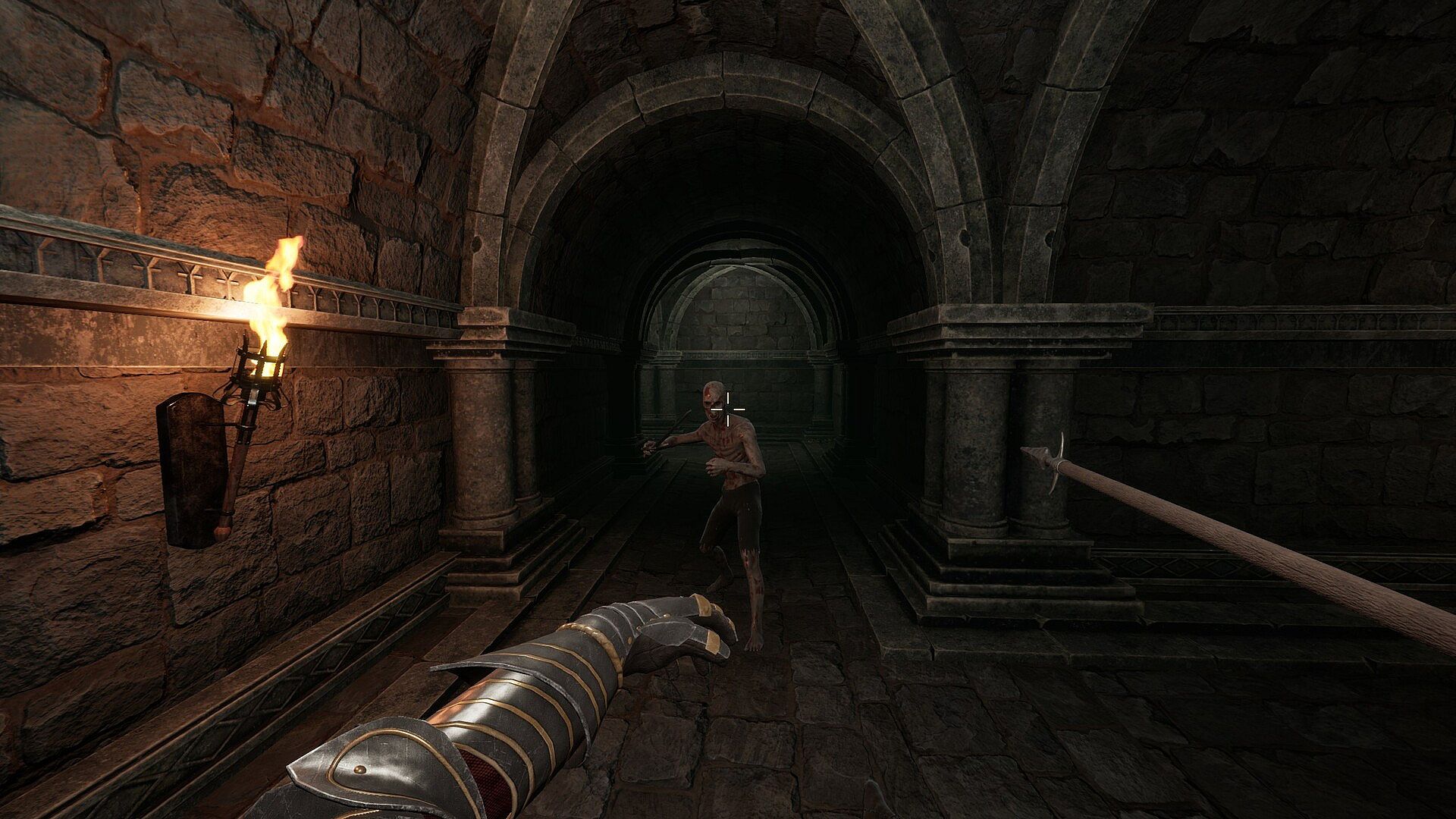
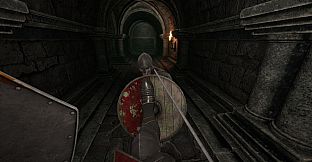
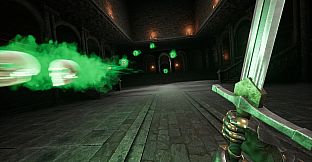
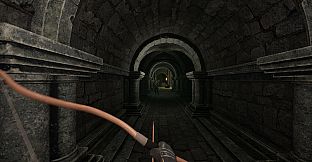
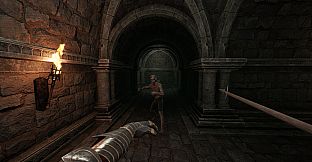
Willblade: King's Labyrinth is a first-person action game set in a fantasy world. Players explore procedural-generated dungeons that grow more challenging with each level cleared by defeating the main boss and descending further into the Labyrinth.
Gameplay
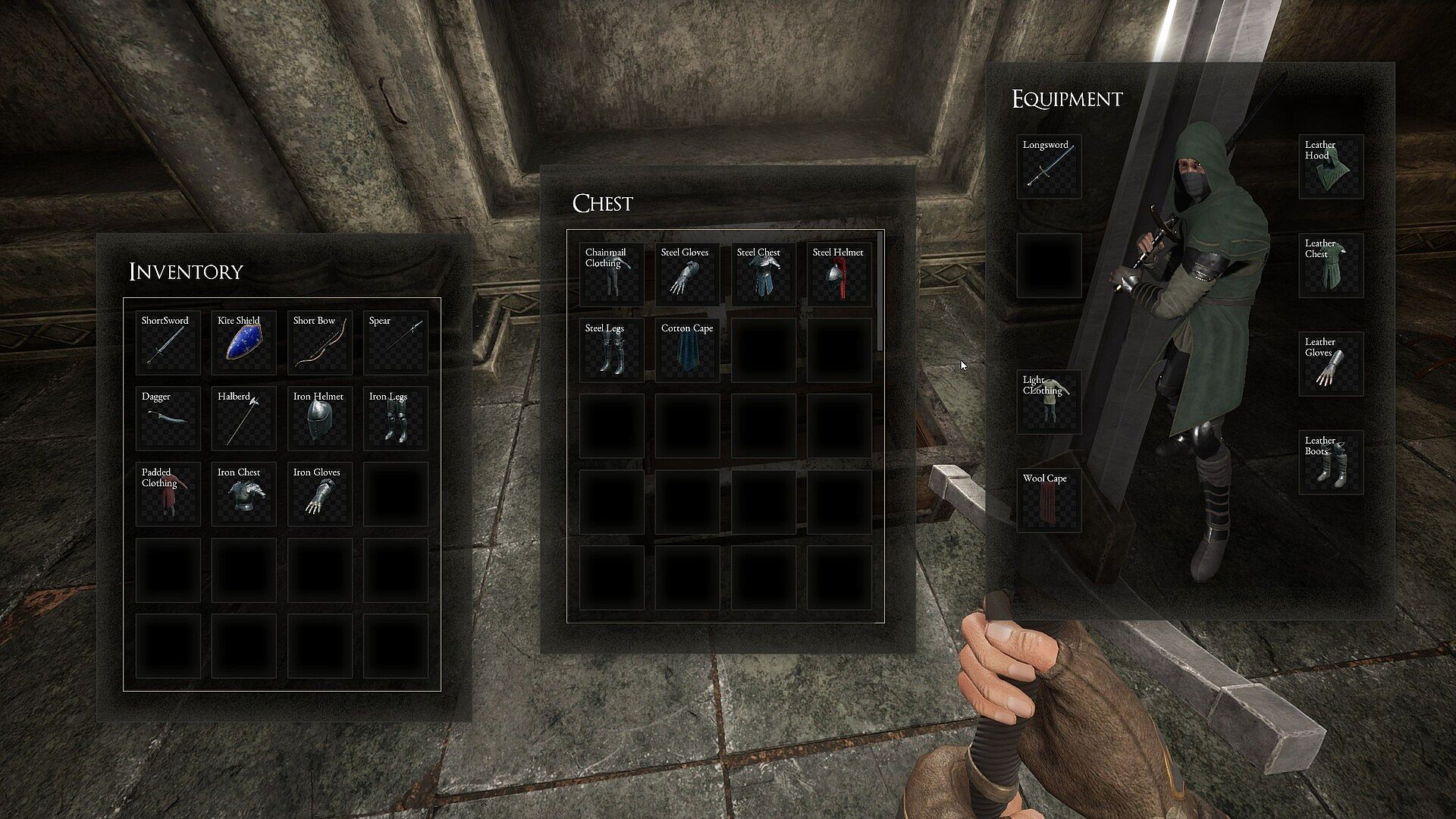
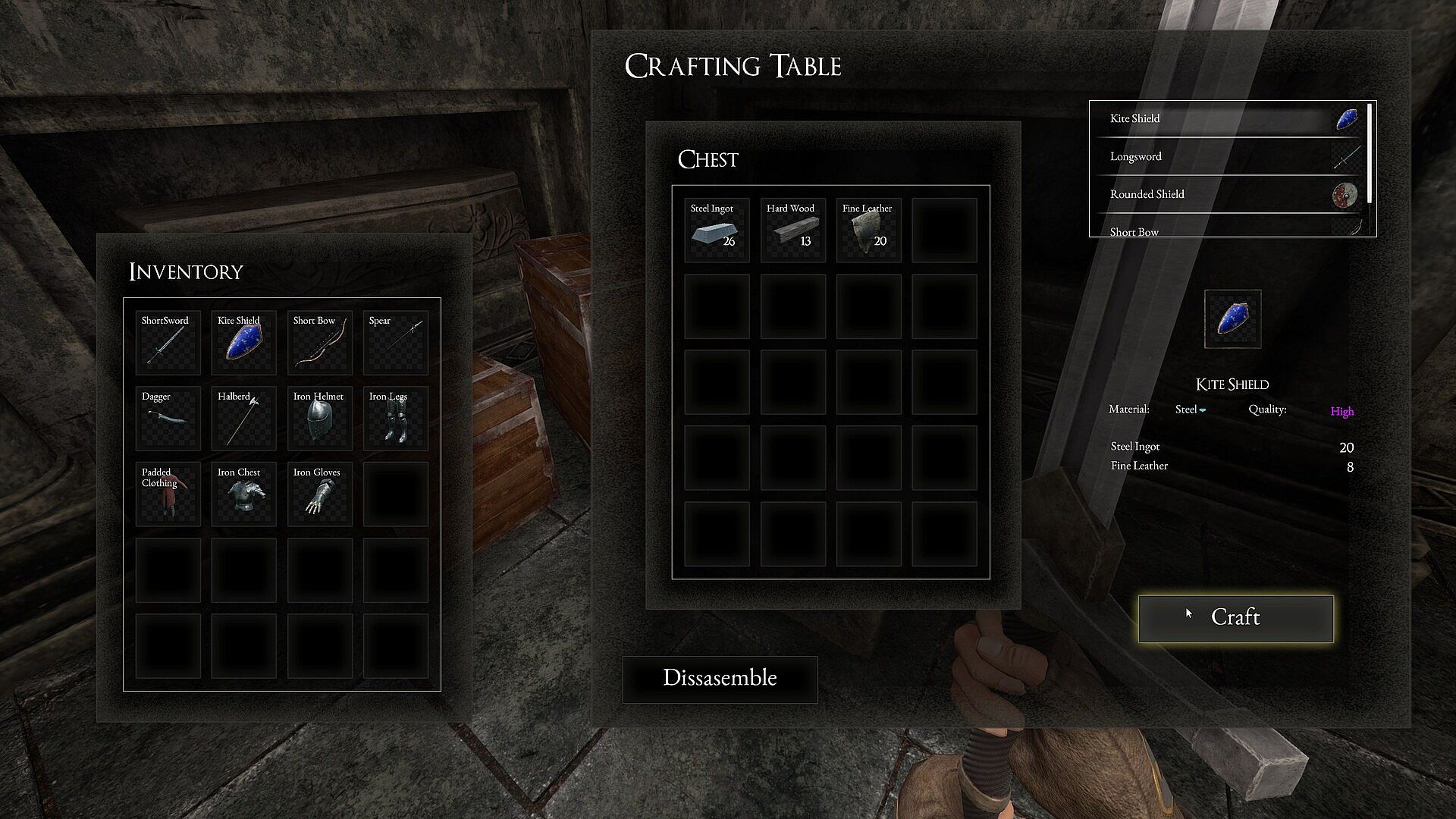
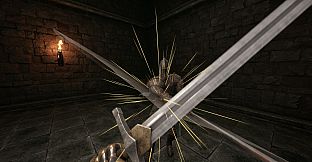
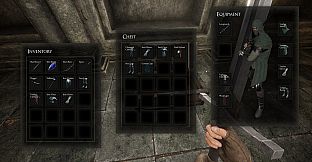
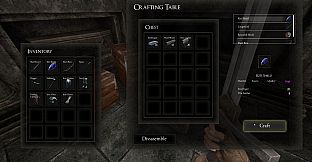
The core loop centers on descending through these shifting dungeons while managing resources and combat encounters. Combat involves testing various weapons and gear to overcome enemies and bosses. Progression relies on gathering loot to craft stronger equipment, which improves chances of advancing deeper on subsequent runs.
Death carries a clear penalty: all collected loot is lost unless an exit path is located beforehand. Locating an exit allows the loot to be retained for crafting, but it also alters the dungeon layout for the next attempt. This creates a recurring decision between pushing forward for greater rewards or securing gains to prepare for future attempts.
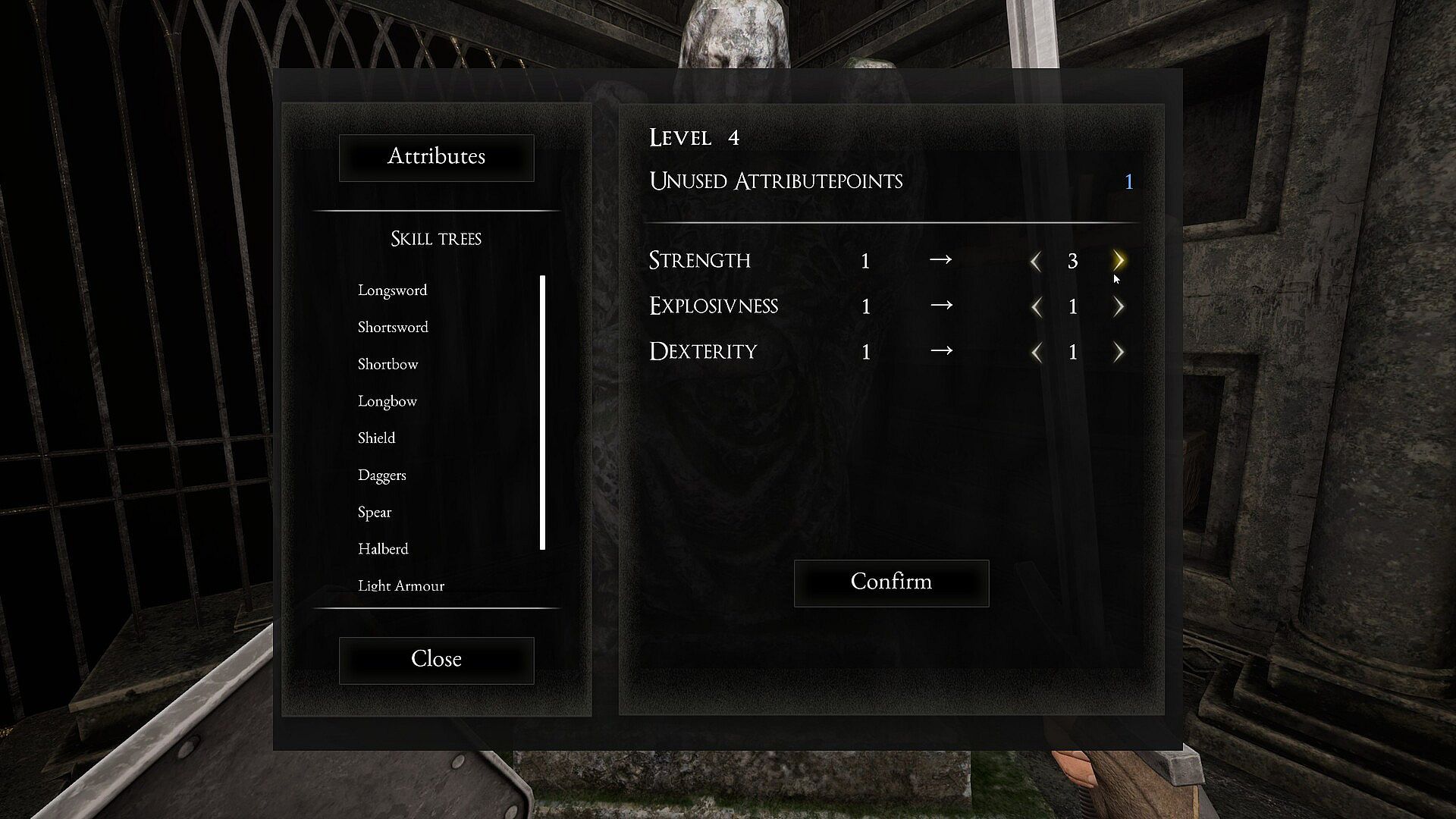
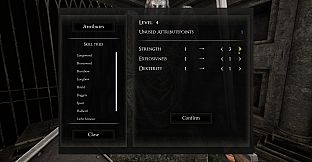
A separate progression system persists across deaths. The spirit retains strength and memory of prior experiences, providing lasting improvements even when material loot is forfeited. This encourages repeated runs while experimenting with different weapon combinations, armor setups, and overall strategies to refine a personal approach toward reaching the Labyrinth's end.
Game Modes
The game operates as a single-player experience focused on repeated dungeon delves. Each run builds on the previous through the risk of losing loot versus the option to extract it at the cost of layout changes. No separate named modes exist beyond this core structure of progressive descent with procedural variation and build experimentation.
Players navigate increasing difficulty by defeating level bosses to unlock deeper sections. The procedural generation ensures that paths and encounters differ after each extraction, maintaining freshness across multiple attempts while the spirit's retained strength offers incremental advantages.
Core Mechanics and Progression
Loot management forms a central tension. Gathering items during a run supports immediate crafting for better performance, yet the choice to exit early preserves those items at the expense of restarting in a rearranged environment. This system rewards careful planning and adaptation over pure aggression.
Weapon and gear variety supports multiple playstyles. Experimentation with combinations allows tuning for specific challenges encountered deeper in the Labyrinth. The spirit's persistent growth complements this by providing a baseline improvement that reduces reliance on any single successful run.
Is It Worth Playing?
The game suits players who enjoy first-person action with procedural dungeon crawling and a strong risk-reward element around loot and progression. Its single-player focus emphasizes personal strategy and repeated attempts to master builds and navigate shifting layouts.
Those drawn to games where death teaches lasting lessons through retained spirit strength, rather than pure resets, will find the mechanics engaging. The emphasis on crafting from secured loot and adapting strategies makes it a fit for fans of challenging, replayable action experiences on PC.
With its release date still to be announced and no reviews available yet, interest depends on preference for this style of fantasy dungeon descent and build tuning. The described systems provide a clear foundation for players seeking depth through experimentation rather than linear storytelling.











