




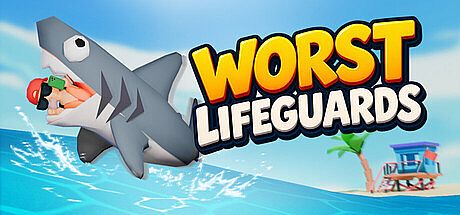


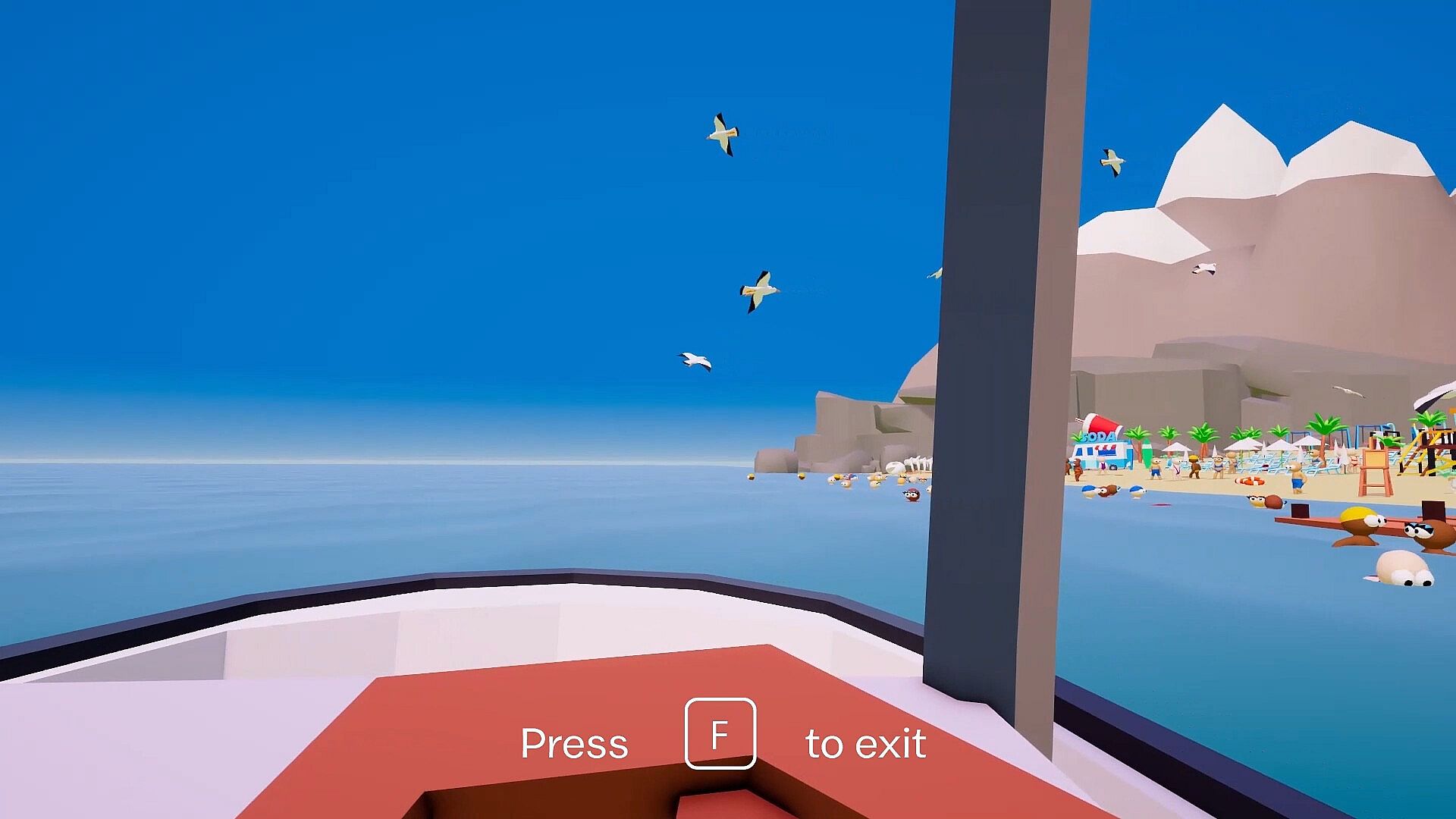
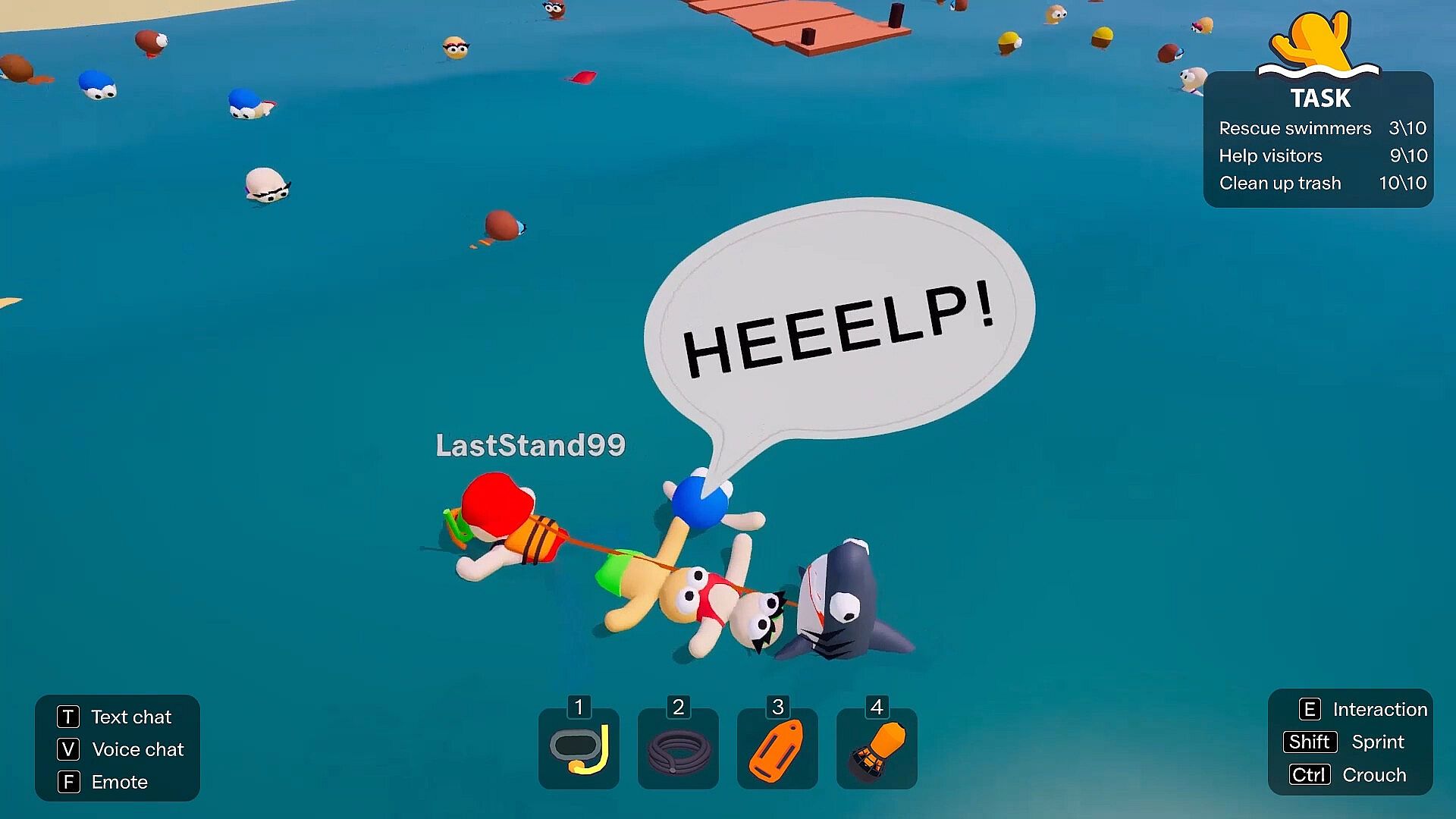
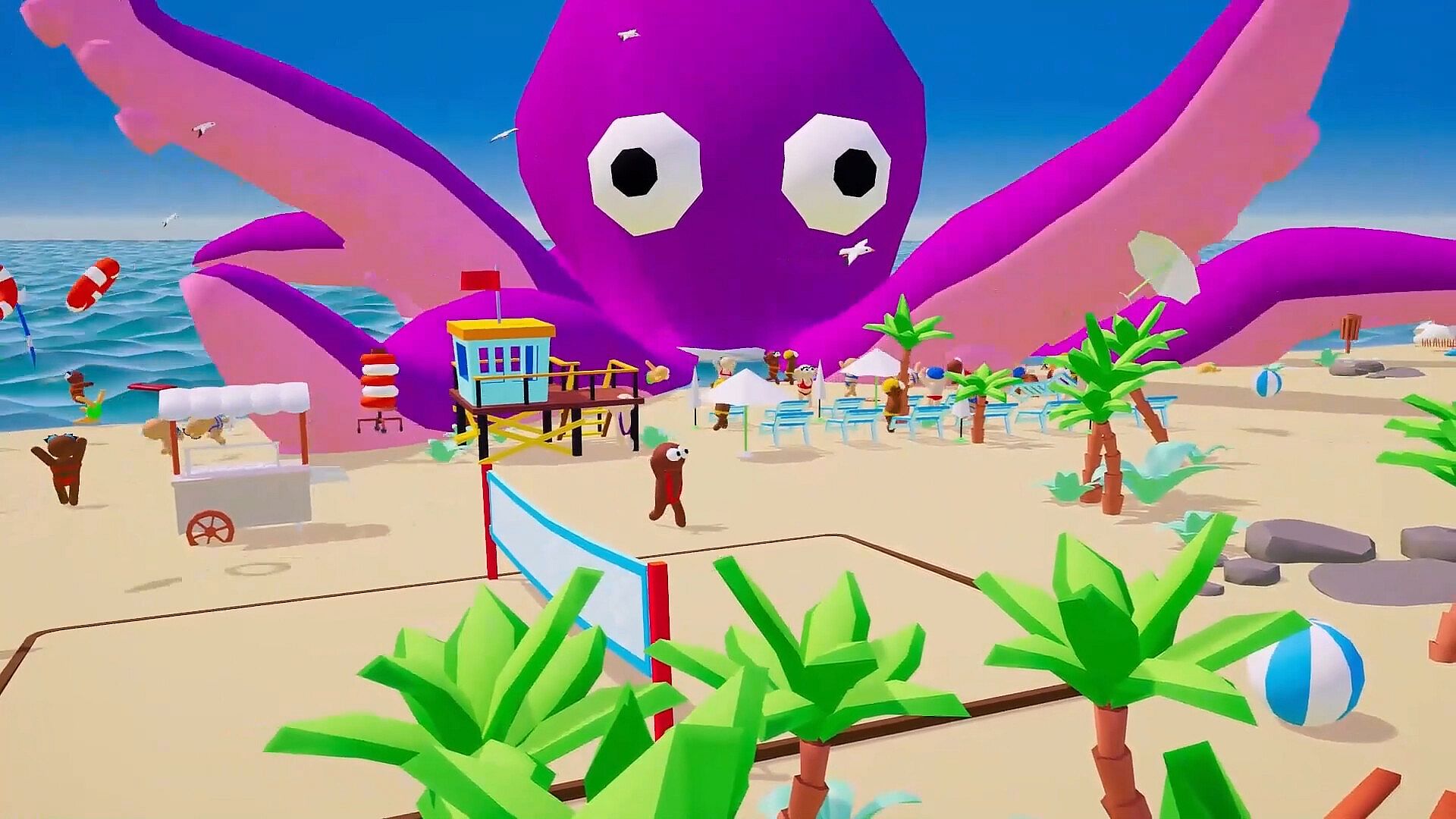
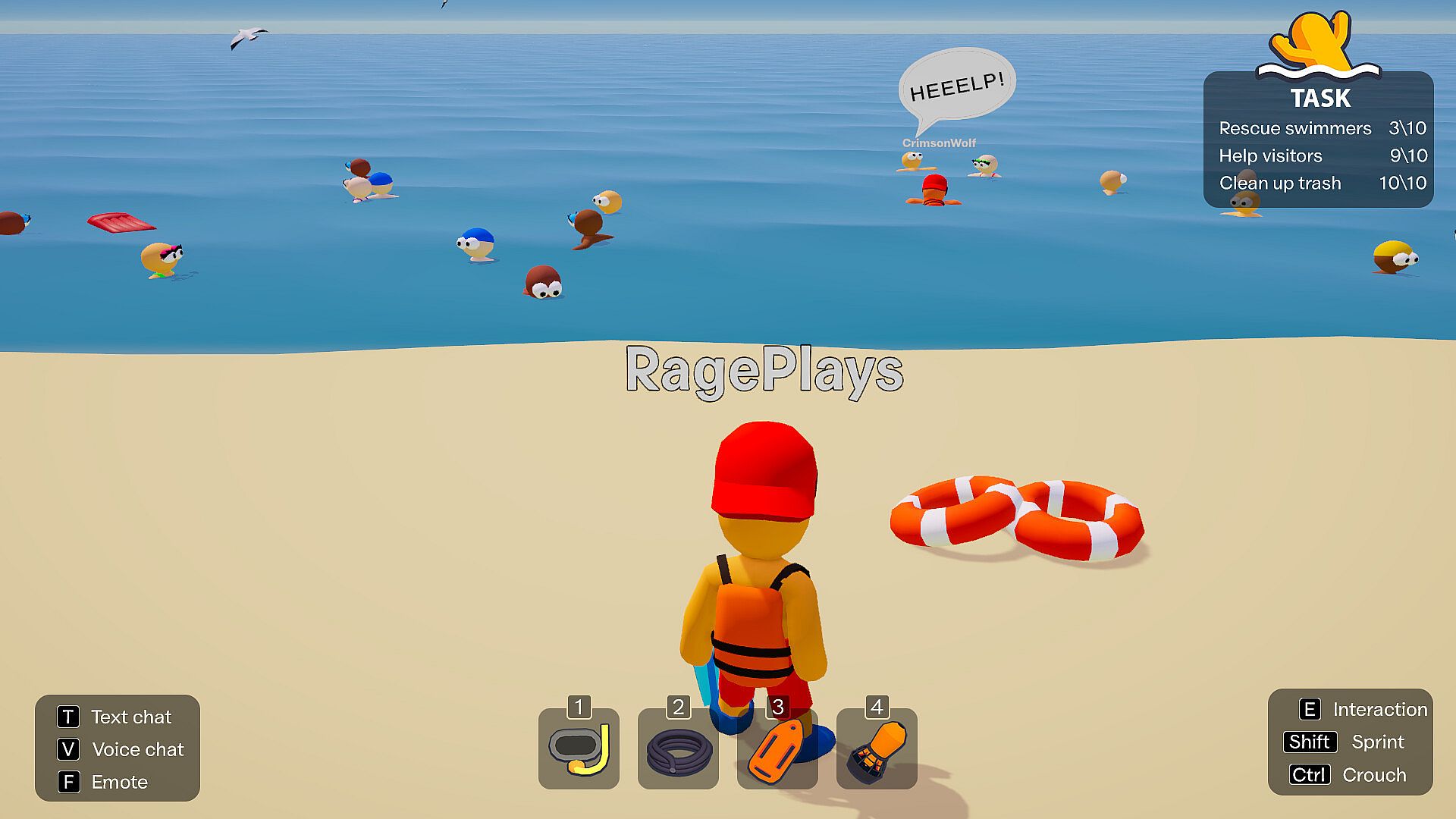
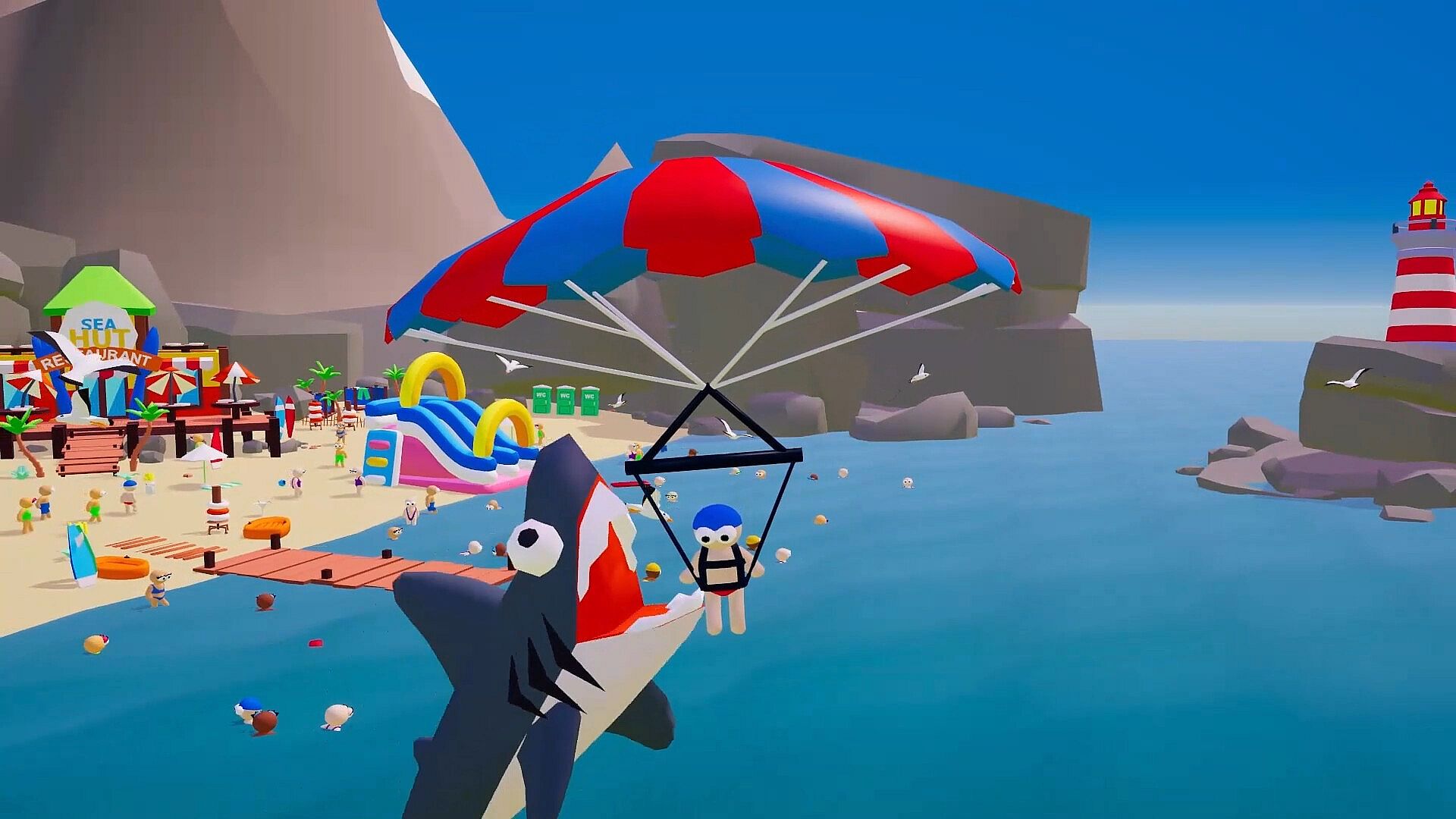
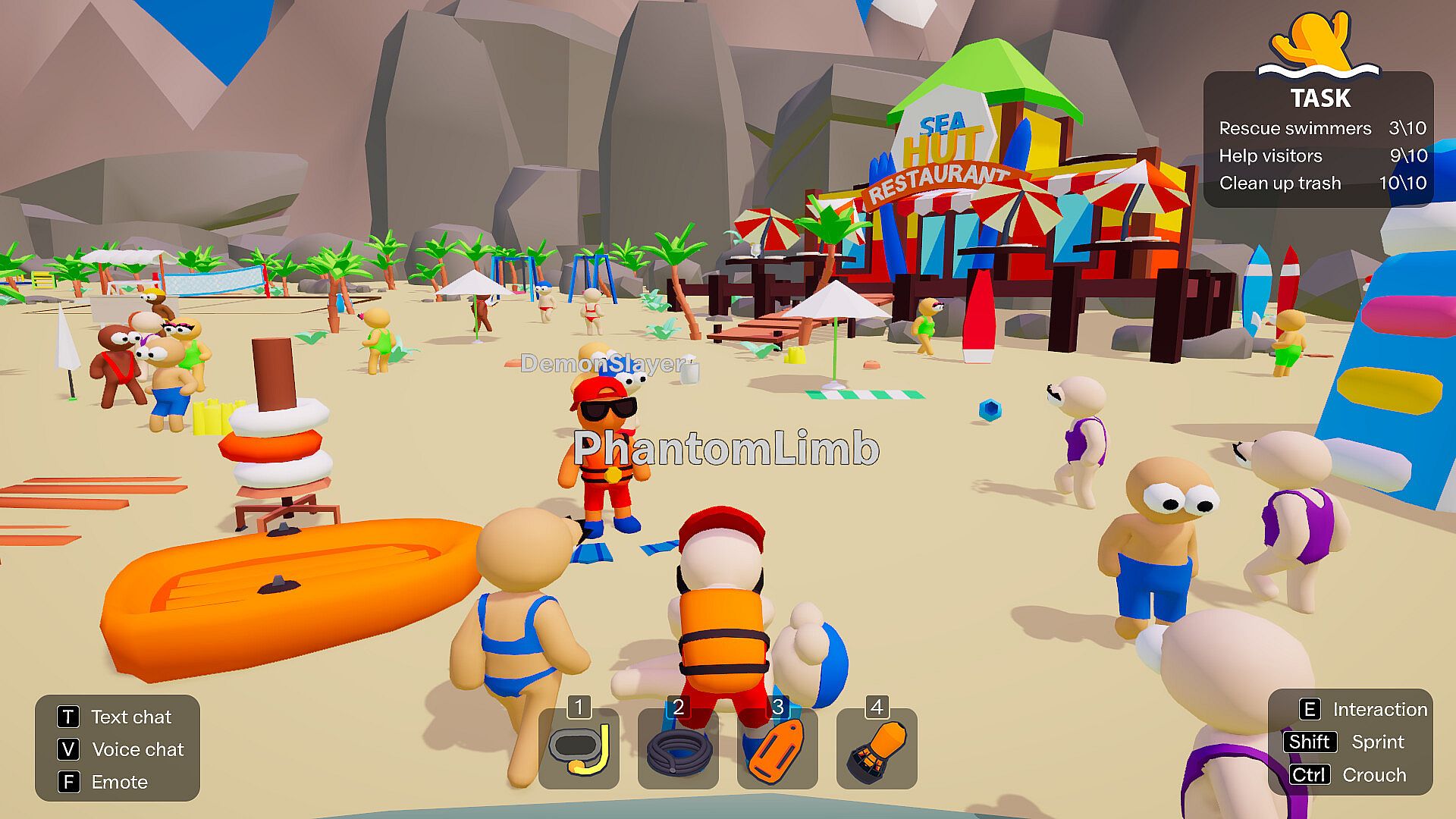
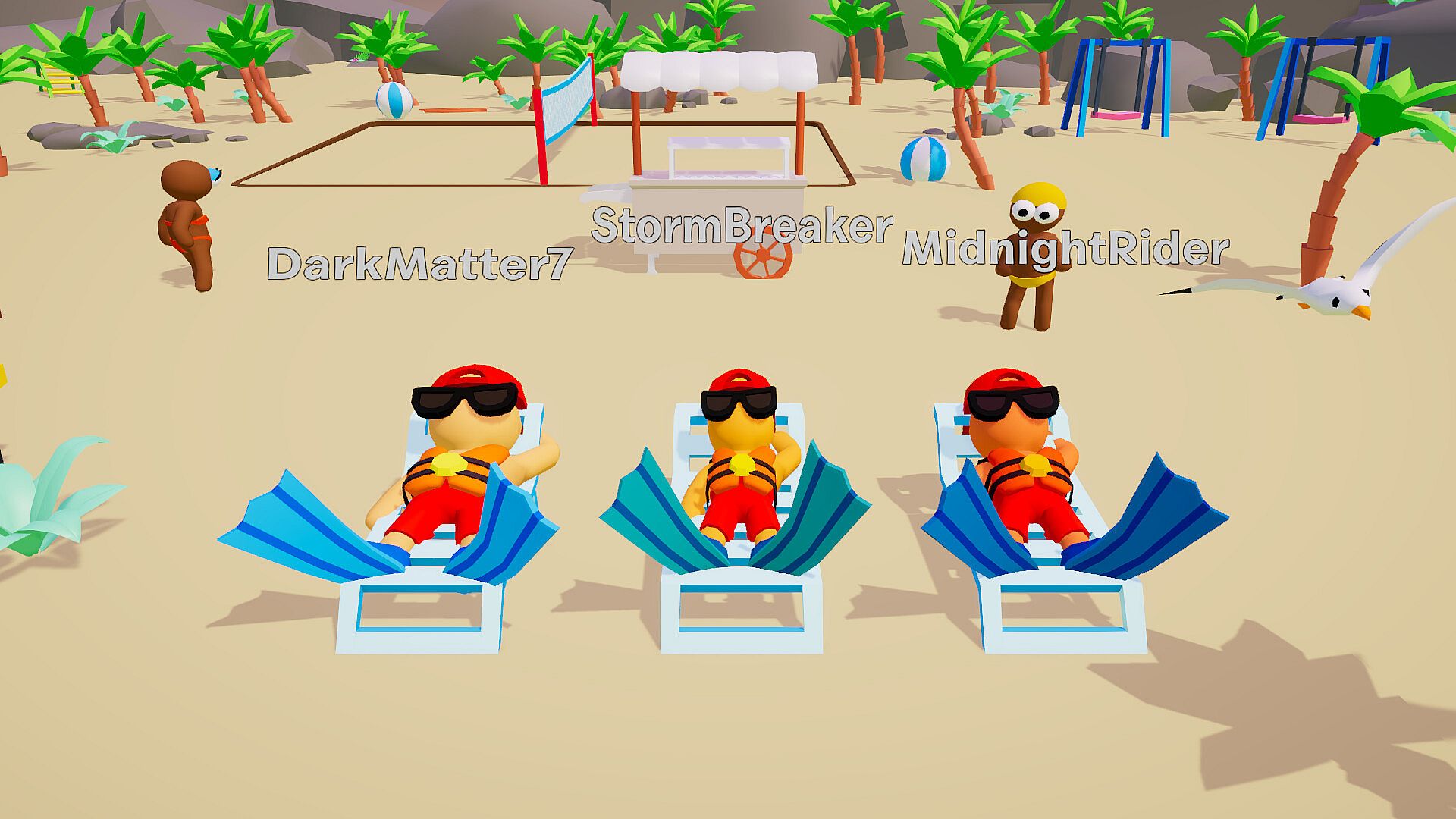
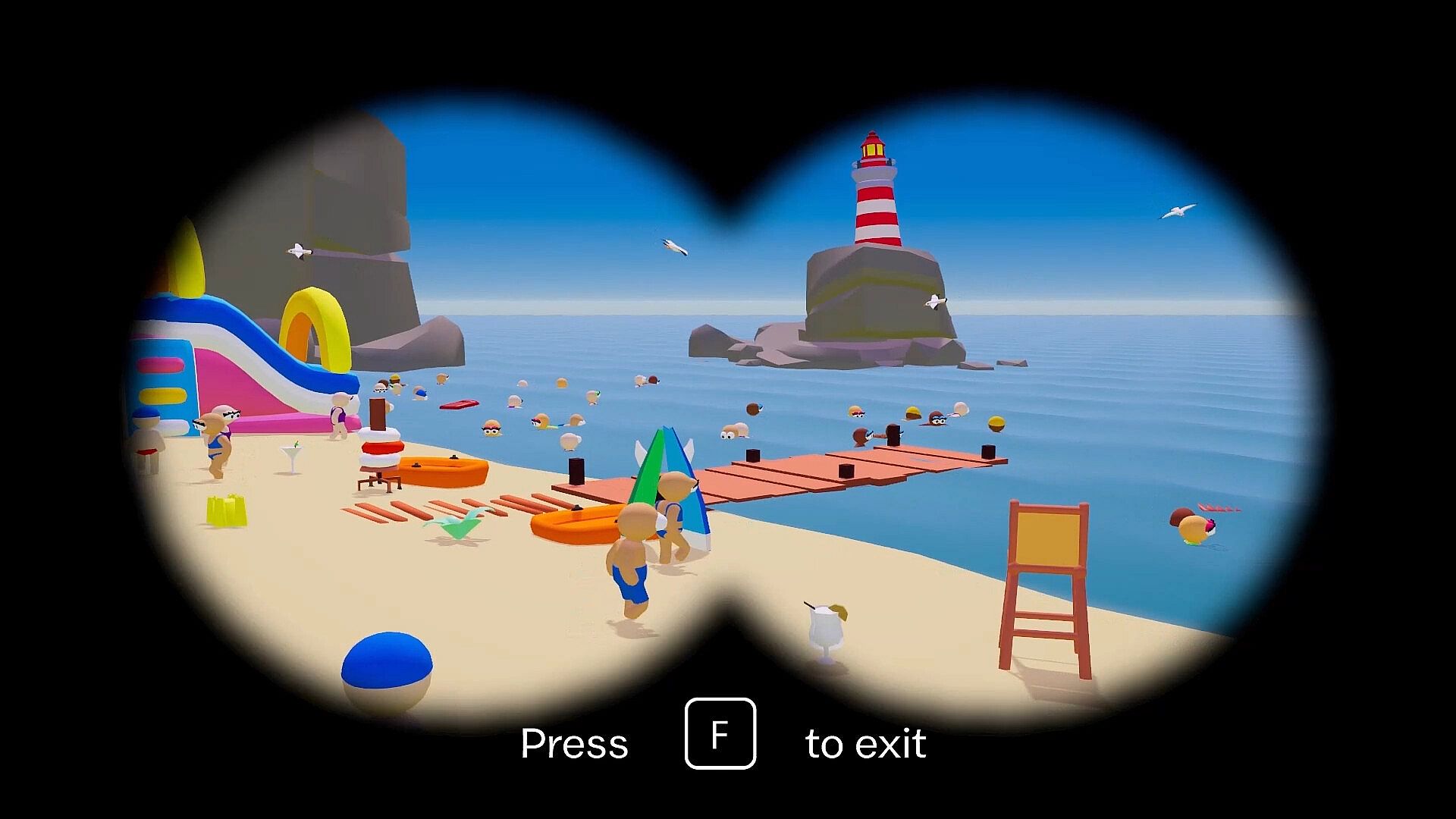
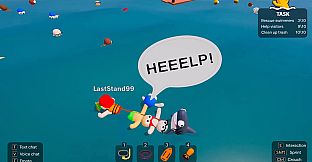

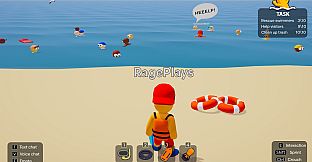

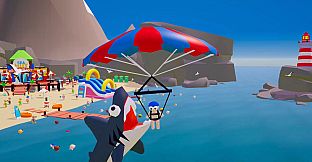
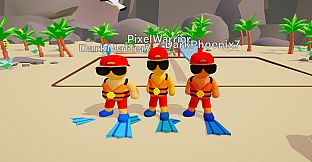
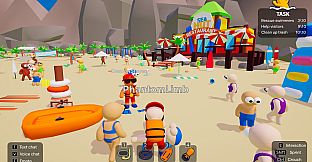

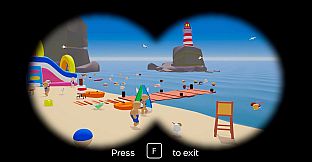
Worst Lifeguards is an action, indie, and adventure game built around four-player online co-op on PC. Players take on lifeguard duties at a busy beach where the ocean follows real physics and crowds behave unpredictably. The core loop centers on rescuing swimmers while managing limited tools and dealing with constant interference from phones and poor decisions by the people in the water.
Gameplay
Every wave pushes swimmers, loungers, jet skis, and rescuers alike. A successful tow can be undone in seconds when the current drags the victim farther out. The game emphasizes that the sea cannot be controlled, only navigated. Players choose which threats to address first because fighting the water directly leads to exhaustion.
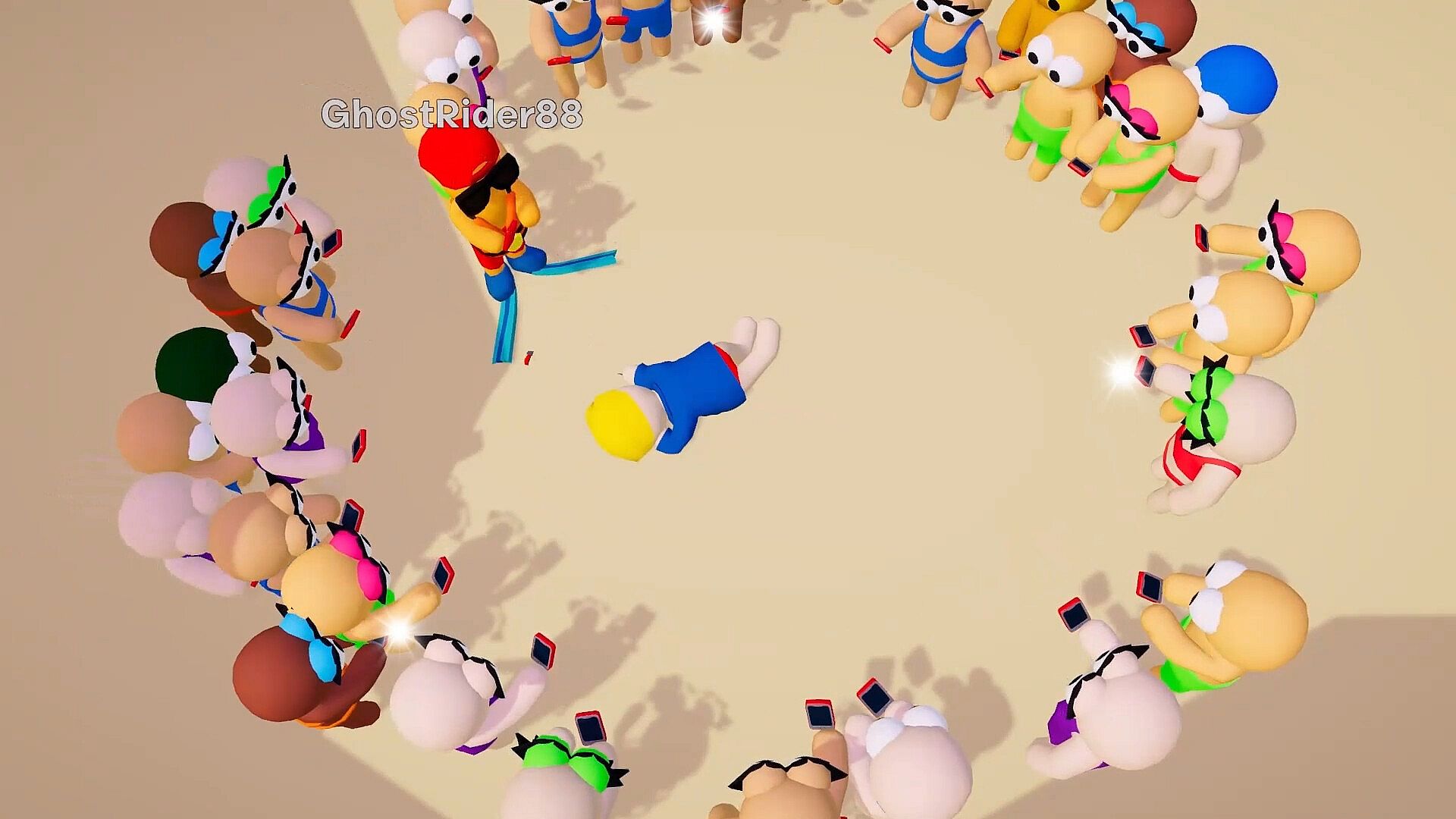
Tourists add another layer of difficulty. Some panic and cling to rescuers. Others swim toward danger for attention or follow distractions into the surf. Energy spent pulling people back from bad choices often exceeds the effort of the rescue itself. Phones record every moment, turning clean saves into background noise while disasters spread quickly and draw larger, less competent crowds the next day.
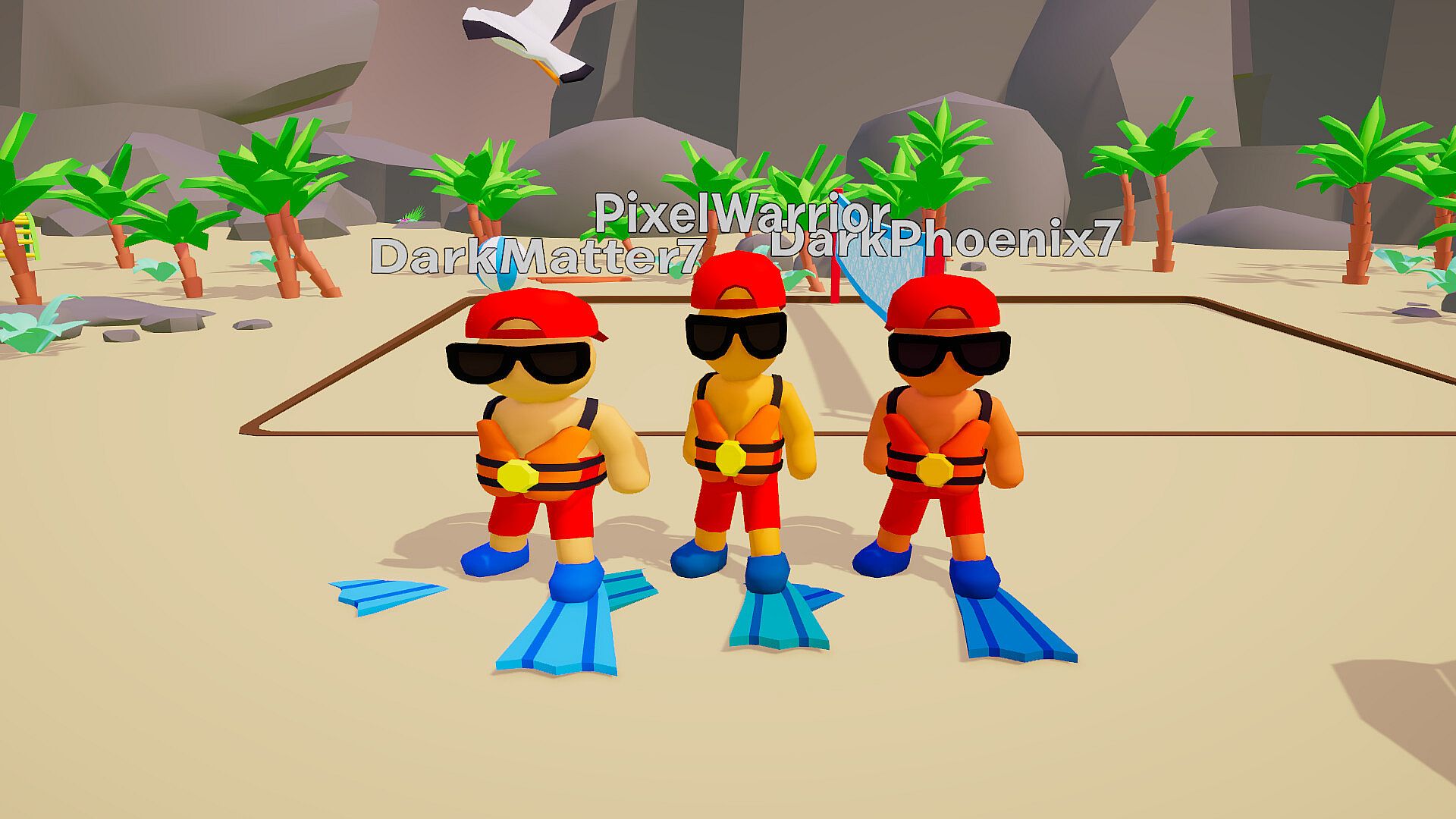
Four distinct jobs share the same beach. The Tower spots problems from above but gives incomplete information. The Swimmer moves quickly through the water until fatigue sets in and the rescuer becomes the one needing help. The Jetski reaches distant areas fast but risks running over obstacles. The Medic handles equipment repairs when the correct supplies are located. Any player can switch tools at any time, which frequently creates confusion rather than efficiency.
Game Modes
The game supports four-player online co-op sessions that last eight minutes each. Proximity voice chat requires players to move closer to communicate clearly, preventing distant shouting from working across the sand. Sessions focus on surviving the shift while the physics system generates different outcomes each time. No two disasters unfold identically because waves and crowd movements follow unscripted rules.
Coordination matters more than individual skill. One player might spot an issue from the tower while another grabs the jet ski, but mismatched tools or poor positioning can leave multiple people in trouble simultaneously. The short shift length keeps each attempt quick to start yet leaves lasting stories about what went wrong.
Key Mechanics and Features
Real physics drive every interaction without scripted events. Swimmers drift with currents, objects tumble in the surf, and rescue attempts can reverse course instantly. The emphasis on clipping encourages players to capture chaotic moments for sharing. Fame from viral disasters only increases the size and difficulty of future crowds, creating a loop where attention becomes a liability rather than a reward.
Anyone can pick up any tool, but this flexibility often leads to problems when roles overlap or supplies run out. The beach environment changes constantly as waves rearrange everything and new arrivals appear. Players must adapt on the fly rather than follow fixed strategies.
Is It Worth Playing?
Worst Lifeguards suits groups looking for short, repeatable co-op sessions that reward communication and quick thinking under pressure. The physics-driven rescues and unpredictable tourist behavior create memorable failures and occasional successes that stand out in multiplayer games. The eight-minute format makes it easy to fit into a session without long commitments, while the need for three friends turns each shift into a shared story.
Players who enjoy chaotic teamwork and emergent situations will find the core loop engaging. Those seeking structured progression or solo play will find the experience limited by design. The game remains focused on its central premise of managing a beach that fights back through water and people alike.











