





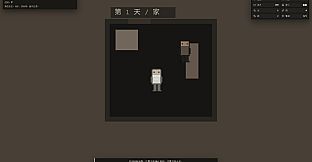





Hidden Clause is an indie interactive narrative game developed for PC. It presents a story centered on consent, record keeping, permissions, and the ways responsibility shifts through everyday digital interfaces. Players engage with a series of prompts, files, and simulated systems across eleven distinct chapters rather than pursuing combat, leveling, or resource management.
Gameplay
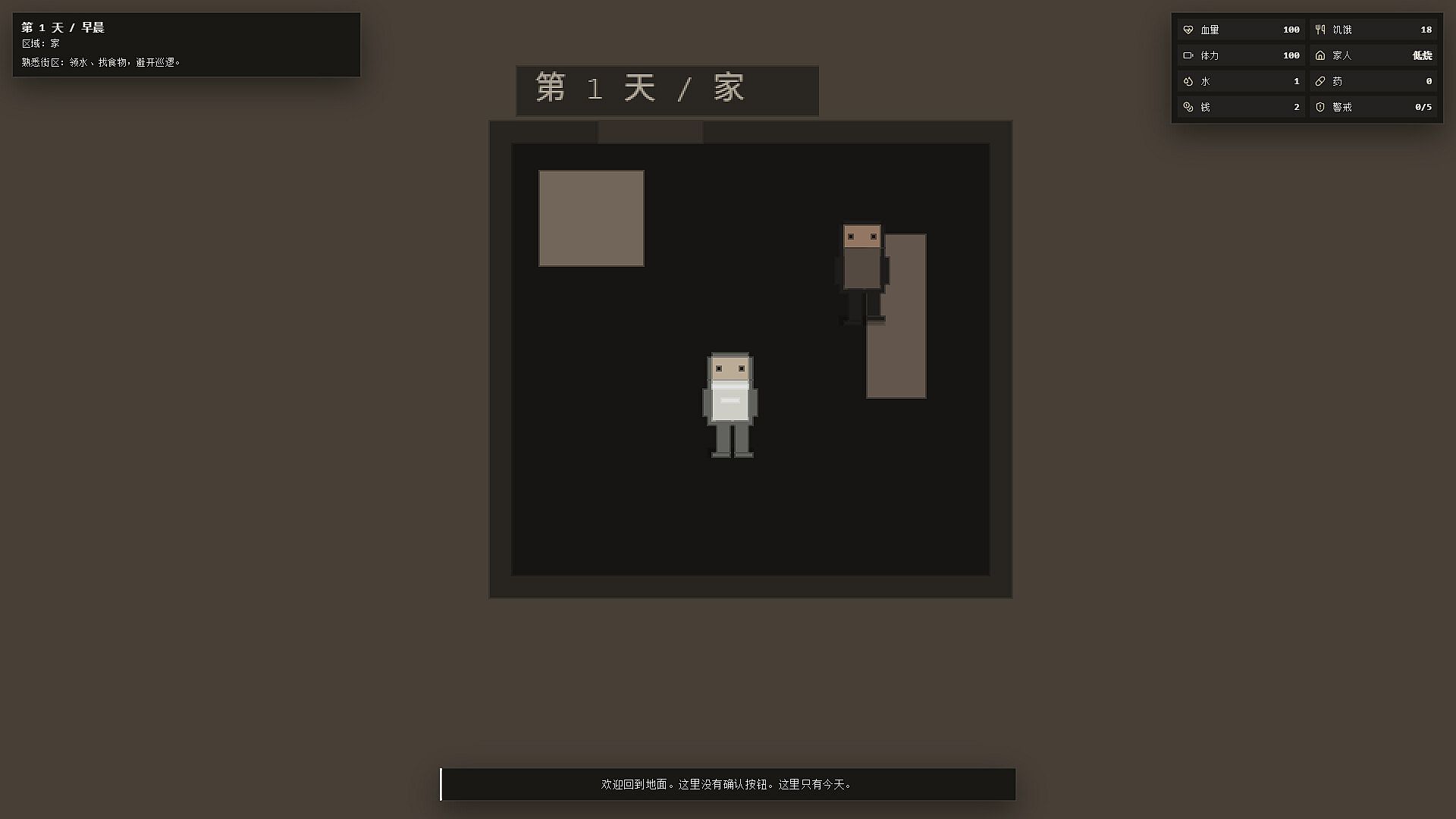
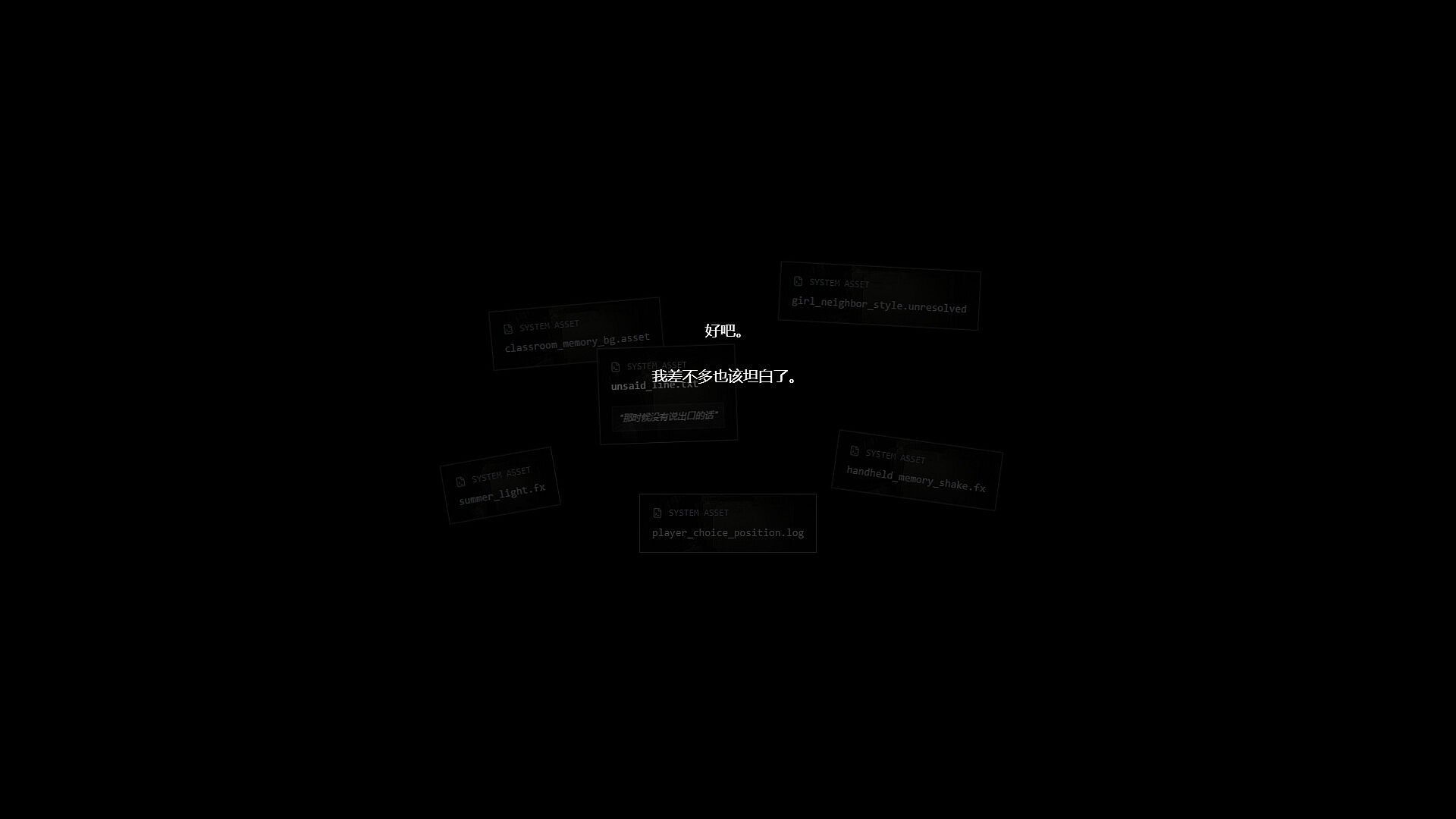
The core loop revolves around interface interactions that advance the narrative. Players sign documents, refuse requests, wait through timers, look away from screens, click options, type responses, or remain silent. These choices feed directly into the story, exposing hidden clauses in warnings, buttons, and archive entries. Each chapter introduces a new simulated environment, such as a candidate zone or a permission countdown, where the mechanics emphasize observation and decision making over action sequences.
Sound design supports the experience with original background music and brief effects that underscore moments of tension or reflection. The final chapter incorporates a WebGL sequence for visual closure. All camera views, contact lists, sending workflows, and backend logs remain fully simulated within the game window, ensuring no real device access occurs at any point.
Game Modes
Hidden Clause contains no traditional multiplayer modes, competitive arenas, or cooperative sessions. The entire experience unfolds as a single-player narrative journey divided into eleven chapters. Progression follows a linear structure where each chapter builds on the previous one through interface-driven storytelling. Players move between scenarios that include a nursery-rhyme player, a room without rules, an overview system, memory calibration, and an asset room, with interactions limited to the actions described in the core gameplay loop.
Narrative Themes and Structure
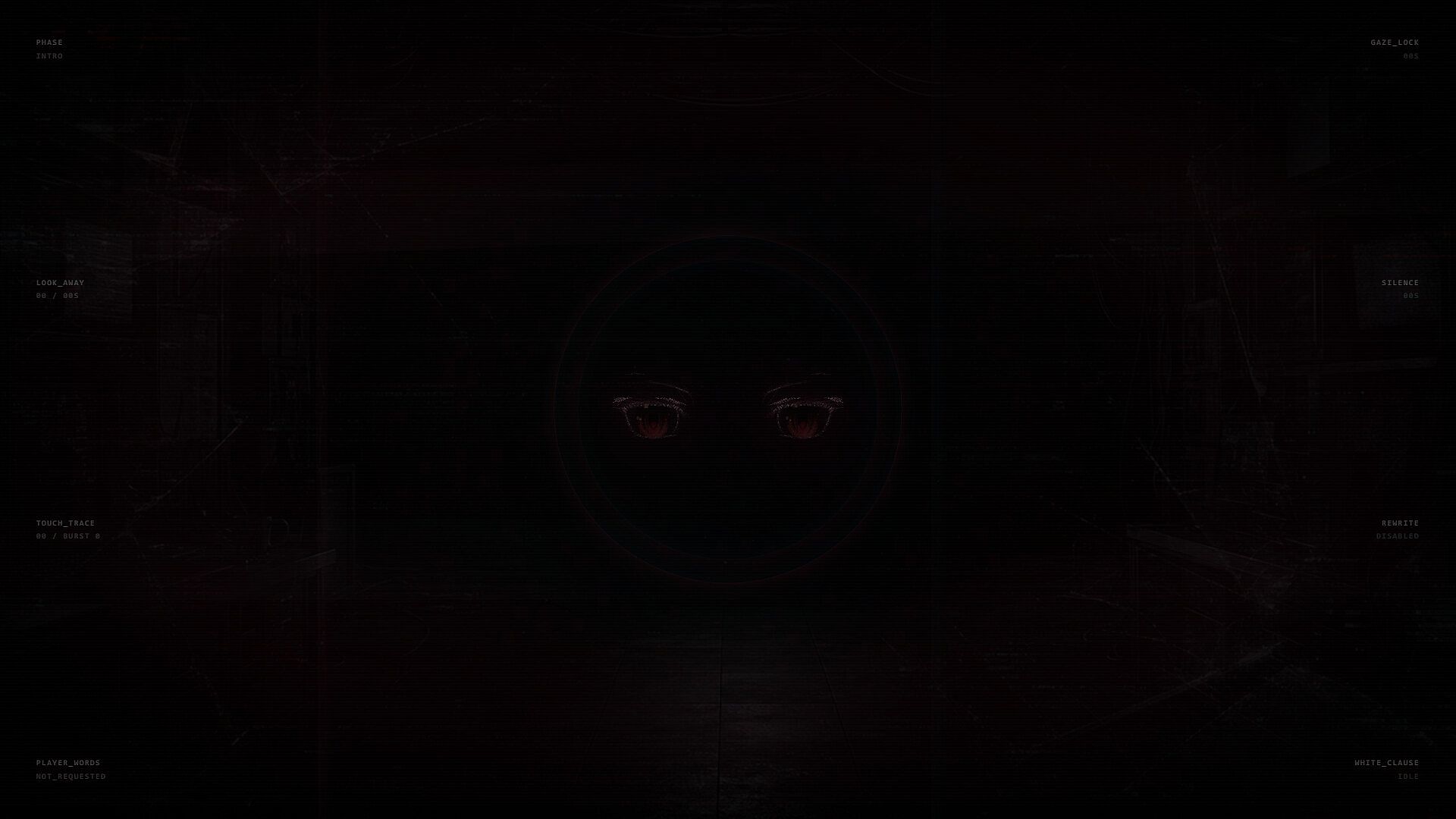
The story examines how small interface decisions accumulate into larger questions of accountability. Eleven chapters guide players through escalating situations that highlight permissions and record keeping. A white dot on the ground, a final gaze, and various simulated permission screens serve as focal points for reflection. The game avoids combat systems or stat progression, instead treating every click, refusal, or period of silence as meaningful narrative material.
Standalone Windows execution keeps the experience contained within its own window. External links, when present, open in the system browser without interrupting the game itself. This setup maintains focus on the in-game interfaces throughout the play session.
Is It Worth Playing?
Hidden Clause suits players who seek thoughtful interactive narratives that explore consent and digital responsibility through minimalistic mechanics. Those drawn to interface-based storytelling will find the eleven chapters provide a focused examination of prompts and archives. The absence of combat or growth systems means the experience rewards patience with its sequence of decisions and observations. Availability on PC as a standalone title makes it accessible for anyone interested in this specific style of narrative delivery. The game offers a contained, simulation-only environment that prioritizes thematic consistency over conventional gameplay loops.