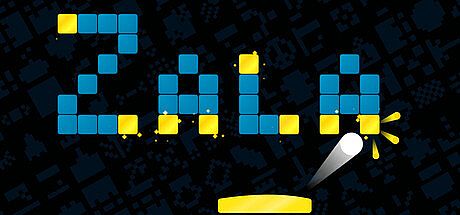


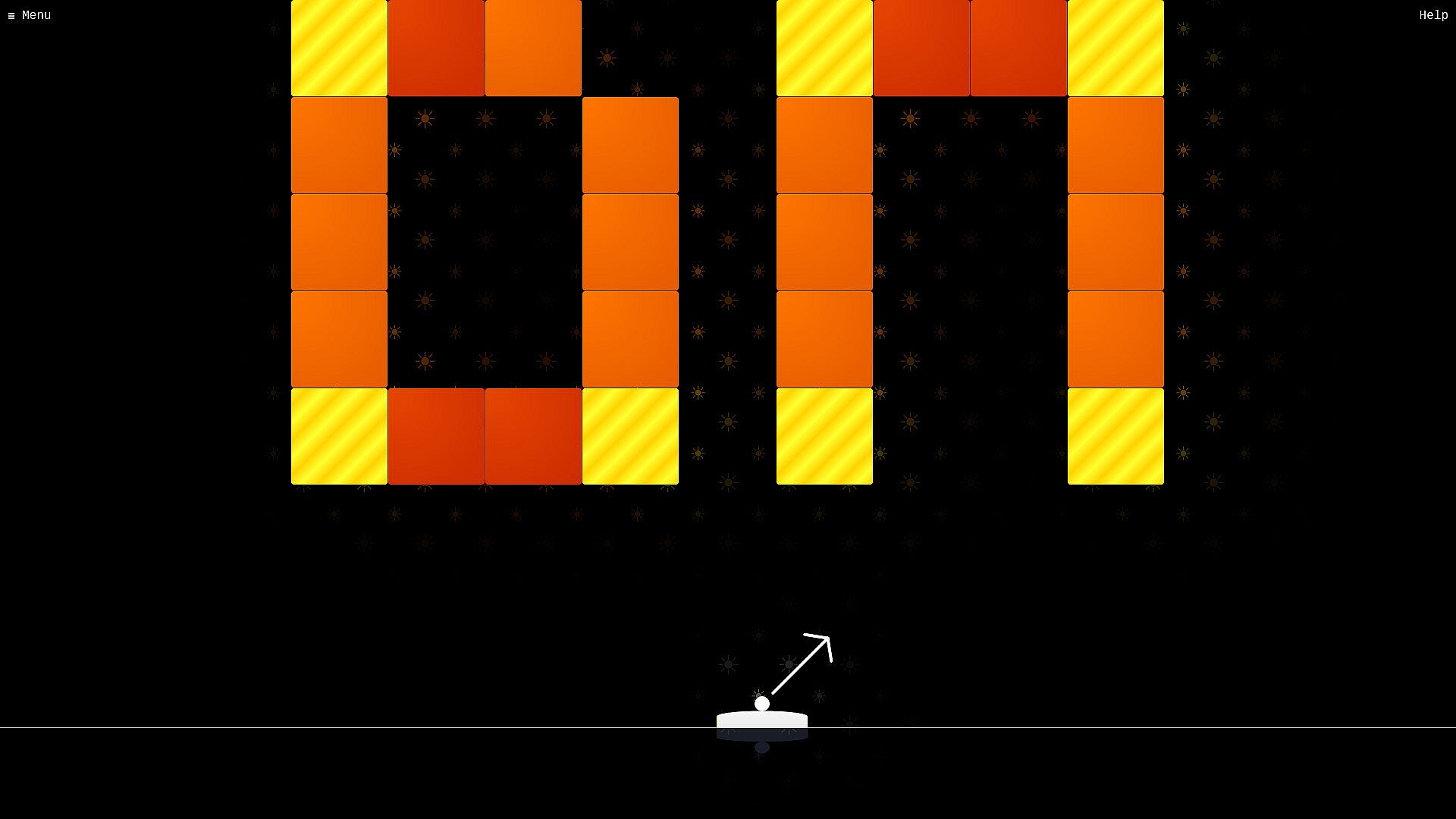
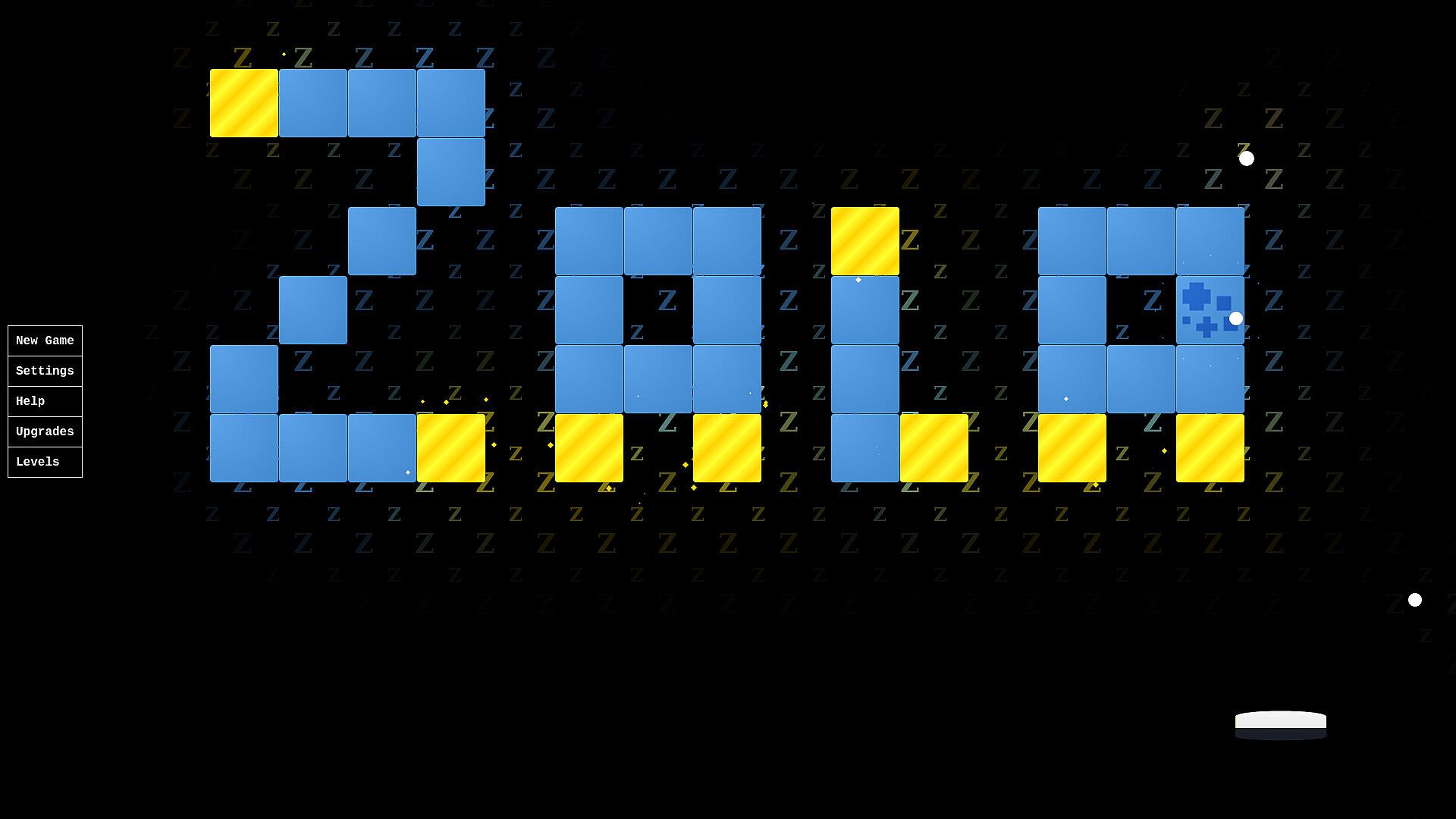
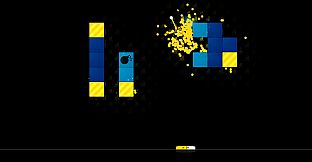
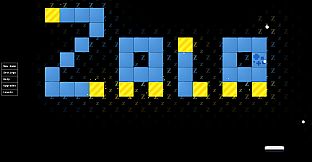
Zala is an action game that blends the classic mechanics of breakout with roguelike progression on PC. Players control a paddle to bounce a ball and break bricks while catching coins to unlock upgrades and advance through stages.
Gameplay
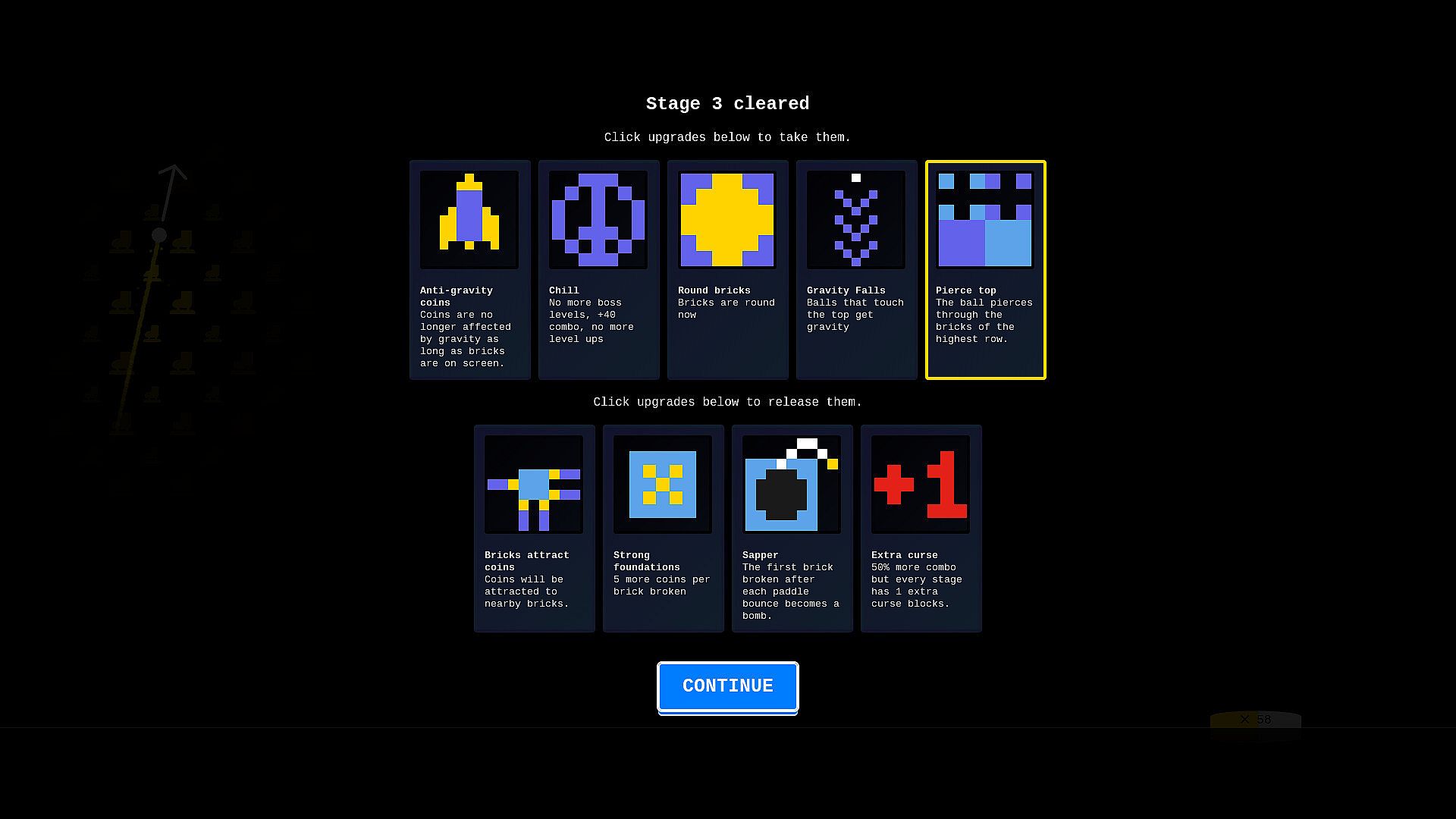
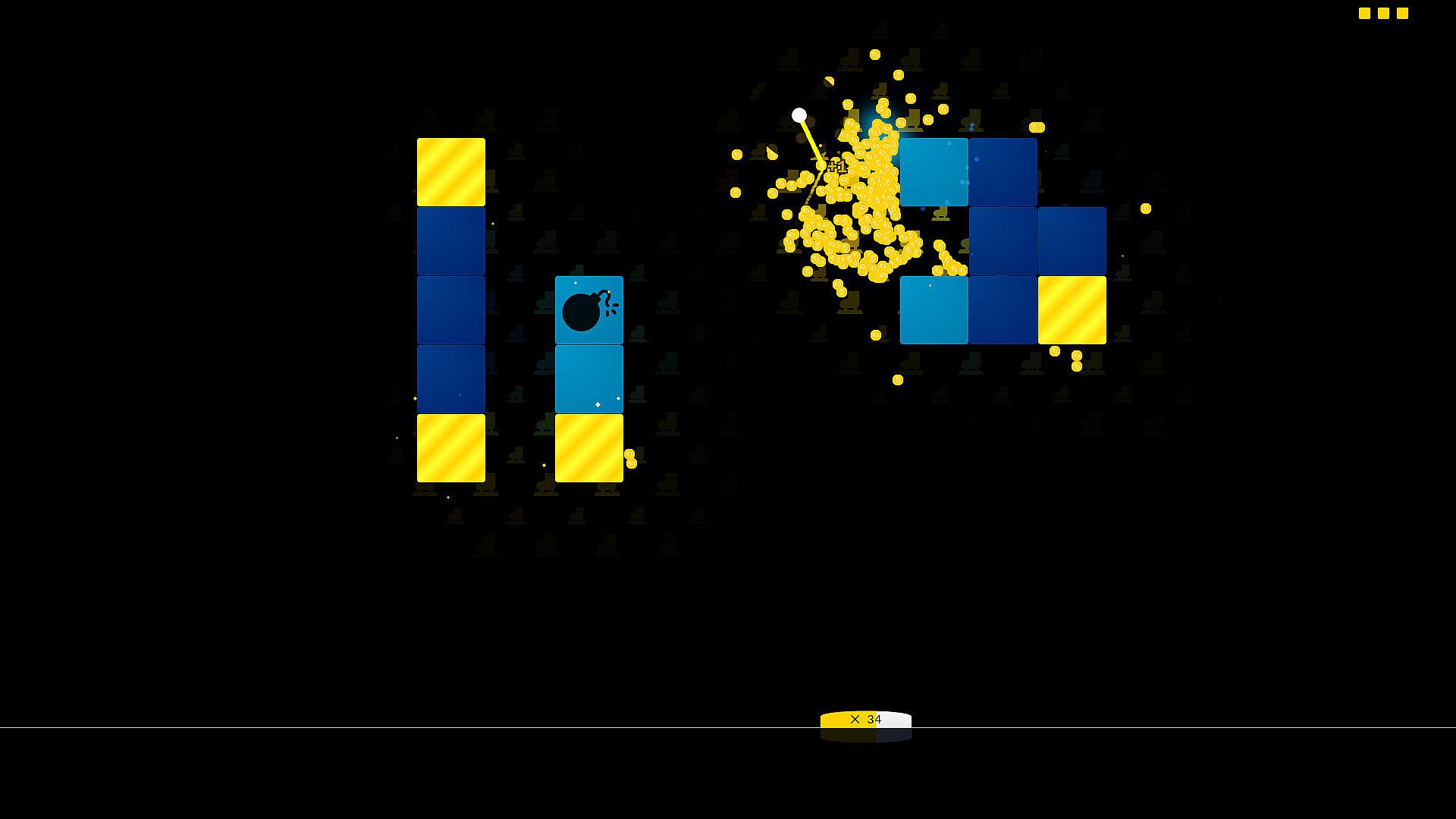
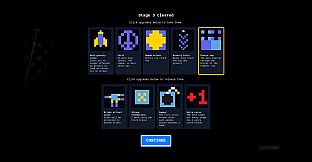
The core loop starts with a basic paddle, ball, and set of bricks. Breaking bricks releases coins that must be collected with the paddle to build progress toward level ups. Each cleared stage leads to a choice of upgrades that alter paddle behavior, ball physics, coin collection, or combo multipliers. The combo system tracks consecutive brick breaks and can be enhanced or reset by certain upgrades, requiring careful decisions to avoid losing momentum.
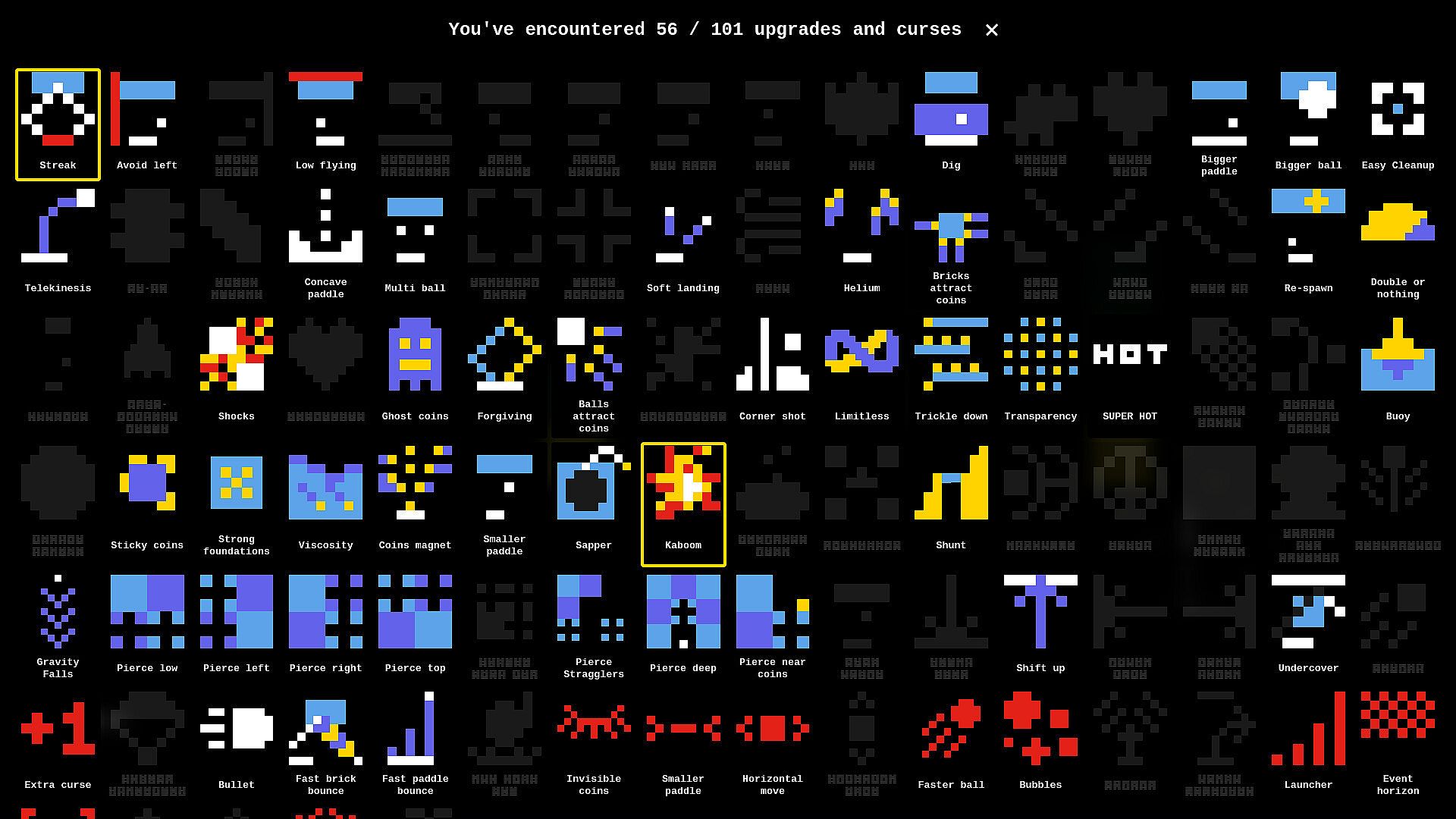
Players begin with a single life, making ball drops costly during coin chases. Upgrades range from simple improvements like faster bounces to synergistic effects that accelerate the ball at high speeds or alter gravity and paddle shape. Combinations such as streak bonuses with soft landings or fast bounces paired with piercing mechanics create powerful builds that reward experimentation without overcomplicating the straightforward controls.
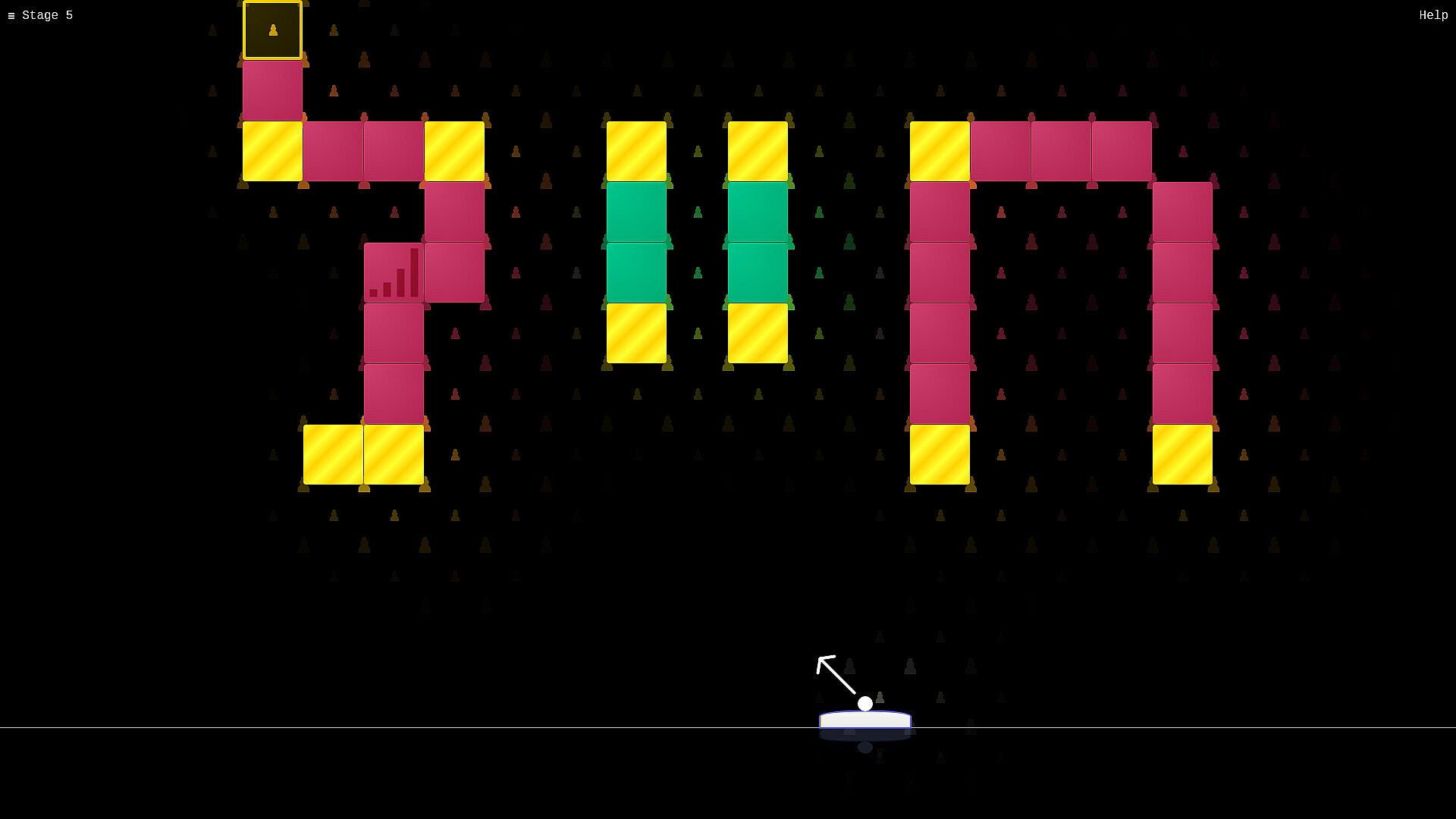
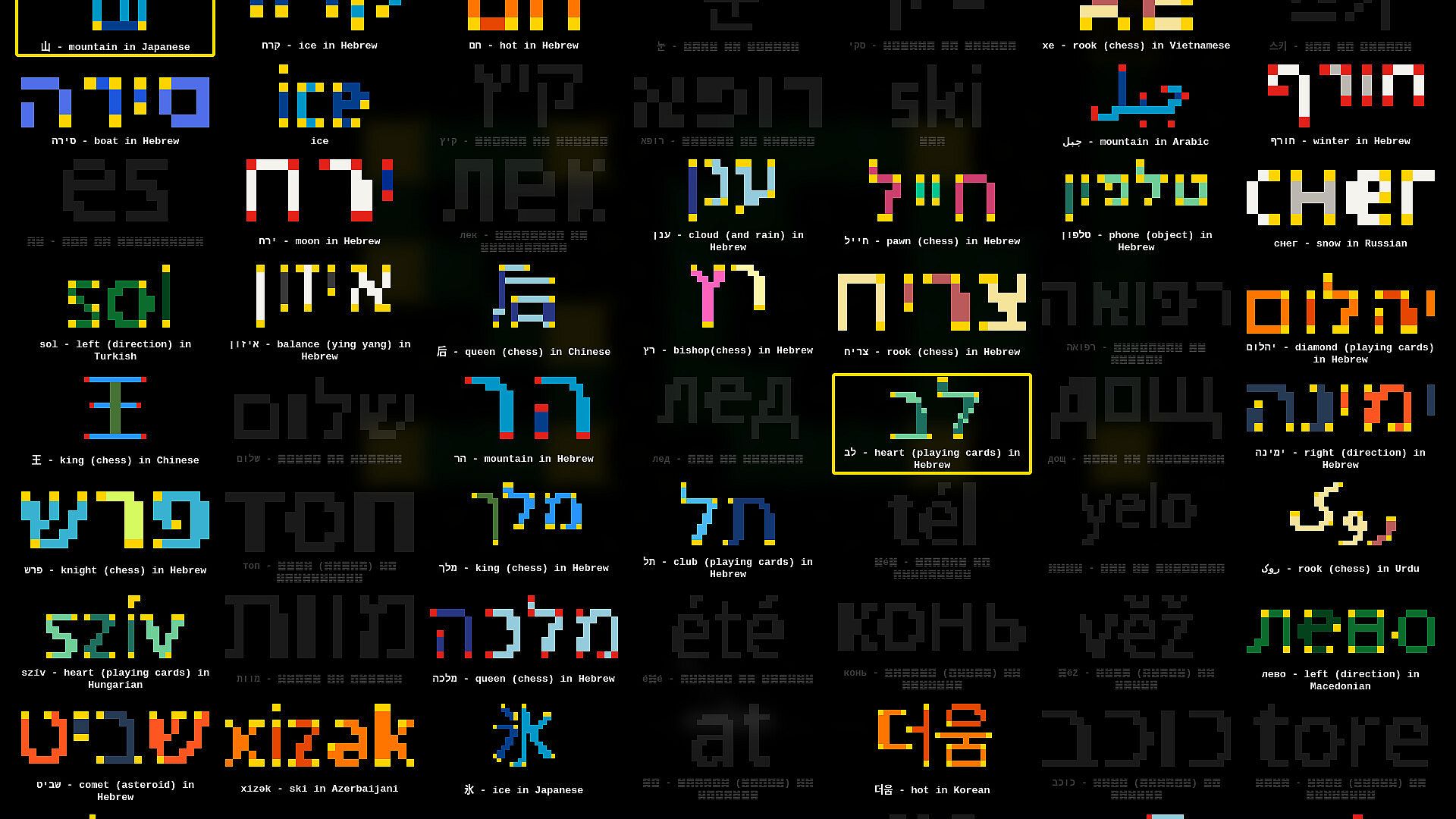
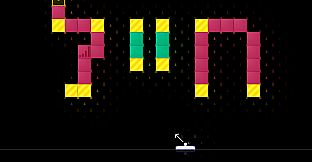
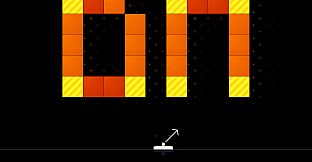
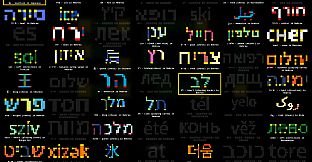
Levels draw shapes from words across many languages, producing varied layouts that influence ball paths and require adaptive play. Visual palettes and patterns add distinction to each stage while maintaining focus on the action.
Game Modes
Zala centers on a single-player progression system where players advance through stages, encountering bosses every four levels. These encounters replace standard gold bricks with red ones that reset combos and introduce curse bricks with negative effects that must be cleared to continue. The roguelike structure encourages repeated runs as upgrades and choices vary outcomes across attempts.
Support for mouse, touch, keyboard, and controller inputs allows flexible play styles. The experience emphasizes building toward deeper runs through upgrade synergies rather than separate competitive or cooperative modes.
Upgrades, Bosses, and Progression
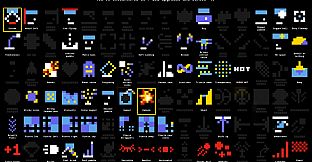
Over 100 upgrades provide millions of potential combinations, with examples including streak multipliers for multi-brick breaks between bounces, repulsion effects on the paddle, acceleration on brick or paddle contacts, and conditional combo growth that rewards avoiding borders or specific areas. Greed mechanics appear in choices that boost rewards but add risks like combo resets.
Boss stages feature 15 or more curse brick varieties that impose adverse conditions until destroyed. Deeper progression increases curse frequency and complexity. The full game aims for 1000 stages with unique shapes and patterns, while the current demo limits play to the first seven stages with a distinct level set.
Performance optimizations ensure smooth operation even on lower-end hardware, with basic sound effects already implemented and music planned for later updates.
Is It Worth Playing?
Zala suits players who enjoy precise breakout controls combined with roguelike decision-making and build crafting. The approachable entry point expands through upgrade depth and boss challenges without requiring prior genre expertise. A demo is available for immediate testing of the core systems, with the complete desktop version targeted for 2027 and a mobile edition planned earlier.
Those drawn to iterative improvement across runs and experimenting with upgrade interactions will find the mechanics rewarding. The game remains in active development, with additional content like achievements, leaderboards, and expanded audio on the roadmap.