




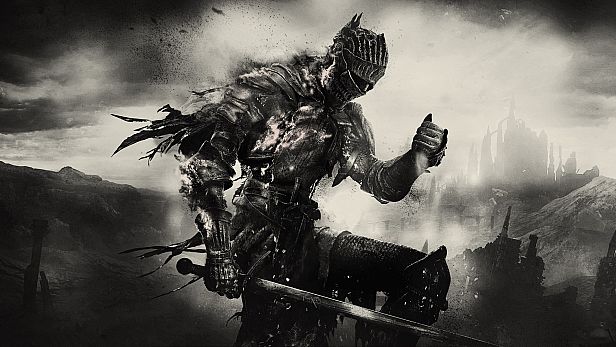








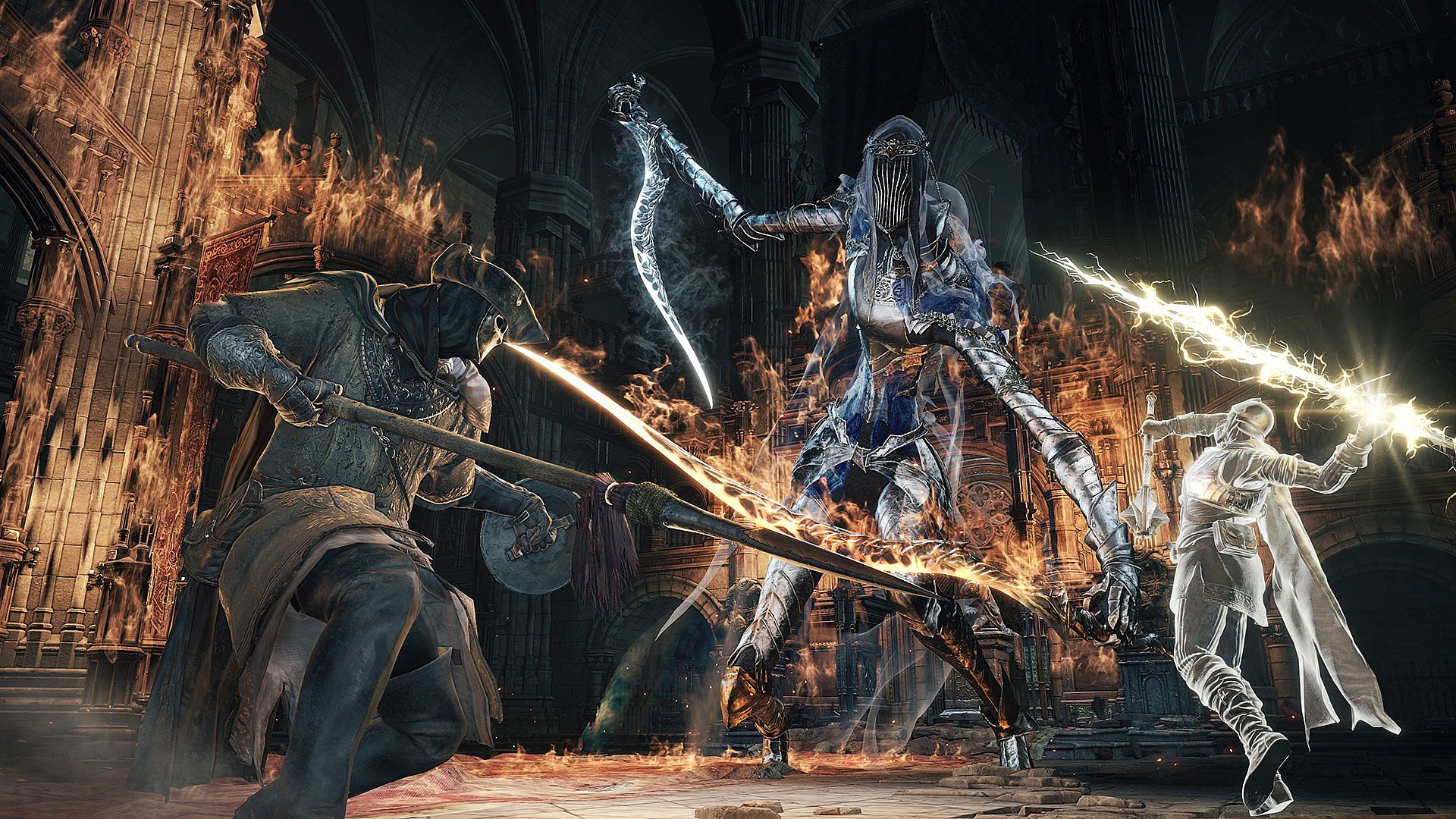
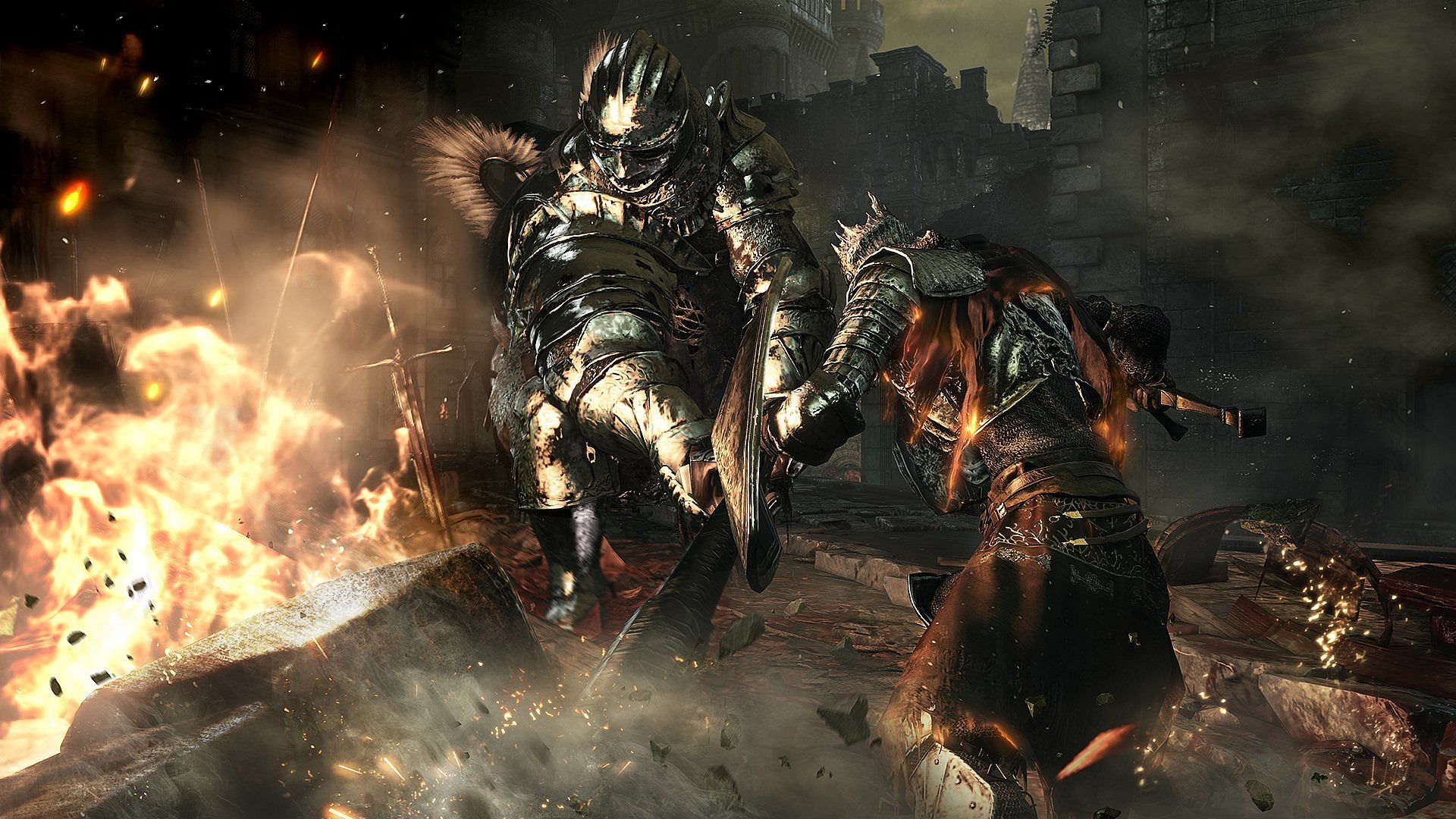
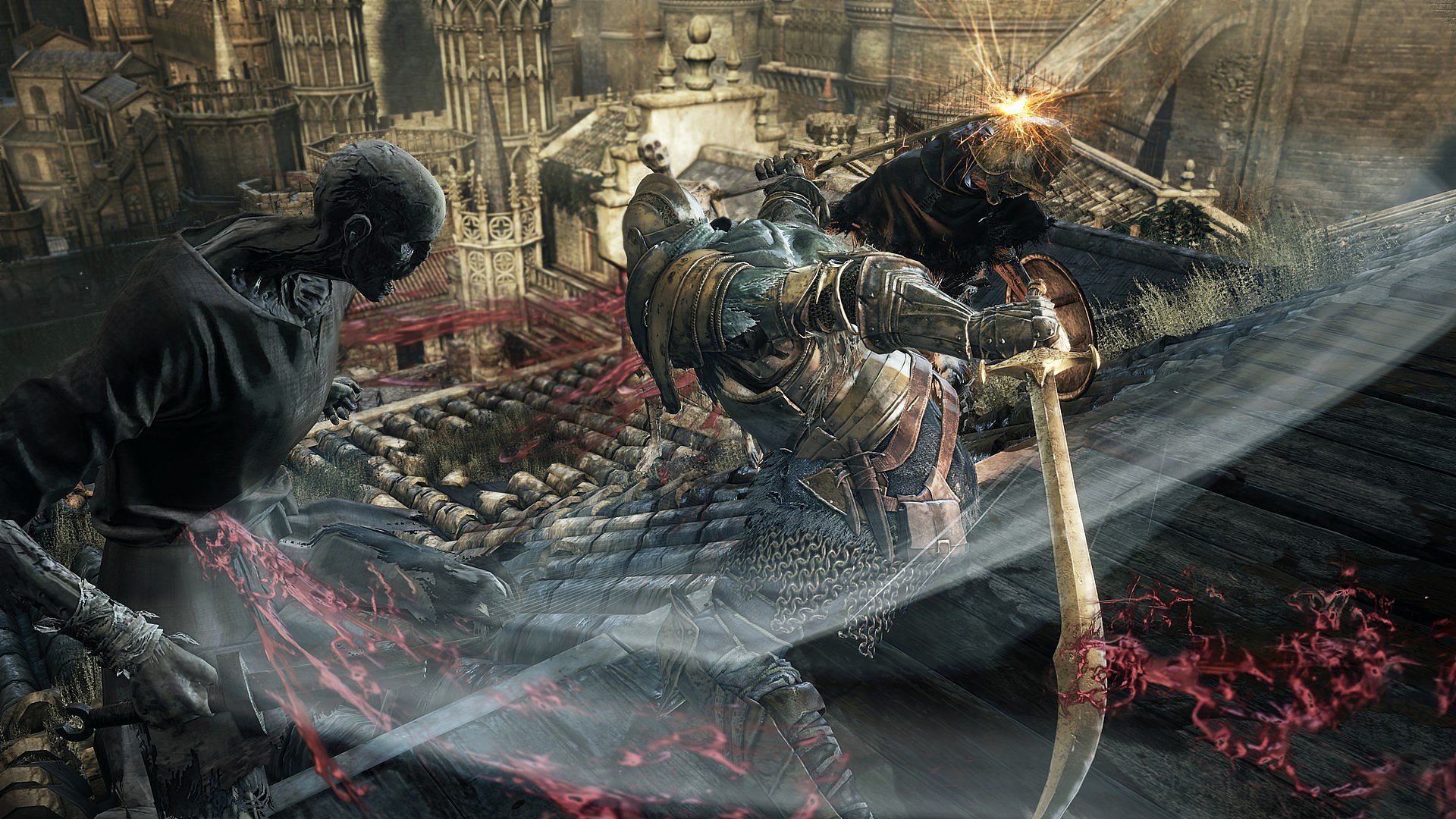
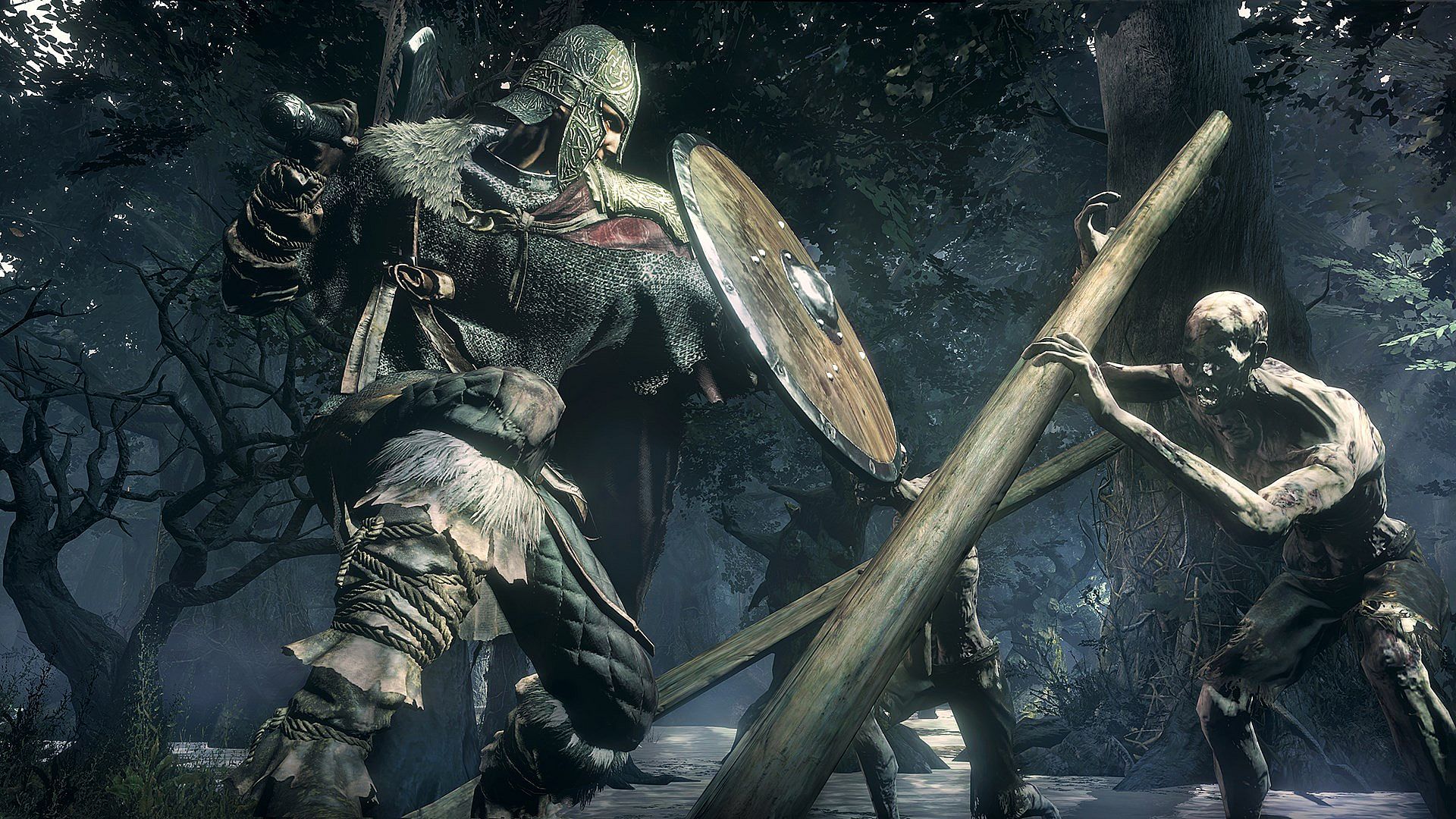
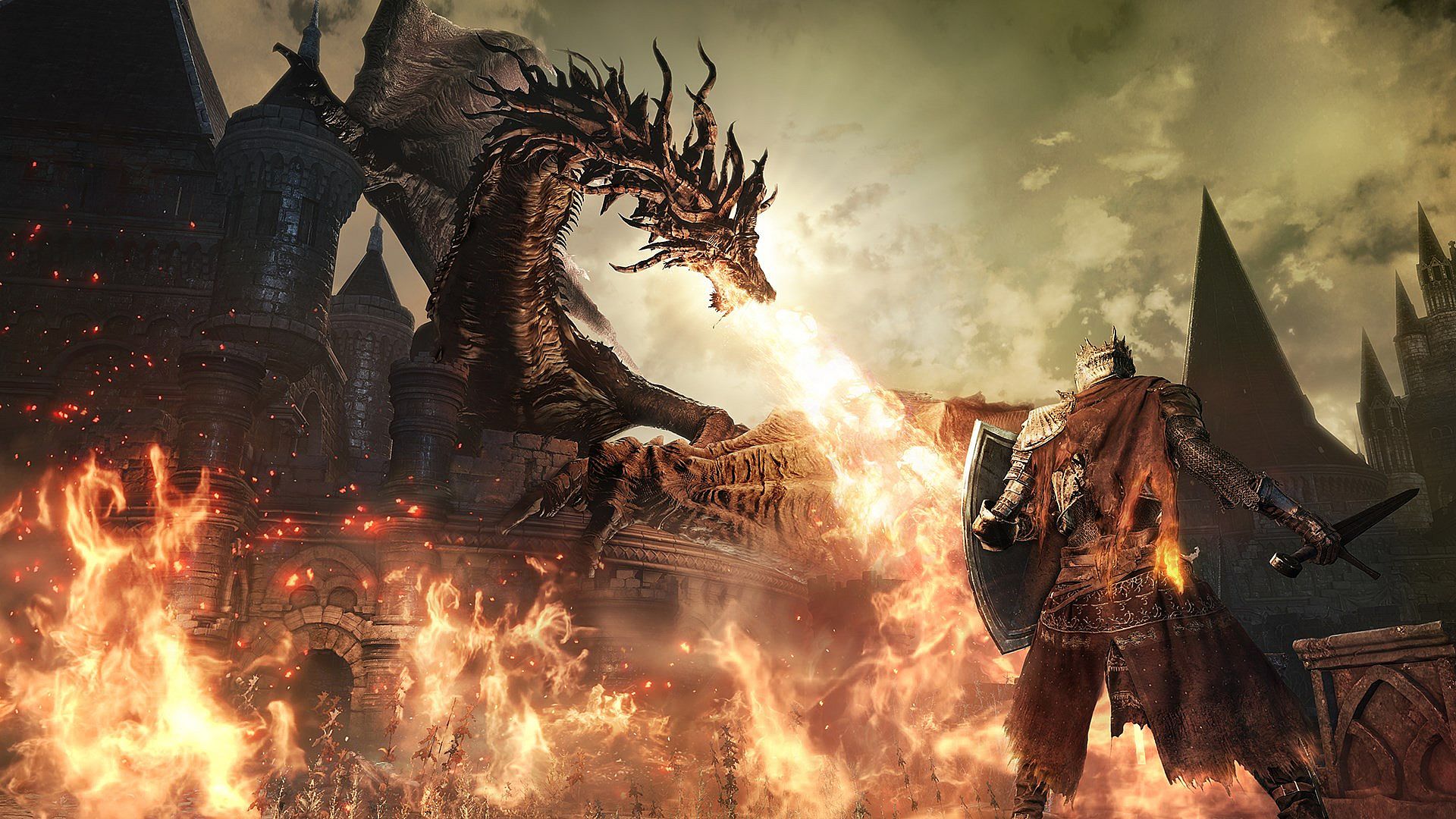
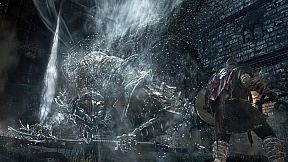
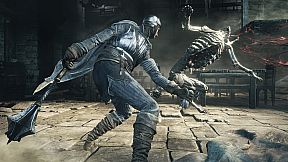

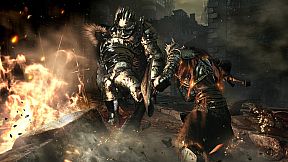
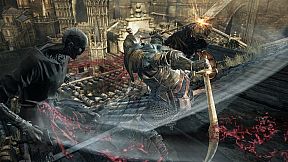
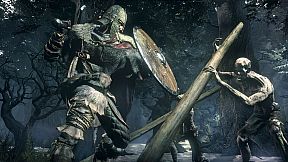
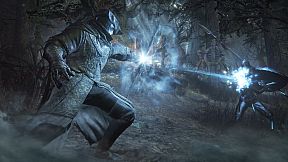
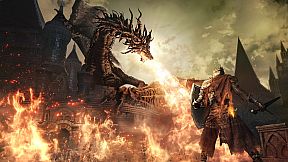
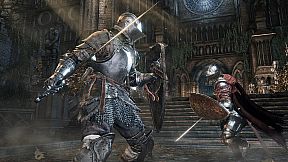
Dark Souls III is an action role-playing game set in a crumbling fantasy world where the player takes on the role of the Ashen One. The experience centers on exploration, intense combat, and character progression through a series of interconnected environments filled with enemies and large-scale boss encounters. Released for Xbox One and available on Xbox Series consoles, the title delivers faster-paced action than earlier entries while retaining the core emphasis on timing, positioning, and resource management.
Gameplay
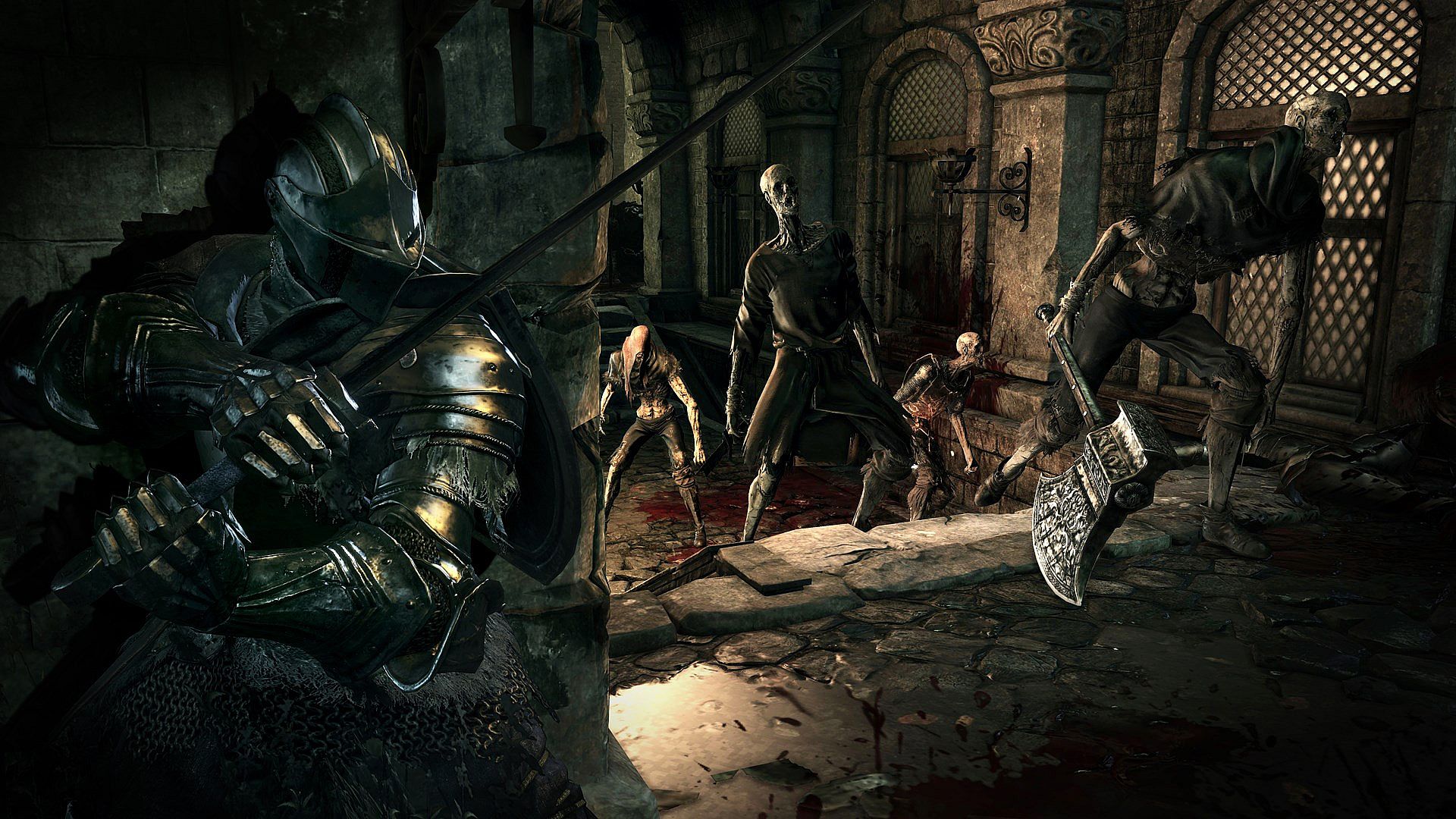
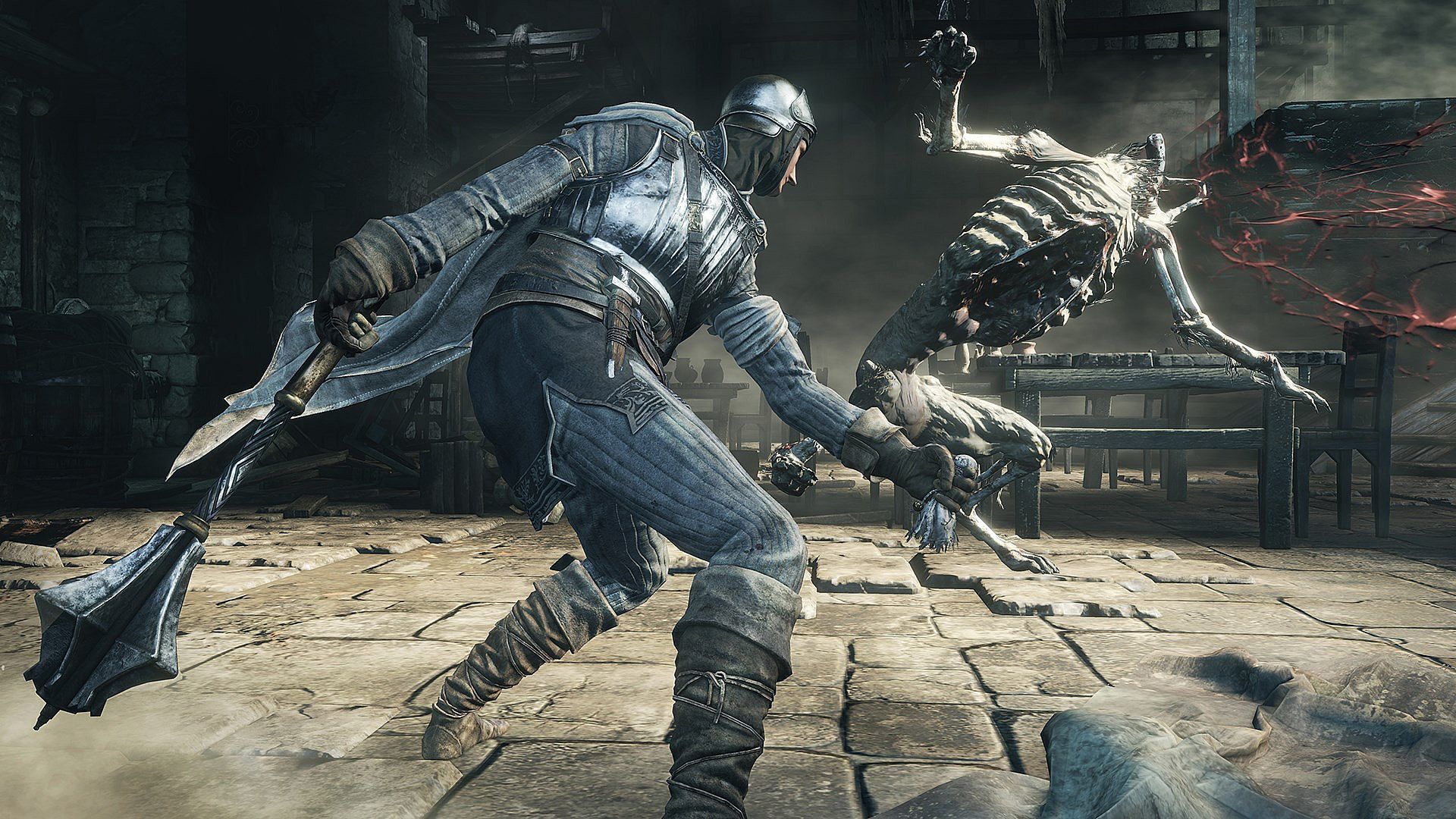
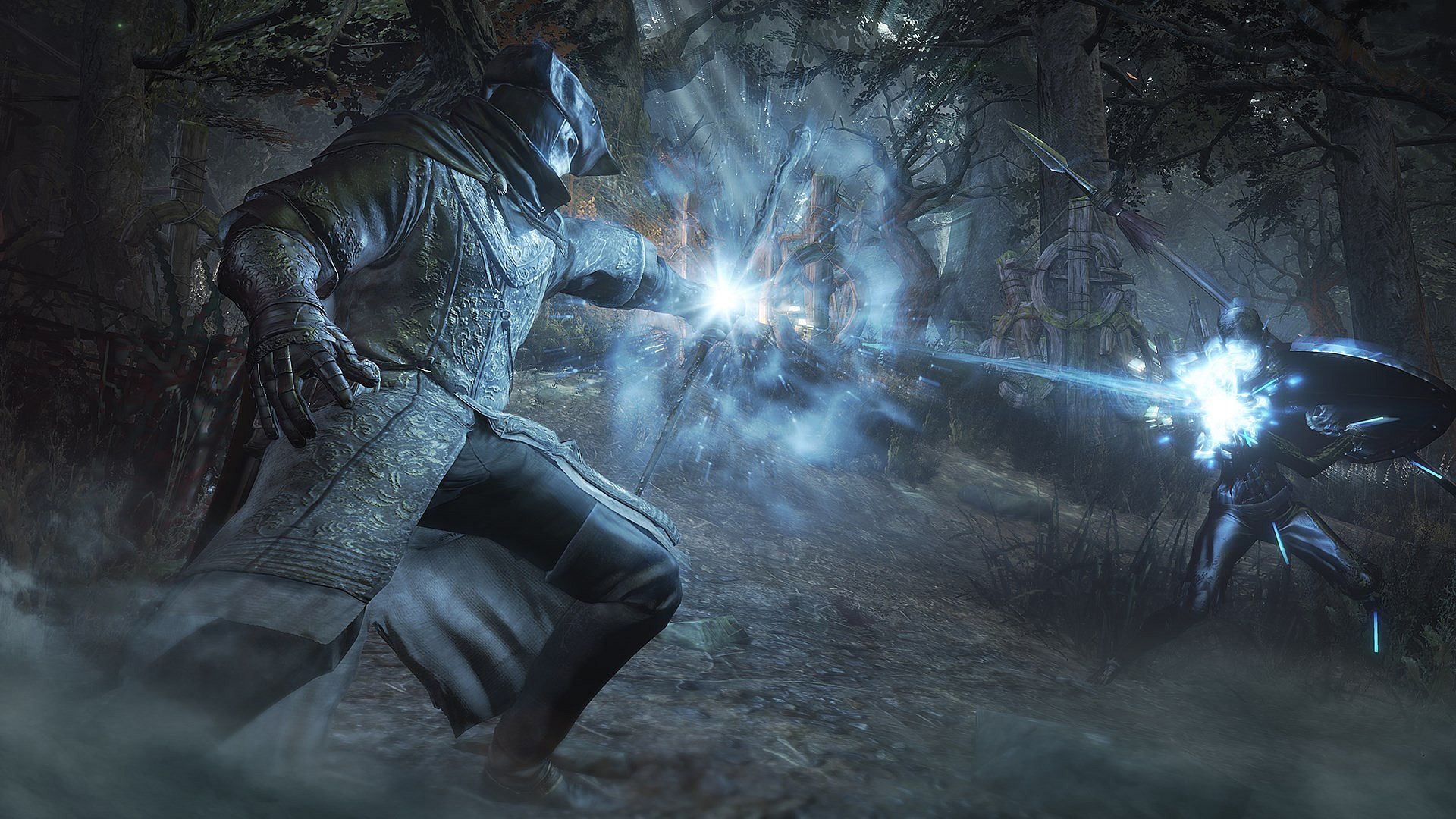
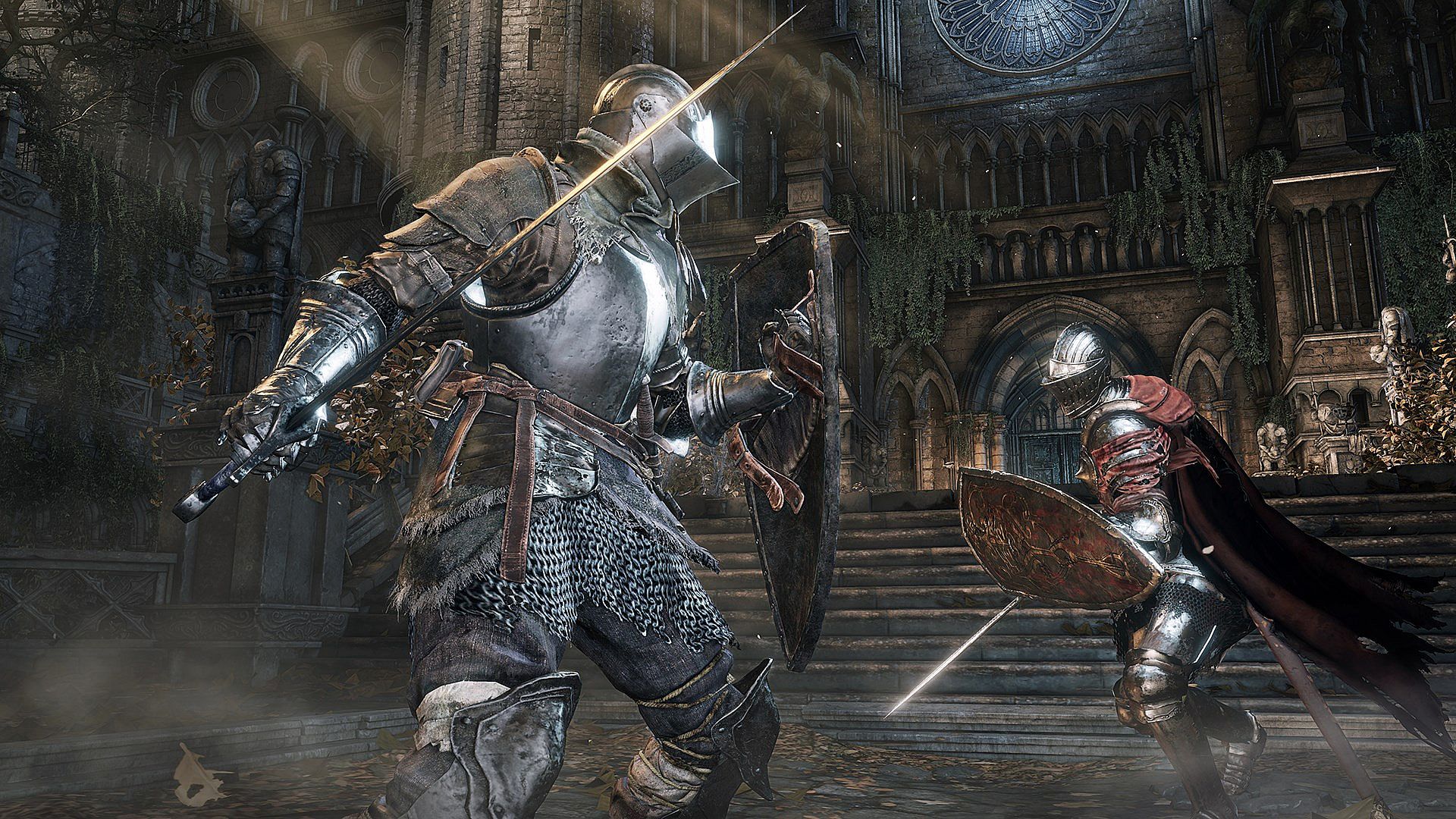
Combat revolves around a stamina system that governs attacks, blocks, and movement. Players manage a green stamina bar while executing light and heavy strikes, charging heavier blows for greater impact, and using shields to absorb damage. Rolling provides brief invulnerability frames to evade strikes, while parrying with a shield or certain weapons can stun foes for powerful ripostes. A new addition allows weapons to perform unique skills when two-handed, consuming focus points from a blue bar.
Two separate Estus Flasks handle restoration: one replenishes health and the other refills focus points needed for skills and spells. Magic options include sorceries, miracles, and pyromancies, each requiring attunement slots and focus. Bonfires serve as checkpoints where players rest to restore resources and level up by spending souls earned from defeated enemies. Stats such as vigor for health, endurance for stamina and equipment load, and others allow customization of melee, ranged, or hybrid builds. Weight affects movement speed and roll effectiveness, encouraging careful armor choices.
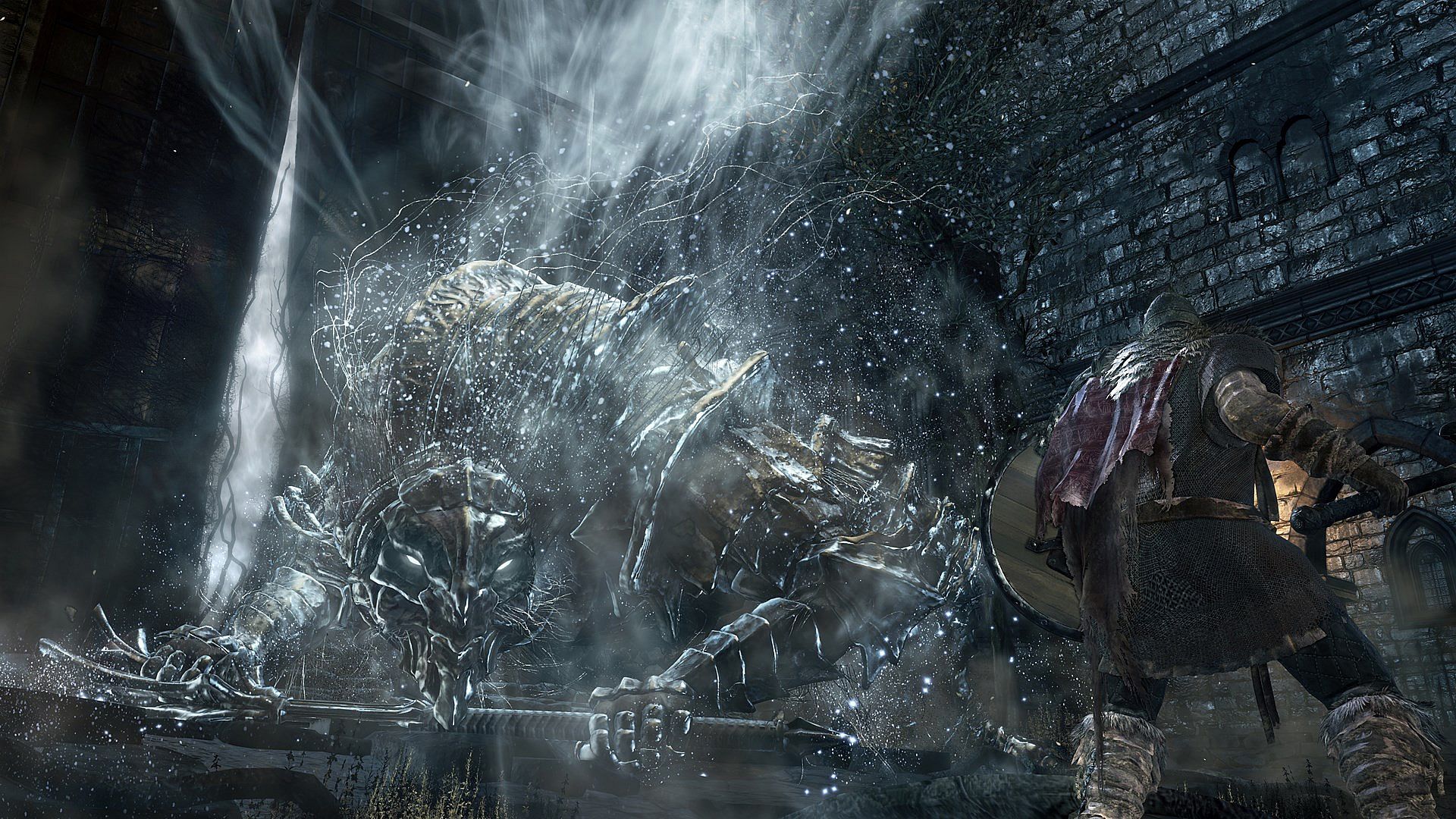
Exploration rewards careful navigation through branching paths and hidden shortcuts that connect back to earlier bonfires. Enemies exhibit varied attack patterns and some shift behaviors mid-fight, demanding pattern recognition and adaptation. The overall pace feels quicker and more aggressive, with fluid animations supporting rapid exchanges in both standard encounters and larger confrontations.
Game Modes
The primary experience unfolds in a single-player campaign that follows a linear yet interconnected world structure. Players progress through areas, defeat bosses, and uncover the story through environmental details and item descriptions without direct exposition.
Online features integrate directly into the campaign. Players can place summon signs to invite others for cooperative assistance against bosses or tough sections. Invasions allow hostile players to enter worlds uninvited, creating unpredictable encounters. Covenants influence the type of multiplayer interactions available, ranging from cooperative summons to chaotic or competitive elements. Up to several players can occupy the same session depending on the tools used, with password matching available for coordinated play with friends.
Exploration and Progression
Progression ties directly to exploration and combat success. Souls collected from enemies fund both leveling and equipment upgrades at blacksmiths. Weapon and armor sets offer distinct move sets and scaling, encouraging experimentation across multiple playthroughs. The world design favors verticality and looping paths that reward backtracking with new abilities or keys.
Character customization extends beyond combat stats to include starting classes that influence early attributes and playstyle preferences. Multiple endings exist based on choices made during the journey, adding replay value for those who complete the campaign more than once.
Is It Worth Playing?
Dark Souls III suits players who seek a demanding action role-playing game built around precise controls and deliberate decision-making. Its combat loop rewards practice and observation over raw reflexes, while the interconnected world encourages thorough investigation. Online elements remain functional years after release, supporting both cooperative sessions and competitive invasions for those interested in multiplayer.
The title stands as a complete experience with a strong emphasis on atmosphere and challenge. Those who appreciate methodical exploration paired with high-stakes encounters will find substantial depth. Newcomers should expect a steep learning curve that eases as systems become familiar, while veterans can appreciate refinements to movement and weapon handling. Availability on current Xbox hardware ensures smooth performance for modern playthroughs.


