




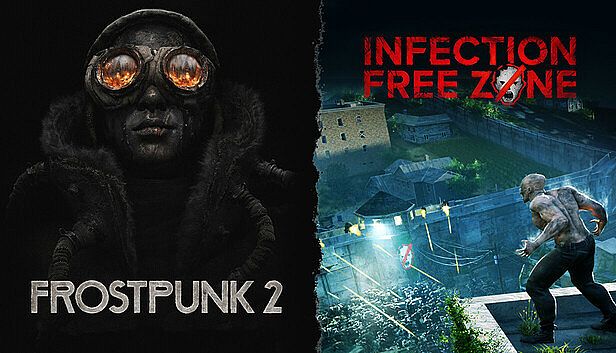



Infection Free Zone + Frostpunk 2 combines two distinct city-building experiences set in harsh post-apocalyptic environments on PC.
Gameplay
Infection Free Zone places players in charge of survivors rebuilding after a global virus outbreak. The core loop involves selecting a real-world city location, establishing a base, adapting existing structures into production facilities, and expanding the protected area while managing resources during the day. At night, defense against aggressive infected creatures becomes the priority, requiring strategic placement of barriers and units to hold the zone.
Frostpunk 2 shifts focus to societal management in a frozen wasteland. Players act as steward of New London, balancing resource allocation with ideological decisions that shape citizen groups. The Zeitgeist system tracks broader societal leanings through policy votes and technology choices, influencing available bonuses and potential conflicts.
Game Modes
Infection Free Zone supports single-player sessions centered on settlement expansion and nightly survival across different global maps using real geographical data.
Frostpunk 2 features Story Mode, which begins with established communities and leads to faction formation based on ideological progress, alongside Utopia Builder Mode where players guide city development toward specific cornerstones to spawn supporting or opposing factions.
Factions and Mechanics
Frostpunk 2 introduces factions defined by three ideological cornerstones drawn from options such as Progress, Adaptation, Merit, Equality, Tradition, and Reason. These groups gain council seats proportional to population support and can provide resources or bonuses when aligned, or trigger unrest when opposed. Communities like Frostlanders and New Londoners form the initial population base before factions emerge.
Is It Worth Playing?
Infection Free Zone holds a Very Positive rating from over seven thousand reviews, indicating solid reception for its real-location mapping and day-night cycle. Frostpunk 2 extends the series with deeper faction interactions and council voting that affect law passage and city bonuses. The combination suits players interested in survival city-building with varying degrees of societal simulation. Those seeking straightforward expansion and defense will find value in the first title, while fans of ideological management and long-term planning may prefer the second. Current support includes ongoing updates for both titles on PC.