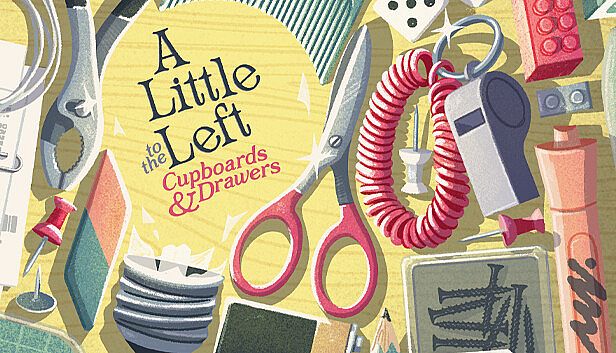



























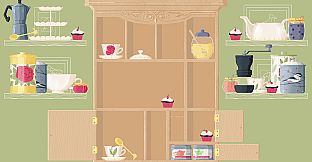
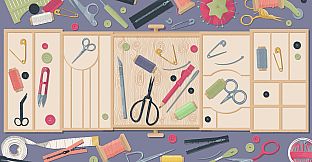
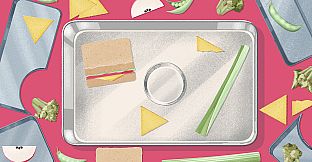
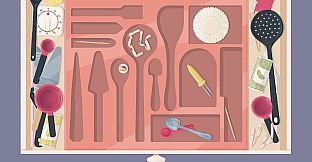

A Little to the Left: Cupboards & Drawers is an indie casual puzzle game centered on organizing household items into precise arrangements. Players sort, stack, and arrange objects drawn from everyday domestic scenes, with the goal of matching specific visual patterns or logical setups. The experience builds on the core idea of tidying spaces through careful placement rather than time pressure or combat.
Gameplay
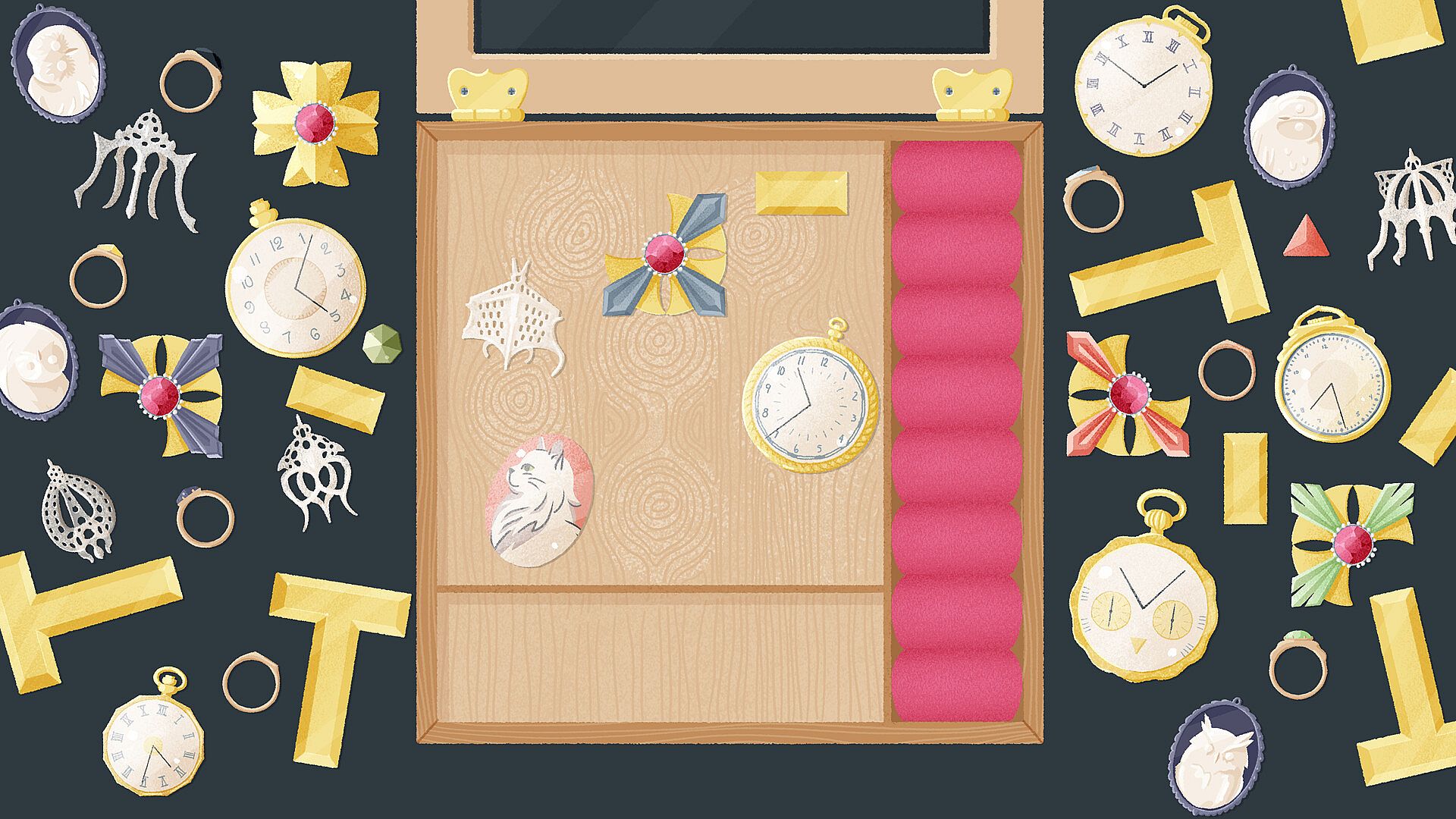
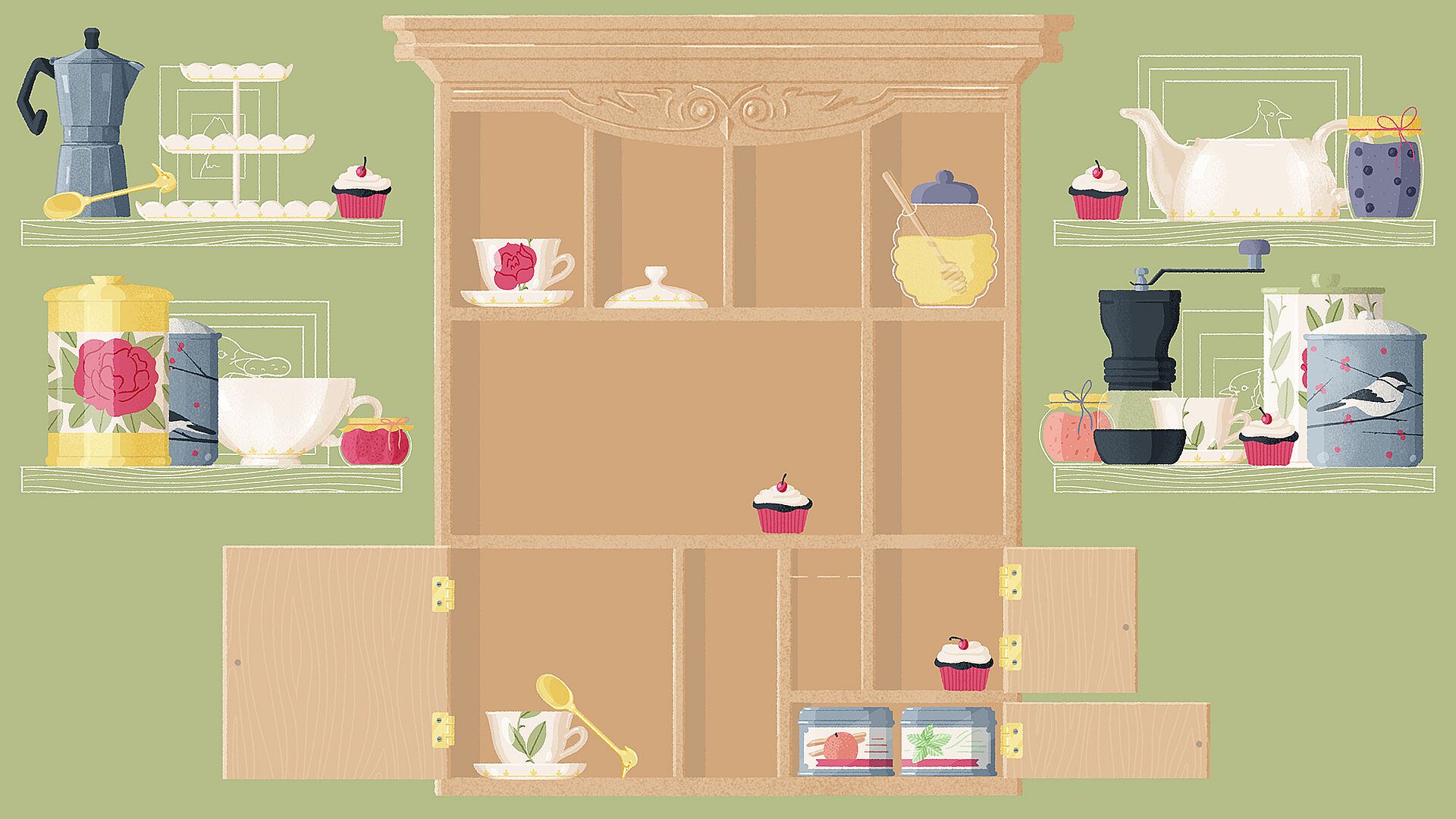
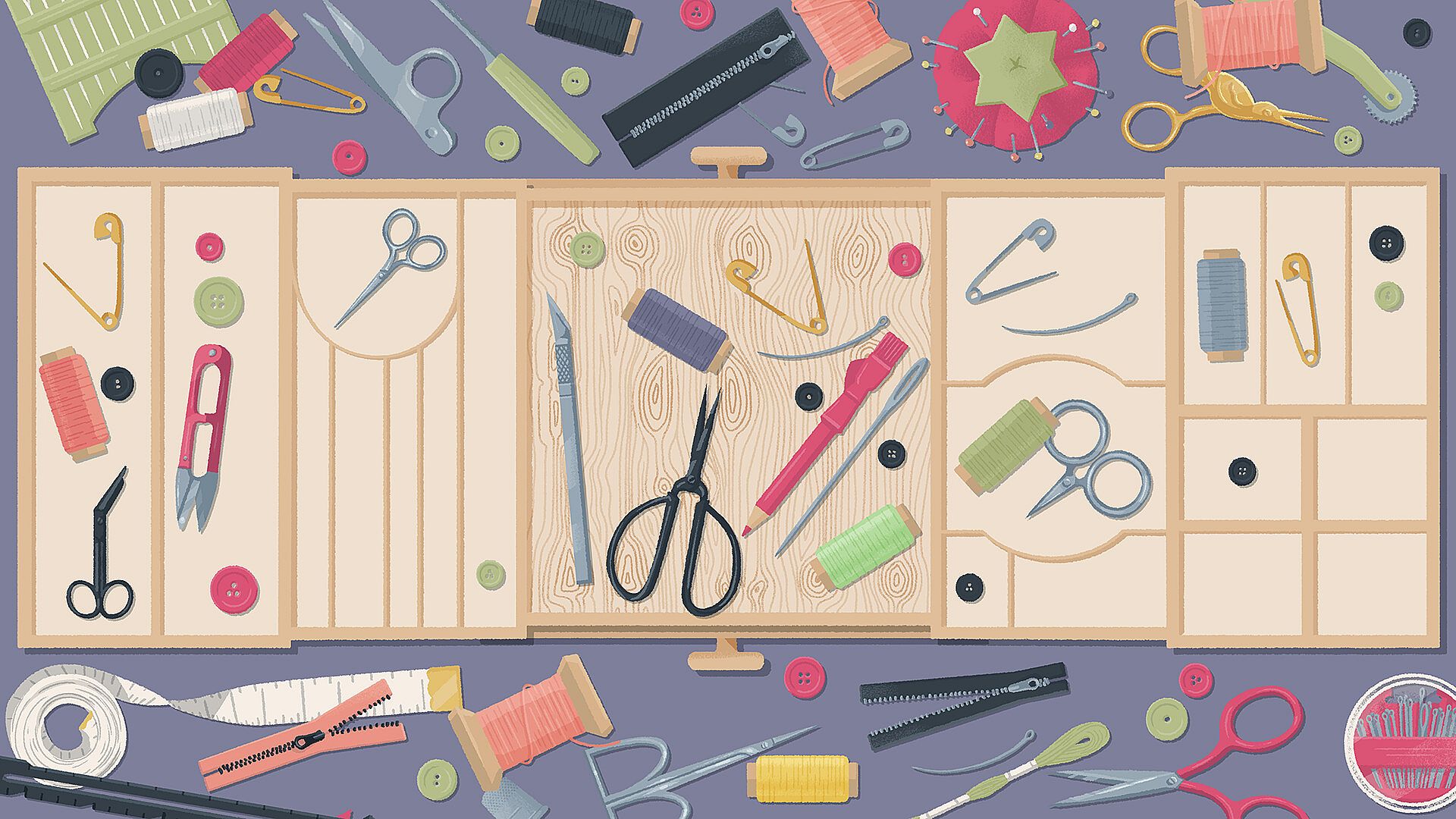
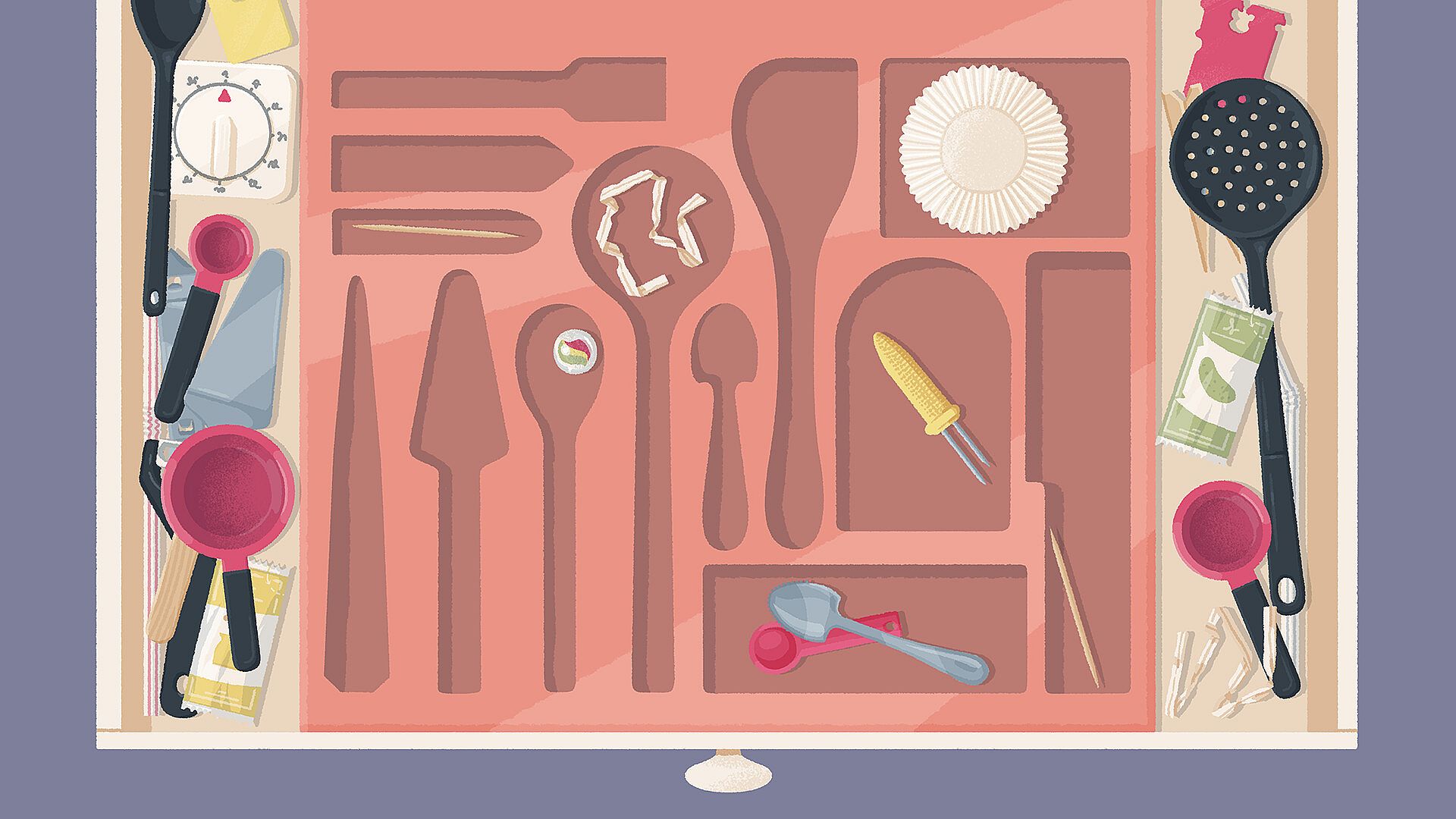
The central loop involves examining cluttered cabinets, drawers, and compartments filled with items like utensils, books, and knickknacks. Each puzzle presents a target configuration shown through subtle visual cues or partial examples, and players must experiment with rotations, stacking orders, and groupings to complete the scene. Objects often have multiple valid orientations, encouraging repeated attempts until the arrangement aligns perfectly with the intended design.
Progression introduces layers of complexity through secret compartments that reveal additional items and through drawers that open and close independently. Players move objects between these spaces as part of the solution process, sometimes requiring several sequential steps within one level. Illustrations remain charming and detailed, with small surprises such as unexpected item interactions that reward close observation.
Interludes featuring a cat provide brief moments of interaction between puzzle sequences. These segments break up the organization tasks without altering the primary focus on spatial reasoning and pattern matching.
Game Modes
All content consists of single-player puzzle levels divided into two main styles. Cupboards & Drawers themed levels emphasize cabinet and drawer mechanics, including multiple compartments and movable panels. Traditional organization levels follow the established pattern of arranging items on flat surfaces or within simpler containers.
Twenty-five new puzzles combine these approaches, with some levels containing nested challenges where solving one section unlocks elements for the next. No competitive or cooperative modes exist; the entire experience remains focused on individual problem solving at a relaxed pace.
Puzzle Design and Features
Design choices highlight incremental complexity through multi-step solutions and hidden elements. Secret compartments add discovery moments, while the ability to toggle drawers forces players to consider object placement across separate areas. The puzzles maintain a consistent emphasis on visual harmony and logical grouping rather than abstract rules.
Four additional cat interludes appear alongside the new levels, offering short diversions that fit the domestic theme. Overall structure supports steady progression through increasingly intricate arrangements without introducing unrelated mechanics.
Is It Worth Playing?
Player reception has been very positive, with 84 percent of reviews rating the content favorably. The puzzles deliver satisfying moments of discovery for those who enjoy methodical organization tasks and spatial puzzles. Availability on PC makes it accessible for short sessions or longer focused playthroughs.
This title suits players who appreciate calm, detail-oriented casual experiences over fast action or narrative-driven games. The verified features of nested puzzles, multi-drawer interactions, and secret compartments provide enough variety to hold interest across the full set of levels. Those seeking straightforward puzzle satisfaction without additional systems will find the content aligns closely with its description.