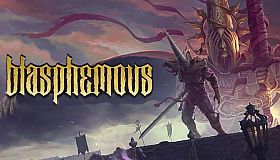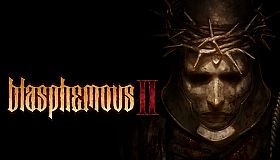














Blasphemous stands as a distinctive action-platformer that blends precise combat with deliberate exploration across a hand-crafted 2D world. Players take control of the Penitent One, a silent warrior navigating the cursed land of Cvstodia, where every encounter demands careful timing and positioning. The experience centers on side-scrolling movement combined with melee strikes that reward observation of enemy patterns and environmental hazards.
Gameplay
Core movement involves running, jumping, and climbing through interconnected areas filled with traps and hostile creatures. Combat relies on a limited set of attacks that players must chain together while managing stamina and positioning to avoid damage. Progression comes from discovering new abilities that open previously inaccessible paths, encouraging backtracking and map awareness. The design emphasizes patience, as mistimed actions often lead to quick defeats in challenging encounters. Visuals draw from religious iconography twisted into grotesque forms, with detailed animations highlighting the weight of each swing and the impact of hits.
Platforming sections require exact jumps and wall interactions that integrate with combat flow. Health and resource management add tension during longer stretches between checkpoints. The overall loop alternates between intense fights and quiet moments of navigation, building a sense of gradual mastery over the environment and its threats.
Game Modes
The title offers a single-player campaign that players complete at their own pace. There are no competitive or cooperative options, keeping the focus entirely on individual progression through the main story path and optional challenges. Exploration rewards come from uncovering hidden items and alternate routes that deepen the sense of discovery within the fixed world layout.
World and Atmosphere
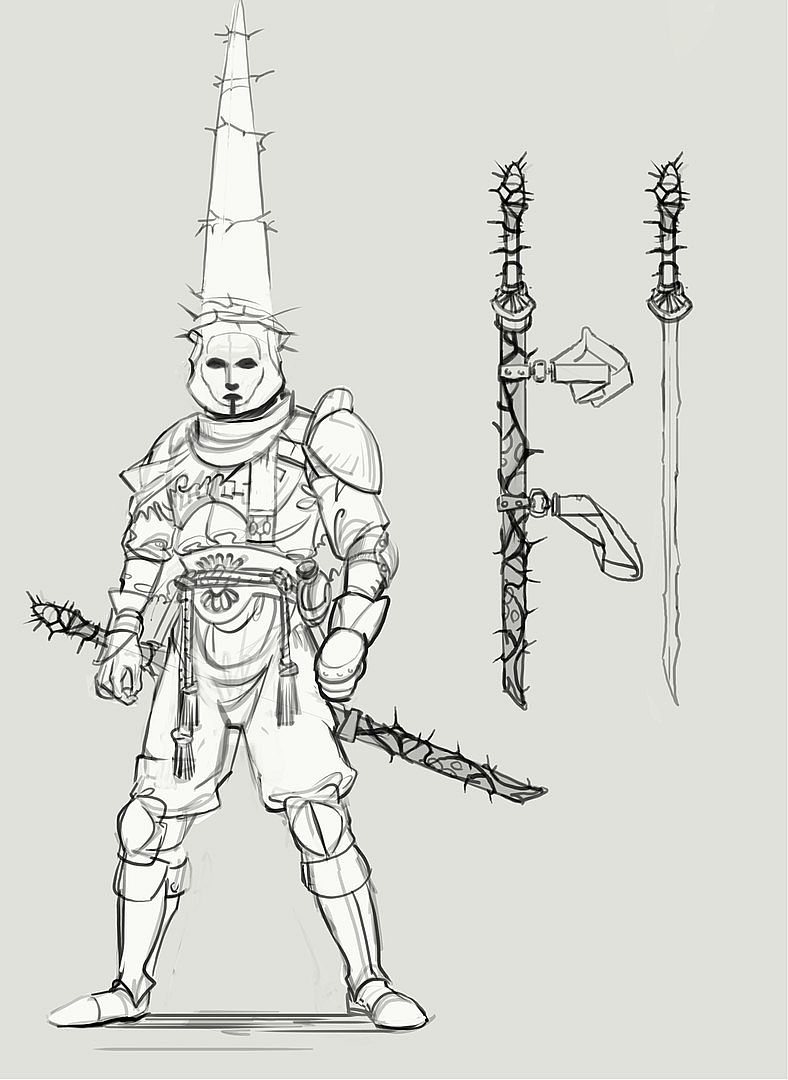
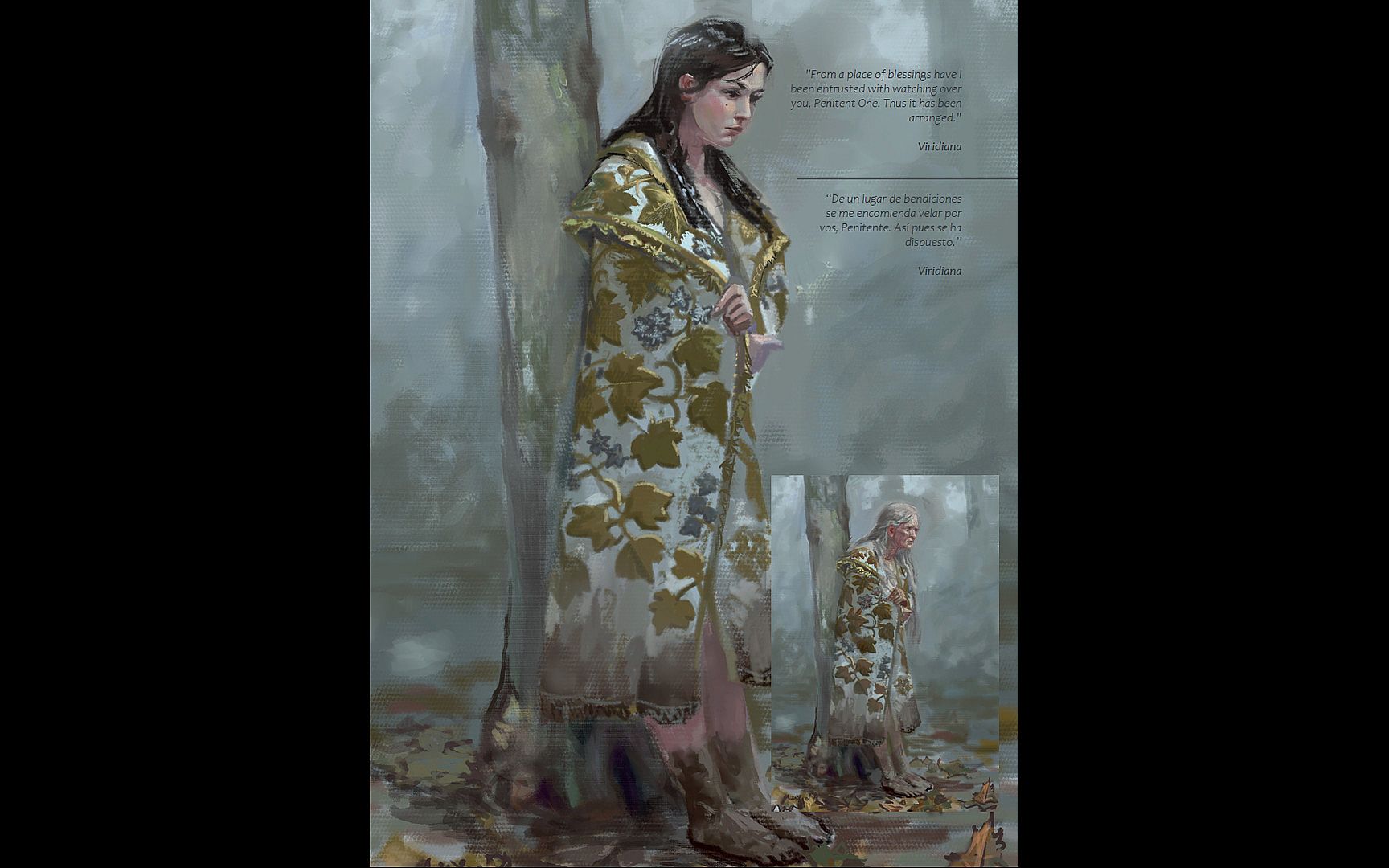
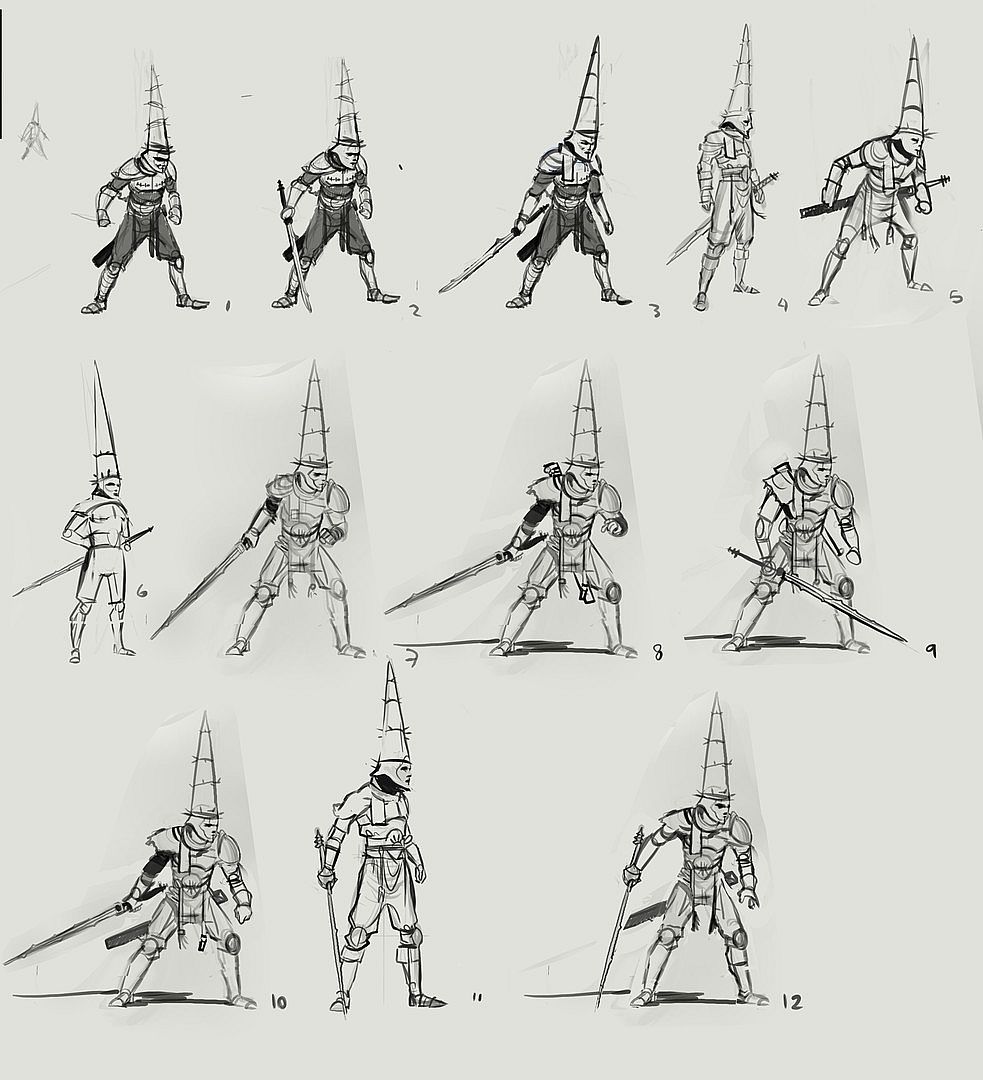
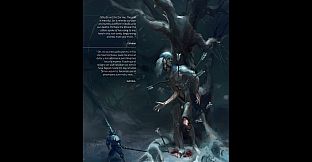
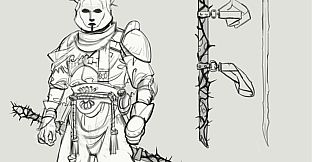
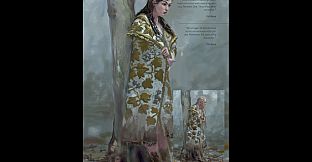
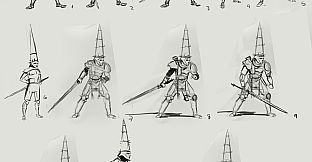
Cvstodia unfolds as a nightmare realm shaped by themes of guilt and penance. Areas range from ruined churches to twisted forests, each populated by unique enemies and environmental storytelling. The soundtrack reinforces the oppressive tone with choral elements and sparse instrumentation that shifts based on location. Character designs evolve from initial sketches into final forms that reflect the game's dark aesthetic, with many figures carrying symbolic details tied to their roles in the narrative.
The Digital Artbook
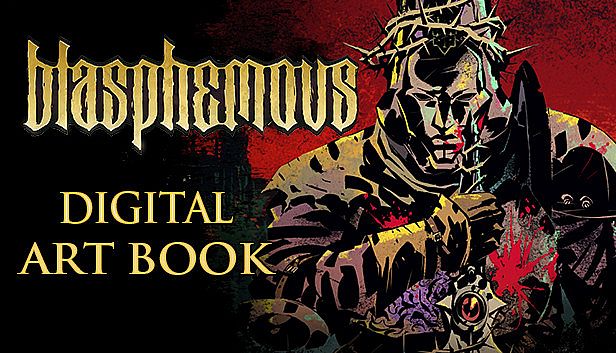
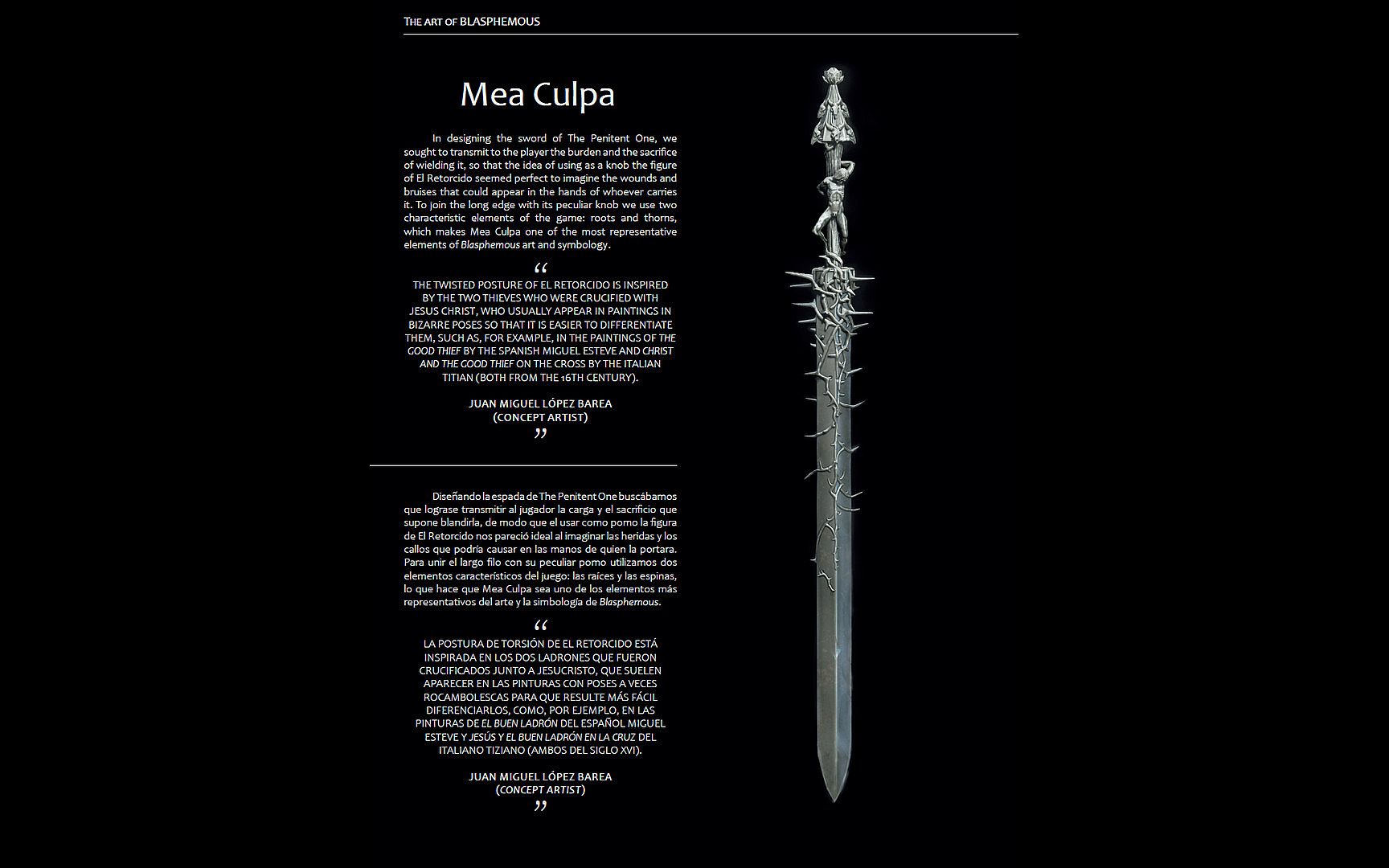
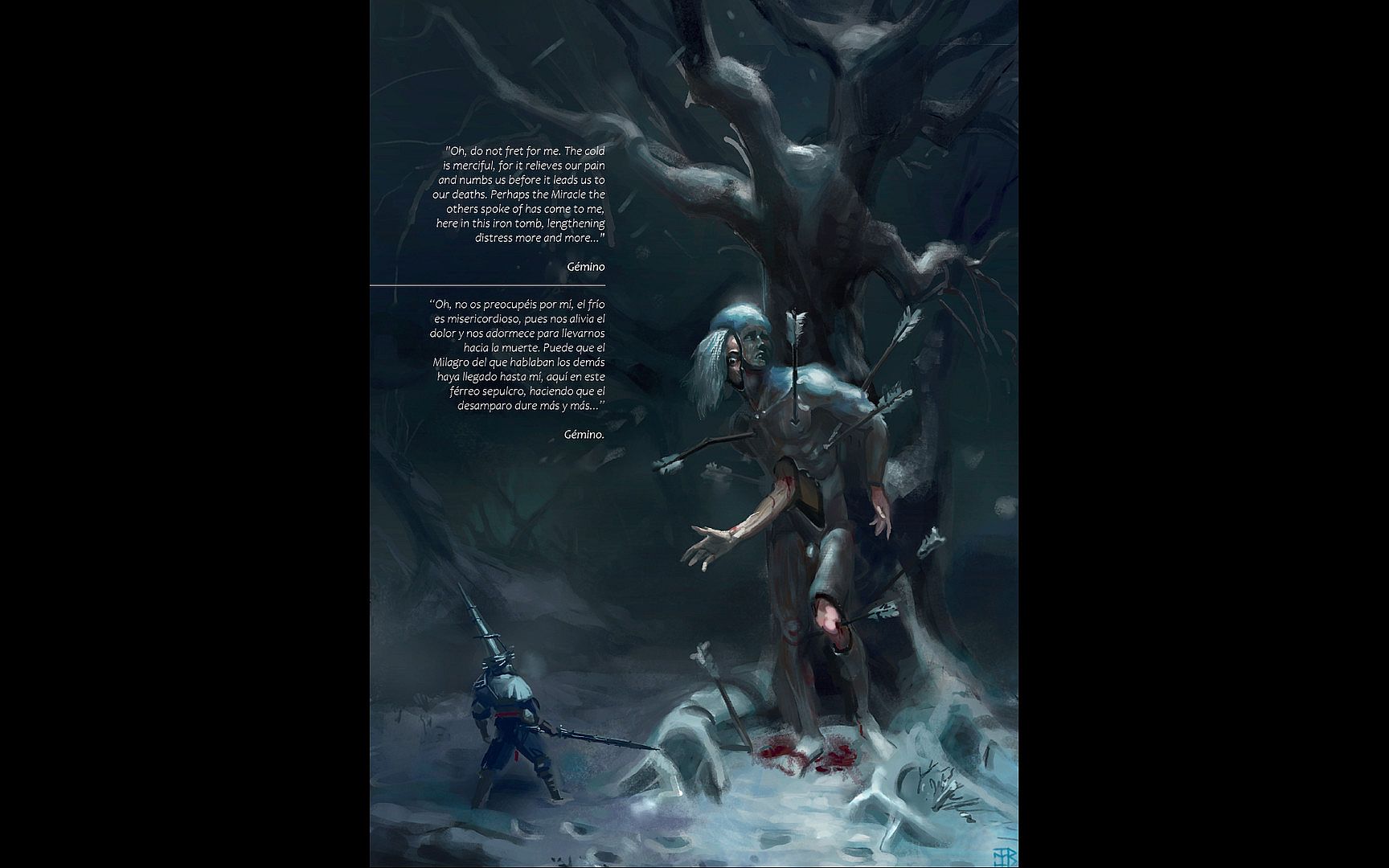
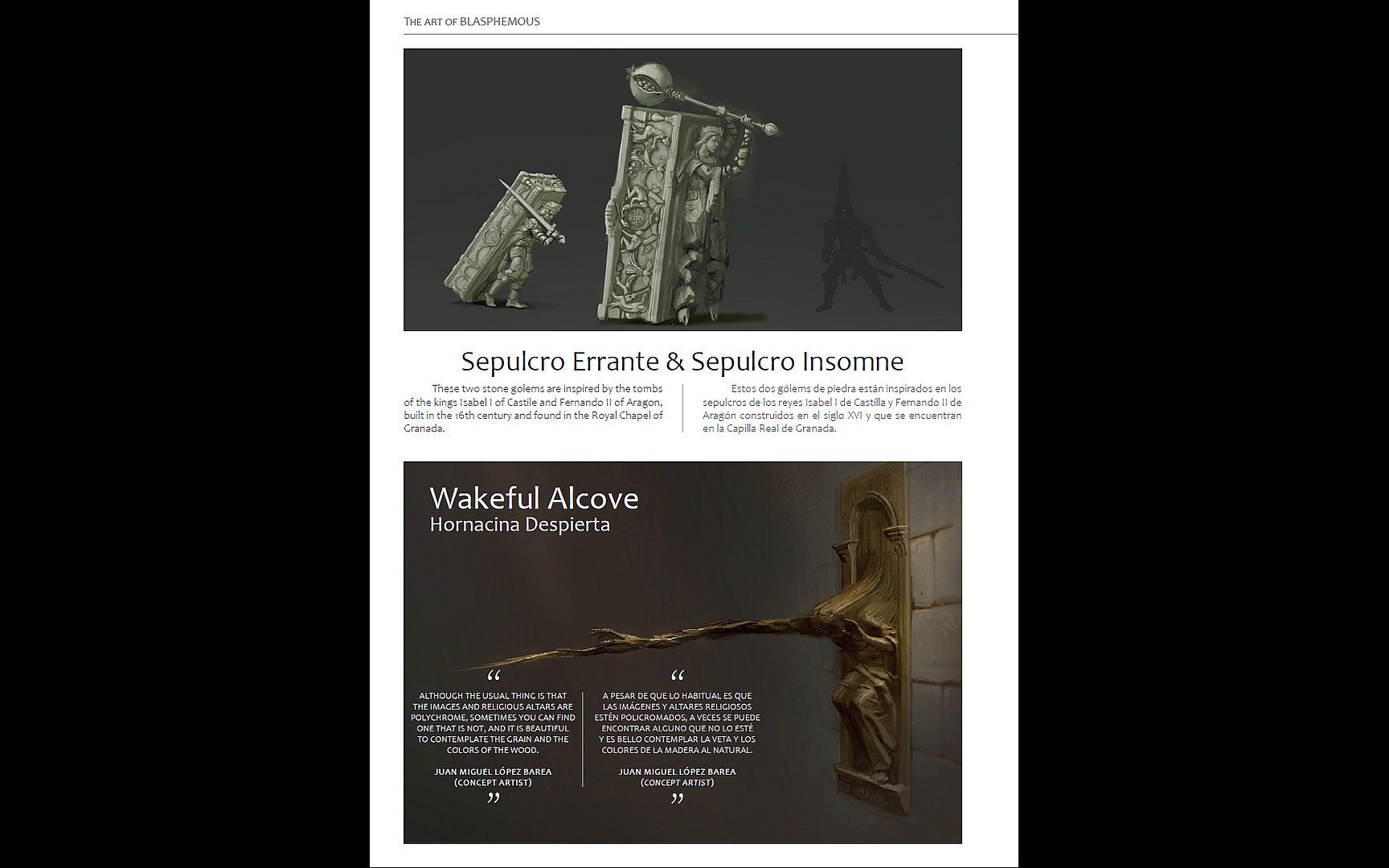
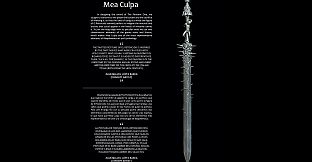
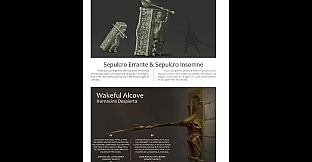
The accompanying Digital Artbook provides direct insight into the creative process behind these elements. It presents concept sketches that trace character development from early ideas to polished versions, accompanied by developer notes explaining design choices and iterations. Additional content includes key illustrations, storyboards, and selected fan contributions that highlight community engagement with the visual style. This companion material reveals the technical and artistic decisions that shaped the final product without altering the core experience.
Is It Worth Playing?
Player feedback consistently highlights the satisfying combat feel and atmospheric consistency as standout qualities. Recent reviews rate the experience as very positive, with the majority of users praising the deliberate pace and visual execution. The game suits those who enjoy methodical exploration and precise action-platforming over fast-paced or multiplayer-focused titles. Availability on PC makes it accessible for extended sessions, and the artbook adds value for anyone interested in the behind-the-scenes development. Those drawn to indie action-adventure games with strong thematic cohesion will find the package rewarding, while players seeking lighter or more varied modes may prefer other options. The current state of the title remains stable with no major ongoing seasonal content, allowing new players to experience the complete original vision.