

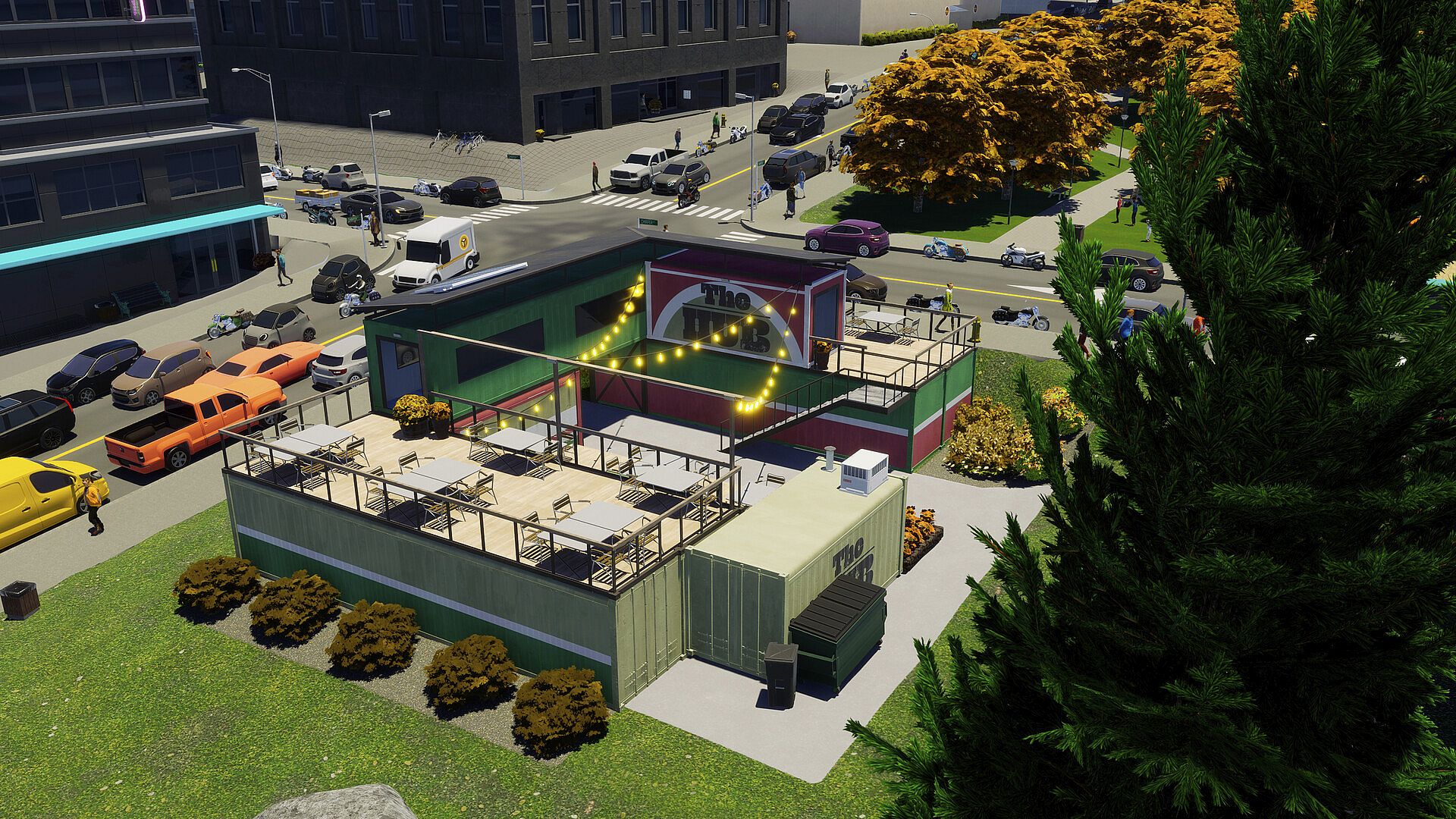
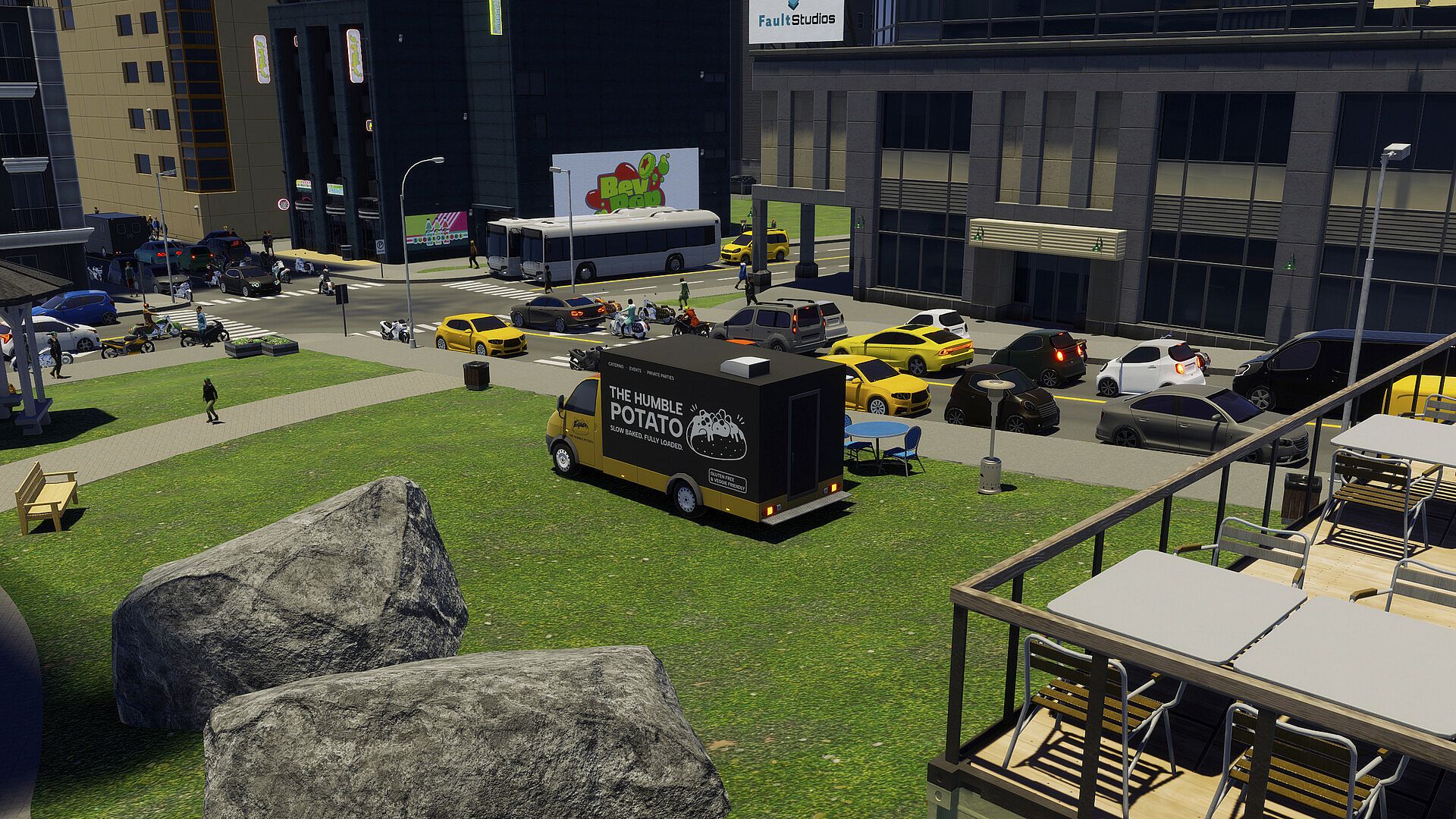
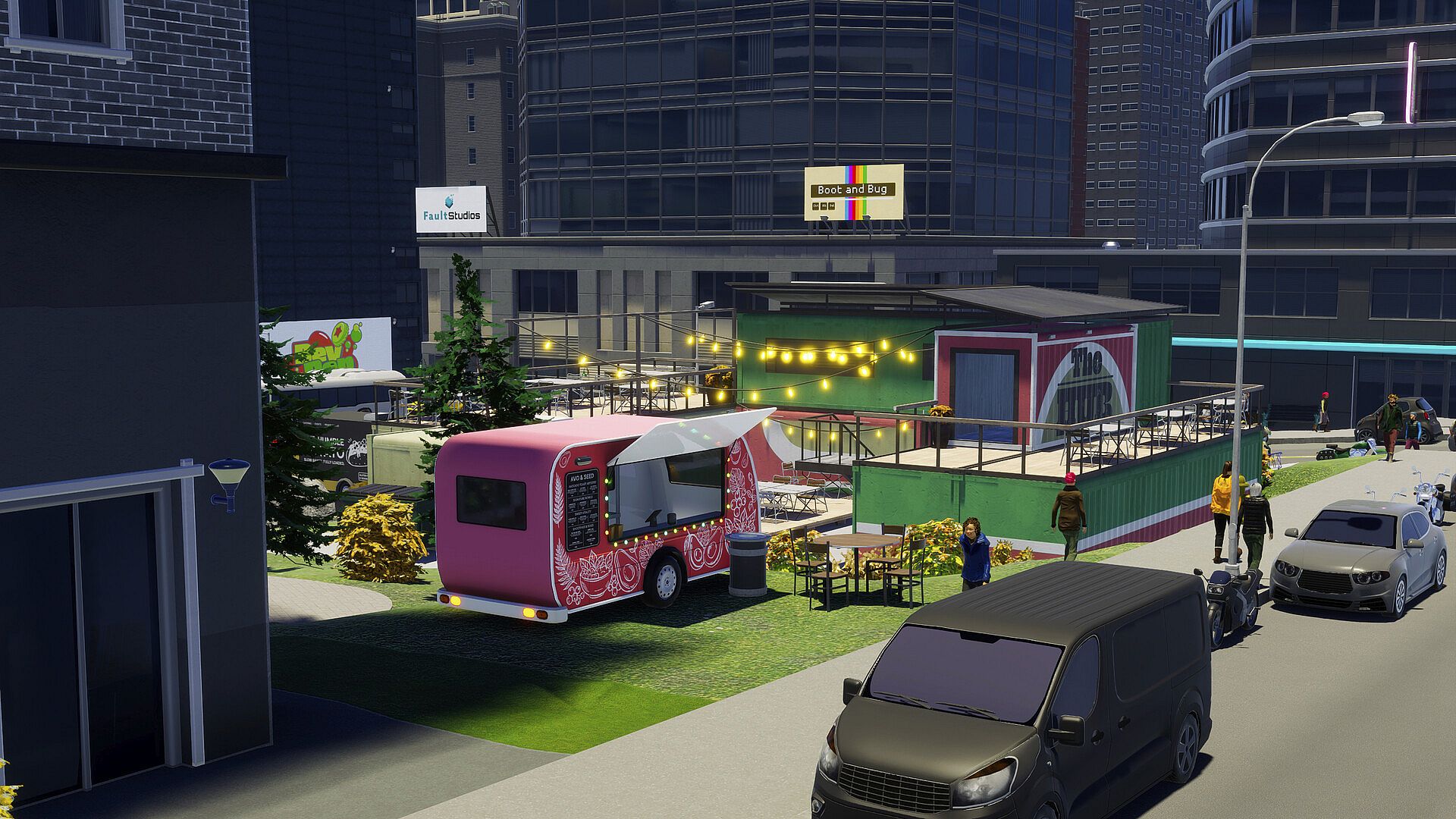
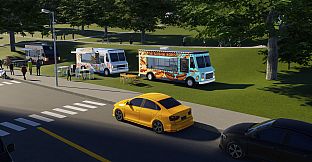
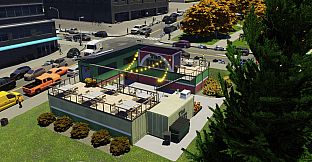
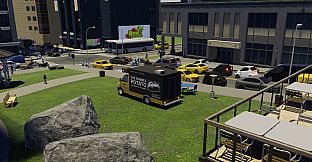
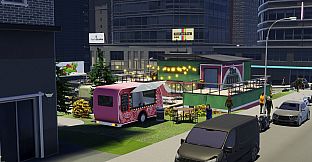
Cities: Skylines II is a detailed city-building simulation for PC that puts players in charge of planning, expanding, and managing every aspect of an urban area from its earliest stages onward. The Downtown Market Set adds a focused commercial layer to this foundation, introducing repurposed shipping container structures and mobile eateries that create localized gathering spots within larger developments.
Gameplay
Players begin by selecting a map and establishing basic infrastructure through road networks that support varied layouts and traffic patterns. Zoning follows, with options spanning low-density housing, medium-density apartments and row houses, mixed-use buildings, and dedicated commercial or industrial areas that respond to supply and demand signals from the simulation. Services such as power, water, waste management, and emergency response integrate into the growing layout, while an economy tracks resource flows, citizen spending, and business viability.
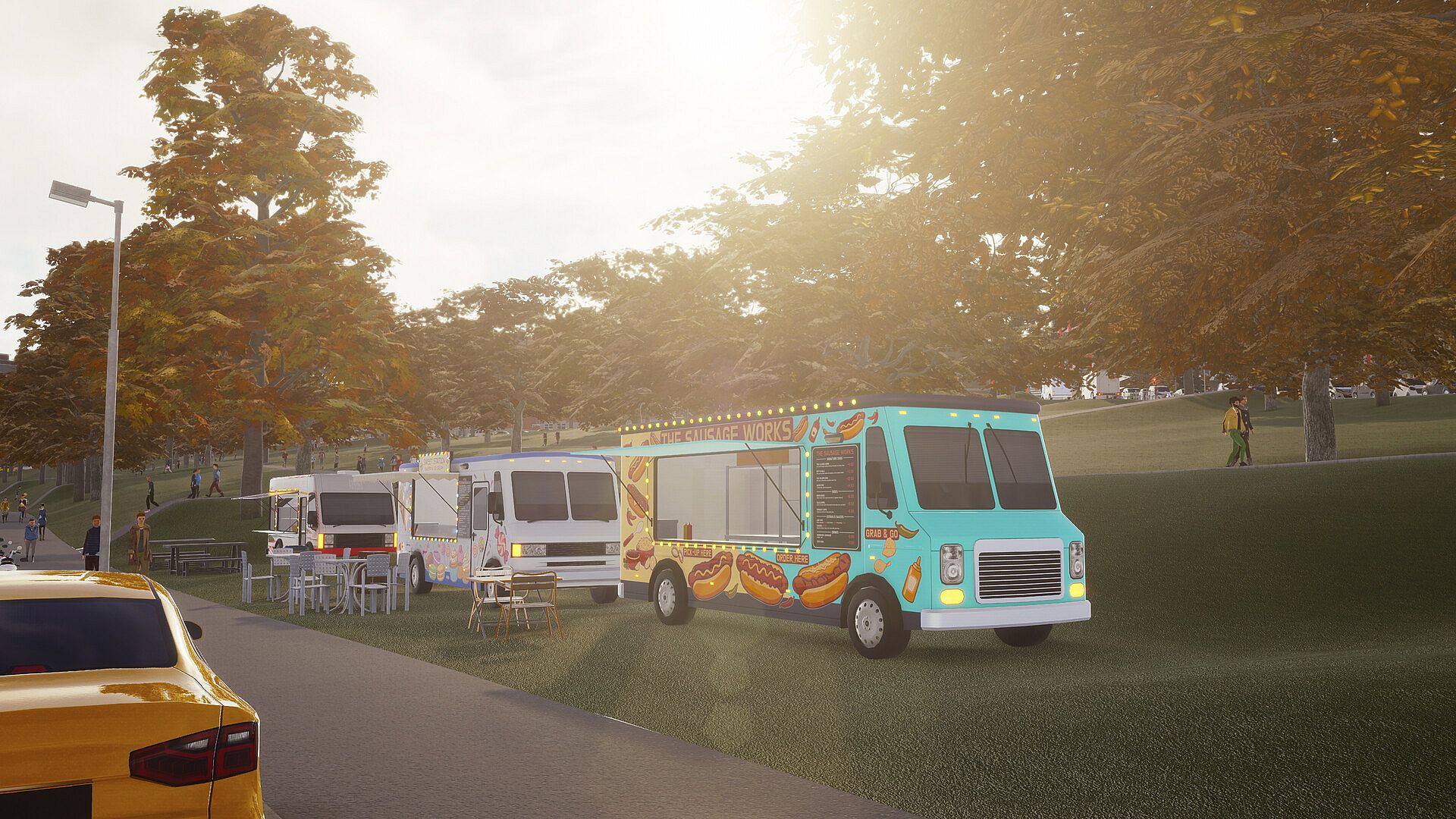
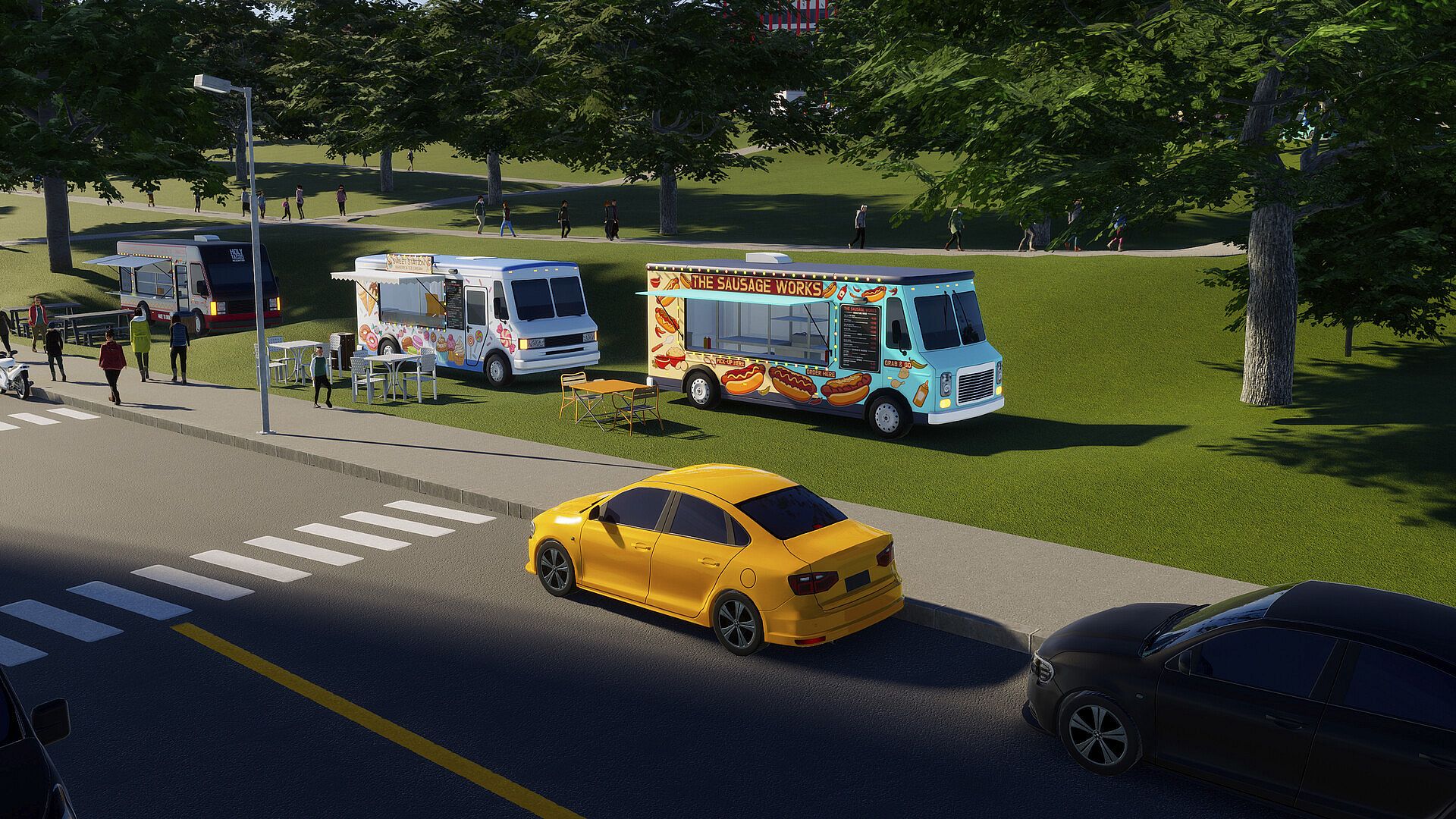
Individual citizens follow lifepaths that include work commutes, leisure choices, and long-term residency decisions influenced by factors like housing quality, service access, and seasonal weather. The game incorporates day-night cycles and four seasons per year, each altering citizen preferences for outdoor versus indoor activities and affecting road conditions. Milestones reward experience points that unlock development options, allowing gradual expansion of available tools and buildings. The Downtown Market Set layers directly onto these systems by providing a main container hub that accepts internal and external shop upgrades, plus five distinct food truck placements that function as small commercial assets anywhere on the map. A new temperate map featuring lochs, rivers, and ruins offers an alternative starting environment with its own terrain challenges and visual character.
Game Modes
The experience centers on a single-player sandbox format where progression occurs through milestones and player-driven goals rather than scripted campaigns. Difficulty settings adjust starting conditions and financial pressures, with easier options providing more government support and harder ones tightening resource management. Optional toggles at the start of a new city allow unlimited funds, immediate access to all buildings, or the inclusion of natural disasters for added challenge. No competitive or multiplayer modes exist; the focus remains on iterative city growth and observation of how changes ripple through traffic, economy, and population behavior.
Key Features and Content Additions
Beyond core systems, the simulation emphasizes realistic traffic routing that accounts for distance, cost, comfort, and individual preferences, alongside district-level service assignments for faster response times. Signature buildings unlocked via milestones influence surrounding land values and provide specialized functions. The Downtown Market Set expands commercial variety with its expandable container hub and freely placeable food trucks, encouraging walkable micro-destinations that integrate with existing zoning and pedestrian flows. The accompanying map introduces new environmental elements that affect both aesthetics and practical building constraints, such as water features and historical ruins.
Is It Worth Playing?
Player feedback on the base game remains mixed, reflecting ongoing updates that address performance, traffic logic, and service mechanics. Recent patches have introduced targeted improvements to citizen behavior and infrastructure management. The Downtown Market Set delivers immediate new assets for those seeking fresh commercial and environmental options without waiting for larger expansions. It suits players who enjoy methodical city planning and appreciate incremental additions that enhance visual and functional diversity in their builds. Those interested in long-term management simulations with layered systems will find the combination of established mechanics and this new set a natural extension, particularly if they value the ability to create localized social and retail nodes within broader urban layouts.