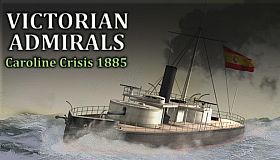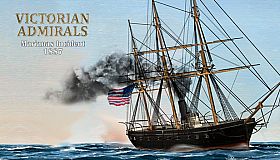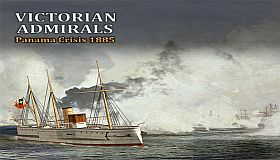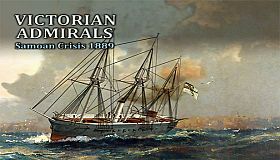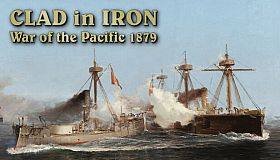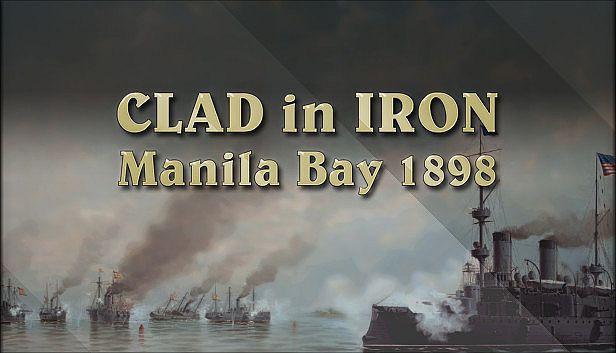














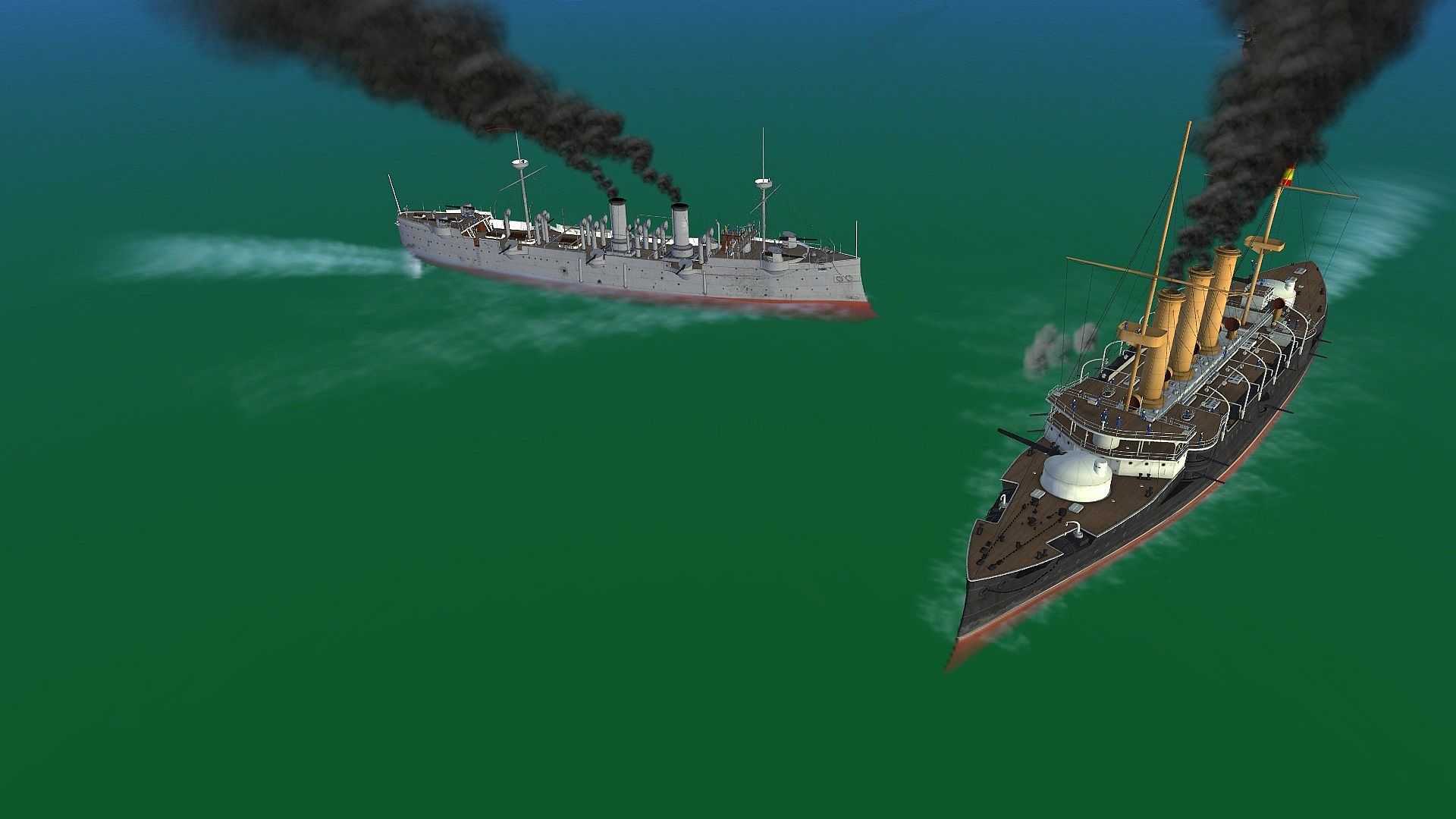
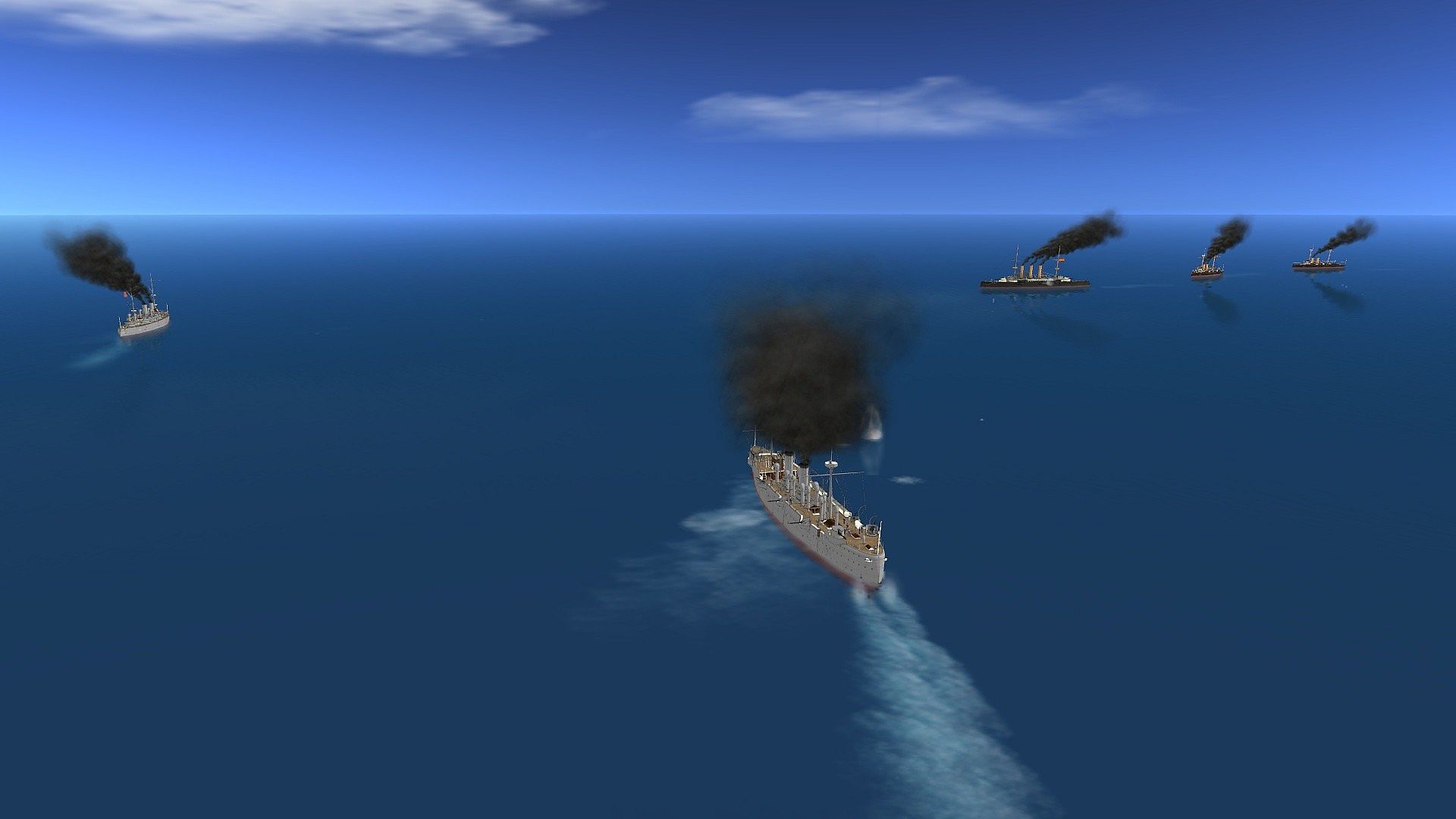
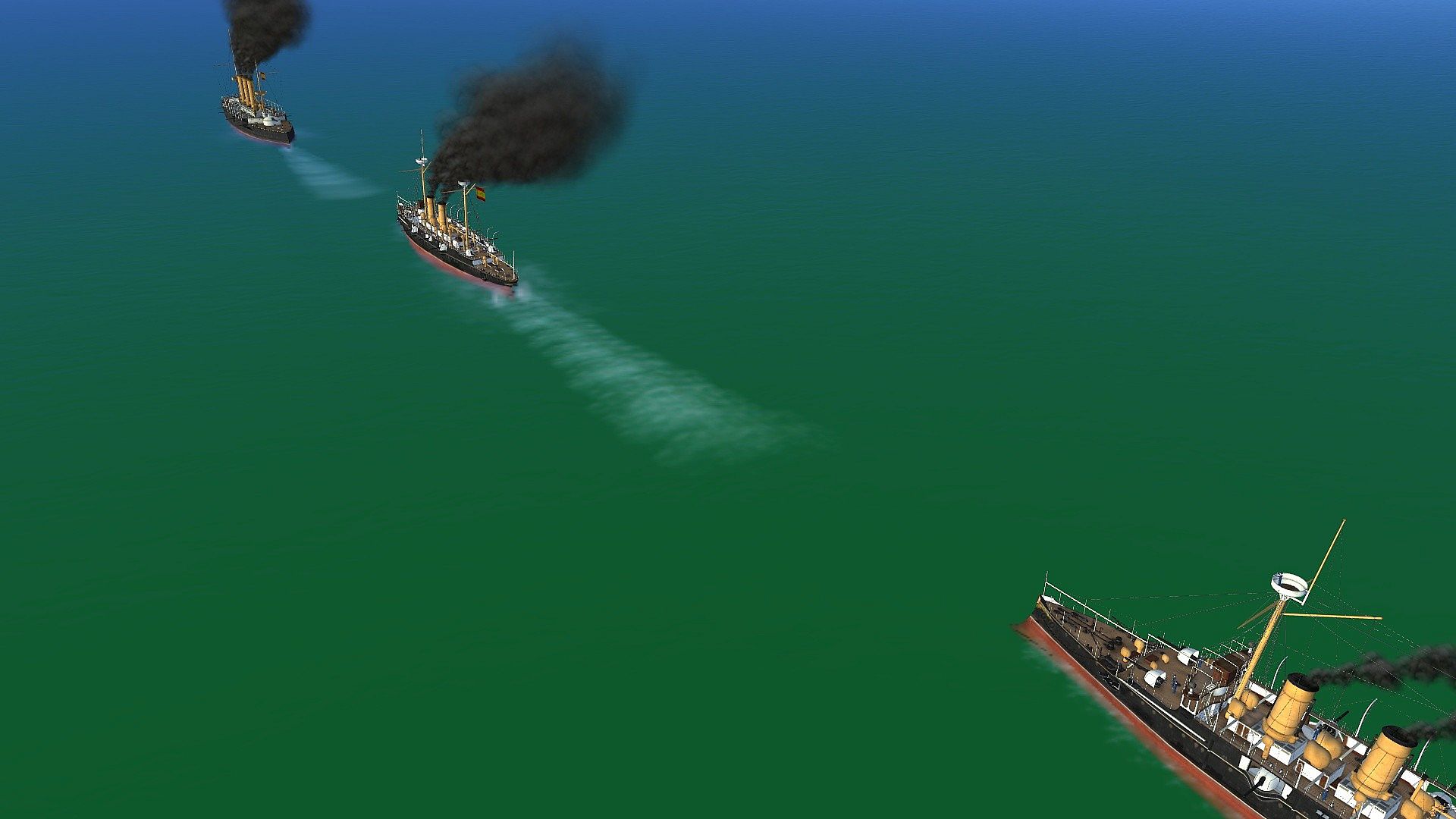
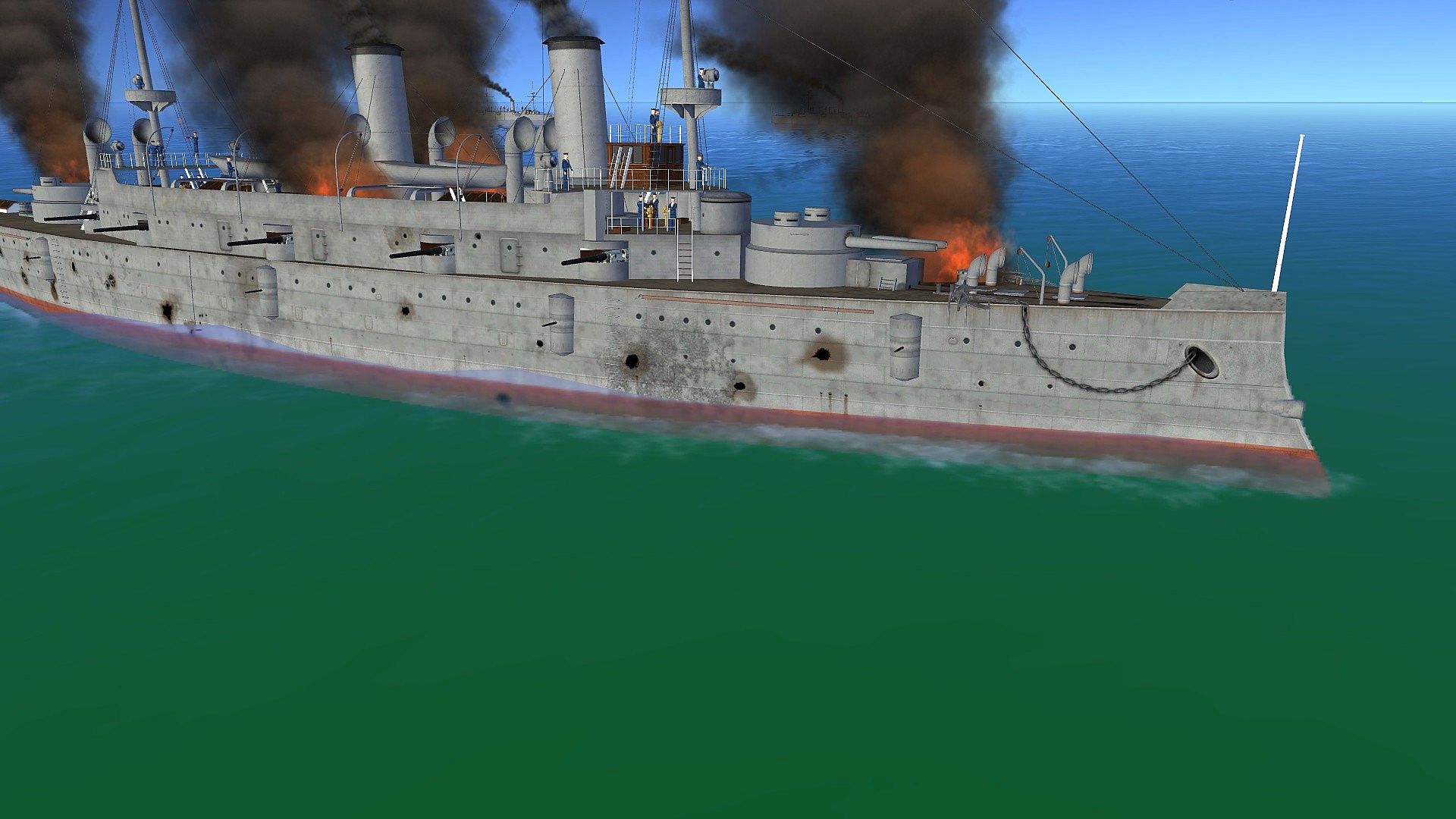
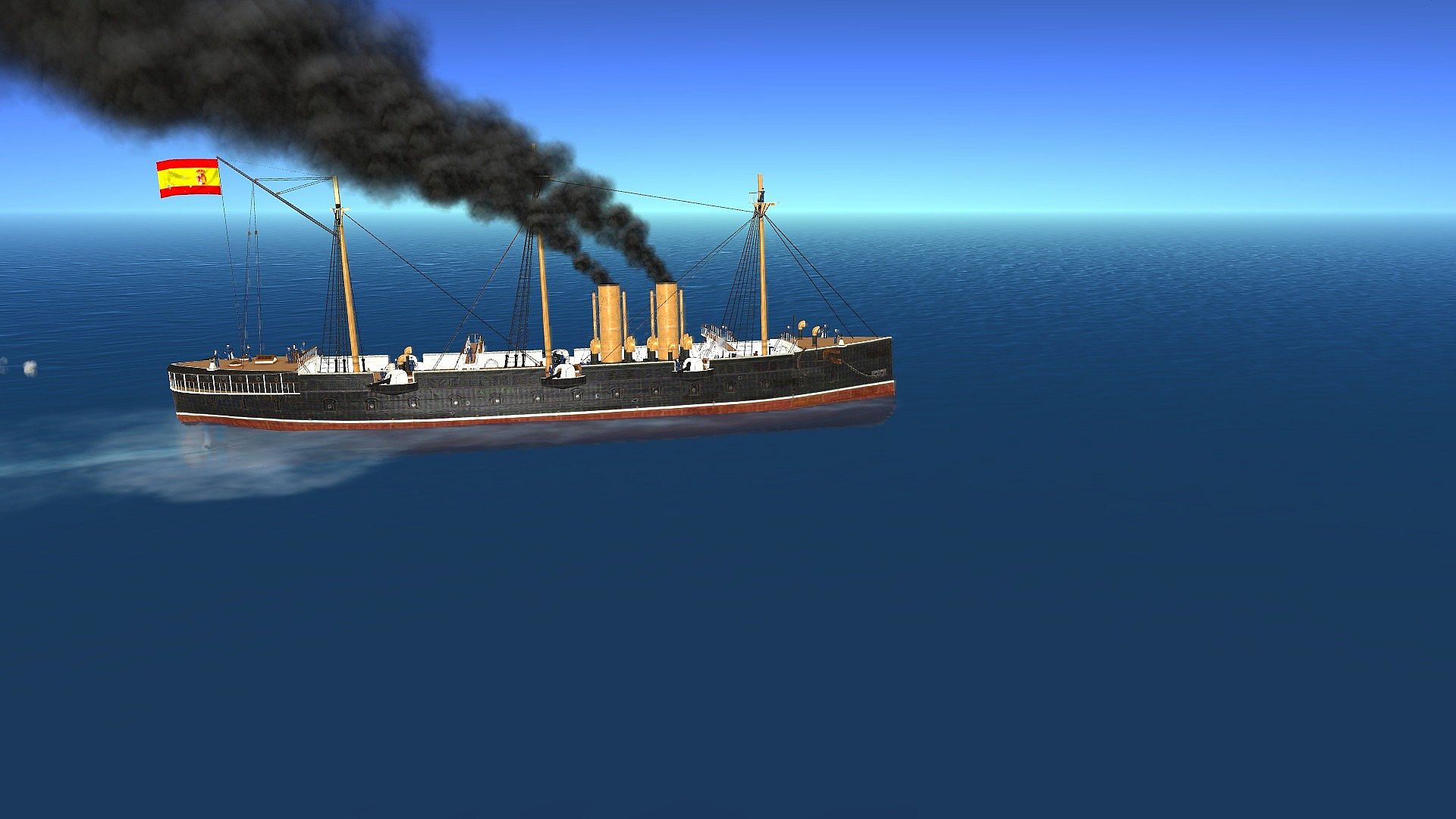
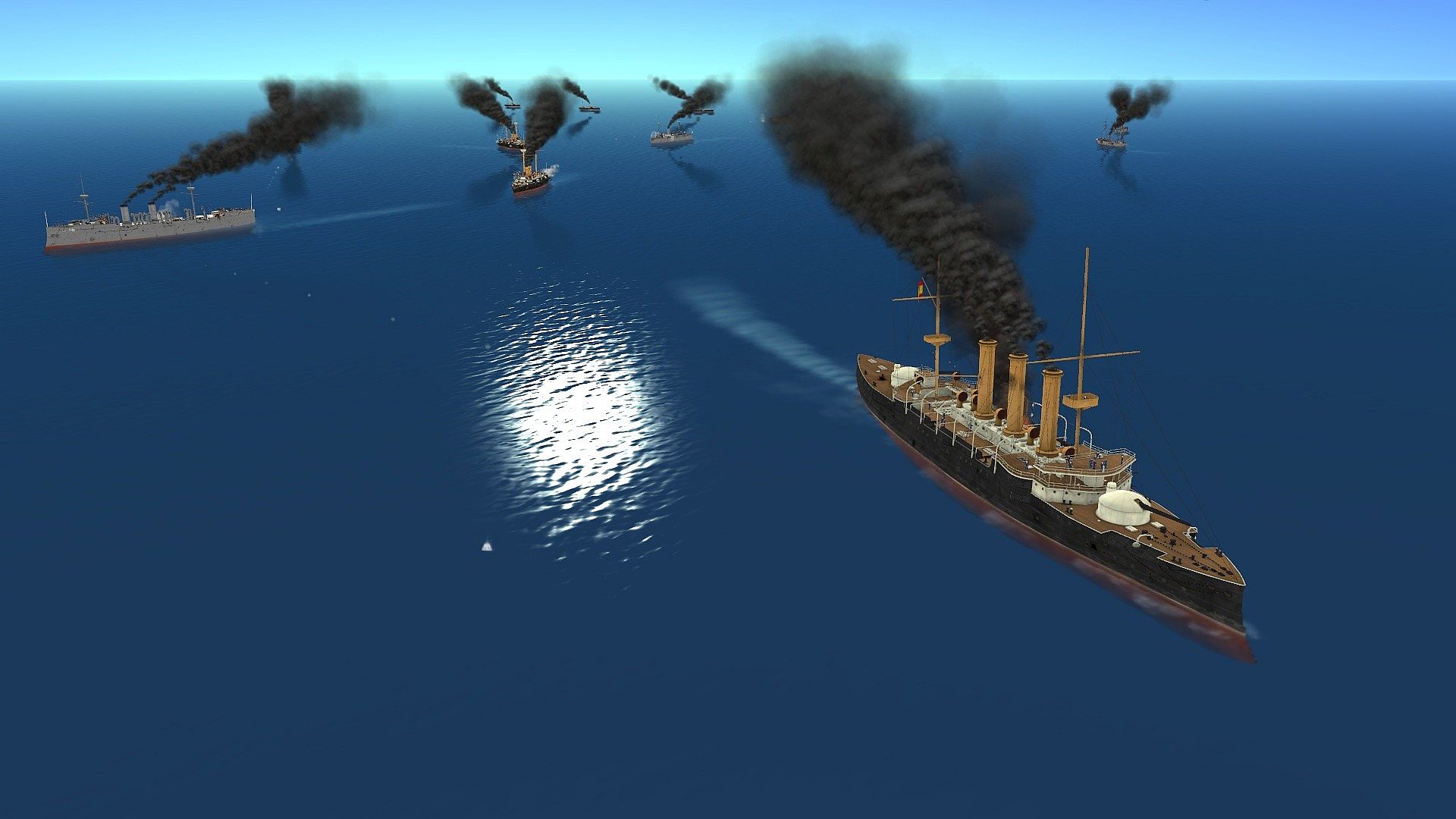
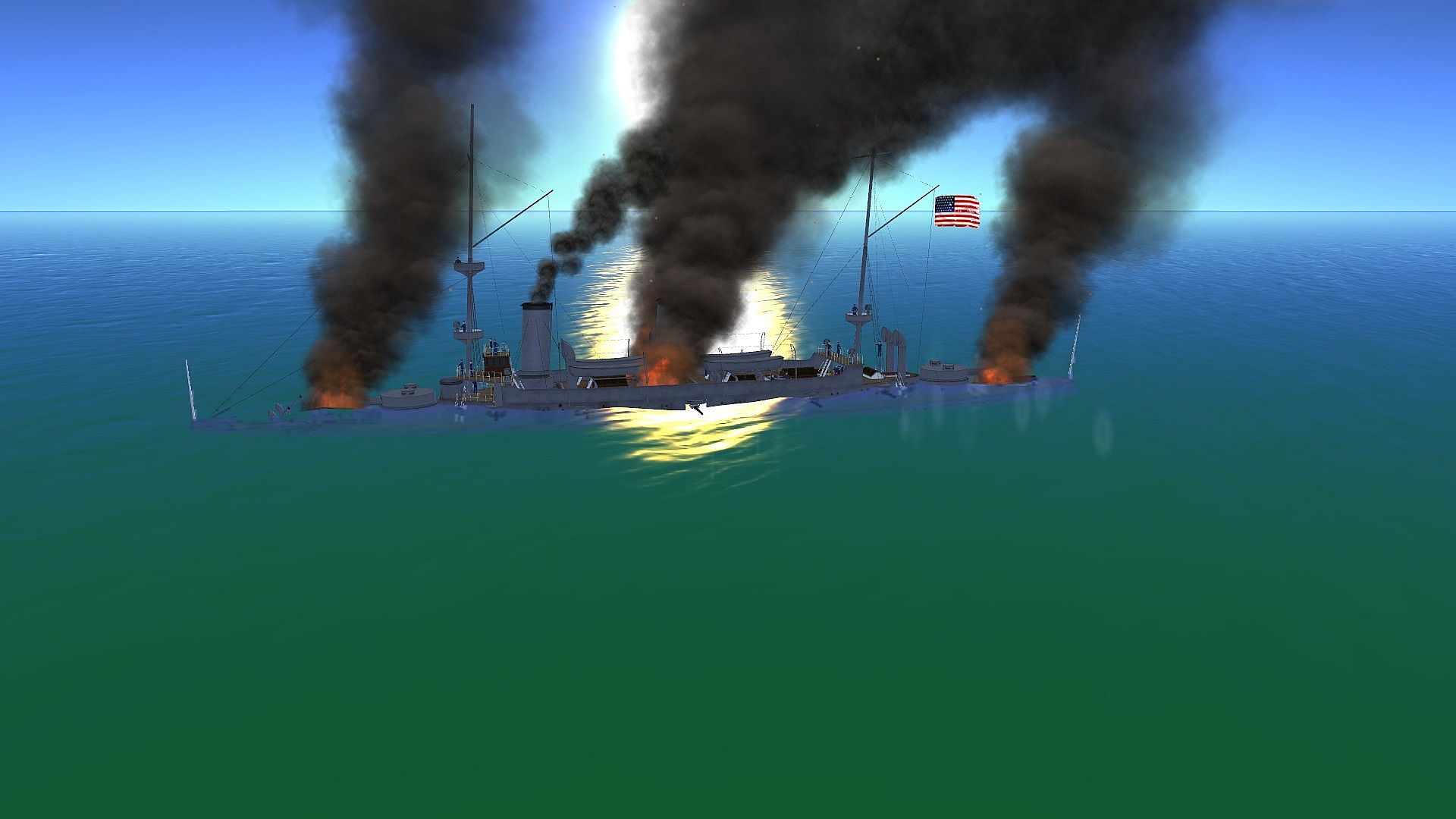
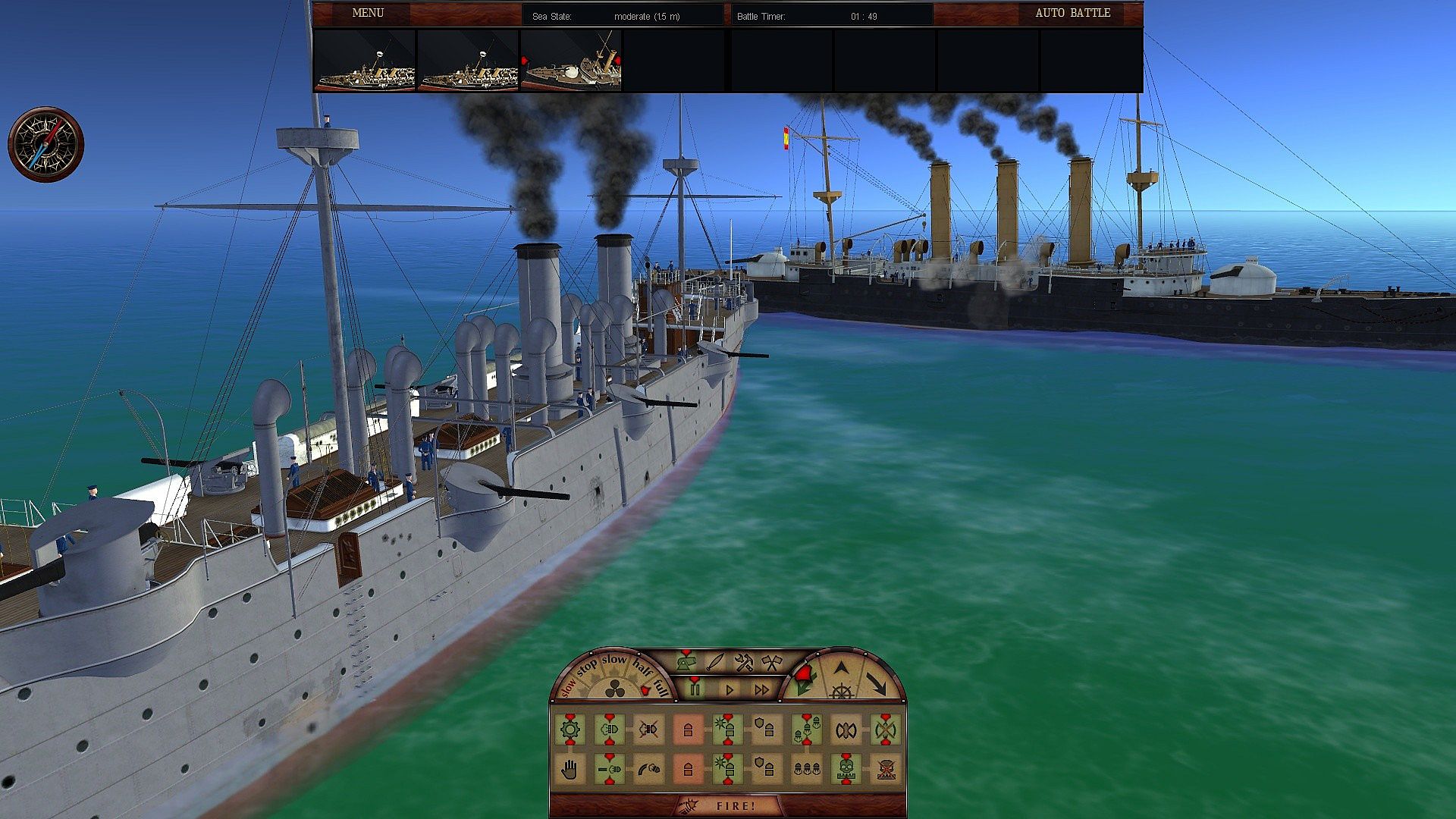
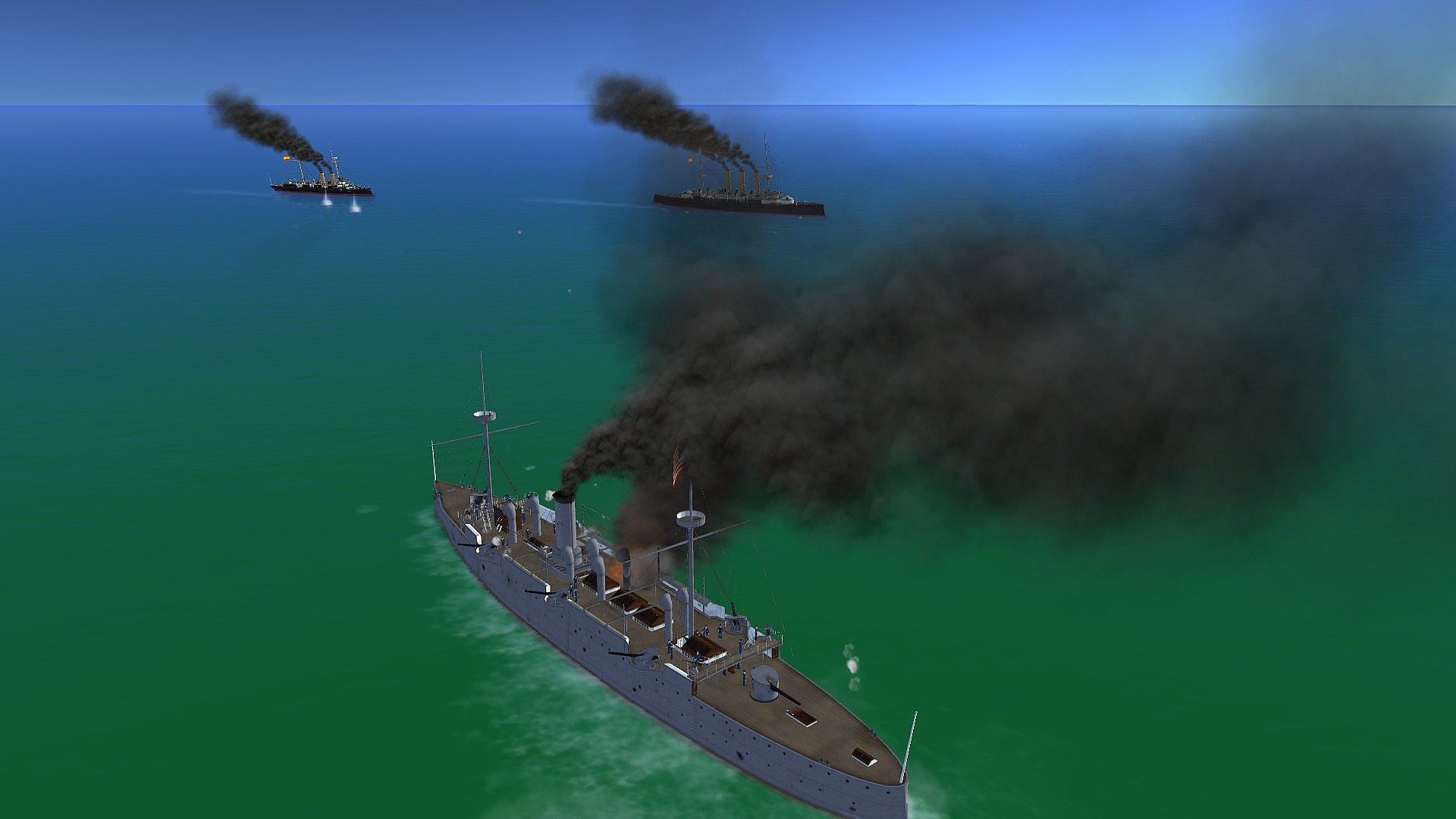
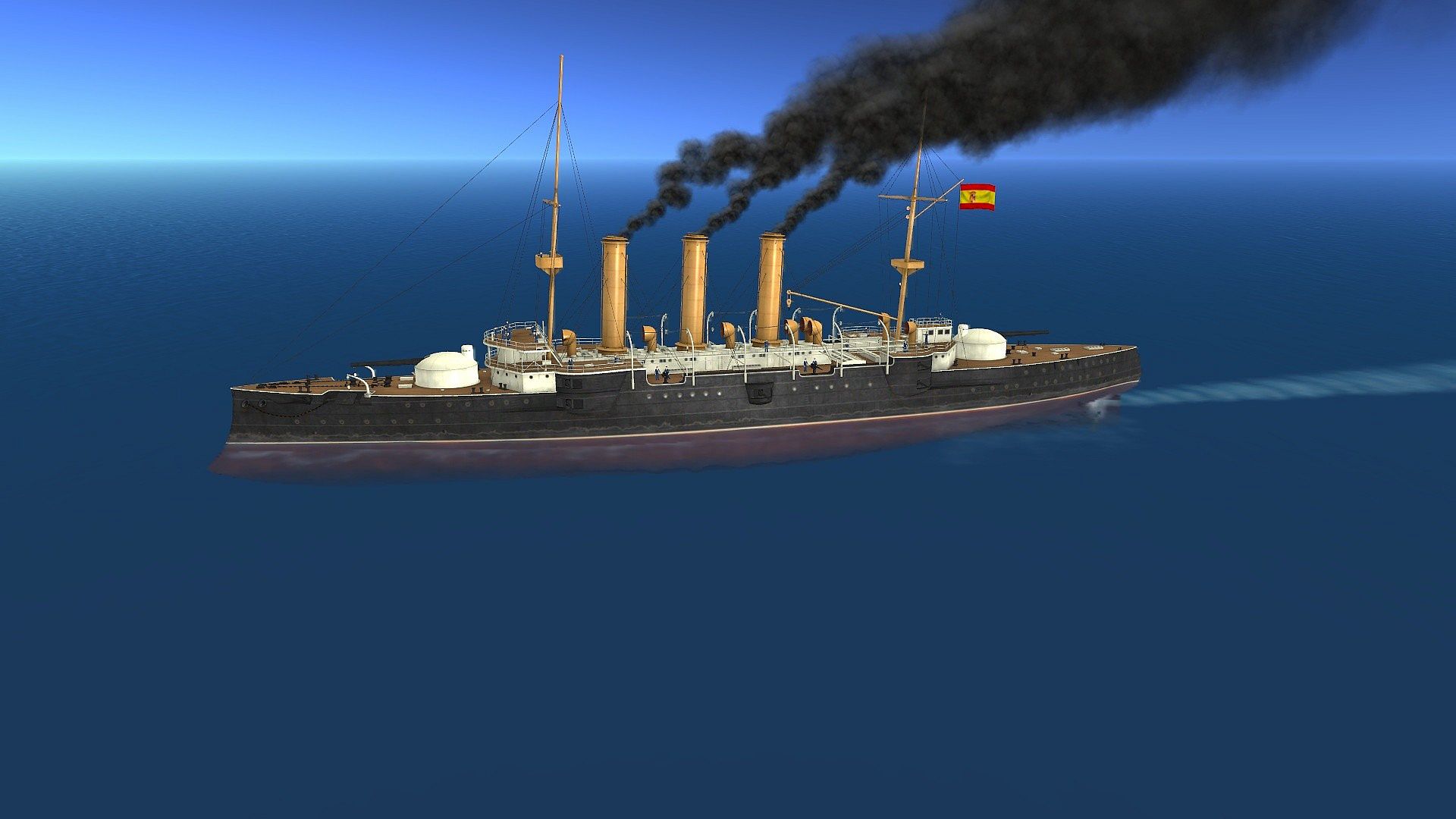
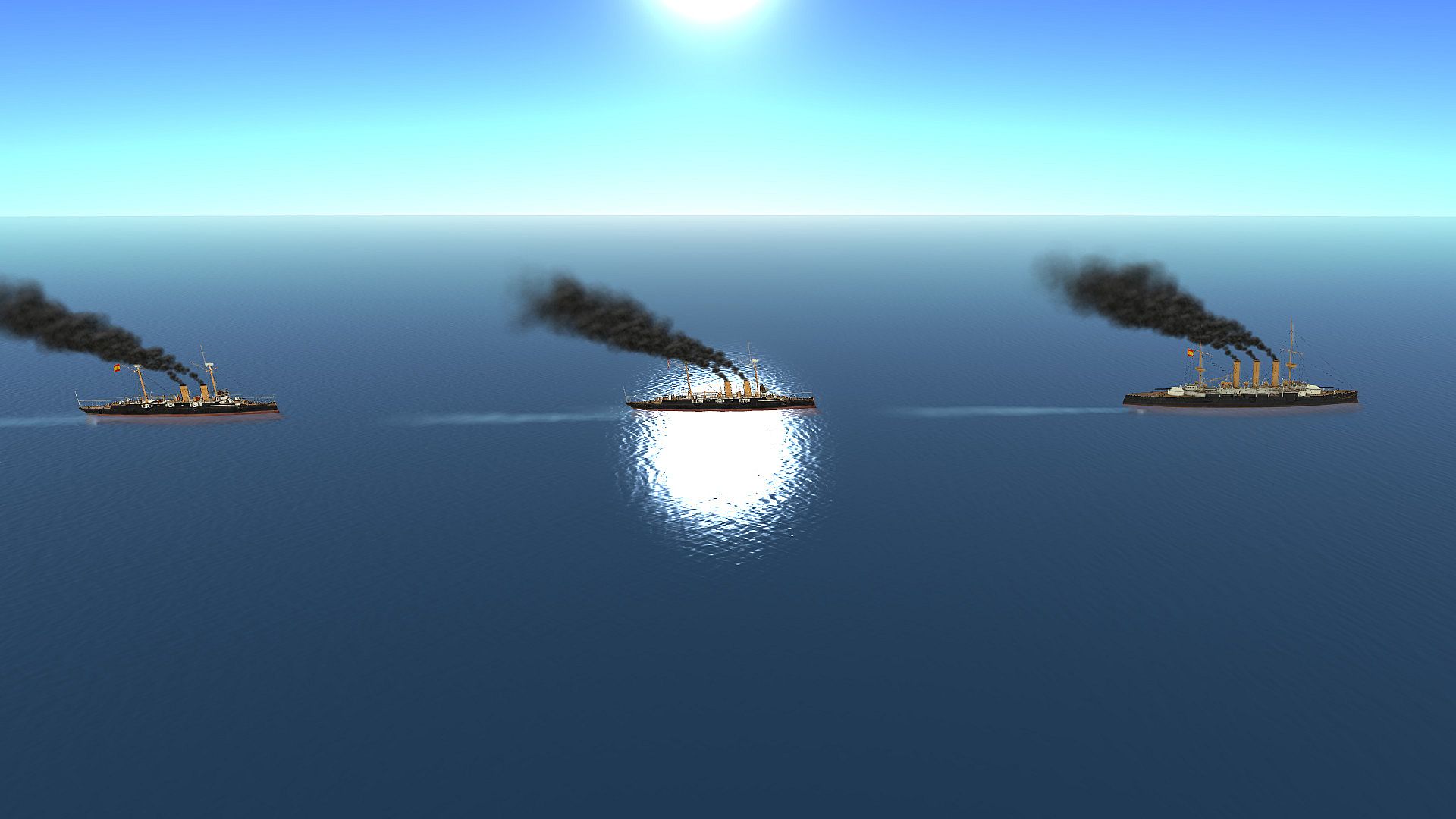
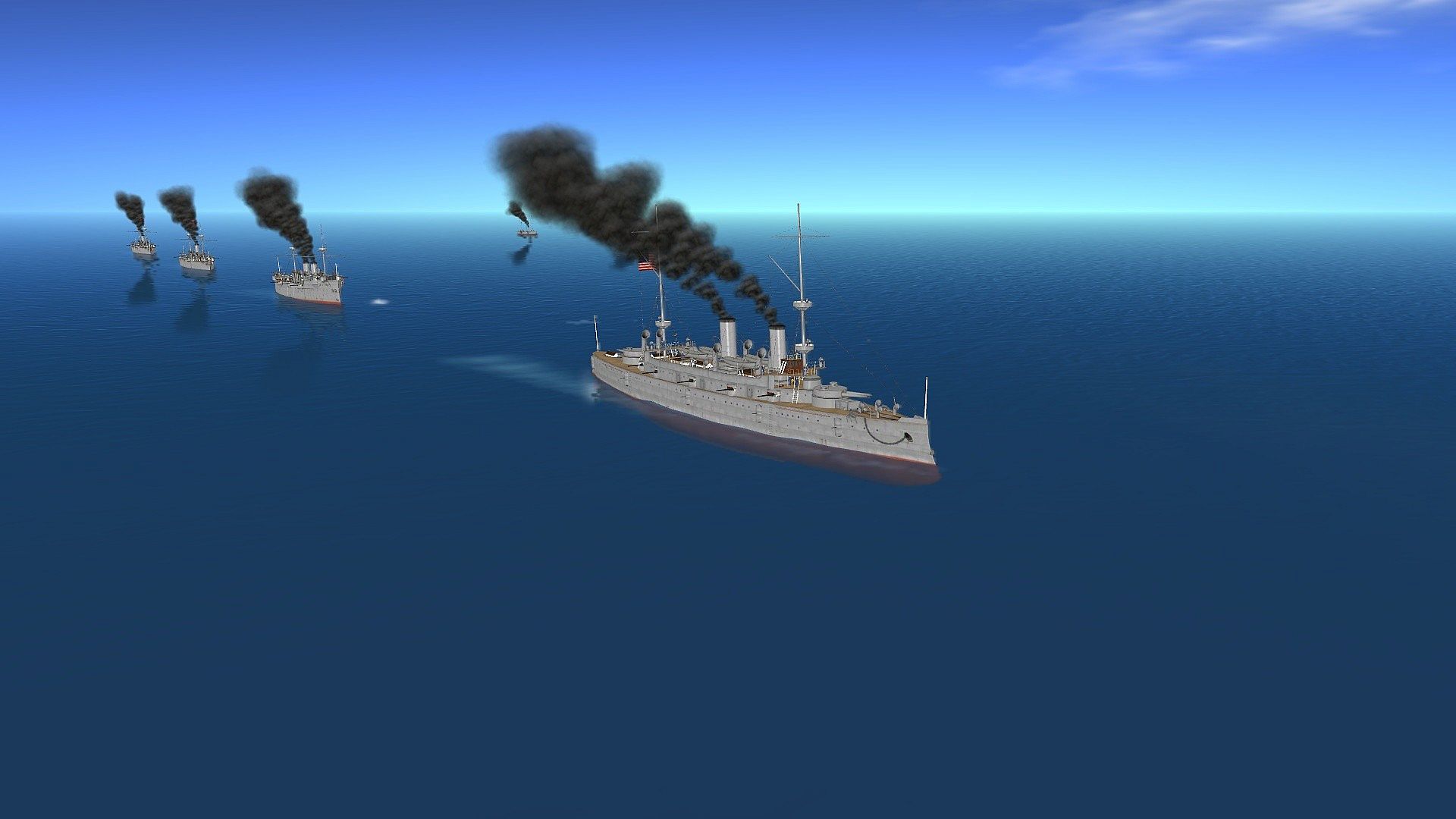
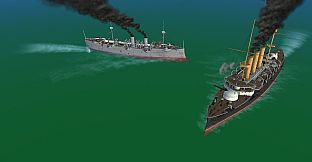
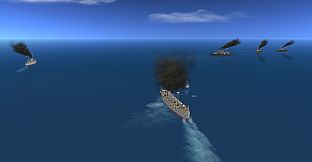
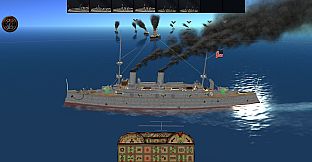
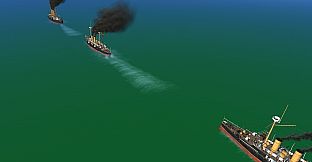
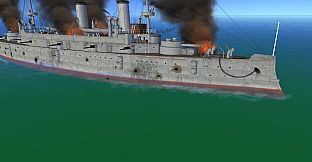
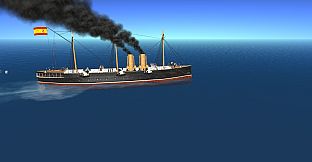
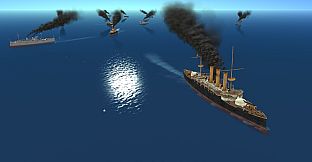
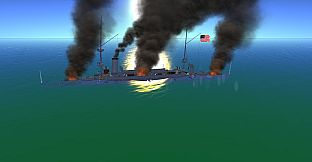
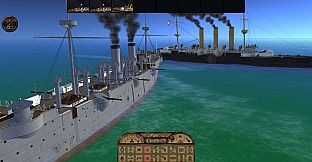
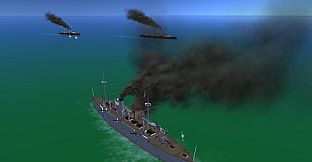
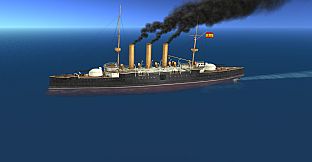
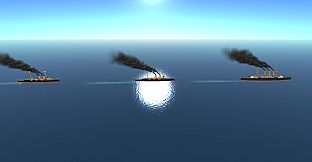
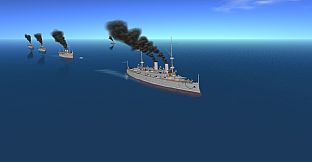
Clad in Iron: Manila Bay 1898 is a strategy and simulation title set during the Spanish-American War. This PC release adds a focused historical scenario centered on the naval Battle of Manila Bay to the base game Clad in Iron: Philippines 1898. Players command naval forces in a blend of turn-based planning and real-time combat that recreates ironclad and steam-powered warfare of the late nineteenth century.
Gameplay
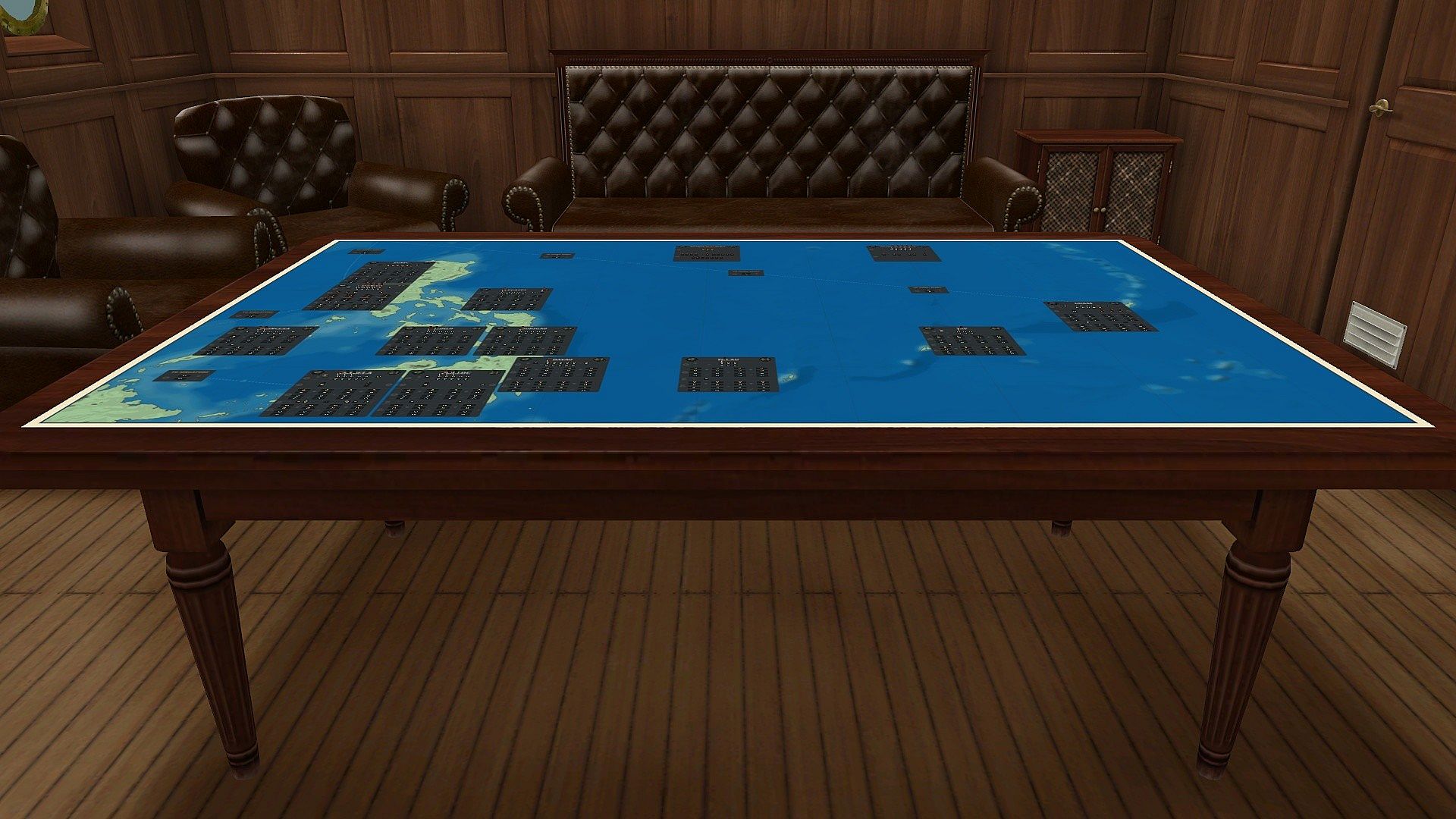
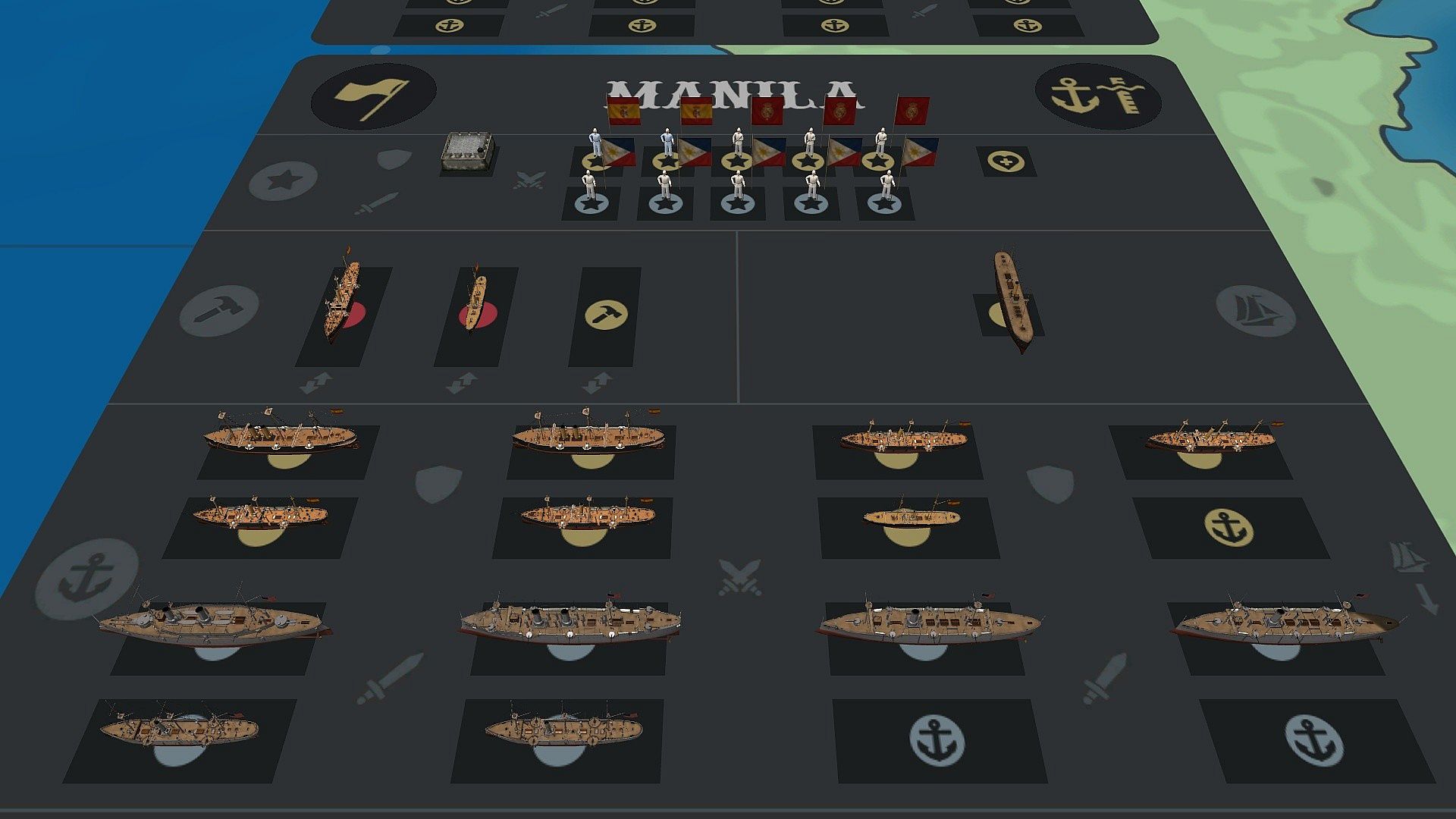
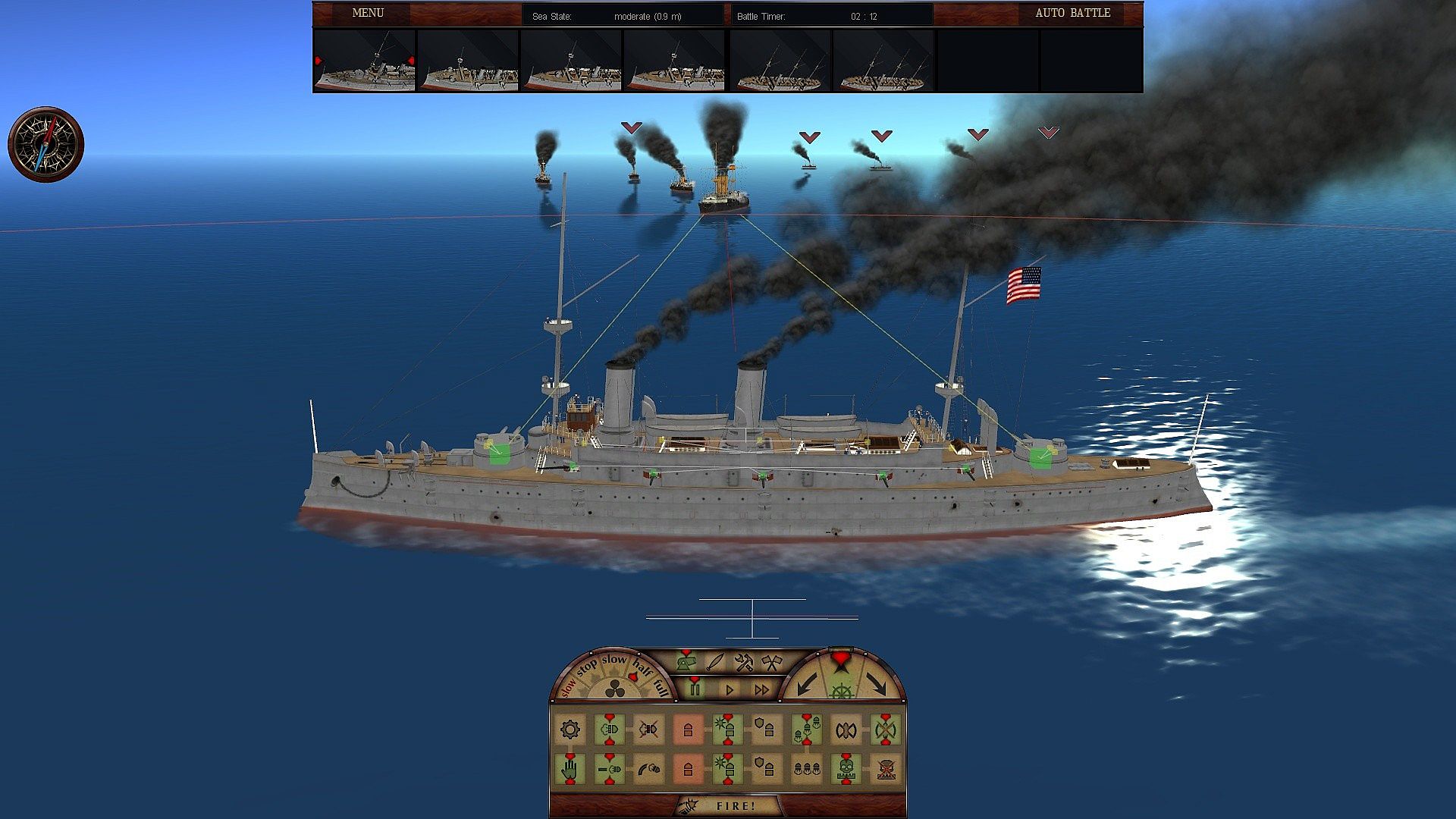
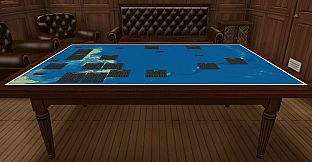
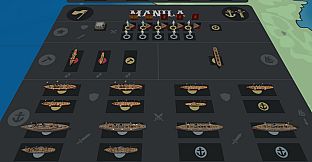
The core loop centers on fleet management and naval operations across a map of the Philippines region. In the strategic layer, users allocate resources, position squadrons, and plan movements such as blockades or port defenses. Ship selection draws from period-accurate models with distinct characteristics for armor, speed, and armament. Crew experience grows through successful actions, influencing performance in later engagements. The tactical layer shifts to direct control during clashes, where formations and positioning matter alongside ballistics calculations that account for range, angle, and projectile behavior.
Realistic ship handling and weapon modeling form the foundation of every encounter. Players issue orders to groups of vessels rather than micromanaging each unit individually, allowing attention to shift between overall battle flow and specific threats. The system supports both offensive strikes against enemy squadrons and defensive stands near friendly harbors.
Game Modes
Two primary modes structure the experience. Turn-based strategic mode handles the broader campaign elements, including fleet movements, supply considerations, and territorial control across the operational area. Real-time tactical battle mode activates when opposing forces meet, shifting to simultaneous command of squadrons with emphasis on formation integrity and gunnery timing. The Manila Bay scenario integrates these layers into a single historical confrontation that follows the documented events of 1 May 1898.
Single-player focus means all decisions rest with one user, progressing through the scenario at their own pace without external opponents or cooperative elements.
Historical Context and Scenario Design
The added content recreates the first major naval action of the Spanish-American War, placing the American Asiatic Squadron against the Spanish Pacific Squadron inside Manila Bay. Map details reflect the geography of the engagement, including approaches near Cavite. Ship rosters and capabilities align with historical records of the vessels involved, giving the simulation a grounded feel for players interested in this specific period of naval history.
Mechanics such as harbor sieges and trade route interdiction appear in the strategic layer, mirroring the broader objectives that surrounded the battle itself. The scenario stands alone once the base game is installed, delivering a self-contained campaign without requiring progression through other content.
Is It Worth Playing?
This release suits players who enjoy deliberate naval strategy combined with detailed tactical simulations. The dual-mode structure rewards careful planning in the turn-based phase and precise execution during real-time fights. Limited user feedback exists on the platform, with only a handful of reviews recorded since its 2020 launch, reflecting a niche audience for this style of historical wargame.
Those seeking a focused recreation of late nineteenth-century fleet actions will find the mechanics and scenario content aligned with that interest. The requirement for the base game means prospective buyers should consider the full package if they want access to the Manila Bay content. Overall, the title delivers a specialized simulation experience rather than broad accessibility or ongoing seasonal updates.