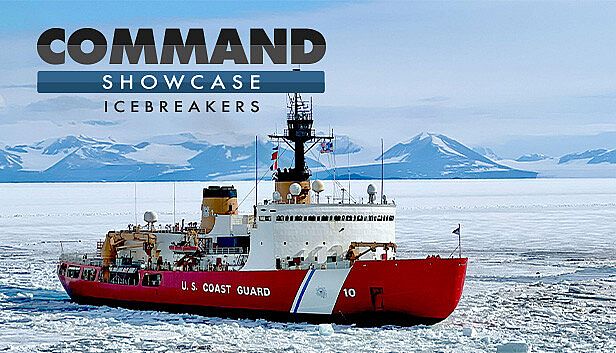













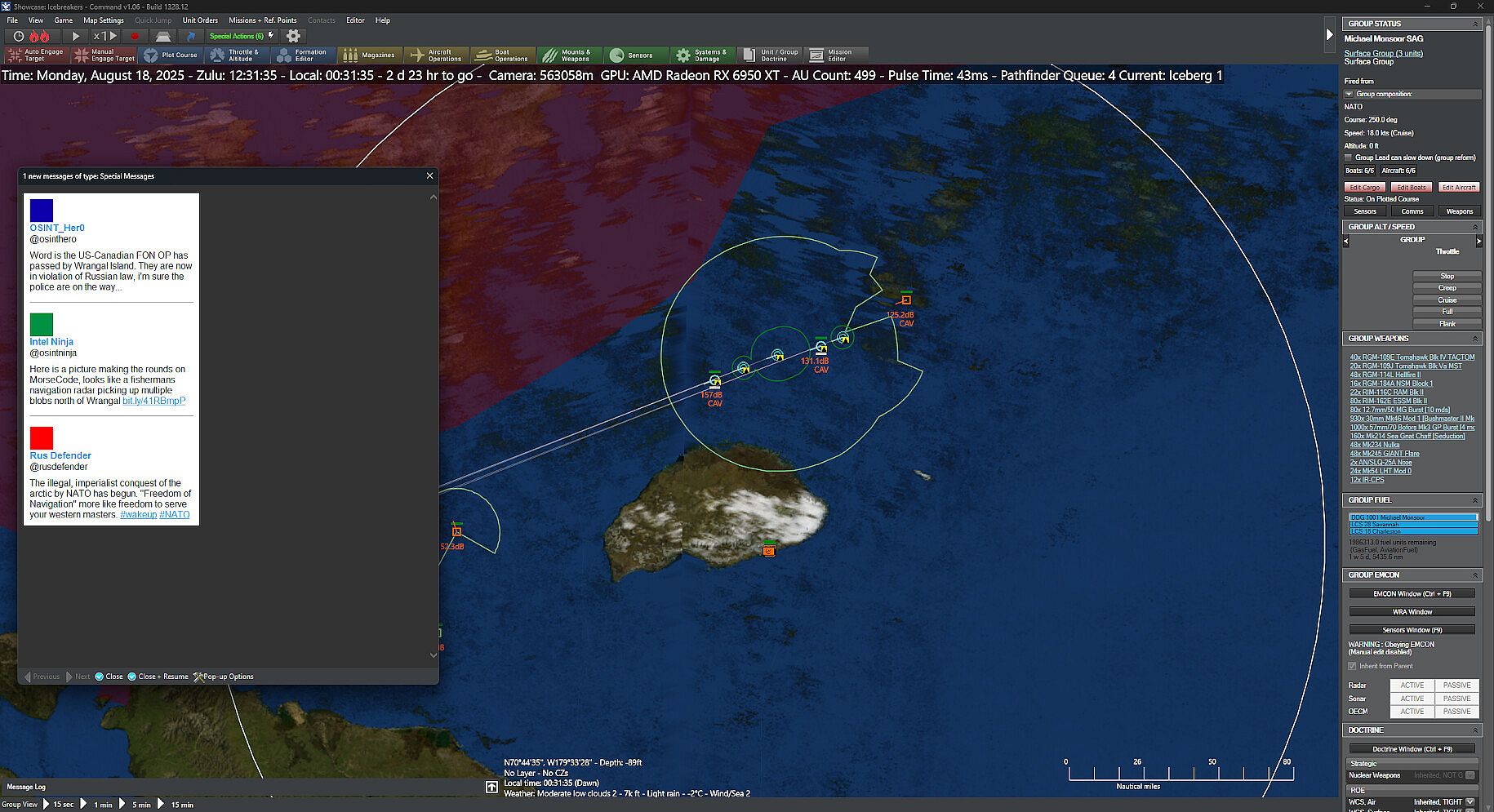
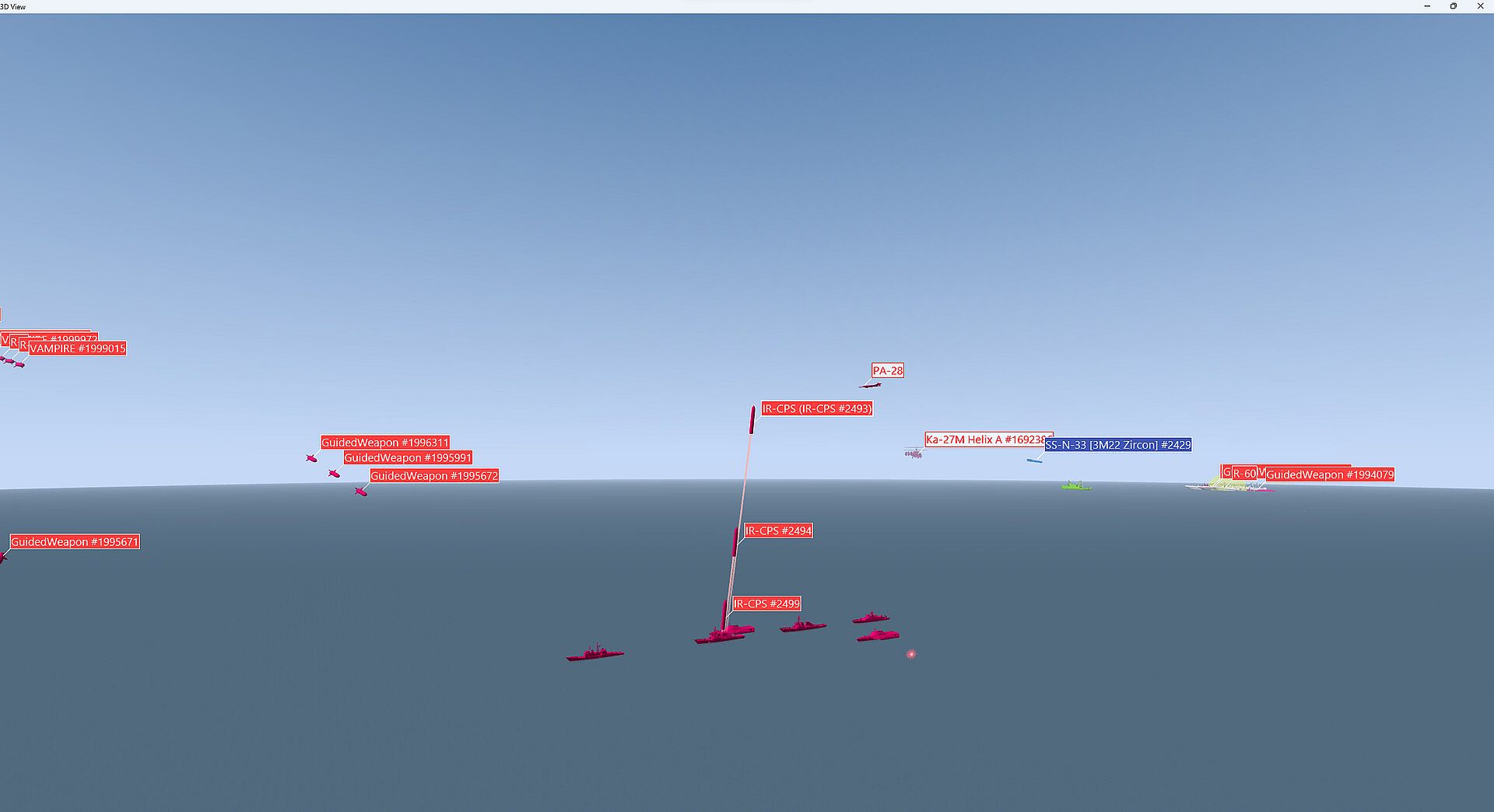
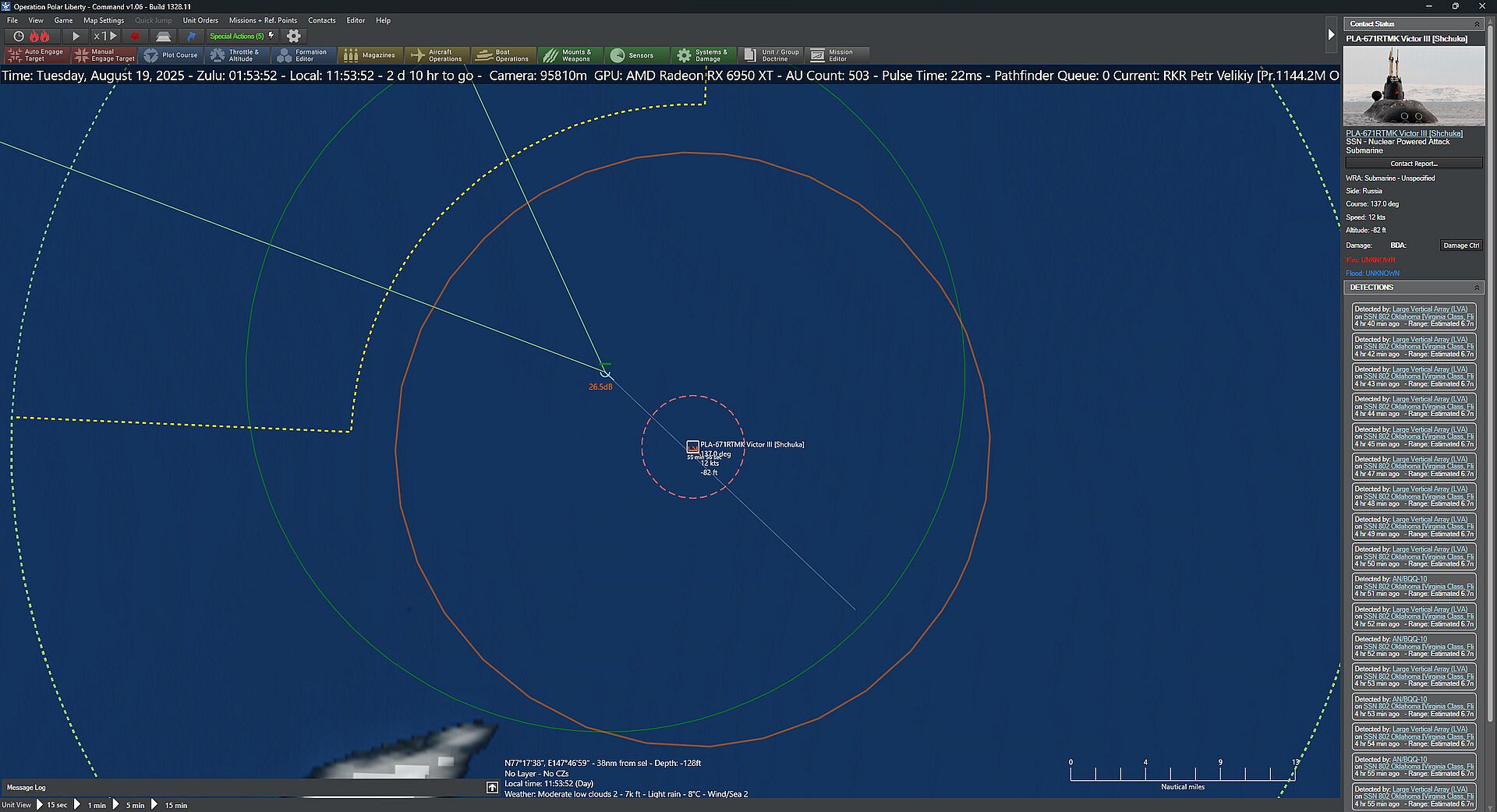
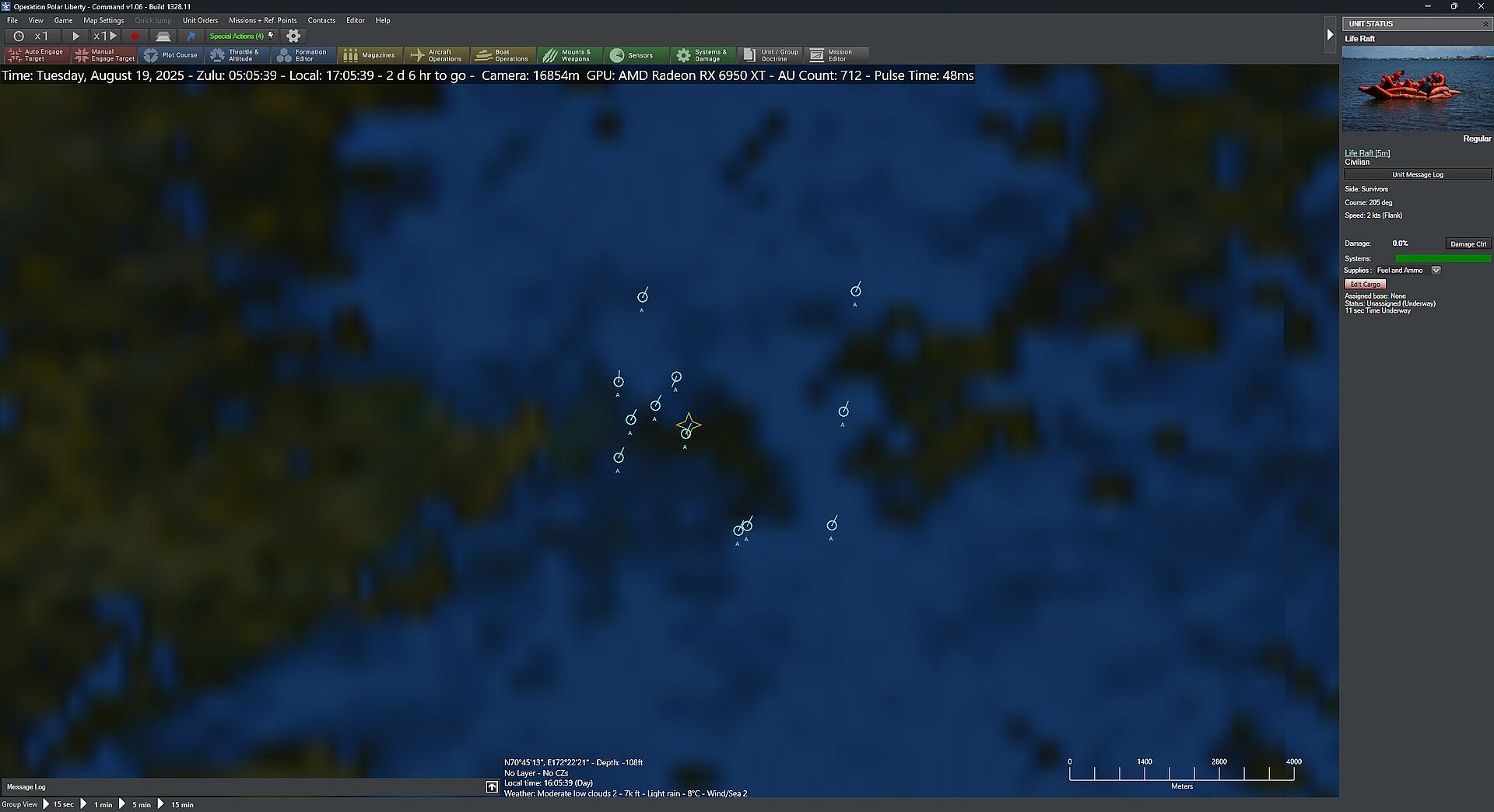
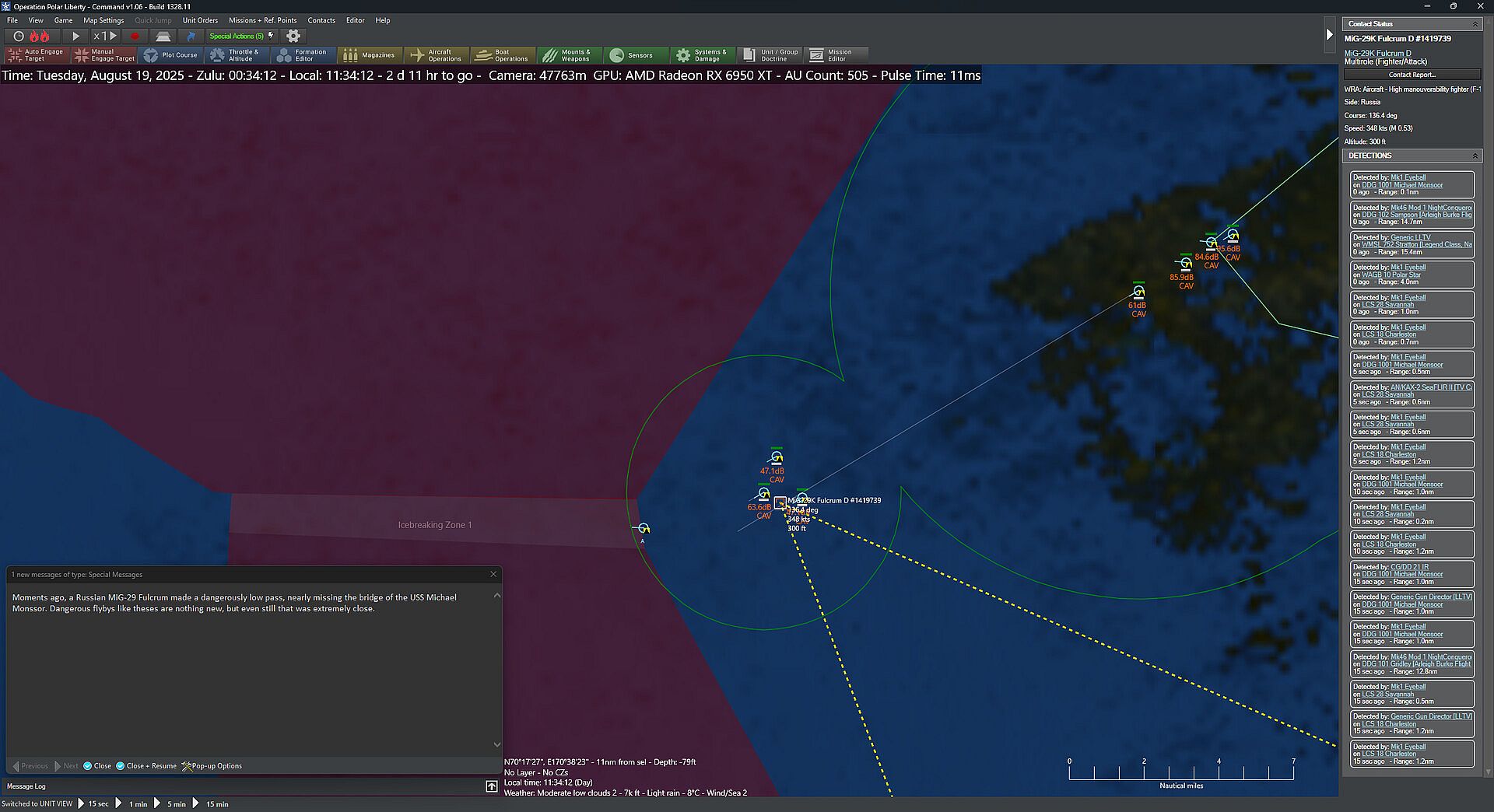
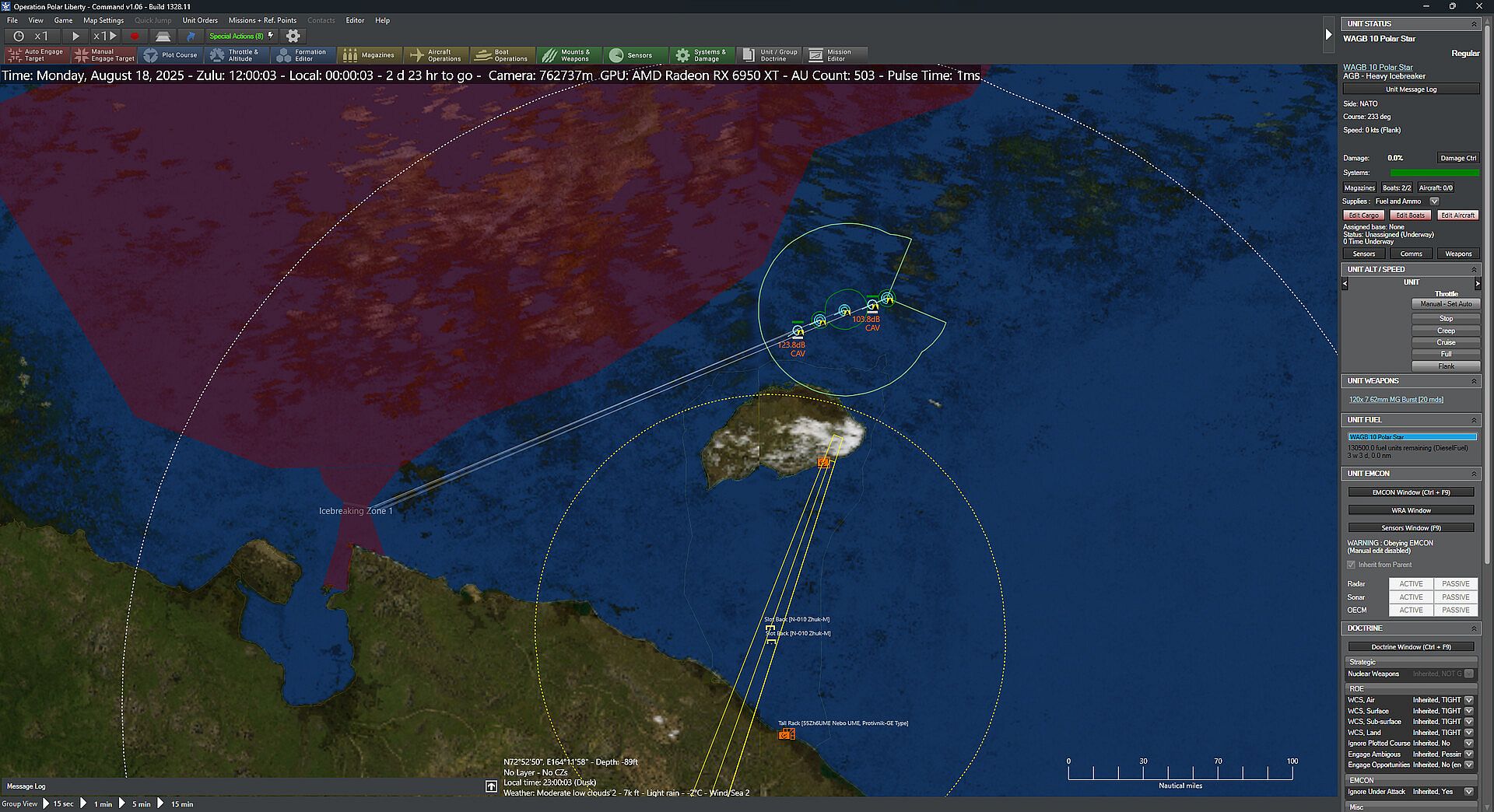
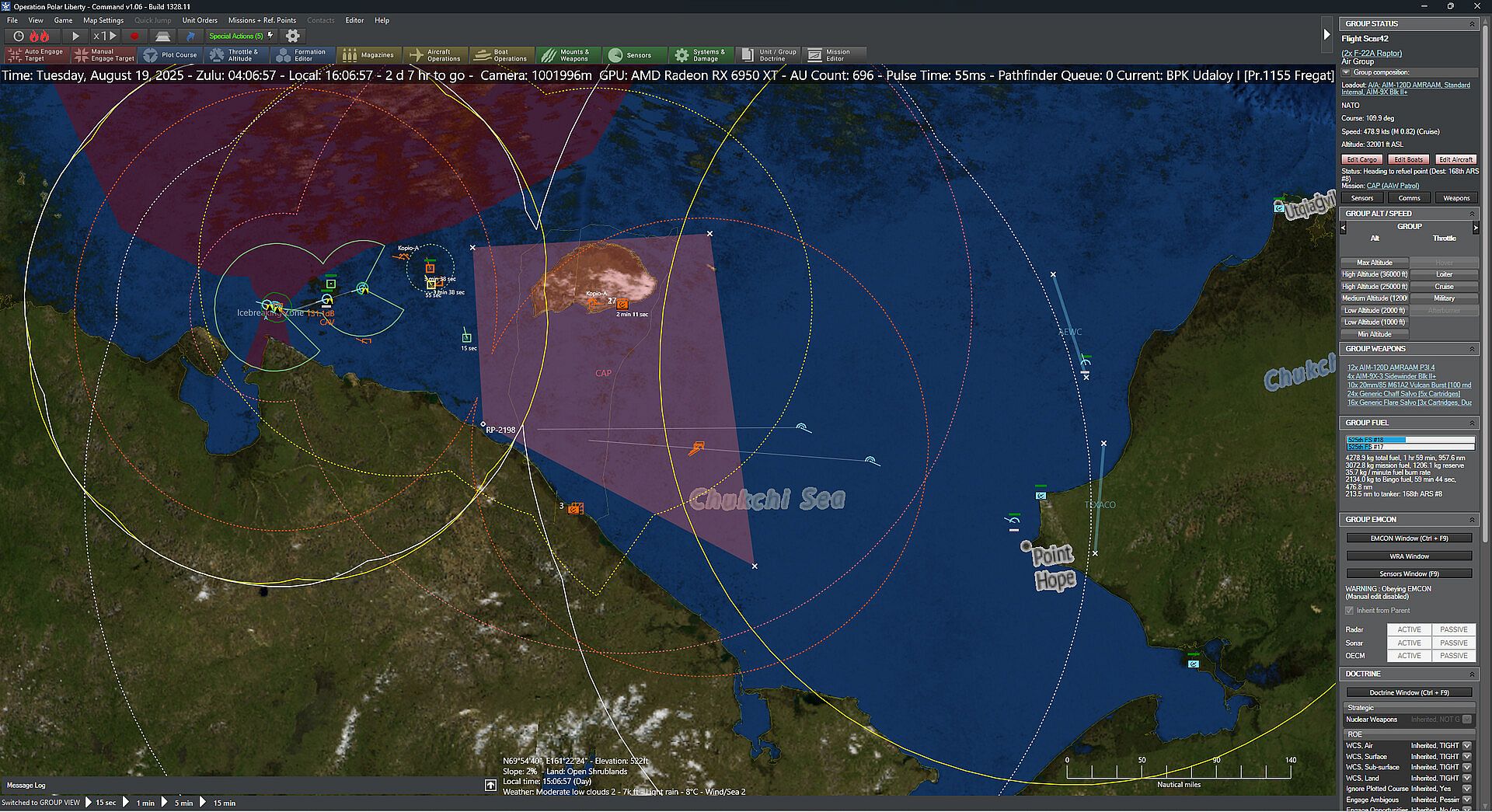
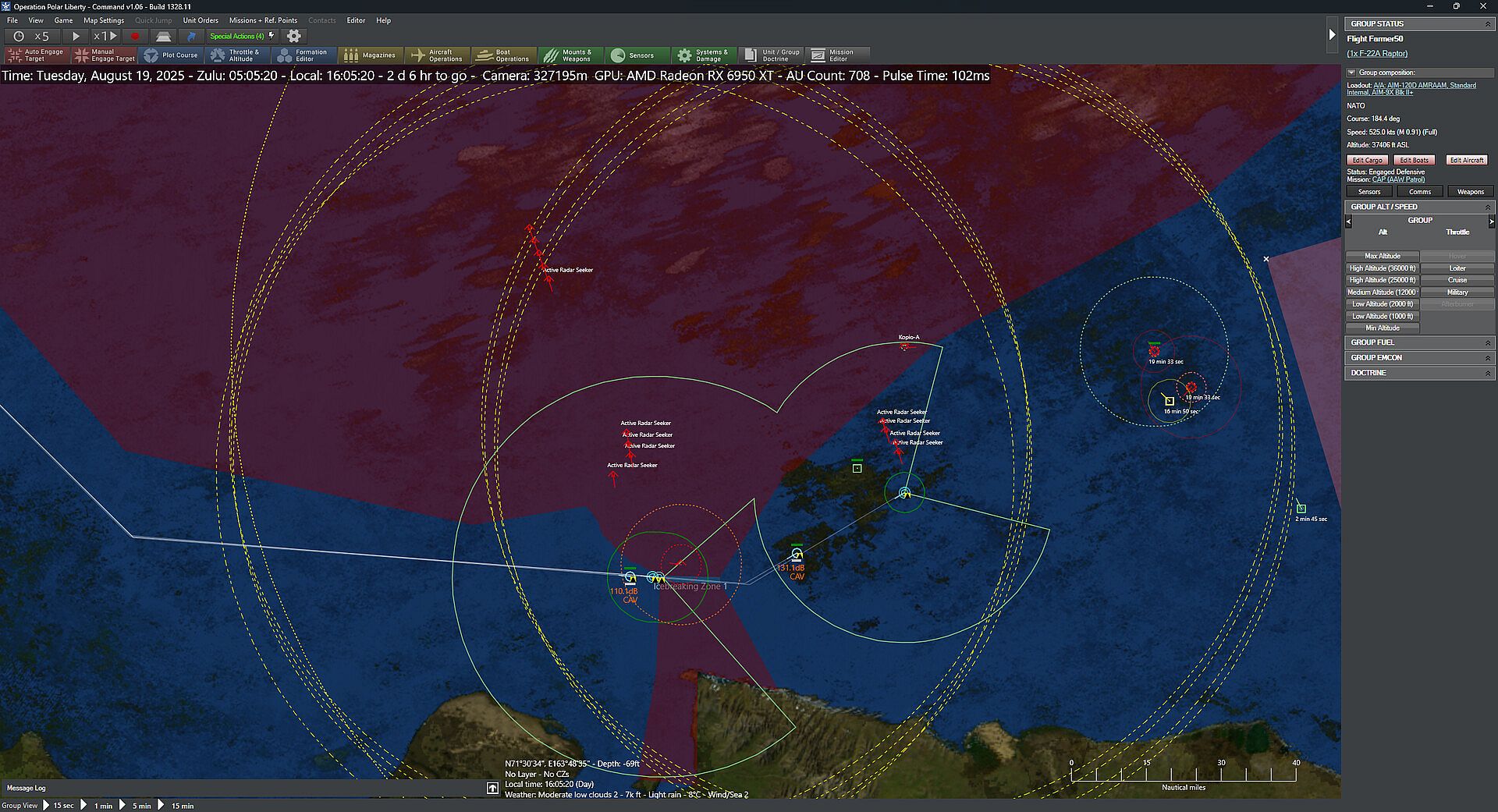
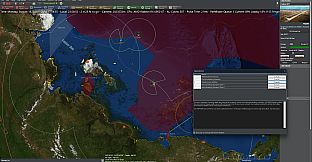
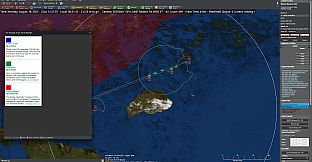
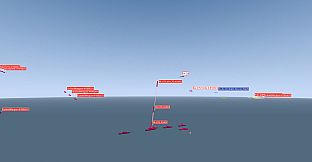
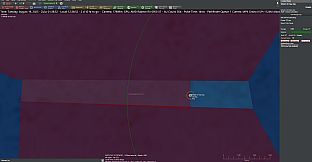
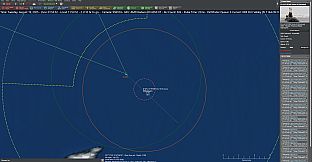
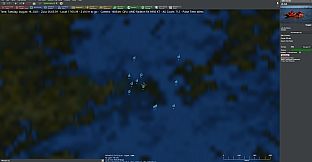
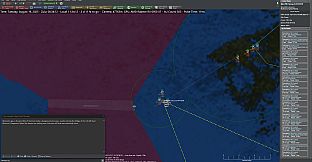
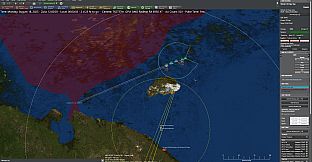
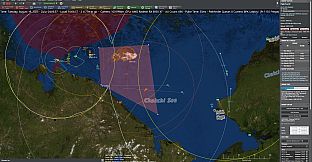
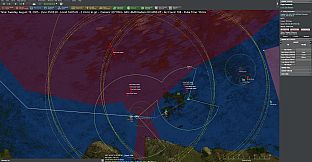
Command: Showcase - Icebreakers is a strategy simulation game set in a near-future Arctic conflict. Players take command of a multinational naval task force conducting a Freedom of Navigation operation through contested waters along Russia's northern coastline. The experience centers on realistic fleet management in extreme ice conditions, information warfare, and escalating tensions that can shift from routine patrols to open combat based on player decisions.
Gameplay
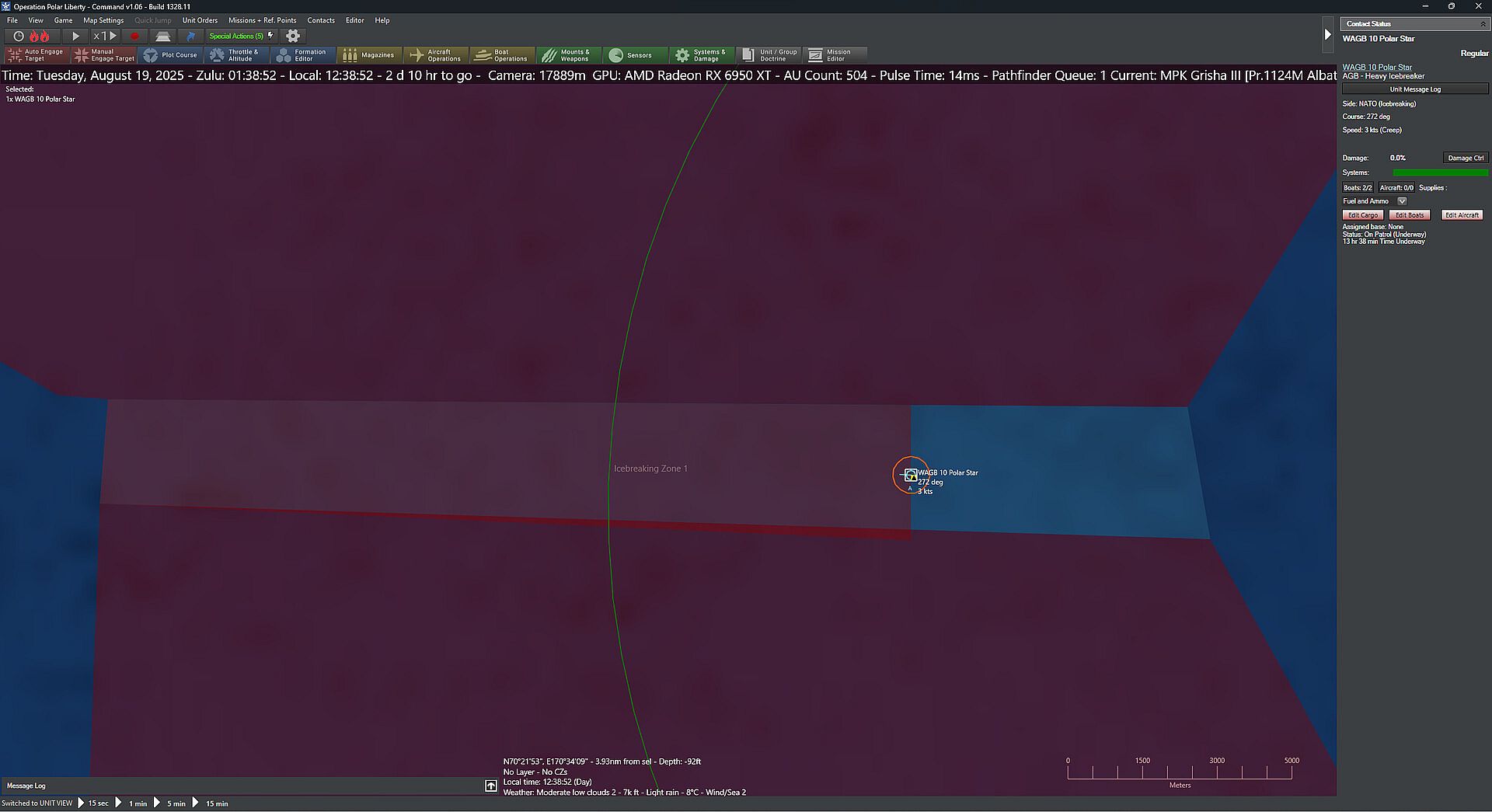
The core loop revolves around directing surface ships through thickening sea ice while coordinating air support from bases in Alaska. The lead vessel is the Polar Star icebreaker, which clears paths for following units that include Zumwalt-class and Arleigh Burke-class destroyers plus Canadian Harry DeWolf-class patrol ships. Without an aircraft carrier in the formation, operations rely on land-based aircraft for reconnaissance and strikes. Players must manage fuel, ammunition, and positioning across vast distances where weather and ice floes constantly affect movement and sensor performance.
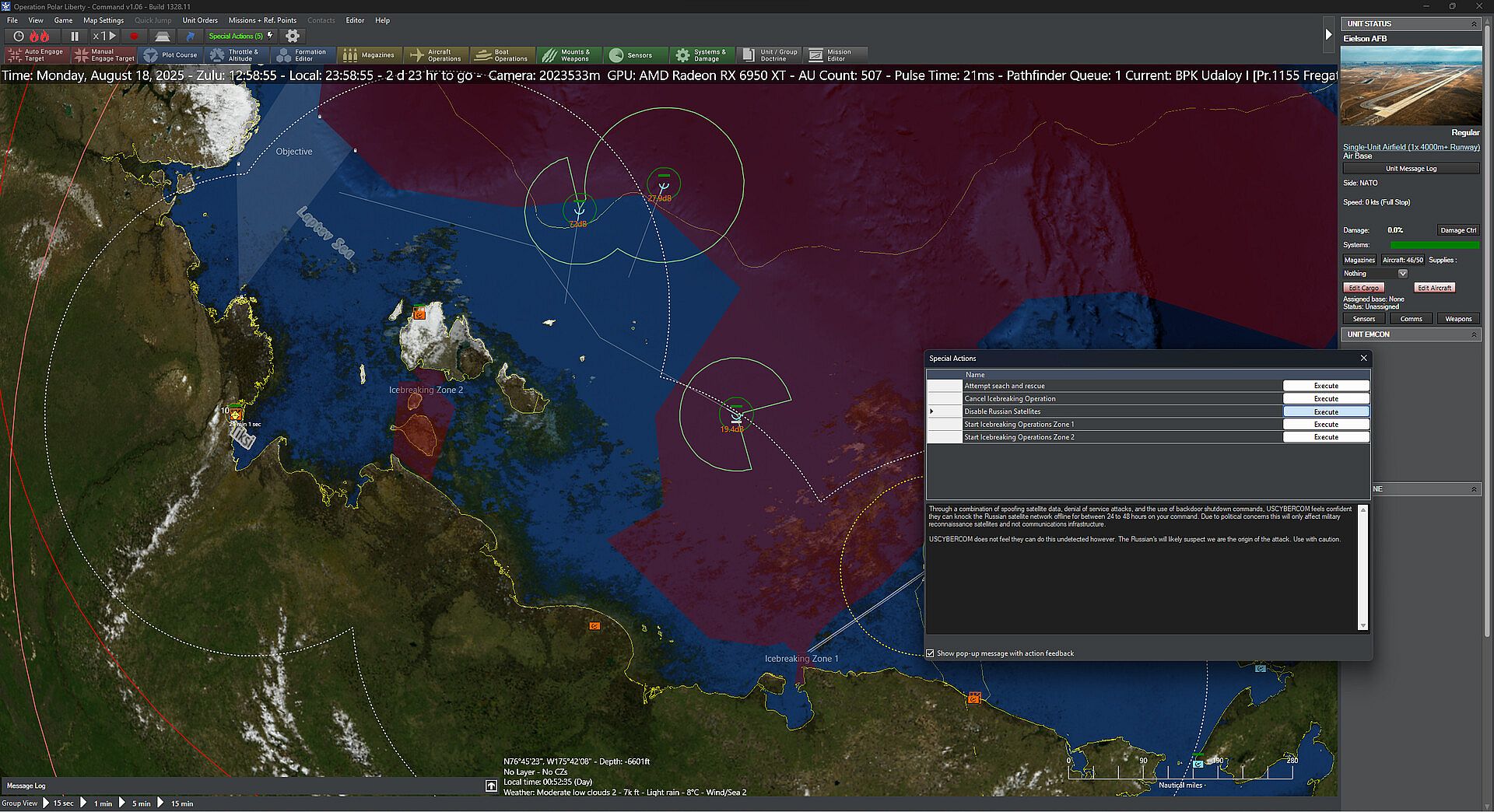
Information dominance plays a central role. Russian satellites provide the opposing side with persistent surveillance, so players can deploy a prepared cyber package known as Widowmaker to disrupt those assets and limit enemy awareness. The absence of declared war means every action carries risk; aggressive maneuvers or strikes can trigger stronger Russian responses, while restraint may keep confrontations limited to harassment or brief skirmishes.
Logistics and positioning demand careful planning. Icebreaking zones require specific actions to create safe corridors, and fleet formations must account for the limited maneuver space created by shifting ice. Air Force units based in Alaska offer additional reach for strikes and surveillance, but their availability depends on timing and coordination with naval movements.
Game Modes
The experience is built around a single detailed scenario that incorporates the Road to War script. This system tracks the cumulative level of hostility displayed by the player and adjusts Russian behavior accordingly. Early phases may involve shadowing vessels or radio challenges, while higher tension levels introduce direct interference or attacks. The script models a gradual progression rather than fixed mission branches, allowing the same scenario to unfold differently on repeated playthroughs.
No separate competitive or cooperative modes exist outside this framework. The focus remains on single-player command decisions within the Arctic theater, where success hinges on balancing operational objectives with the risk of unintended escalation.
Strategic Considerations
Control of the Northern Sea Route forms the central objective. Shorter transit distances between Asia and Europe make the waterway strategically valuable, and players must demonstrate presence without triggering full-scale conflict. Sensor management, electronic warfare timing, and precise use of limited air assets determine whether the operation achieves its goals or collapses into broader fighting. The inhospitable environment adds layers of complexity, as ice can block routes, degrade radar performance, and force detours that expose the formation to surveillance.
Is It Worth Playing?
This scenario suits players who enjoy detailed modern naval simulations and appreciate systems that reward careful planning over rapid action. The dynamic escalation mechanics create replay value through different tension outcomes, while the Arctic setting introduces unique constraints not found in open-ocean scenarios. Released in early 2024 as downloadable content for the base game, it requires Command: Modern Operations to run. With only a small number of user reviews available at present, reception remains limited, but the verified mechanics around ice operations, cyber disruption, and graduated responses provide a focused test of command skills in a high-stakes environment. Those drawn to realistic fleet coordination and information warfare will find the most engagement here.