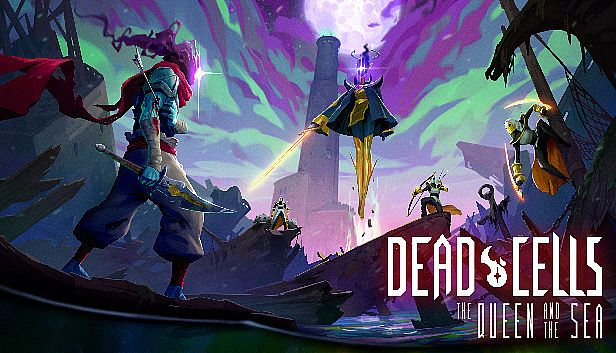

























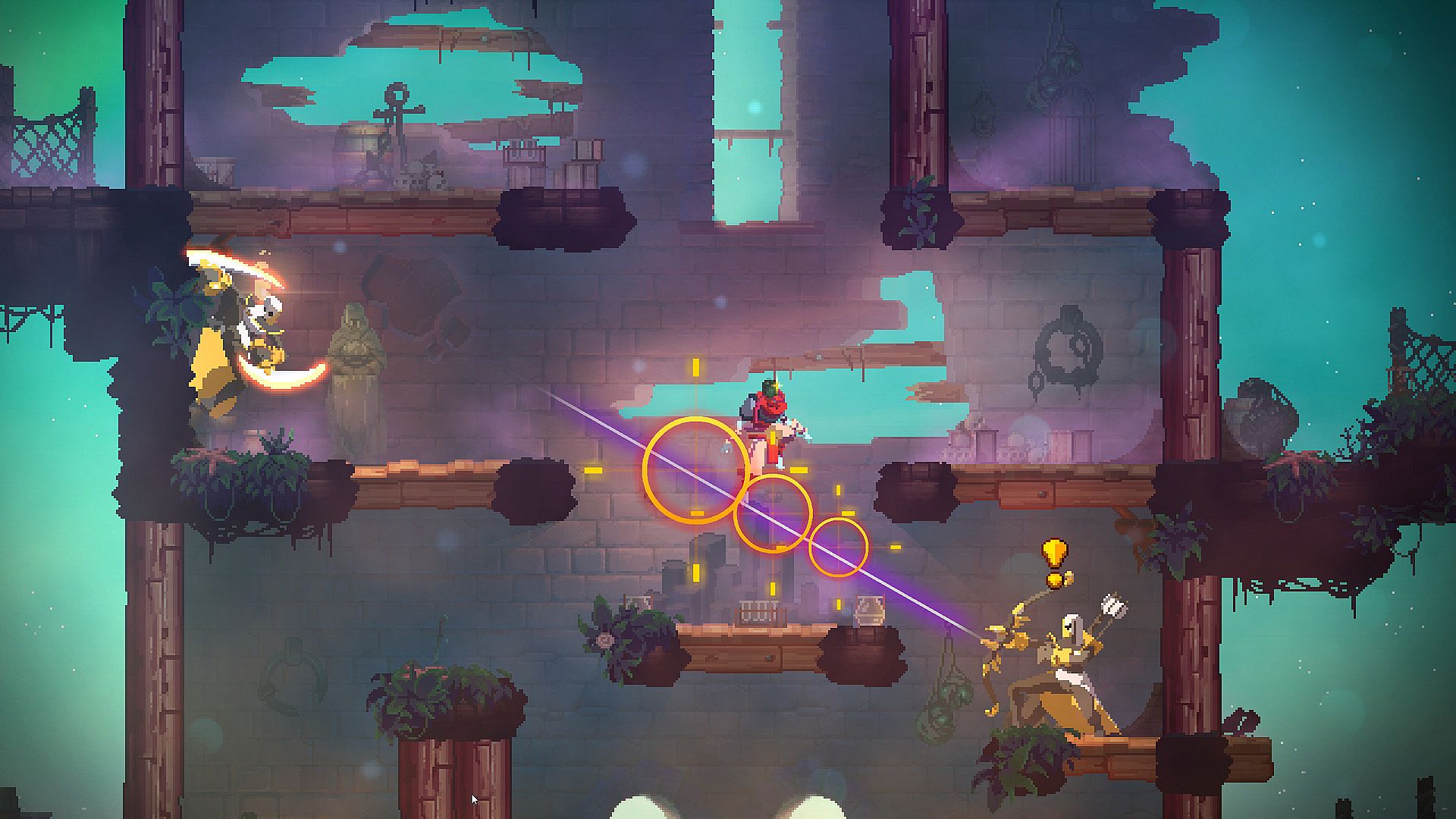
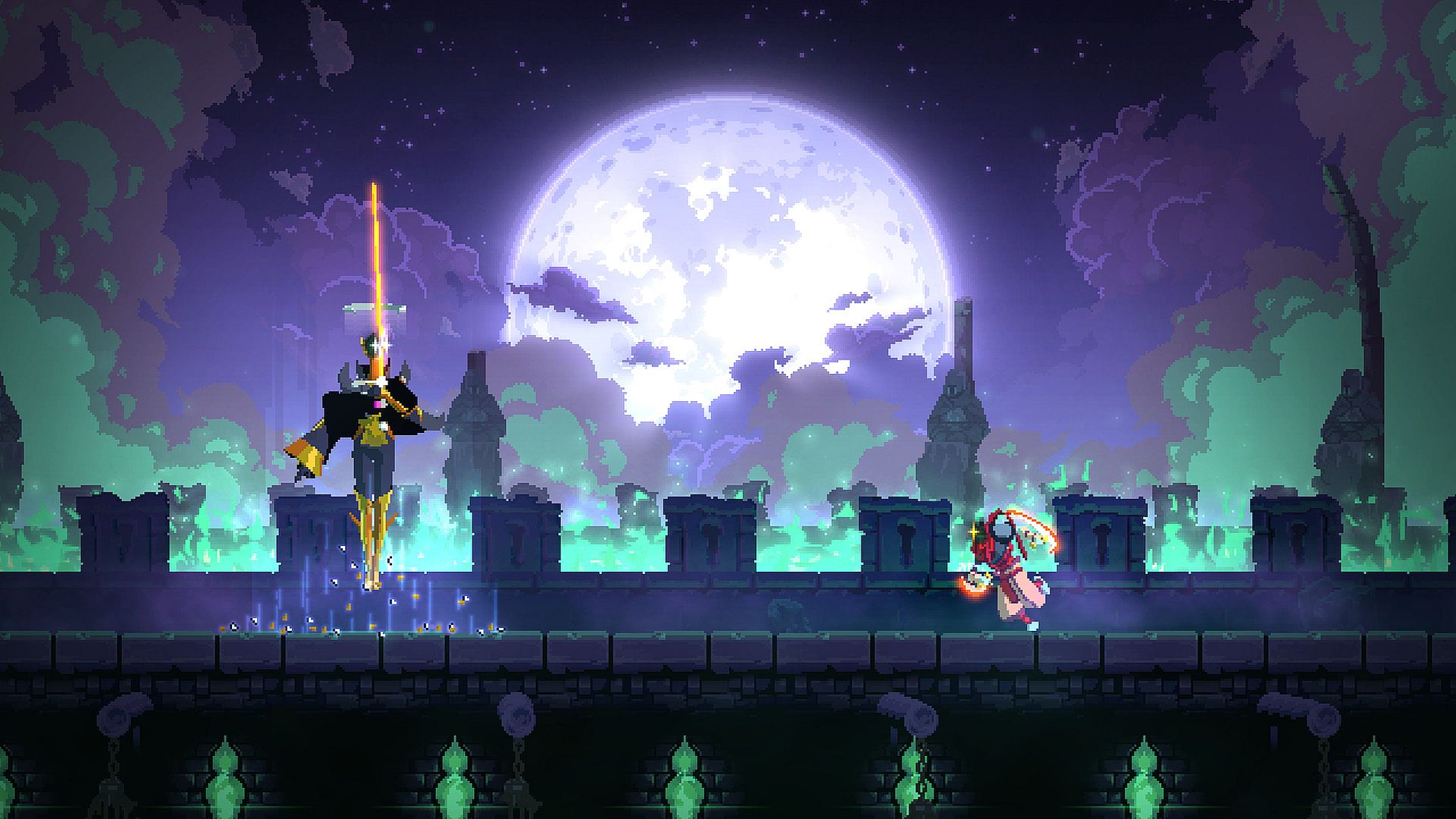
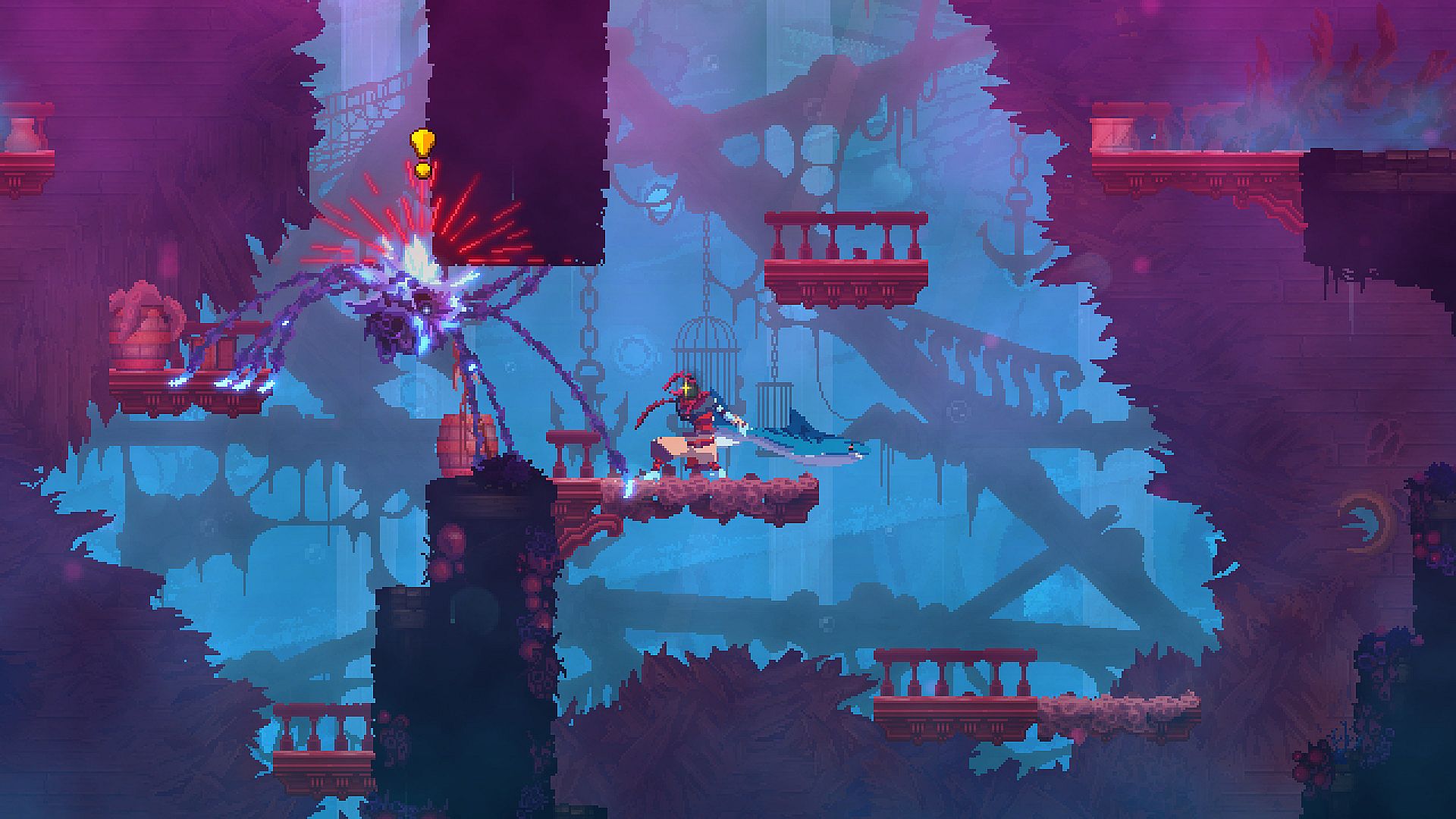
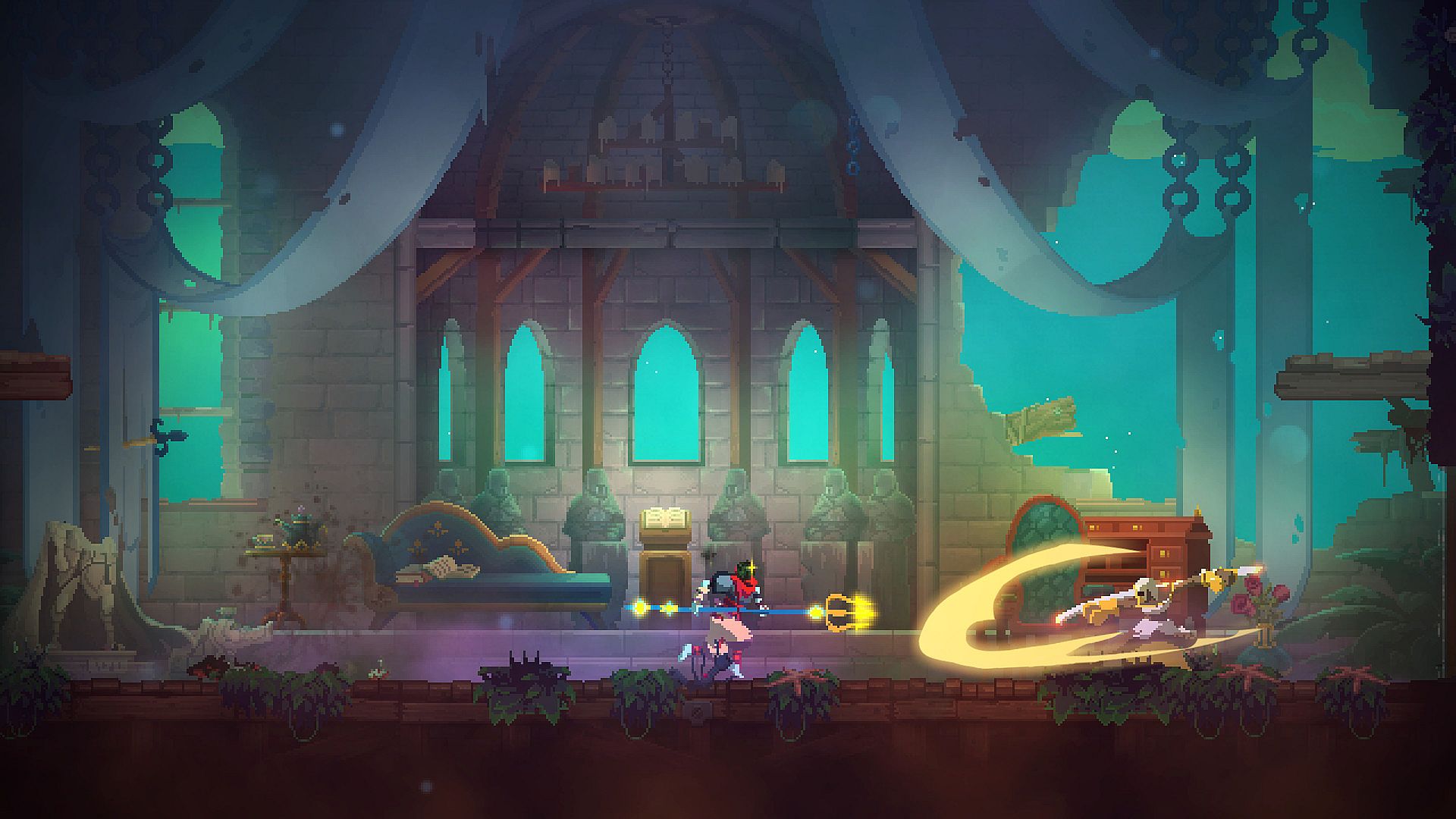
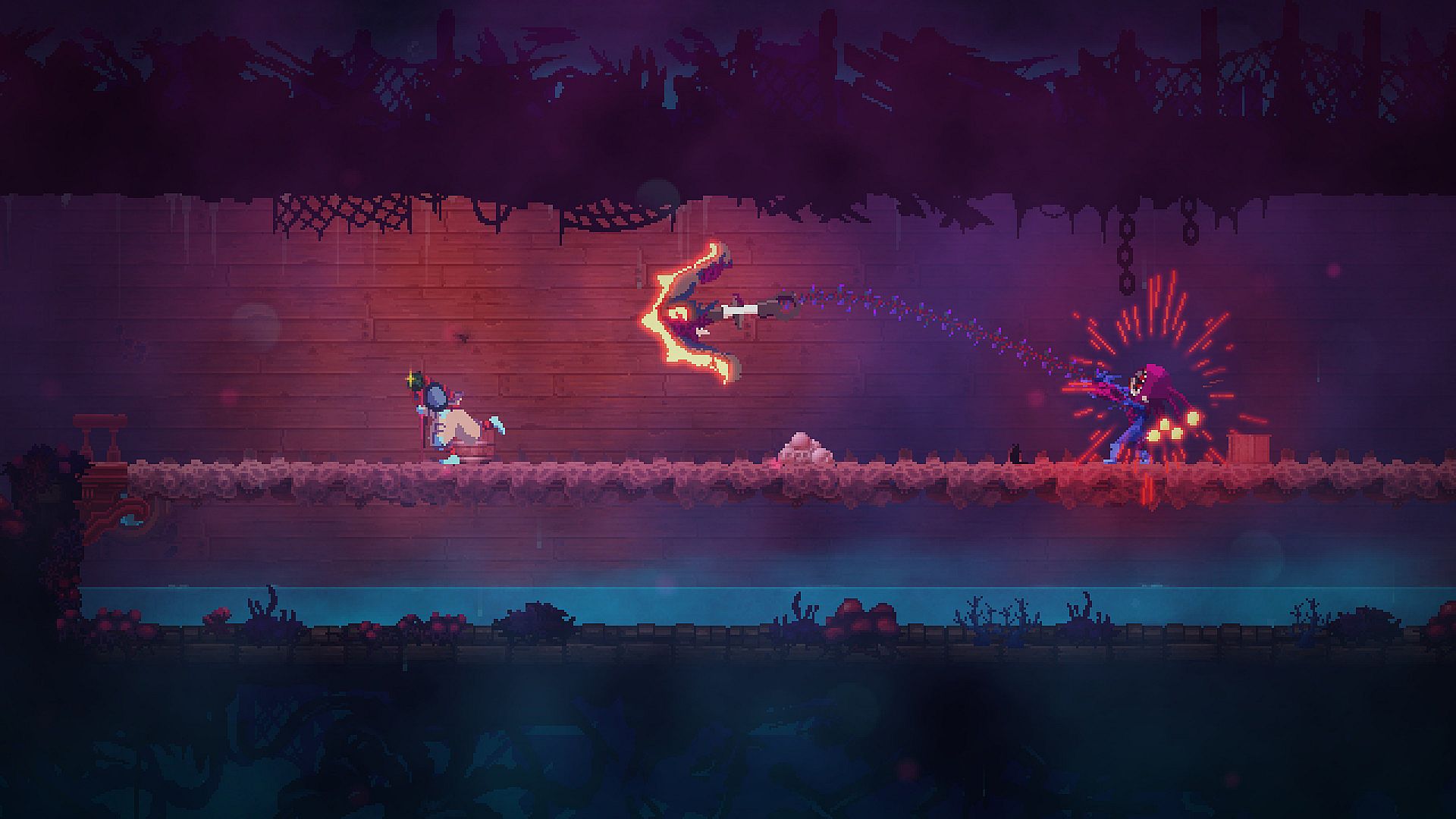
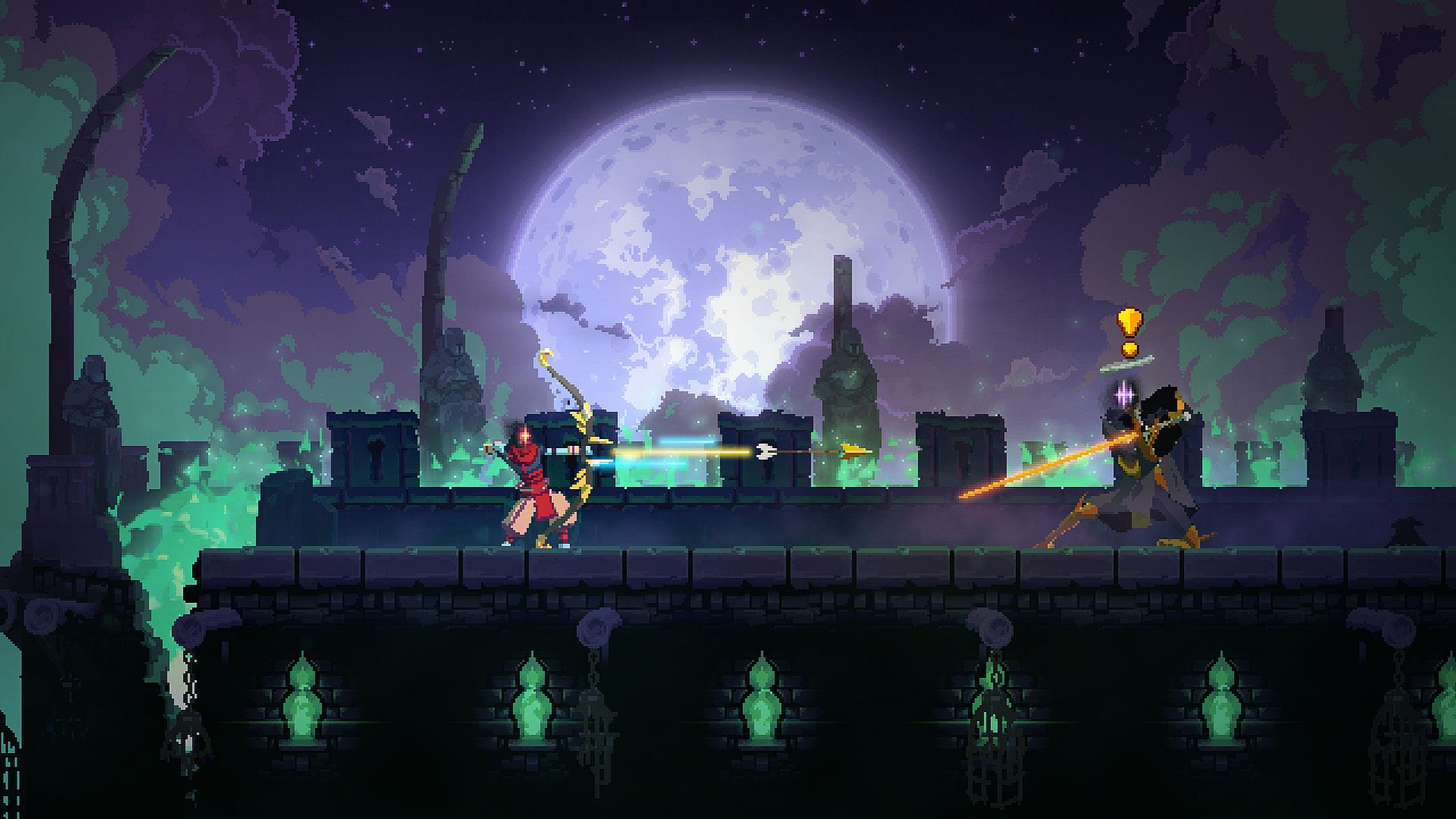
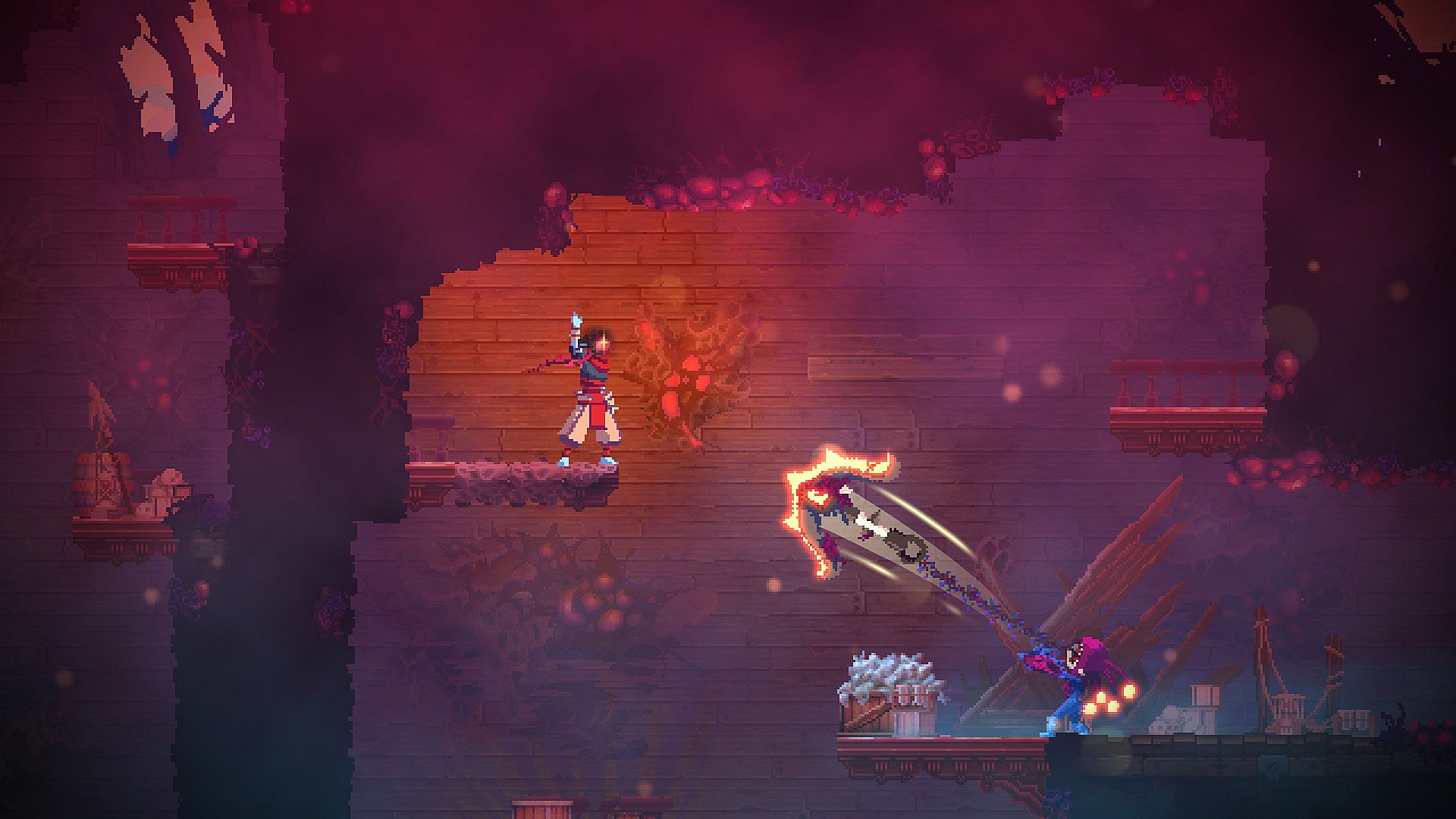
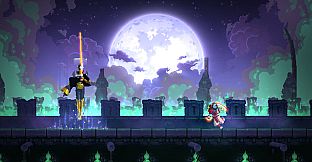
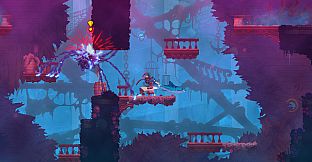
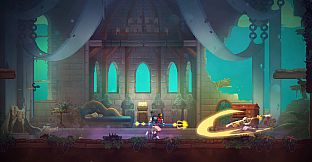
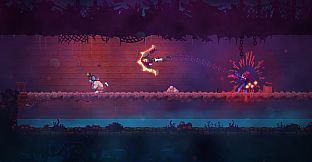
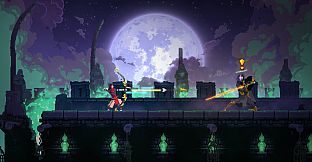
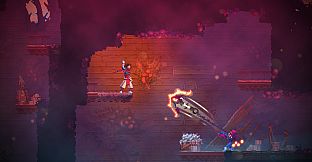
Dead Cells: The Queen and the Sea stands as an action indie title that expands the core experience with fresh late-game content on PC. Players navigate procedurally influenced levels filled with precise platforming and combat encounters against varied foes. The focus remains on survival through challenging runs where each attempt builds familiarity with enemy patterns and level layouts.
Gameplay
The core loop centers on traversing interconnected biomes while managing health, collecting cells for upgrades, and adapting to randomized elements within each run. Combat relies on melee weapons, ranged options, and mobility tools that reward timing and positioning. Exploration reveals hidden paths and secrets that alter progression routes.
New areas introduce distinct environmental hazards and enemy behaviors. The Infested Shipwreck features tight corridors where players crawl through wreckage as shadowy creatures emerge from unexpected angles. The Lighthouse requires steady ascent amid waves of Servants while flames advance from lower levels, forcing constant upward momentum. Reaching the Crown biome pits players against a final confrontation tied to the island's curse, with mechanics that test prior mastery of movement and attack timing.
Additional weapons integrate into existing loadouts. Options include a throwable shark that engages targets in water-adjacent areas, a trident for extended reach, and a hook hand that aids in traversal and close-range strikes. A companion pet assists in combat by targeting nearby threats. Outfits provide visual variety without altering core mechanics, while new enemy types demand adjusted strategies during encounters.
Game Modes
Dead Cells: The Queen and the Sea operates within a single-player framework centered on repeated runs through the island's levels. The added content provides an optional alternative path that bypasses certain established routes like those leading through High Peak Castle or the Throne Room. This structure encourages players to experiment with different biome sequences to reach the new ending sequence.
Runs follow a consistent format where death resets progress but retains unlocked blueprints and permanent upgrades. The new biomes slot into this system as late-stage options, allowing customization of each attempt based on chosen routes. No separate competitive or cooperative variants exist; the emphasis stays on individual skill development across successive attempts.
New Content and Progression
Progression ties directly to the new levels and their associated challenges. Lighting the beacon at the lighthouse summit serves as the key objective for unlocking the alternative conclusion. Success here demands navigation through infested wrecks, vertical tower climbs, and boss encounters that build on established combat systems.
Blueprints for the new weapons and items drop from specific enemies or areas, integrating seamlessly with the cell collection and upgrade process. The pet evolves through use in combat scenarios, offering ongoing utility across multiple runs. These elements extend the overall campaign length without introducing separate progression tracks.
Is It Worth Playing?
This DLC suits players who enjoy methodical exploration and combat refinement in a 2D action setting. The new biomes deliver distinct visual and mechanical variety that refreshes later stages of the experience. Those who have already invested time in the base structure will find meaningful extensions through the alternative route and new ending.
Reception highlights the quality of the added levels and the integration of fresh weapons that expand tactical options. The content maintains the established difficulty curve while providing clear goals for completionists. Availability on PC makes it accessible for those seeking additional content in this style of game.
Overall, the expansion delivers targeted additions that enhance replay value for fans of precise action-platforming. It stands as a solid extension for those comfortable with run-based progression and environmental challenges.