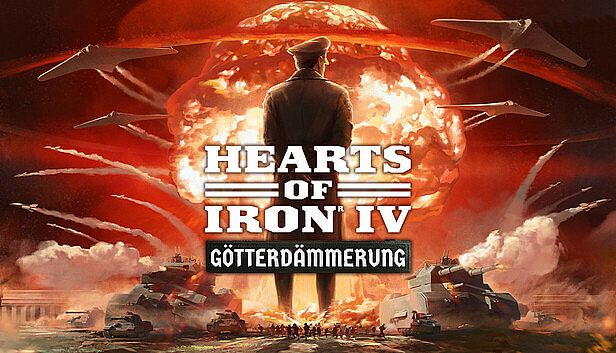











Hearts of Iron IV: Götterdämmerung serves as a grand strategy expansion that deepens the World War II simulation experience, emphasizing alternate historical paths and advanced warfare options for key nations.
Gameplay
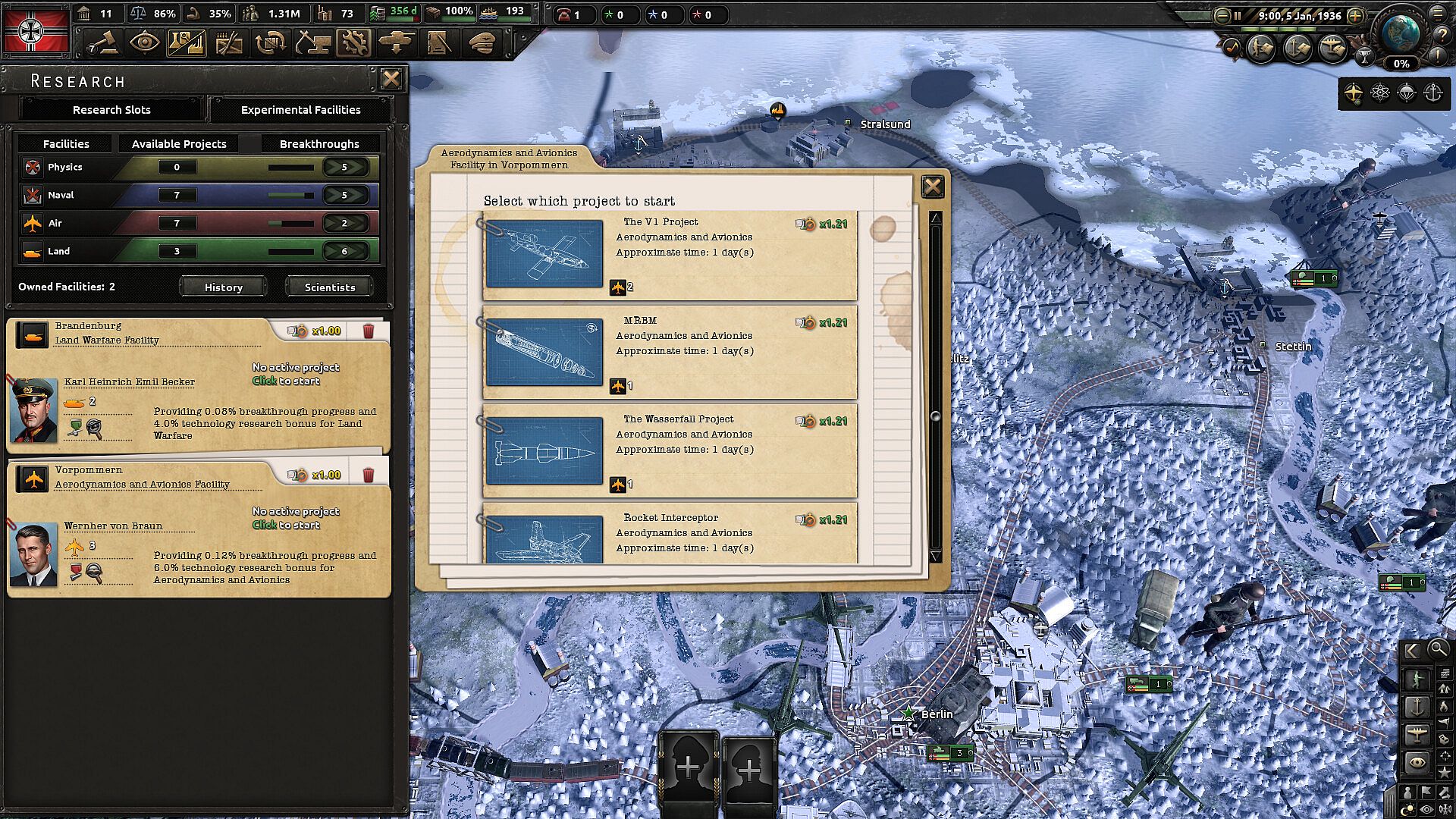
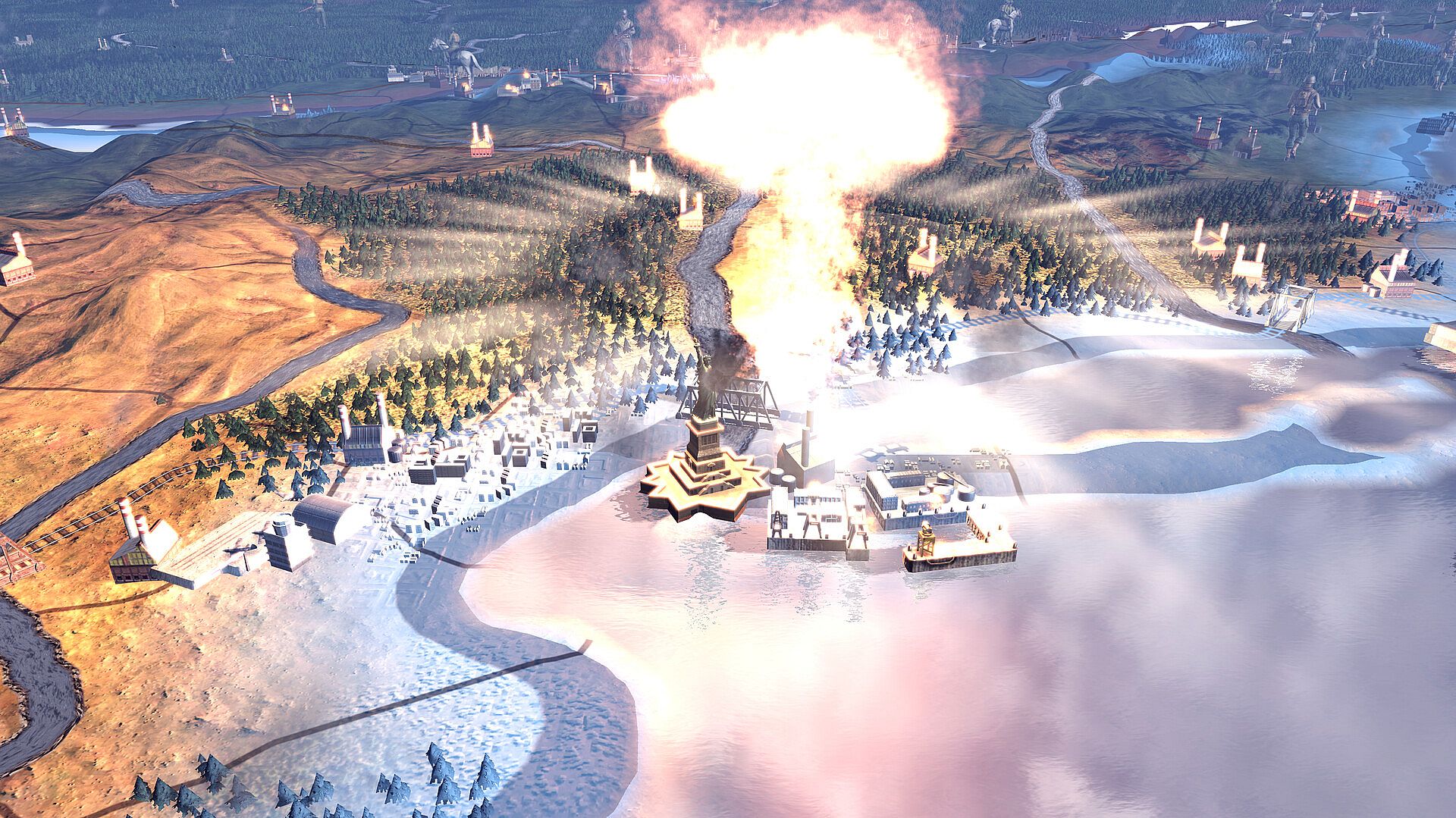
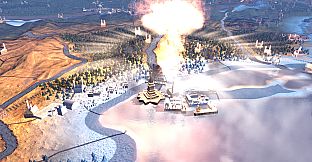
In this expansion, you manage industrial production and research to sustain massive conflicts, with new tools like special projects that let you assign scientists to fields such as nuclear physics, advanced aircraft, rocketry, and electronics. These projects unlock devastating weapons and strategic advantages, requiring careful resource allocation amid global tensions.
Raids add a layer of tactical depth, allowing precise strikes on enemy ports, factories, research sites, or resource areas through bombing runs, commando operations, or paratrooper drops. The core loop revolves around building economies, forming alliances, and directing armies, now enhanced with character-driven events that bring personal stakes to national decisions.
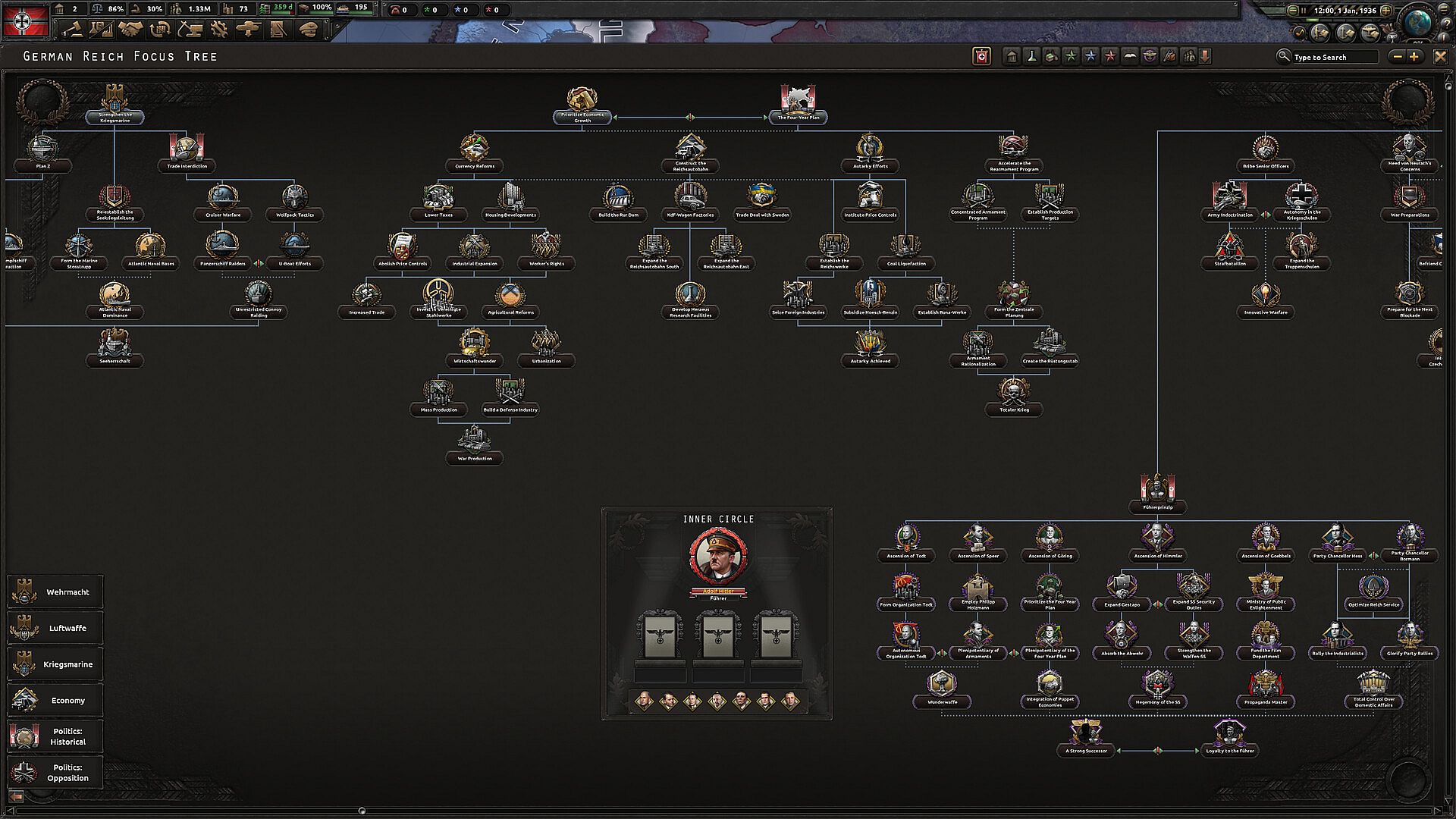
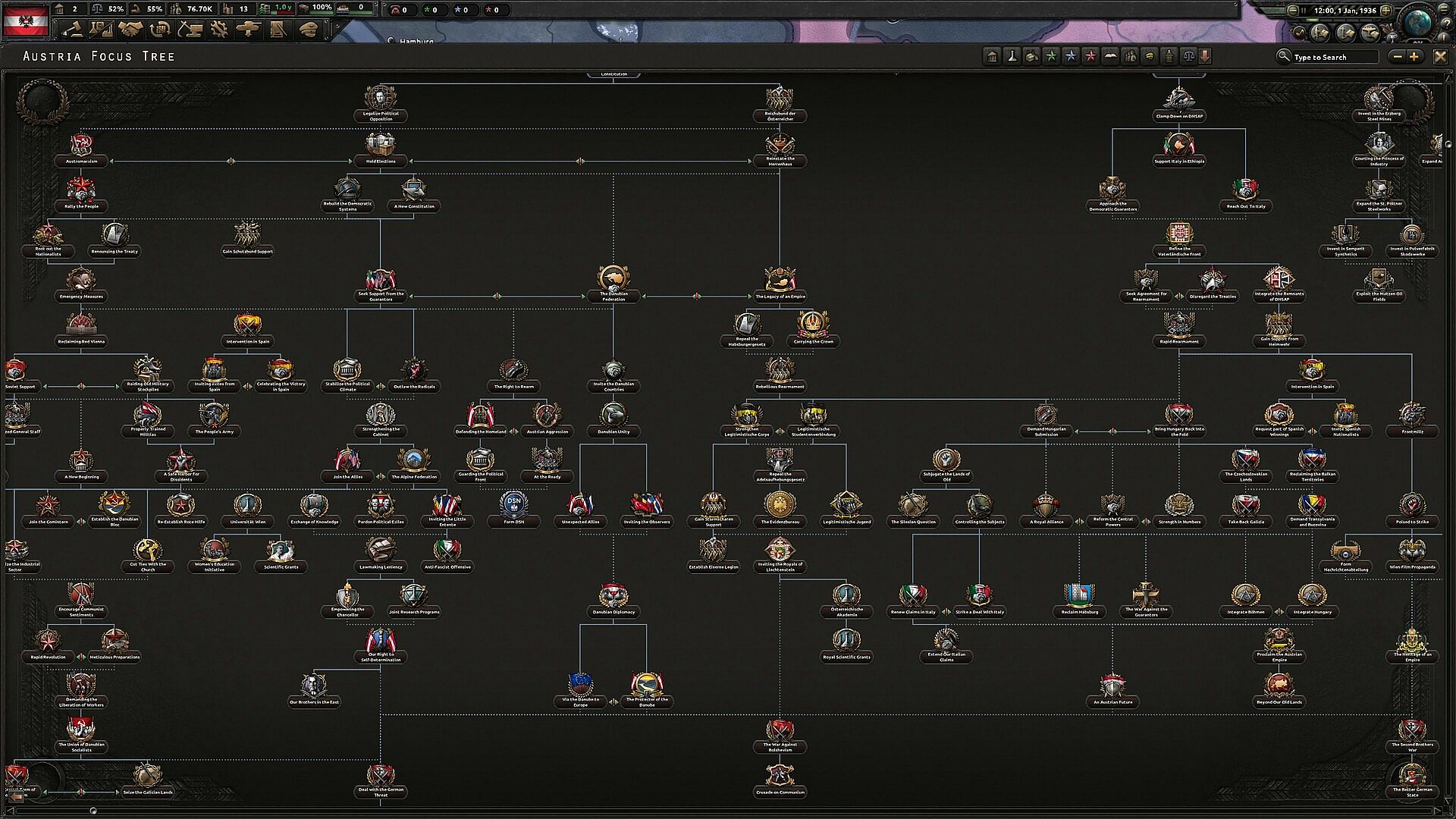
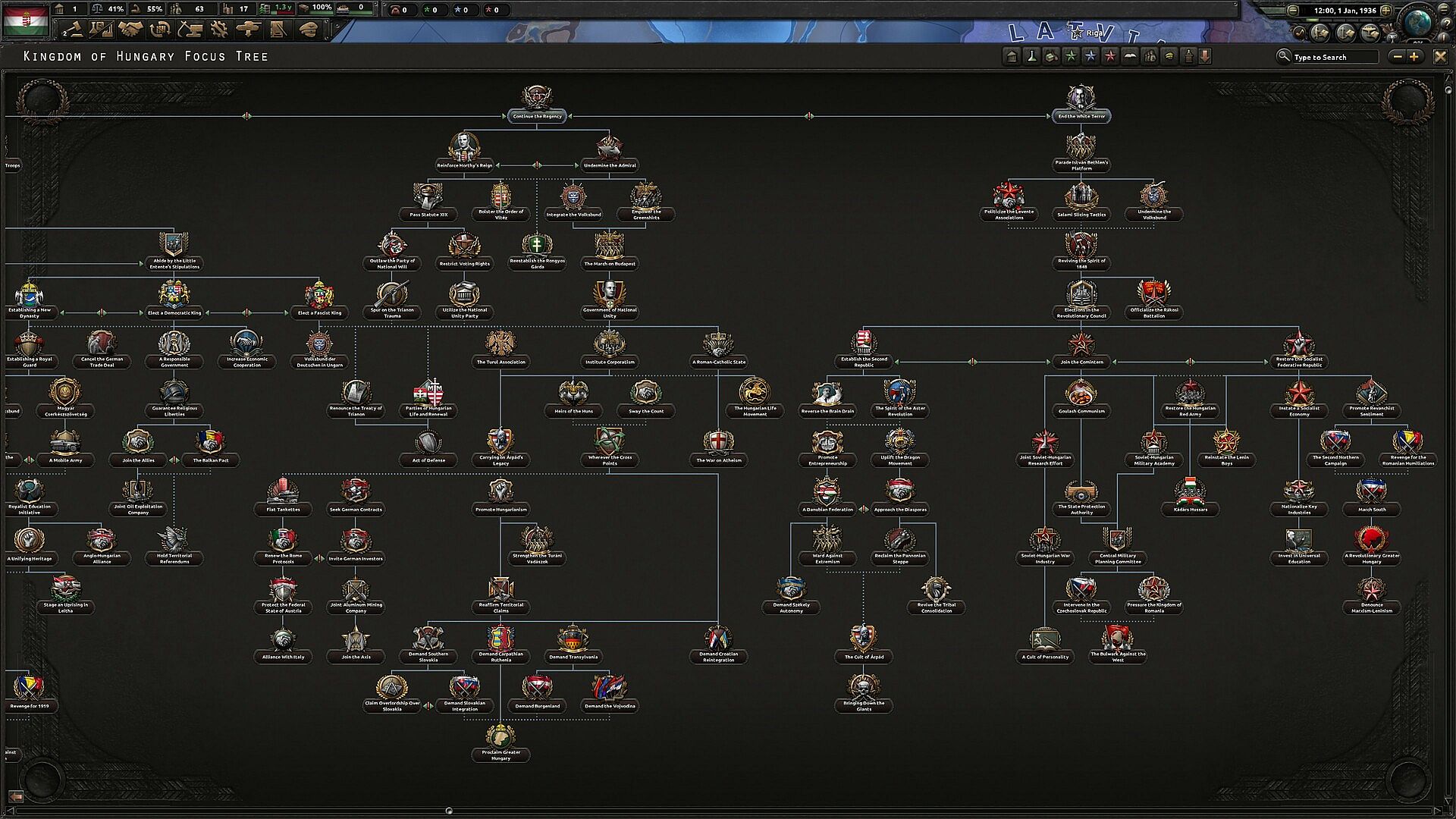
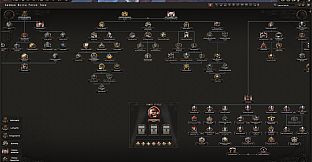
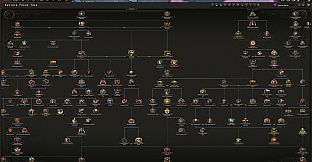
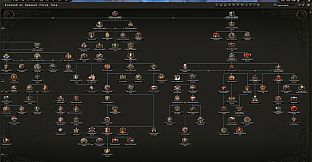
Focus trees guide your nation's trajectory, offering branches for political shifts, military reforms, and territorial expansions, all while balancing manpower, technology, and international relations in a dynamic World War II setting.
Game Modes
The expansion integrates into the base game's single-player mode, where you lead a nation through historical or alternate scenarios starting from 1936 or 1939 bookmarks. Multiplayer supports cooperative or competitive sessions with up to 32 players, focusing on faction-based warfare and diplomacy.
No new standalone modes appear, but the added content enriches existing campaigns by introducing special projects and raids that influence outcomes in both solo and group play.
Key Features and Factions
Götterdämmerung revamps the German focus tree with paths for monarchist revivals, democratic restorations, or communist alternatives, complete with events that highlight key figures and decisions. Austria gains independence-focused branches, including options to reform ties with former Habsburg territories.
Hungary's tree emphasizes technological solutions to manpower issues, paving the way for Austro-Hungarian revival and stronger faction unity. Belgium and Congo receive interconnected paths: Belgium can resist or align with Germany, leveraging Congolese resources, while Congo pursues economic growth and potential independence along communist, democratic, or monarchist lines.
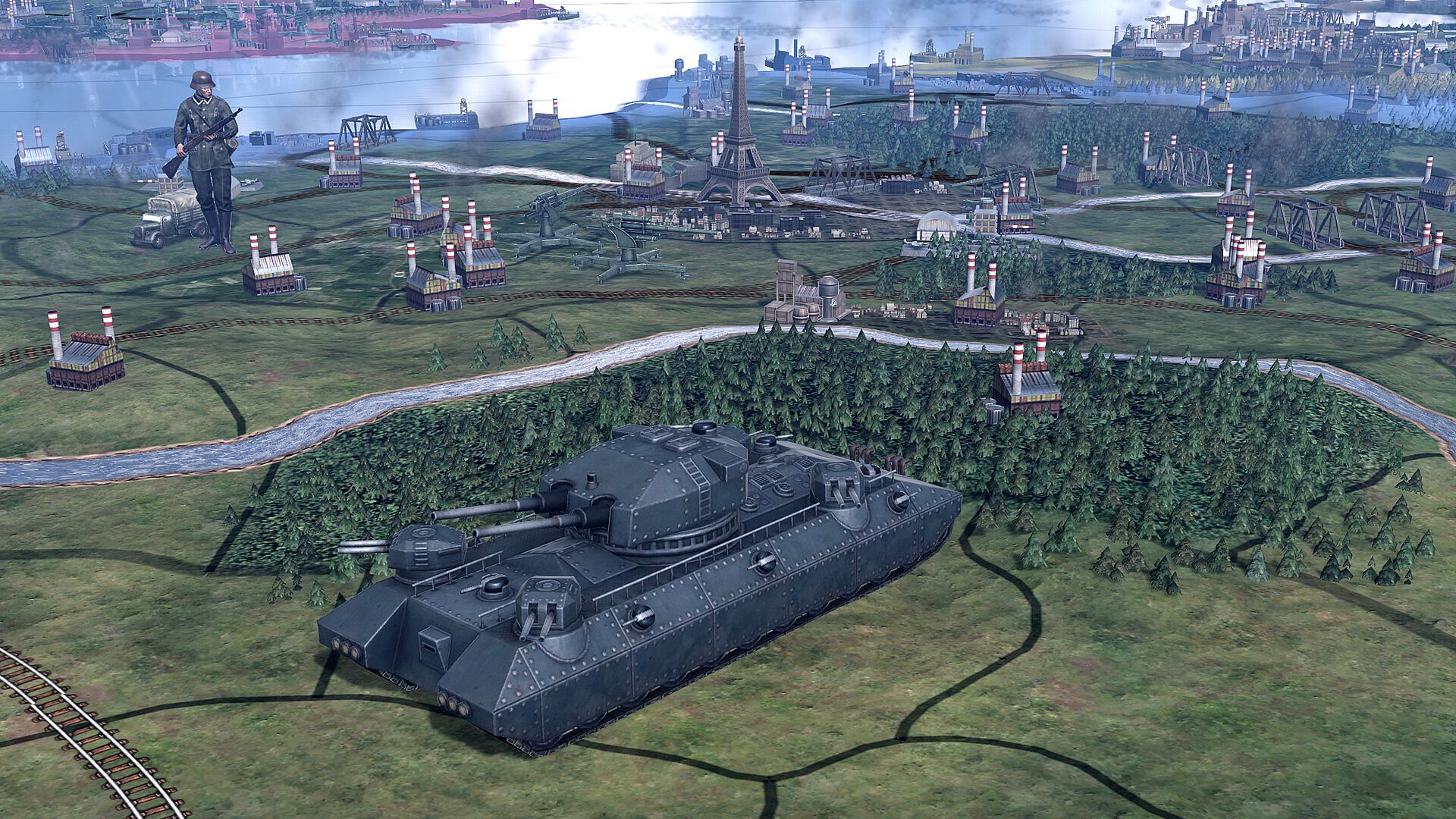
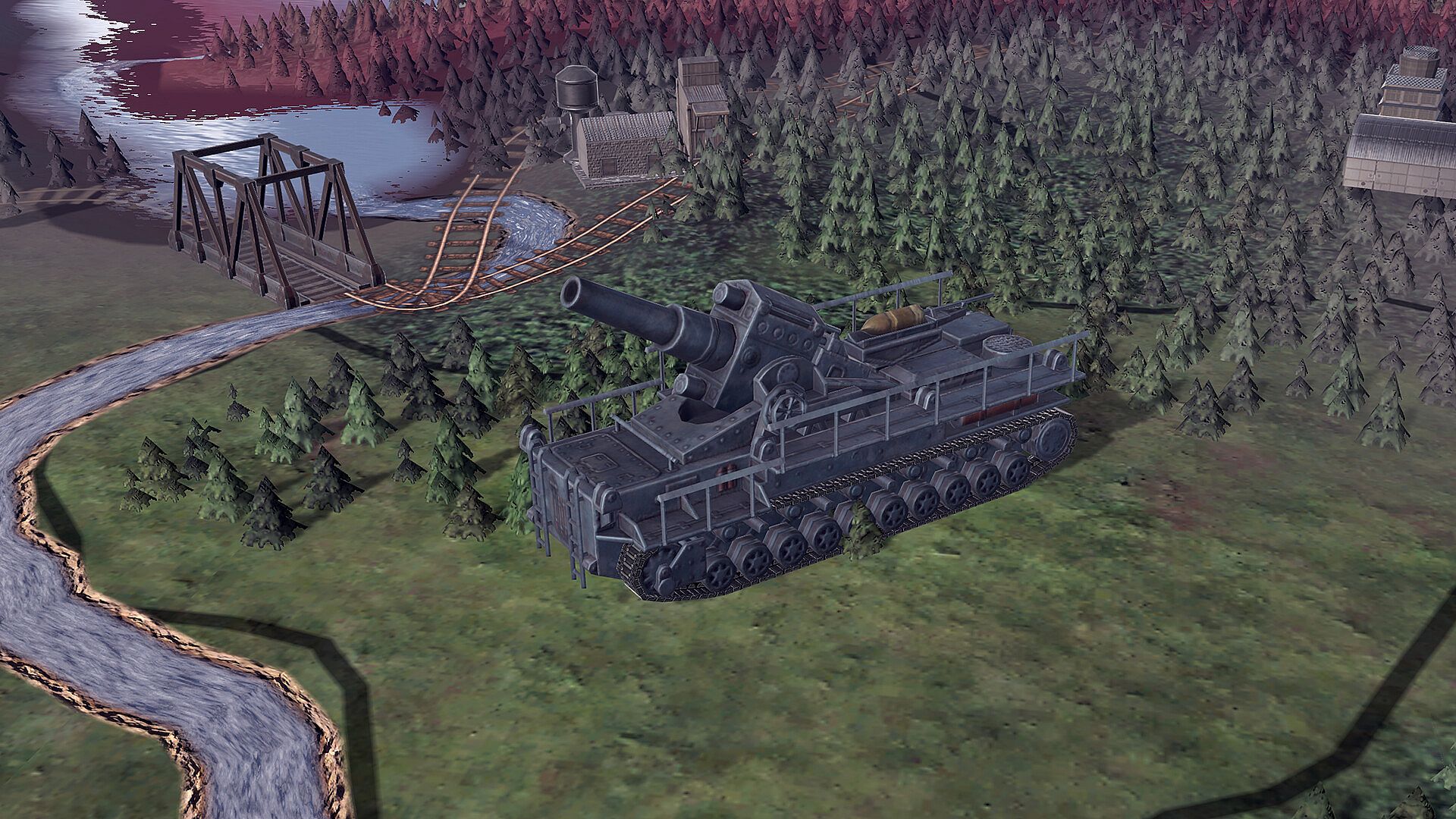
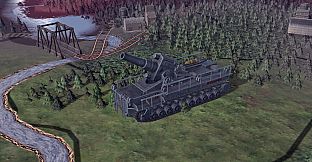
Visible map elements like landmarks and dams affect strategic planning, and adjustments to atomic warfare mechanics alter late-game dynamics.
Is It Worth Playing?
For strategy enthusiasts who enjoy intricate World War II simulations, this expansion stands out with its meaningful additions to research and tactical operations. Player reviews on major platforms rate it mostly positive, with 72 percent approval from over 1,700 users, praising the refreshed focus trees and new mechanics like raids.
It suits those invested in the base game, offering fresh replayability through alternate histories, though newcomers might find the complexity overwhelming without prior experience. Ongoing support through updates keeps it relevant, making it a solid choice for deepening strategic depth in grand-scale conflicts.