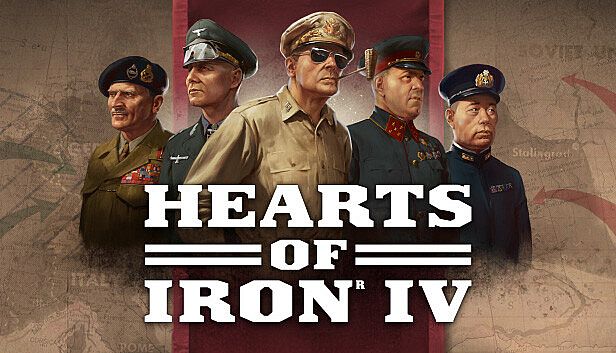























































Hearts of Iron IV stands out as a grand strategy wargame that puts you in control of nations during the tense buildup and chaos of World War II. Released in 2016, this PC title from Paradox Interactive lets players steer historical events starting from 1936 or 1939, managing everything from troop movements to international alliances. With its focus on strategic depth, the game appeals to those who enjoy detailed simulations of warfare, politics, and economics, making it a staple for fans searching for complex strategy experiences on PC.
Gameplay
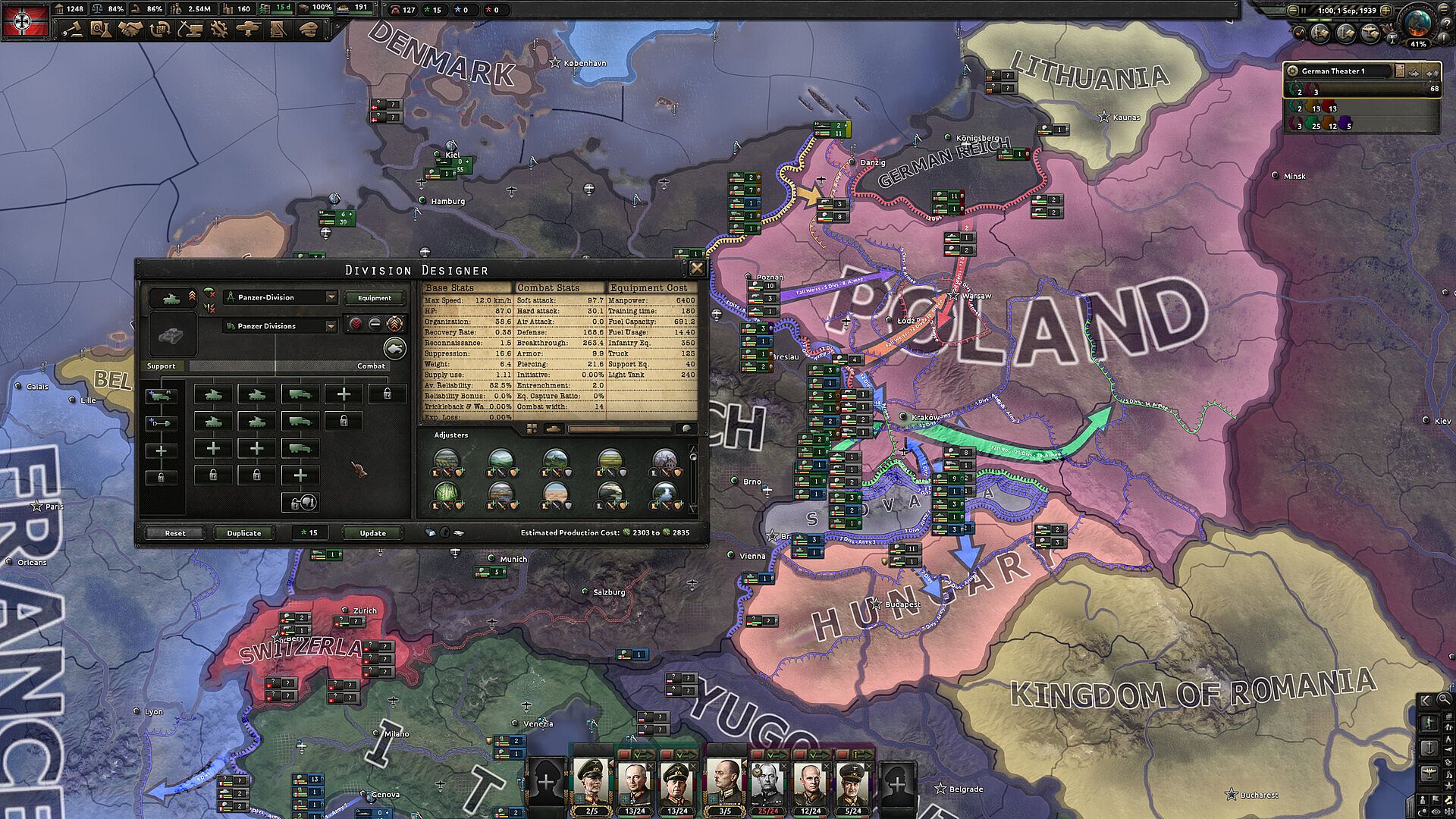
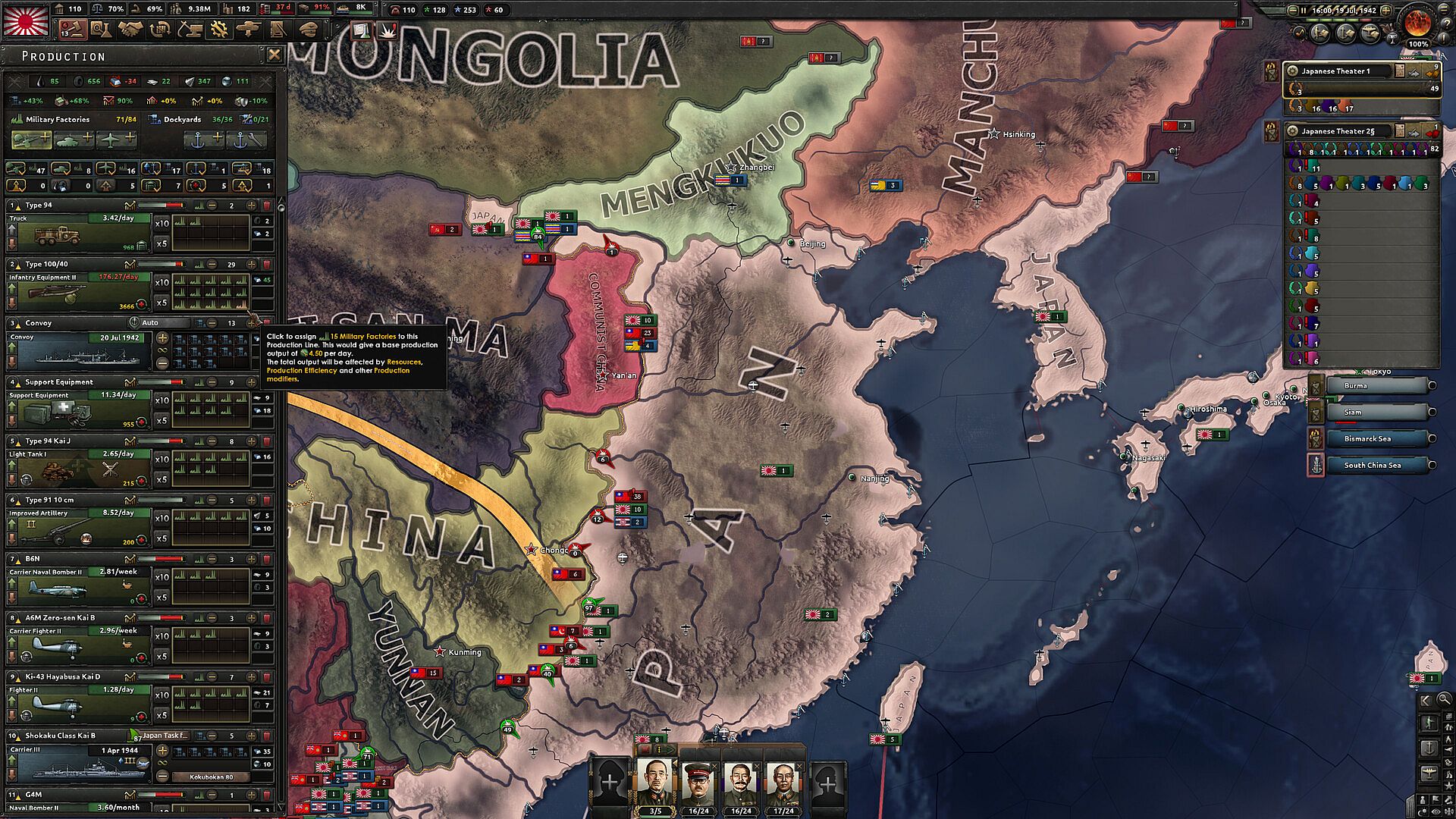
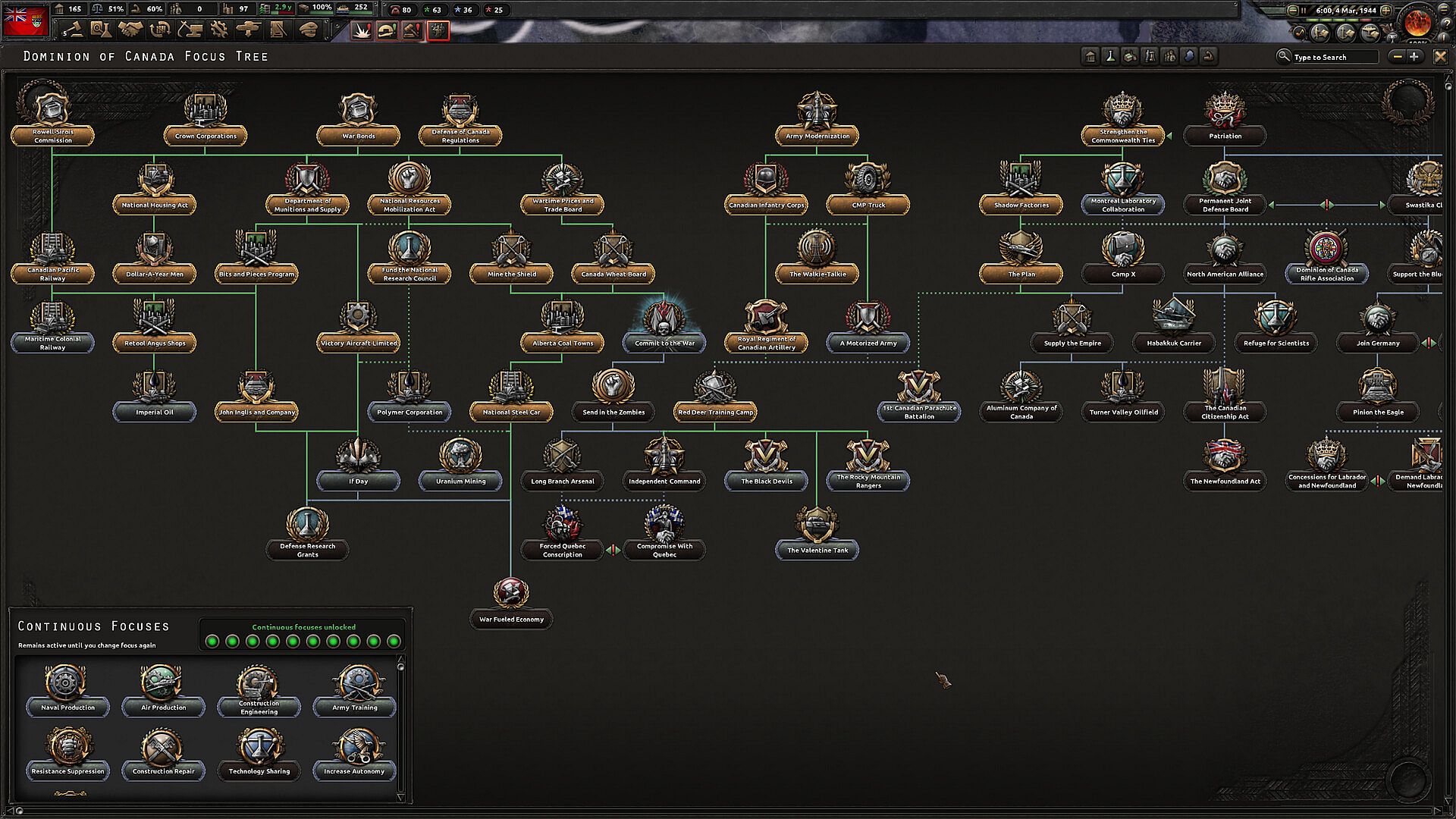
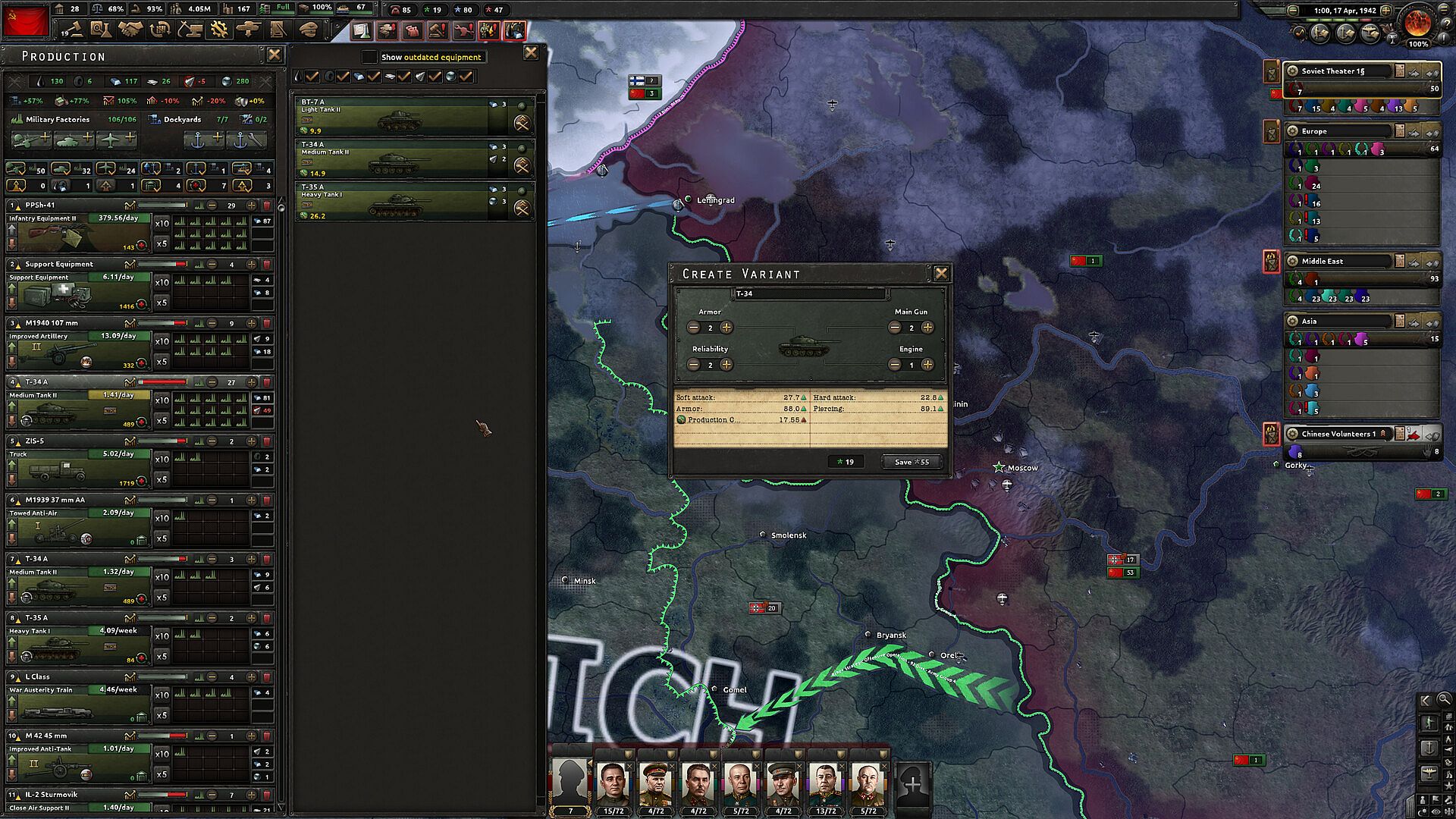
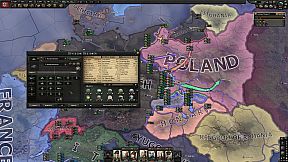
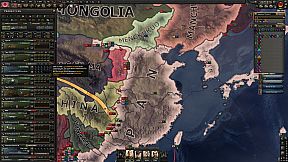
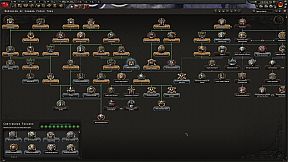
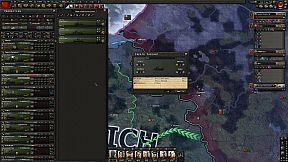
In Hearts of Iron IV, the core loop revolves around guiding a chosen nation through the era's conflicts by balancing military expansion, resource management, and diplomatic maneuvers. Players oversee production lines to build equipment, research technologies to unlock new units or tactics, and design army divisions with specific templates that dictate their composition and effectiveness in battles. Combat unfolds on a global map divided into provinces, where you issue orders for invasions, defenses, or naval operations, with outcomes influenced by terrain, supply lines, and air superiority. National focus trees provide branching paths for policy decisions, allowing for historical accuracy or alternate scenarios, such as shifting alliances or pursuing unique ideological goals.
Diplomacy plays a key role, as you form factions, negotiate trade deals, or justify wars against rivals. The game's real-time progression, which can be paused or sped up, demands constant attention to industrial output and political stability, ensuring that every choice impacts the broader war effort. Mechanics like espionage, through later updates, add layers for intelligence gathering and sabotage, while weather and logistics affect troop performance in realistic ways.
Game Modes
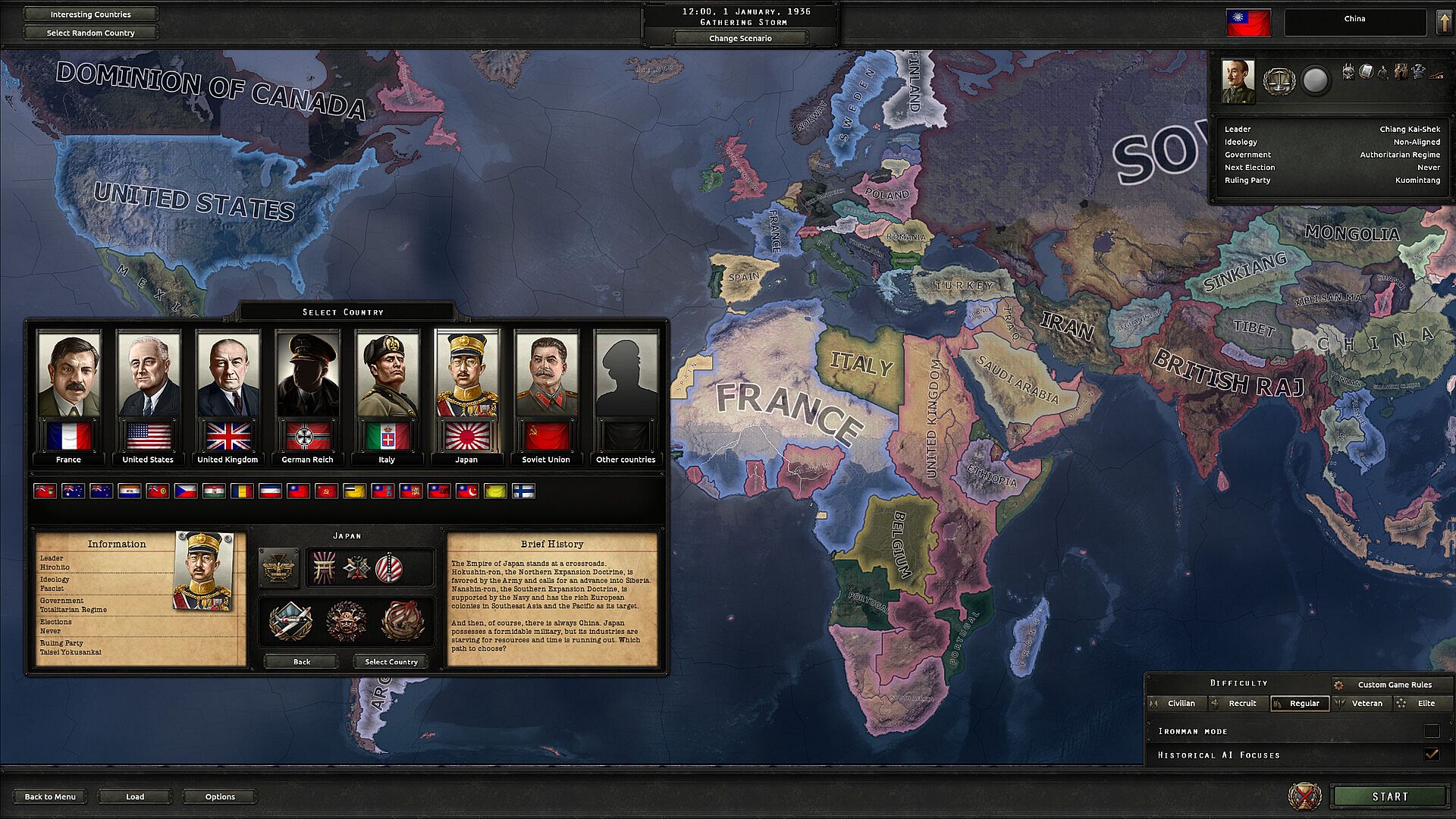
Hearts of Iron IV primarily offers single-player campaigns where you select a starting date, either 1936 for a longer buildup phase or 1939 for immediate wartime action, and control any country available on the map. These scenarios emphasize solo play against AI opponents, with the freedom to follow historical events or deviate into alternate histories through decision-making.
Multiplayer mode supports up to 32 players, allowing cooperative or competitive sessions where participants take on different nations, coordinating strategies in real-time. There are no predefined competitive modes like team deathmatch; instead, the focus is on long-form sessions that can span hours or days, often centered around achieving victory conditions such as capitulating major powers or controlling key territories.
Key Mechanics and Factions
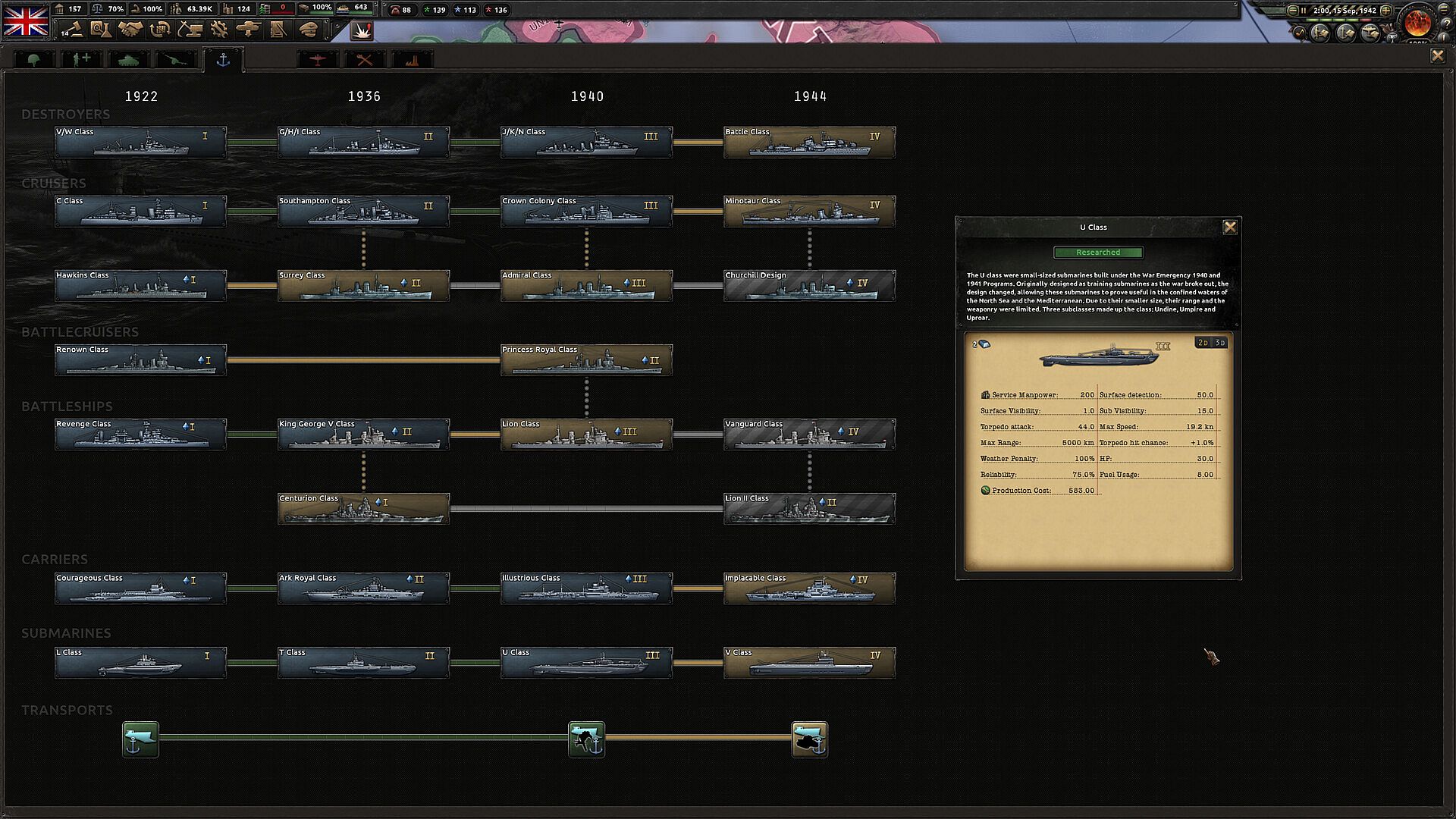
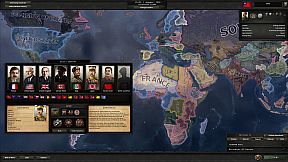
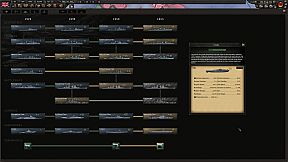
At its heart, the game features mechanics centered on factions like the Allies, Axis, and Comintern, which players can join, lead, or oppose. Playable nations range from major powers such as Germany, the United Kingdom, the United States, and the Soviet Union to smaller countries in Europe, Asia, and beyond, each with unique national focuses and starting conditions. Key systems include the technology tree for researching doctrines and equipment, factory assignment for producing tanks, planes, or ships, and a political power mechanic that lets you appoint ministers or enact laws to boost stability or war support.
Updates have refined these elements, introducing features like fuel management for realistic resource constraints and enhanced naval warfare mechanics. The current state, as of 2026, includes ongoing community-driven mods and patches addressing issues like desyncs in multiplayer, though some players report persistent crashes during extended sessions.
Is It Worth Playing?
For strategy enthusiasts who thrive on intricate simulations, Hearts of Iron IV remains a compelling choice in 2026, thanks to its depth and replayability. Player reception highlights its complexity, with Metacritic users praising it as the top World War II strategy game for its detailed systems and regular updates. Steam reviews, numbering in the hundreds of thousands, average around 91% positive, reflecting strong community engagement despite occasional bugs in multiplayer.
If you prefer games that require hundreds of hours to master and offer endless what-if scenarios, this title delivers value, especially for solo players interested in historical strategy. However, those seeking quick matches or simpler mechanics might find the learning curve steep. With active support and a dedicated player base, it holds up well for anyone curious about grand strategy warfare.