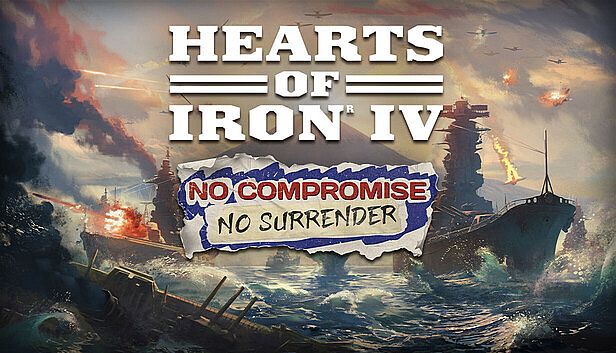

















Hearts of Iron IV: No Compromise, No Surrender is a strategy and simulation expansion that adds new national focus trees, military doctrine options, and faction management tools to the Pacific theater of the Second World War. Players guide Japan, China, and the Philippines through historical or alternate paths while reshaping alliances and naval operations across the region.
Gameplay
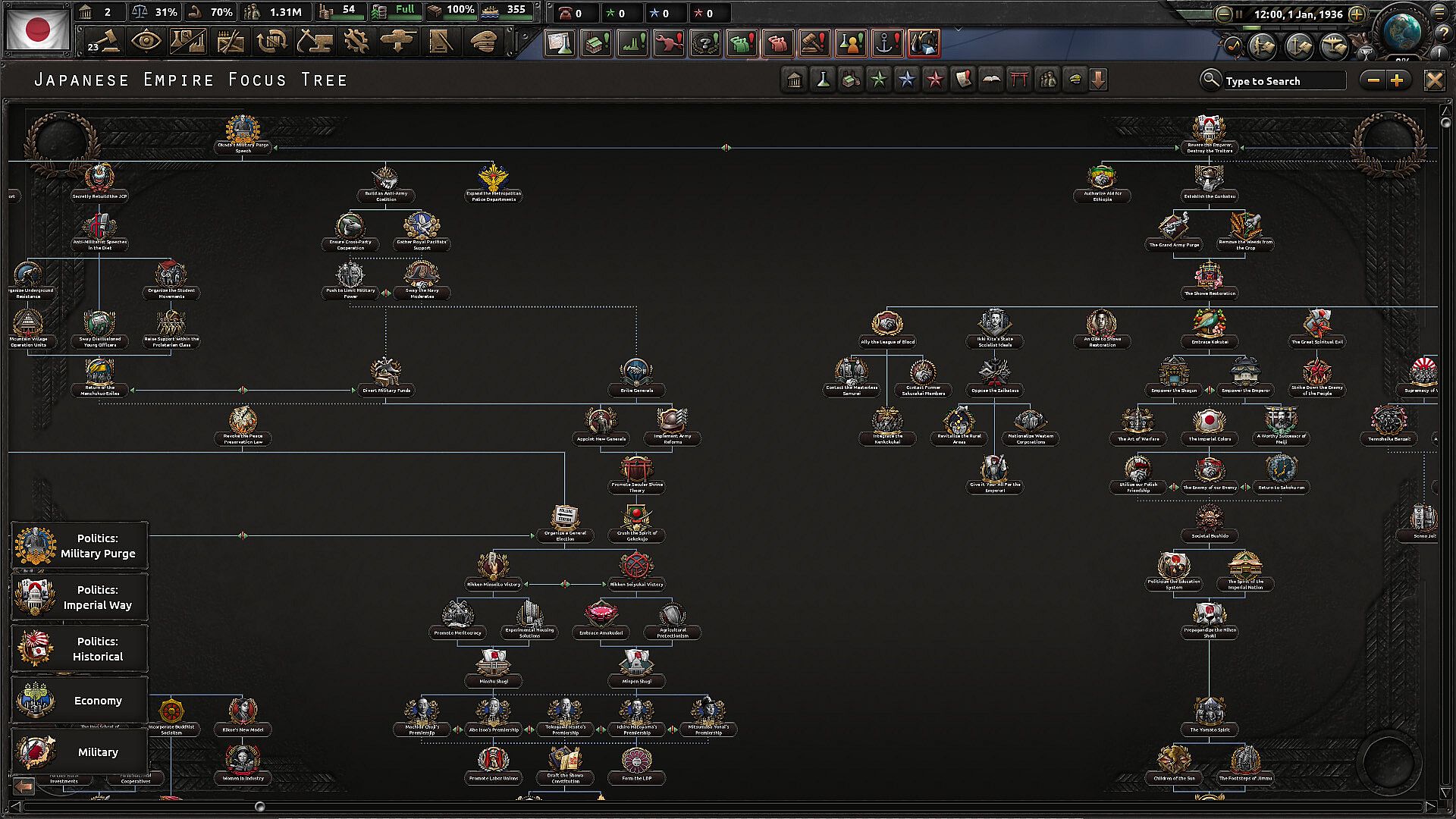
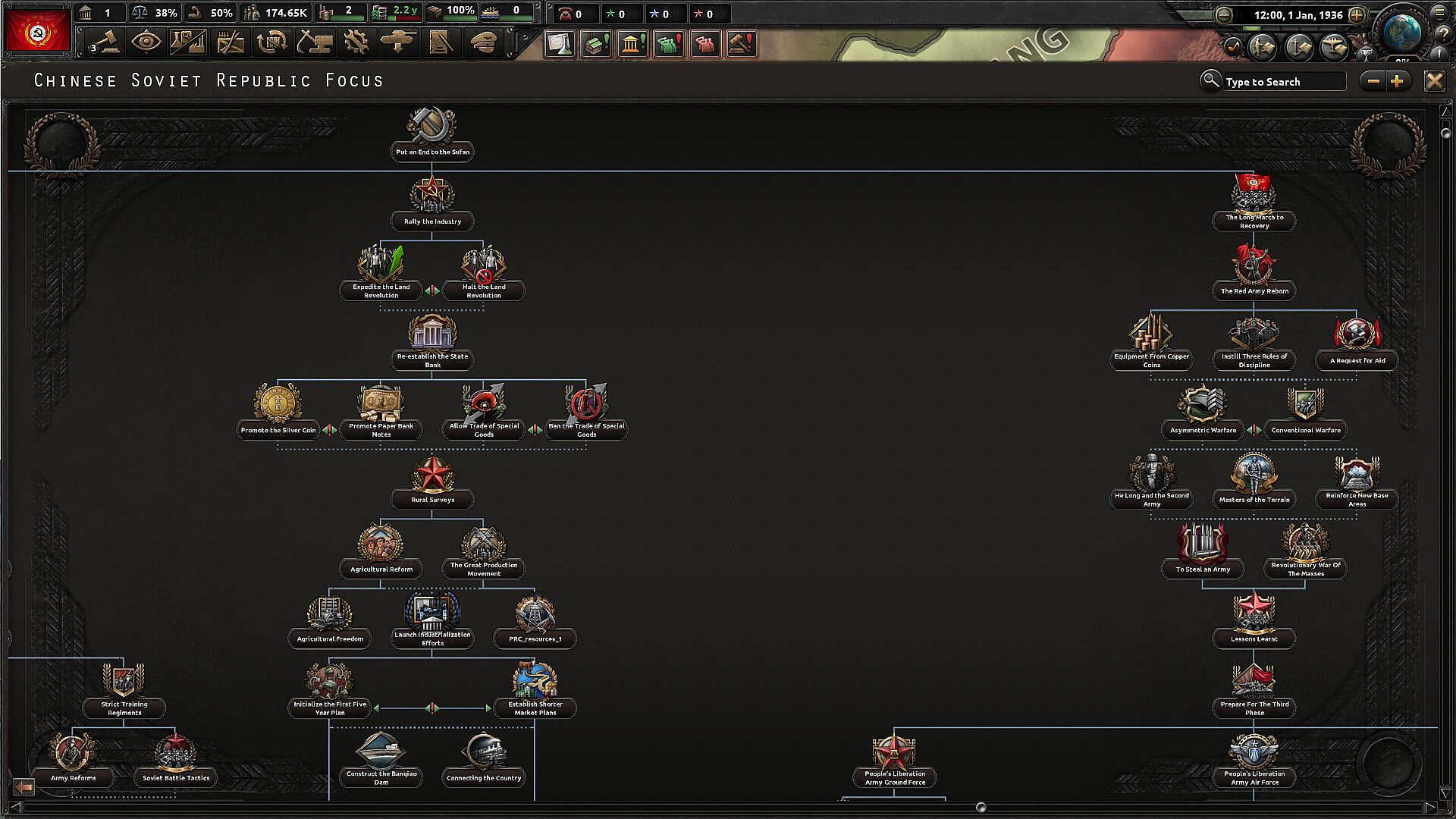
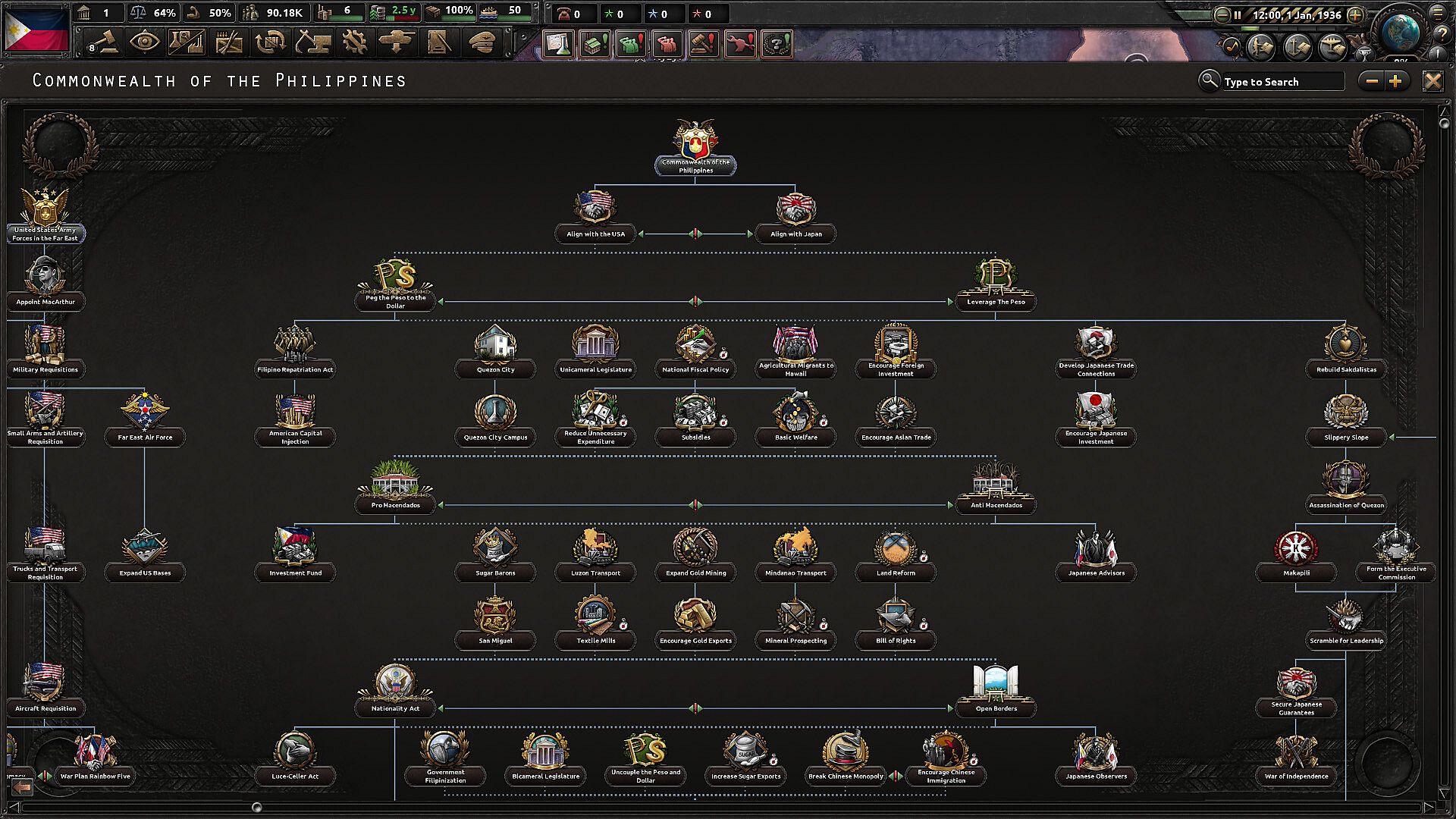
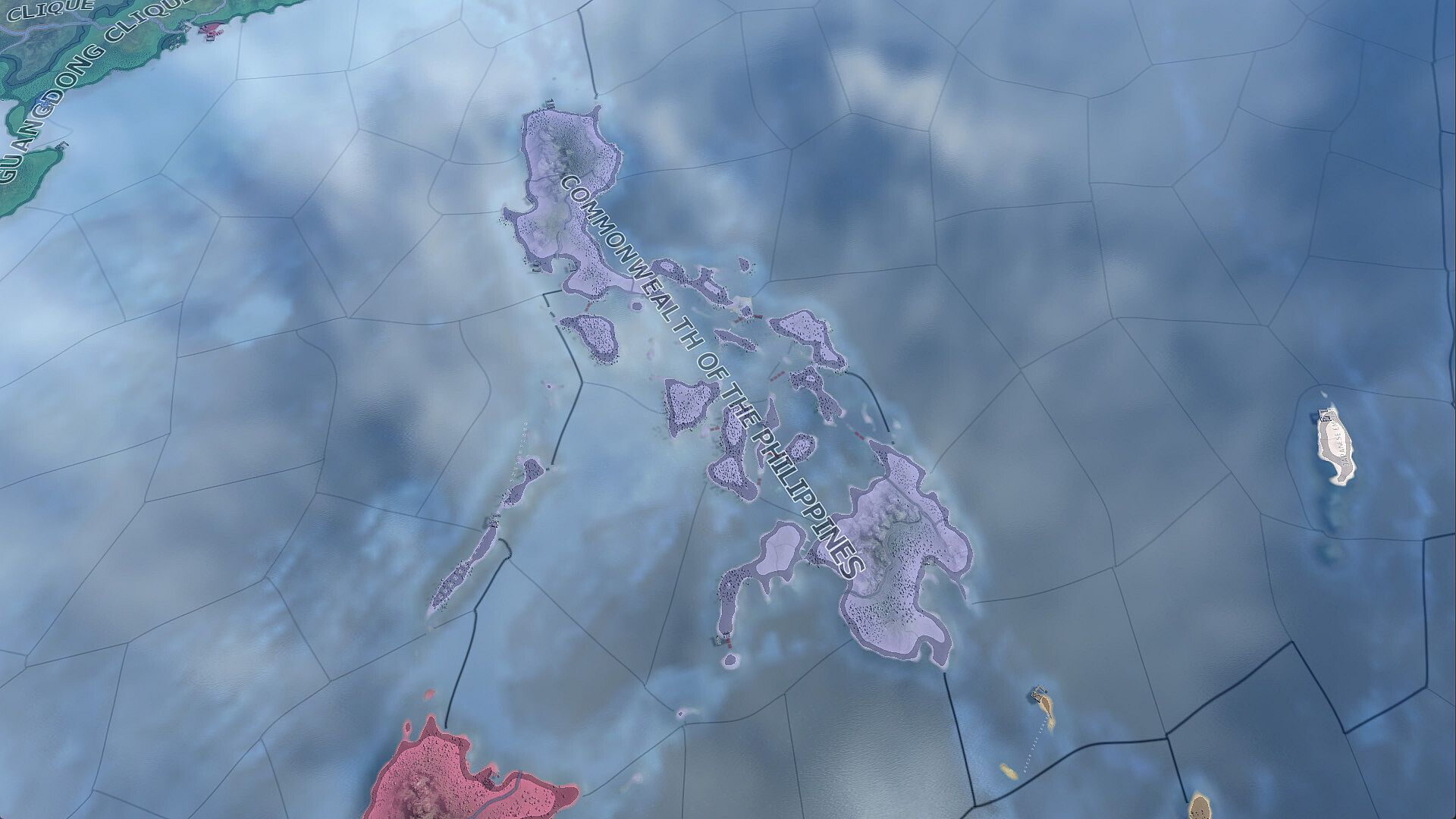
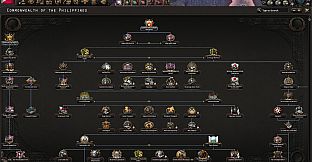
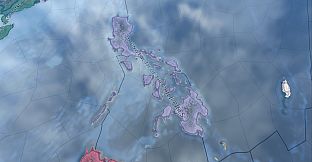
The core loop centers on directing a nation's political, industrial, and military development through extended focus trees. Japan receives branches that allow control over Pacific territories and multiple ideological routes, including paths that challenge Western influence or pursue distinct regional dominance. Communist China focuses on internal unification and external balancing against multiple threats. Nationalist China emphasizes rallying forces against warlords and foreign empires through several resistance strategies. The Philippines tree covers island defense, independence efforts, and resource-based diplomacy with former adversaries.
Military doctrine changes introduce a reworked system where players shape and reform armed forces based on specific battlefield needs. New doctrines accompany updates that refine how units operate in campaigns. The factions system expands with additional rules for allied nations and clearer alliance objectives, giving more direct influence over partner countries. Naval updates include new special projects and refined carrier mechanics that affect fleet composition and engagement outcomes.
Game Modes
Single-player campaigns form the primary experience, allowing extended playthroughs of the new focus trees and doctrine adjustments in solo sessions. Multiplayer supports cooperative and competitive matches with up to thirty-two participants, where the expanded faction controls and naval mechanics apply across shared sessions. Cross-platform elements enable broader matchmaking for these multiplayer formats.
Key Mechanics and Updates
Focus trees integrate with existing simulation layers to alter national priorities over time. Doctrine reforms tie directly into unit performance and army organization choices. Faction expansions add defined goals that influence how alliances form and persist. Naval special projects and carrier improvements provide targeted options for sea power management without altering the overall grand strategy framework.
Is It Worth Playing?
This expansion suits players who enjoy detailed alternate-history strategy in a grand campaign setting. The new focus trees and doctrine rework add depth to Pacific nation management, while faction and naval changes refine alliance and fleet play. Those interested in single-player historical or ahistorical scenarios will find the most direct value. Multiplayer participants gain from the expanded control options during joint or opposing campaigns. As an upcoming addition with confirmed features centered on these areas, it appeals to strategy fans seeking targeted updates to the Pacific theater.