














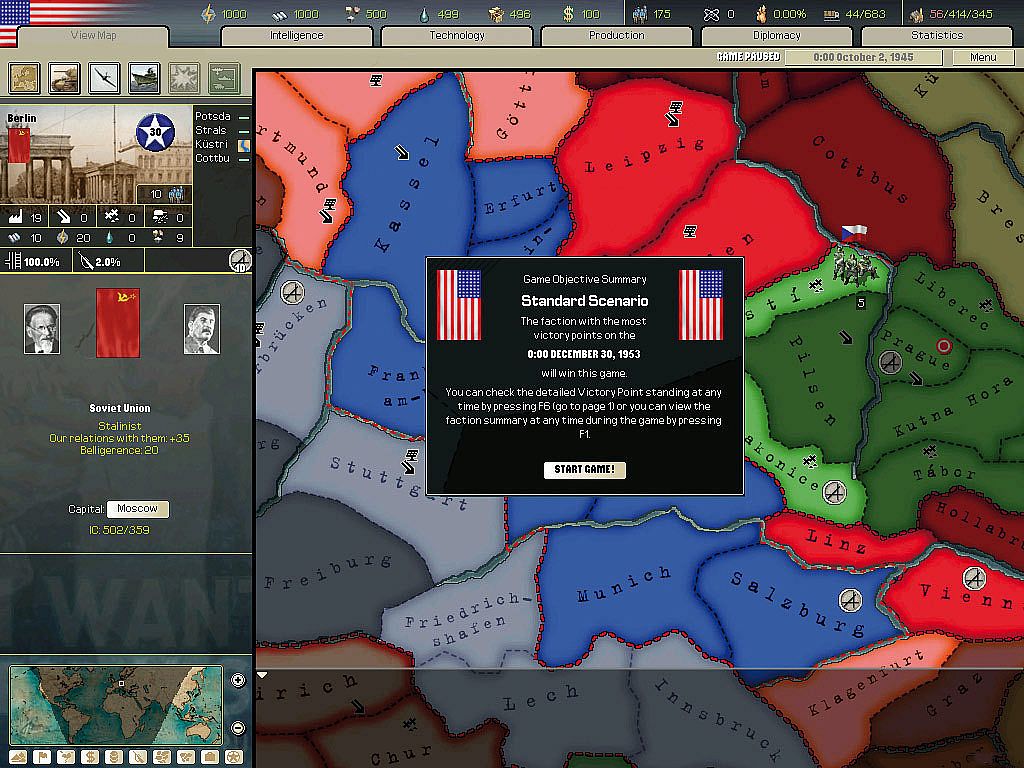
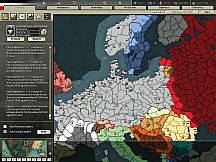
Hearts of Iron 2 Complete is a grand strategy game set during the Second World War and its immediate aftermath. Players take control of one nation among 175 available options and guide it through global conflict and shifting alliances from the late 1930s onward. The complete package bundles the original title with its Doomsday and Armageddon expansions, extending the timeline into a hypothetical World War III scenario where former allies turn against each other.
Gameplay
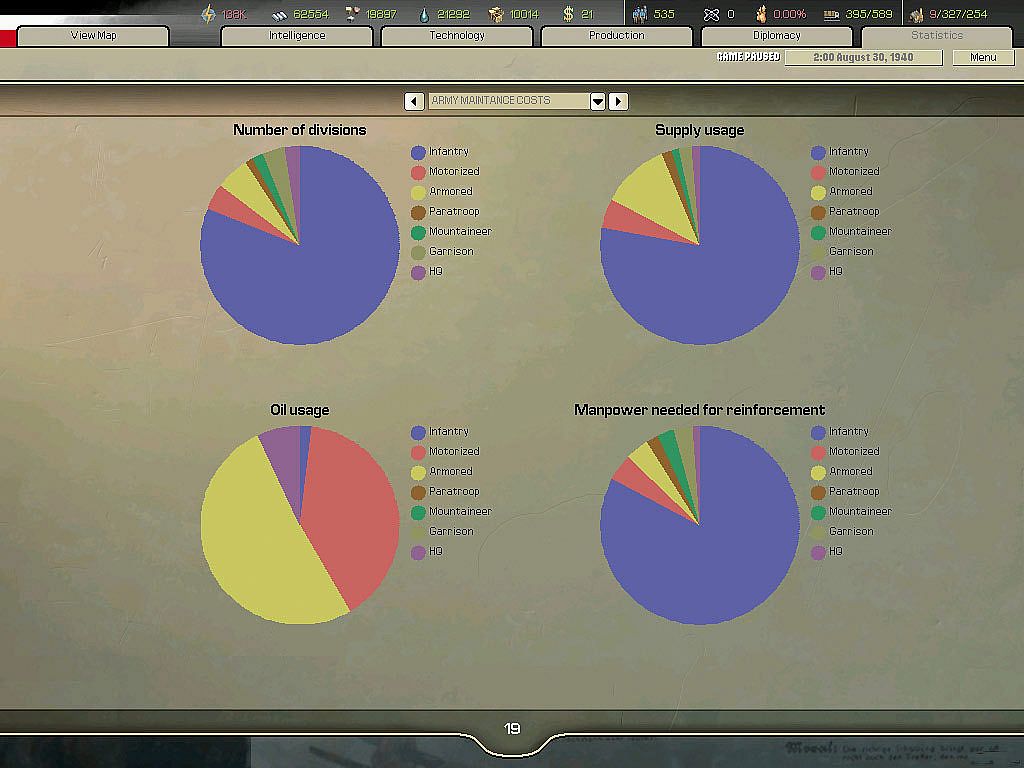
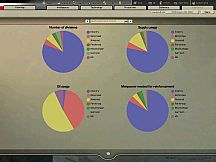
The core loop centers on managing national resources, directing military forces, and shaping foreign policy across multiple theaters. Production lines require careful allocation of industrial capacity to build infantry, armor, aircraft, and ships while balancing research into new technologies. Diplomacy options allow treaties, trade deals, and influence operations that can alter alliances or provoke conflicts without direct combat.
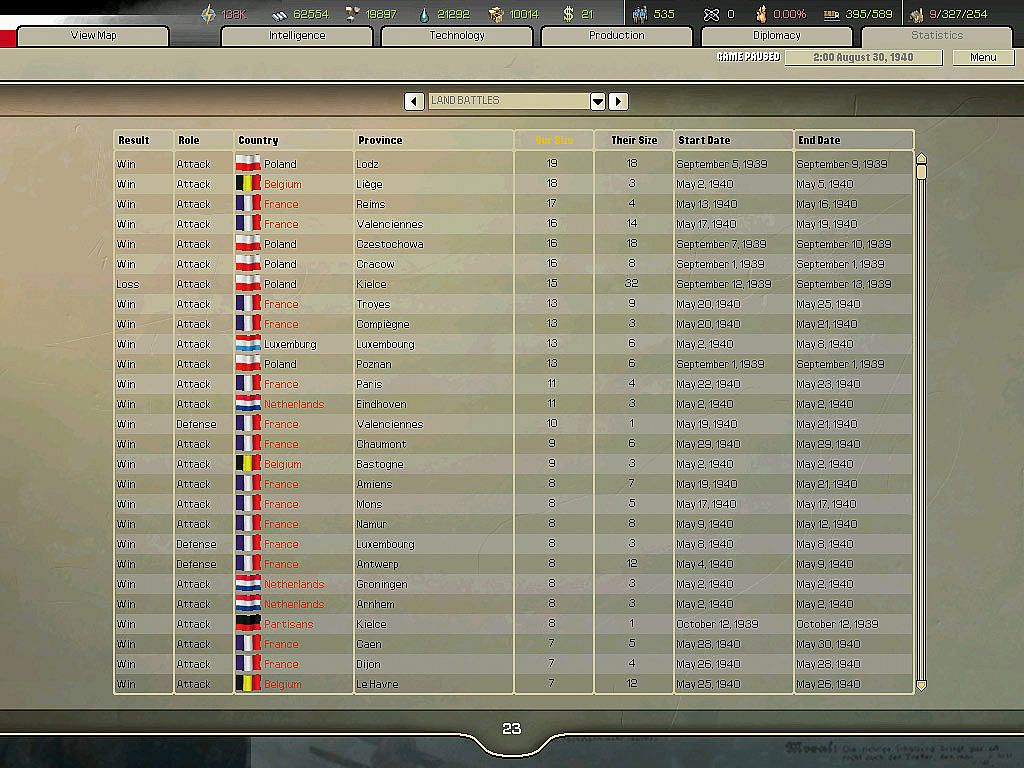
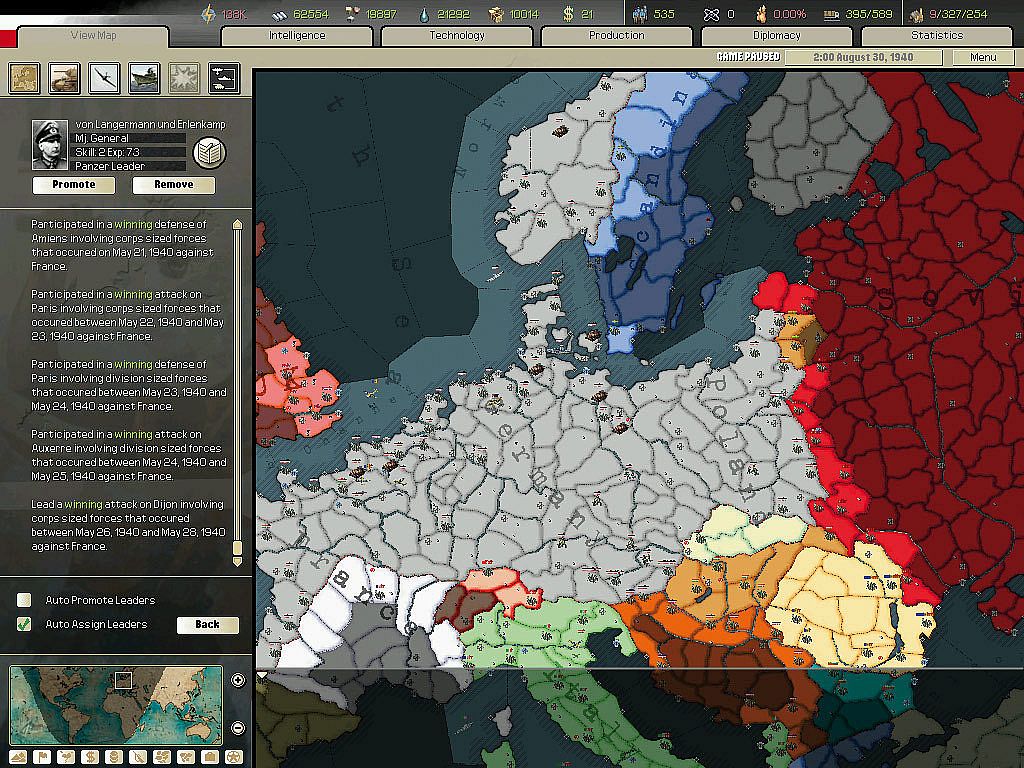
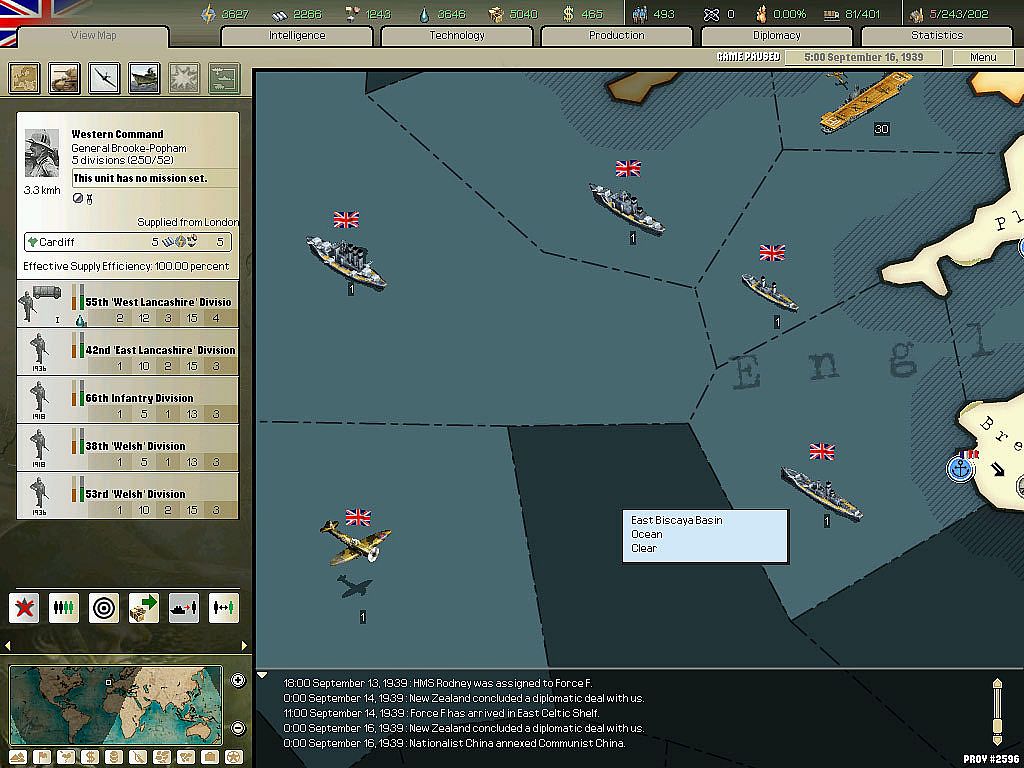
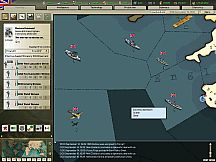
Combat follows a movement-is-attack model where ordering units to advance automatically engages enemies in their path. Air and naval operations rely on mission assignments such as logistical strikes or focused bombing runs rather than constant manual control. The political system lets leaders shift a country's government type mid-campaign, opening new domestic policies and international relations.
Expansions add depth through expanded technology trees that reach into the 1950s and beyond, including nuclear weapons, helicopters, and escort carriers. Naval units gain attachment options for upgrades or scrapping, while land divisions can be assembled with attached brigades from the start. Revised air combat rules emphasize unit organization and endurance over raw numbers.
Game Modes
Single-player campaigns cover the full historical span of World War II plus the alternate World War III timeline introduced in Doomsday. Fifteen dedicated scenarios provide shorter experiences, including historical operations such as Case White and Operation Barbarossa alongside what-if setups like Operation Watchtower and Case Green. These scenarios are designed for sessions lasting one or two evenings.
Co-operative multiplayer lets multiple players share control of the same nation, dividing responsibilities for production, diplomacy, and frontline commands. The system supports joint decision-making without requiring separate countries, which suits groups interested in collaborative grand strategy.
Key Systems and Expansions
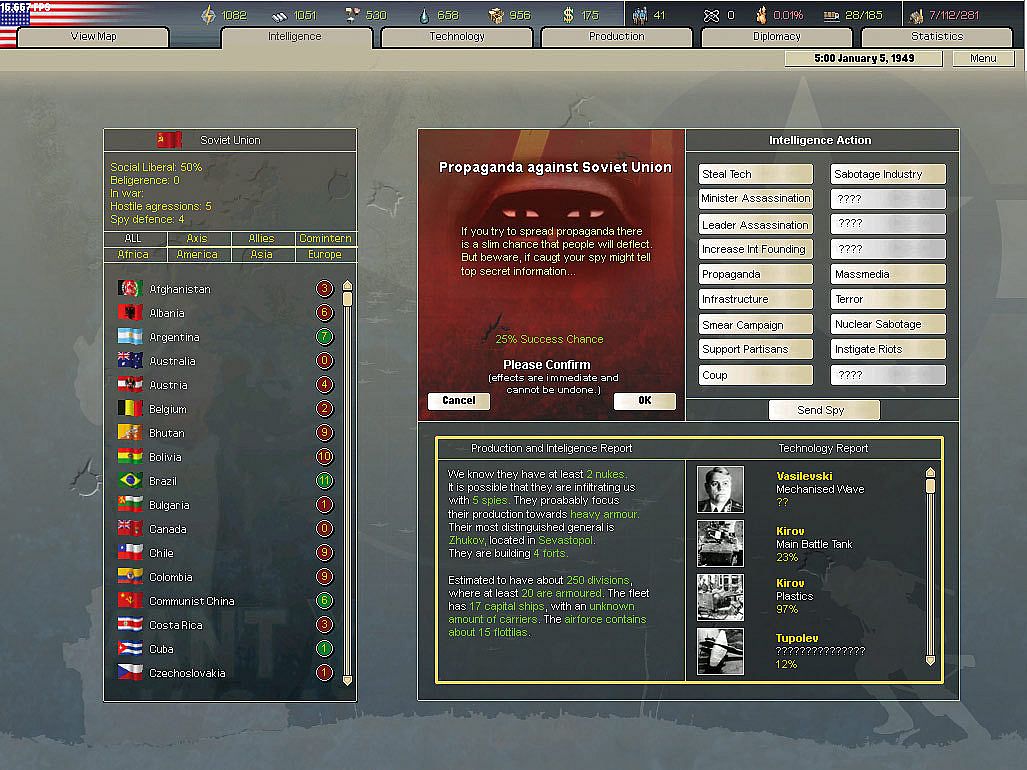
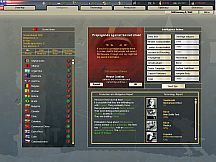
Intelligence and diplomatic tools receive upgrades in the Doomsday expansion, reflecting heightened tensions of the postwar decade. Players can deploy espionage and sabotage through dedicated interfaces while navigating a more complex web of superpower rivalries. Armageddon further refines naval and air layers with new damage calculations that reward sustained operations and better unit cohesion.
Tech progression spans conventional arms through advanced nuclear and aerial capabilities, allowing nations to pursue distinct paths based on available resources and research priorities. Brigade attachments and ship modules encourage customization of forces to match specific strategic needs.
Is It Worth Playing?
The game maintains a Very Positive rating on its primary distribution platform, with 86 percent of 588 user reviews marked positive. Its appeal lies in the depth of simulation for players who enjoy managing large-scale economies, intricate diplomacy, and realistic combat pacing over extended campaigns. Those seeking quick matches or simplified controls may find the interface and scope demanding.
Support for the title remains limited to the original release and bundled expansions, with no ongoing seasonal content or major patches in recent years. It suits enthusiasts of classic grand strategy who value historical accuracy mixed with alternate-history branching and do not require modern quality-of-life features. Newcomers to the genre benefit from the included help functions that reduce micromanagement in production and diplomacy screens.