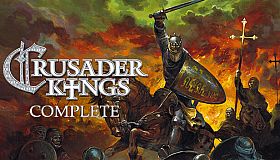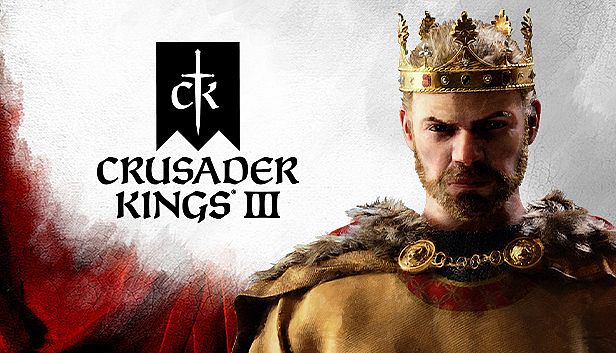























































Crusader Kings III stands out as a grand strategy role-playing game that blends deep simulation with narrative-driven dynasty management, set against the backdrop of the Middle Ages.
Gameplay
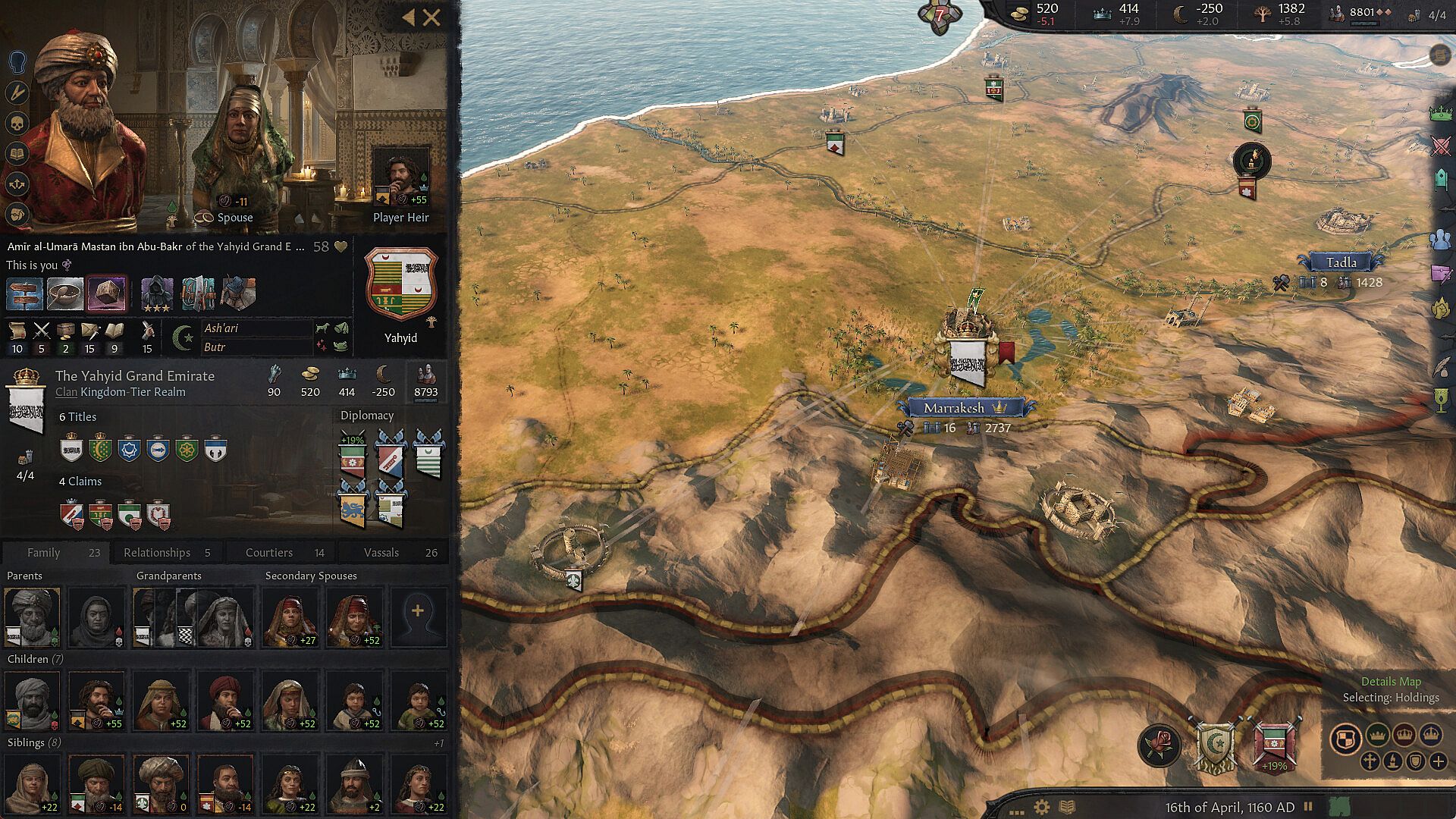
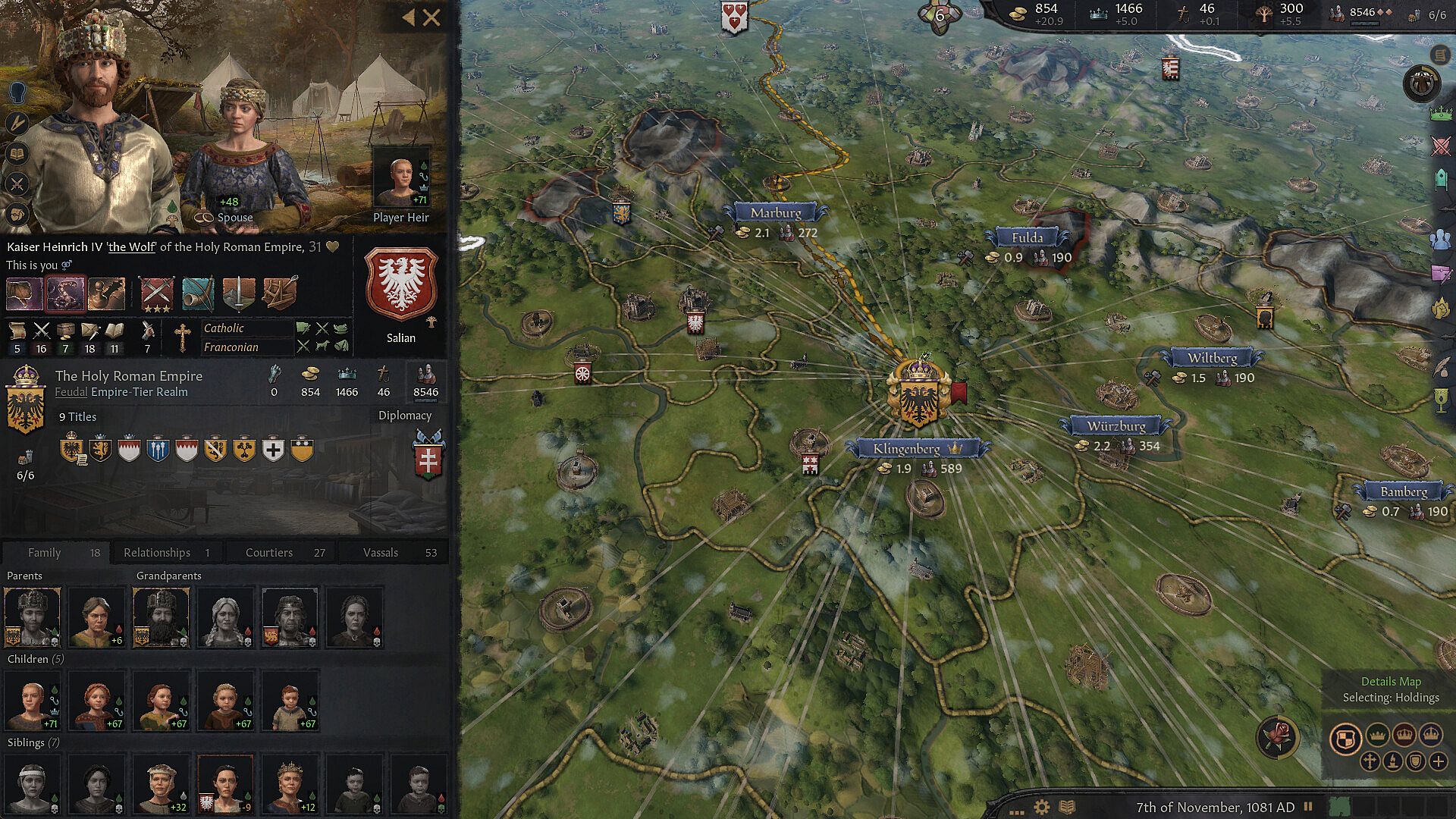
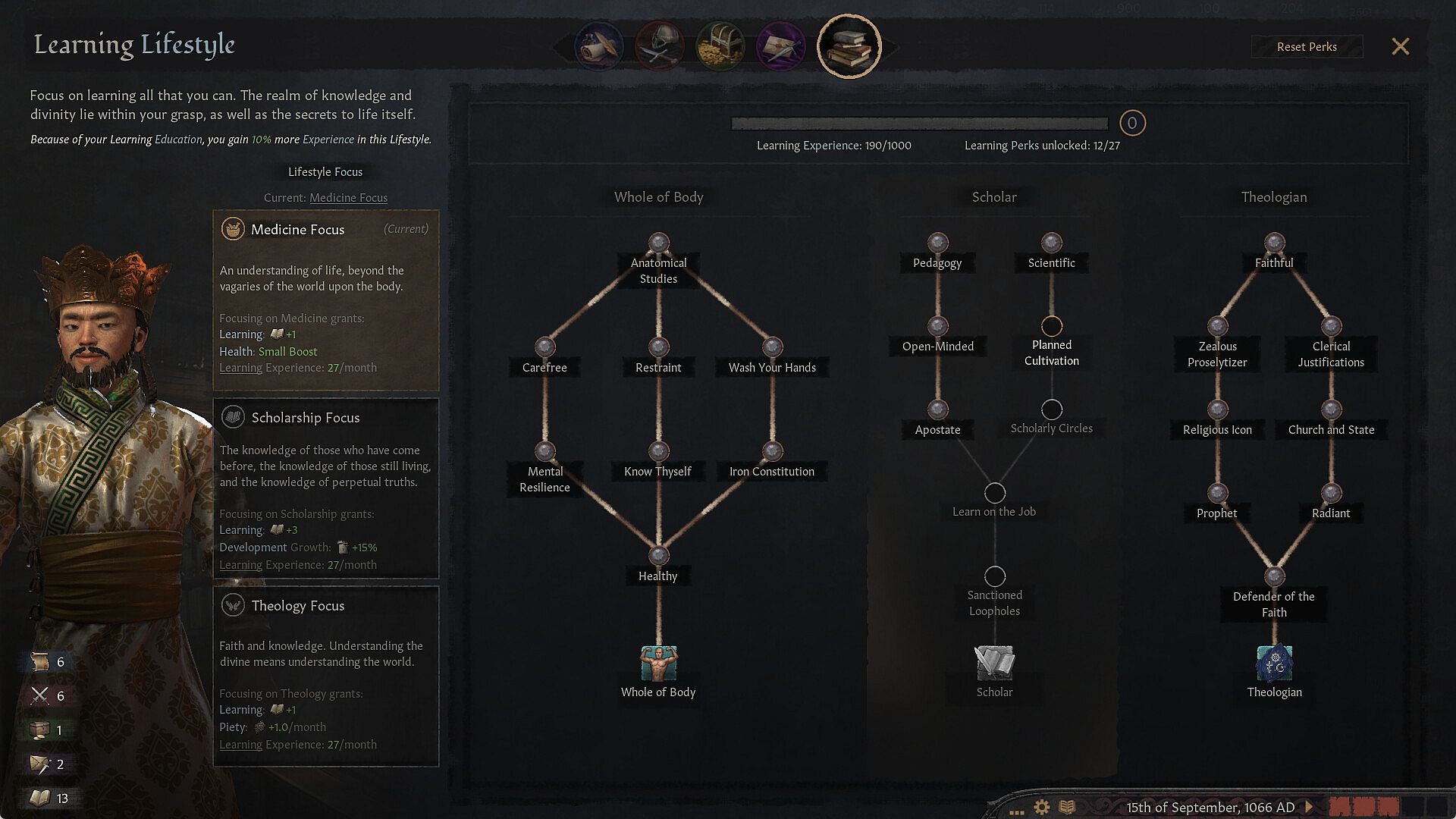
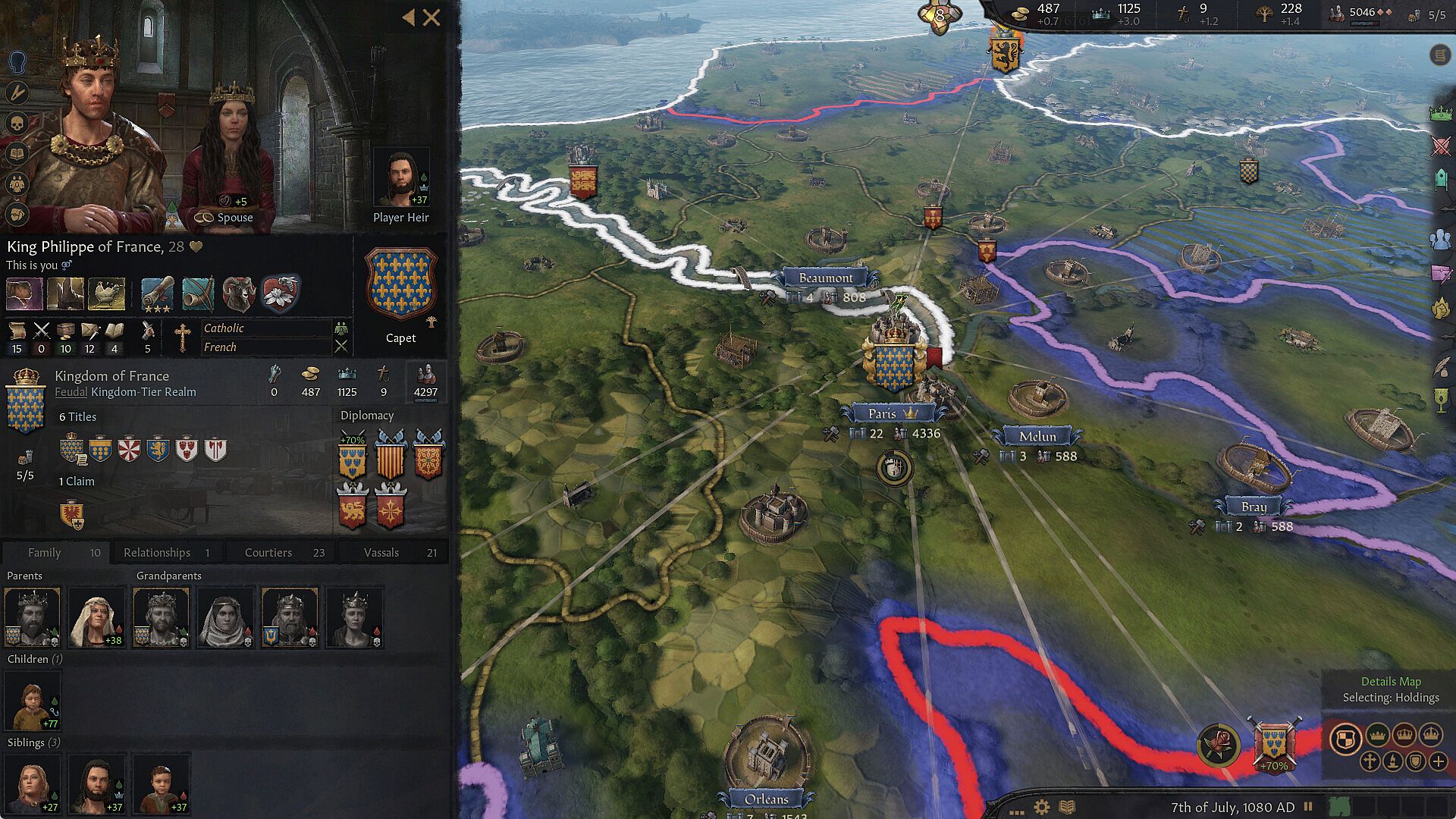
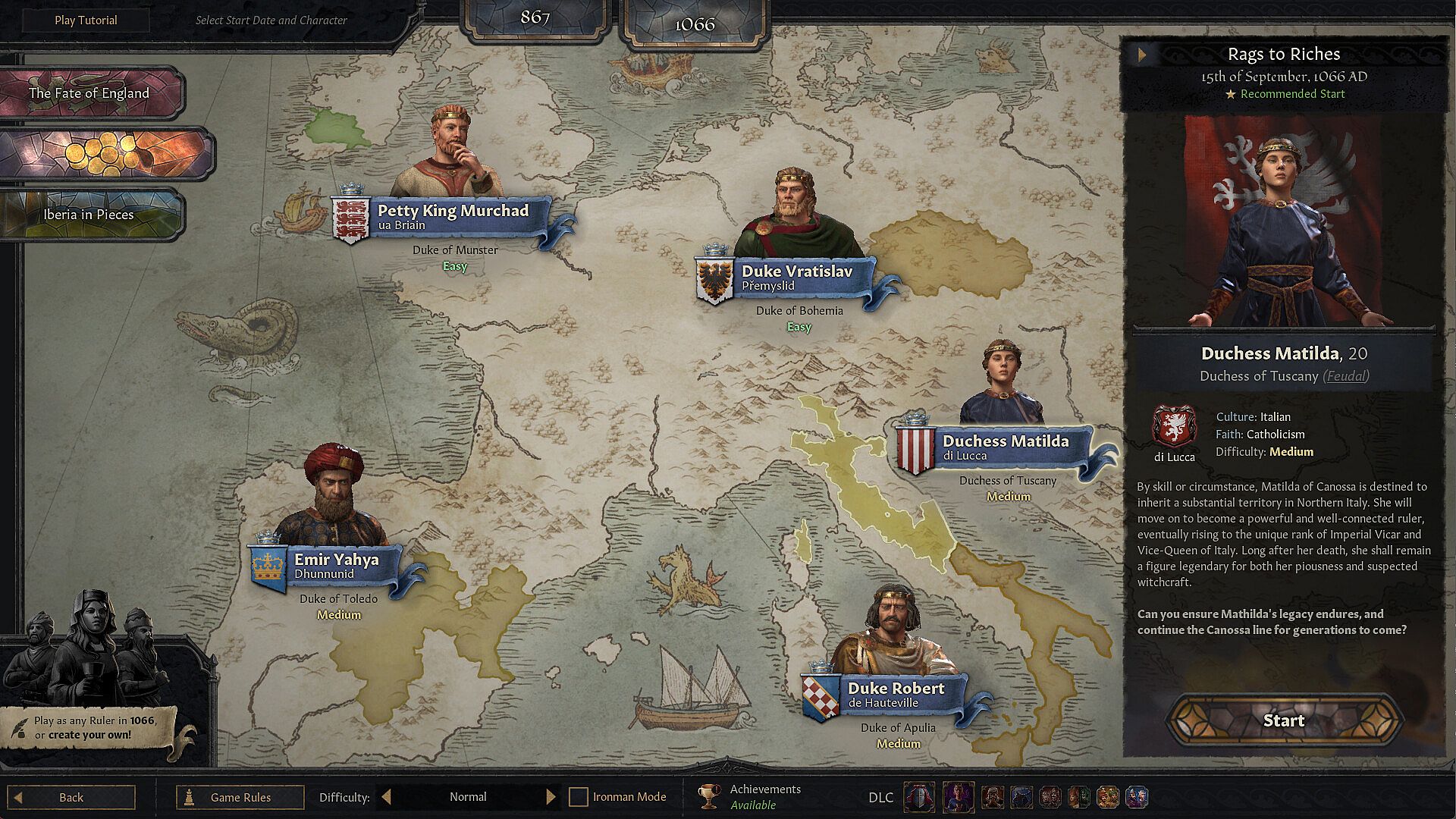
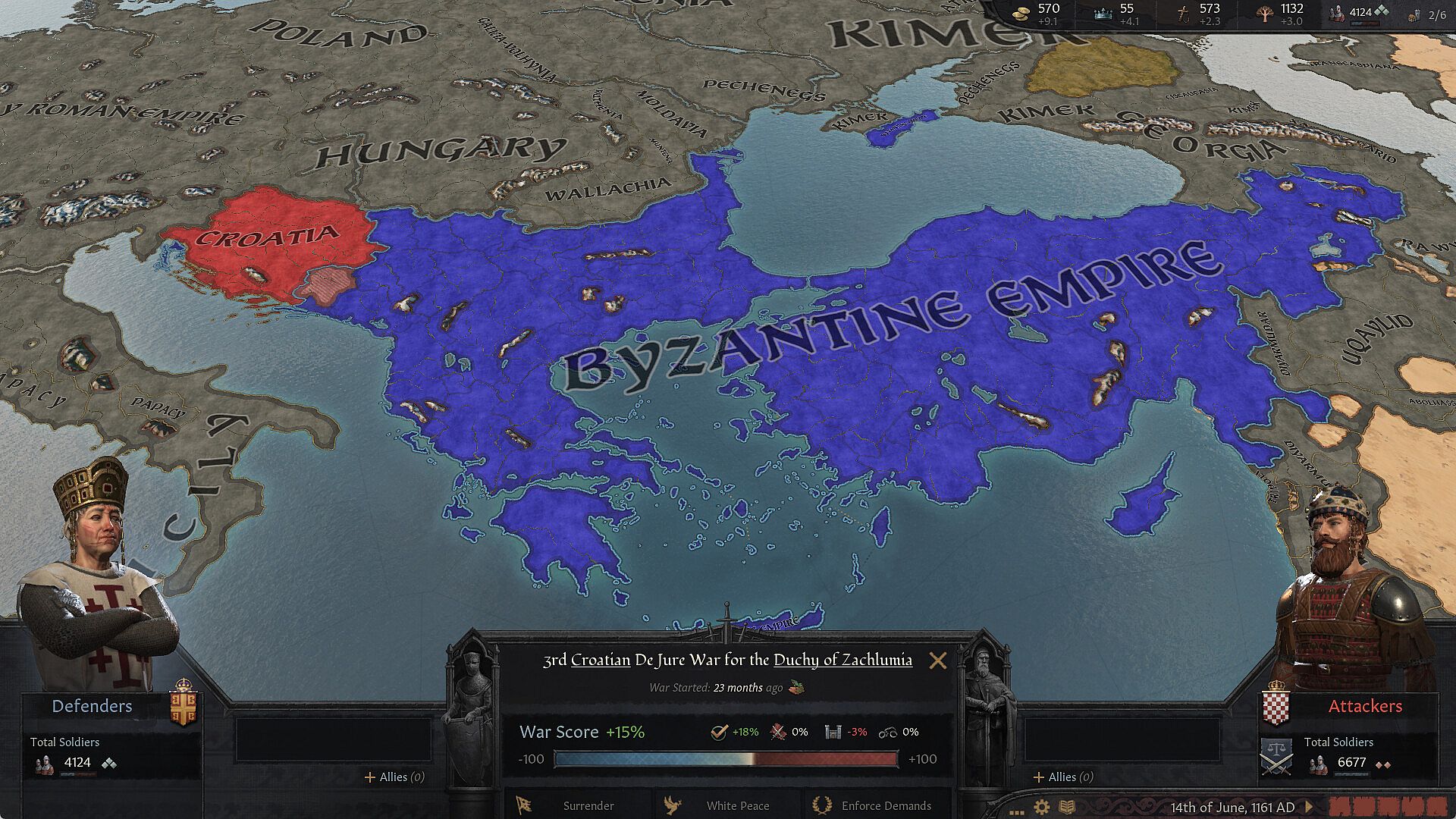
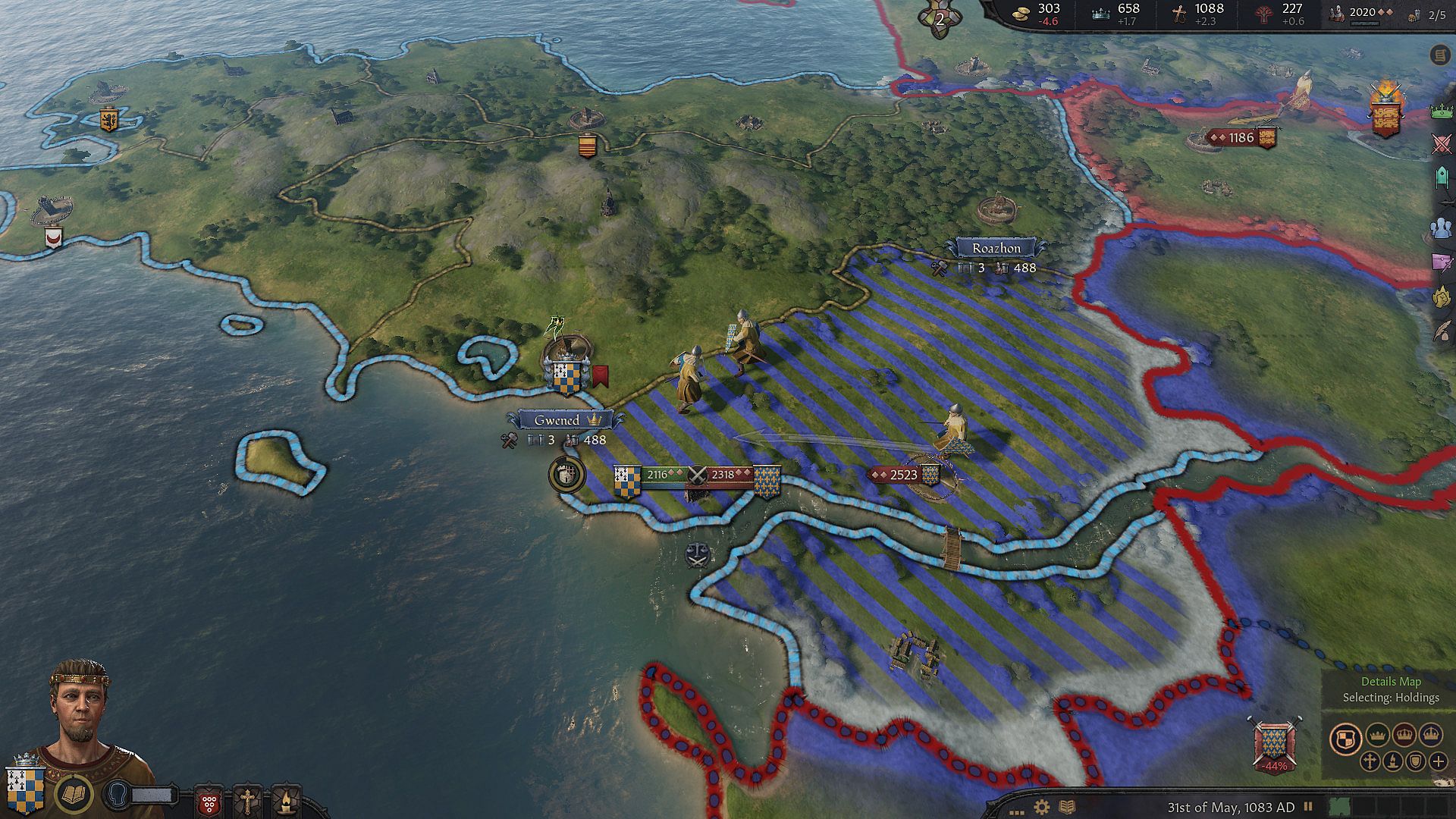
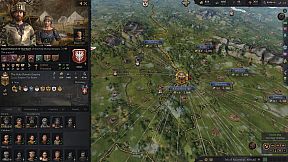
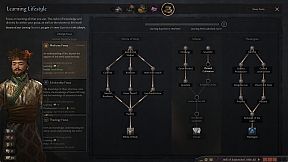
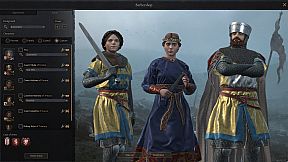
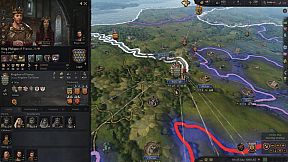
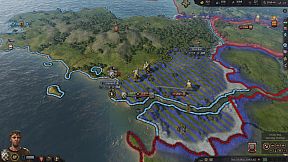
In Crusader Kings III, you take control of a noble house and guide its fortunes across generations, starting from historical points like 867 or 1066 and extending potentially to 1453. The core loop revolves around expanding your realm through a mix of warfare, diplomacy, and intrigue, while managing internal affairs such as vassal loyalty and court politics. Characters come alive with traits that influence their decisions, from genius intellect to debilitating flaws, and these can pass down through genetics to heirs. You handle military forces composed of levies for basic troops and specialized men-at-arms units like cavalry or crossbowmen, alongside powerful knights drawn from high-prowess individuals in your court. Religion plays a central role, allowing you to reform faiths by selecting tenets and doctrines that affect everything from holy wars to social norms. Stress accumulates from actions against a character's nature, leading to breakdowns or coping mechanisms, while dread from ruthless deeds helps control unruly subjects. Lifestyles offer skill trees in areas like diplomacy or martial prowess, shaping how your ruler approaches challenges.
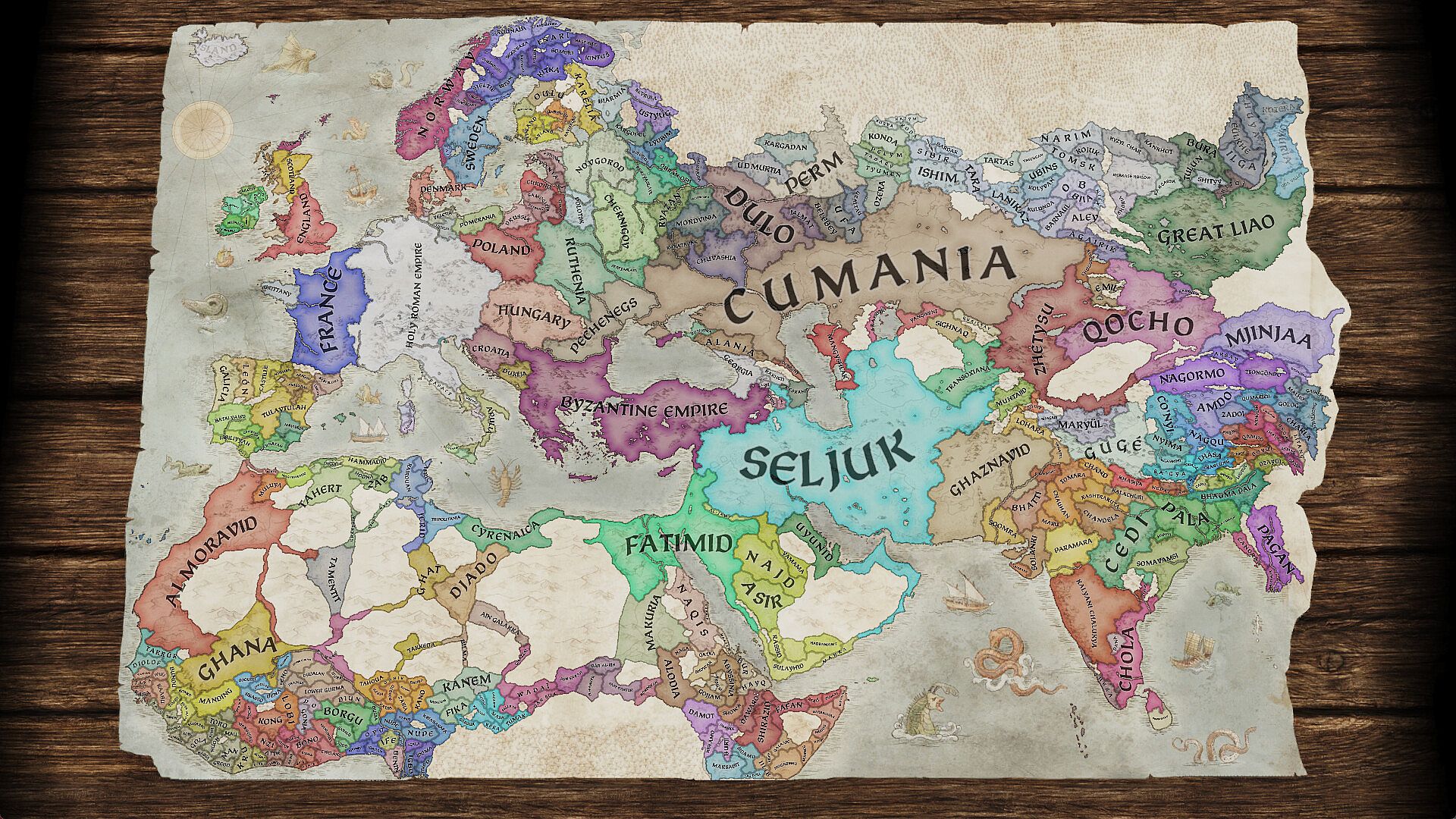
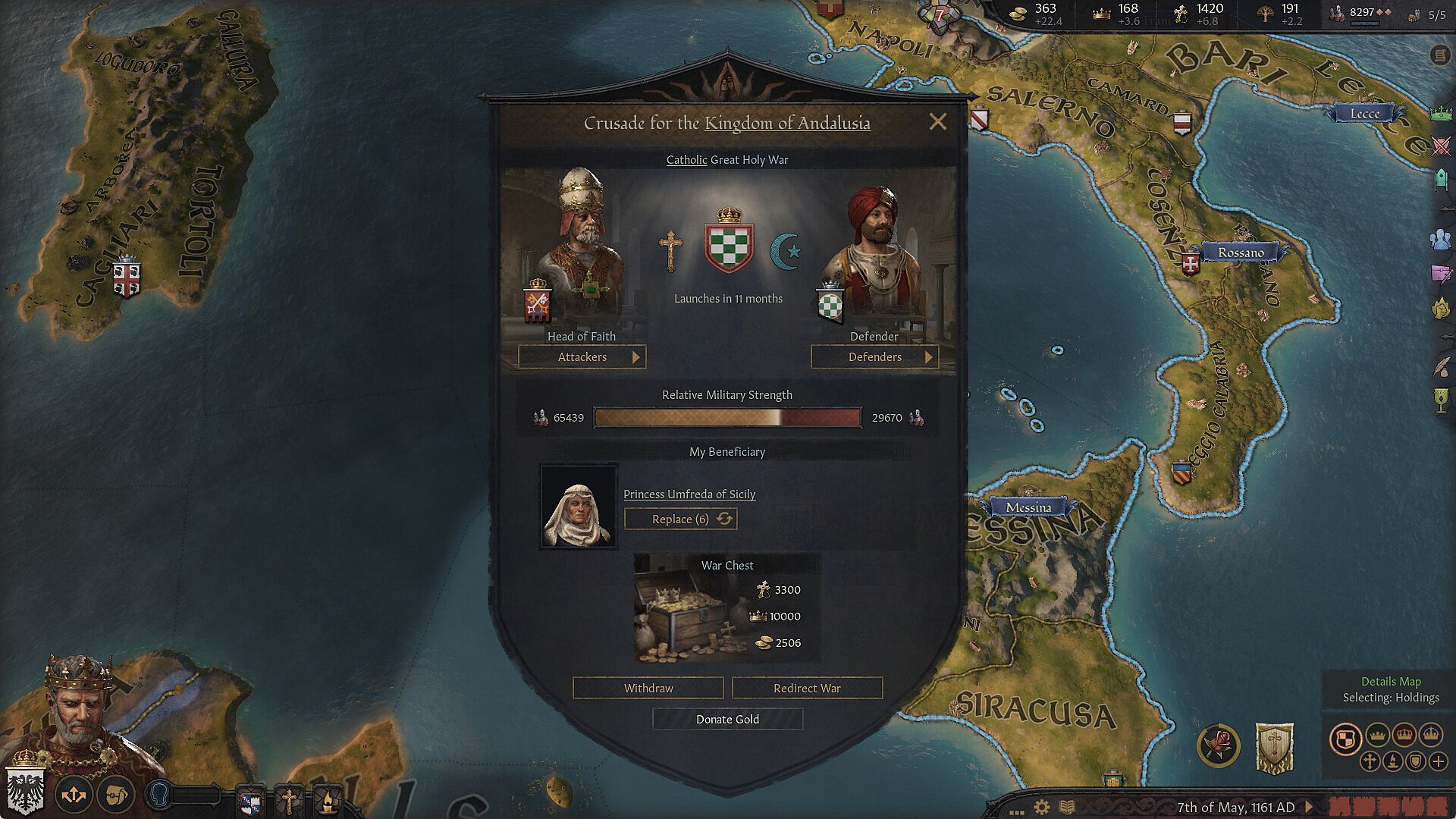
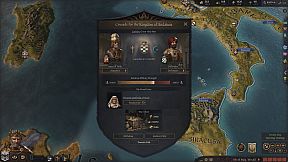
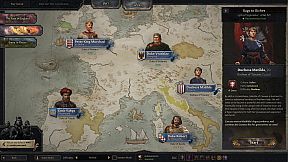
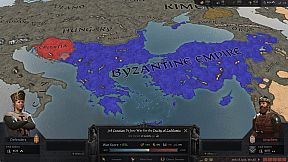
Governing involves choosing from various government types, such as feudal or tribal systems, each with unique mechanics for handling vassals and territories. The map spans from Nordic regions to parts of Africa and Asia, with thousands of counties to claim. Random events and decisions keep sessions unpredictable, ranging from secret affairs to large-scale conflicts like crusades or jihads.
Game Modes
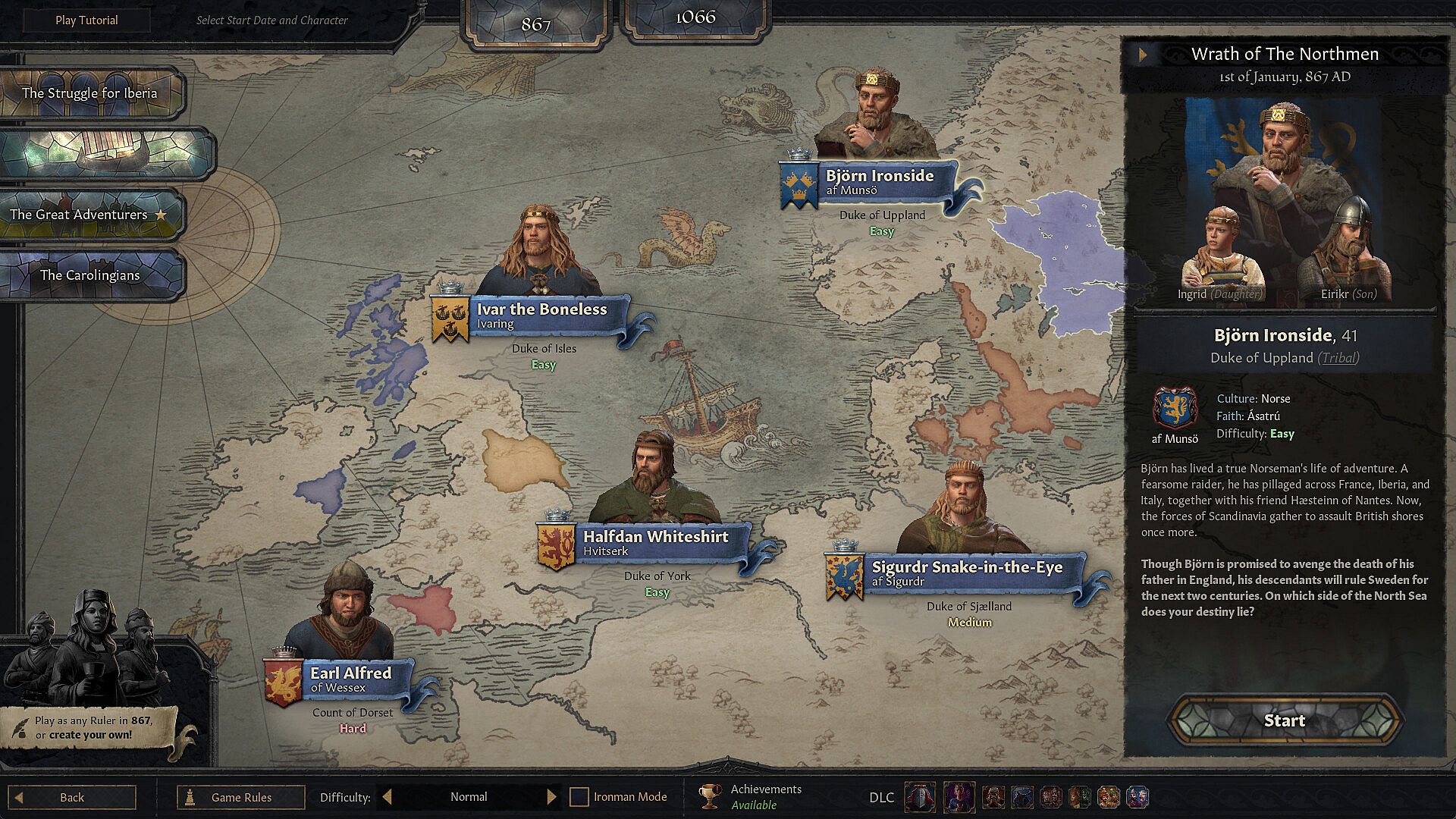
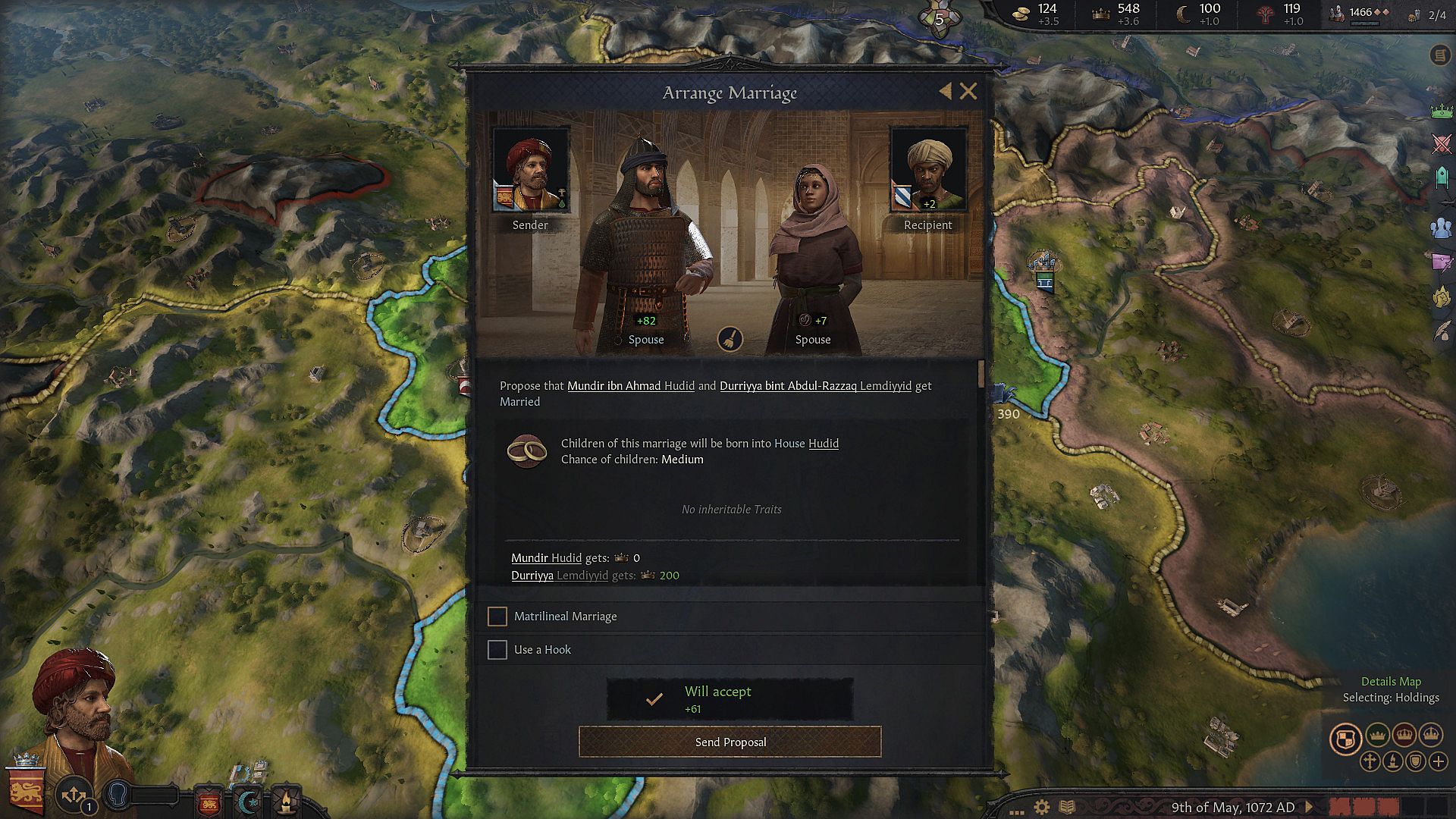
Crusader Kings III primarily offers a single-player experience where you build and maintain a dynasty in a simulated medieval world. This mode lets you select from specific start dates, including 867, 1066, 1178, or the Iranian Intermezzo, each presenting different historical contexts and challenges. Multiplayer supports up to 32 players, allowing collaborative or competitive play across the same campaign, where participants can control different houses and interact through alliances, betrayals, or wars.
Key Mechanics and Features
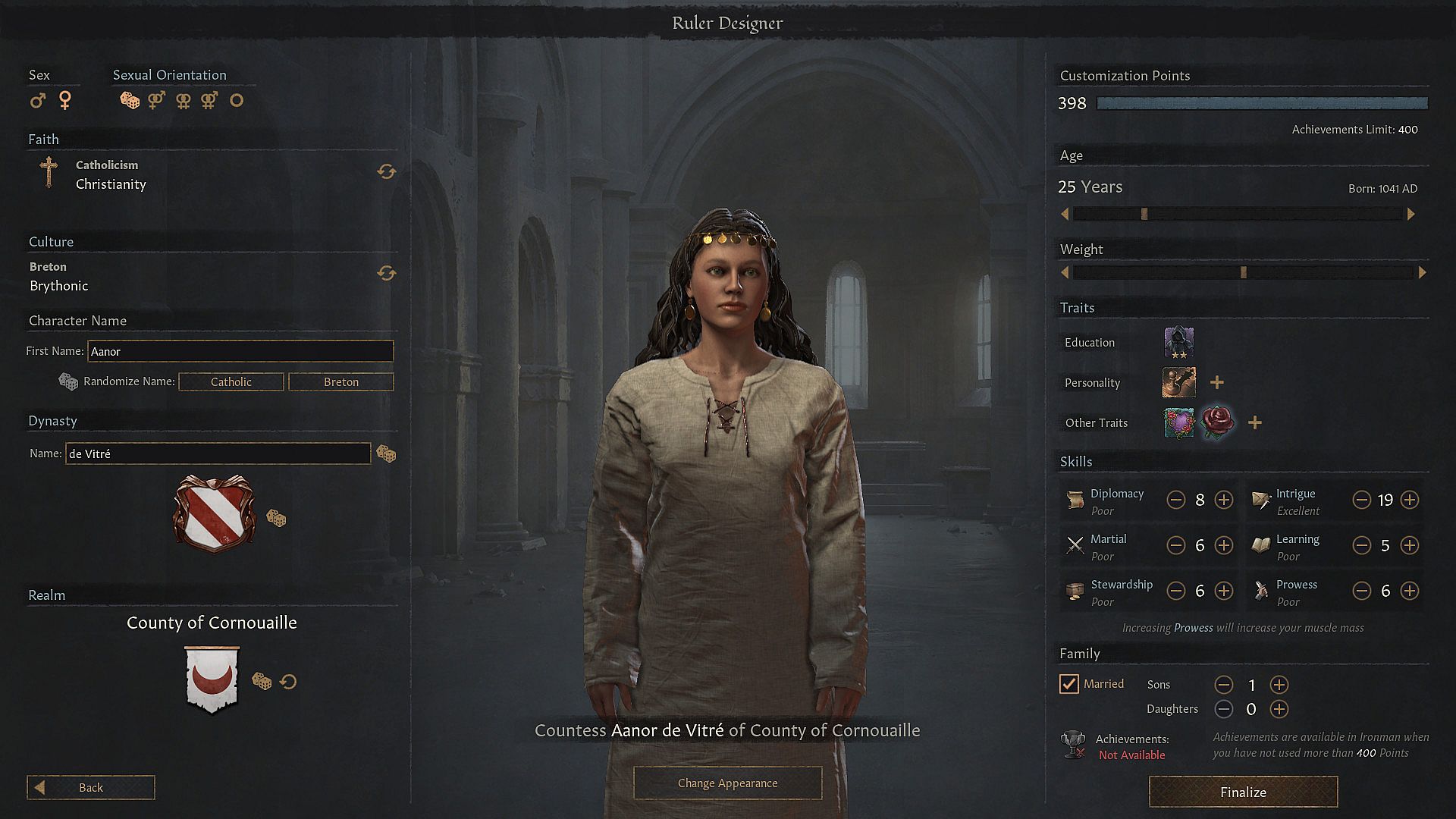
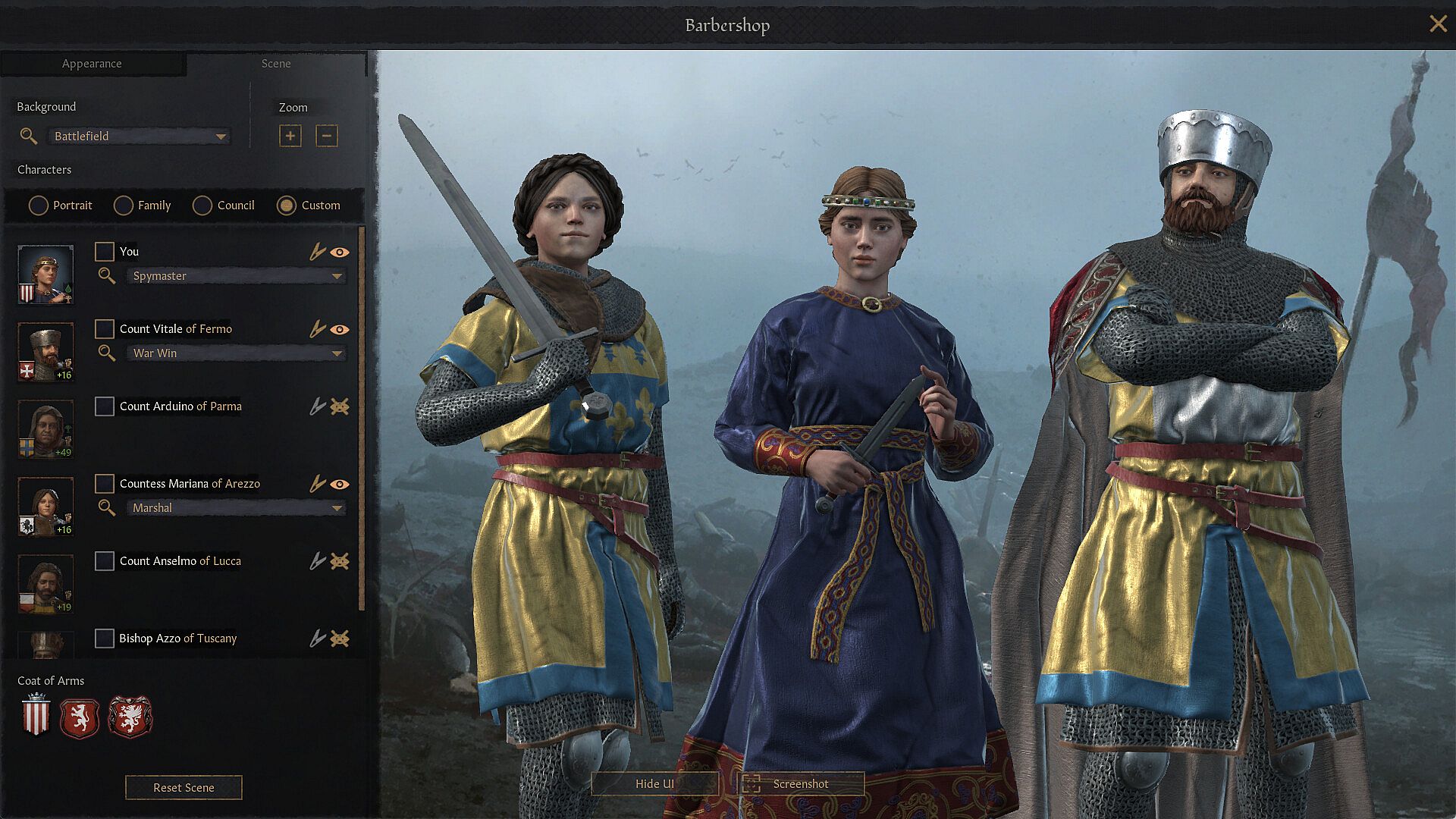
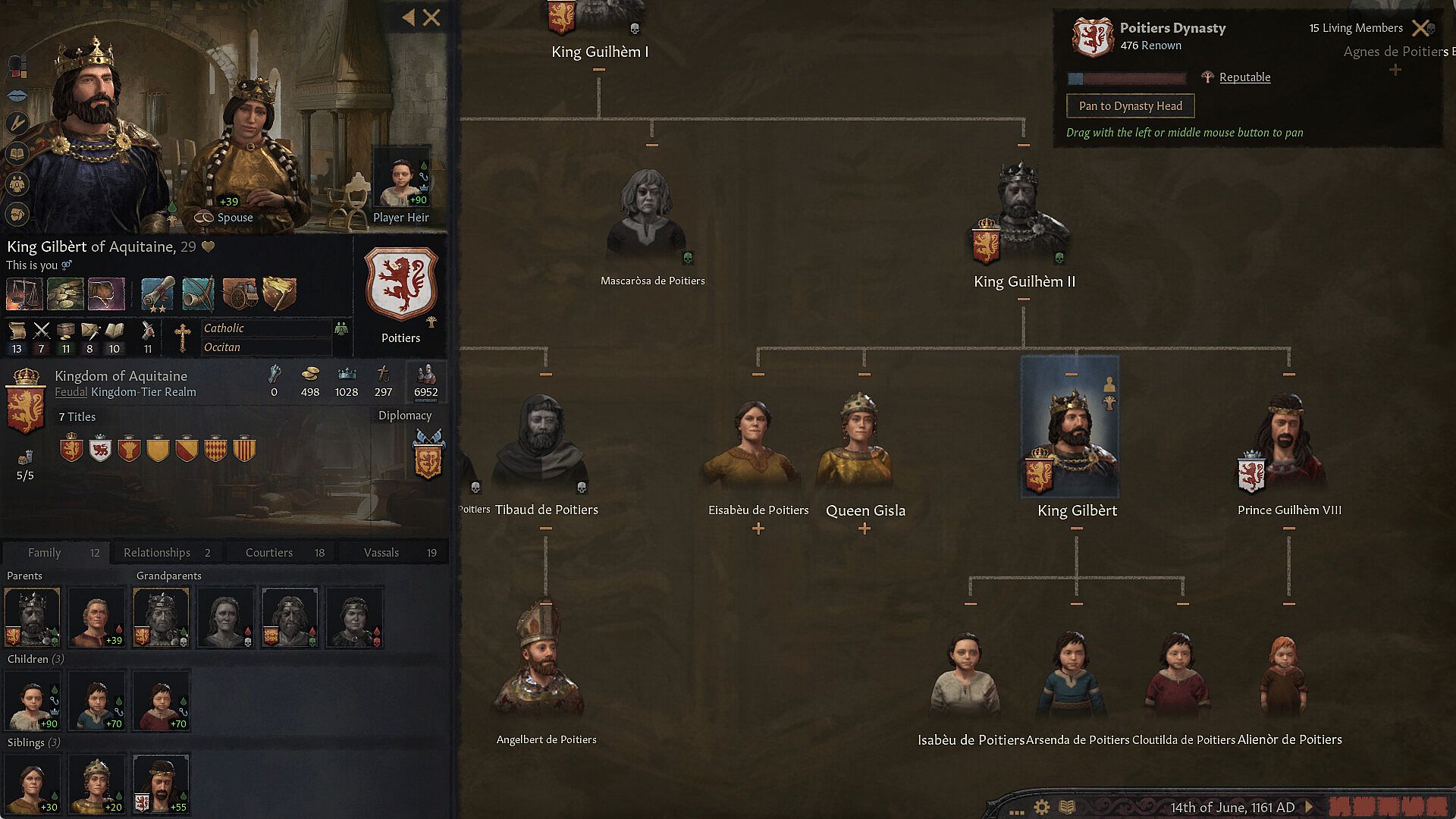
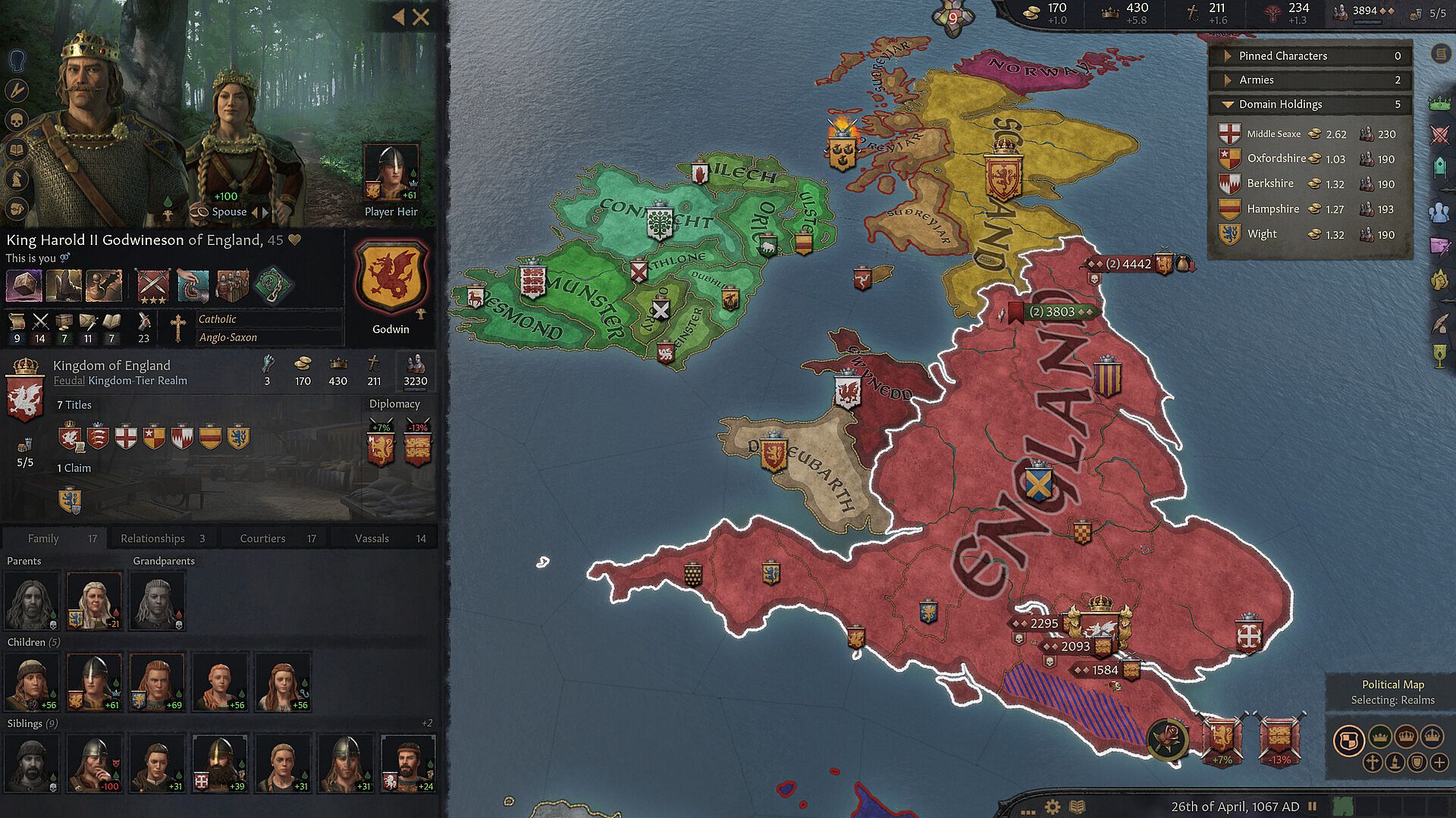
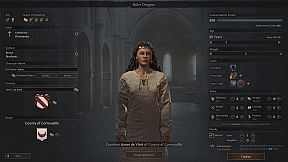
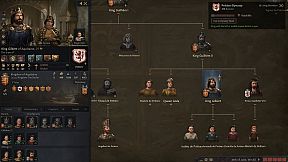
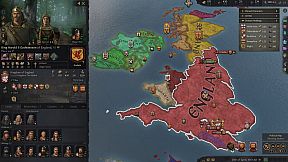
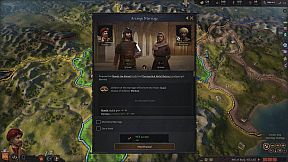
Dynasty management forms the heart of the game, with renown as a resource to influence house members, legitimize heirs, or create cadet branches for greater autonomy. Cultures and religions add layers, enabling innovations that boost realm prestige or military strength. Character models are customizable in 3D, reflecting age, health, and status changes over time. Combat requires tactical decisions on army composition and battlefield maneuvers, while subterfuge options include schemes for blackmail or assassination. Recent additions have expanded mechanics, such as nomadic herding and dominance systems for steppe rulers, or administrative tools for imperial governance in expanded Asian regions.
- Traits and genetics shape family lines, passing down attributes like intelligence or physical weaknesses.
- Events tied to relationships, including friendships and rivalries, lead to unique story branches.
- Travel and grand activities, like tournaments, provide ways to build alliances or resolve disputes.
Is It Worth Playing?
For those drawn to intricate strategy games that emphasize long-term planning and character-driven stories, Crusader Kings III remains a strong choice in 2026. It has received universal acclaim on Metacritic for its PC version, with IGN awarding it a perfect 10 out of 10 for its depth and replayability. The game has sold over 4 million copies worldwide, reflecting sustained popularity. Ongoing patches and expansions up to late 2025 have kept the content fresh, addressing earlier console issues like performance bottlenecks. If you enjoy managing empires through subtle diplomacy rather than constant action, this title delivers lasting value, though it demands patience to master its complex systems. Players seeking quick sessions might find it overwhelming, but strategy enthusiasts will appreciate the evolving world and historical authenticity.